
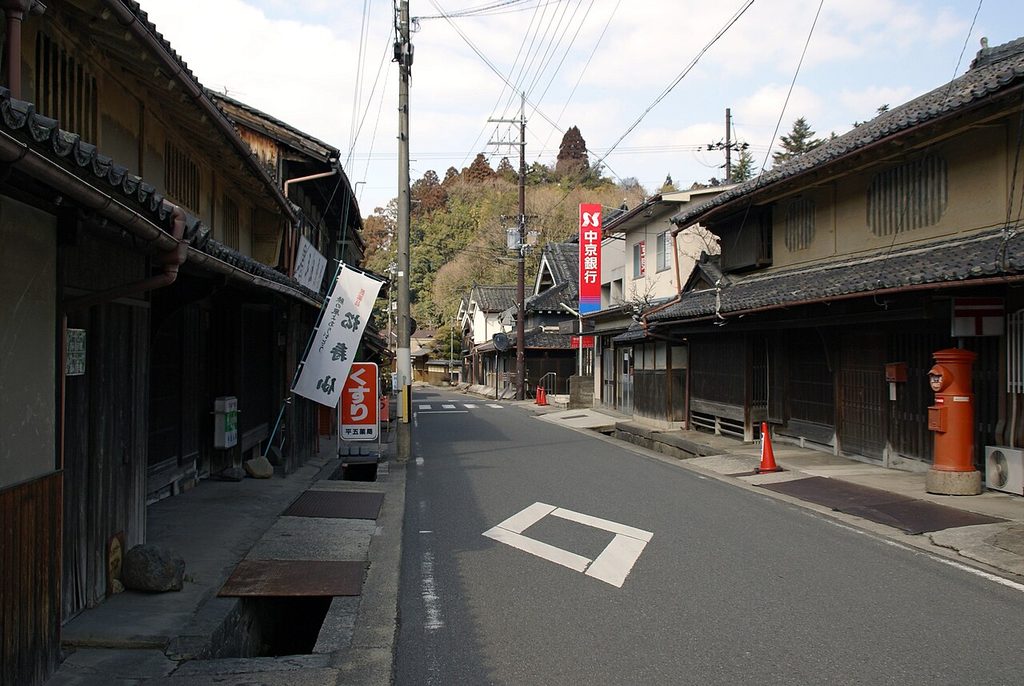
Discover the Local Rhythms, Everyday Traditions, and Hidden Cultural Layers That Make Japan Unique
Introduction: What If You Experienced Japan Instead of Just Visiting It?
When people plan a trip to Japan, they often begin with a list of famous places. They want to see the temples of Kyoto, visit the bustling streets of Tokyo, explore Osaka’s food scene, or walk beneath the giant torii gates of its most celebrated shrines.
These places are worth visiting. But they represent only one part of Japan.
Much of what makes Japan interesting lies outside its famous attractions: the neighborhood bakery that opens early in the morning, the small restaurant where regular customers know the owner, the fishing port where the day’s catch determines what appears on the menu, or the old shopping street where generations of shopkeepers have served the same community.
These are not necessarily places designed for visitors. They are places where people live, work, eat, and maintain the routines that give each community its character.
For travelers interested in Japanese culture, discovering these everyday environments can be just as rewarding as visiting famous landmarks. Sometimes, it can be even more revealing.
Experiencing everyday life in Japan is not about pretending to be a local. It is about understanding how people live, how traditions continue, and how a place develops its own rhythm.
And you do not need to travel to a remote mountain village to find this side of Japan. Even in cities, ordinary streets and familiar routines can reveal a different perspective on Japanese life.
The key is to slow down, look beyond the obvious attractions, and allow yourself time to notice what is happening around you.
1. Start the Morning Like a Local
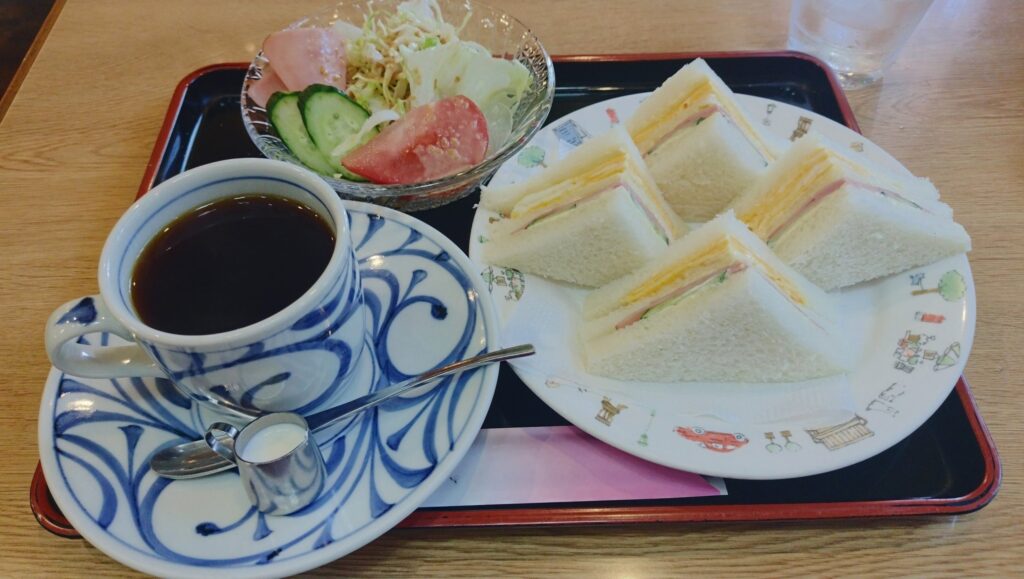
One of the simplest ways to experience everyday life in Japan is to begin your day somewhere other than your hotel breakfast room.
In many Japanese towns, mornings have their own distinctive rhythm. Shopkeepers prepare their stores, commuters head toward train stations, delivery vehicles move through narrow streets, and neighborhood cafés welcome their first customers.
These ordinary activities reveal how a town functions before its main attractions begin to fill with visitors.
Discover the culture of the Japanese kissaten
An excellent place to start is a traditional Japanese coffee shop known as a kissaten.
Kissaten culture developed during the modern transformation of Japanese cities and towns. Many establishments became familiar gathering places where customers could enjoy coffee, read newspapers, meet friends, or spend a quiet part of the day.
Some retain interiors that evoke the Showa era, with wooden counters, upholstered seats, carefully arranged coffee equipment, and menus that have changed surprisingly little over the years.
You might find thick slices of toasted bread, simple breakfast sets, or naporitan, a Japanese-style spaghetti dish that reflects the country’s distinctive adaptation of Western food.
The appeal is not necessarily the coffee itself. It is the opportunity to observe a familiar social space that exists primarily for local customers rather than tourists.
In a regional city such as Wakayama, an independent kissaten can offer a particularly interesting contrast with the international café chains found around major railway stations.
Take your time. Notice how customers interact with the staff, how the menu differs from what you might find at home, and how the atmosphere changes as the morning progresses.
You are not simply stopping for breakfast. You are entering a small part of everyday Japanese life.
Visit a neighborhood market or shopping street
Another way to understand a community is to visit the places where people buy food and daily necessities.
Traditional shopping streets, known as shotengai, can be found throughout Japan. Some are lively commercial centers, while others have gradually become quieter as shopping habits change.
You may encounter a fishmonger, a family-run tea shop, a shop selling Japanese sweets, or a small business specializing in products made in the surrounding region.
Not every shopping street is thriving, and that is part of what makes these places interesting. Their changing fortunes can reveal shifts in population, transportation, and local economies.
Rather than searching only for the most photogenic street, look for places where everyday transactions still take place.
If you visit a shop, buying something small and greeting the owner politely can be a natural way to engage with the community. A brief interaction will not necessarily lead to a long conversation, but it can make the experience more personal.
The goal is not to collect photographs of traditional Japan. It is to understand the ordinary places that continue to shape it.
Related post: The Lost Culture of Japanese Kissaten Cafes
2. Explore a Fishing Village Beyond the Seafood Restaurant
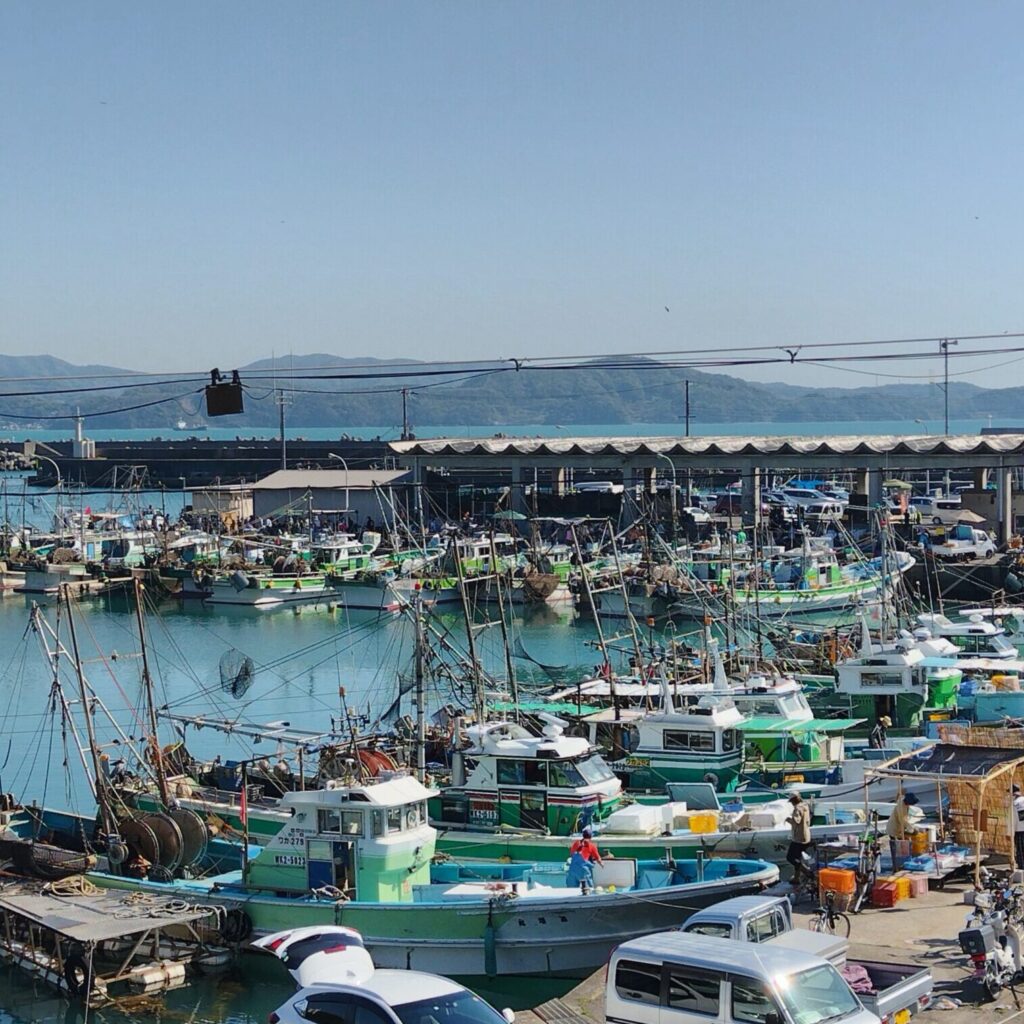
Japanese seafood is internationally celebrated, but the experience of eating fish in Japan becomes more meaningful when you understand where it comes from.
Instead of visiting only a famous seafood restaurant, consider spending time in a working fishing village.
Japan’s coastline contains communities with very different relationships to the sea. Some are associated with large commercial fishing operations, while others retain smaller ports, traditional fishing practices, and close connections between local producers and consumers.
A fishing village is not simply a scenic collection of boats and houses. It is a place where geography, weather, food, work, and community history intersect.
Understand how the sea shapes everyday life
Imagine arriving at a coastal settlement in the morning.
Fishing boats may be returning to port, equipment may be drying near the harbor, and residents may be preparing for the day’s work. The activity varies considerably by location and season, but the relationship between the community and the sea is often visible in the surrounding landscape.
The shape of the harbor, the arrangement of houses, and the location of the main road can all reflect the practical demands of living beside the water.
Food offers another way to understand this relationship.
The fish served in a local restaurant may depend on the season, the weather, and what local boats have landed. A dish that appears simple on the plate can therefore tell a story about the surrounding waters and the people who work with them.
In some communities, local food traditions also reflect preservation techniques developed before modern refrigeration, including drying, salting, and fermentation.
These practices connect the sea to household kitchens, regional trade, and the broader history of Japanese food culture.
Related post: 7 Fishing Villages in Japan: Where to Experience Local Life by the Sea
Discover Saikazaki in Wakayama
One example is Saikazaki, a fishing community in Wakayama City.
Its houses and narrow streets occupy a steep coastal landscape, creating a settlement closely connected to the surrounding harbor.
Rather than presenting the village as a conventional sightseeing attraction, it is worth considering how its physical environment has shaped everyday life. The relationship between the houses, the hills, and the sea provides clues about the practical realities of living in a coastal community.
Saikazaki also offers an opportunity to explore the relationship between regional food and the fishing industry.
For visitors coming from Osaka or Kyoto, the experience can provide a different perspective on Japanese coastal life without requiring a journey to a distant part of the country.
Of course, a working village is also someone’s home and workplace. Visitors should respect private property, avoid obstructing working areas, and ask permission before photographing residents at close range.
The most rewarding approach is to observe carefully, enjoy the local food, and appreciate the village as a living community rather than an open-air museum.
Related post: Saikazaki Fishing Village: Discover Wakayama’s Hidden Coastal Gem
3. Experience Japanese Food Where Its Cultural Roots Remain Visible
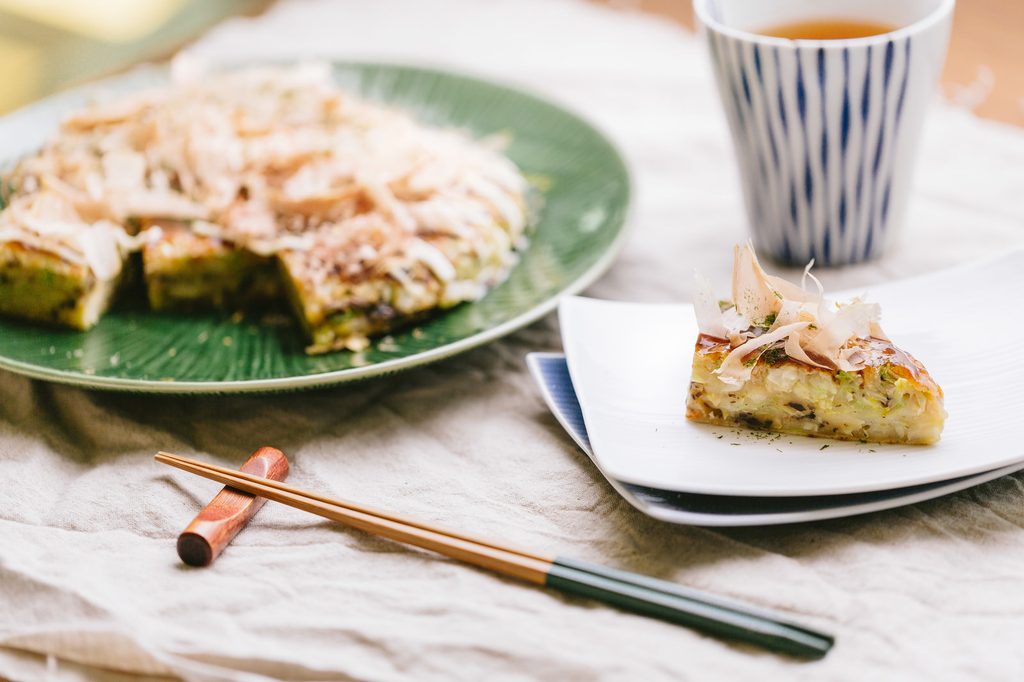
Food is one of the easiest ways to connect with everyday life in Japan.
However, there is a difference between eating popular Japanese dishes and understanding the regional traditions behind them.
Sushi, ramen, and tempura are familiar to many international visitors. Yet Japan’s food culture also includes countless local products and techniques that become easier to understand when experienced in the places where they developed.
Regional food is not just about ingredients. It reflects geography, climate, agricultural practices, trade, technology, and the habits of successive generations.
Discover the story behind Japanese shoyu soy sauce
Consider Japanese soy sauce, known as shoyu.
Today, soy sauce is a familiar condiment used throughout Japan and around the world. It is easy to regard it as a standard ingredient rather than a product with a particular history.
But the development of soy sauce depended on knowledge of fermentation, access to ingredients, suitable production environments, and networks through which products could be distributed.
Yuasa, a historic town in Wakayama Prefecture, is closely associated with the development of Japanese soy sauce.
The town’s traditional streets and surviving brewing heritage provide a setting in which to explore the relationship between food production and local history.
Visiting a historic brewery or learning how soy sauce is made can reveal aspects of Japanese food culture that are difficult to appreciate from a restaurant menu alone.
You begin to see fermentation not simply as a technique, but as a form of accumulated knowledge passed between generations.
You can also explore how a regional product became connected to broader patterns of commerce and Japanese culinary traditions.
This is a different way of experiencing food. Instead of asking only whether something tastes good, you can begin asking why it developed in this particular place.
Related post: Why Yuasa Is the Birthplace of Shoyu (Japanese Soy Sauce)
Look beyond famous dishes
The same approach can be applied to many regional foods.
Wakayama, for example, is known for products and traditions connected to its coastal geography, agricultural landscapes, and historic towns.
Depending on where you travel, you might explore local citrus fruits, ume products made from Japanese plums, regional seafood, traditional sweets, or foods preserved using techniques adapted to local conditions.
You do not need to visit a specialist producer for every meal. Even a conversation about a dish’s ingredients or a visit to a local market can help you understand its place within the region.
Food becomes particularly interesting when you connect it to the landscape.
A coastal meal may lead you to the fishing community that supplied the ingredients. A fruit dessert may introduce you to the agricultural history of a river valley. A fermented seasoning may reveal connections between trade, climate, and traditional production.
Each experience opens a door to another part of local life.
4. Visit Places Where Traditional Crafts Are Still Part of the Community
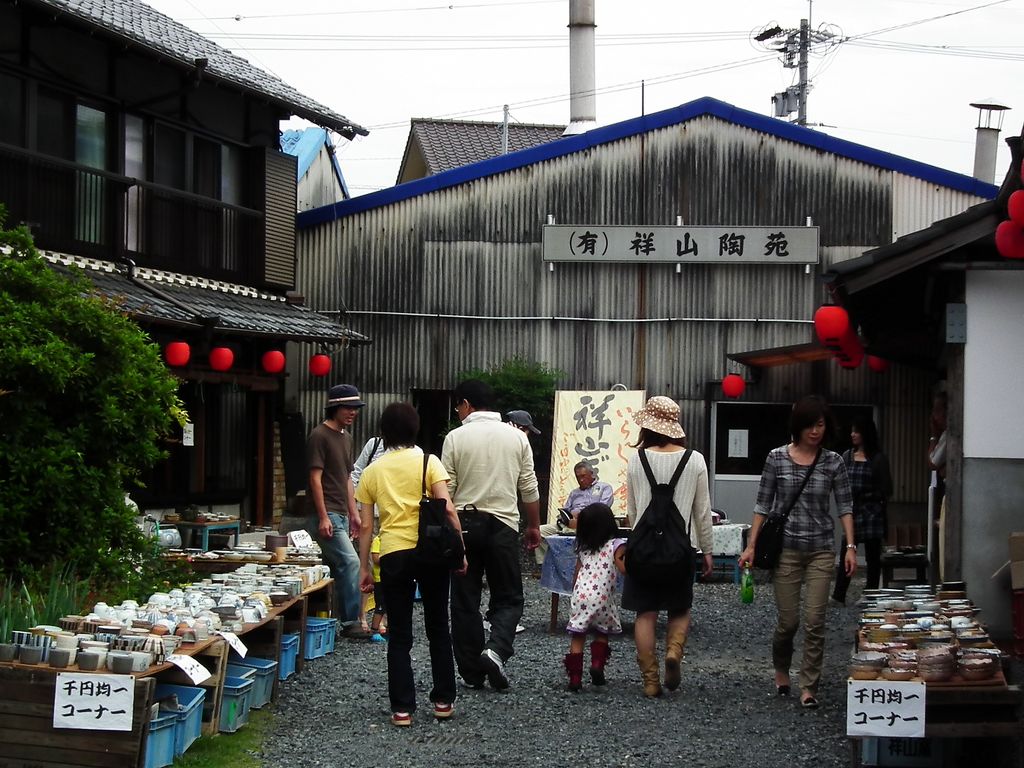
Japan’s traditional crafts are often presented through museum exhibitions, carefully arranged displays, and demonstrations designed for visitors.
These are valuable ways to learn about craftsmanship. But they do not always explain how a craft fits into the life of a community.
To understand that relationship, consider visiting a town where a traditional industry has shaped the local economy and built environment.
Explore Kuroe and the culture of Kishu lacquerware
Kuroe, in Kainan City, Wakayama Prefecture, has a long association with Kishu lacquerware.
The area’s lacquerware tradition developed through the production of practical household and commercial objects, and the industry remains an important part of its cultural identity.
One interesting aspect of Kishu lacquerware is the range of products associated with it. Depending on the maker and production method, lacquerware can include everyday items as well as more elaborate pieces requiring specialized skills.
This range offers an opportunity to consider a broader question: how does a traditional craft survive when the objects people use in daily life change?
The answer is rarely limited to preserving an old technique exactly as it was.
Craft traditions can continue through adaptations in design, materials, production methods, and the markets they serve. Some makers concentrate on established forms, while others experiment with contemporary applications.
In Kuroe, exploring the historic townscape alongside opportunities to learn about lacquerware can help visitors understand the relationship between craft production and the place itself.
If a workshop or hands-on activity is available, participating can provide a closer appreciation of the time, concentration, and technical knowledge required to produce a finished object.
Even when a workshop visit is not possible, looking carefully at the products and asking appropriate questions can change the way you understand traditional crafts.
Rather than seeing lacquerware as a souvenir category, you begin to recognize it as a living industry with a history, practical purpose, and evolving future.
Related post: Exploring Kuroe: Japanese Lacquerware and the Dining Experience
Why everyday crafts matter
Traditional crafts also reveal something important about Japanese culture: the distinction between preserving a technique and keeping it relevant.
A craft survives not only because people admire its history, but also because someone continues to make the objects, someone knows how to use them, and someone finds value in acquiring them.
That relationship between makers, users, and communities is an important part of the story.
For travelers, it provides a more meaningful perspective than simply purchasing an item and moving on to the next attraction.
Related post: Traditional Crafts to Experience in Japan: 7 Hands-On Experiences Beyond the Tourist Trail
5. Walk Through an Ordinary Neighborhood Instead of Following a Sightseeing Route

Walking is one of the most effective ways to experience everyday Japan.
When traveling between major attractions, it is easy to spend most of your time on trains, buses, and predetermined routes. Walking through a neighborhood allows you to notice the details that would otherwise pass by.
You might see small shrines beside residential streets, vegetable gardens behind houses, public noticeboards announcing local events, or workshops operating from buildings that look unremarkable from the outside.
Some streets reveal the history of a community through their layout. Others show how older buildings have been adapted for contemporary use.
There is no guarantee that every walk will produce a dramatic discovery. In fact, the absence of a major attraction can be part of the experience.
You have time to notice how the town changes from one street to another, where people gather, and how commercial and residential areas overlap.
Discover the everyday side of Wakayama City
Wakayama City offers opportunities to explore this kind of urban landscape.
Beyond the main attractions, the city contains residential neighborhoods, local shopping streets, independent cafés, small shrines, and businesses serving the needs of their surrounding communities.
Its character is different from that of Japan’s largest metropolitan areas. The city has an urban center, but daily life is also closely connected to the surrounding coast, agricultural areas, and smaller settlements.
This makes it possible to explore several aspects of regional life without traveling long distances between every stop.
A morning might begin with coffee at a local kissaten, continue with a walk through a neighborhood shopping street, and end with lunch at an independent restaurant.
Another day might focus on the relationship between the city and the sea, or on the historic routes that once connected communities across the Kii Peninsula.
The point is not to avoid famous attractions altogether. It is to leave room for experiences that are not defined entirely by a sightseeing checklist.
Related post: 3 Days in Wakayama City: A Slow Journey Through Castle, Coast & Local Life
Let the route develop naturally
You can try this approach without an elaborate itinerary.
Choose a neighborhood that interests you, allow enough time to explore on foot, and resist the temptation to fill every hour with scheduled activities.
If you discover a café that looks inviting, stop. If a small shop catches your attention, take a closer look. If a street seems interesting, follow it for a while, provided you are not entering private property or restricted areas.
A guide who knows the area can help explain historical details, local customs, and the significance of places that might otherwise appear ordinary.
The value lies not in finding something spectacular at every turn, but in gradually building a more complete understanding of the place.
6. Experience Japan Through Its Seasonal Rhythms
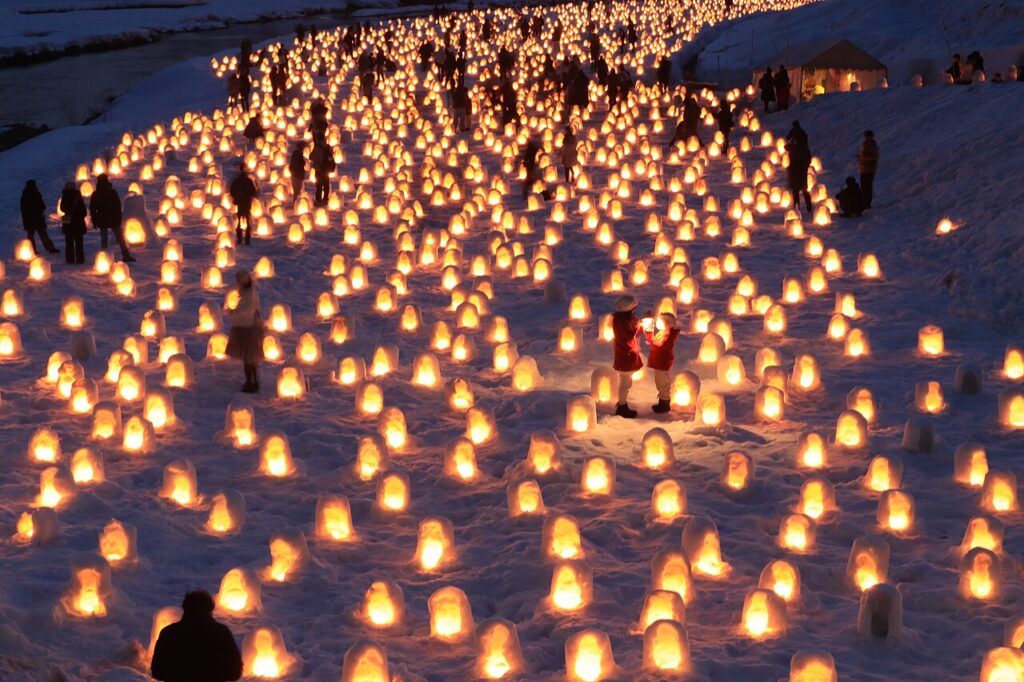
Japanese culture is often associated with seasonal events: cherry blossoms in spring, summer festivals, autumn foliage, and winter illuminations.
These are wonderful experiences, but seasonal life in Japan extends far beyond the events most familiar to international visitors.
The changing seasons influence food production, local festivals, fishing practices, agricultural work, and the routines of daily life.
To understand a region, it helps to consider not only what is happening during your visit, but also why certain activities take place at that particular time of year.
Follow the agricultural calendar
In rural parts of Japan, the landscape changes according to the agricultural calendar.
Fields may be prepared for planting, rice paddies filled with water, fruit trees harvested, or vegetables brought to market as the seasons progress.
Wakayama is particularly interesting in this respect because its varied geography supports a range of agricultural activities.
The Kinokawa River valley, for example, is known for fruit cultivation. The region’s agricultural landscapes offer a way to explore the relationship between local produce, climate, and the work that sustains rural communities.
A visit during a fruit harvest can reveal a different side of the region from a visit in winter, when the landscape and pace of outdoor activity may be quite different.
Seasonal food also changes the experience of eating locally. A dish prepared with ingredients harvested nearby can reflect the conditions of a particular moment rather than a standardized menu available throughout the year.
If you are interested in agriculture, food, or rural culture, planning around a seasonal activity can provide a stronger connection to the region.
Understand local festivals as community events
Festivals offer another perspective on seasonal life.
Many Japanese festivals are not simply performances organized for tourists. They are connected to local religious traditions, neighborhood organizations, historical memories, or the annual calendar of a community.
Their significance can extend beyond the visible event.
Preparation may involve local associations, volunteers, families, and businesses. Different generations may participate in different ways, and the event can help maintain relationships between people who share a place.
Not every festival is open to unrestricted visitor participation, and customs vary. Observing respectfully is often the best starting point.
If you visit a local event, learn about its background, follow the organizers’ guidance, and avoid treating religious or community activities as entertainment without context.
Understanding a festival’s role in local life can make the experience more meaningful than simply watching a procession or photographing traditional clothing.
7. Stay Longer and Let Familiarity Develop
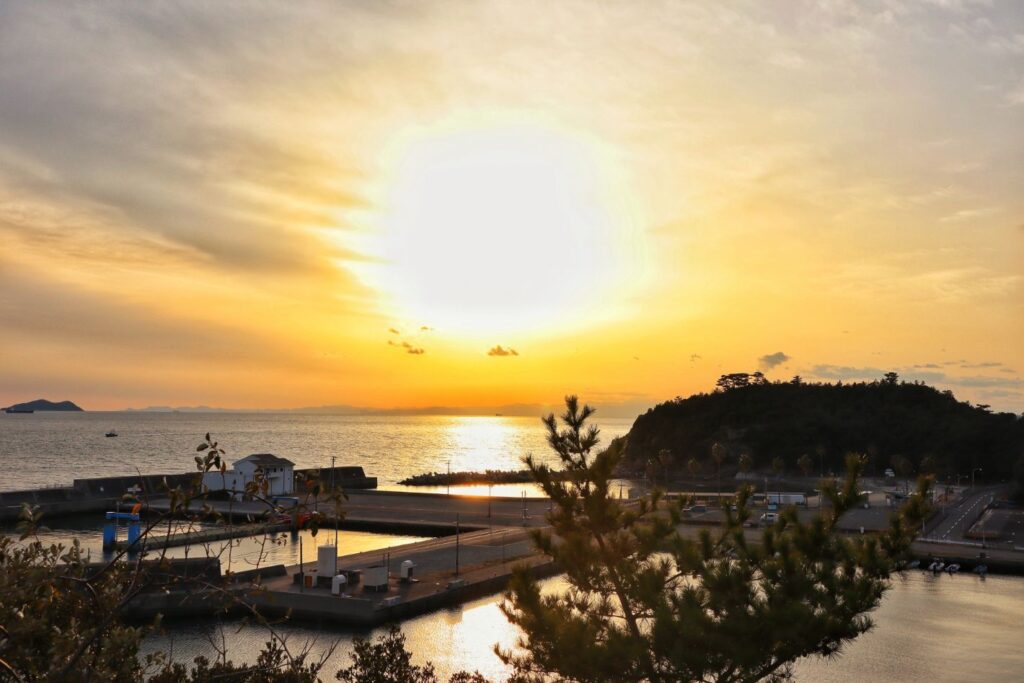
Perhaps the most important factor in experiencing everyday life in Japan is time.
A short visit can reveal a great deal, but it naturally limits the number of routines you can observe and the connections you can develop.
Staying longer creates opportunities to return to the same places, recognize familiar faces, and notice how a neighborhood changes throughout the week.
You may discover that a shop is busiest on certain mornings, that a local market follows a regular schedule, or that a particular walking route feels different at the beginning and end of the day.
These observations are small, but together they create a stronger sense of place.
Slow travel is about attention, not simply speed
Slow travel is sometimes understood as a way to avoid rushing between destinations.
That is part of it, but the deeper idea is to change the relationship between the traveler and the place being visited.
Instead of trying to see as many attractions as possible, you give yourself time to understand the connections between them.
A visit to a fishing village becomes more interesting when you understand its food traditions. A historic street becomes more meaningful when you learn how the town developed. A local craft becomes easier to appreciate when you see how it relates to the community’s economic history.
The experiences reinforce one another.
This is particularly relevant in regional Japan, where cultural attractions may be spread across several towns and landscapes. A longer stay can create space for walking, local food, nature, and everyday activities without requiring every day to revolve around a major destination.
Why Wakayama is worth considering for a slower stay
Wakayama offers a useful setting for this style of travel.
Located south of Osaka, it is accessible from the Kansai region while offering a different pace and a variety of landscapes.
The prefecture includes coastal communities, historic towns, agricultural areas, forested mountains, and places associated with Japan’s religious and pilgrimage traditions.
Some travelers visit primarily for Koyasan or the Kumano Kodo. Others come for the coast, regional food, or outdoor activities.
But these interests can also serve as starting points for a broader exploration of local life.
You might combine a walk along a historic route with a visit to a traditional town, spend time learning about regional food production, or explore a coastal community before returning to the city for dinner.
You do not need to experience everything in a single trip.
In fact, leaving some time unplanned may be one of the best ways to discover what makes the region interesting to you.
For travelers who want to go beyond conventional sightseeing, a longer stay can turn Wakayama from a collection of destinations into a place they begin to understand.
Related post: A Satoyama Slow Journey Through Central Wakayama: Sea, Citrus, History & Ume
8. How to Experience Everyday Life in Japan Respectfully
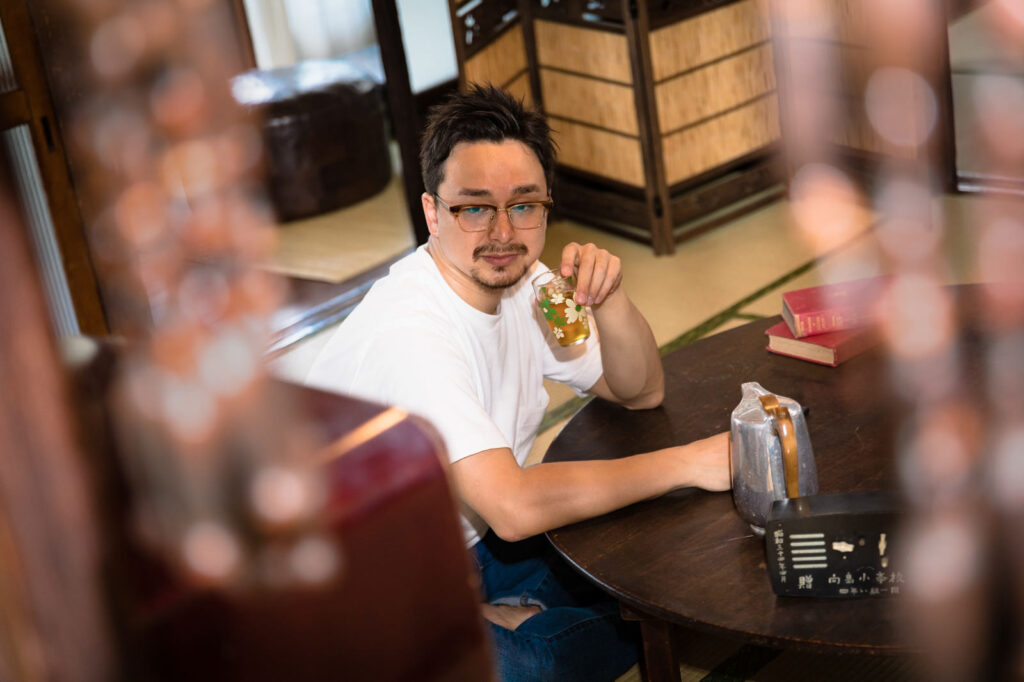
Experiencing local life requires a slightly different approach from visiting a major tourist attraction.
The places you discover may be homes, workplaces, religious spaces, or community facilities rather than destinations designed for visitors.
A few simple principles can help you make the most of these experiences while respecting the people who live there.
Choose curiosity over intrusion. Observe your surroundings and learn about local customs, but remember that residents are not there to provide an experience for visitors.
Support local businesses when appropriate. Buying a meal, ordering coffee, or purchasing something from a local shop can be a natural way to participate in the local economy. There is no need to make a purchase at every place you visit.
Ask before taking close-up photographs. This is particularly important in residential neighborhoods, fishing ports, workshops, and places where people are working.
Be flexible. Small businesses may have irregular opening hours, and activities may depend on weather, seasonal conditions, or the availability of local practitioners.
Learn a few basic Japanese expressions. A simple greeting or thank-you can make interactions smoother, even when neither person speaks the other’s language fluently.
Avoid assuming that every region is the same. Japanese customs, food traditions, dialects, and community practices vary. What you encounter in one town should not automatically be treated as representative of the entire country.
Most importantly, remember that everyday life does not need to be extraordinary to be interesting.
A quiet street, a familiar local restaurant, or an ordinary conversation can reveal something about a place that a photograph of its most famous landmark cannot.
9. Where Should You Go to Experience Everyday Japan?
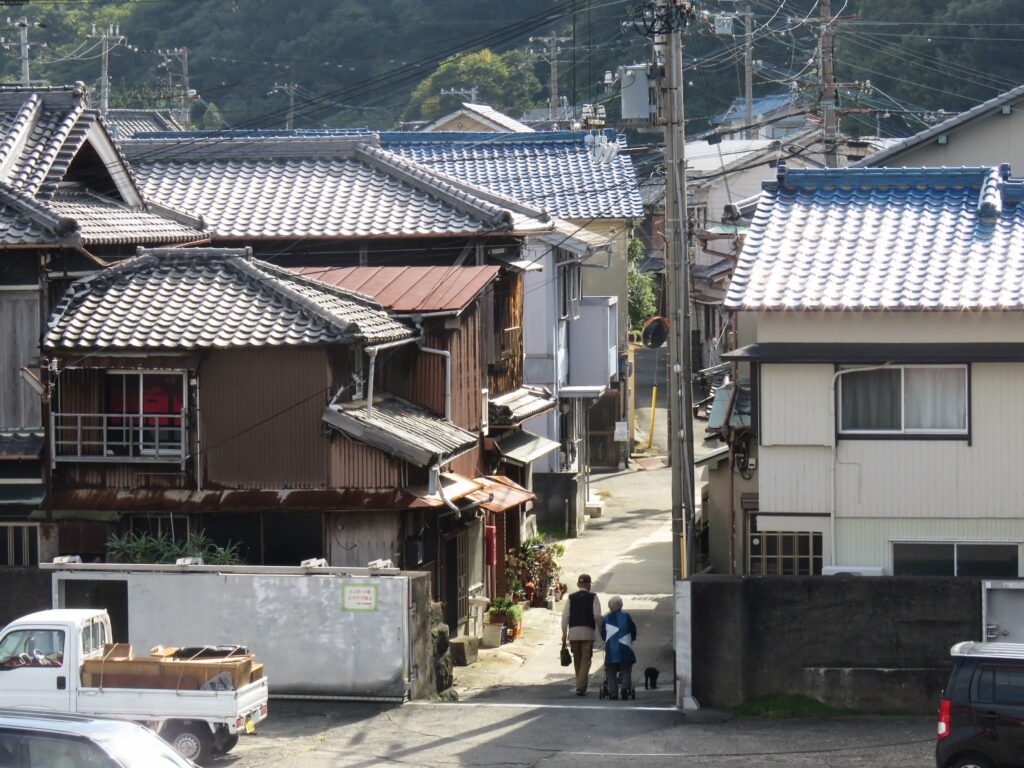
There is no single destination that offers the definitive experience of everyday life in Japan. The most suitable place depends on what interests you.
However, regional destinations can be particularly rewarding because they offer opportunities to explore the connections between landscape, local industries, history, and daily routines.
Here are a few places worth considering.
Wakayama City: Everyday Urban Life by the Sea
Wakayama City offers a combination of urban neighborhoods, local food, coastal communities, and cultural sites.
It is a useful base for travelers who want to explore regional Japan without staying in a remote location. You can experience the rhythms of a regional city while making excursions to nearby historic towns and coastal areas.
Best for: Local cafés, neighborhood walks, regional food, fishing communities, and a slower introduction to western Japan.
Saikazaki: A Fishing Village Shaped by the Coast
Saikazaki offers an opportunity to explore the relationship between a coastal landscape and the community that developed around it.
Its harbor, hillside streets, and local food traditions provide a different perspective on Japanese life from the major urban centers.
Best for: Coastal landscapes, fishing culture, seafood, and the relationship between geography and everyday life.
Yuasa: The Living History of Shoyu Soy Sauce
Yuasa is a historic town closely associated with Japanese soy sauce.
Its traditional streets and brewing heritage offer an opportunity to explore how food production, commerce, and local history have shaped a community.
Best for: Fermentation, regional food culture, historic townscapes, and traditional production methods.
Kuroe: Traditional Craftsmanship in a Historic Town
Kuroe is associated with Kishu lacquerware and offers a perspective on the relationship between traditional craftsmanship and regional identity.
Exploring the town alongside opportunities to learn about lacquerware can reveal how a local industry continues to influence its surroundings.
Best for: Traditional crafts, historic streets, and the relationship between craftsmanship and everyday objects.
The Kinokawa River Valley: Agriculture and Rural Life
The Kinokawa River valley offers a different perspective on Wakayama, with agricultural landscapes and communities connected to fruit cultivation.
It is a useful destination for travelers interested in the relationship between food, landscape, and rural economies.
Best for: Fruit culture, agricultural landscapes, seasonal food, and rural communities.
These places are not interchangeable, and each has its own character. What connects them is the opportunity to look beyond individual attractions and explore the relationships that make a place distinctive.
10. A Different Way to Discover Japan: Follow Your Interests
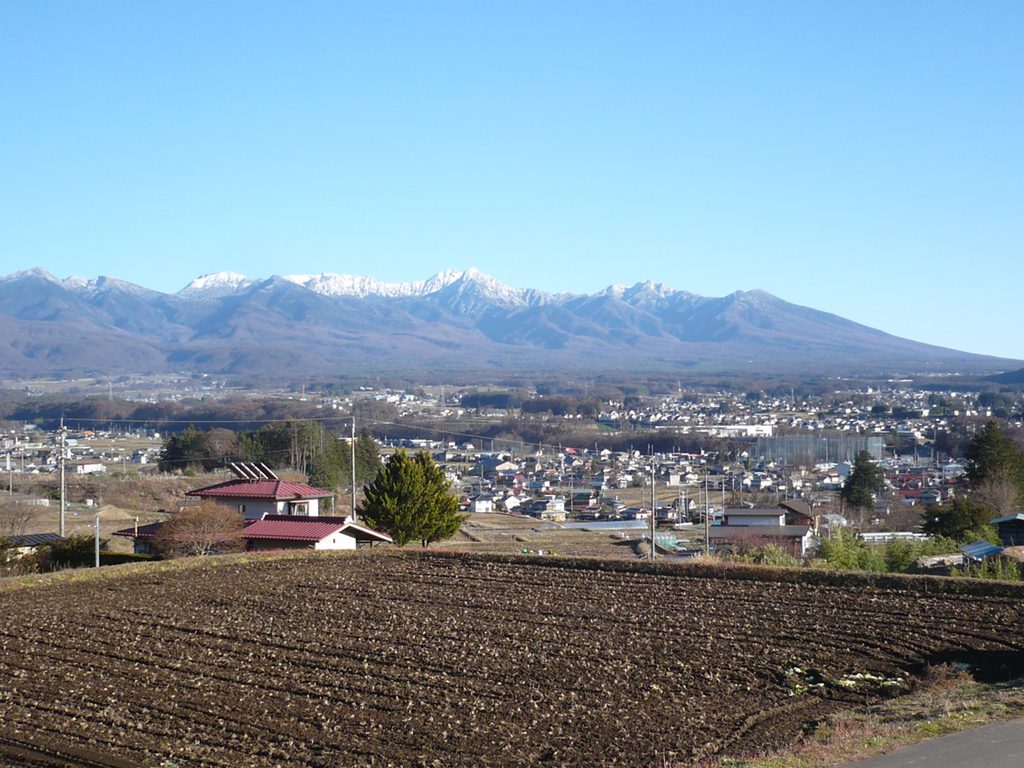
You do not have to begin with a destination to plan a meaningful trip to Japan.
Sometimes it is more interesting to begin with a question.
What can traditional fermentation teach us about regional food culture?
How have fishing communities adapted to their coastal environments?
Why do certain crafts survive in particular towns?
How do pilgrimage routes connect religious traditions with ordinary settlements?
What does a neighborhood café reveal about the social life of a Japanese city?
Questions like these can lead you to places you might never have considered visiting.
They can also connect seemingly unrelated experiences.
A visit to a soy sauce brewery might lead to a historic town walk. A coastal walk might introduce you to a fishing community. An interest in traditional crafts might take you to a regional industry that has shaped the local economy for generations.
The journey develops through these connections.
This approach is especially useful for travelers who have already visited Tokyo, Kyoto, or Osaka and want to discover another side of Japan. It is equally suitable for first-time visitors who prefer a more personal and less hurried way to explore.
You do not need to reject the famous destinations. You simply need to leave room for the places and experiences that exist beyond them.
Discover Everyday Japan in Wakayama
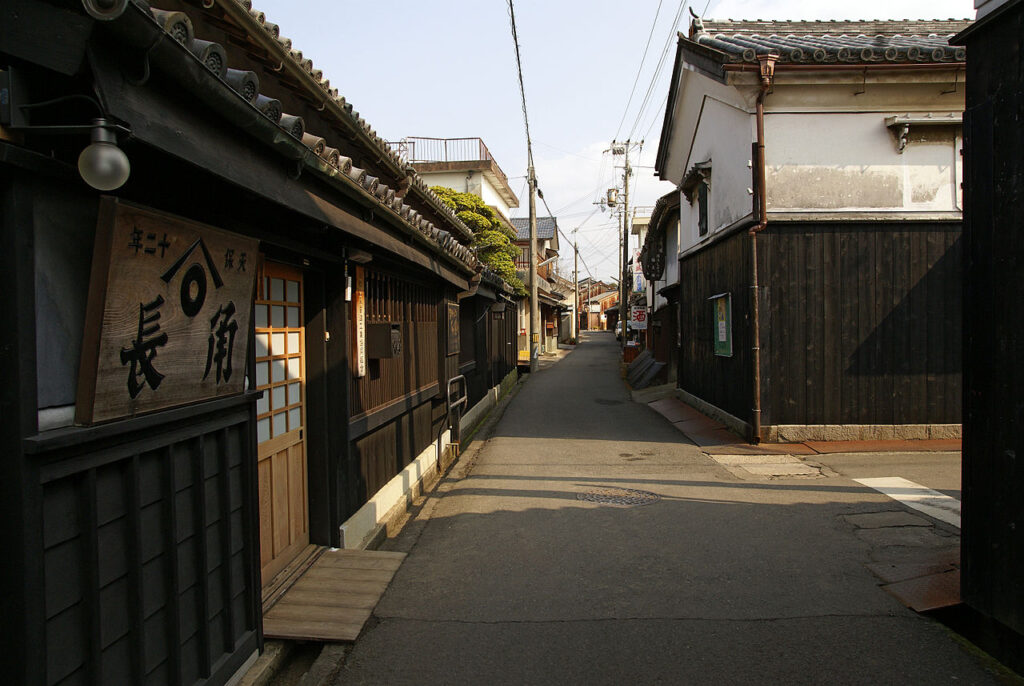
At Tama Transmission, my approach to guiding in Wakayama begins with a simple idea: a place becomes more interesting when you understand the connections between its landscape, history, food, and everyday life.
As a National Government Licensed Guide Interpreter based in Wakayama City, I help international travelers explore these connections through walks, cultural experiences, local food, and journeys shaped around their interests.
Rather than treating every destination as an isolated attraction, we can explore how different parts of the region relate to one another.
A walk through a historic town might become an introduction to Japanese fermentation culture. A visit to the coast might reveal the relationship between fishing, food, and the landscape. A day spent exploring Wakayama might combine neighborhood life, traditional crafts, and places associated with the region’s history.
The experience can be adapted to your interests, available time, and preferred pace.
You might want a half-day introduction to Wakayama, a full day exploring several aspects of regional culture, or a longer journey that leaves room for independent exploration.
Accommodation and transportation are not included in the guiding service, allowing you to make your own arrangements and maintain flexibility in your travel plans.
If you are interested in discovering a side of Japan that goes beyond the usual sightseeing itinerary, Wakayama offers plenty of possibilities.
Explore the region through a Curated Kii Peninsula Journey, or discover individual walking and cultural experiences that introduce you to the places, traditions, and everyday rhythms of Wakayama.
Learn more about the Curated Kii Peninsula Journey or Wakayama Short Living Concierge
Conclusion: The Japan You Remember May Be the Japan You Didn’t Plan to See
Famous landmarks provide a useful introduction to Japan, but they do not tell the whole story.
The character of a place also emerges through its neighborhood cafés, local markets, working ports, traditional industries, seasonal routines, and the people who maintain them.
These everyday environments reveal how Japanese culture continues to develop beyond the settings most commonly associated with tourism.
Experiencing them does not require a complicated itinerary or a search for somewhere completely untouched by visitors.
It requires time, curiosity, and a willingness to look more closely at the places you encounter.
You might arrive in Japan wanting to see a famous temple or try a particular dish. Along the way, you may discover a historic street, an unfamiliar regional food, or a small community whose story changes how you understand the country.
Those unexpected discoveries are often what make travel memorable.
Go beyond sightseeing. Give yourself time to experience the life that continues around the places you came to see.
Related Posts
- Slow Travel in Japan: 7 Places to Experience Local Life
- Quiet Places Near Kansai Airport: 7 Slow Travel Destinations Beyond Osaka, Kyoto & Nara
- 10 Days in Wakayama: A Slow Travel Experience Beyond the Golden Route
- Why Wakayama Is One of Japan’s Best Destinations for Slow Travel
No responses yet