
A 5-Day Journey Through Yuasa, Shirasaki Coast, Arida, Hidaka, and Minabe
When travelers think about Wakayama, they often imagine Koyasan, Kumano Kodo, or the beaches of Shirahama.
But between the major destinations lies another side of the prefecture—one shaped by fishing ports, citrus orchards, historic towns, temples, fermentation, and one of Japan’s most important agricultural traditions: ume, or Japanese plums.
This five-day journey explores Central Wakayama at a slower pace.
Rather than checking off famous attractions, the route follows the landscape itself:
Sea → Citrus → History → Food → Ume
Along the way, you will discover the historic town of Yuasa, the dramatic coastline of Shirasaki, fishing communities around Arida, the religious history of Hidaka, and the plum landscapes of Minabe.
This is a journey for travelers who want to understand how food, landscape, and history continue to shape everyday life in rural Japan.
Day 1 — Yuasa: Where the Journey Begins
A Historic Coastal Town Shaped by Fermentation
The journey begins in Yuasa, a small historic town on the coast of Wakayama.
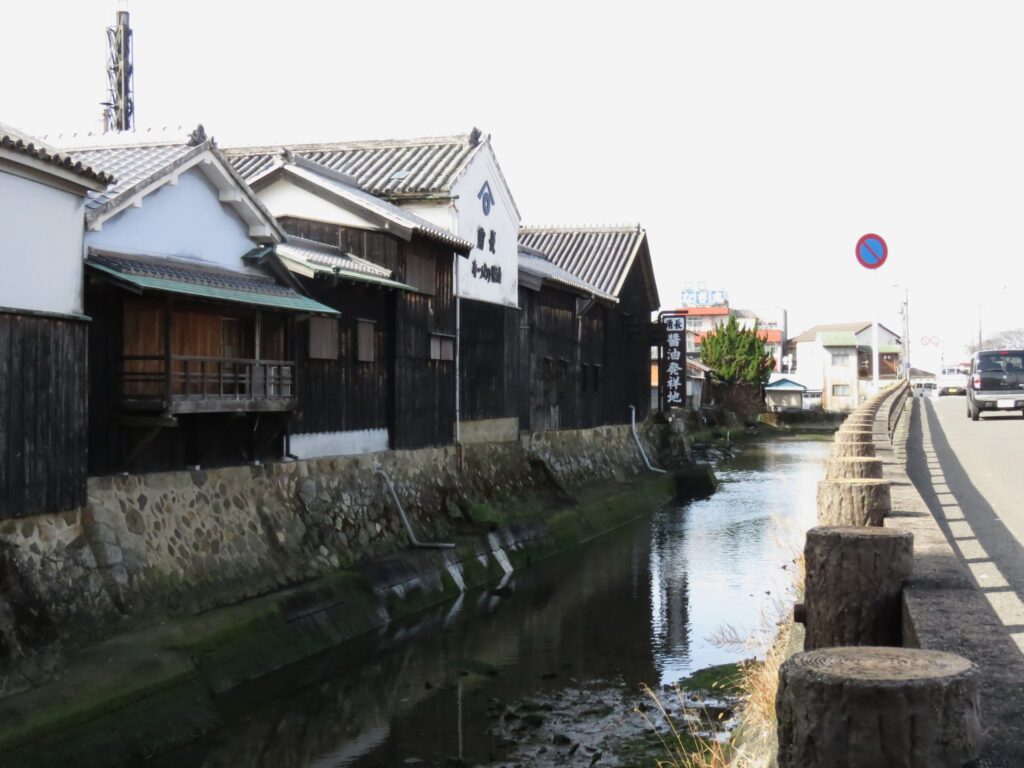
Yuasa is widely recognized as the birthplace of Japanese soy sauce, and its historic streets still preserve the atmosphere of a traditional brewing town.
This is an ideal place to begin a slow journey because Yuasa introduces one of the central themes of the region:
Time creates flavor.
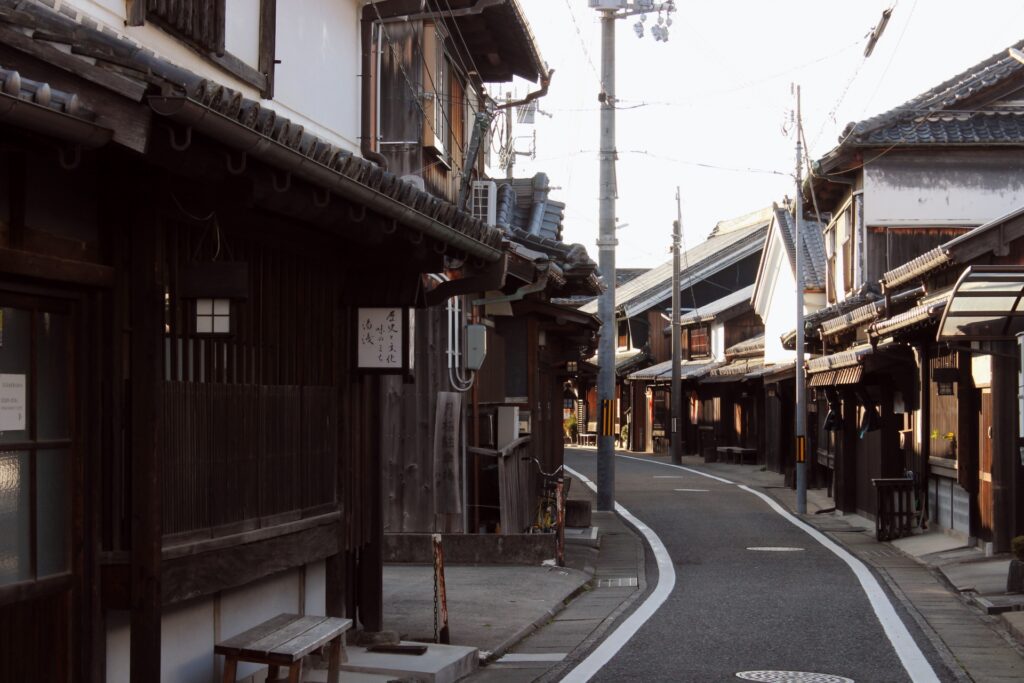
Walking through the old streets, you encounter wooden buildings, traditional breweries, narrow lanes, and the subtle scent of fermentation.
Rather than simply visiting a historic district, take time to understand how the town developed around food production and coastal trade.
Morning
Begin with a leisurely walk through the historic streets.
Explore:
- Traditional merchant houses
- Historic soy sauce breweries
- Narrow streets and old wooden buildings
- Small shops selling local foods
- The relationship between the town and the sea
If possible, include a visit to a traditional soy sauce brewery and a tasting.
Compare different styles of soy sauce and learn how fermentation, wooden barrels, microorganisms, climate, and time influence flavor.
This is not simply a food experience.
It is an introduction to the cultural landscape of Wakayama.
Lunch
Enjoy a local lunch featuring seafood and regional ingredients.
Soy sauce naturally becomes part of the experience—not simply as a condiment, but as a product connected to the history of the town.
Afternoon — A Short Coastal Walk
After lunch, take a gentle walk around the coastal side of Yuasa or nearby fishing communities.
The landscape begins to change as the historic town gives way to the open sea.
Fishing boats, small harbors, hillsides, and residential neighborhoods reveal the relationship between the community and the ocean.
Evening
Stay in or near Yuasa.
Instead of moving to another destination, spend the evening slowly.
Have dinner featuring local seafood and seasonal ingredients.
The first day establishes the theme of the journey:
In Central Wakayama, food is often a reflection of place.
Related post:
Day 2 — Hirogawa & Shirasaki Coast: Sea, Memory & White Cliffs
From Coastal History to Dramatic Landscapes
Day two follows the coast westward toward Hirogawa and Yura.
This is where the journey shifts from fermentation and town culture to the dramatic relationship between people and the sea.
Morning — Hirogawa
Begin in Hirogawa, a coastal town whose history is closely connected to the sea.
The area offers an opportunity to think about another aspect of coastal life in Japan:
how communities learn to live with the ocean.
Walk through the town and explore its historic landscape and relationship with fishing and coastal life.
For travelers interested in Japanese history, disaster preparedness, or local communities, Hirogawa provides a particularly interesting perspective.
Rather than treating the sea only as scenery, you begin to see it as a force that has shaped the community.
Lunch
Enjoy a simple local seafood lunch.
The emphasis is on seasonal ingredients rather than formal dining.
Afternoon — Shirasaki Coast
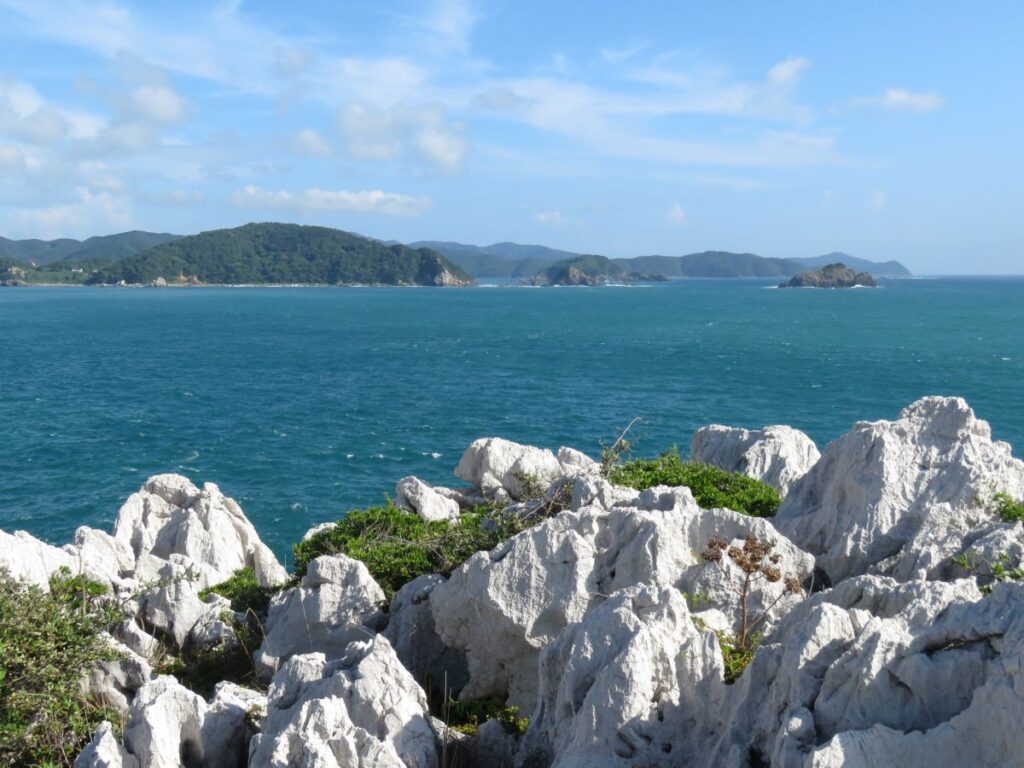
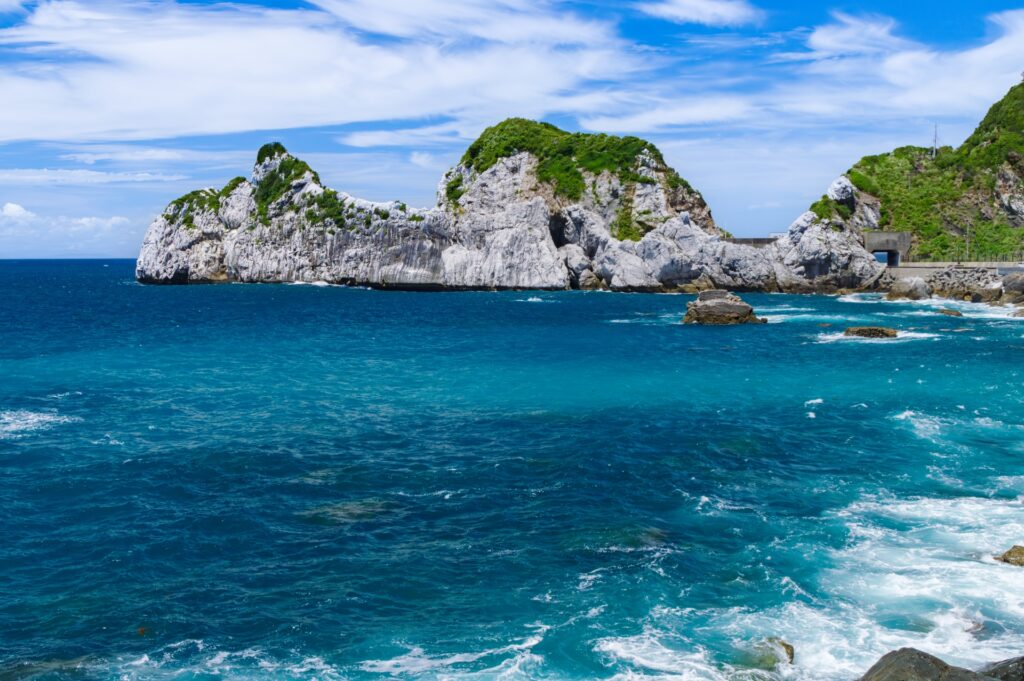
Continue toward the Shirasaki Coast, one of Wakayama’s most striking coastal landscapes.
White limestone cliffs rise dramatically above the blue sea, creating a landscape that feels almost Mediterranean.
But the scenery is not the only attraction.
The coastline also reveals:
- Fishing communities
- Small harbors
- Rural roads
- Hillsides overlooking the ocean
- Quiet coastal landscapes away from major tourist routes
Take time to walk around the area and enjoy the changing light on the limestone and sea.
This is an especially rewarding section for photographers.
Optional Coastal Experience
Depending on the season, weather, and local arrangements, the day can be extended with a coastal boat experience or a longer walk.
The goal is not to rush through several viewpoints.
It is to spend enough time beside the sea to notice how the landscape changes.
Evening
Stay near the coast or return toward Yuasa.
A second night in the same general area keeps the journey relaxed rather than turning it into a constant packing-and-moving trip.
Related post:
Cycling the White Cliffs of Wakayama
Day 3 — Arida: Citrus, Fishing Ports & Rural Landscapes
Where the Sea Meets the Citrus Hills
On Day 3, the journey moves into Arida, where the landscape begins to reveal another defining feature of Central Wakayama:
citrus agriculture.
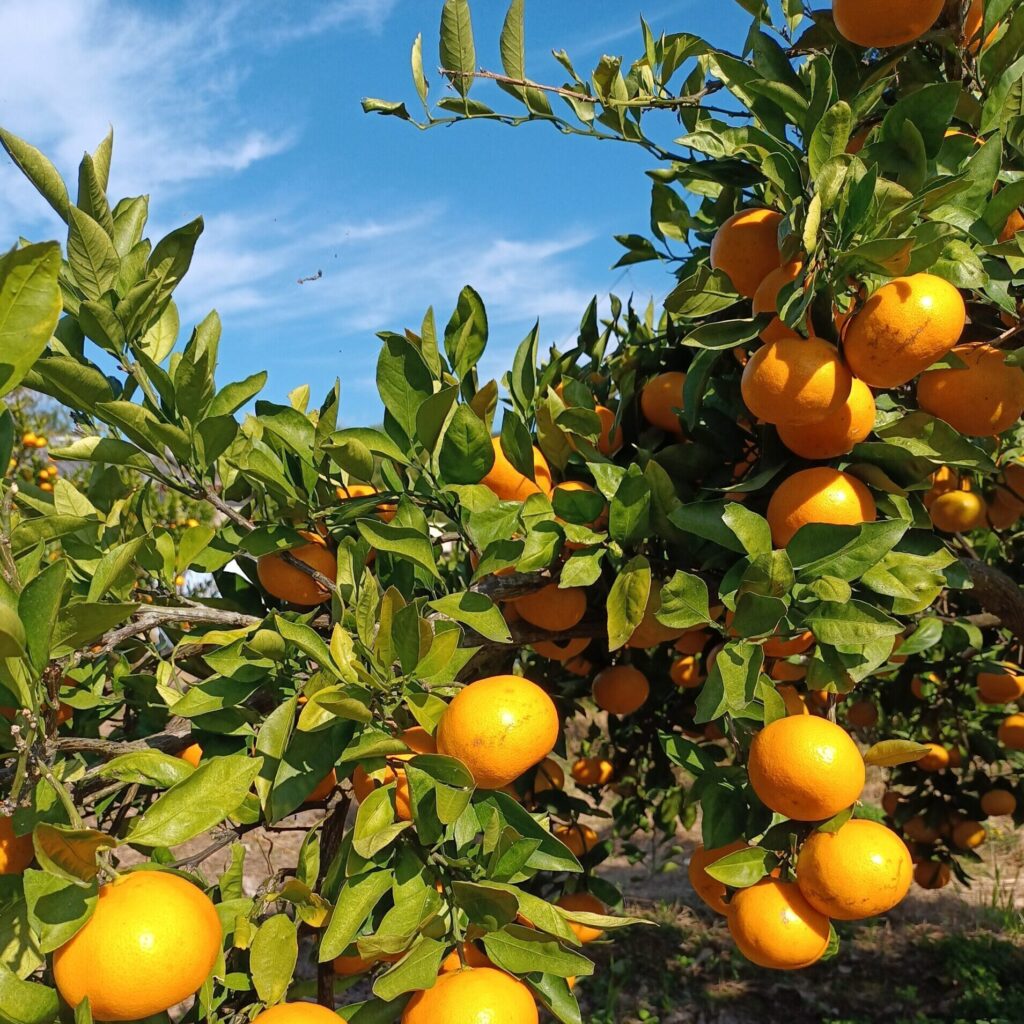
Arida is famous for its mandarin oranges, but the experience is more interesting when you look beyond the fruit itself.
The citrus orchards are part of the landscape.
Hillsides, rivers, fishing ports, farms, and villages exist within the same small geographic area.
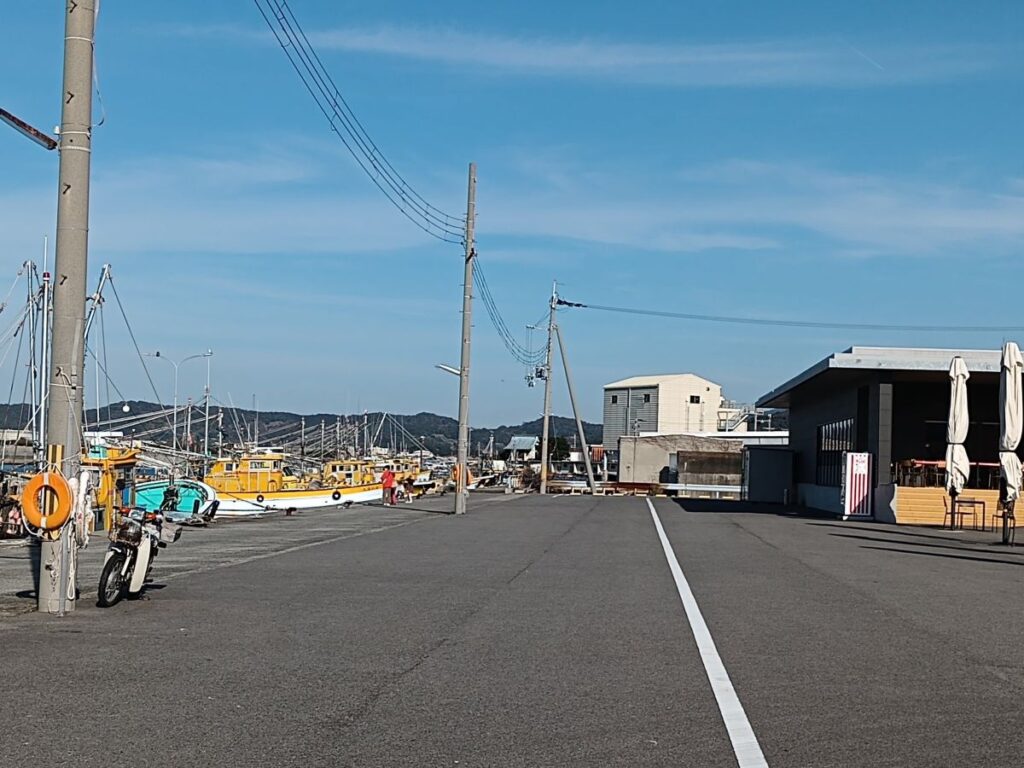
Morning — A Fishing Port
Begin at a local fishing port and market.
This is a chance to see another side of Wakayama’s food culture:
the sea as a working landscape.
Depending on the day and season, you may see fishing boats arriving, fresh seafood being handled, and local products being sold.
The atmosphere is very different from a large tourist market.
It is part of everyday life.
Lunch
Enjoy fresh seafood, ideally with seasonal local ingredients.
This is a good place to compare the food culture of the coast with the fermentation culture experienced in Yuasa.
Afternoon — Citrus Landscapes
Move inland toward the citrus-growing hills.
The roads climb gradually through orchards, revealing views over the Arida River and surrounding countryside.
The experience is particularly beautiful during the citrus season, when the hills are filled with orange-colored fruit.
But even outside the harvest season, the orchards reveal how agriculture has shaped the landscape.
Walk through a suitable orchard area or visit a local producer when available.
Depending on the season, experiences may include:
- Citrus tasting
- Learning about cultivation
- Visiting a farm shop
- Seasonal fruit desserts
- Meeting a local producer
The important point is not simply to “eat oranges.”
It is to understand how citrus became part of the identity and economy of the region.
Evening
Return toward the coast or stay in the Arida/Yuasa area.
This is a good evening to enjoy a relaxed local dinner rather than another formal sightseeing experience.
Related post:
Day 4 — Hidaka: Temple, History & Rural Japan
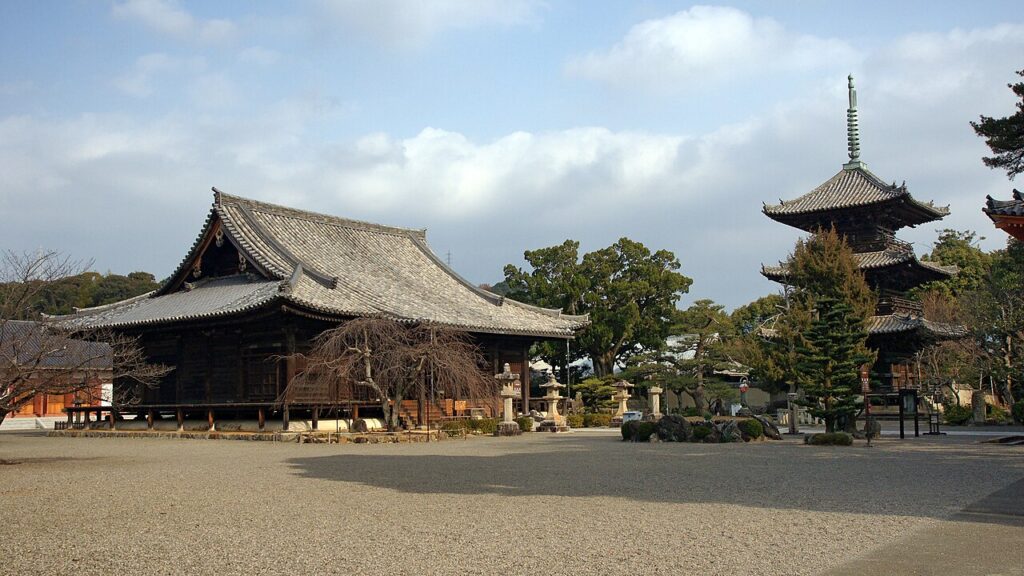
From the Coast to the Cultural Landscape of Hidaka
Day four changes the rhythm again.
After several days of coastal landscapes and food culture, the journey moves toward Hidaka, where history, religion, and rural landscapes become more prominent.
Morning — Dojoji Temple
Visit Dojoji Temple, one of the best-known historic temples in the region.
The temple provides a different cultural perspective from the coastal towns.
Rather than focusing on modern tourism, explore the stories, religious traditions, architecture, and local legends associated with the temple.
This is an opportunity to slow down and spend time with the cultural history of the region.
The Story Behind the Temple
One of the reasons Dojoji is particularly interesting for international visitors is the dramatic legend associated with the temple.
Stories such as these reveal how Japanese religious sites often exist at the intersection of:
- History
- Folklore
- Performing arts
- Religious tradition
- Local identity
A local guide can help place these stories within the landscape rather than presenting them simply as folklore.
Lunch
Enjoy a meal featuring local ingredients.
Where possible, choose a restaurant or small local establishment rather than rushing back to a major tourist center.
Afternoon — Rural Hidaka
Spend the afternoon exploring the surrounding countryside.
The landscape here is quieter than the coast.
Rice fields, small settlements, rivers, wooded hills, and agricultural land create a different image of Wakayama.
This is a good time to slow down.
Take a walk.
Stop at a café.
Visit a small local shop.
Watch the landscape change.
The journey is now moving away from the sea and toward the agricultural landscapes that support another of Wakayama’s defining products.
Evening — Toward Minabe
Continue south toward Minabe, the heart of Wakayama’s ume culture.
Stay overnight in the Minabe or Tanabe area.
Related post:
Hidden Gems Near Kansai Airport: Escape the Crowds in Japan
Day 5 — Minabe: Ume, Agriculture & the Art of Preservation
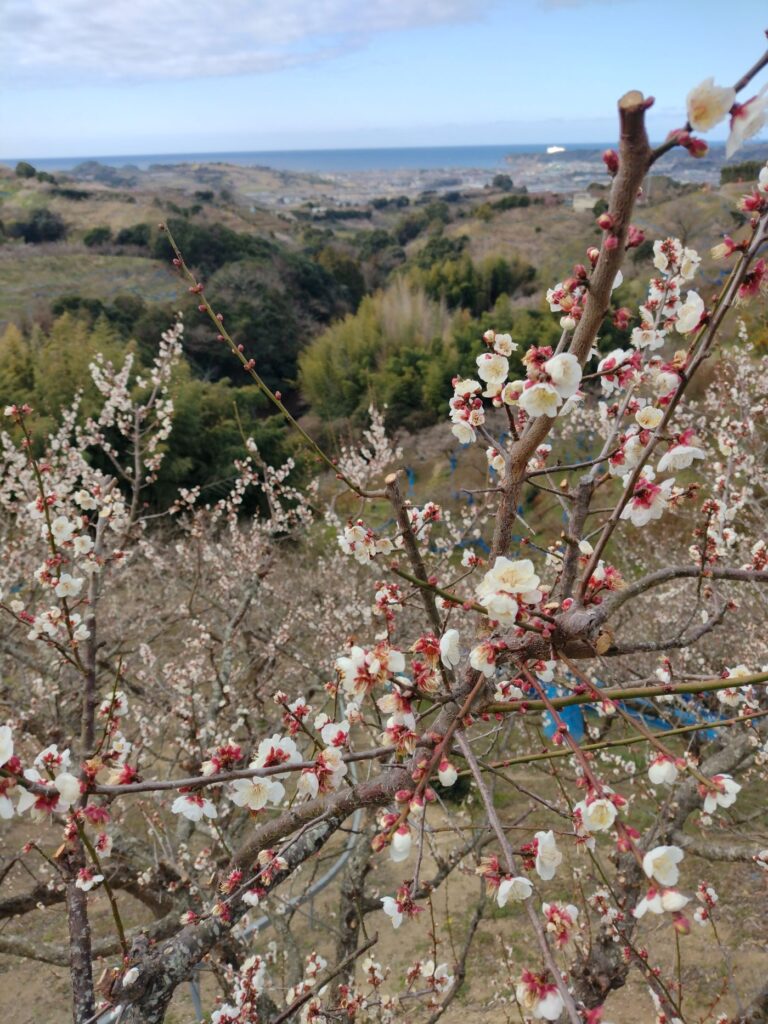
Ending the Journey with Japan’s Plum Culture
The final day brings together many of the themes encountered throughout the journey.
If Yuasa introduced fermentation, and Arida introduced citrus agriculture, Minabe introduces another remarkable relationship between agriculture, food, and time:
ume culture.
Minabe is one of Japan’s most important plum-producing areas and is closely associated with the famous Nanko ume.
But the significance of ume here goes far beyond the fruit itself.
Morning — Ume Landscapes
Explore the plum-growing landscape around Minabe.
Depending on the season, the experience can look completely different.
In late winter and early spring, plum blossoms transform the hillsides.
During the growing season, the orchards become agricultural landscapes filled with developing fruit.
During harvest and processing seasons, the focus shifts toward production and preservation.
This seasonal variation is part of what makes ume culture so interesting.
Understanding Ume Culture
Learn how local communities developed ways to preserve and transform ume through:
- Salt
- Sunlight
- Drying
- Fermentation
- Aging
These traditions gave rise to products such as:
- Umeboshi
- Ume juice
- Ume-based sauces
- Ume extracts
- Umeshu
The important story is not simply:
“Wakayama produces famous plums.”
It is:
How did a fruit become an entire cultural system?
Lunch — Taste the Region
Enjoy a lunch incorporating local ingredients and ume.
Ume can appear in surprisingly different forms—from seasoning and sauces to drinks and preserved foods.
This is an ideal moment to look back at the journey.
The shoyu sauce of Yuasa.
The seafood of the coast.
The citrus of Arida.
The agricultural landscape of Hidaka.
And finally, the ume culture of Minabe.
Different products, but the same underlying relationship between land, climate, preservation, and local knowledge.
Afternoon — Umeshu & the Culture of Transformation
Where available, finish the journey with an ume-based tasting experience.
Premium umeshu can reveal considerably more complexity than the sweet “plum wine” image familiar to many visitors.
Depending on the producer and aging method, it may show:
- Bright acidity
- Stone-fruit aromas
- Gentle bitterness
- Barrel character
- Deeper oxidative notes
This creates an elegant final chapter to the journey:
the transformation of fruit through time.
Related post:
Discovering Japan’s Plum Culture: A Journey Through Minabe and Tanabe
The Story of the Five Days
This journey is not really about visiting five different areas.
It is about following a sequence of landscapes and local cultures.
Day 1 — Yuasa
Sea → Town → Fermentation
Day 2 — Hirogawa & Shirasaki
Sea → Memory → Landscape
Day 3 — Arida
Fishing → Citrus → Agriculture
Day 4 — Hidaka
Temple → History → Rural Life
Day 5 — Minabe
Agriculture → Preservation → Ume
Together, they reveal a side of Wakayama that is easy to miss when traveling quickly.
Why Travel Slowly Through Central Wakayama?
Central Wakayama does not have the concentrated collection of internationally famous landmarks found in Kyoto.
Its appeal is different.
The attractions are connected by landscapes.
A fishing port leads to a hill covered in citrus trees.
A historic town leads to a fermentation tradition.
A temple leads to stories preserved through generations.
A plum orchard leads to a food culture built around preservation.
The experience becomes richer when you give these connections time to emerge.
This is why a five-day journey works better than trying to see Central Wakayama in one or two days.
You are not simply visiting places.
You are learning how the places connect.
A Different Kind of Wakayama Journey
For travelers who have already experienced Tokyo, Kyoto, or Osaka, Central Wakayama offers something very different.
There are no major urban attractions to tick off.
Instead, there are:
- Fishing ports
- Citrus orchards
- Historic streets
- Small temples
- Rural roads
- Fermentation traditions
- Local food
- Coastal landscapes
- Ume culture
It is a journey through living Japan.
And perhaps that is the greatest appeal of Central Wakayama:
you do not have to look for a “hidden Japan.”
You simply have to slow down enough to notice the Japan that is already there.
Plan a Curated Journey Through Central Wakayama
This five-day itinerary can be adapted according to your interests and travel pace.
For example, the journey can be made more focused on:
- Food and gastronomy
- Photography
- Coastal landscapes
- Hiking and walking
- Japanese history
- Fermentation
- Ume culture
- Rural life
A private guide can also help connect the individual places, explain the cultural context, and introduce local experiences that are difficult to discover independently.
Central Wakayama is best experienced not as a checklist of destinations, but as a landscape to be explored slowly.
Explore Central Wakayama with my Curated Kii Peninsula Journey.
Read More About Stay in Wakayma
- 7-Day Kii Peninsula Journey: Koyasan, Kumano Kodo, and Hidden Wakayama
- 5-Day Food Journey Through Wakayama: From Mountains to Ocean
- 10 Days in Wakayama: A Slow Travel Experience Beyond the Golden Route
- A Week of Slow Living by the Sea in Wakayama City
No responses yet