
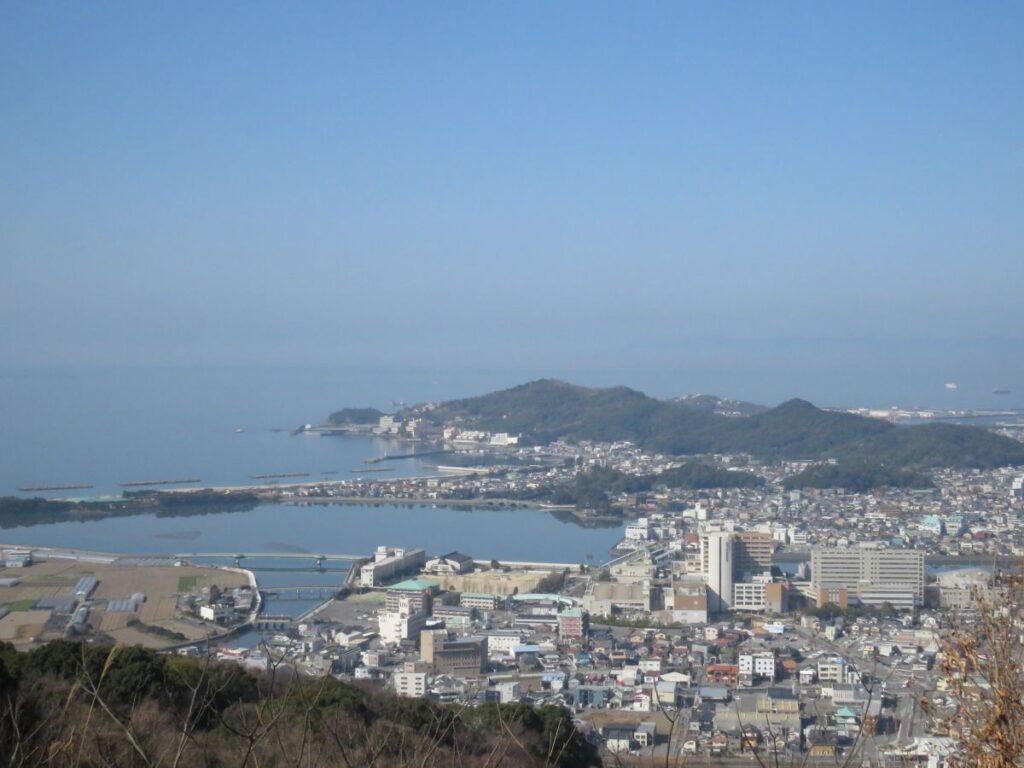
Discover Wakayama through its castle, local railway, historic coastline, fishing villages, and everyday rhythms
When travelers visit Wakayama City, the usual approach is simple:
See the castle.
Take a photo.
Move on.
But Wakayama becomes much more interesting when you stay for a few days.
The city sits between a historic castle town and a long coastline, while quieter neighborhoods, fishing villages, local trains, gardens, cafés, and traditional food reveal a much slower rhythm of life.
This three-day itinerary is designed not as a checklist of attractions, but as a gradual journey through the different layers of Wakayama City.
You will experience:
- Samurai history and the Kishu Tokugawa legacy
- A ride on the local Kishi River Line
- Wakayama’s food and evening culture
- The poetic landscape of Wakaura
- Historic gardens and coastal scenery
- The fishing village of Saikazaki
- Local life beyond the main tourist routes
The result is a different kind of city break—one where you have enough time to slow down and notice how Wakayama actually feels.
Day 1 — Castle, Local Railway & Evening in Central Wakayama
Morning: Begin at Wakayama Castle
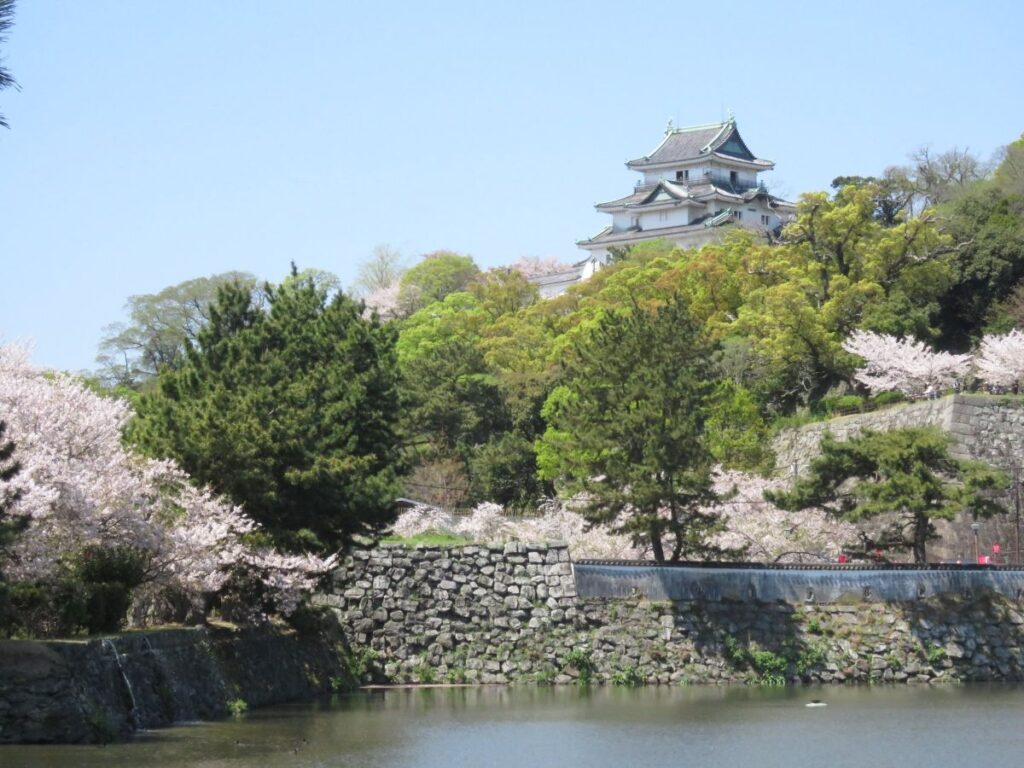
Start your first morning in the heart of the city at Wakayama Castle.
The castle was the center of the Kishu Tokugawa domain, one of the most important branches of the Tokugawa family.
But rather than simply climbing to the top of the castle tower, take time to explore the surrounding grounds.
The stone walls, gates, paths, and gardens reveal how the castle functioned as more than a military structure.
It was also the center of political power and urban life.
Look beyond the castle tower
The most interesting part of the morning is often the relationship between the castle and its surroundings:
- Stone walls and defensive structures
- Former castle-town streets
- Views across central Wakayama
- Momijidani Garden
- Traditional tea culture
- The atmosphere of the former Kishu Tokugawa domain
The garden in particular offers a quieter perspective on samurai culture. Rather than focusing on power and defense, it introduces ideas of seasonal beauty, controlled nature, contemplation, and tea.
Take your time here.
There is no need to rush to the next destination.
Afternoon: Ride the Kishigawa Line
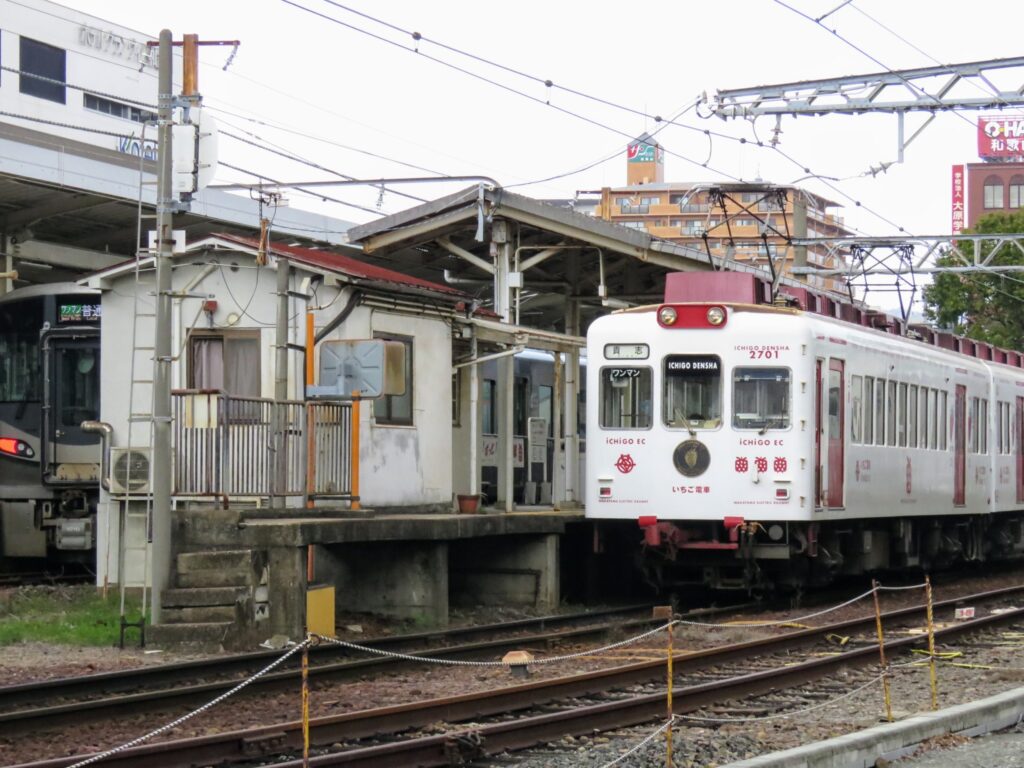
After exploring the castle, change the pace completely.
Head to Wakayama Station and board the Kishigawa Line.
This is one of the most enjoyable ways to experience another side of the city—not as a sightseeing attraction, but as a small regional railway connecting Wakayama with the countryside of Kinokawa.
The journey gradually moves away from the urban center.
Buildings become less dense.
Rice fields and residential neighborhoods appear.
The rhythm becomes slower.
This is precisely the point.
You are no longer looking at Wakayama as a collection of tourist attractions. You are watching the landscape change as local residents experience it.
Ride toward Kishi

The line terminates at Kishi Station, famous for its connection with the railway’s much-loved stationmaster cats.
For visitors interested in Japanese railway culture, the station itself provides a small and distinctly local experience.
But even more important for this itinerary is the journey itself.
The Kishi River Line demonstrates how close Wakayama City is to agricultural and semi-rural landscapes.
It gives travelers a glimpse of the region that exists just beyond the castle town.
Return to Central Wakayama
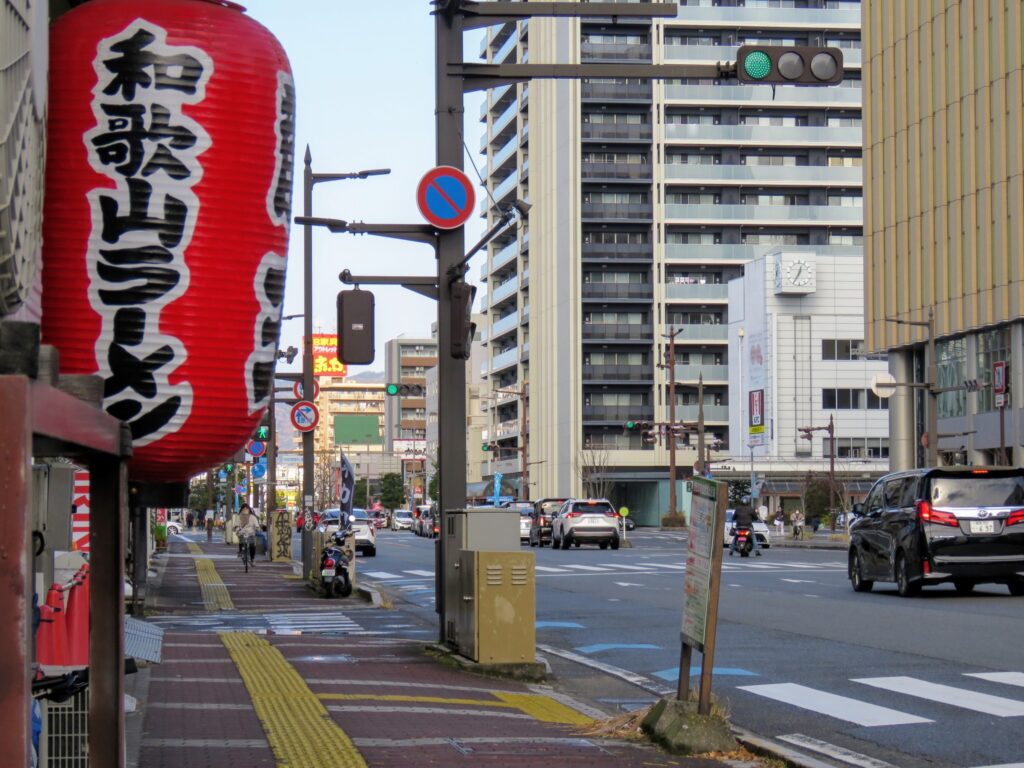
After spending some time around Kishi, return to Wakayama City.
The return journey is part of the experience.
Rather than treating the railway as transportation between two attractions, allow yourself to simply watch the landscape outside the window.
This is slow travel in its simplest form.
Evening: Discover Wakayama After Dark
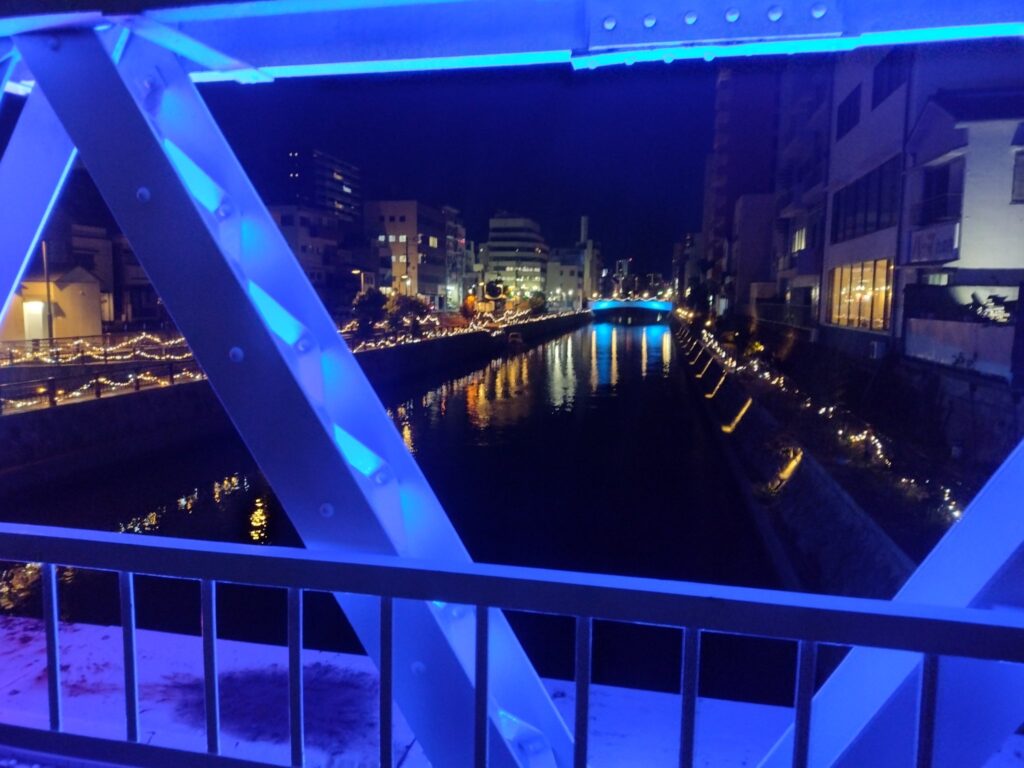
Spend your first evening in central Wakayama rather than returning immediately to your hotel.
This is an important part of the itinerary.
During the day, Wakayama may appear quiet.
At night, another side of the city emerges.
Explore the streets around the central shopping and dining districts, looking for small restaurants, izakaya, cafés, or local food.
Dinner could include regional dishes, seafood, local sake, or—if you want something particularly Wakayama-like—a bowl of Wakayama ramen.
The point is not to find the most famous restaurant.
It is to experience the city at the end of an ordinary working day.
This connects with the idea of Rhythm of Life developed in your previous materials: Wakayama is interesting precisely because different layers of life continue side by side—samurai history, local commerce, fishing culture, craft, and modern urban life.
Overnight: Central Wakayama
Staying in central Wakayama for the first two nights makes this itinerary particularly relaxed.
There is no need to change hotels.
And after dinner, you can simply walk back.
Day 2 — Wakaura, Gardens & the Coastal Landscape
The second day moves away from the urban center and into the cultural landscape of Wakaura.
This is where Wakayama begins to feel completely different.
Wakaura is not simply a scenic coastal area.
It is a landscape shaped by poetry, pilgrimage, samurai culture, gardens, and the sea.
Historical materials describe Wakaura as a place where several cultural layers meet:
- Poetry and spirituality
- Pilgrimage and movement
- Tokugawa power
- Coastal gardens
- Fishing and everyday life
Morning: Wakaura and Tamatsushima Shrine
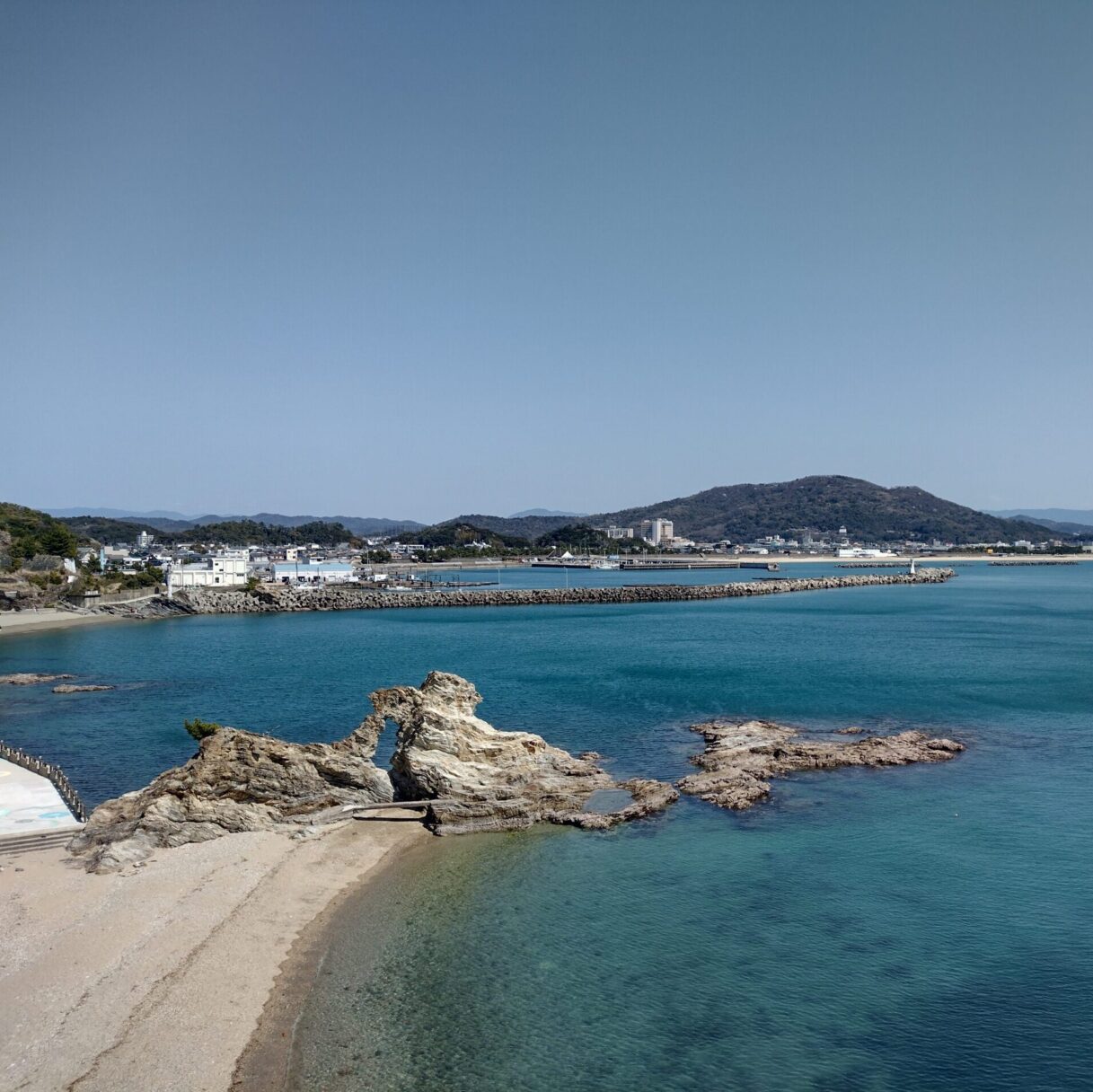
Begin around Wakaura and Tamatsushima Shrine.
The landscape here has long been associated with Japanese poetry.
Wakaura appears in the Manyoshu, and the scenery was appreciated not simply as beautiful nature but as a cultural landscape capable of inspiring poetry.
That distinction is important.
You are not merely looking at the ocean.
You are looking at a landscape that has been interpreted, written about, and remembered for centuries.
Take a slow walk around the area.
There is no need to fill the morning with attractions.
The coastline itself is part of the experience.
Midday: Yosuien Garden
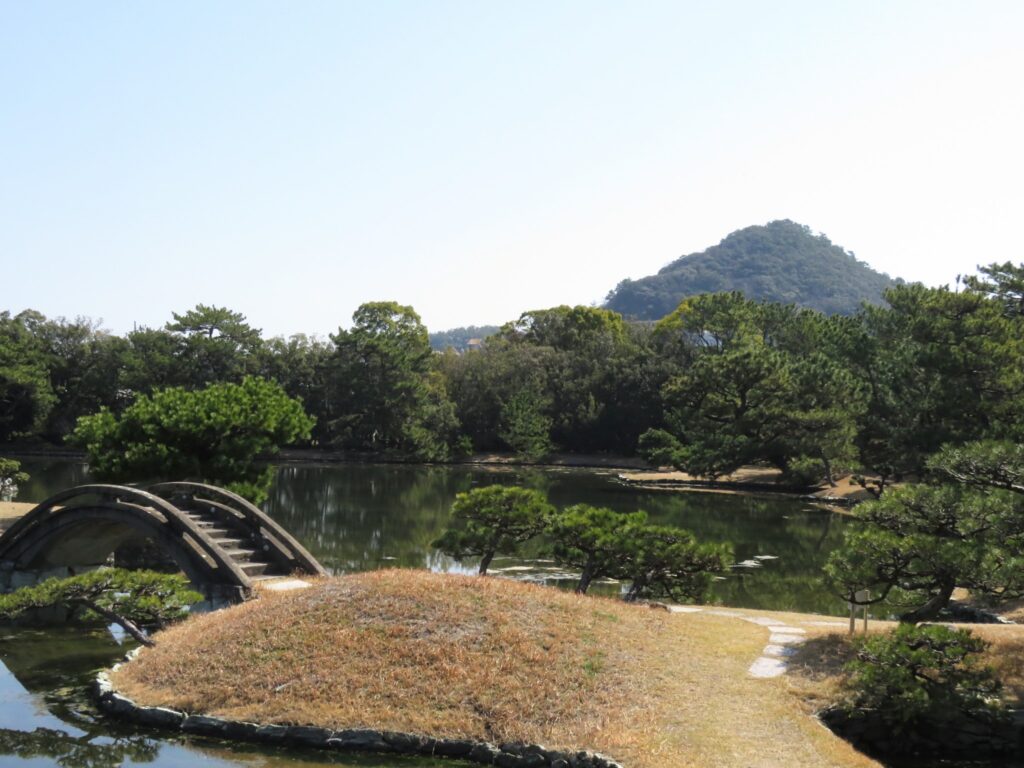
Continue to Yosuien, the coastal garden associated with the Kishu Tokugawa family.
This is deliberately placed on Day 2 rather than Day 1.
The garden belongs naturally to the Wakaura coastal landscape, while Wakayama Castle belongs to the first day’s castle-town experience.
Yosuien offers a very different understanding of Tokugawa culture.
At the castle, you see political power.
Here, you see retreat, landscape, aesthetics, and leisure.
One of its distinctive features is the relationship between the garden and seawater.
The garden brings together:
- Sea
- Pond
- Mountains
- Pine trees
- Architecture
- Carefully controlled views
The result is a landscape that feels almost like a bridge between garden and coast.
This is a good place to slow down.
Afternoon: From Wakaura to Saikazaki
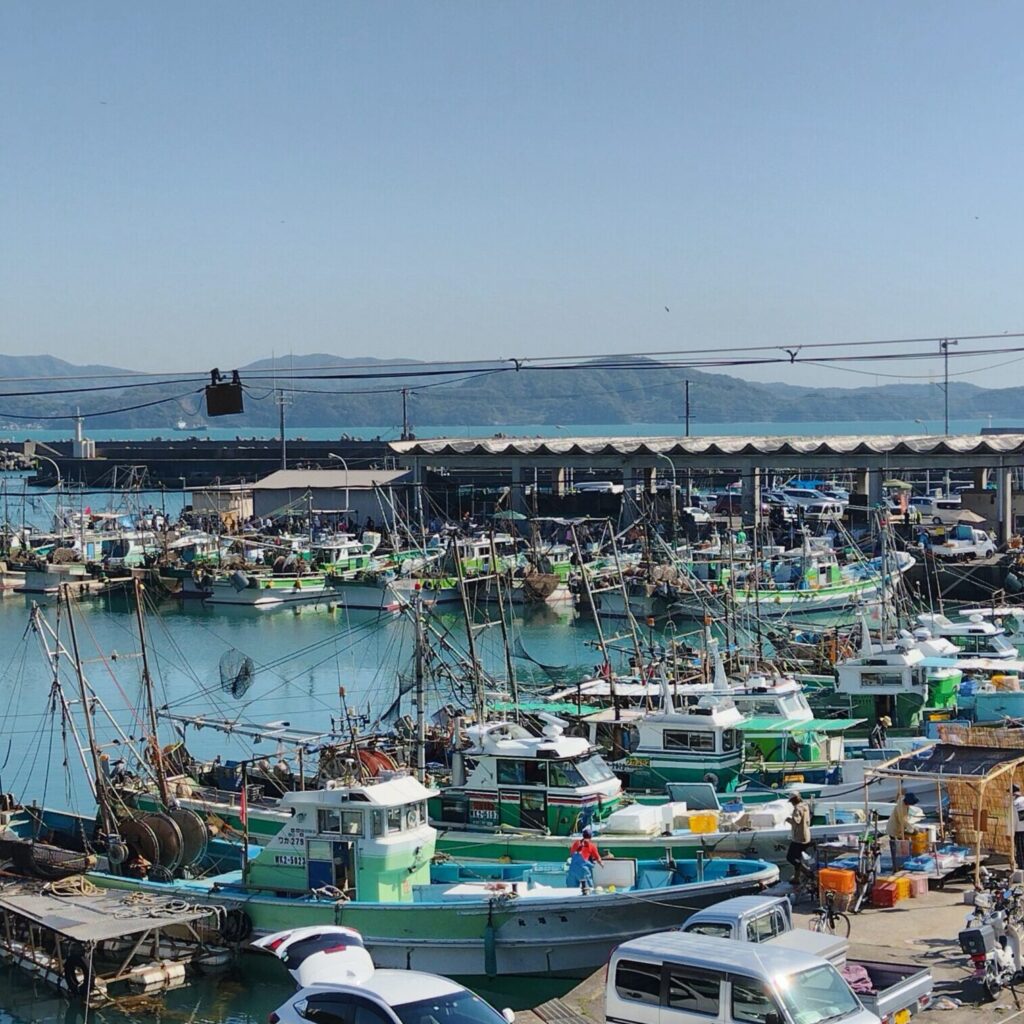
From Wakaura, continue toward Saikazaki, one of Wakayama City’s most distinctive fishing communities.
The atmosphere changes again.
The refined landscape of Wakaura gives way to:
- Narrow lanes
- Houses built into the hillside
- Fishing boats
- Small harbor spaces
- Local seafood culture
- Views across the Seto Inland Sea
This is an important part of the itinerary because it introduces another layer of Wakayama’s identity.
The city is not only a former castle town.
It is also a coastal city whose communities have long depended on the sea.
Walk Slowly Through the Fishing Village
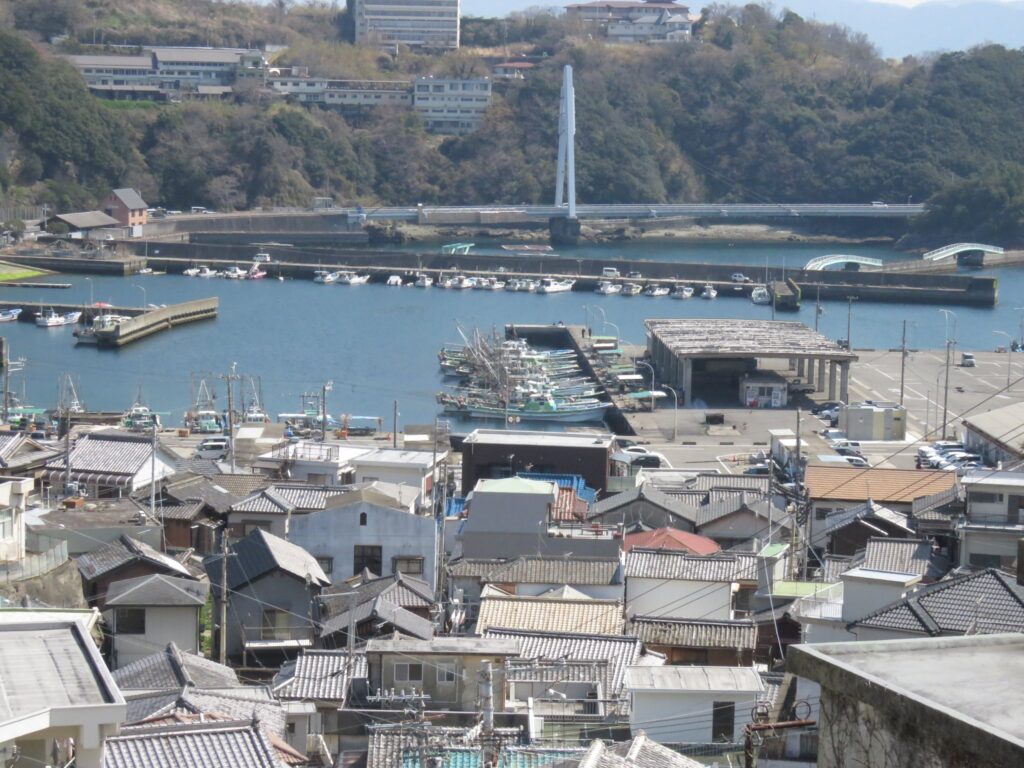
Saikazaki is best experienced without a strict sightseeing schedule.
Walk through the narrow streets.
Look at the way houses are arranged on the slopes.
Watch the relationship between the village and the harbor.
And, when possible, observe local fishing activity without disturbing residents.
The attraction here is not a single monument.
It is the living landscape.
This fits closely with the broader concept of Wakayama’s coastal culture: in Saikazaki, culture is not displayed in a museum—it continues as part of everyday life.
Evening: Seafood and the Coast
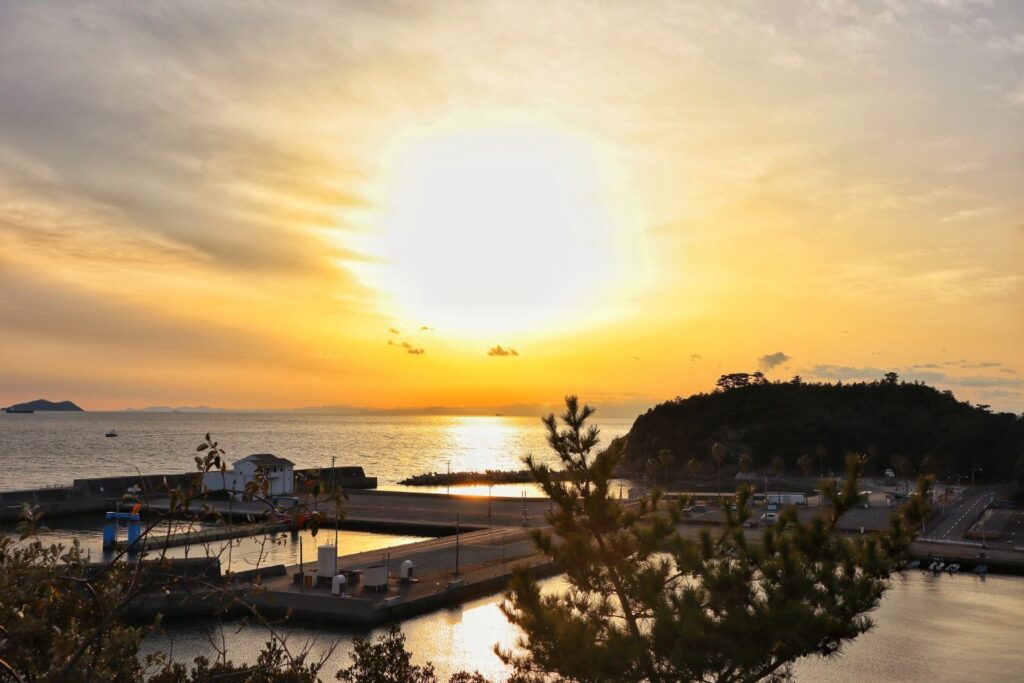
If you still have energy, continue your coastal exploration toward the evening.
A seafood-focused dinner is a natural way to end the day.
After spending the day moving from poetry and gardens to a working fishing village, the meal becomes another way of understanding the relationship between Wakayama and the sea.
Alternatively, return to central Wakayama for dinner and enjoy another evening in the city.
The important thing is that Day 2 does not feel like a collection of attractions.
It is a journey from:
poetry → garden → coast → fishing village
Day 3 — Kada: A Fishing Village at the Edge of Wakayama
For the final day, head north to Kada.
If Saikazaki showed you a fishing village within Wakayama City, Kada gives you another perspective on the city’s relationship with the sea.
After two days of exploring the city’s historical and coastal landscapes, Day 3 is deliberately lighter.
This is the day to experience Wakayama as a place where people live, rather than simply as a destination.
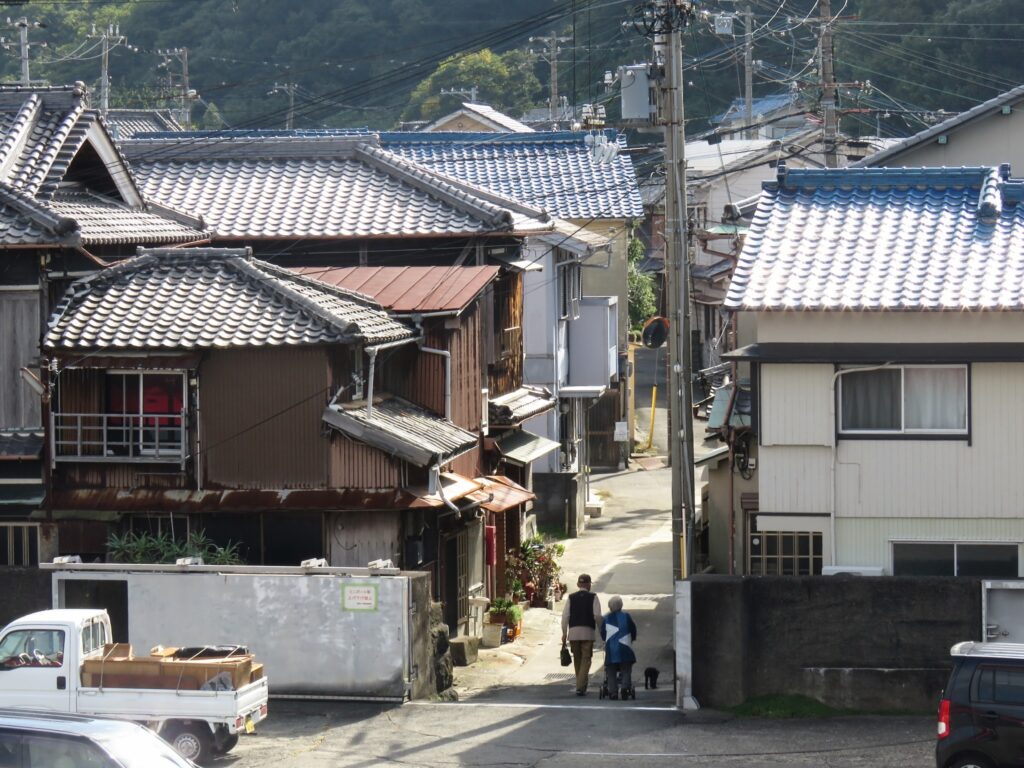
Morning — Kada Fishing Village
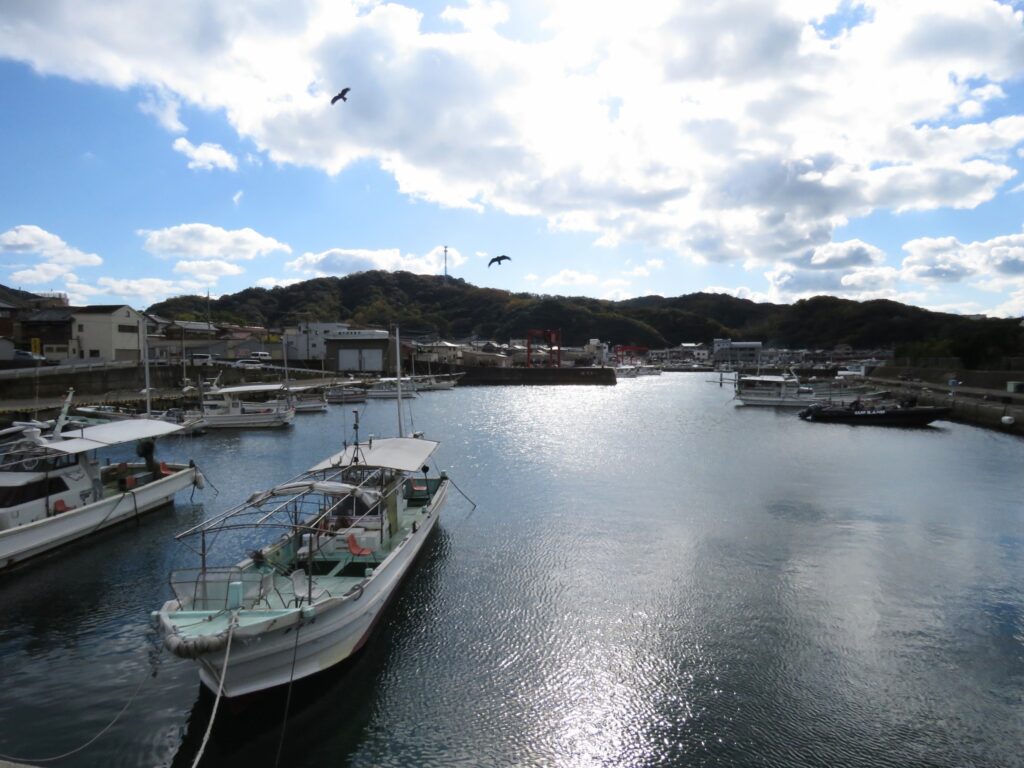
Take the train toward Kada and begin by exploring the area around the fishing port.
Kada is not a conventional sightseeing district.
Its character comes from the combination of:
- fishing
- small streets
- local shops
- boats
- shrines
- seaside scenery
Walk slowly through the town and observe the details of everyday life.
Awashima Shrine
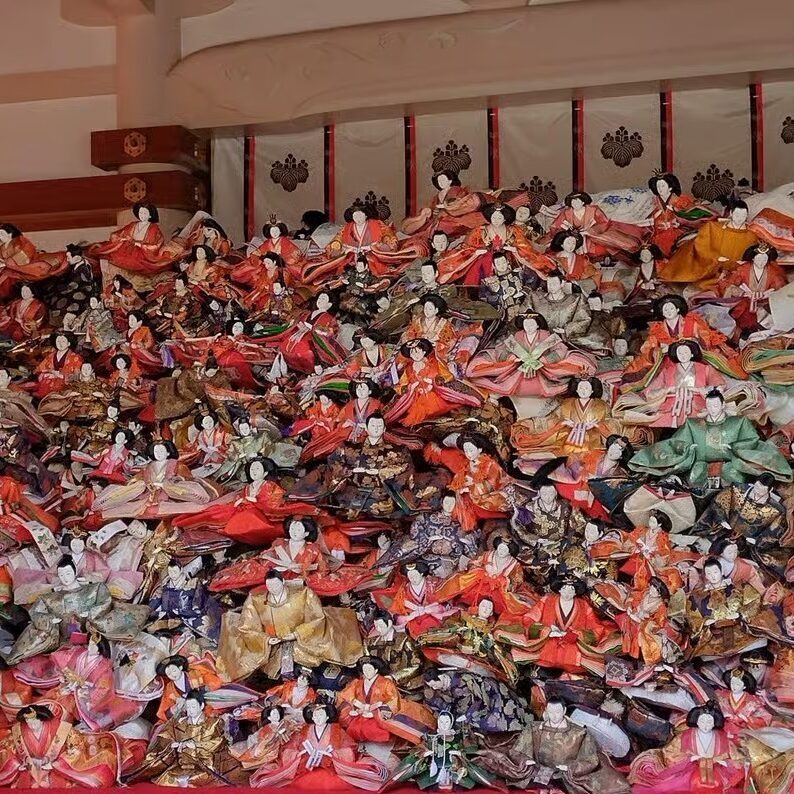
Visit Awashima Shrine, located close to the sea.
The shrine has a distinctive atmosphere and is deeply connected with local traditions surrounding women, childbirth, and protection.
Rather than simply treating it as another shrine on a sightseeing route, this is an opportunity to consider how religion and everyday life remain connected in Japanese coastal communities.
Lunch — Fresh Seafood in Kada
Kada is a natural place to make seafood the focus of lunch.
Depending on the season and availability, look for:
- locally caught fish
- sashimi
- sushi
- grilled seafood
- seafood rice bowls
The goal is not necessarily a luxury meal.
It is about eating seafood in a place where fishing remains part of the local economy and identity.
Afternoon — Walk Along the Coast
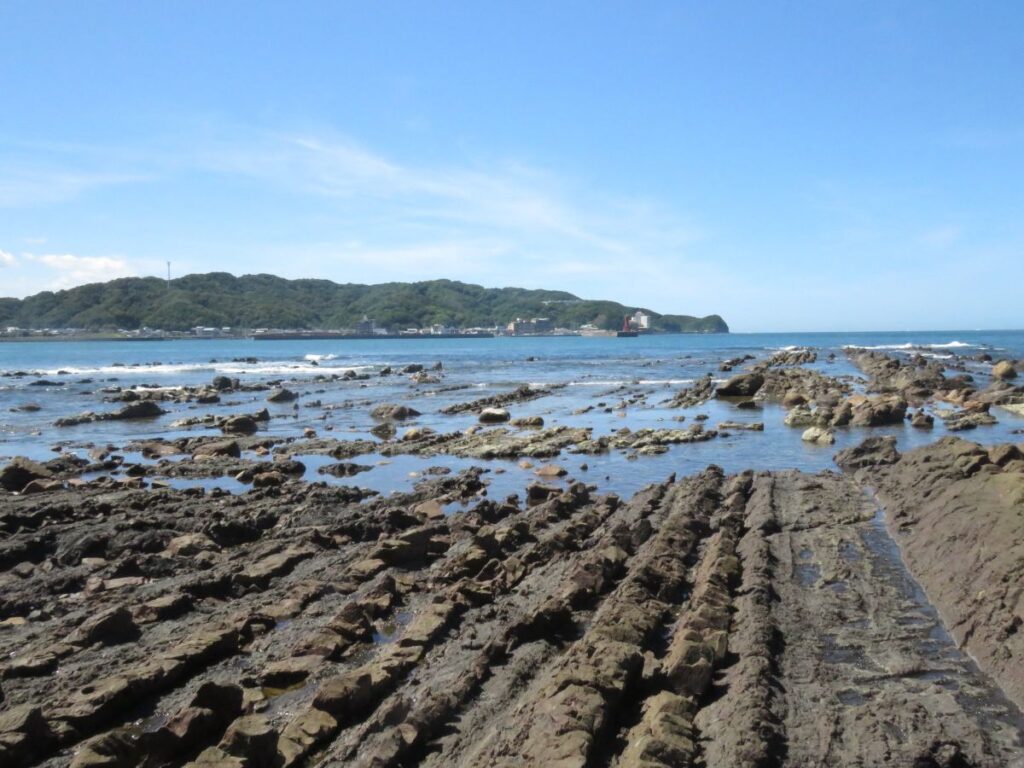
After lunch, spend the afternoon around the coast.
On clear days, the views toward the islands are particularly impressive.
This is another deliberately slow section of the itinerary.
You might:
- walk along the waterfront
- sit near the harbor
- explore small streets
- have coffee
- photograph the fishing boats
- watch the changing light over the water
There is no need to fill every hour.
Late Afternoon — Stay for the Light
If the weather is good, consider staying until late afternoon.
The northern Wakayama coastline can be particularly beautiful as the sun begins to drop.
After two days of history, gardens, villages, and food, this gives the journey a quiet ending.
Returning to Central Wakayama
Return to central Wakayama in the evening.
Depending on your onward journey, you can either:
- spend one final night in Wakayama,
- continue toward Osaka and Kansai International Airport,
- or use Wakayama as the starting point for a longer journey into the Kii Peninsula.
Why Spend Three Days in Wakayama City?
The real value of this itinerary is not the number of attractions.
It is the change of perspective.
On Day 1, you encounter the political history of the region:
Castle → Tokugawa history → city → local railway → everyday life
On Day 2, the focus shifts toward landscape and coastal culture:
Wakaura → gardens → fishing village → sea
On Day 3, you move even further into the rhythm of a coastal community:
Kada → shrine → fishing → seafood → ocean
Together, these experiences show a side of Wakayama that is difficult to appreciate on a short stopover.
A Different Way to Experience Wakayama
Wakayama City does not have the concentration of famous landmarks found in Kyoto or Nara.
That is precisely what makes a slower journey interesting.
You can spend the morning exploring a castle, take a small local train through the countryside in the afternoon, eat ramen or seafood in the evening, and wake up the next day beside the Pacific Ocean.
The city becomes less of a sightseeing base and more of a place to experience Japanese regional life.
For travelers interested in history, food, landscape, photography, or local culture, three days offers enough time to move beyond the obvious highlights.
And perhaps that is the best reason to stay.
Wakayama City is not simply somewhere to pass through on the way to Koyasan or Kumano. It can be a destination in its own right.
When to Visit
Wakayama City works well throughout the year, but the atmosphere changes significantly with the seasons.
Spring brings fresh greenery and coastal walks.
Summer is ideal for experiencing the sea and evening life, although daytime temperatures can be high.
Autumn brings particularly attractive conditions for gardens, walking, and photography.
Winter offers clearer coastal views and a quieter atmosphere.
Rather than planning around a single attraction, choose the season according to the kind of atmosphere you want.
A Different Way to Experience Wakayama
Wakayama City does not immediately announce itself in the way Kyoto or Osaka does.
Its appeal emerges gradually.
You see the castle.
Then the local railway.
Then the coast.
Then the fishing village.
Then the café where local people are having their morning coffee.
Then, perhaps, a small restaurant at night.
The city begins to make sense as a collection of connected layers rather than isolated tourist sites.
That is what makes a three-day stay worthwhile.
Wakayama is not simply a place to visit.
It is a place to slow down, observe, and gradually understand.
Explore Wakayama with a Local Guide
If you want to experience these different layers without simply following a list of attractions, a private local guide can help connect the history, landscape, food, and everyday culture.
A customized journey can be adapted around your interests—whether you are most interested in Japanese history, gardens, food, photography, coastal communities, or simply experiencing Wakayama at a slower pace.
Discover Wakayama beyond the usual sightseeing route.
Check my Curated Kii Peninsula Journey for your special trip in Wakayama.
Read More About Travel in Wakayama City
- Saikazaki Fishing Village: Discover Wakayama’s Hidden Coastal Gem
- Beyond the Castle: 10 Cultural Experiences Around Wakayama Castle
- Walking Through the Kishu Tokugawa Domain: Samurai, Gardens, and Castle Town Life
- Sea, Faith, and Fishing Life in Wakaura
- From Sushi to Kaiseki: A Refined Evening in Wakayama City
No responses yet