

Coastal Walks, Fresh Seafood, Fishing, and the Rhythm of Everyday Life Near Kansai International Airport
When people imagine visiting a fishing town in Japan, they may picture seafood restaurants, fishing boats, and a small harbor surrounded by mountains.
But what if you could experience something more?
Imagine wandering through narrow lanes where houses climb steep hillsides above the sea. Watching fishermen bring their catch back to port. Buying freshly caught fish directly from the people who caught it. Spending a quiet afternoon fishing beside local residents, then returning to the same neighborhood the following morning to discover another side of everyday life.
These are the kinds of experiences waiting in Saikazaki and Kada, two distinctive fishing communities in Wakayama City, on the Kii Peninsula.
Located within reach of Osaka and Kansai International Airport, both towns offer an opportunity to discover a quieter side of Japan without traveling deep into the countryside.
They are not simply places to visit for an hour, take photographs, and leave. With the right approach, they can become places to explore, understand, and even spend several weeks experiencing life by the sea.
For travelers interested in slow travel, local food culture, coastal landscapes, and everyday Japanese life, these two fishing towns offer an appealing alternative to Japan’s better-known destinations.
Why Visit a Fishing Town in Japan?
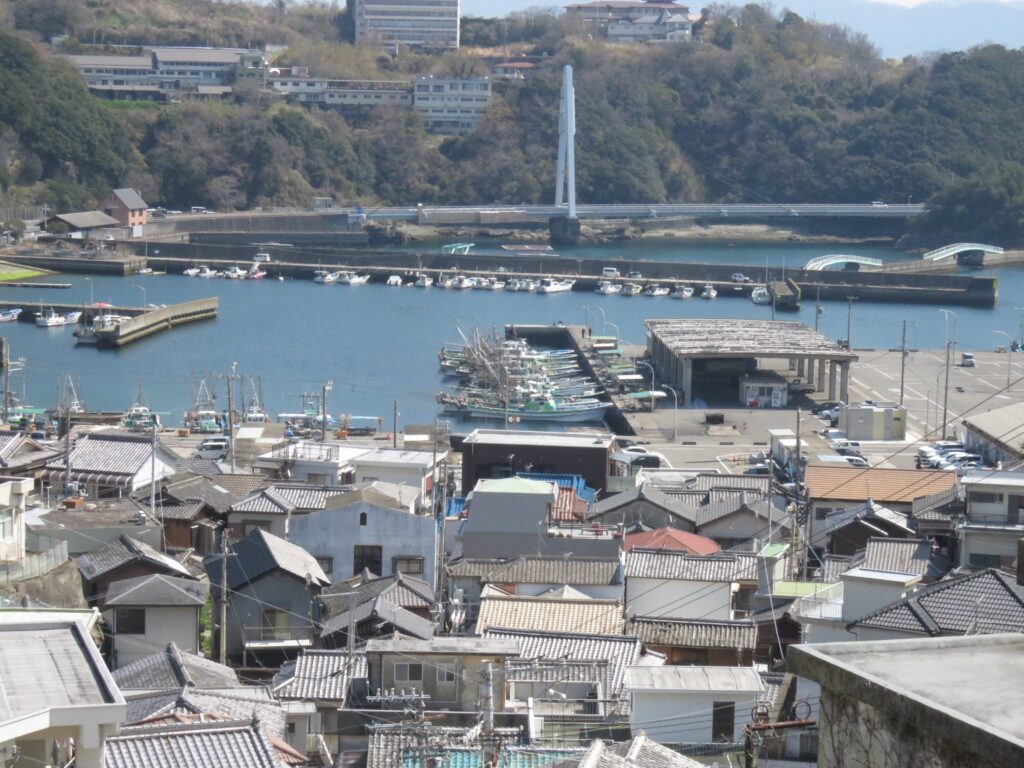
Japan’s relationship with the sea extends far beyond sushi and seafood restaurants.
For centuries, coastal communities have developed their own ways of fishing, preserving food, trading goods, organizing work, and maintaining relationships between neighboring households.
Many of these traditions are difficult to understand through museum exhibitions or restaurant menus alone.
In a working fishing town, however, the relationship between the sea and everyday life remains visible.
Fishing boats depart according to the weather and tides. The catch changes with the seasons. The shape of the harbor influences how people move around the town, while the surrounding landscape reflects generations of adaptation to coastal life.
For visitors, these details provide a different perspective on Japanese culture.
You begin to see that food is connected to geography, that landscapes influence architecture, and that local traditions are often practical responses to the demands of everyday life.
Saikazaki and Kada are particularly interesting because they offer two different ways to experience this relationship between people and the sea.
Saikazaki invites you into a dramatic hillside settlement, with narrow lanes and distinctive architecture. Kada combines a working fishing port with a long maritime history, seaside walks, fishing opportunities, and a relaxed village atmosphere.
Together, they reveal a side of Wakayama that many visitors passing through Osaka never discover.
1. Saikazaki: A Fishing Village of Narrow Lanes and Hillside Houses
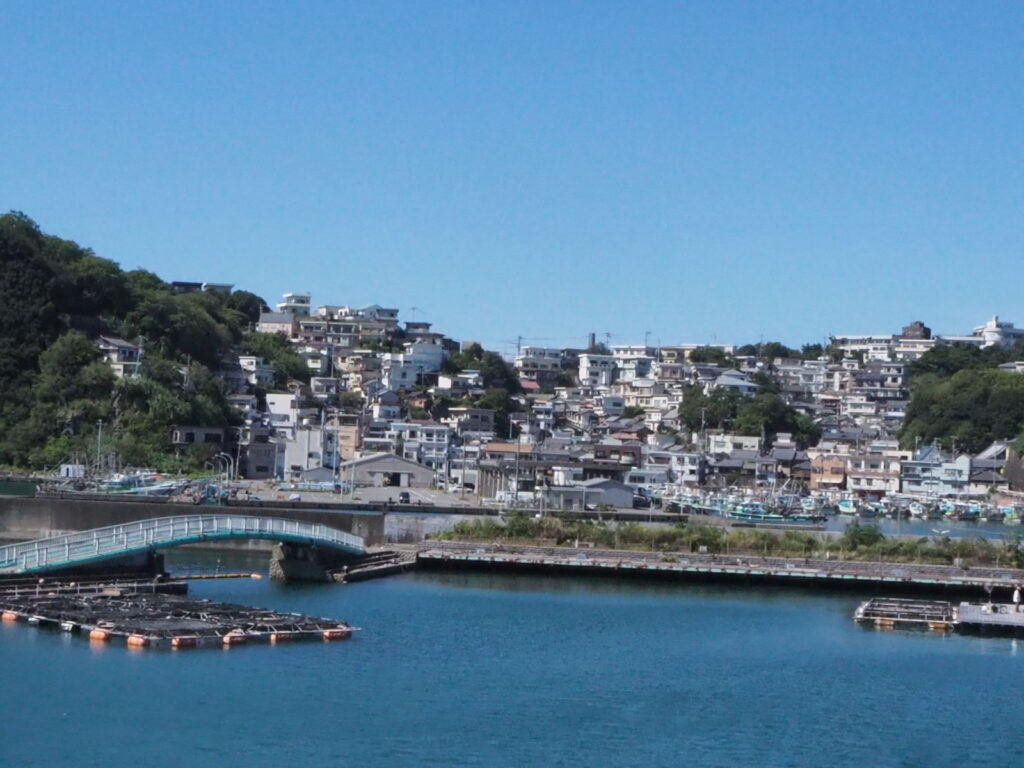
Saikazaki is one of the most visually distinctive coastal settlements in Wakayama.
The village rises steeply above its fishing harbor, with houses closely packed along the slopes. Narrow lanes weave between buildings, creating a maze-like landscape that feels quite different from the orderly streets of many Japanese cities.
Because of this unusual setting, Saikazaki is sometimes called the Amalfi of Japan.
But the comparison only tells part of the story.
The village is not simply a picturesque coastal destination. Its architecture reflects the practical relationship between a community and its environment.
Land along the coast is limited. The hillside rises directly behind the harbor. Houses, paths, and small open spaces fit into the available terrain, producing a dense settlement that is best understood on foot.
As you walk through the neighborhood, the scenery changes constantly.
A narrow passage opens onto a view of the harbor. A staircase leads between closely spaced houses. Fishing equipment appears beside an entrance, while the sound of activity at the port carries up the hillside.
Some of the most rewarding moments come from slowing down and noticing these ordinary details.
Walk Through the Village, Not Just Along the Waterfront
Many visitors come to Saikazaki for its panoramic views or to photograph the colorful houses around the harbor.
Those views are worth seeing, but the village becomes more interesting when you explore its lanes.
Walking through the settlement reveals how the community is organized around the landscape. Routes connect houses with the waterfront, while changes in elevation create unexpected viewpoints and small spaces that are easy to overlook.
You may encounter a neighborhood shrine, a quiet corner overlooking the sea, or a small café occupying a building that has taken on a new role.
These are not necessarily attractions designed for tourists. They are parts of a living neighborhood.
A knowledgeable guide can help explain the relationship between the harbor, the hillside, and the village’s development, turning an apparently simple walk into a deeper exploration of coastal life.
For photographers, the changing perspectives are especially rewarding. For travelers interested in architecture, the settlement offers an opportunity to observe how people have adapted their living environment to a steep coastal landscape.
And for anyone who enjoys discovering places beyond the main tourist routes, Saikazaki offers a compelling reason to spend more time in Wakayama.
Discover Hata-uri: When Fishermen Sell Their Catch Directly
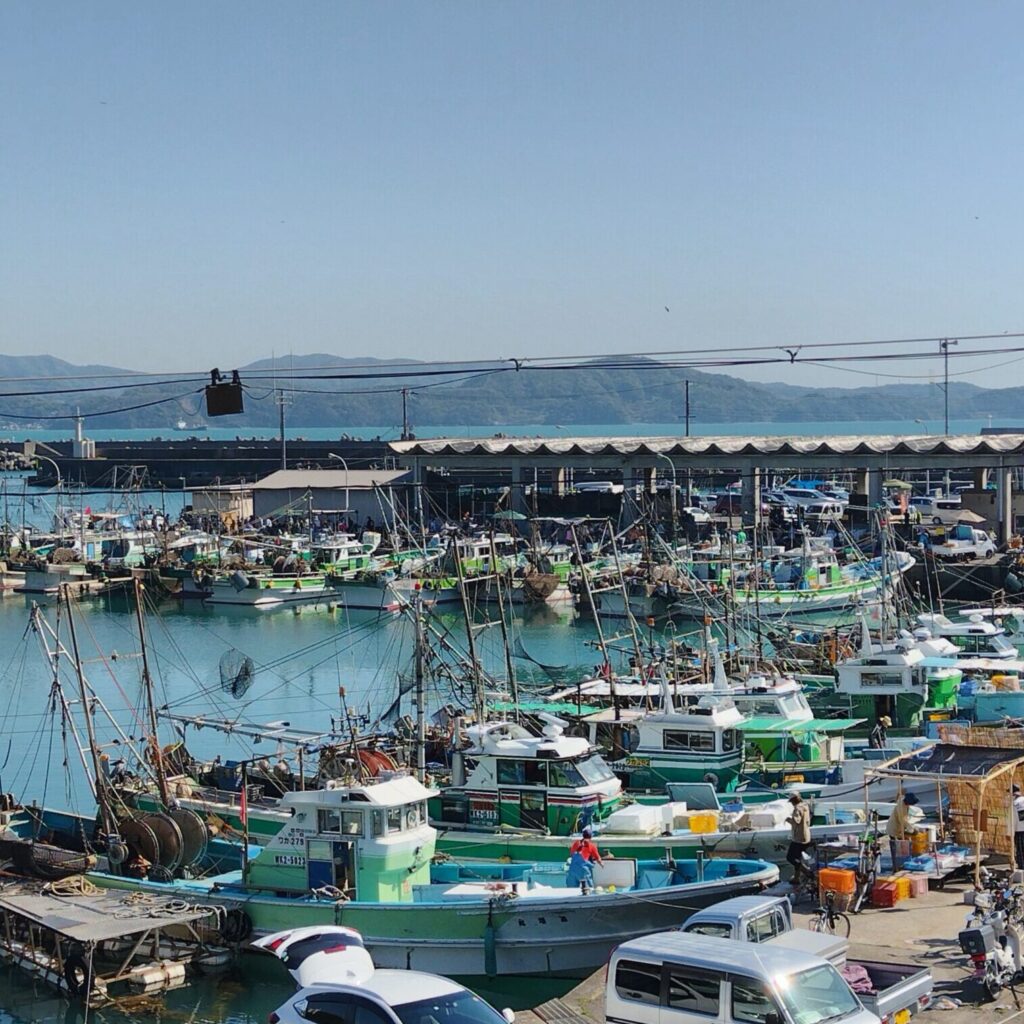
One of Saikazaki’s most distinctive experiences is hata-uri, a local practice in which fishermen sell their catch directly to customers near the fishing boats.
Rather than passing through a conventional retail market, freshly caught seafood is offered by the people who brought it ashore.
The experience connects visitors directly with the working life of the harbor.
Depending on the day’s catch, you might encounter different kinds of fish and seafood. The selection changes with the season, fishing conditions, and the activities of individual boats.
The interaction is part of the appeal.
Customers can ask fishermen about their catch, learn how particular fish are prepared, and discover what is available that day. The exchange is not only about purchasing seafood; it also brings producers and consumers into direct contact.
The practice developed as a local way of selling fish and has become a distinctive feature of Saikazaki’s fishing culture.
For international visitors, it offers a valuable perspective on Japanese food culture before the seafood reaches a restaurant or kitchen.
What does a local community eat when the catch changes from day to day? Which fish are common in a particular season? How do people decide what to buy when the selection depends on what the sea has provided?
These questions become much easier to explore when you can talk with the people involved.
An important practical note: Hata-uri is not a fixed daily market with guaranteed opening hours or a predictable selection. Fishing activity, weather, season, and return times all affect what is available. Visitors should check the fishing cooperative’s latest information before planning their visit.
For an overview of the local practice and current guidance, consult the Saikazaki Fisheries Cooperative Association.
Go Fishing in Saikazaki
Saikazaki is also an appealing destination for travelers who want to spend time on the water.
At Saikazaki Sea Park, visitors can enjoy fishing from floating platforms in the sea. The facility offers options for different levels of experience, including arrangements suitable for people who do not fish regularly.
The surrounding scenery adds to the experience. Rather than fishing in an isolated indoor facility, you are surrounded by the coastal landscape that has shaped the village.
Fishing can also provide a useful introduction to local marine life.
What might you catch in these waters? How do fishing methods differ depending on the species? Why does the availability of seafood change throughout the year?
Even if you do not catch anything, spending time beside the water can help you appreciate the relationship between fishing and everyday life.
If you are interested in trying this activity, check the latest arrangements and opening information at Saikazaki Sea Park.
A guide can help you incorporate fishing into a broader day of exploring Saikazaki, combining time at the waterfront with a walk through the village and an introduction to local food culture.
Related post: Saikazaki Fishing Village: Discover Wakayama’s Hidden Coastal Gem
2. Kada: A Historic Port Town with a Relaxed Coastal Atmosphere
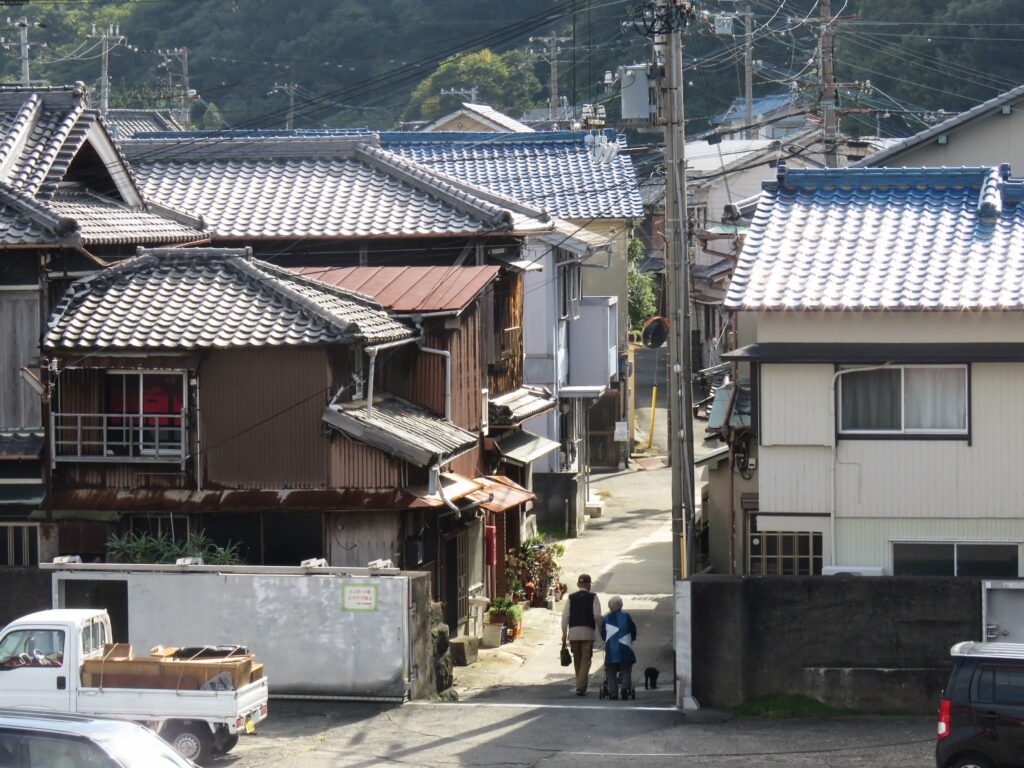
North of Saikazaki, Kada offers another perspective on Wakayama’s relationship with the sea.
Located on the northwestern coast of Wakayama City, Kada is known for its fishing port, coastal scenery, local seafood, and access to the islands of Tomogashima.
Its history extends well beyond its present role as a fishing community. Kada appears in Japan’s early written traditions and developed as an important maritime settlement along routes connecting different parts of the country.
Today, the town has a quieter atmosphere.
The harbor remains central to local life, while narrow streets, small shops, wooden buildings, and neighborhood shrines create an environment that rewards unhurried exploration.
Kada is not a place where you need to fill every hour with scheduled activities.
Instead, it is somewhere to walk, eat, watch the boats, and allow the day to unfold.
Explore the Streets Around the Harbor
Begin near Kada Station and walk toward the fishing port.
As you approach the sea, the character of the town gradually becomes apparent. Small businesses and local streets lead toward the waterfront, where fishing boats and the surrounding coastline define the landscape.
A walk through Kada is an opportunity to observe how a Japanese port town functions beyond its main attractions.
Look at the buildings facing the sea. Notice the fishing equipment and working spaces around the harbor. Pay attention to the relationship between the streets, the waterfront, and the small businesses that serve residents and visitors.
The details may seem ordinary at first, but they reveal how the town’s geography and maritime economy influence daily life.
For visitors who have spent most of their time in Japan’s major cities, this can be a refreshing change of pace.
Rather than moving between famous landmarks, you are exploring a place through its streets and the activities that take place within them.
Visit Awashima Shrine

Close to the waterfront stands Awashima Shrine, one of Kada’s best-known cultural sites.
The shrine is associated with traditions relating to women’s health and childbirth, and it is particularly known for its distinctive doll-related customs.
Its setting beside the sea makes it a natural stop during a walk through the town.
But the shrine also provides an opportunity to explore a broader aspect of Japanese religious culture: the way local beliefs and practices develop around the concerns of everyday life.
Rather than treating the shrine as simply another place to photograph, take time to consider its relationship with the surrounding community.
How do local religious traditions connect with family life? How have practices associated with health, protection, and life transitions been maintained over generations?
These questions offer a different way to understand a coastal settlement whose identity has been shaped by both maritime work and local traditions.
Enjoy Fresh Seafood in Kada
A visit to a fishing town would hardly be complete without tasting the local seafood.
Kada is particularly associated with its fishing industry and the red sea bream caught in the surrounding waters.
Depending on the season and what is available, you may find seafood rice bowls, sashimi, grilled fish, sushi, or other dishes featuring local catches.
The most interesting choice is not necessarily the most elaborate restaurant.
It is the meal that connects you with the place you are visiting.
A simple dish of fish can become more meaningful when you know where it was caught, how its availability changes throughout the year, and why particular species are valued by the local community.
This is one of the pleasures of exploring regional Japanese food culture: a dish becomes a way to understand a landscape and the people who depend on it.
Ask what is especially good that day. Be open to unfamiliar fish. If you have dietary restrictions or particular preferences, communicate them in advance.
And whenever possible, leave enough time to enjoy the meal without immediately rushing to the next destination.
Spend Time by the Water

Kada is also a good place to experience the simple pleasure of being beside the sea.
Walk along the waterfront, watch the boats, or find a place to sit and observe the changing light.
Fishing is a visible part of the town’s identity. Depending on the time of day and conditions, you may see people fishing from the shore or preparing for an outing.
For travelers who enjoy fishing themselves, local fishing opportunities can add another dimension to the visit.
Some visitors may prefer a short session beside the harbor, while others may be interested in a boat-based fishing trip.
The appropriate option depends on your experience, the season, the weather, and the arrangements available locally.
You do not need to be an experienced angler to appreciate the role fishing plays in the town.
Simply spending time near the water can help you understand why the sea remains central to Kada’s identity.
Related post: Beyond Osaka: Where to Discover Regional Japanese Food
3. Saikazaki or Kada? Why Not Experience Both?
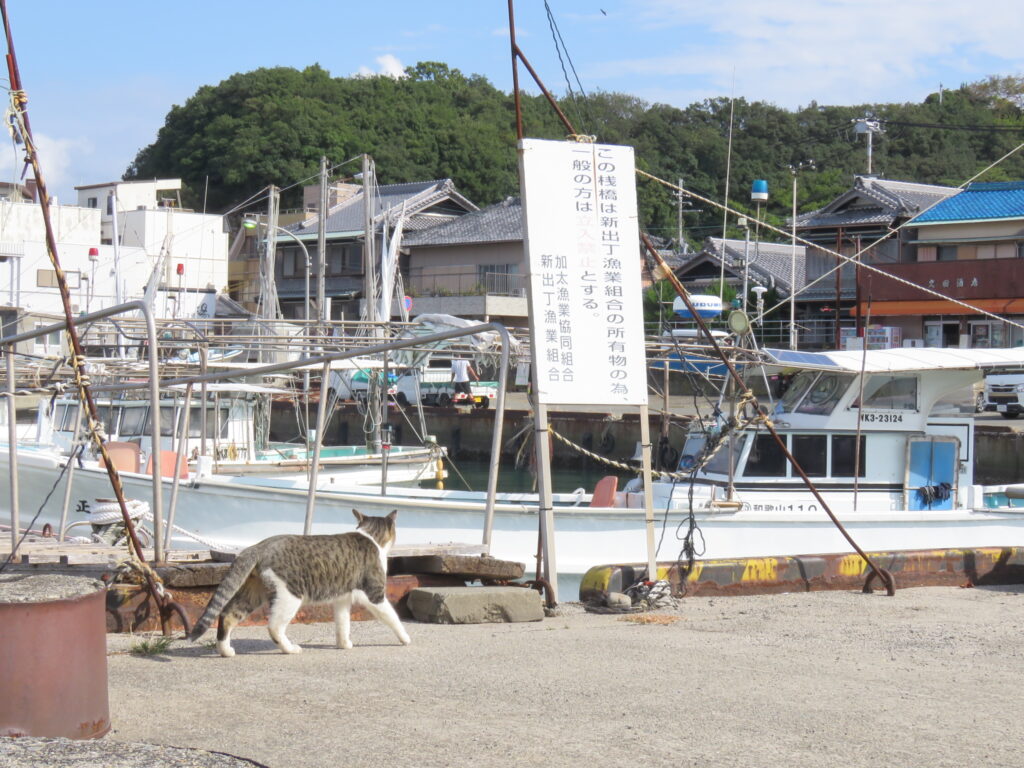
Although Saikazaki and Kada are both fishing communities in Wakayama City, they offer different experiences.
Saikazaki is especially appealing to travelers interested in distinctive architecture, hillside streets, photography, and the relationship between a settlement and its physical environment.
Its direct fish sales provide an additional opportunity to explore how seafood moves from fishing boats to local customers.
Kada, meanwhile, combines a working port with a longer maritime history, local religious traditions, seafood dining, and opportunities to spend time fishing or enjoying the waterfront.
The two towns complement one another.
| Interest | Saikazaki | Kada |
|---|---|---|
| Distinctive village architecture | Particularly strong | A quieter port-town atmosphere |
| Walking through narrow streets | Hillside lanes and changing viewpoints | Streets connecting the town and harbor |
| Local seafood culture | Direct sales by fishermen, depending on conditions | Local seafood restaurants and fishing culture |
| Fishing opportunities | Sea fishing facilities and other local options | Shore fishing and boat-based options |
| Cultural exploration | Fishing village landscape and local working life | Maritime history and Awashima Shrine |
| Slow travel | Observe the village, harbor, and hillside life | Combine walking, food, fishing, and time beside the sea |
You could explore one town in half a day or devote a full day to a more varied experience.
If you have several days in Wakayama, you could visit them separately, allowing each place to reveal its own character.
The important thing is not to see as much as possible.
It is to give yourself enough time to notice what makes each town different.
4. A Different Kind of Private Guided Experience

Visiting a fishing town independently can be rewarding.
You can walk along the harbor, photograph the boats, eat seafood, and explore the streets at your own pace.
But there is a difference between seeing a place and understanding how it works.
Why are the houses in Saikazaki arranged so closely together on the hillside? How does direct fish sales connect fishermen with their customers? Why is Kada’s maritime history important to understanding its present-day identity?
These are the kinds of questions that can transform a short visit into a more meaningful experience.
A private guide can help connect the visible landscape with its historical, cultural, and economic background.
Just as importantly, a private experience can be shaped around your interests.
For Travelers Interested in Food
Begin with the harbor and learn about the relationship between fishing and local food culture.
Depending on availability, you might observe direct fish sales in Saikazaki, discuss seasonal seafood, and explore how the catch finds its way onto local tables.
The experience can continue with a meal featuring regional ingredients.
Rather than treating seafood as a restaurant recommendation alone, the journey becomes an exploration of where food comes from and how it is connected to the community.
For Travelers Who Enjoy Walking and Photography
Explore Saikazaki’s hillside lanes, harbor viewpoints, and distinctive settlement patterns.
In Kada, follow the streets toward the waterfront and discover the relationship between the port, local shops, and the surrounding coastline.
The pace can be adjusted to allow time for photographs, conversations, and spontaneous discoveries.
There is no need to rush from one landmark to another.
For Travelers Who Want to Try Fishing
Fishing can become the central activity of the day, with time before or afterward to explore the surrounding town.
Depending on your interests, we can consider appropriate local fishing facilities or boat-based options, subject to availability and the arrangements made with the relevant operators.
A guided day can also include an introduction to the local fishing culture, helping you understand the environment in which the activity takes place.
Fishing activities are provided by local operators where applicable; participation, equipment, and fees depend on the specific arrangement.
For Travelers Interested in Everyday Japanese Life
Perhaps you are less interested in a particular activity than in understanding how people live in a small Japanese coastal community.
In that case, the best approach may be a combination of walking, food, local history, and time beside the harbor.
You might begin with a morning walk, spend time observing the waterfront, enjoy a seafood lunch, and continue exploring in the afternoon.
The itinerary can remain flexible, leaving room for the unexpected.
This is the idea behind Curated Kii Peninsula Journey: not simply taking visitors to a list of attractions, but bringing together places, activities, and local stories to create a journey that reflects their interests.
Learn more about Curated Kii Peninsula Journey.
5. Beyond a Day Trip: Stay in Wakayama and Experience Coastal Life

For some travelers, the most interesting question is not how to visit a fishing town, but how it might feel to spend more time there.
A few hours can introduce you to the harbor and its surroundings.
A few days allow you to explore more deeply, return to places you enjoyed, and discover differences between morning and afternoon.
A stay of several weeks offers another possibility altogether.
You can begin to experience the rhythm of a place rather than simply observe it.
What Might a Week in Wakayama Look Like?
Imagine staying in Wakayama City and exploring its coastal communities over several days.
One day, you walk through Saikazaki, learn about its hillside settlement, and explore the harbor.
Another day, you visit Kada, enjoy local seafood, and spend time by the water.
You might also explore Wakaura, with its coastal scenery and cultural history, or visit the historic streets of Kuroe to discover Wakayama’s lacquerware traditions.
On another day, you could return to a favorite neighborhood, try a different restaurant, or spend a quieter afternoon without a fixed itinerary.
The aim is not to create an exhausting sightseeing schedule.
It is to establish a comfortable rhythm between exploration and rest.
What About Staying for Two or Three Weeks?
A longer stay makes it possible to explore different aspects of Wakayama at a more relaxed pace.
You could devote time to coastal walks, fishing, local food, traditional crafts, historic towns, and the everyday life of Wakayama City.
Some days might involve a guided excursion. Others could be left open for personal exploration.
You could return to a fishing town more than once, experiencing it under different weather conditions or at different times of day.
You might also discover that your interests change after arriving.
A traveler who initially comes for the seafood may become interested in the fishing industry. Someone who enjoys photography may become curious about the architecture and history of the settlement. A person who simply wants a quiet coastal break may discover a deeper interest in regional culture.
This flexibility is one of the advantages of slow travel.
You do not have to understand everything about a place before arriving. You only need enough curiosity to begin exploring it.
A Coastal Base Within Reach of Osaka and Kansai International Airport
Wakayama City is particularly convenient for travelers who want to explore regional Japan without committing to a remote destination.
From Kansai International Airport, Wakayama can be reached by rail or airport limousine bus, with journey times varying according to the service and route. From there, the city’s coastal communities can be explored using local transportation and, where appropriate, additional transport arrangements made by the traveler.
Saikazaki and Kada are not identical in their access requirements, so it is worth planning each outing individually.
For a longer stay, Wakayama City can serve as a base for exploring coastal neighborhoods, historic towns, local food culture, and other parts of the Kii Peninsula.
Accommodation and transportation arrangements remain the traveler’s responsibility, but a local guide can help you understand the region and identify experiences that fit your interests.
For travelers who want to combine independent time with personalized local guidance, this can be a practical alternative to changing hotels every night.
Related post: 3 Days in Wakayama City: A Slow Journey Through Castle, Coast & Local Life
6. Wakayama Short Living Concierge: Explore Beyond the Usual Itinerary
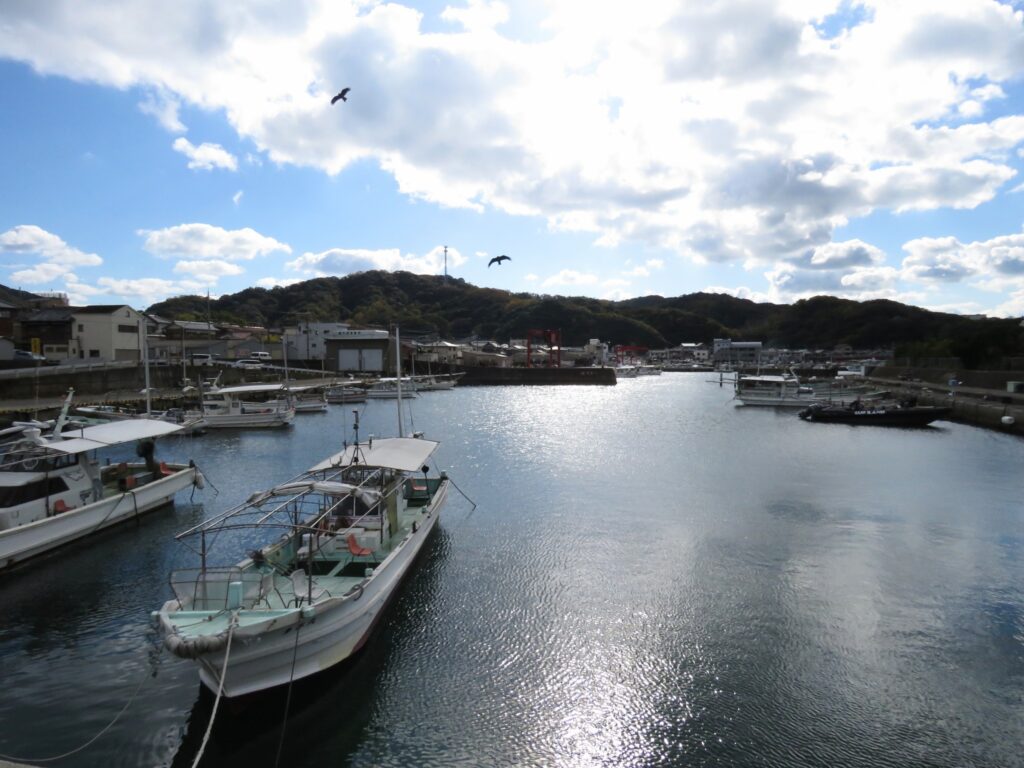
Some travelers want more than a conventional holiday.
They may be looking for a place to slow down, work remotely, spend time outdoors, explore a personal interest, or experience a different side of Japan over several weeks.
For these travelers, Wakayama offers an appealing combination of coastal landscapes, local food, historic neighborhoods, nature, and access to the wider Kansai region.
A longer stay also changes the way you approach local experiences.
Instead of trying to fit everything into a single day, you can explore one interest at a time.
You might spend a morning walking along the coast, devote another day to traditional crafts, and reserve a third for fishing or discovering regional food.
You can alternate guided experiences with independent exploration, creating a rhythm that feels more like living in a place than passing through it.
Wakayama Short Living Concierge is designed for travelers interested in this more flexible approach to experiencing the region.
The service focuses on helping you discover ways to spend your time in Wakayama according to your interests, pace, and preferred style of travel.
Depending on your plans, this might involve exploring fishing communities, discovering local food traditions, finding cultural experiences, or identifying places to walk and spend time outdoors.
The emphasis is on making a longer stay more meaningful through local knowledge and personalized guidance.
Rather than providing a packaged holiday with every hour arranged, the aim is to help you make better use of your time while retaining the freedom to explore independently.
Accommodation and transportation are not included in the concierge service and must be arranged separately by the traveler.
If you are considering spending several weeks in Japan and would like to experience a more local side of Wakayama, you can learn more about the possibilities through Wakayama Short Living Concierge of Wakayama Authentic Trip.
7. When Is the Best Time to Visit Saikazaki and Kada?
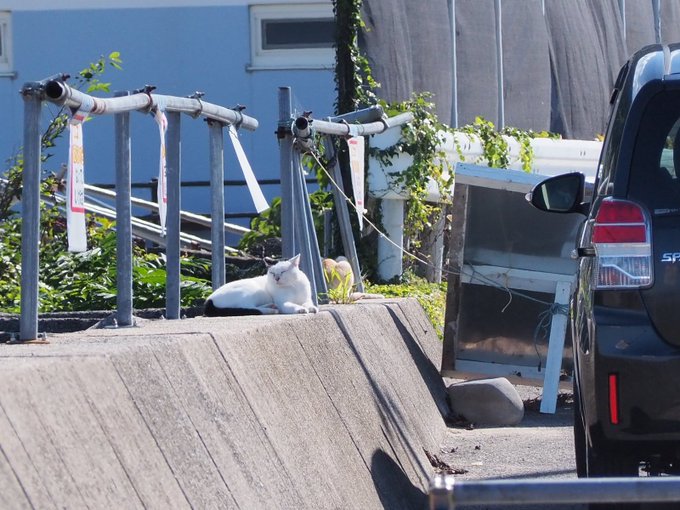
Both towns can be interesting throughout the year, but the experience changes with the season, weather, and fishing conditions.
Spring and autumn can be comfortable periods for walking through the villages and spending time outdoors.
Summer brings a different coastal atmosphere, with longer daylight hours and opportunities to combine seaside exploration with other outdoor activities. However, heat and humidity can make walking more demanding.
Winter can offer a quieter experience, although conditions may be less comfortable for extended outdoor activities.
For seafood enthusiasts, seasonal variation is part of the appeal. The species available, the volume of the catch, and the timing of direct sales can change throughout the year.
There is no single season that guarantees the best experience for every traveler.
If you are particularly interested in fishing or hata-uri, plan around the relevant activity rather than choosing dates based only on the general sightseeing season.
Before visiting Saikazaki, check the latest information from the local fishing cooperative. For fishing experiences, confirm arrangements directly with the relevant facility or operator.
Weather, fishing conditions, and local schedules can all affect what is possible on a particular day.
8. Practical Tips for Visiting These Fishing Towns
A little preparation can make a substantial difference to your experience.
Allow time for walking. Saikazaki has steep slopes, stairs, and narrow lanes. Comfortable shoes are essential, and visitors should be prepared for uneven surfaces.
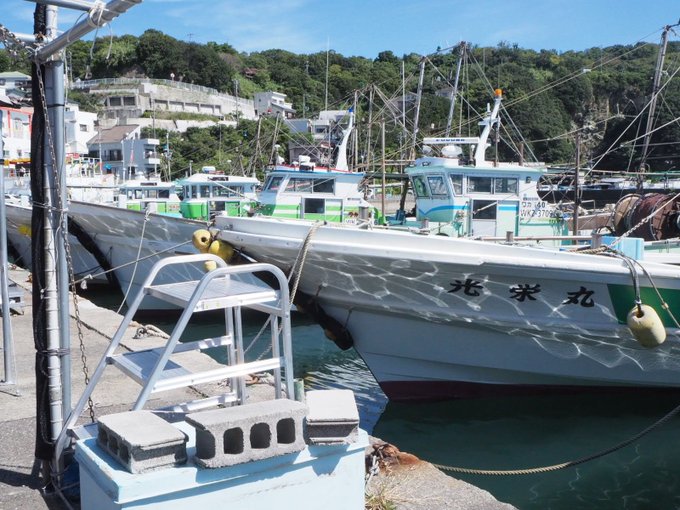
Respect the working environment. Fishing ports are places of work, not just sightseeing destinations. Avoid obstructing vehicles, fishing equipment, or loading areas. Ask permission before photographing people at close range.
Check fish sales in advance. Hata-uri depends on actual fishing activity and local schedules. Do not assume that seafood will be available at a particular time simply because you have arrived at the harbor.
Bring appropriate clothing. Coastal weather can change, and conditions may feel different beside the water. Sun protection and drinking water are particularly important during warmer months.
Allow extra time for public transportation. Reaching the villages may involve buses, trains, and walking. Check current timetables and plan your return journey before setting out.
Keep your plans flexible. A fishing experience may be affected by weather, and a particular catch may not be available. An adaptable itinerary allows you to enjoy the town even when the original plan changes.
Consider local guidance. If you are interested in learning about fishing culture, navigating narrow streets, or combining several experiences, a private guide can help connect the different parts of your visit.
Most importantly, remember that these are living communities. Their appeal comes not only from their scenery but also from the people who continue to work, live, and maintain relationships there.
Conclusion: Discover the Japan That Exists Between the Famous Destinations
Japan’s most famous destinations offer extraordinary experiences.
But the country also reveals itself in smaller places, where the relationship between landscape, work, food, and community remains visible in everyday life.
Saikazaki and Kada offer two different perspectives on this quieter side of Japan.
In Saikazaki, steep streets and closely packed houses reveal how a fishing village has adapted to its coastal environment. At the harbor, direct fish sales provide a glimpse into the relationship between fishermen and the people who buy their catch.
In Kada, a historic port, local religious traditions, seafood, and fishing opportunities create a different but equally rewarding experience.
Both towns are within reach of Osaka and Kansai International Airport, making them accessible additions to a wider journey through Wakayama and the Kii Peninsula.
You could visit for a few hours, spend a full day exploring, or use Wakayama as a base for a longer stay.
The most important choice is not how many places you visit.
It is how much time you give yourself to understand them.
If you would like to explore these fishing towns through walking, food, fishing, and local stories, I can help shape a private experience around your interests.
And if you are considering a longer stay, Wakayama offers the opportunity to discover these coastal communities gradually, returning to places you enjoy and experiencing the region at your own pace.
Explore Wakayama beyond the usual tourist route. Discover its fishing towns, local food, and the rhythms of everyday life through a journey shaped around you.
Plan Your Journey
Curated Kii Peninsula Journey
A personalized private guiding experience for travelers who want to explore Wakayama through its landscapes, history, food, and local culture.
Learn more: https://tamatransmission.com/standard-private-tour/
Wakayama Short Living Concierge
For travelers considering a longer stay and looking for ways to explore local life, discover regional experiences, and spend time in Wakayama at a more relaxed pace.
Learn more about my services: https://tamatransmission.com/
Have a particular interest in fishing, seafood, photography, coastal walks, or local culture?
Tell me what you would like to experience, how much time you have, and wh
at kind of pace you prefer. We can explore the possibilities for a personalized journey in Wakayama.
[Contact me to discuss your journey.]
Related Posts
- Japan Fishing by Season: What to Catch and Where to Go
- Japan Fishing Experiences: 7 Places to Fish and Eat What You Catch
- 7 Fishing Villages in Japan: Where to Experience Local Life by the Sea
- Cycling from Yuasa to Yura: White Cliffs, Fishing Villages & Local Flavors
No responses yet