
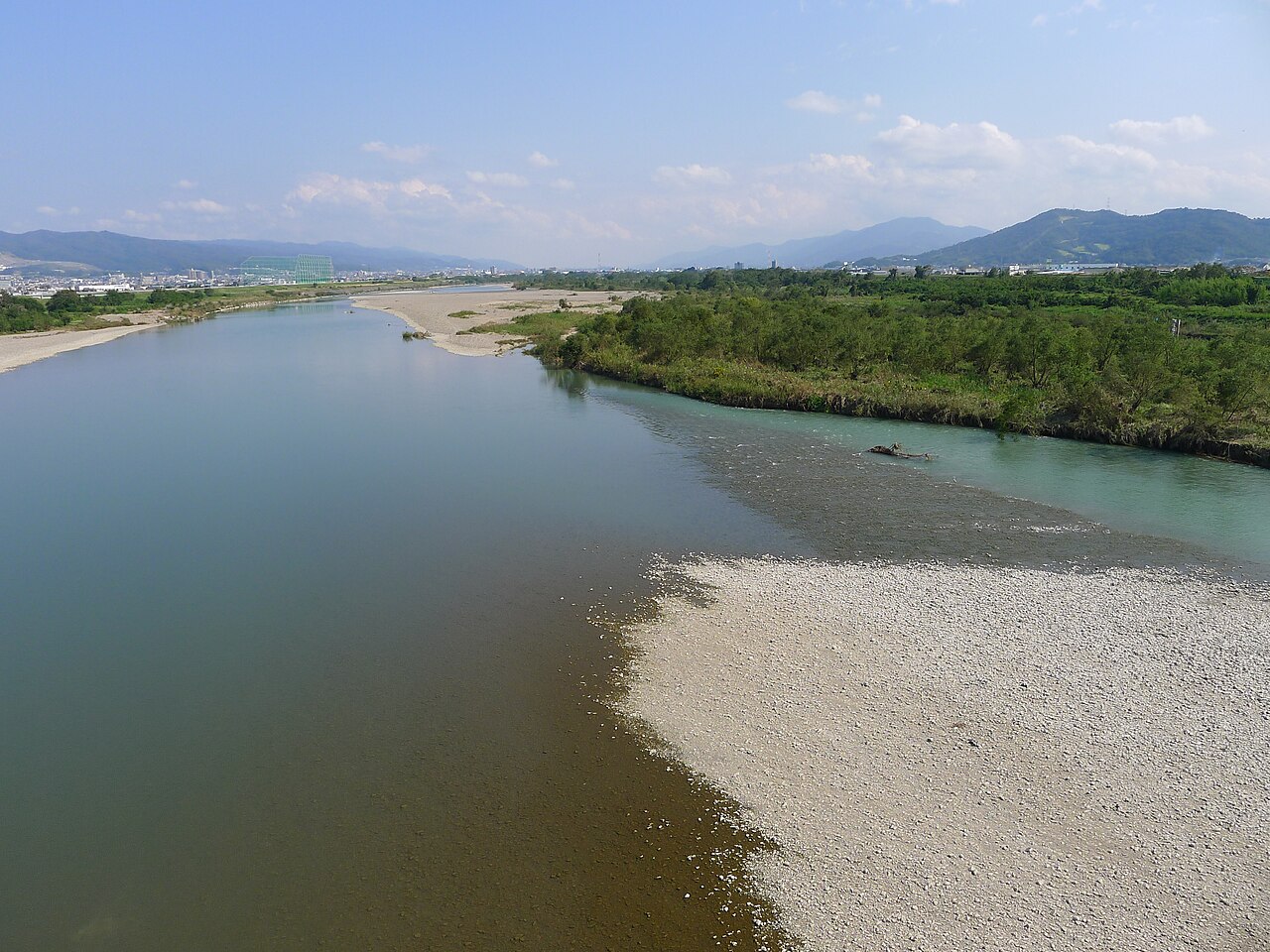
Discover the Landscapes and Local Life of Wakayama, Japan
Wakayama is a region where mountains meet the sea, ancient forests surround rural villages, and rivers flow through landscapes shaped by generations of farming and fishing communities.
Located south of Osaka, the Kii Peninsula offers an extraordinary variety of natural environments. You can walk along a quiet fishing village, explore a dramatic limestone coastline, follow an ancient pilgrimage trail through the forest, or cycle through orchards and rural towns.
But experiencing nature in Wakayama is about more than visiting scenic viewpoints or taking part in outdoor activities.
It is also about understanding how people have lived with these landscapes—how the sea has shaped fishing communities, how mountain forests became sacred places, and how agriculture and local food traditions developed alongside the rivers and fertile valleys.
Our nature experiences are designed to connect these different perspectives, allowing you to discover Wakayama at a comfortable pace and beyond the usual tourist routes.
Experience Details
- Duration: Approximately 3 hours
- Price: USD 300 per group
- Format: Private experience
- Content: One selected theme or local area
- Customization: Minor adjustments based on your interests and local conditions
1. Coastal Landscapes & Fishing Villages
Discover the Relationship Between the Sea and Local Life
Wakayama has a long coastline with a remarkable variety of landscapes, from dramatic limestone cliffs and rocky shores to small fishing harbors and historic coastal settlements.
Each place has its own character, shaped by geography, fishing traditions, and the relationship between local communities and the sea.
Shirasaki Coast – White Limestone Cliffs and Blue Ocean
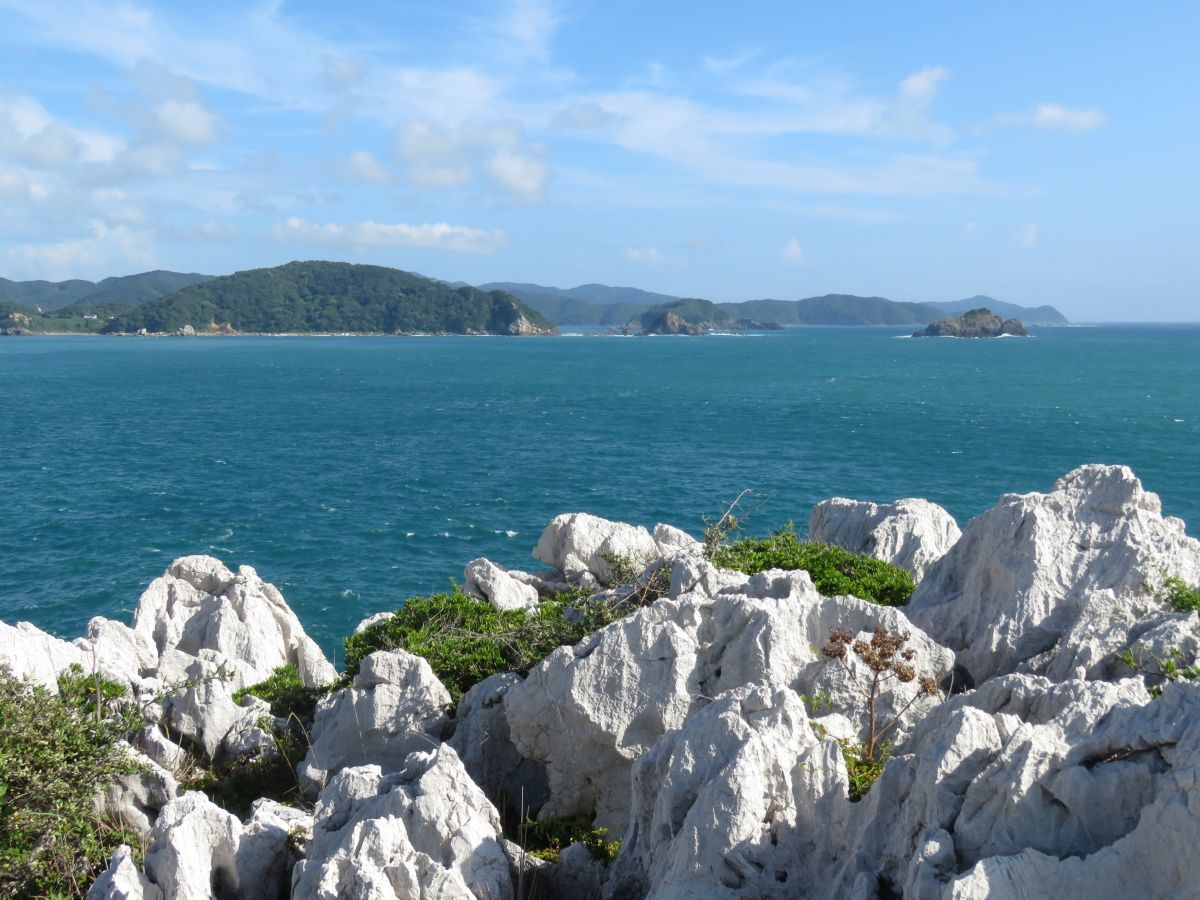
The Shirasaki Coast in Yura is one of Wakayama’s most distinctive natural landscapes. Brilliant white limestone formations rise above the deep blue sea, creating a dramatic contrast that feels quite different from the landscapes usually associated with Japan.
You can enjoy the coastal scenery from viewpoints, explore the surrounding area by bicycle, or discover the coastline from the sea when local boat experiences are available.
The journey can also be extended toward nearby fishing communities and the historic town of Yuasa, where the landscape connects naturally with the history of Japanese shoyu and traditional fermentation culture.
Saikazaki – A Traditional Fishing Village
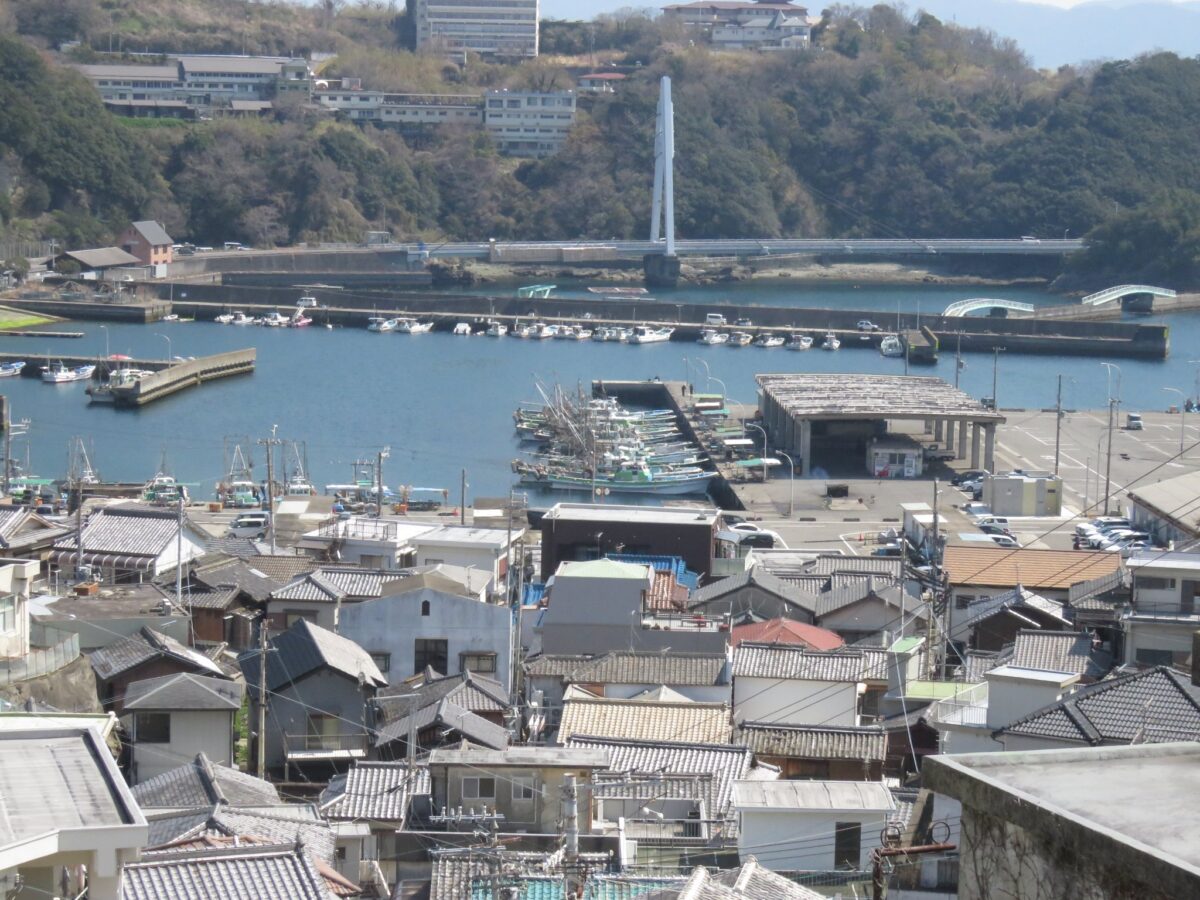
In Wakayama City, Saikazaki is a fishing village built along steep hillsides overlooking the sea.
Its narrow lanes, closely packed houses, and small harbor reveal a way of life closely connected to fishing. Rather than simply viewing the village as a scenic destination, walking through its streets offers an opportunity to observe the relationship between the built environment, the coastline, and everyday community life.
Kada – Fishing Culture and Coastal Scenery
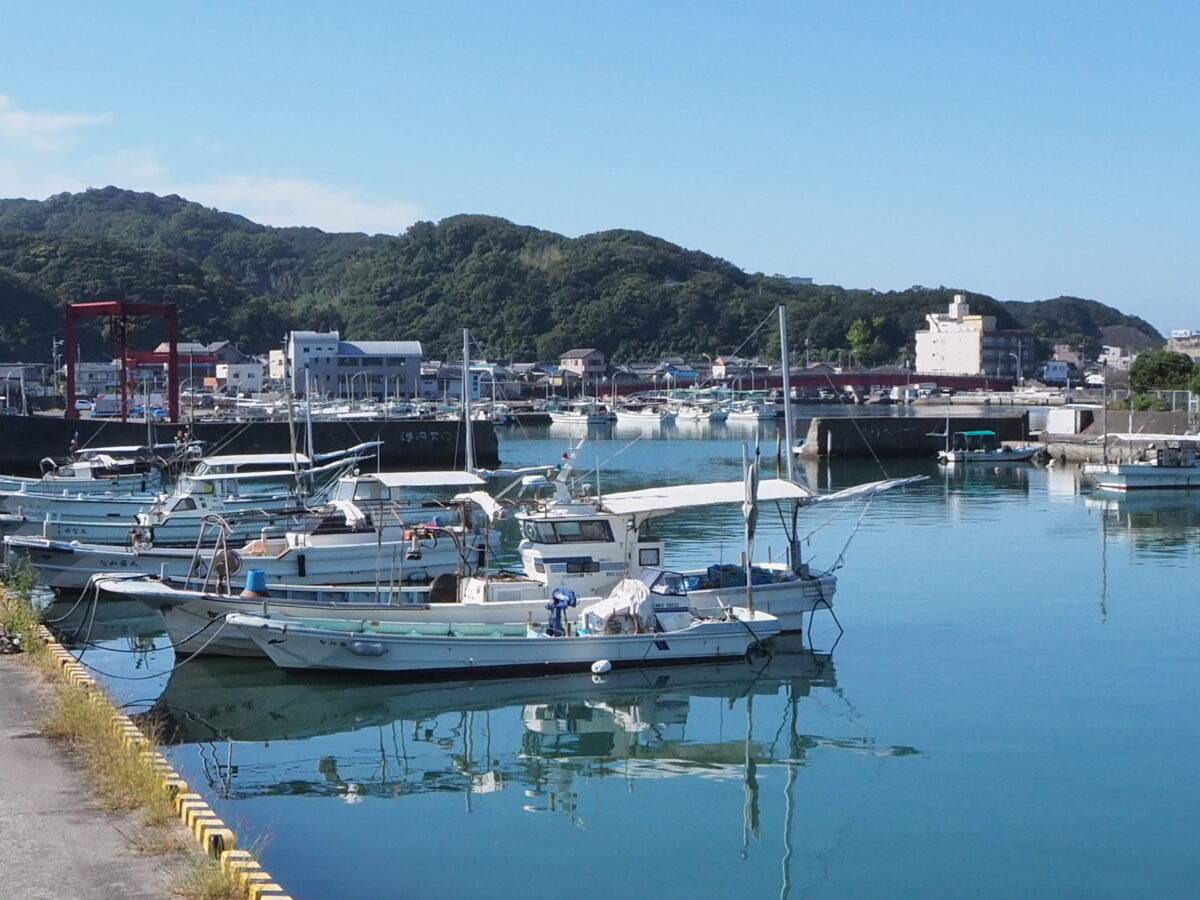
Kada is another coastal community where fishing remains an important part of local identity.
The harbor, surrounding islands, and coastal views create an attractive setting for walking and photography. Depending on the season and local arrangements, visitors may also be able to experience fishing-related activities and enjoy freshly caught seafood.
Wakaura – A Cultural Landscape by the Sea
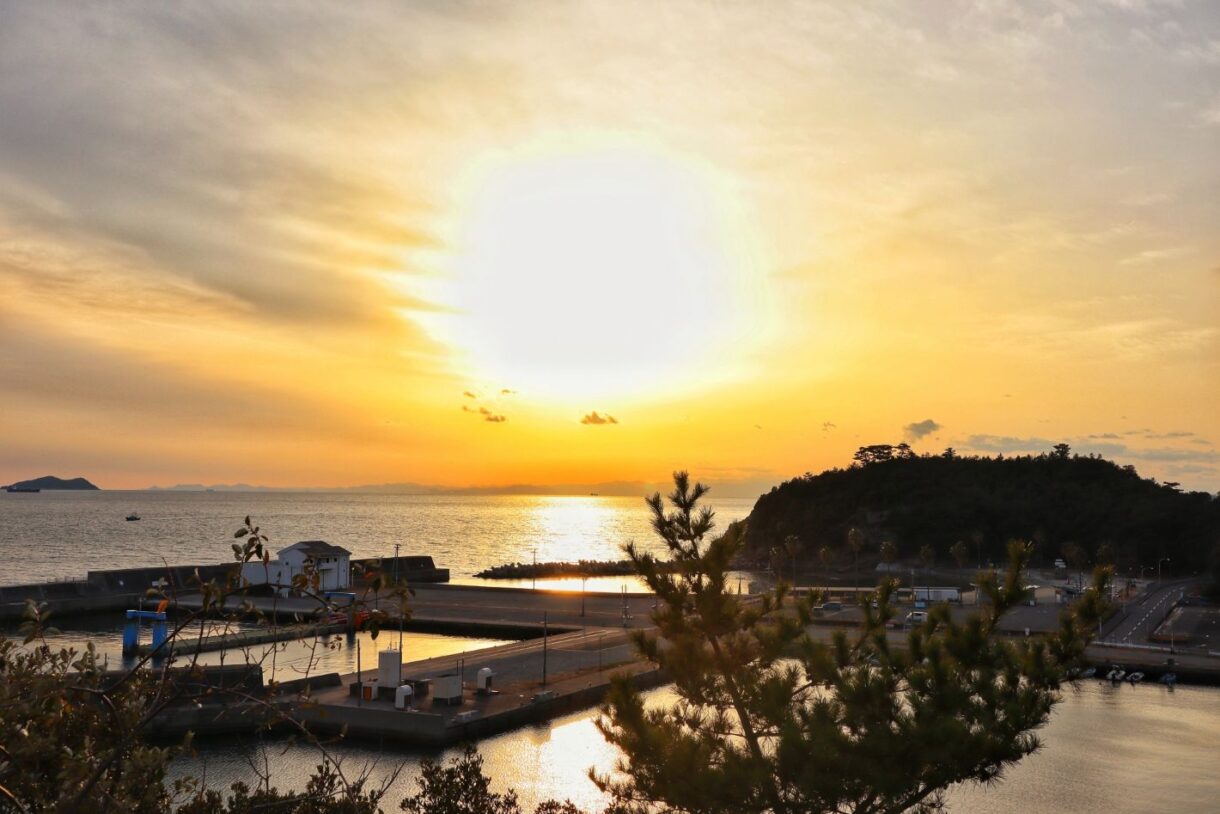
Wakaura offers a different kind of coastal experience.
Its beautiful bays, islands, shrines, temples, and historic viewpoints have inspired Japanese poets and travelers for centuries. The landscape is not only a natural attraction but also a place where geography, literature, religion, and local history come together.
Possible experiences:
- Coastal walks and photography
- Cycling along quiet coastal roads
- Exploring traditional fishing villages
- Fishing and local seafood experiences
- Boat trips when available
- Discovering the history and culture of coastal communities
2. Mountains, Forests & Pilgrimage Trails
Walk Through Sacred Landscapes and Ancient Forests
The mountains of Wakayama are deeply connected to Japanese religious history and spirituality.
For centuries, people have traveled through these forests on pilgrimages, seeking spiritual experiences in the mountains and at sacred sites. Today, many of these routes remain accessible to visitors who want to experience the natural and cultural heritage of the Kii Peninsula on foot.
Kumano Kodo – Walking Through a Sacred Landscape
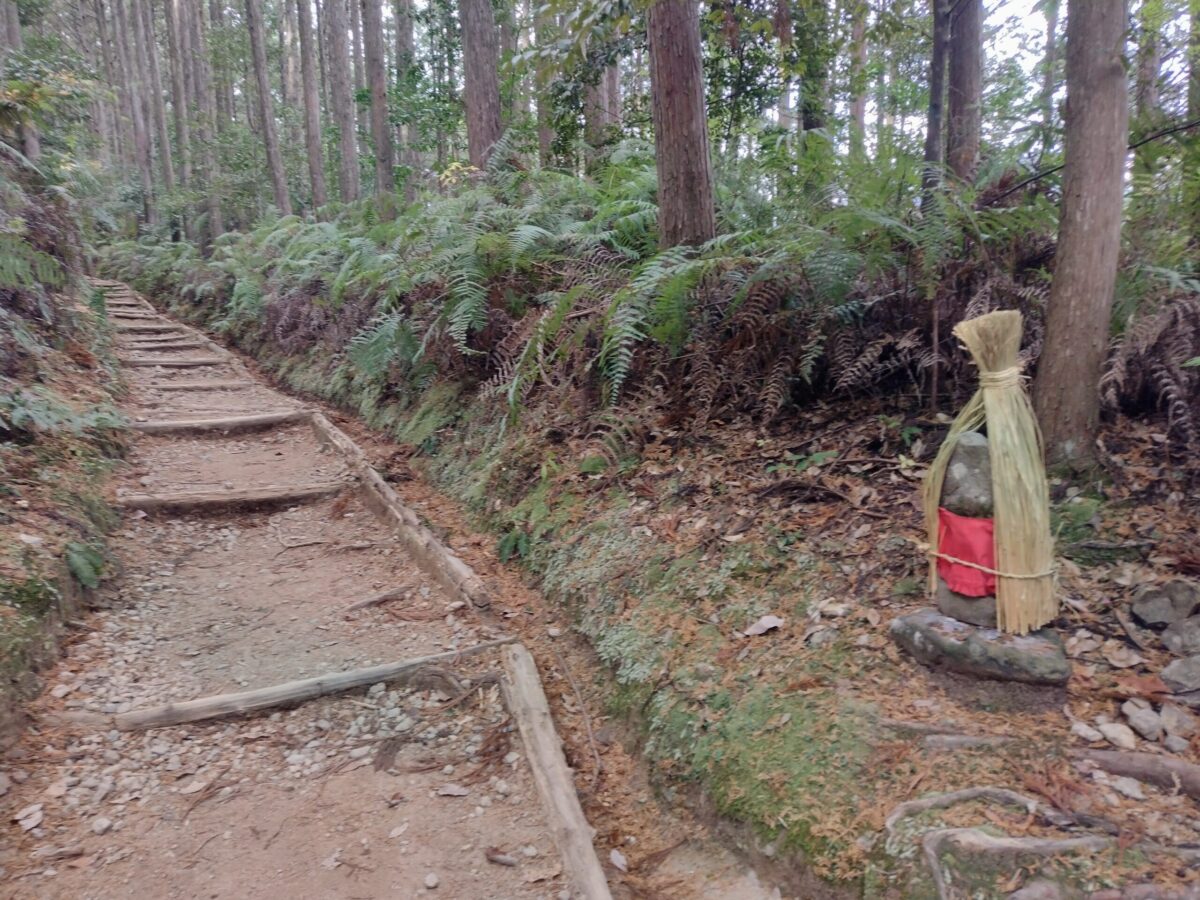
The Kumano Kodo is a network of ancient pilgrimage routes connecting the sacred sites of Kumano.
Recognized as part of the UNESCO World Heritage property Sacred Sites and Pilgrimage Routes in the Kii Mountain Range, the routes pass through forests, mountain villages, old stone paths, and places of worship.
Walking the Kumano Kodo is not simply a hiking experience. It is an opportunity to understand how nature, religion, and local communities have been connected for centuries.
Different sections offer different levels of difficulty and scenery, making it possible to choose a walk that suits your interests and physical condition.
Koyasan – Forests, Spirituality and Mountain Trails

Koyasan is one of Japan’s most important Buddhist centers, surrounded by forested mountains.
Beyond its temples and historic religious buildings, the surrounding area offers opportunities to explore forest paths and pilgrimage routes such as the Choishi-michi.
The approach to Koyasan is also part of the experience. The gateway towns of Kudoyama and Koyaguchi reveal the historic relationship between the sacred mountain and the communities that supported pilgrims and temple life.
Walking or cycling through these foothill landscapes provides a different perspective on Koyasan, beyond the main temple area.
Kiijii – The Historic Pilgrimage Route from Wakayama
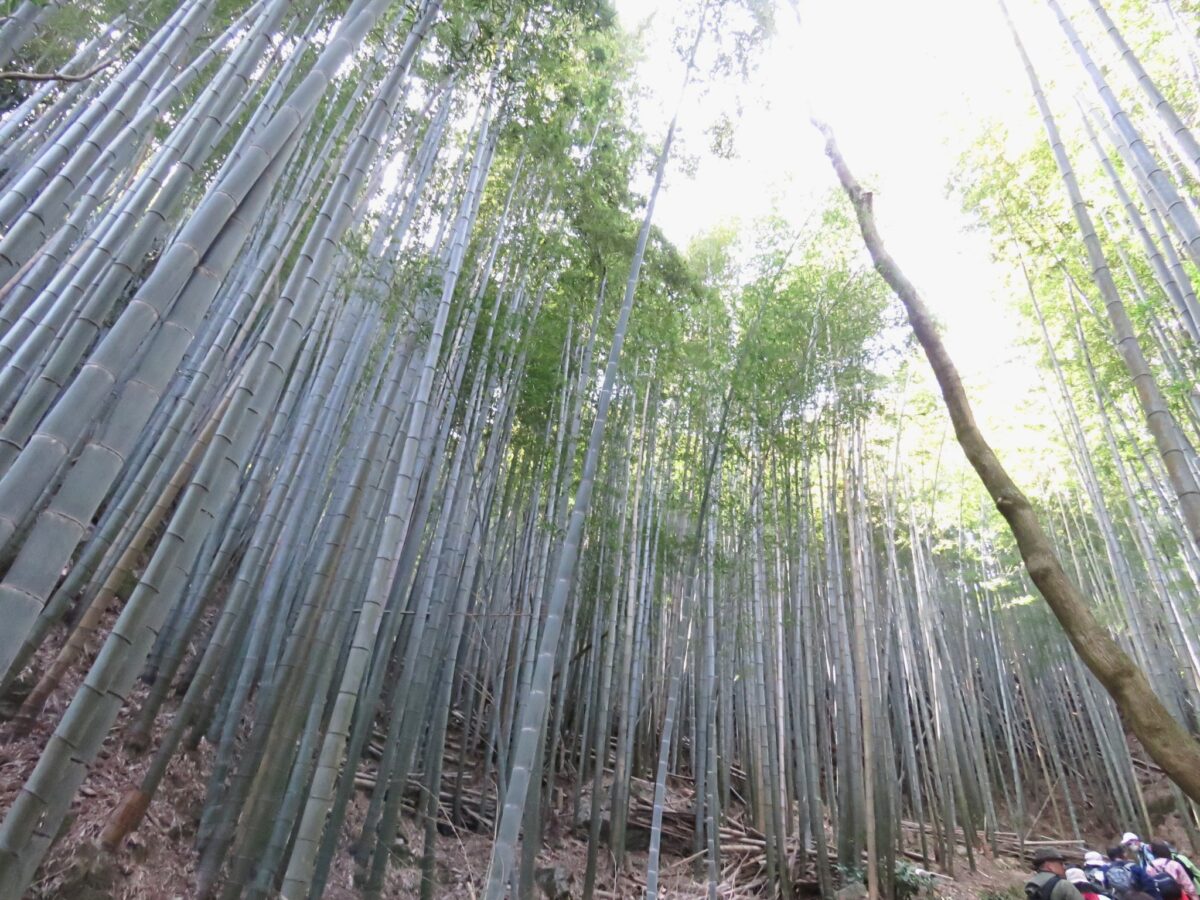
The Kiiji is the western approach to the Kumano pilgrimage region, connecting the area around Wakayama with the wider network of routes leading toward Kumano.
Some sections pass through residential areas, old settlements, and quiet countryside rather than deep mountain forests.
This creates a distinctive walking experience in which historical traces are embedded within the everyday landscape. It is especially interesting for travelers who want to discover the less familiar side of Japanese pilgrimage culture.
Mount Nagusa – Nature, Local Shrines and Mythology
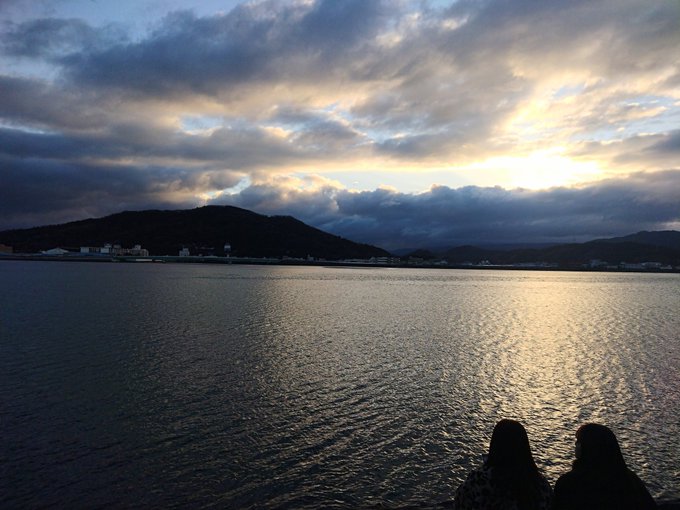
Mount Nagusa and its surrounding area offer opportunities to explore a quieter landscape close to Wakayama City.
Walking routes can be combined with visits to local shrines and places connected to regional traditions and mythology.
Rather than treating mythology as a collection of stories detached from the landscape, this experience explores how local beliefs and memories have been associated with mountains, roads, and communities.
Possible experiences:
- Guided walks along selected Kumano Kodo sections
- Forest hiking and mountain trails
- Walking the Choishi-michi pilgrimage route
- Exploring the historic Kii-ji
- Discovering local shrines and regional mythology
- Combining walking with local history and cultural interpretation
3. Rivers, Satoyama & Agricultural Landscapes
Discover the Rural Rhythm of Wakayama
Away from the coast and mountains, Wakayama’s inland areas offer another side of the region.
The Kinokawa River and its surrounding valleys support a rich agricultural landscape. Orchards, rice fields, small settlements, and rural roads create an environment where nature and everyday life remain closely connected.
This is the world of satoyama—the traditional Japanese rural landscape where people have maintained a close relationship with forests, fields, rivers, and surrounding ecosystems.
Kinokawa – Fruit Orchards and River Landscapes
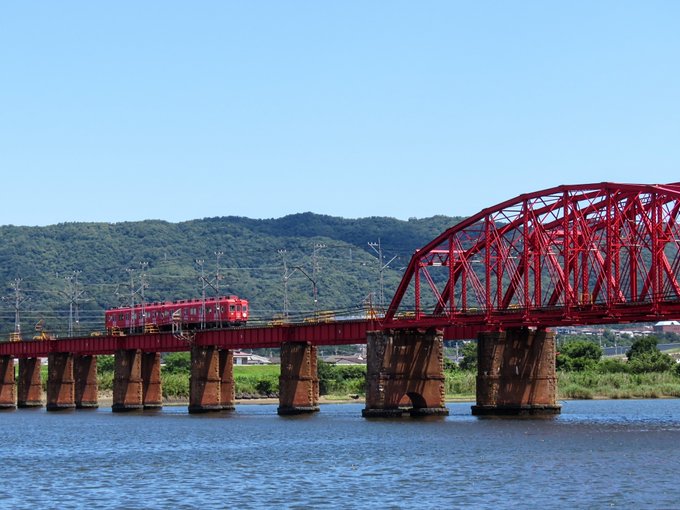
The Kinokawa area is well known for its fruit production. Depending on the season, the surrounding countryside is filled with orchards producing peaches, persimmons, grapes, and other seasonal fruits.
Cycling through the agricultural landscape offers a relaxed way to explore the region. You can discover small villages, stop at local shops, enjoy seasonal food, and experience a side of Japan that is often missed by visitors who travel only between major sightseeing destinations.
For those looking for more active experiences, the wider area also offers opportunities for outdoor activities such as canoeing and paragliding, depending on local availability and conditions.
Kimino – Rural Villages and Mountain Views
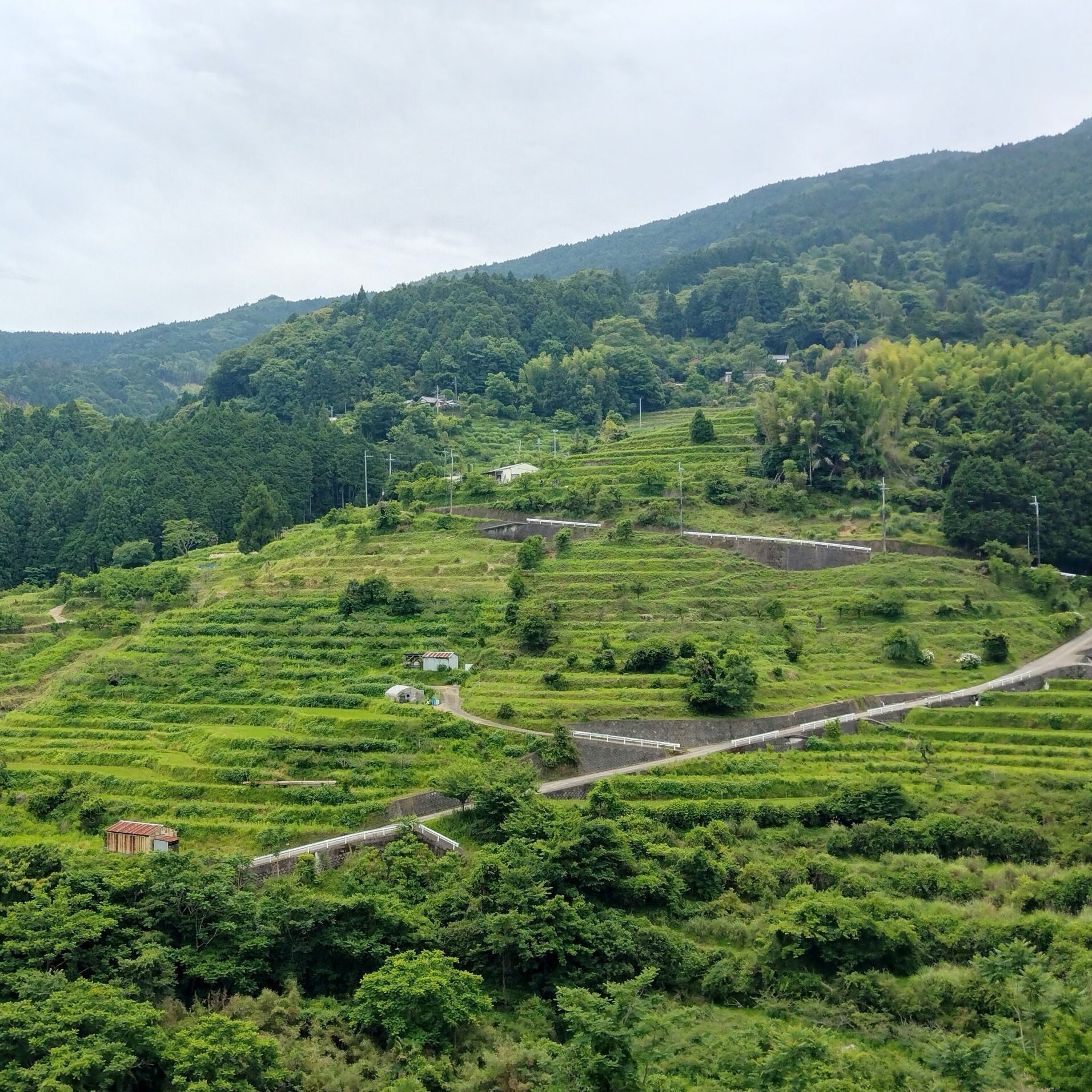
The rural areas of Kimino offer a combination of agricultural landscapes, forested hills, rivers, and traditional settlements.
These areas are particularly attractive for travelers who enjoy walking, cycling, photography, and discovering local food culture.
Rather than focusing on a single attraction, a journey through these landscapes can include several small discoveries: a local farm, a quiet village road, a seasonal food experience, or a viewpoint overlooking the surrounding mountains.
The Foothills of Koyasan – Where Pilgrimage Meets Everyday Life

The towns and villages below Koyasan are an important part of the mountain’s wider cultural landscape.
Places such as Kudoyama and Koyaguchi reveal how local communities supported the religious center through agriculture, crafts, trade, and transportation.
Cycling through these areas allows visitors to explore the connections between the sacred mountain and the rural communities that developed around it.
Possible experiences:
- Cycling and e-bike exploration
- Visiting seasonal fruit orchards
- Discovering rural villages and local food
- Canoeing and river activities when available
- Paragliding with local operators when available
- Walking through satoyama landscapes
- Exploring the historic gateway towns of Koyasan
4. Outdoor Activities & Active Experiences
Explore Wakayama Through Movement
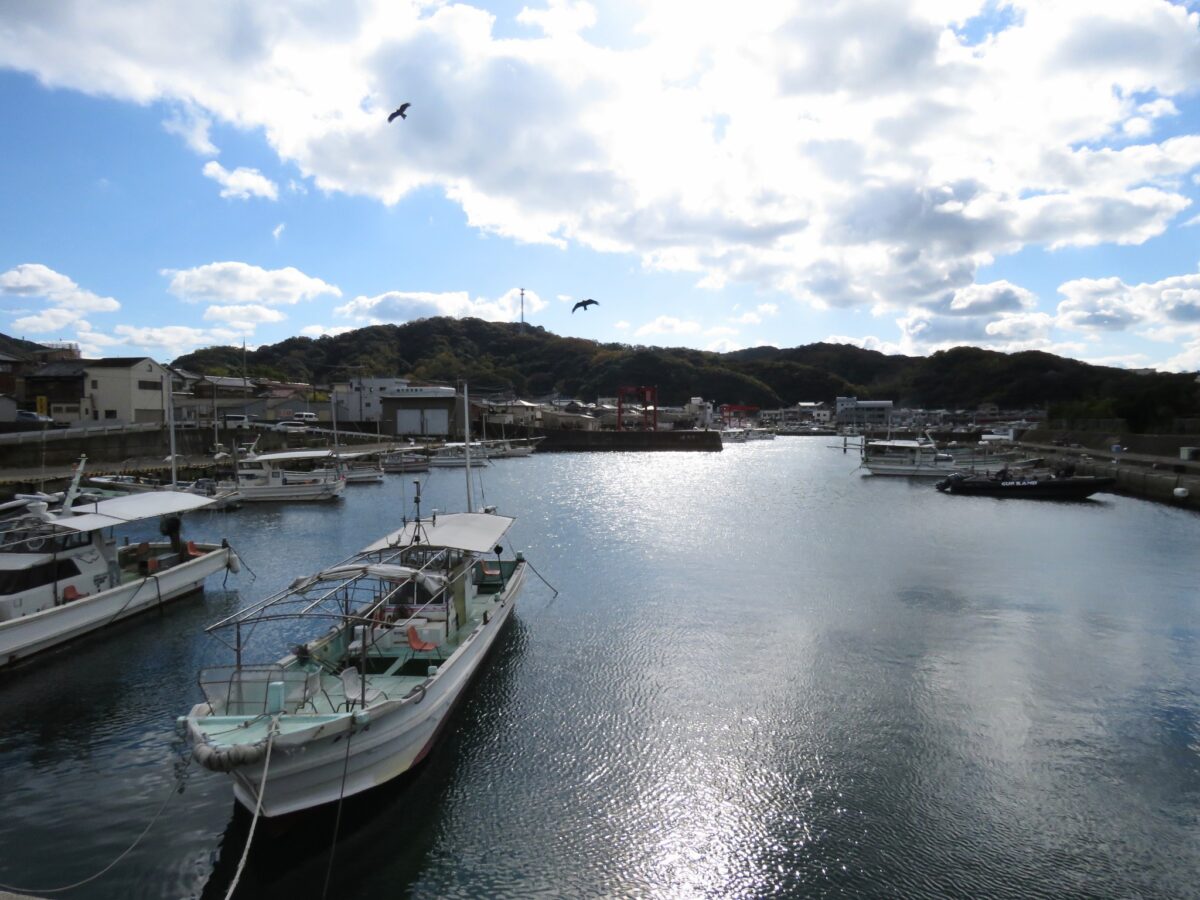
Wakayama offers many ways to enjoy the outdoors. Whether you prefer a gentle walk, a full day of cycling, or an active experience on the water, the region provides a variety of environments to explore.
The right activity depends on the landscape, the season, your interests, and how actively you want to travel.
・Hiking & Trekking
・Cycling & E-Biking
・Kayaking & Canoeing
・SUP
・Surfing
・Fishing
・Paragliding
・Photography
Some activities require specialist local operators or suitable weather and water conditions. We can help you explore suitable possibilities and provide guiding or interpretation support as part of a curated experience.
Note: If instruction by a professional instructor is included, an instructor fee will be charged in addition to the guide fee. Please contact me for specific pricing.
5. Experience Wakayama at Your Own Pace
More Than a Collection of Outdoor Activities
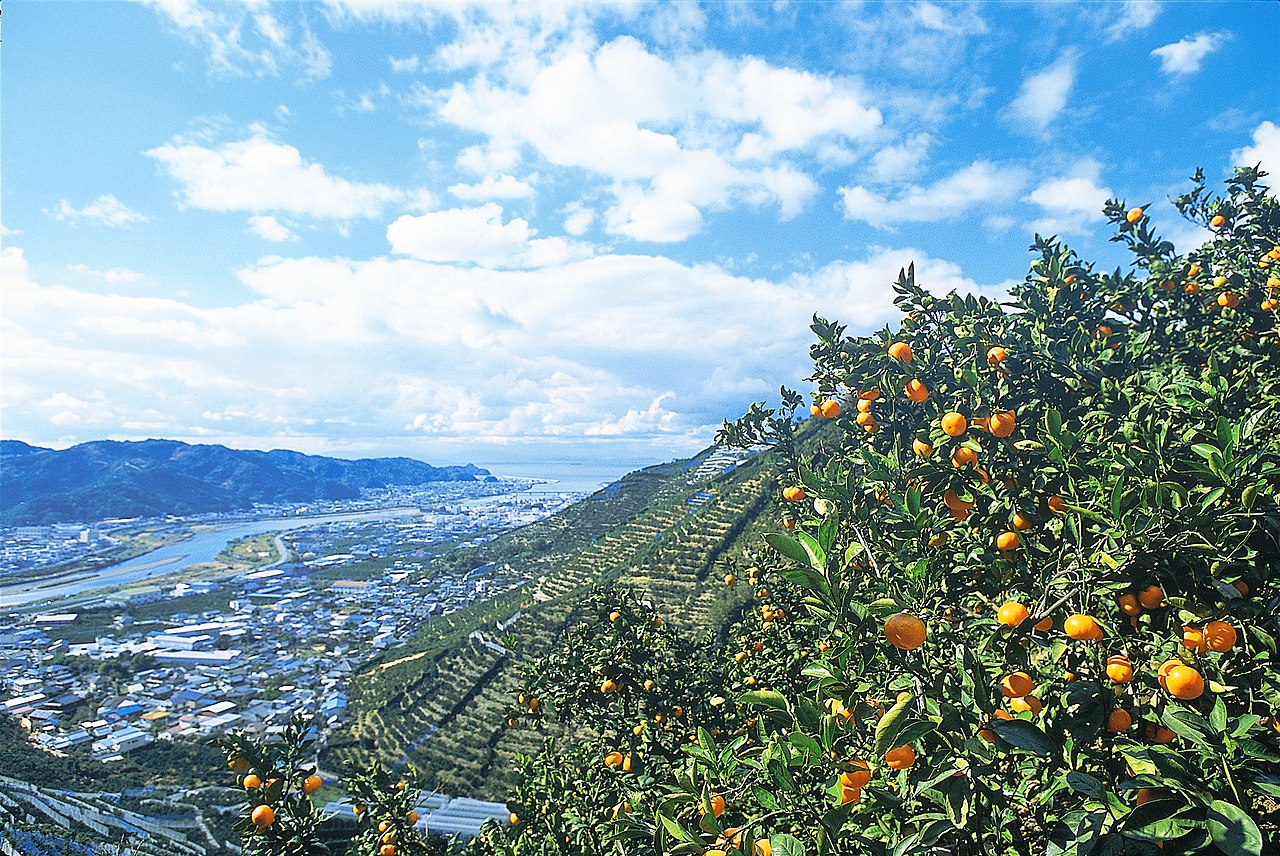
One of the most interesting things about Wakayama is the variety of landscapes within a relatively compact region.
You do not have to spend every day visiting major attractions. You can take time to explore one area, discover its local character, and experience different aspects of life in the region.
For example, a day exploring the coast might begin with a walk through a fishing village, followed by cycling along quiet coastal roads and enjoying a seafood lunch.
Another day could be spent walking through a forested pilgrimage route, learning about the history of the path and the communities that have maintained it.
In the Kinokawa area, you might cycle through fruit orchards, enjoy a seasonal food experience, and spend the afternoon exploring rural villages or taking part in an outdoor activity.
These experiences can also be combined with local crafts, traditional food, historical sites, and cultural activities.
Experience Wakayama in Three Hours
Each experience in this category is designed as an approximately three-hour private experience for your group.
Rather than trying to cover several destinations in a limited time, we focus on one particular landscape, activity, or aspect of local life. This allows you to explore at a relaxed pace, ask questions, and gain a deeper understanding of the place.
You might walk through a traditional fishing village, discover the cultural landscape of Wakaura, explore a section of an ancient pilgrimage route, or cycle through the rural scenery of the Kinokawa area.
Experience Details
- Duration: Approximately 3 hours
- Price: USD 300 per group
- Format: Private experience
- Content: One selected theme or local area
- Customization: Minor adjustments based on your interests and local conditions
The price covers the guiding and interpretation service. Additional costs for specialist activities, equipment, admission, food, or local operators may apply and will be explained in advance.
6. Plan Your Nature Experience in Wakayama
A Journey Designed Around Your Interests
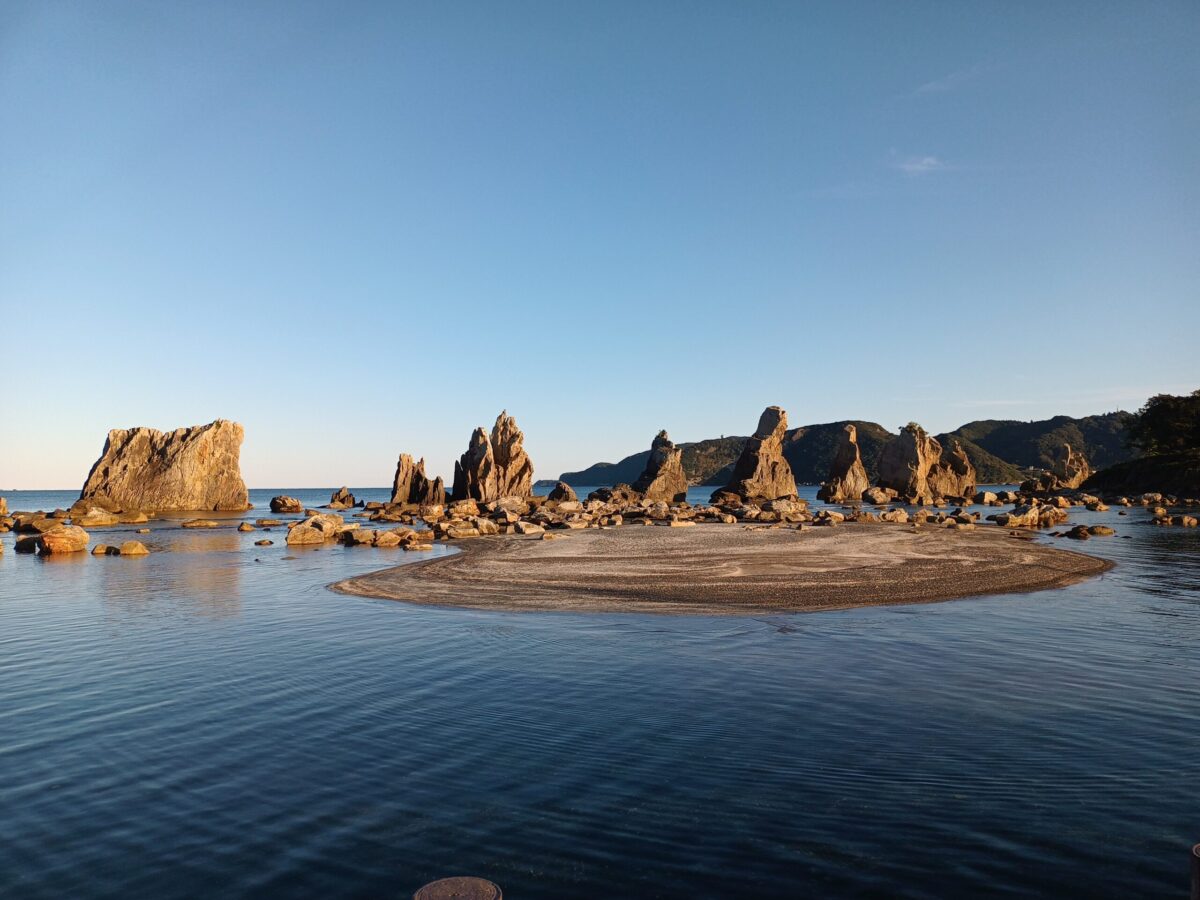
There is no single way to experience the nature of Wakayama.
Some travelers want to walk ancient pilgrimage routes. Others prefer cycling through rural landscapes, exploring fishing villages, photographing the coastline, or combining outdoor activities with local food and cultural experiences.
As a National Government Licensed Guide Interpreter based in Wakayama, I help international visitors discover the region through its landscapes, history, and local communities.
Rather than offering only fixed sightseeing itineraries, I can help you shape a journey around your interests, preferred pace, and the experiences you would like to include.
Your journey may focus on one particular area or connect several landscapes across the Kii Peninsula.
Explore More with a Curated Kii Peninsula Journey
If you would like to combine nature, local culture, food, and outdoor activities into a more personal journey, discover our Curated Kii Peninsula Journey.
Whether you are interested in a half-day walk, a full-day cycling experience, or a multi-day exploration of Wakayama, we can discuss how to create a journey that reflects your interests.
For travelers interested in staying longer and experiencing the everyday rhythm of the region, Wakayama Short Living Concierge provides a different way to explore local life.