
Discover the Stories, Traditions, and Everyday Life Behind Japan’s Historic Towns
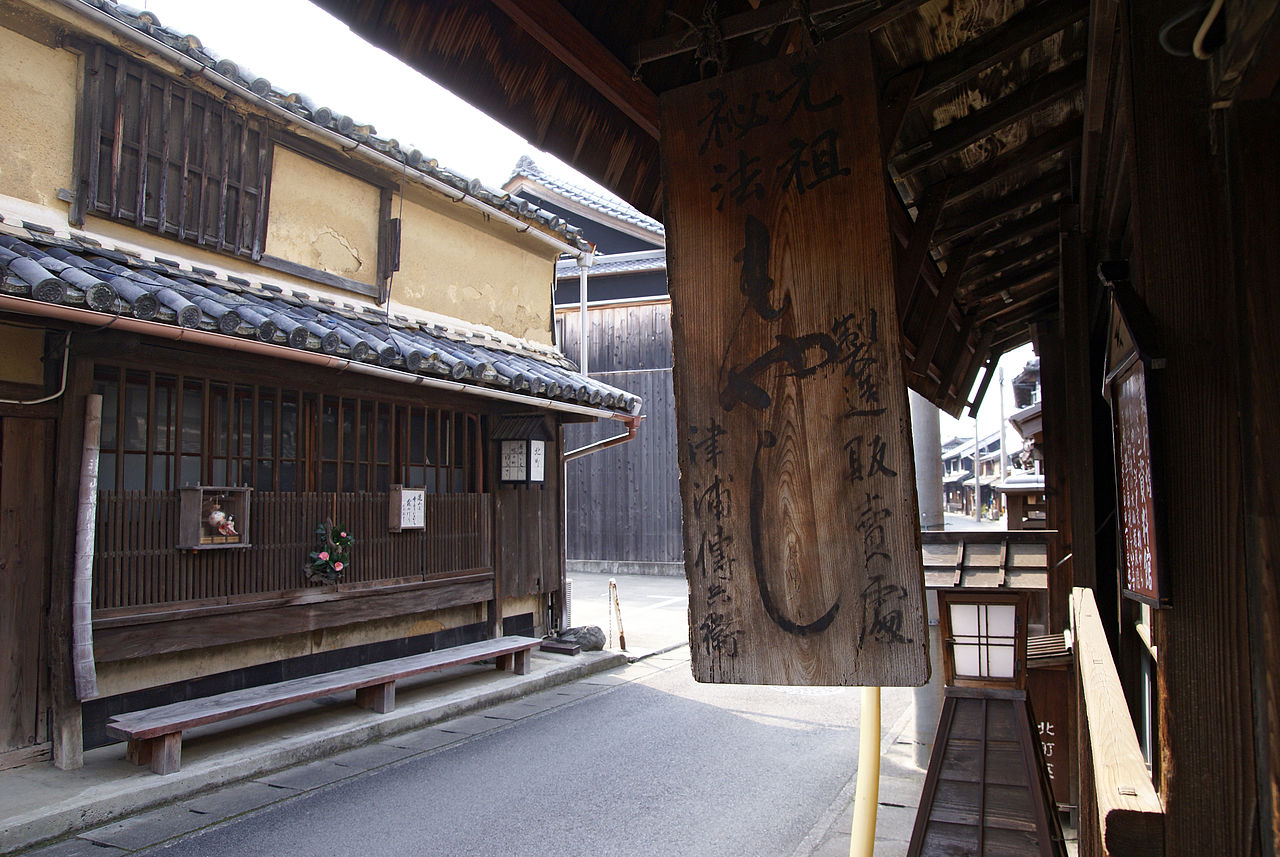
Why Explore Wakayama’s Historic Towns?
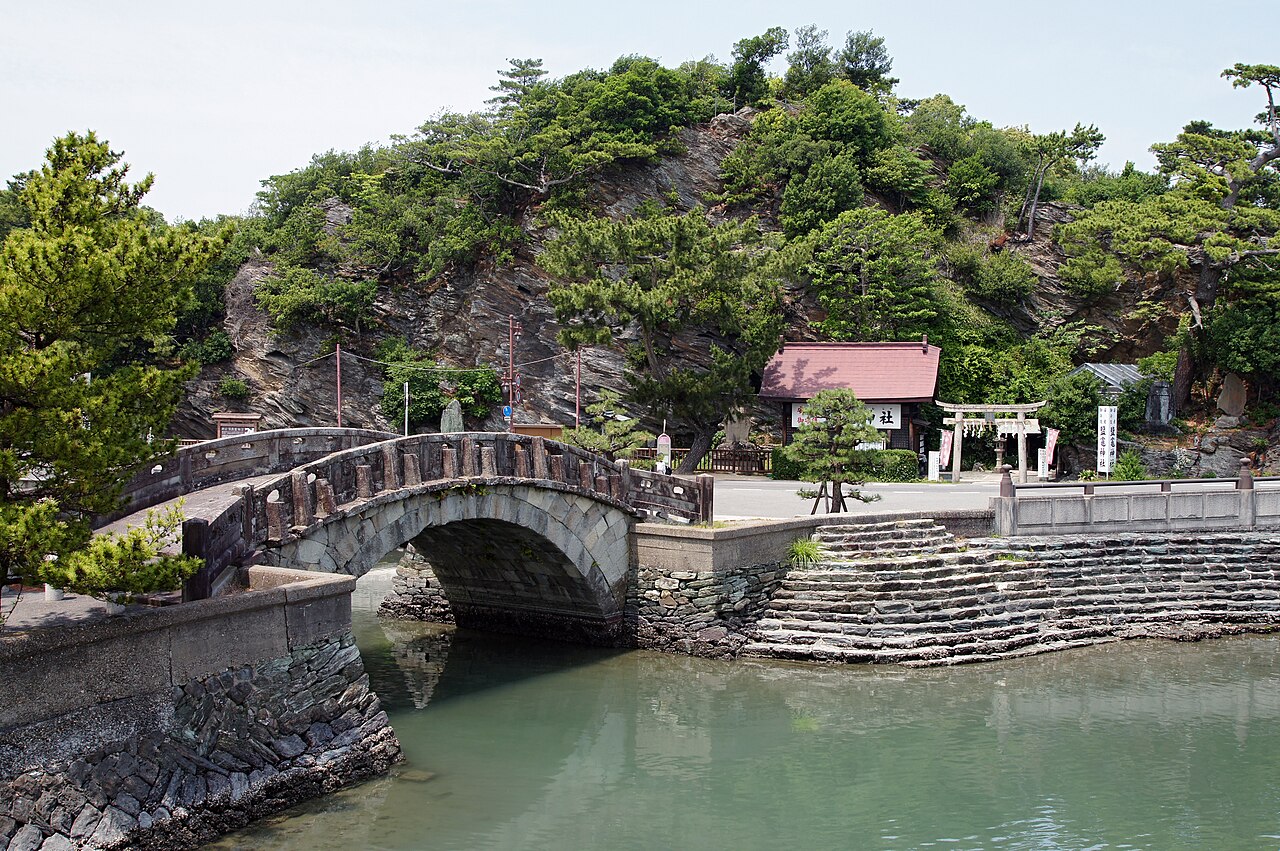
Wakayama offers many ways to experience Japanese culture beyond the familiar sights of temples, castles, and famous tourist destinations.
Walk through historic merchant towns, discover traditional craftsmanship, learn Japanese arts from local instructors, and experience the food and customs that have shaped everyday life in the region.
From exploring the historic streets of Yuasa and Kuroe to trying iaido, making wagashi, wearing kimono, or learning traditional Japanese arts, these private experiences connect you with the people and traditions behind Japanese culture.
Whether you are interested in history, craftsmanship, traditional arts, or simply experiencing a different side of Japan, Wakayama offers opportunities to discover culture through personal encounters.
Experience Details
- Duration: Approximately 3 hours
- Price: USD 300 per group (up to 5 people, additional expenses are needed if you participate in Traditional Japanese Art & Experiences)
- Format: Private experience
- Content: One selected theme or local area
- Customization: Minor adjustments based on your interests and local conditions
Many travelers visit Japan to experience its traditional architecture, craftsmanship, and regional culture. Yet some of the most rewarding discoveries happen outside the country’s best-known destinations.
Wakayama offers a different perspective.
Here, historic merchant districts, coastal communities, traditional industries, and old pilgrimage routes exist within a landscape that has not been transformed entirely for tourism.
A walk through a historic town might reveal how a local industry developed, why a particular settlement grew in a certain location, or how trade and religious travel influenced the lives of its residents.
A visit to a traditional workshop can open a window into the relationship between craftsmanship and everyday objects. A conversation about local food can lead to a deeper understanding of agriculture, preservation, trade, and the natural environment.
The aim is not simply to see old Japan, but to understand how Japanese culture developed through the lives of ordinary people.
Discover the Stories, Traditions, and Living Culture Behind Japan
1. Historic Towns & Cultural Landscapes
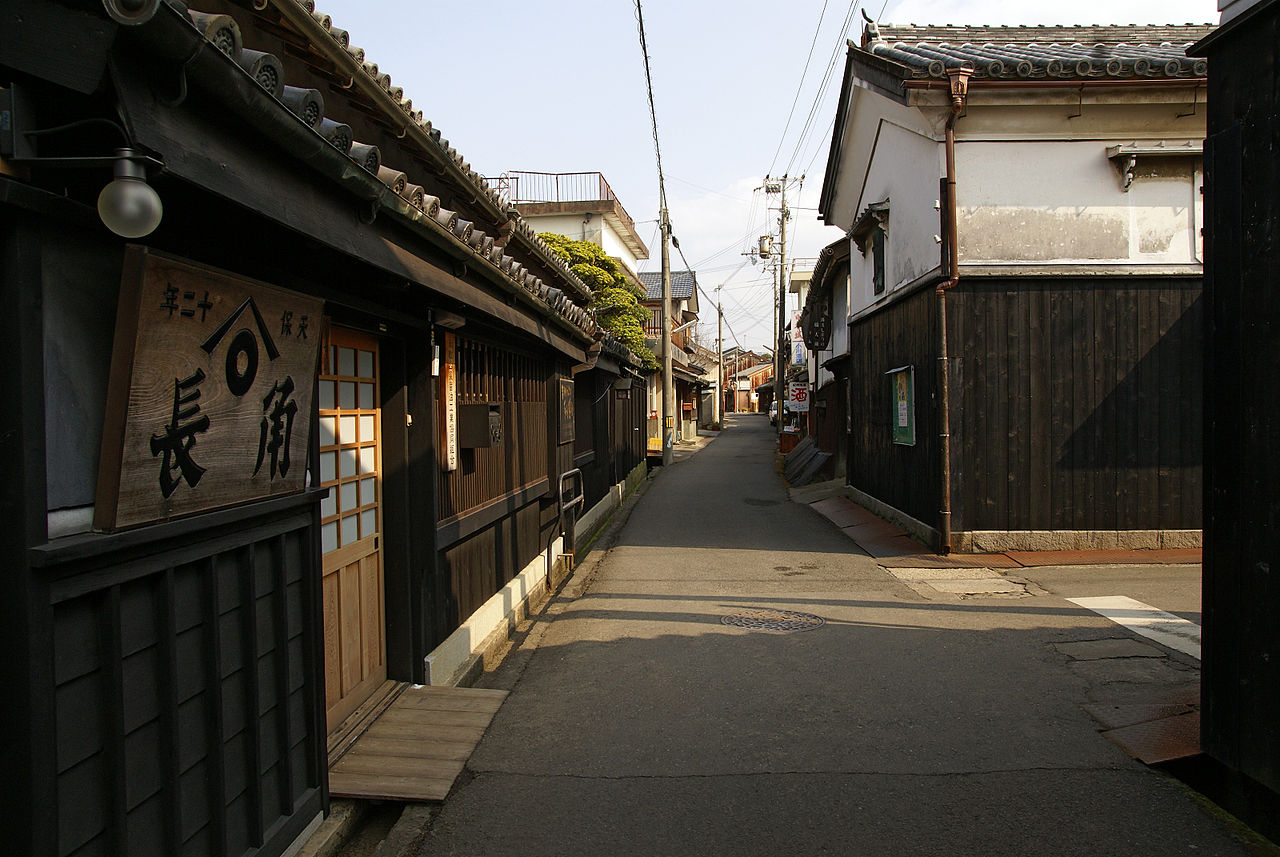
Discover the History Written into Wakayama’s Towns
The history of Wakayama is not found only in museums and monuments. It remains visible in old streets, traditional houses, local industries, coastal landscapes, and the everyday lives of local communities.
Explore these places at a relaxed pace with a private guide who can introduce the historical and cultural background behind what you see.
Yuasa – The Historic Town Behind Japanese Soy Sauce
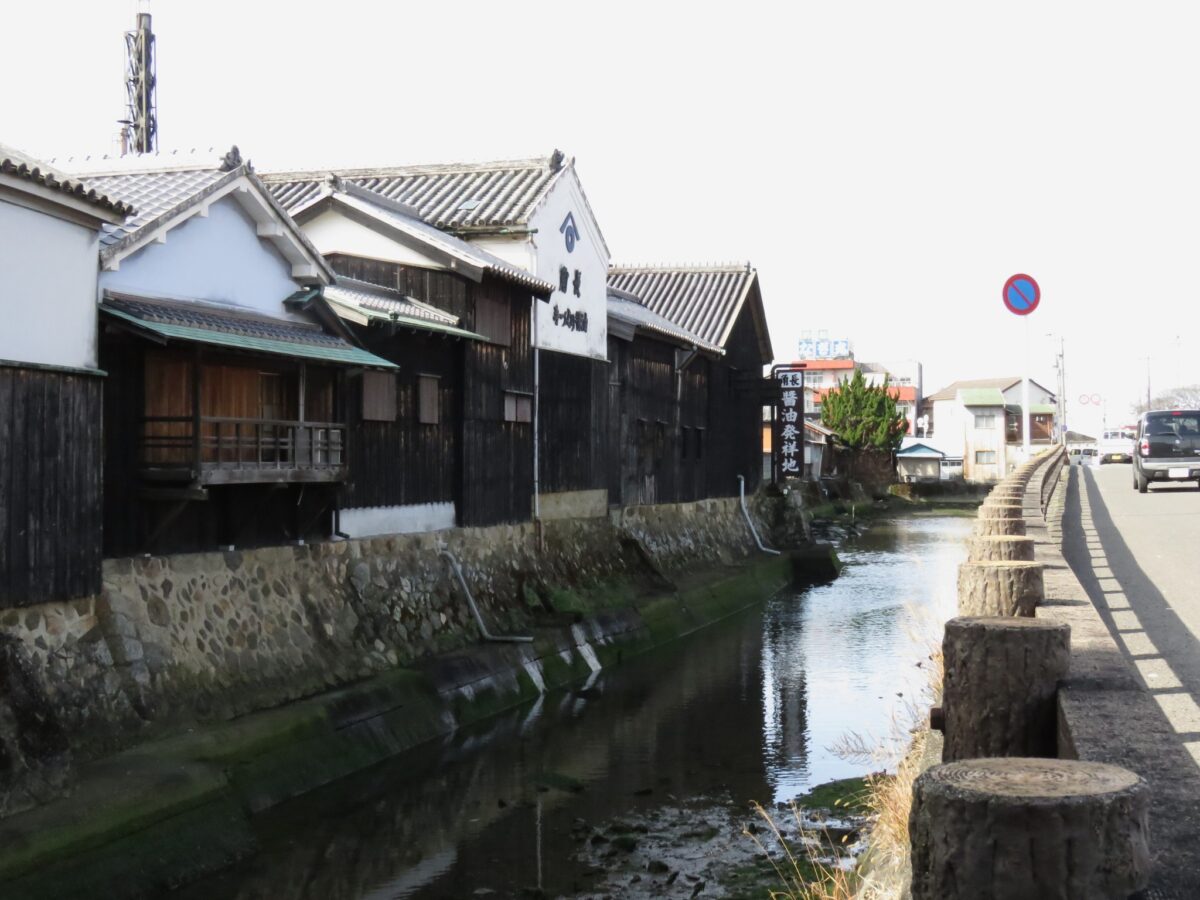
Yuasa is widely known for its connection to the development of Japanese soy sauce. Its historic district preserves traditional merchant houses, breweries, and streets that reflect the town’s long relationship with fermentation and trade.
Discover how shoyu developed as part of Japanese food culture, visit historic streets, and learn about the people and businesses that continue this tradition.
Kuroe – A Town of Traditional Lacquerware
Kuroe has a long history of Kishu lacquerware production. Its traditional streets, wooden buildings, workshops, and local shops reveal the relationship between craftsmanship and everyday life.
Explore the town and learn how lacquerware has been produced, used, and passed down through generations.
Wakaura – A Cultural Landscape of Poetry and History
Wakaura is a coastal landscape celebrated in the ancient Japanese poetry collection Manyoshu. Its natural scenery, shrines, temples, and historic sites reflect the relationship between landscape, religion, and Japanese aesthetics.
Discover why this place inspired poets and visitors over many centuries.
Historic Towns Along the Kii-ji – Life Beyond the Pilgrimage Route
The Kii-ji is part of the historic pilgrimage network leading toward the sacred Kumano region. Along the route, old settlements, shrines, coastal scenery, and local industries reveal how people lived alongside the pilgrimage tradition.
Walk through sections of this historic route and discover the cultural landscape beyond the well-known Kumano Kodo trails.
2. Traditional Japanese Arts & Experiences

Learn Japanese Culture Directly from Local Instructors
One of the most memorable ways to understand Japanese culture is to experience it yourself.
In Wakayama, you can learn traditional arts and practices through personal instruction from local teachers and practitioners. Rather than simply watching a performance or visiting an exhibition, you can participate, ask questions, and discover the ideas and traditions behind each art.
Iaido – Experience the Discipline of the Japanese Sword
Learn about the traditional martial art of drawing the Japanese sword under the guidance of an experienced instructor.
Through basic movements and demonstrations, discover the discipline, concentration, etiquette, and philosophy associated with iaido.
Depending on the program, you may also have the opportunity to wear traditional Japanese attire.
Wagashi Making – The Art of Japanese Sweets
Discover the seasonal beauty and craftsmanship of Japanese confectionery.
Under the guidance of a local instructor, learn how wagashi are shaped and decorated, and how their colors and forms express the changing seasons and Japanese aesthetics.
Kimono & Tea Ceremony – Experience Japanese Hospitality
Wear a kimono and experience the atmosphere and etiquette of a traditional Japanese tea ceremony.
Learn about the relationship between clothing, movement, hospitality, and the appreciation of small details that characterizes Japanese cultural traditions.
Ikebana & Japanese Calligraphy – Express Beauty through Traditional Arts
Experience the Japanese arts of flower arrangement and calligraphy.
Through personal instruction, discover how simplicity, balance, space, and the natural qualities of materials are important elements of these artistic traditions.
Wadaiko – Feel the Energy of Japanese Drumming
Experience the power and rhythm of traditional Japanese drums.
Learn basic rhythms and movements from a local instructor, and discover how wadaiko combines physical expression, musical coordination, and community traditions.
3. Craftsmanship & Local Industries
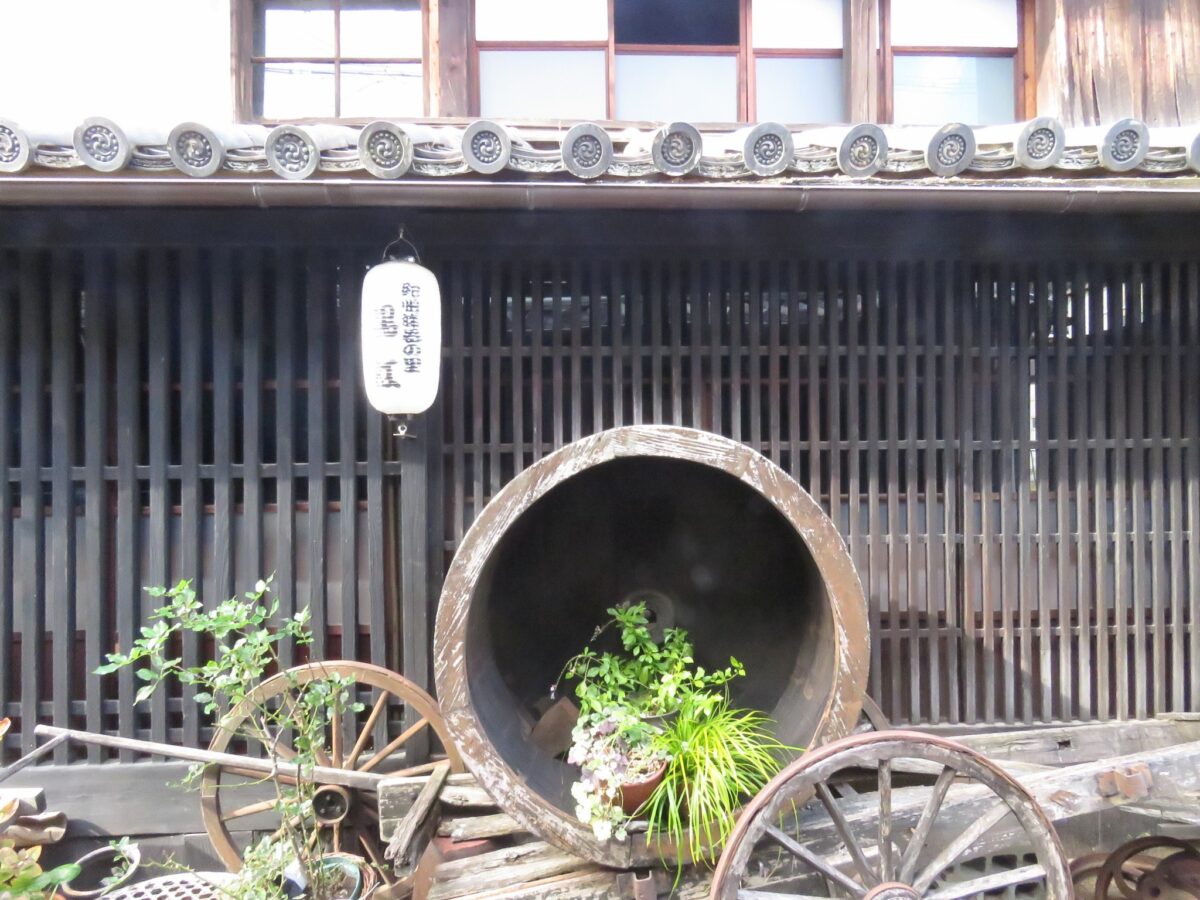
Meet the People Behind Wakayama’s Traditional Crafts
Wakayama’s cultural identity has been shaped by local industries and the skills of generations of craftspeople.
Visiting a workshop or learning directly from an artisan offers a different perspective from simply purchasing a finished product. You can discover the materials, techniques, and human stories behind traditional craftsmanship.
Kishu Lacquerware – Discover the Art of Japanese Lacquer
Kuroe is one of the important centers of Kishu lacquerware.
Depending on the available program, you may have the opportunity to experience decorative techniques such as maki-e, in which designs are created using lacquer and powdered materials.
Learn about the relationship between traditional techniques, contemporary design, and the everyday use of lacquerware.
Meet Local Artisans and Discover Traditional Production
Explore the workshops and production spaces of Wakayama’s local craftspeople.
Depending on your interests and availability, visits can introduce you to traditional materials, manufacturing processes, and the challenges of maintaining regional craftsmanship today.
These encounters are particularly interesting for visitors interested in design, architecture, traditional industries, and the future of Japanese craft.
4. Living Culture & Local Traditions
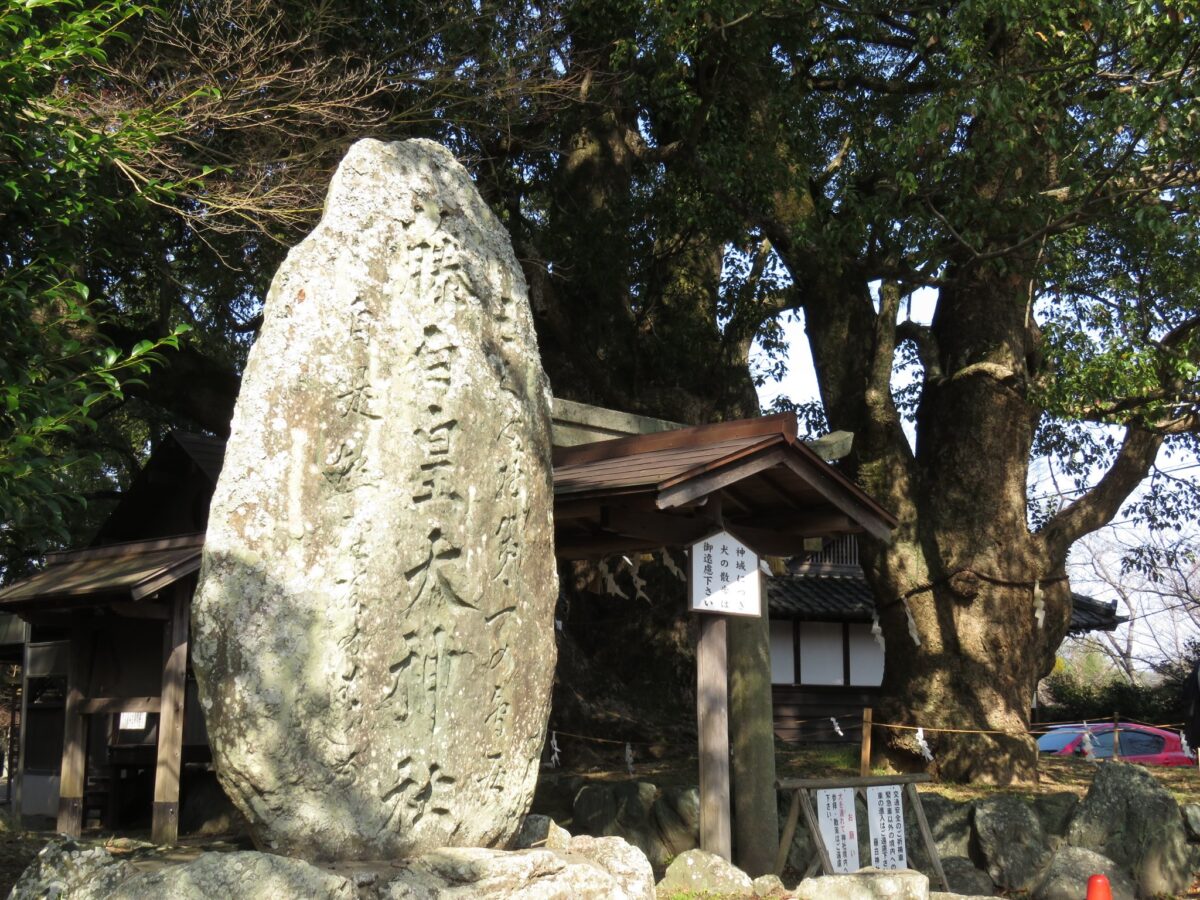
Discover the Everyday Culture of Wakayama
Culture is not limited to traditional arts or historic buildings. It is also found in local food, seasonal customs, fishing communities, and the routines of everyday life.
Wakayama’s coastal and rural communities offer opportunities to understand how people have adapted to their natural surroundings and developed distinctive local traditions.
Regional Food Culture
Discover the ingredients, cooking traditions, and food culture that define Wakayama.
From fresh seafood and local vegetables to ume products, shoyu, and regional specialties, food offers an important introduction to the history and character of the region.
Fishing Villages and Coastal Life
Visit traditional fishing communities such as Saikazaki and Kada.
Explore narrow streets, fishing ports, and coastal landscapes while learning about local fishing traditions and the relationship between the sea and everyday life.
Local Festivals and Community Traditions
Discover how seasonal festivals, religious events, and community activities continue to shape local identity.
Depending on the season and availability, your journey may include opportunities to learn about local customs and the people who maintain them.
More Than Historic Buildings: Experience Living Culture
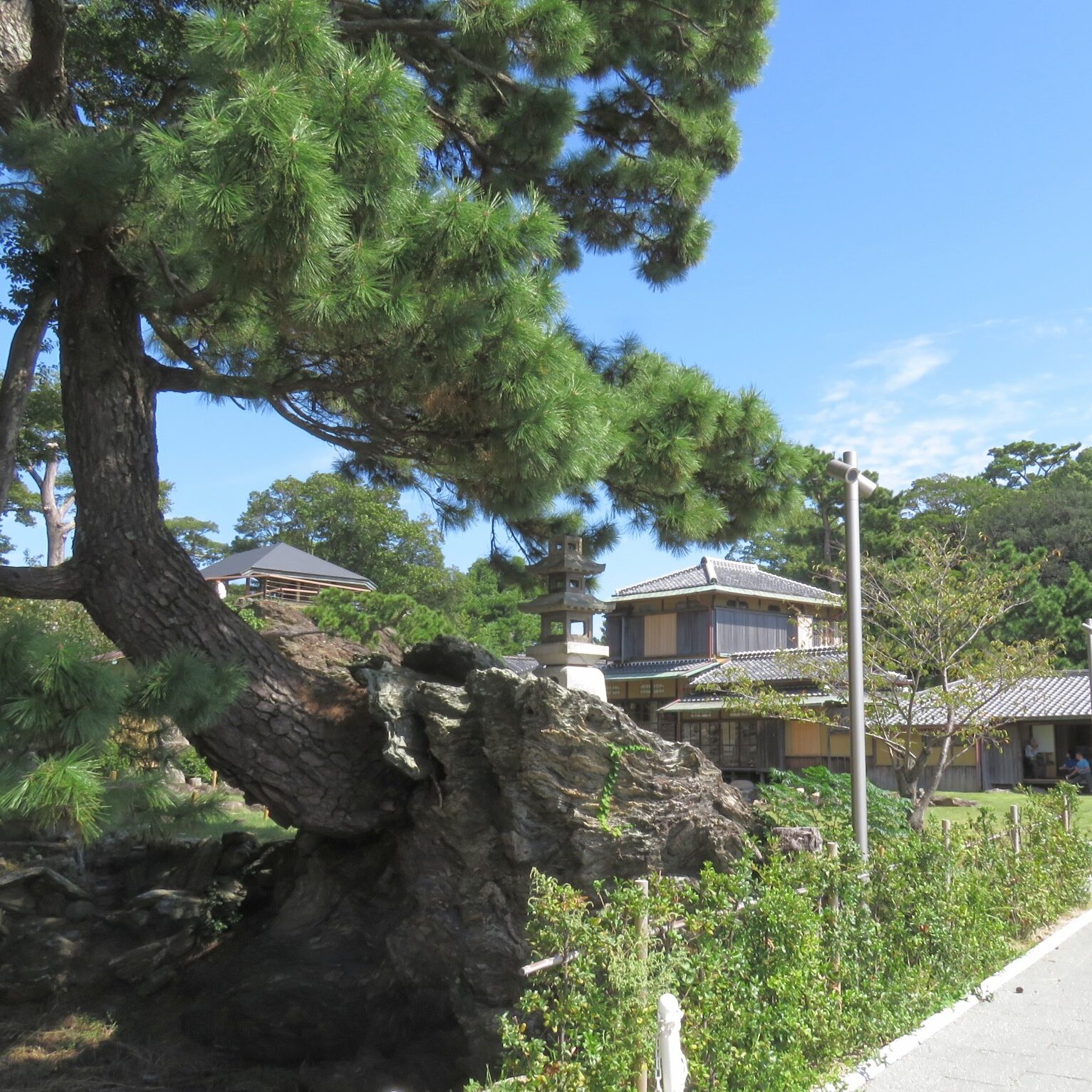
Historic towns become more meaningful when you discover how their traditions continue today.
In Wakayama, local culture can be explored through a variety of experiences that complement a guided walk.
Depending on the destination, season, and availability, your journey may incorporate:
Traditional Craftsmanship
Discover how traditional crafts are made, how techniques have changed over time, and how artisans connect their work with contemporary life.
Regional Food Culture
Explore the relationship between local ingredients, traditional industries, and Japanese cuisine, from fermented foods to seafood and seasonal agricultural products.
Historic Architecture and Local Life
Look beyond the appearance of traditional buildings to understand the businesses, communities, and everyday routines that shaped them.
Local Cafés and Shopping Streets
Take time to experience the less formal side of Japanese culture through neighborhood cafés, independent shops, and everyday commercial streets.
Seasonal Traditions and Community Events
When timing and access permit, discover local festivals and seasonal activities that reveal how cultural traditions continue to bring communities together.
These elements can be incorporated into a guided experience according to your interests and the practical possibilities of each location.
The goal is not to fit as many activities as possible into a single day. It is to create meaningful connections between the places you visit and the culture you encounter.
How to Experience Wakayama’s Historic Towns
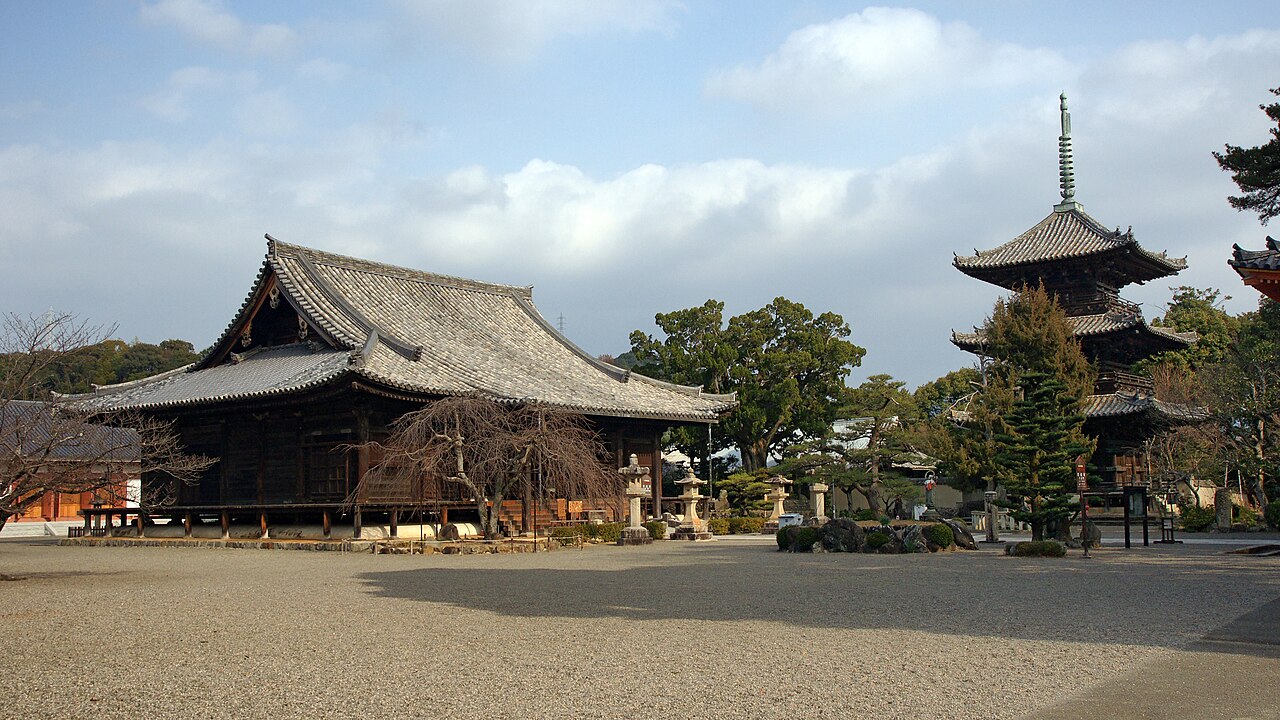
There are several ways to enjoy these cultural experiences, depending on your interests and the time available.
Half-Day Cultural Experience
Focus on one town, traditional art, or hands-on activity. This is ideal if you have limited time or want to experience one particular aspect of Japanese culture.
Town Exploration & Cultural Activity
Combine a guided walk through a historic town with a local workshop or traditional cultural experience.
A Day of Traditional Arts and Local Culture
Explore several aspects of Wakayama’s cultural heritage, such as traditional craftsmanship, regional food, and Japanese arts.
A Curated Multi-Day Journey
Combine different towns, cultural activities, food experiences, and nature walks into a broader journey through Wakayama and the Kii Peninsula.
The pace and content can be adjusted to your interests. You do not need to fill every day with scheduled activities.
Who Are These Experiences For?
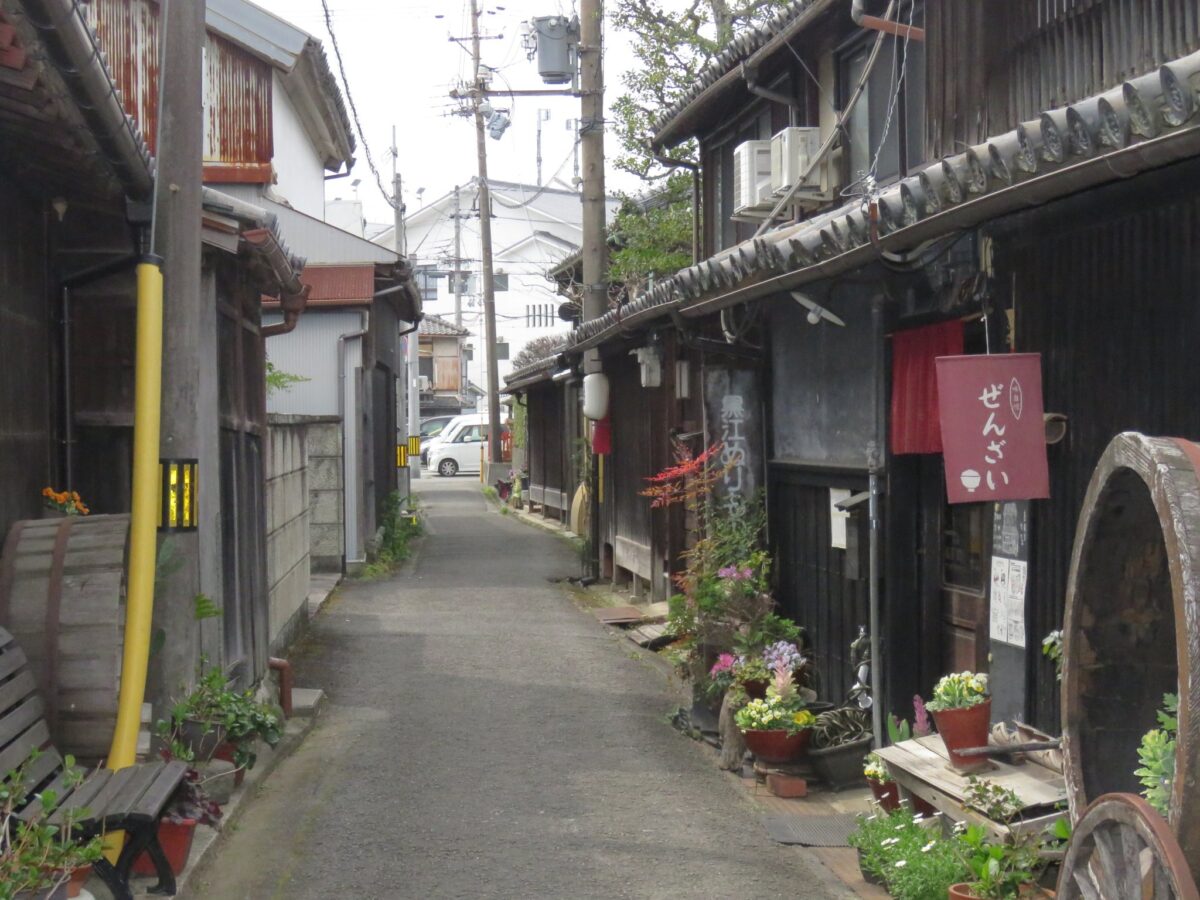
These experiences are particularly suitable for:
- Travelers interested in Japanese history, culture, and traditional arts.
- Visitors who want to learn directly from local instructors and craftspeople.
- Couples and families looking for meaningful cultural experiences.
- Repeat visitors who want to discover a side of Japan beyond the major tourist destinations.
- Travelers interested in design, architecture, food, craftsmanship, and local industries.
- Visitors who prefer personal encounters and cultural understanding over sightseeing alone.
Plan Your Private Cultural Experience in Wakayama
Every traveler has different interests. Some may want to try iaido or Japanese calligraphy, while others may prefer exploring historic towns, visiting traditional workshops, or discovering local food culture.
I can help you find suitable experiences, communicate with local instructors, and connect individual activities with the history and character of Wakayama.
For a single cultural activity or a half-day visit, you can start with one of our private experiences.
If you would like to combine several activities, explore different areas, or spend more time discovering the region, consider my Curated Kii Peninsula Journey.
This is not simply a sightseeing itinerary. It is an opportunity to discover Wakayama through its people, traditions, landscapes, and rhythm of life.
Interested in experiencing Japanese culture in Wakayama?
Contact me to discuss your interests, preferred dates, and the kind of experience you would like to have.
How to Get Started
- Choose your interests. Tell me whether you are interested in history, architecture, craftsmanship, food culture, or everyday life.
- Share your travel plans. Let me know your preferred dates, group size, and the amount of time you would like to spend exploring.
- Discuss your experience. We can consider suitable destinations, activities, and ways to connect different aspects of Wakayama’s culture.
Each experience is planned individually, with attention to your interests, pace, and the practical possibilities of the destination.
Discover Wakayama not simply as a collection of historic sites, but as a region where history and everyday life continue to shape one another.
Discover the Living Culture of Wakayama
Historic towns are more than reminders of the past.
They reveal how people have responded to their surroundings, developed industries, exchanged ideas, and passed traditions from one generation to the next.
In Wakayama, these stories can be found in the scent of fermenting soy sauce, the craft traditions of an old industrial town, the cultural landscape of a celebrated coastline, and the quiet streets that once welcomed pilgrims and merchants.
To explore these places is to discover another side of Japan—one that becomes visible when you slow down and take the time to understand how a place works, what it remembers, and how people continue to live there today.