

Beyond Fresh Fruit: A Region Defined by Transformation
Wakayama is widely known as one of Japan’s leading fruit-producing regions.
However, its true strength lies not only in cultivation, but in how fruit is transformed into products with culinary, cultural, and commercial value.
At the center of this transformation is ume (Japanese plum)—supported by a broader ecosystem of citrus and seasonal fruits.
This visit is designed for chefs, buyers, and food professionals who want to understand not just ingredients, but how they become usable, meaningful products.
Ume: The Core of Wakayama’s Food Culture
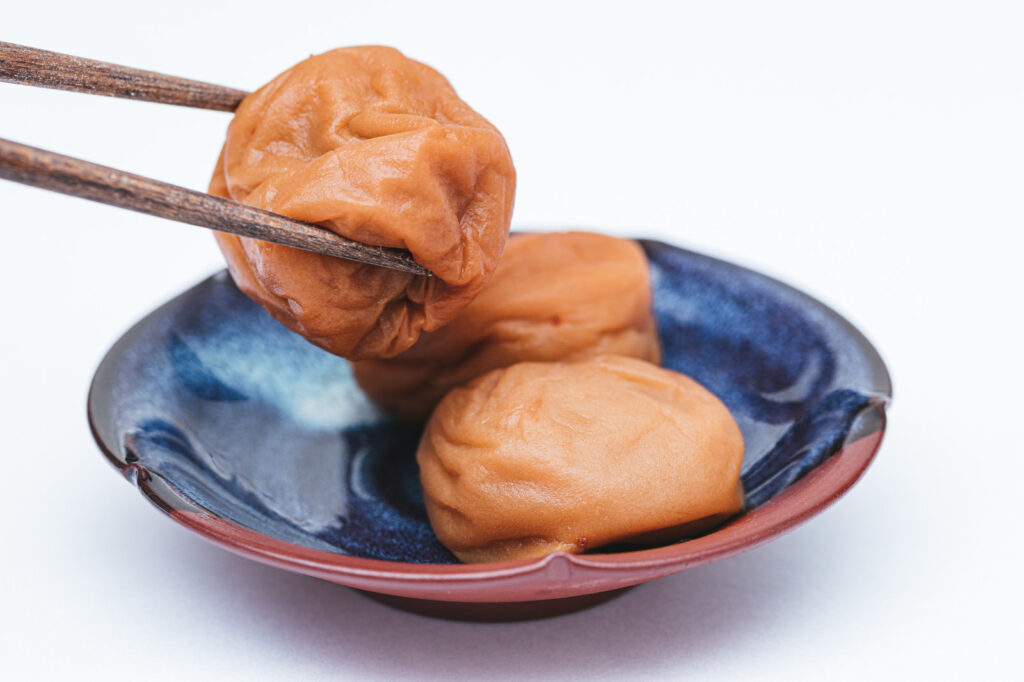
In Minabe, the heart of Japan’s ume production, the focus is not on fresh fruit, but on processing and preservation.
Visiting Ume Farms
A visit to the orchards provides insight into:
- Cultivation methods and regional conditions
- Harvest timing and its effect on flavor and texture
- The role of specific varieties such as Nanko-ume
Understanding these factors is essential, as they directly influence the quality of processed products.
Related post:
Ume Farm Stay Experience in Wakayama
From Fruit to Product: Umeboshi and Umeshu
Ume in Wakayama is transformed into products with long shelf life and strong culinary identity.
- Umeboshi (pickled ume): salt, fermentation, and drying create intense acidity and depth
- Umeshu (ume liqueur): a GI-designated product representing regional identity and production standards
By visiting processing facilities, professionals can observe:
- How raw fruit is graded and selected
- Differences in salting, fermentation, and aging
- How flavor profiles are developed and controlled
This stage reveals how value is created through technique and time.
Related post:
Umeshu Tasting Experience in Wakayama
Application in Food and Beverage
At affiliated restaurants and cafés, ume products are experienced in practical use:
- As a seasoning element in savory dishes
- As an acid component balancing richness
- As a base for beverages and cocktails
This allows professionals to connect production with real-world application.
Related post:
The Ultimate Guide to Umeshu Food Pairing: From Sushi to Cheese
Citrus: Diversity and Versatility
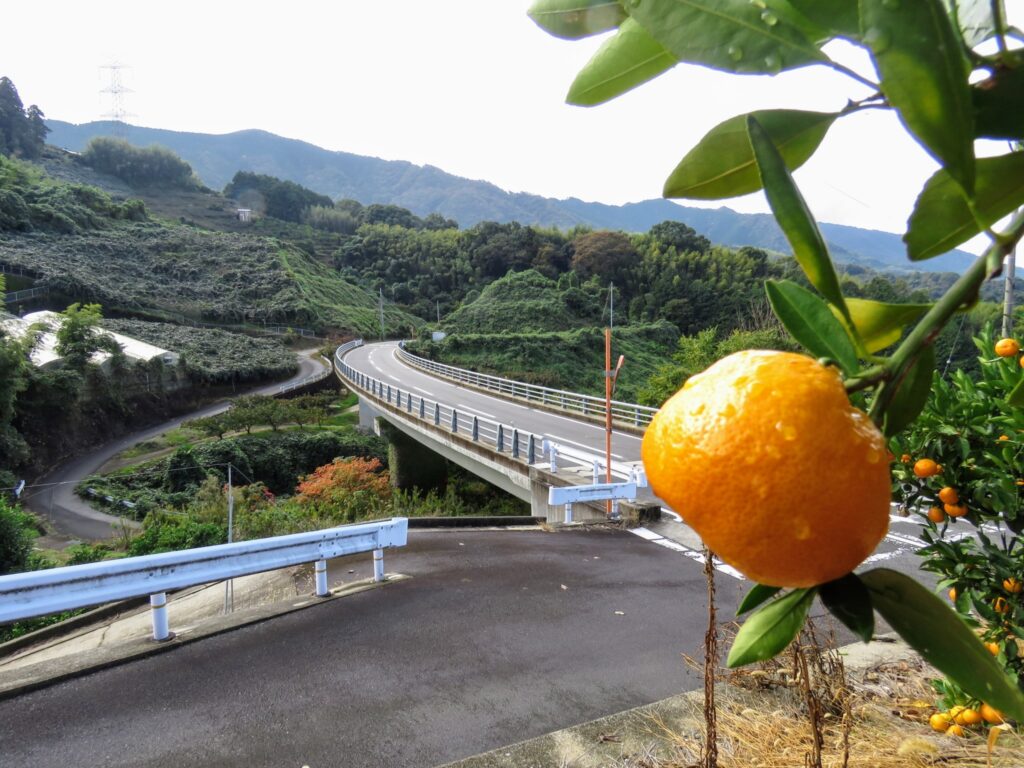
Wakayama’s mandarin and citrus culture adds breadth to the region’s offering.
Arida Mikan Mandarin and Regional Citrus
In Arida, one of Japan’s most recognized citrus regions, you can explore:
- Cultivation of mikan (mandarin oranges)
- Differences in sweetness, acidity, and seasonality
In Kinokawa and Kitayama:
- Hassaku offers a more complex bitterness and structure
- Jabara, a rare local citrus, is valued for its distinctive aroma and potential functional properties
Related post
Mandarin Farm Stay in Arida
From Fresh to Processed
As with ume, citrus is often more relevant in its processed forms:
- Juices and concentrates
- Candied peels and preserves
- Ingredients for sauces and desserts
These products are more adaptable to international use than fresh fruit.
Related post:
Wakayama Fruit Cafés & Parfaits: Where to Enjoy Seasonal Desserts
Persimmons: Seasonal and Cultural Context
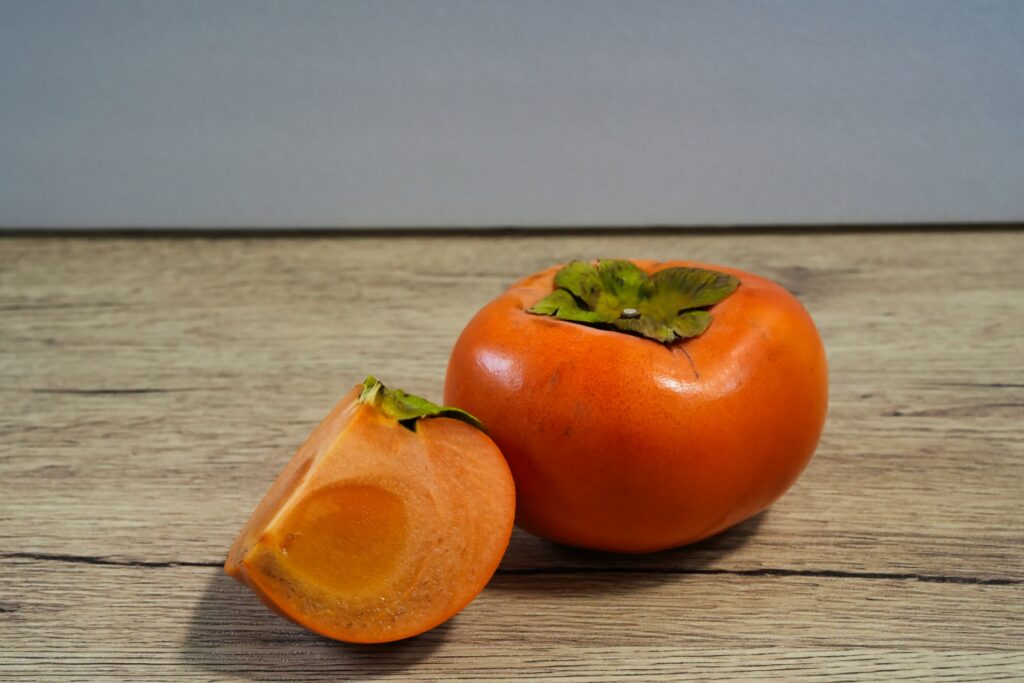
In Kudoyama, persimmons represent another dimension of Wakayama’s fruit culture.
While more seasonal and less processed than ume, they offer:
- Insight into traditional drying techniques
- A connection between agriculture and seasonal consumption
- Opportunities for dessert and confectionery applications
Also, Wakayama is famous for strawberry, peach, lemon…
Related post:
Key Insights for Culinary Professionals
Value Lies in Transformation
Wakayama’s fruit culture is defined not by raw ingredients alone, but by how they are processed, preserved, and applied.
Ume as a Functional Ingredient
Ume provides acidity, depth, and versatility that can be integrated into both traditional and modern cuisine.
Citrus Expands the Palette
The diversity of citrus varieties allows for a wide range of flavor profiles, from sweetness to bitterness.
Context Enhances Storytelling
Understanding how these products are rooted in place and tradition adds narrative value that can be communicated to customers.
Designing a Visit for Professionals
A typical visit may include:
- Orchard visits to understand raw ingredients
- Processing facilities for umeboshi, umeshu, and citrus products
- Restaurants and cafés to explore real applications
- Local exhibitions or cultural sites to understand regional context
Each visit is designed based on your professional interests—whether sourcing, menu development, or product inspiration.
My Culinary Sourcing & Culture Journey can help your shopping for Ingredients in Wakayama.
Why Wakayama
Wakayama offers a rare, integrated view of fruit culture:
- One of Japan’s leading regions for ume and mandarin
- Strong traditions of processing and preservation
- Direct access to both producers and applications
For culinary professionals, it provides not just ingredients, but a framework for understanding how value is created.
Plan Your Visit
If you are interested in exploring ume, citrus, and regional fruit products in a professional context, we can design a visit tailored to your goals.
→ Learn more about our approach
→ Contact us to plan your visit
For fruits-lover travel, Curate Kii Peninsula Journey would be suit.
No responses yet