
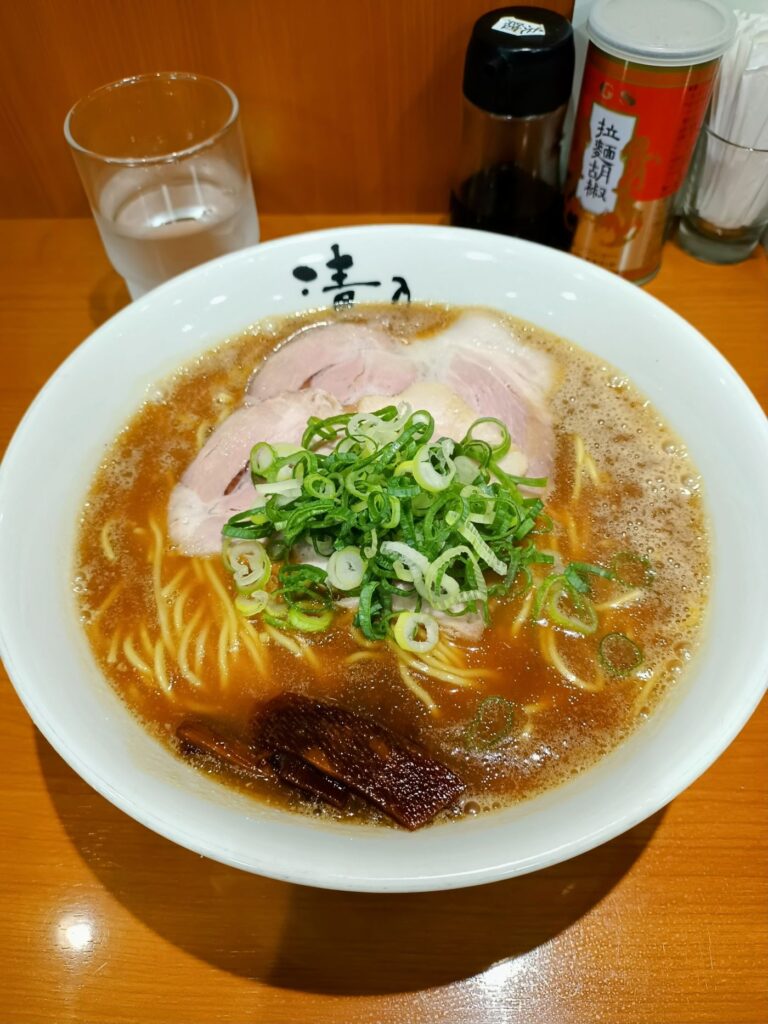
The Story of Pork Broth, Early Sushi, and Everyday Food Culture in Wakayama
When travelers think about ramen in Japan, famous cities usually dominate the conversation:
- Sapporo
- Hakata
- Tokyo
- Fukuoka
But in northern Wakayama Prefecture, ramen developed differently.
Not as a trend.
Not as a tourist food.
But as part of everyday working life tied to ports, roads, markets, and long-distance travel.
Even today, eating ramen in Wakayama City often feels less like visiting a famous culinary destination and more like stepping into a local rhythm that has continued for decades.
And perhaps the most unusual part?
In many traditional shops, ramen is eaten together with an old form of sushi.
A Different Kind of Ramen Culture
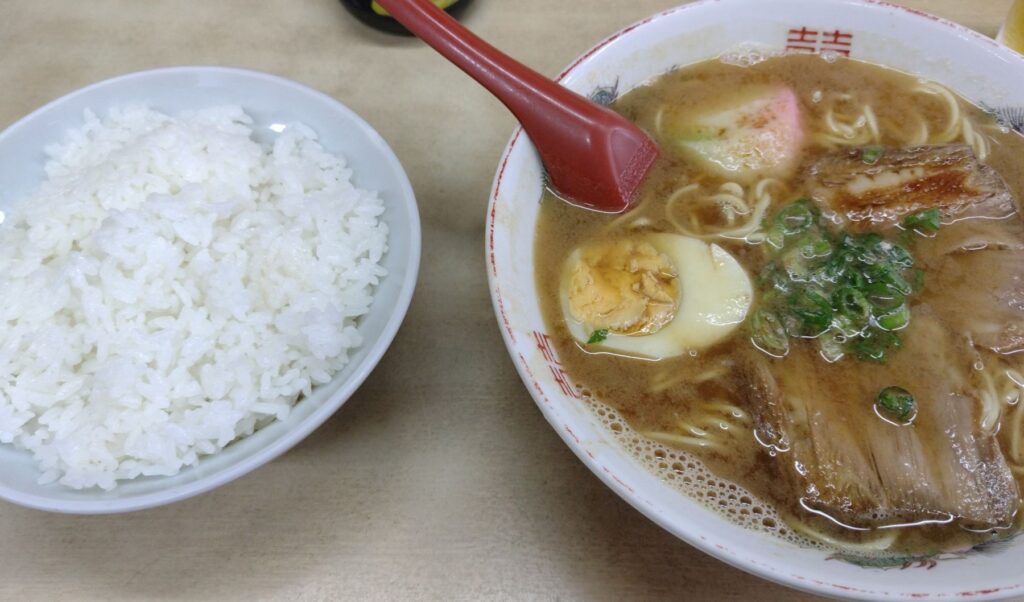
Unlike highly stylized modern ramen scenes, Wakayama ramen culture developed around simplicity and repetition.
The style is generally known for:
- Pork-based broth
- Shoyu soy sauce seasoning
- Thin noodles
- Strong but balanced flavor
- Fast service
- Everyday accessibility
Historically, two major styles emerged:
- Soy sauce-focused ramen associated with former street stalls
- Richer pork-soy broth connected to local shop culture
Over time, these influences blended into what many people now recognize as classic Wakayama ramen.
But what makes it truly distinctive is not only flavor.
It is context.
Ramen as Working-Life Food
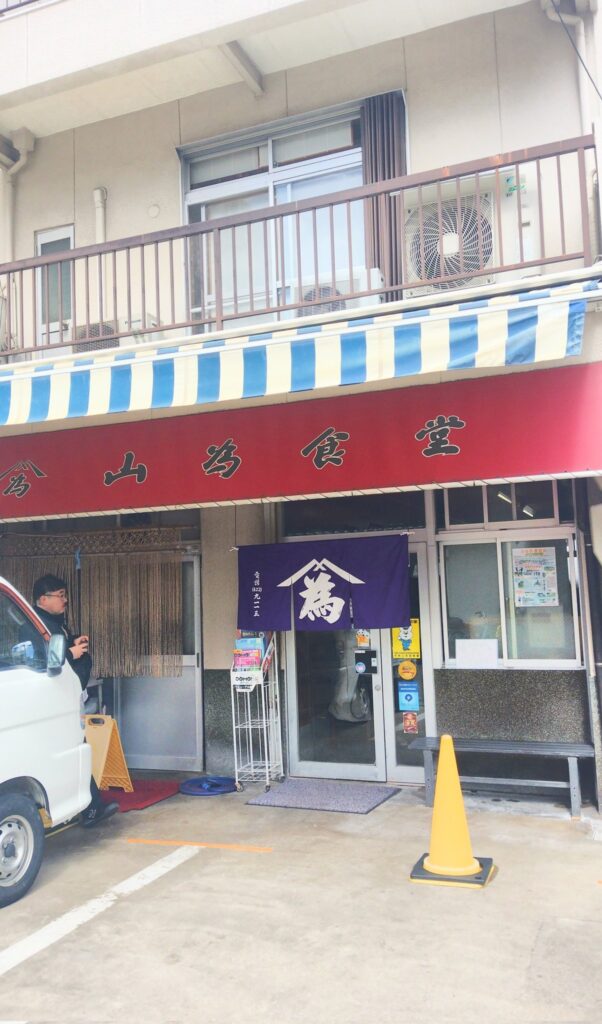
In many parts of Japan, ramen eventually became associated with tourism, media rankings, or culinary competition.
In Wakayama, it long remained something more ordinary.
Cheap. Fast. Filling.
A meal for:
- Port workers
- Drivers
- Office workers
- Students
- Families returning home late
This atmosphere still survives in many local ramen shops:
- Small counters
- Handwritten menus
- Quick turnover
- Familiar regular customers
Some shops feel almost unchanged from decades ago.
That continuity gives Wakayama ramen a very different emotional atmosphere from trend-driven ramen districts in larger cities.
The Strange Combination: Ramen and Early Sushi
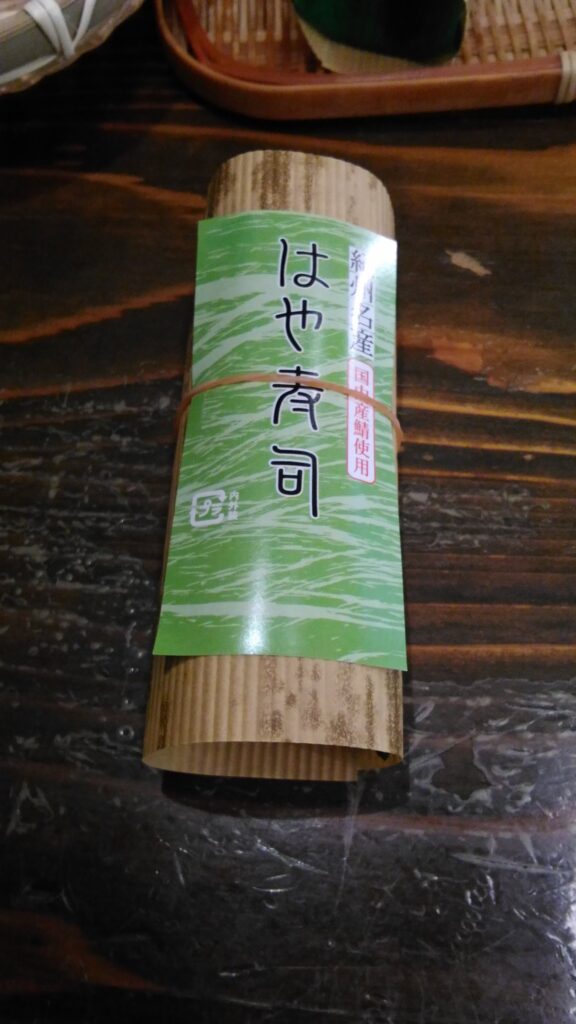
One of the most surprising parts of Wakayama ramen culture is the custom of eating ramen together with boiled eggs and hayasushi (early-style fermented sushi).
In many ramen shops across Wakayama, customers casually order:
- Ramen
- Hayazushi
- Sometimes boiled eggs or small side dishes
To outsiders, the combination may seem unusual.
But historically, it reflects the deeper food culture of the region.
The Kii Peninsula developed strong traditions of preserved and fermented foods connected to:
- Pilgrimage travel
- Coastal trade
- Fishing communities
- Humid climate conditions
- Long-distance movement between mountains and sea
This broader food culture also connects to:
- Shoyu soy sauce brewing in Yuasa
- Fermented sushi traditions such as nare-zushi
- Preserved foods carried along pilgrimage routes
In this context, the ramen-and-sushi combination begins to make more sense.
It is not random.
It reflects an older food landscape shaped by movement, labor, and preservation.
Why the Broth Feels Different
Many visitors notice that Wakayama ramen often feels simultaneously rich and easy to continue eating.
Part of this comes from balance.
Unlike extremely heavy modern tonkotsu ramen, Wakayama styles often combine:
- Pork richness
- Shoyu sharpness
- Lighter noodle texture
The result is flavorful but relatively direct.
There is less emphasis on performance or customization.
Instead, the focus remains on consistency:
the same bowl, prepared repeatedly over years for local regulars.
That everyday reliability is part of the identity.
A Food Culture Between Pilgrimage and Port Cities
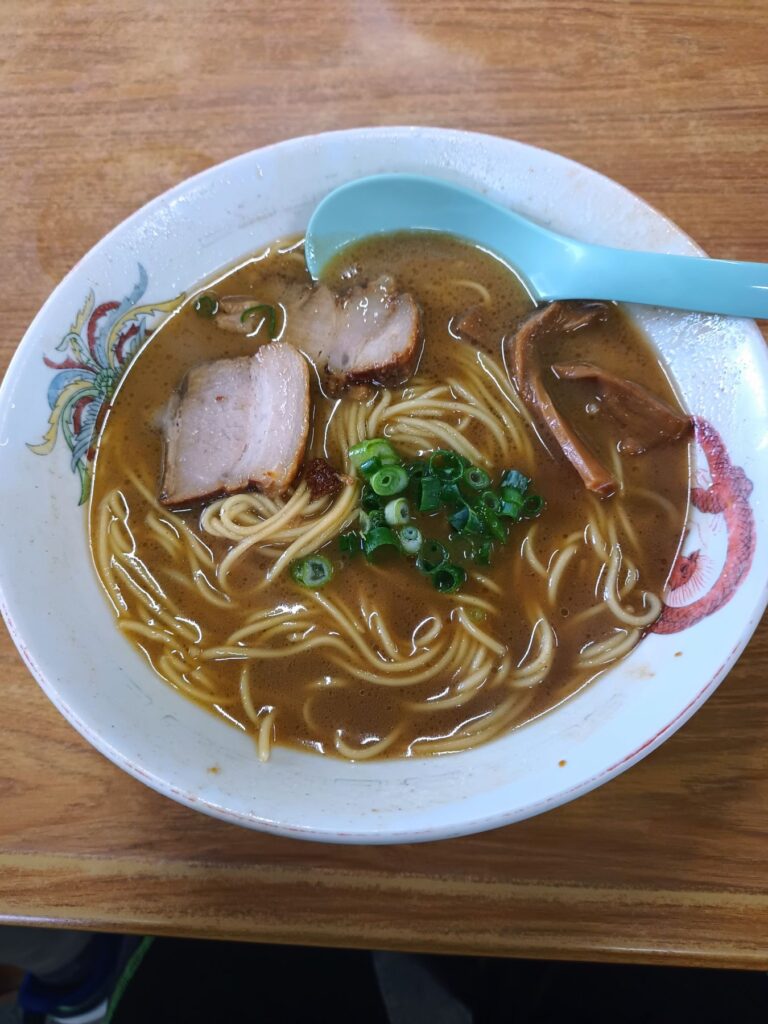
Wakayama’s food culture developed between several worlds:
- Mountain pilgrimage routes
- Fishing villages
- Castle towns
- Port trade
- Agricultural valleys
This overlap helped create a cuisine deeply connected to practicality and preservation.
Food was designed not only for luxury, but for movement and endurance.
That cultural layer still quietly survives in local ramen culture today.
Even a simple bowl of ramen can reflect:
- Regional trade networks
- Fermentation culture
- Working-class rhythms
- Everyday social life
This is part of why Wakayama ramen feels different from ramen built mainly around tourism branding.
Related Post:
Taste of Wakayama: A Cultural Food Journey
Beyond Famous Ramen Cities
For travelers seeking “the best ramen,” Wakayama may initially appear quieter than Tokyo or Fukuoka.
But for travelers interested in food culture, local atmosphere, and everyday Japan, that quietness is precisely the appeal.
Because here, ramen is not separated from life around it.
It remains connected to:
- Local neighborhoods
- Long-running family businesses
- Regional history
- Daily routines
And in many cases, the most memorable experience is not only the flavor itself,
but the atmosphere of the shop:
the sound of noodles,
the quick conversations,
the stack of sushi plates beside the counter,
and the feeling that this rhythm has continued unchanged for generations.
Related Post:
A Day in Wakayama Through Local Taste
Experience Wakayama Through Everyday Food Culture
Many visitors to Japan focus only on famous restaurants or major food cities.
But some of the deepest food experiences come from places where cuisine remains woven into ordinary daily life.
In Wakayama City and across the Kii Peninsula, food still connects closely to:
- Pilgrimage culture
- Coastal communities
- Fermentation traditions
- Local working life
- Seasonal rhythms
Related Post:
Exploring Wakayama’s Seafood Processing: From Fresh Catch to Culinary Application
Our private cultural tours explore these deeper layers through:
- Traditional ramen shops
- Local markets
- Historic towns
- Fermentation culture
- Everyday regional food experiences
For travelers interested in understanding Japan beyond major tourist routes, Wakayama’s ramen culture offers an unexpectedly rich place to begin.
→
Plan your custom food tour in Wakayama
No responses yet