
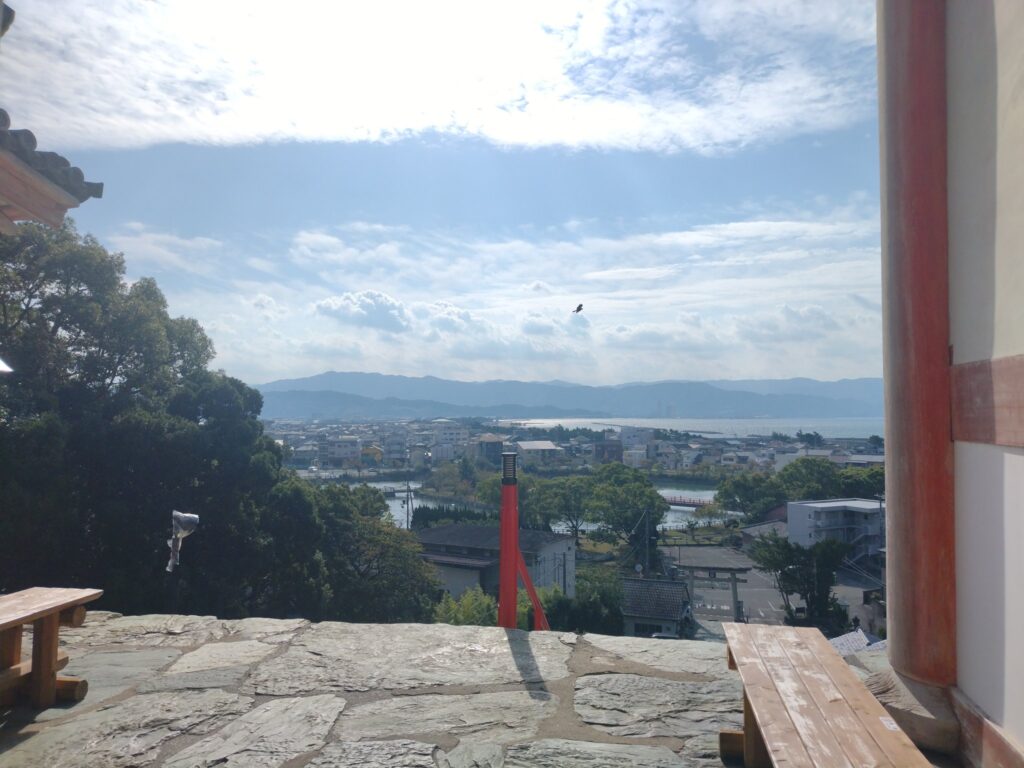
Discovering the Landscape That Captivated Generations of Japanese Writers
Many beautiful places exist throughout Japan.
Yet only a handful have continued to inspire people for more than a thousand years.
Wakaura, located along the coast of Wakayama, is one of those rare places.
Long before modern tourism, before photography, and even before many of Japan’s famous castles and gardens were built, poets and travelers were already praising the scenery of Wakaura.
Today, visitors can still experience much of the same landscape that moved people centuries ago.
A Landscape Celebrated Since Ancient Times
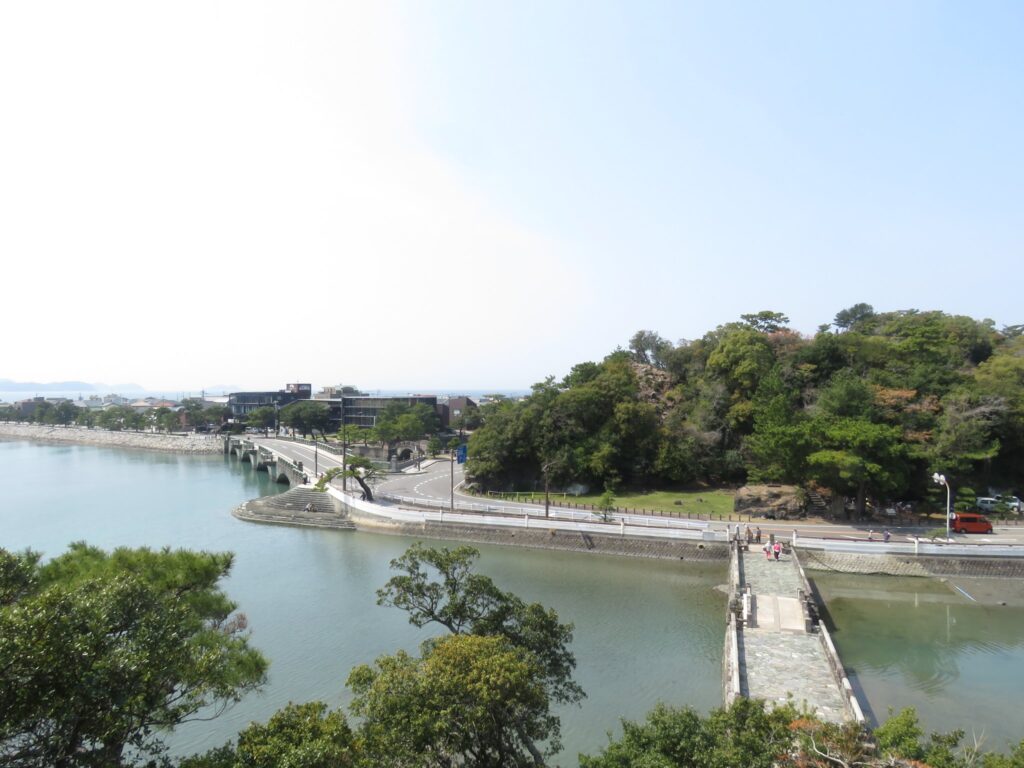
Wakaura has been admired since at least the Nara Period (710–794).
Its gentle bay, small islands, pine-covered hills, and constantly changing tides created a scenery that ancient Japanese people considered both beautiful and spiritually significant.
Unlike dramatic mountains or famous waterfalls, the beauty of Wakaura is subtle.
It lies in the harmony between land and sea.
The relationship between nature and human life.
The changing atmosphere created by tides, light, and the seasons.
For generations, these qualities inspired poets to express their feelings through waka, Japan’s classical poetry.
The Famous Poem by Yamabe no Akahito
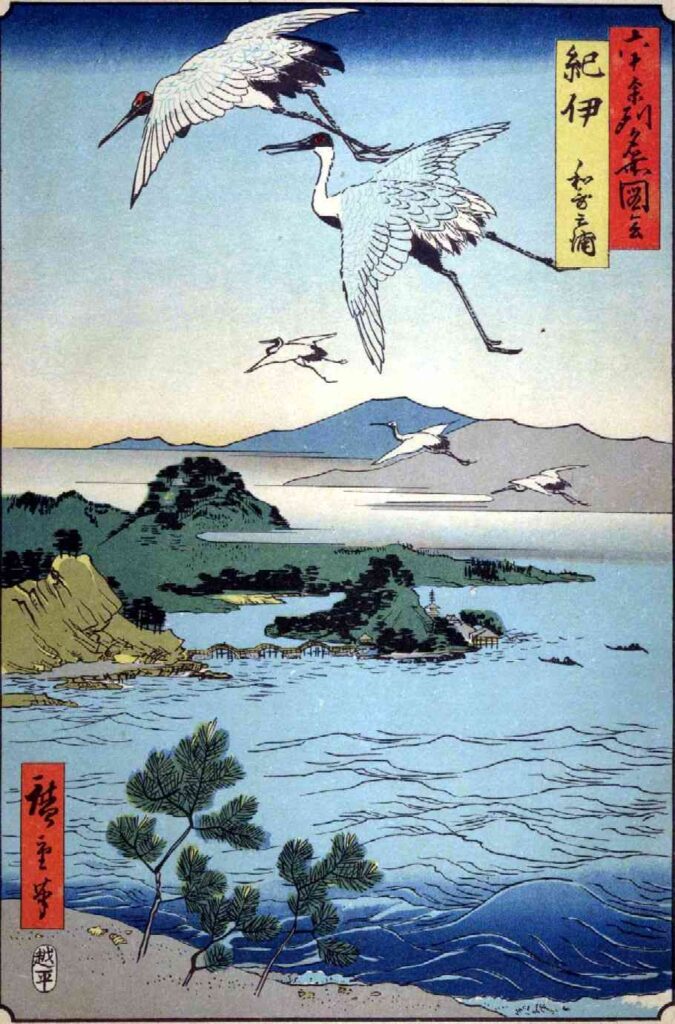
One of the most celebrated poems about Wakaura was written by Yamabe no Akahito, one of the great poets of the Manyoshu, Japan’s oldest poetry anthology.
He wrote:
若の浦に
潮満ち来れば
潟をなみ
葦辺をさして
鶴鳴き渡る
This poem is often translated as:
As the tide rises at Wakaura,
cranes fly across the reed-covered shallows,
calling as they seek a place to land.
The poem captures a fleeting moment in nature.
The tide changes.
The landscape changes.
Birds move with the rhythm of the sea.
Rather than describing a grand spectacle, Akahito celebrated the quiet beauty found in everyday natural cycles.
More than 1,300 years later, people still visit Wakaura to experience that same atmosphere.
Why Wakaura Mattered to Japanese Culture
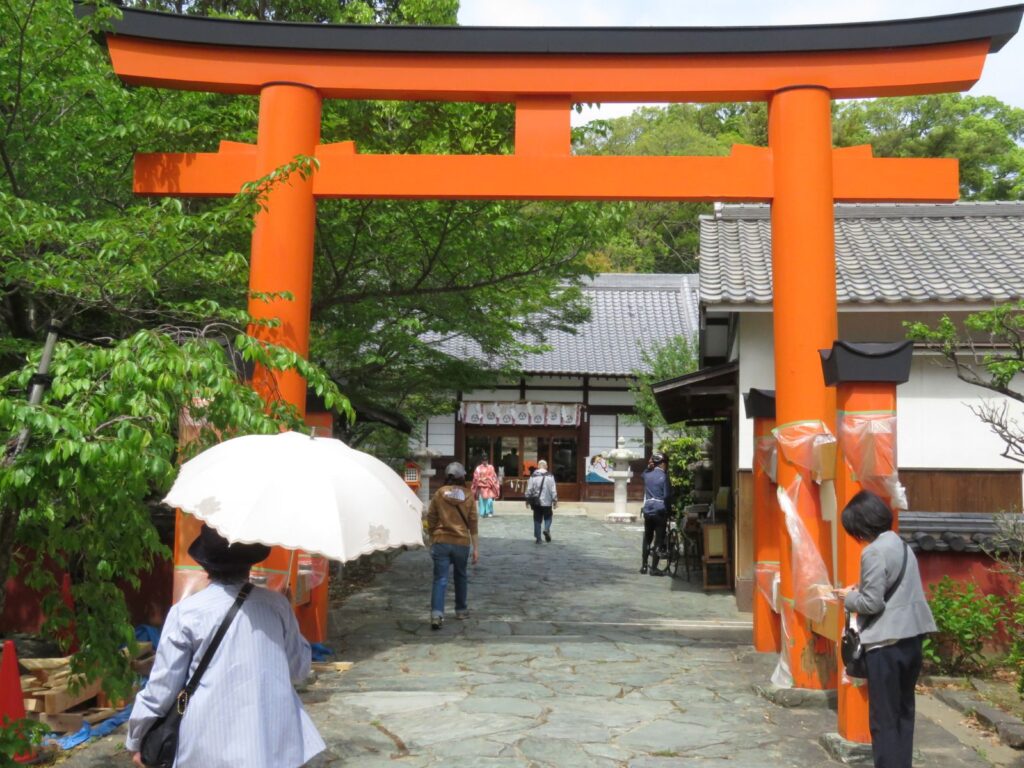
For centuries, Wakaura was not only admired by poets.
Emperors, aristocrats, monks, and travelers visited the area to enjoy its scenery.
Its reputation spread throughout Japan through literature and paintings.
Eventually, Wakaura became known as one of Japan’s most famous scenic landscapes.
Even today, many locations around the bay—including Tamatsushima Shrine, Imoseyama, and the surrounding coastline—retain connections to this literary heritage.
Walking through Wakaura is not simply visiting a tourist destination.
It is entering a landscape that has existed within Japanese imagination for over a millennium.
Beauty That Changes with Time
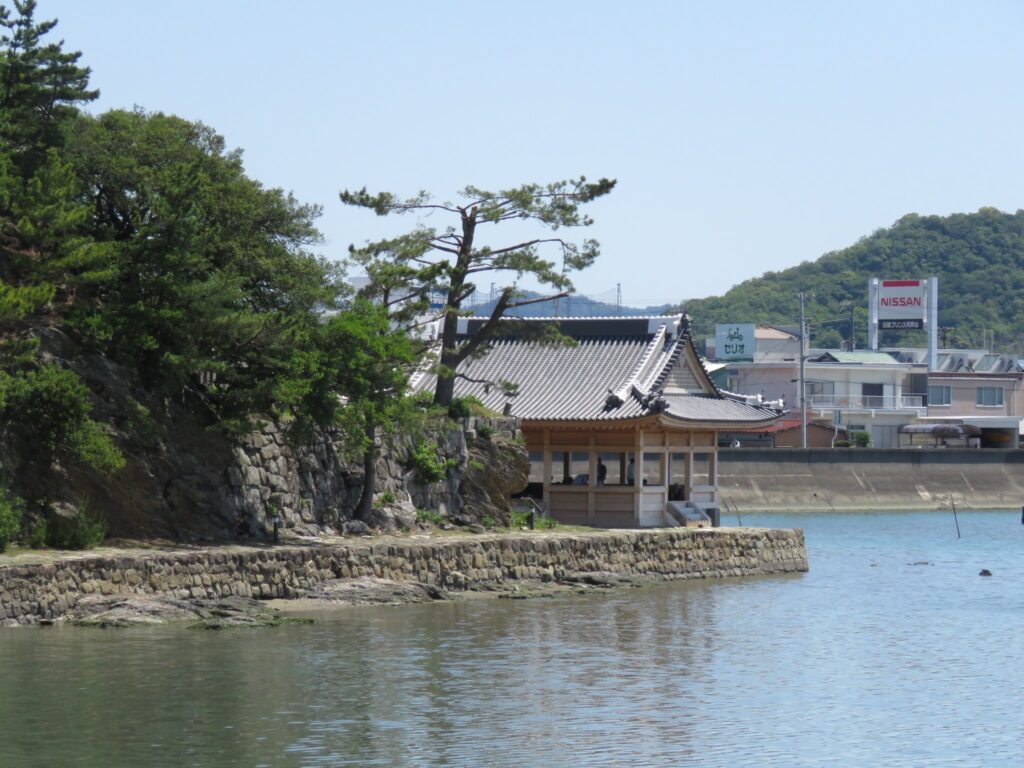
Part of Wakaura’s charm is that it never looks exactly the same.
Morning and evening light transform the bay.
The tides reveal and conceal the shoreline.
Spring blossoms, summer greenery, autumn colors, and winter skies each create different moods.
Perhaps this constant change explains why so many poets found inspiration here.
Wakaura is not a place that reveals everything at first glance.
It rewards those who slow down.
Experiencing Wakaura Today
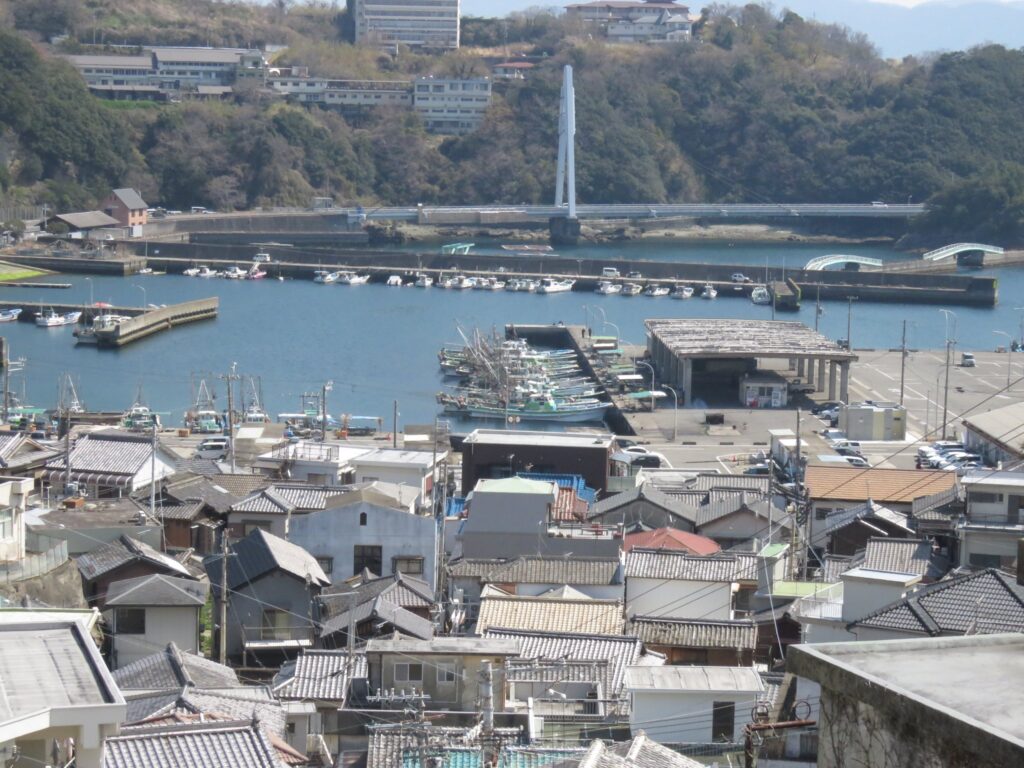
Visitors can still enjoy many of the elements that inspired earlier generations:
- Walking along the historic coastline.
- Visiting Tamatsushima Shrine.
- Climbing to viewpoints overlooking the bay.
- Exploring nearby fishing villages such as Saikazaki.
- Experiencing the sea through activities like SUP or kayaking.
These experiences allow travelers to see Wakaura not only as scenery, but as a living cultural landscape.
More Than a Beautiful View
Wakaura has inspired poets for more than 1,000 years because its beauty goes beyond appearances.
It is a place where nature, history, faith, and everyday life exist together.
The tides continue to rise.
Birds continue to cross the sky.
And visitors today can still experience the same sense of wonder that inspired Yamabe no Akahito centuries ago.
Perhaps that continuity is Wakaura’s greatest treasure.
Explore Wakaura through Curated Kii Peninsula Journey
Or Slow Living Stay.
Related Posts
- Sea, Faith, and Fishing Life in Wakaura
- Omakase in Wakaura: A Curated Journey Through Local Taste and Landscape
- Wakaura: A Living Cultural Landscape in Japan
- Best Things to Do in Wakaura (Wakayama) – Hidden Coastal Gem Near Osaka
No responses yet