
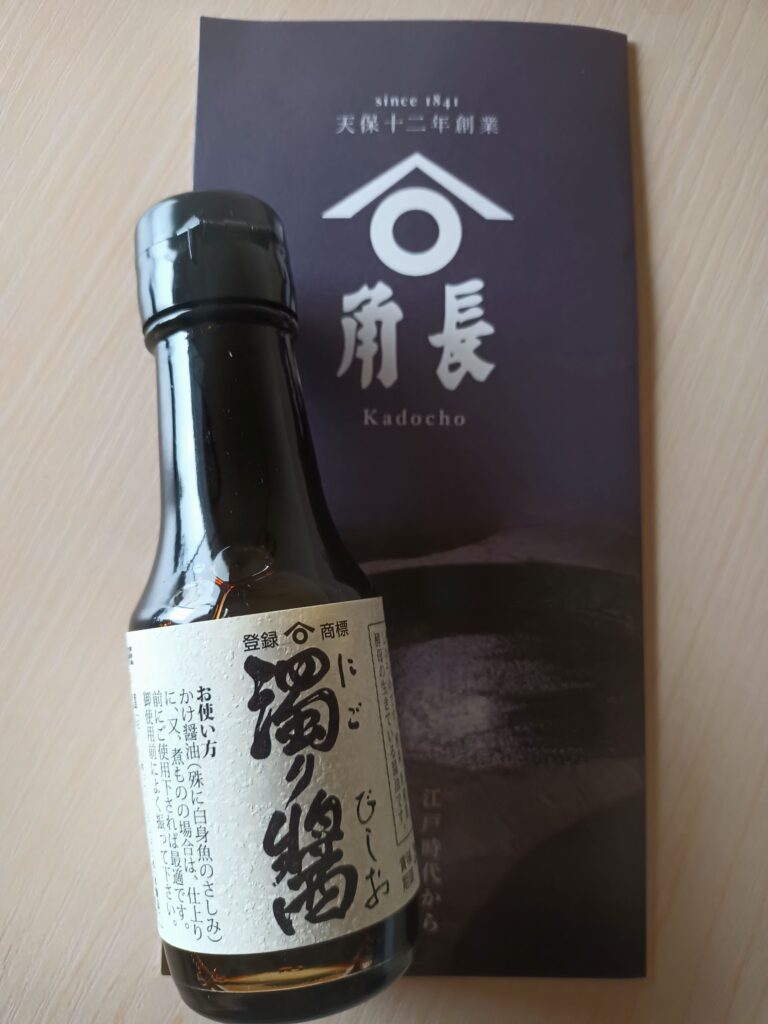
Why Japan’s Traditional Seasoning Deserves Its Own Identity
When people hear the word “soy sauce,” they often imagine a single condiment used across Asia. In reality, however, not all soy sauces are the same. Just as wine differs between regions and traditions, soy sauce has developed in distinct ways throughout East Asia. Among these traditions, Japanese shoyu represents a unique cultural and culinary heritage that deserves to be understood on its own terms.
Today, shoyu is often translated simply as “soy sauce.” While this translation is convenient, it can also obscure what makes Japanese shoyu special. Increasingly, many chefs, food writers, and culinary professionals around the world are beginning to use the word “shoyu” itself, recognizing that it refers to a specific tradition rather than a generic category.
A Seasoning at the Heart of Washoku
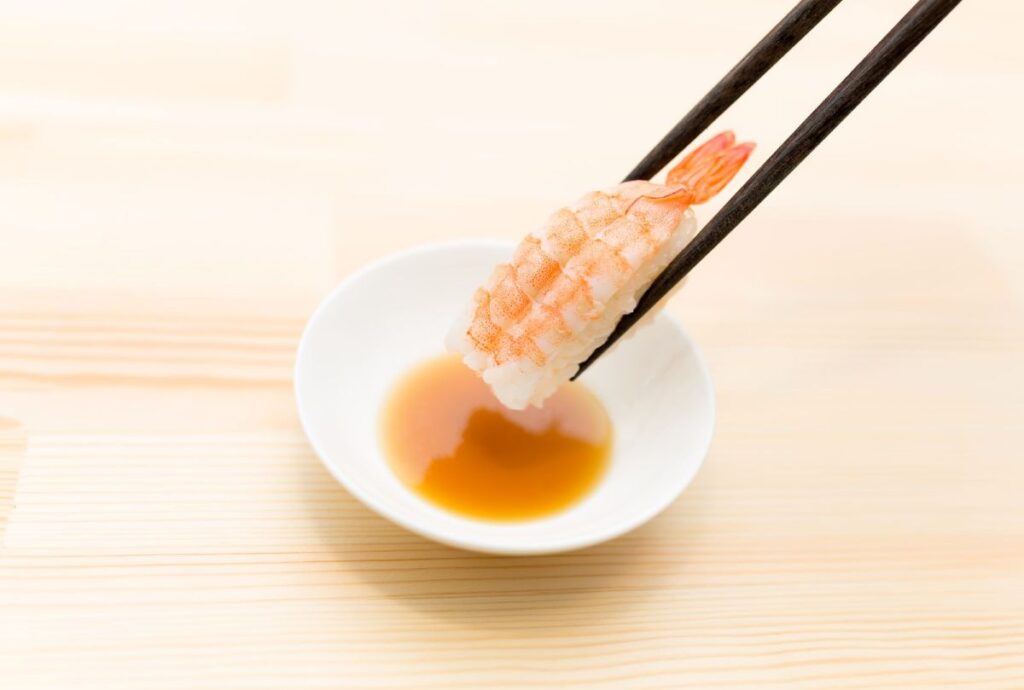
Shoyu is not simply a flavoring ingredient. It is one of the foundations of Japanese food culture.
In 2013, Washoku—traditional Japanese dietary culture—was inscribed on UNESCO’s Representative List of the Intangible Cultural Heritage of Humanity. Shoyu plays a central role within this culinary tradition. From sushi and sashimi to simmered dishes, grilled fish, soups, and everyday home cooking, shoyu provides the balance of umami, aroma, color, and depth that characterizes Japanese cuisine.
Unlike many condiments that are used only at the table, shoyu is deeply integrated into the cooking process itself. It shapes flavors from the earliest stages of preparation and helps create the subtle balance that Washoku is known for around the world.
To understand Japanese food culture, it is impossible to overlook the importance of shoyu.
The Origins of Shoyu in Yuasa
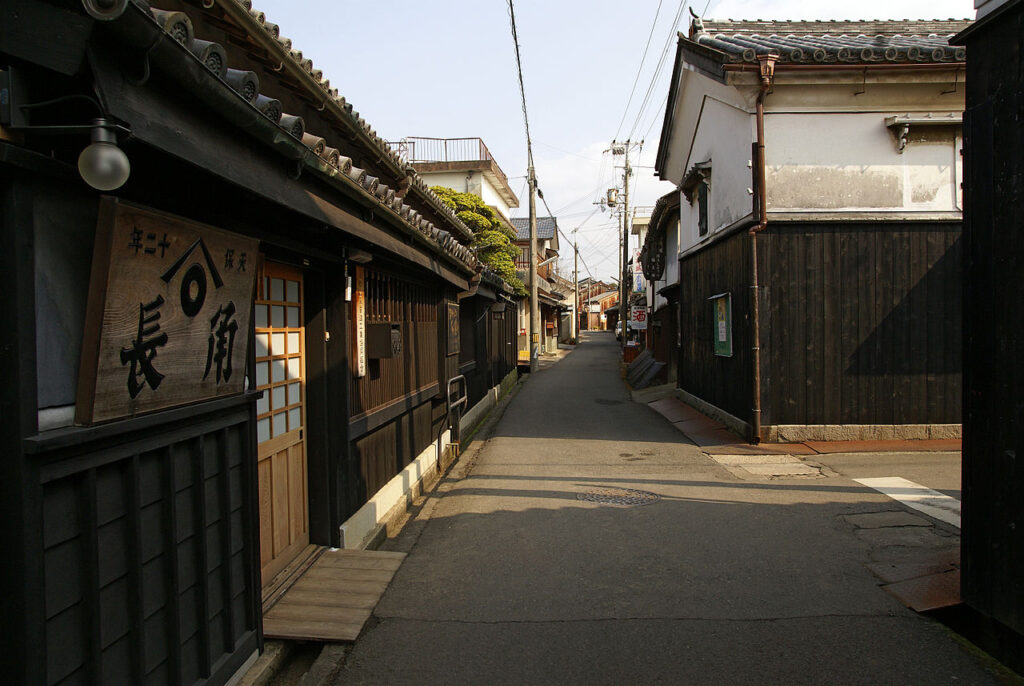
The story of shoyu begins in the small coastal town of Yuasa in Wakayama Prefecture.
More than 750 years ago, a Zen Buddhist monk returned from China and introduced the techniques used to produce miso. During the production process, artisans noticed a flavorful liquid that naturally emerged from the fermenting mash. Over time, local craftsmen refined this liquid into what became known as shoyu.
From Yuasa, the production methods spread throughout Japan. Regions such as Noda and Choshi later became major production centers, helping shoyu evolve into one of Japan’s most important seasonings. Yet the roots of this tradition remain in Yuasa, where the history of Japanese shoyu began.
For this reason, Yuasa is widely regarded as the birthplace of Japanese shoyu.
What Makes Shoyu Different?
-1024x681.jpg)
Many countries and regions produce soy-based sauces, but Japanese shoyu developed its own distinctive characteristics.
One key difference is the use of koji, a fermentation culture that is also essential for making miso, sake, and other traditional Japanese foods. Koji contributes complex aromas and layers of umami that are characteristic of Japanese fermentation culture.
Another distinction is balance. While some soy sauces emphasize saltiness, sweetness, or richness, shoyu is often valued for its harmony. Rather than overwhelming ingredients, it enhances their natural flavors.
This approach reflects a broader philosophy within Japanese cuisine: the goal is not to dominate the ingredients but to bring out their inherent qualities.
As a result, shoyu became not merely a seasoning but a tool for expressing seasonality, regional ingredients, and culinary craftsmanship.
The Living Tradition of Whole Soybean Shoyu
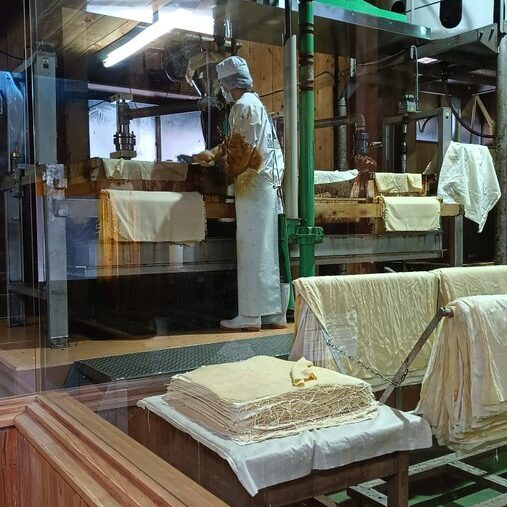
Although modern industrial production dominates much of the global soy sauce market, Yuasa still preserves older methods that have nearly disappeared elsewhere.
Several breweries continue to produce marudaizu shoyu—shoyu made from whole soybeans rather than defatted soybean meal. The ingredients are fermented slowly in traditional wooden barrels, and the maturation process can take many months or even years.
These methods require more time, labor, and space than modern mass production. Yet they produce deeper aromas, greater complexity, and a richer connection to centuries of accumulated craftsmanship.
Walking through Yuasa today, visitors can still find historic breweries where fermentation quietly continues much as it did generations ago. The scent of aging shoyu drifts from wooden storehouses, offering a rare glimpse into a living food tradition.
This is not a reconstructed heritage site or a museum display. It is a working culture that remains part of everyday life.
Why the World Should Learn the Word “Shoyu”
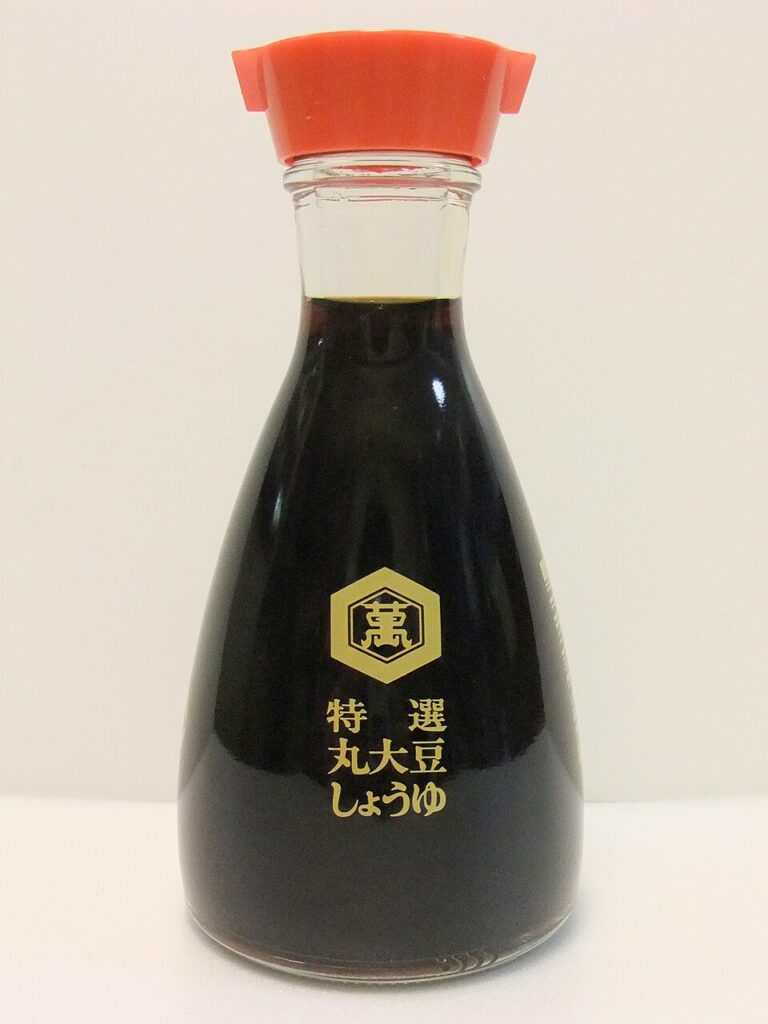
Just as terms such as sushi, ramen, matcha, and umami have entered the global vocabulary without translation, shoyu may be following the same path.
The word “soy sauce” describes a broad category. The word “shoyu” describes a specific cultural tradition rooted in Japanese history, craftsmanship, and fermentation knowledge.
Understanding this distinction allows us to appreciate not only the flavor of shoyu but also the people, places, and centuries of knowledge behind it.
And nowhere tells that story more clearly than Yuasa, the town where Japanese shoyu was born and where the tradition continues to mature—one barrel at a time.
Beyond Soy Sauce
The future of shoyu may not lie in competing with every soy sauce in the world. Instead, its strength lies in being recognized for what it truly is: a distinctive product of Japanese culture.
When people begin asking not for soy sauce, but for shoyu, they are acknowledging something larger than a condiment. They are recognizing a tradition that connects fermentation, craftsmanship, history, and Washoku itself.
In that sense, shoyu is not simply a translation of soy sauce.
It is something uniquely Japanese.
Related Posts
- Yuasa Shoyu Soy Sauce & Fermentation Journey
- Why Yuasa Is the Birthplace of Shoyu (Japanese Soy Sauce)
- The Origin of Shoyu Soy Sauce
No responses yet