
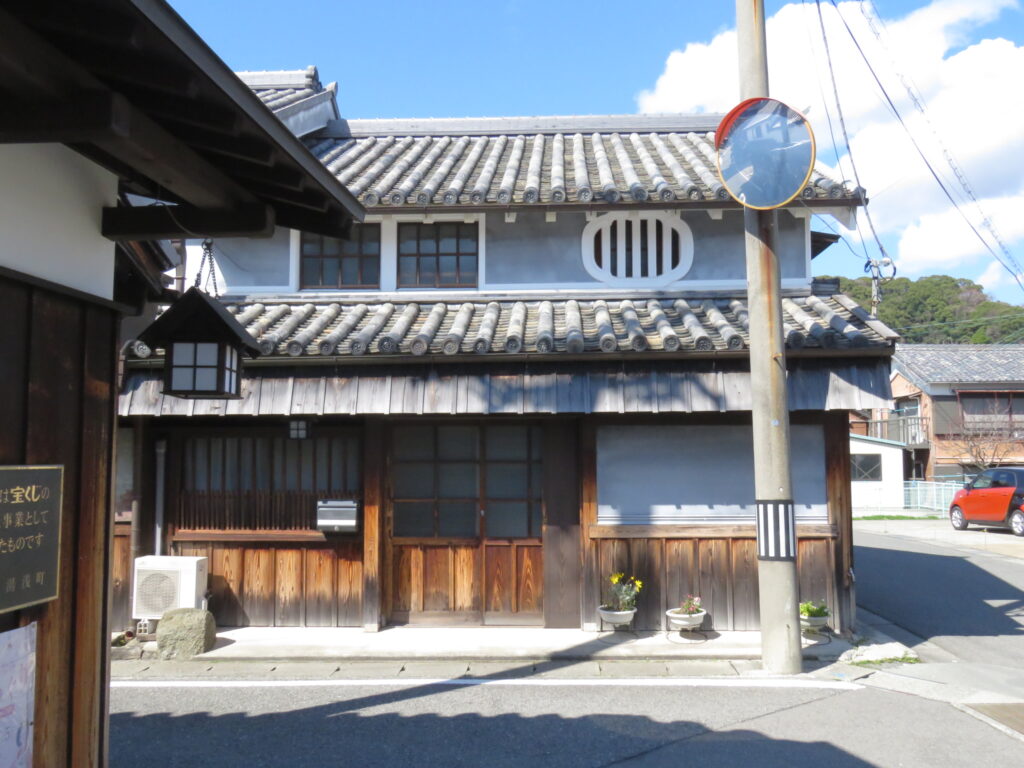
— Where Shoyu, Pilgrimage, and Time Intertwine —
A Town Defined by Shoyu—and Something More
Yuasa is often introduced as the birthplace of shoyu.
But that is only part of the story.
Yuasa is also a place of passage.
It lies along the Kumano Kodo Kiiji Route—one of the historic pilgrimage paths leading to the sacred Kumano region.
For centuries, people have not only lived here.
They have passed through.
Walking Through Yuasa’s Historic Townscape
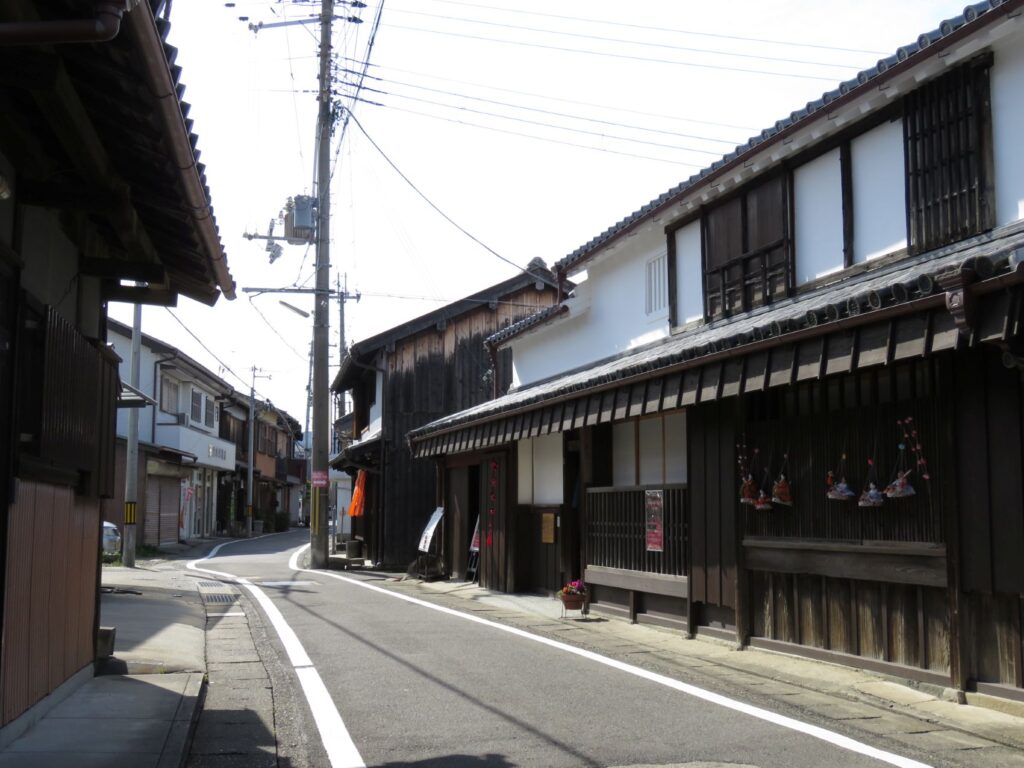
Yuasa is famous as the birthplace of Japanese shoyu soy sauce, but its story becomes much richer when you leave the breweries and simply walk through the old town.
The Yuasa Traditional Townscape Preservation District preserves a network of narrow streets, wooden buildings, merchant houses, temples, and traces of the old Kumano pilgrimage route.
Rather than being an open-air museum, this historic district gives you a glimpse into the town that developed around trade, brewing, pilgrimage, and everyday life.
A walk here helps explain why Yuasa became such an important place for soy sauce—and why the town still feels different from a typical tourist destination.
Tateishi Chaya: A Place to Pause Along the Old Road
One of the small but evocative landmarks in the historic district is Tateishi Chaya.
The name recalls the tradition of tea houses and rest stops that served travelers moving through the town.
For visitors today, places like this help bring the old streetscape to life. Instead of imagining history as something distant, you can picture merchants, pilgrims, and local residents stopping along the same network of streets.
This is one of the pleasures of exploring Yuasa on foot: the history is not concentrated in a single monument. It is scattered throughout the town.
The Former Suhara Family Residence
The Former Suhara Family Residence offers another perspective on Yuasa’s history.
Traditional residences such as this reveal the social and economic world behind the town’s commercial activity. Behind the streets where goods were bought and sold were houses, workshops, storage spaces, and family businesses that supported the local economy.
For travelers interested in Japanese architecture, the residence is also an opportunity to see how traditional buildings were adapted to the needs of a prosperous historic town.
Together with the surrounding streets, it helps tell a story that a soy sauce brewery alone cannot:
Yuasa was not simply a place where soy sauce was made. It was a living commercial community.
Jinsenji Temple and the Kumano Pilgrimage
Another important stop is Jinsenji Temple, located within the historic town.
The temple connects Yuasa with the religious landscape of the Kumano pilgrimage. Travelers passing through this region were not simply tourists moving between attractions. They were part of a much older movement of people traveling toward Kumano.
Nearby, a Kumano Kodo stone marker provides another tangible reminder of this history.
Standing beside an old road marker can change the way you see Yuasa.
The streets are no longer simply picturesque old Japanese streets.
They become part of a route through which pilgrims, merchants, and local residents moved for centuries.
This connection between commerce and pilgrimage is one of the most interesting aspects of Yuasa.
The town developed through trade and industry, but it also existed along a wider network of movement toward the sacred sites of Kumano.
Jinburo: A Glimpse of Everyday Life
For a very different perspective, visit Jinburo, a former public bathhouse preserved in the historic district.
Unlike a temple or merchant residence, a bathhouse tells us about something much more ordinary: how local people lived.
Public baths were social spaces as well as places to wash. They belonged to the everyday rhythm of towns and neighborhoods.
Jinburo therefore adds an important layer to a walk through Yuasa.
After seeing merchant houses, temples, and traces of pilgrimage, you encounter a place connected to the ordinary lives of the people who actually lived here.
And that is precisely what makes the historic district interesting.
A Town Built Around Movement
Taken together, these places reveal a more complex picture of Yuasa.
- Soy sauce breweries tell the story of fermentation and commerce.
- Merchant residences reveal the people behind the trade.
- Temples and Kumano Kodo markers connect the town to pilgrimage.
- Tea houses and rest stops remind us of travelers passing through.
- Jinburo brings us back to everyday local life.
The result is not simply a collection of historic buildings.
It is a portrait of a town shaped by people moving, trading, working, praying, and living together.
This is why walking through Yuasa’s preserved townscape is such a valuable complement to visiting a soy sauce brewery.
You begin to understand not only where shoyu came from, but the kind of town that allowed this food culture to develop.
How to Explore Historic Yuasa
The best way to experience the preservation district is slowly, without trying to check off every building.
Allow time to wander through the narrow streets, look closely at traditional facades, step into historic buildings when they are open, and notice the small details that connect the town’s commercial, religious, and domestic history.
A visit can easily be combined with:
- Traditional shoyu sauce brewery shops
- Local seafood or shirasu cuisine
- A walk following the old Kumano Kodo route
- Traditional sweets and local cafés
This makes Yuasa particularly rewarding for travelers who enjoy food, architecture, history, and walking rather than simply visiting individual attractions.
Why Shoyu Took Root Here
This intersection of movement and settlement is not incidental.
It helps explain why shoyu culture developed in Yuasa.
Because a place that receives travelers over centuries becomes:
- A place of exchange
- A place of adaptation
- A place where knowledge accumulates
Fermentation itself follows a similar logic.
It requires:
- Time
- Stability
- Continuity
Yuasa offered all three.
Two Expressions of Shoyu
Within this environment, different approaches to shoyu emerged.
Kadocho Shoyu Brewery
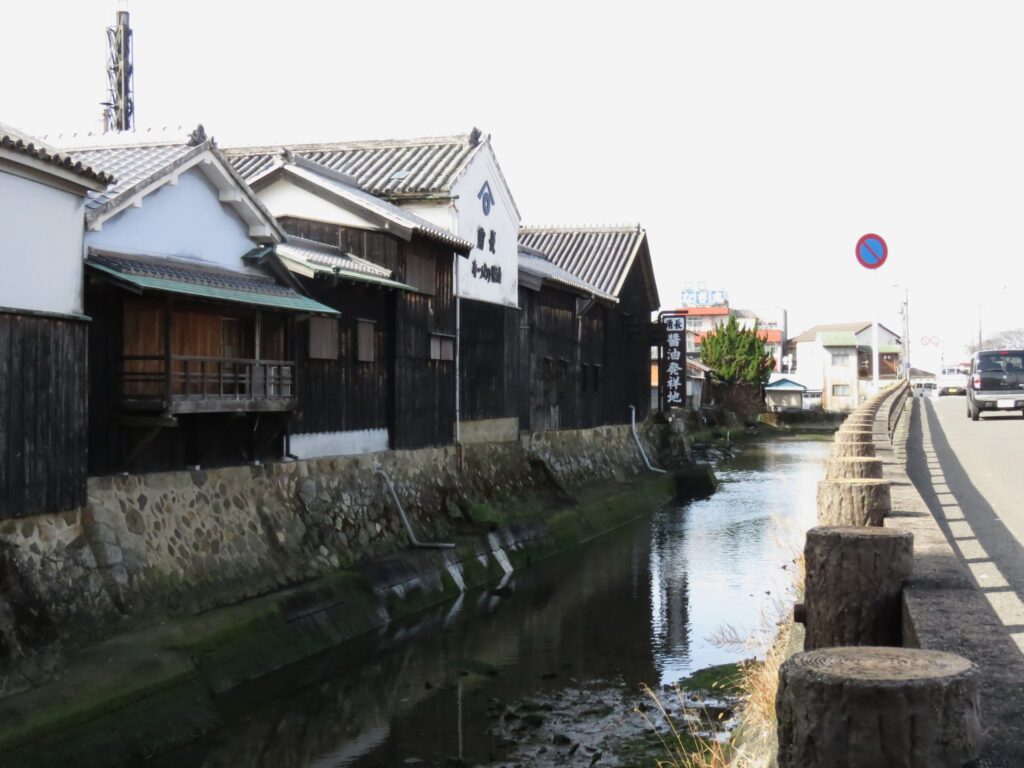
— Shoyu Rooted in Place
At Kadocho, shoyu remains inseparable from its environment.
- Kuratsuki microorganisms live in the structure
- Fermentation takes place in 200-year-old Yoshino cedar barrels
- Whole soybeans are used
- Aging lasts 18 months to over 2 years
This creates something that cannot be moved or replicated.
Like the pilgrimage route itself, it is tied to place.
Marushin Shoyu
— Shoyu That Travels the World
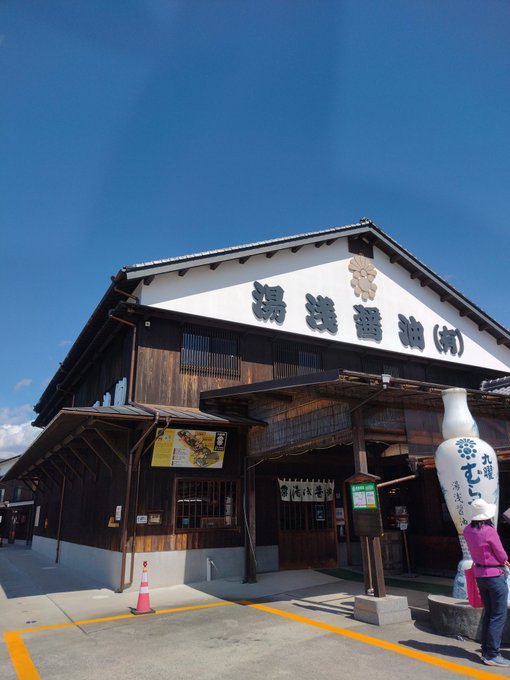
Marushin Shoyu represents another dimension.
Its shoyu has received the highest gold award at Monde Selection for many consecutive years.
This reflects:
- Precision
- Consistency
- Global recognition
If Kadocho represents something that cannot leave,
Marushin represents something that can be shared with the world.
Pilgrimage and Fermentation
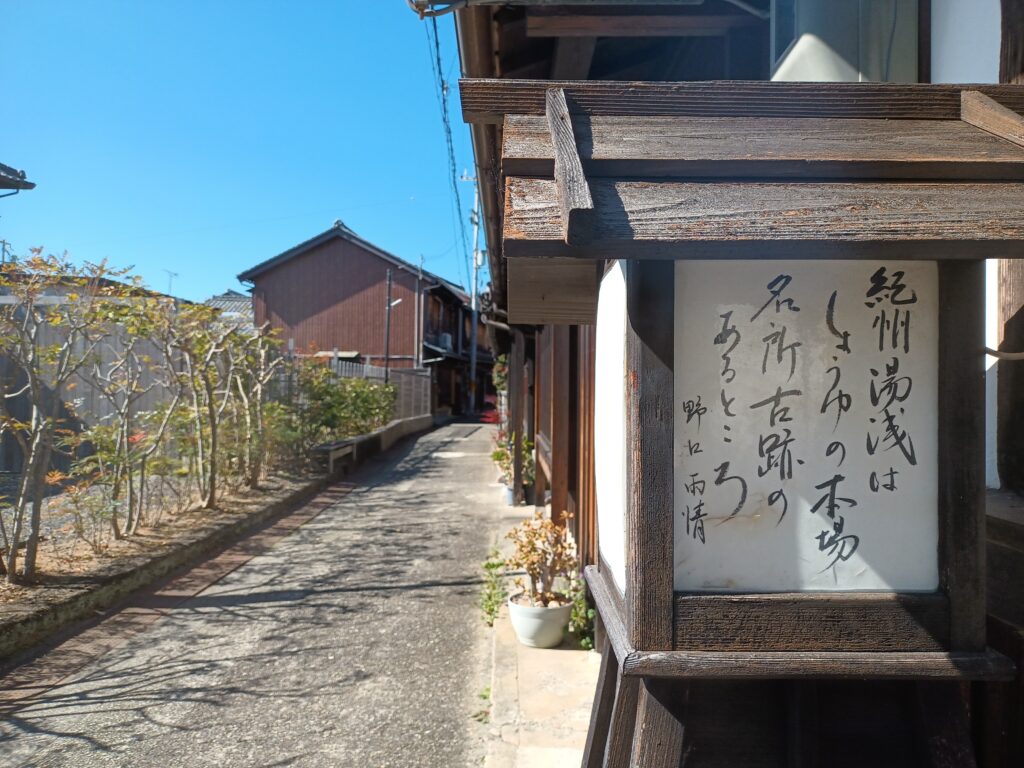
At first glance, pilgrimage and shoyu may seem unrelated.
But they share a deeper connection.
Both are about process over immediacy.
- Pilgrimage is not about arriving quickly
- Fermentation is not about producing quickly
Both require:
- Time
- Patience
- Trust in something unseen
This is the deeper rhythm that defines Yuasa.
Where to Eat in Yuasa
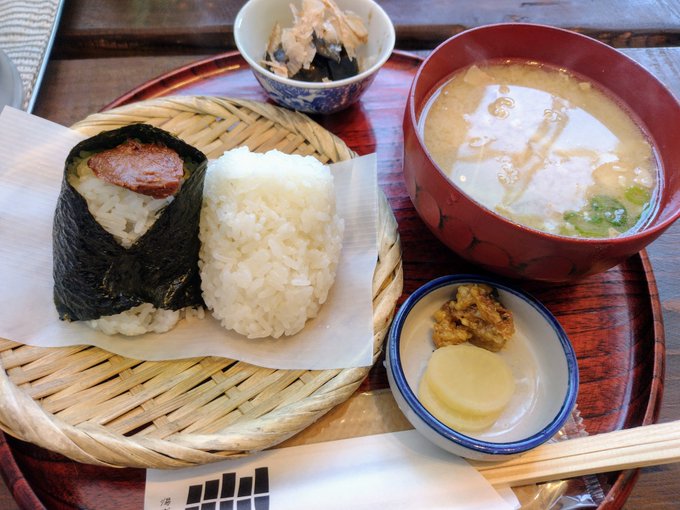
Exploring Yuasa works up an appetite, and the town offers several excellent places to enjoy local flavors, from fresh seafood to traditional Japanese cuisine.
Yuasa Beisho
Located beside JR Yuasa Station, Yuasa Beisho is a convenient first or last stop on your journey. Their freshly made rice balls (onigiri), prepared with locally grown rice, are simple yet exceptionally satisfying. It’s an ideal choice for travelers looking for a light breakfast, picnic lunch, or snack before exploring the historic streets.
Gakeppuchi
Known for its fresh local seafood, Gakeppuchi is one of the best places to sample Yuasa’s coastal cuisine. Whitebait (shirasu), seasonal fish, and seafood rice bowls highlight the area’s close connection to the sea, making it a popular lunch stop for both locals and visitors.
Kadoya Shokudo
A long-established local eatery, Kadoya Shokudo serves generous portions of seafood and classic Japanese comfort food in a relaxed atmosphere. Fresh shirasu dishes are a specialty, offering visitors another excellent opportunity to experience Yuasa’s fishing heritage.
Ippuku
Housed in one of the beautifully preserved buildings within Yuasa’s Important Preservation District for Traditional Buildings, Ippuku offers a charming setting to enjoy traditional Japanese cuisine. Dining here is about more than the food—it’s an opportunity to experience the atmosphere of old Yuasa while savoring carefully prepared seasonal dishes in a historic townhouse.
Experiencing Yuasa Today
Yuasa remains a small town.
You can walk it in a short time.
But to experience it fully, you should:
- Follow parts of the Kumano Kodo Kiiji Route
- Visit both traditional and refined shoyu producers
- Taste with attention
- Allow time to pass without rushing
Because what Yuasa offers is not quantity.
It is depth.
A Final Thought
Some places are destinations.
Others are part of a journey.
Yuasa is both.
It is a place where:
- Travelers have passed for centuries
- Traditions have taken root
- Time continues to shape everything
An Invitation
If you want to understand shoyu,
you can taste it anywhere.
But if you want to understand where it comes from—
and why it matters—
Come to Yuasa.
Walk the path of Kumano Kodo Kiiji Route.
And experience a place where food, movement, and time
are part of the same story.
Please check three type of trip in Yuasa
→Plan your personalized tour in Yuasa
Read More About Yuasa
- Yuasa’s Shirouo Fishing: A Rare Spring Tradition You Can Still Watch Today
- Beyond Shoyu Soy Sauce: Discover More Around Yuasa, Wakayama
- Yuasa Shoyu Soy Sauce & Fermentation Journey
No responses yet