
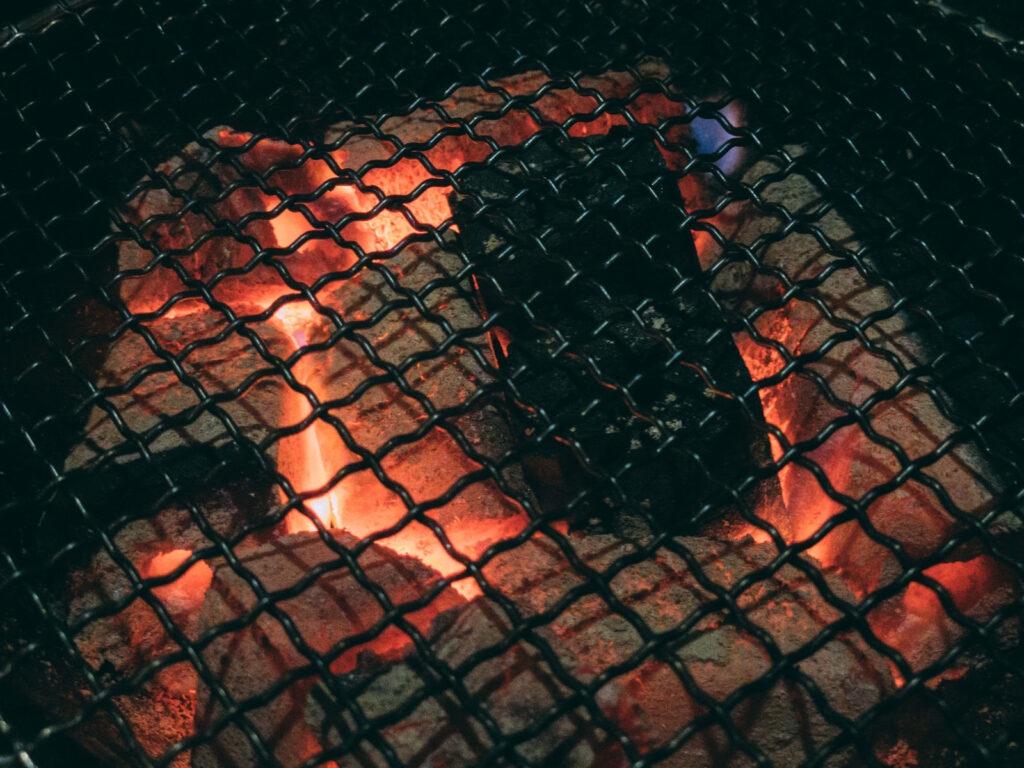
The Japanese Charcoal Behind Modern Live-Fire Cuisine
In recent years, chefs around the world have become increasingly interested in live-fire cooking.
From yakitori counters and omakase restaurants to modern steakhouses and open-fire tasting menus, the conversation is no longer only about ingredients.
It is also about heat.
And in Japan, one material has long stood at the center of that culture:
Kishu Binchotan charcoal from Wakayama.
But as “binchotan” becomes a global buzzword, many chefs and buyers are beginning to ask a more important question:
What is real Kishu Binchotan—and why does authenticity matter?
What Is Kishu Binchotan?
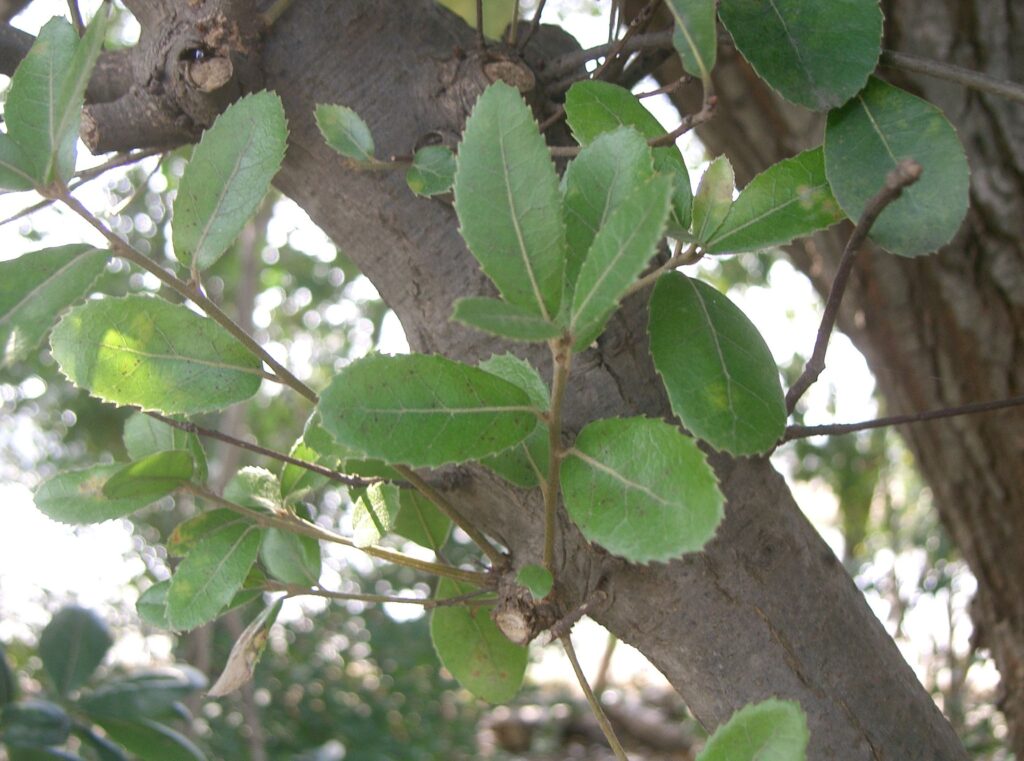
Kishu Binchotan is a traditional Japanese white charcoal made primarily from ubame oak.
Produced in southern Wakayama for generations, it is known for:
- Extremely high heat stability
- Long burn times
- Low smoke production
- Minimal odor transfer
- Clean, consistent ember quality
Unlike standard charcoal, properly made binchotan burns slowly and evenly, making it especially valued in:
- Yakitori
- Robata
- Seafood grilling
- Steak preparation
- Fine dining live-fire cuisine
For many chefs, it is not simply fuel.
It becomes part of the cooking philosophy itself.
The Problem: “Binchotan” Is No Longer Always Authentic
As global demand has increased, the word “binchotan” is now used for many different kinds of charcoal.
Some products are:
- Machine-made
- Produced outside Japan
- Mixed with lower-grade materials
- Marketed with Japanese imagery despite having no connection to Wakayama
This creates a challenge for restaurants and distributors seeking genuine quality.
That is why authenticated Kishu Binchotan has become increasingly important in B2B sourcing.
Why Certification Matters in International B2B
Certified producers in Wakayama help distinguish authentic Kishu Binchotan from imitation products.
For professional buyers, this matters because certification supports:
- Proven origin
- Traditional production methods
- Material consistency
- Brand credibility
- Long-term supplier trust
In premium hospitality and restaurant environments, authenticity increasingly affects not only cooking performance, but also storytelling and guest perception.
Today’s diners are interested in:
- Craftsmanship
- Provenance
- Sustainability
- Traditional techniques
- Cultural depth behind ingredients and tools
Kishu Binchotan sits naturally within this movement.
Why Chefs Use Binchotan Instead of Standard Charcoal
Many chefs first notice the practical advantages:
- Stable heat
- Reduced flare-ups
- Cleaner combustion
- Longer service performance
But over time, many also become interested in something less measurable:
The relationship between fire and flavor.
Binchotan allows ingredients to cook with strong radiant heat while minimizing excessive smoke.
This is especially important for:
- Delicate seafood
- Chicken
- Wagyu
- Vegetables
- Fermented ingredients
- Tasting-menu pacing
In modern gastronomy, the fuel itself becomes part of the culinary identity.
This is one reason why premium Japanese restaurants abroad increasingly highlight their use of authentic binchotan.
Beyond Fuel: The Cultural Story Behind Kishu Binchotan
Kishu Binchotan is connected to more than cooking.
It reflects:
- Forest management
- Mountain culture
- Craft traditions
- Japanese concepts of heat and timing
- Relationships between food and fire
In 紀伊半島, charcoal culture developed alongside:
- Fishing communities
- Fermentation culture
- Traditional cuisine
- Tea culture
- Everyday cooking practices
For restaurants seeking a deeper culinary narrative, this cultural background can become part of the guest experience itself.
A Growing Opportunity for Restaurants, Importers, and Hospitality Brands
As interest in Japanese gastronomy continues to expand globally, authentic Kishu Binchotan has growing relevance for:
- Fine dining restaurants
- Yakitori and robata concepts
- Luxury hotels
- Culinary distributors
- Hospitality sourcing teams
- Chef collaborations
- Fire-cooking events
Especially in markets where “Japanese authenticity” is increasingly important, verified sourcing helps restaurants differentiate themselves from generic concepts.
Experiencing Binchotan Culture in Wakayama
For chefs, buyers, and culinary professionals visiting Japan, Wakayama also offers the opportunity to experience the culture behind Kishu Binchotan directly.
This may include:
- Visiting charcoal-producing regions
- Learning about traditional kiln techniques
- Comparing cooking methods
- Exploring connections between charcoal and Japanese food culture
- Meeting local craftspeople and producers
Like many traditional Japanese crafts, understanding the context often changes how the material itself is perceived.
Related Experiences in Wakayama
Travelers and culinary professionals interested in Kishu Binchotan may also explore:
- Fermentation culture in Yuasa
- Japanese gastronomy experiences across the Kii Peninsula
- Craft culture in Kuroe
- Curated omakase experiences in Wakayama City
- Local food and live-fire dining traditions
These cultural layers are deeply connected throughout Wakayama.
Related Posts:
・Yuasa Shoyu Soy Sauce & Fermentation Journey
・Kuroe Lacquerware: A Hidden Tableware Source for Chefs and Restaurants
・A Day in Wakayama Through Omakase
→Plan custom local food tour in Wakayama
Looking for a Culinary or Sourcing Experience in Wakayama?
If you are a chef, restaurant owner, importer, or culinary professional interested in:
- Authentic Kishu Binchotan
- Japanese live-fire cooking culture
- Gastronomy-focused travel
- Producer visits and cultural interpretation
custom experiences in Wakayama and the Kii Peninsula can be arranged based on your interests and schedule.
→Contact us for culinary or sourcing journey in Wakayama
No responses yet