
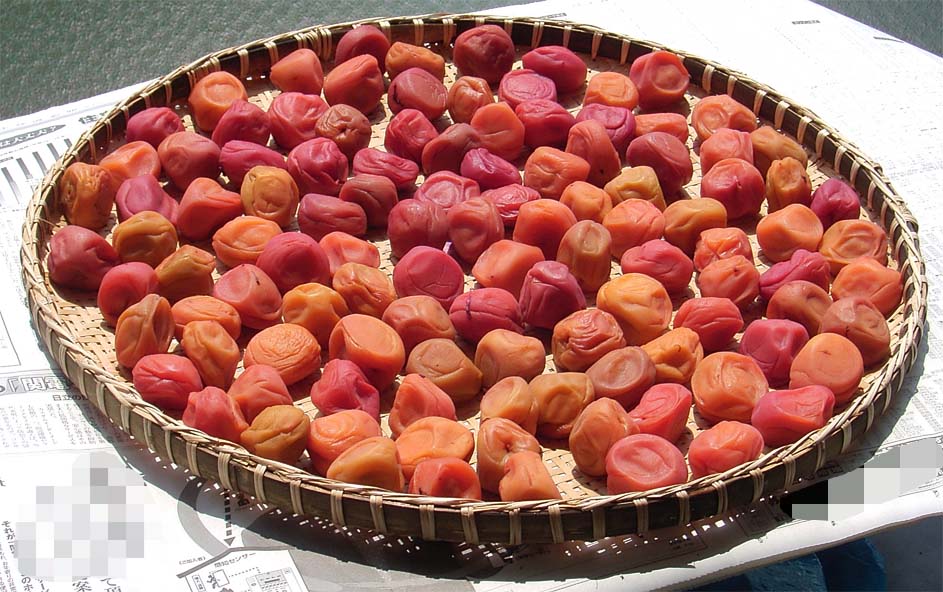
Umeboshi—Japan’s iconic pickled plums—are more than a traditional food. They are a product of climate, time, and preservation culture, offering a unique combination of acidity, saltiness, and deep umami.
For importers, chefs, and specialty food buyers, sourcing umeboshi from Japan means accessing not only quality, but also regional identity and story-driven value.
What Is Umeboshi?
Umeboshi are pickled fruits of the Japanese apricot (ume), traditionally preserved using:
- Salt (natural fermentation)
- Red shiso leaves (for color and aroma)
- Sun-drying techniques
The result is a product that is:
- Intensely sour and salty
- Naturally preserved without additives (in traditional styles)
- Rich in heritage and culinary versatility
Major Umeboshi Production Regions in Japan
Wakayama – Japan’s Leading Ume Region
The center of umeboshi production is Wakayama, especially:
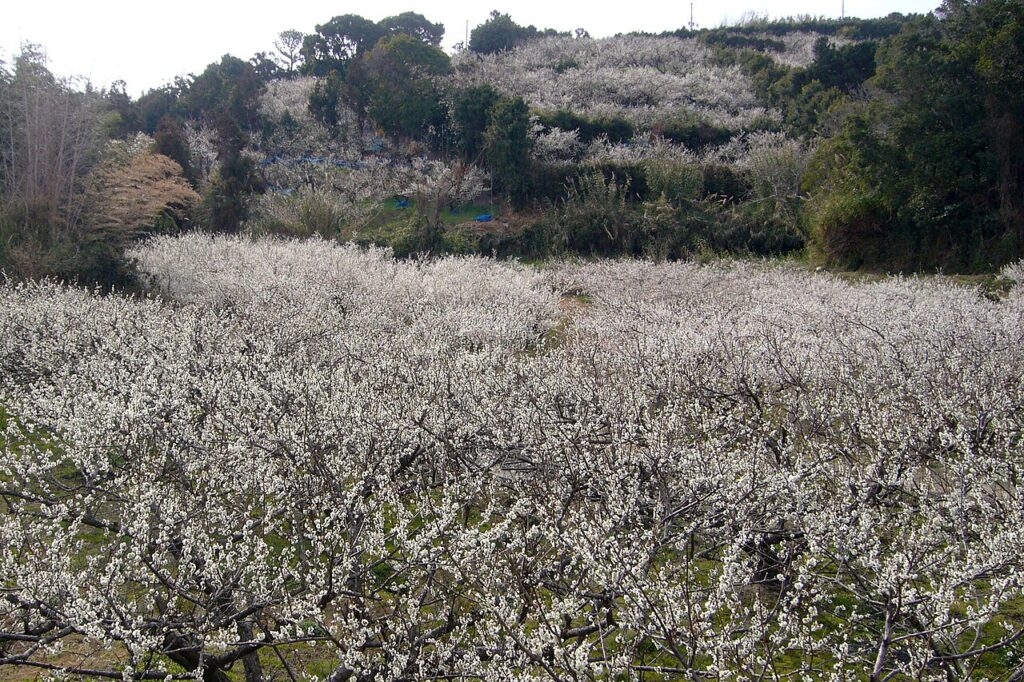
- Minabe
- Tanabe
This area produces around half of Japan’s ume, including the premium variety:
- Nanko Ume
Key characteristics:
- Large, soft flesh
- Balanced acidity
- Ideal for high-end umeboshi
Wakayama umeboshi are often branded as “Kishu Umeboshi”, a mark of quality recognized across Japan.
Other Notable Regions
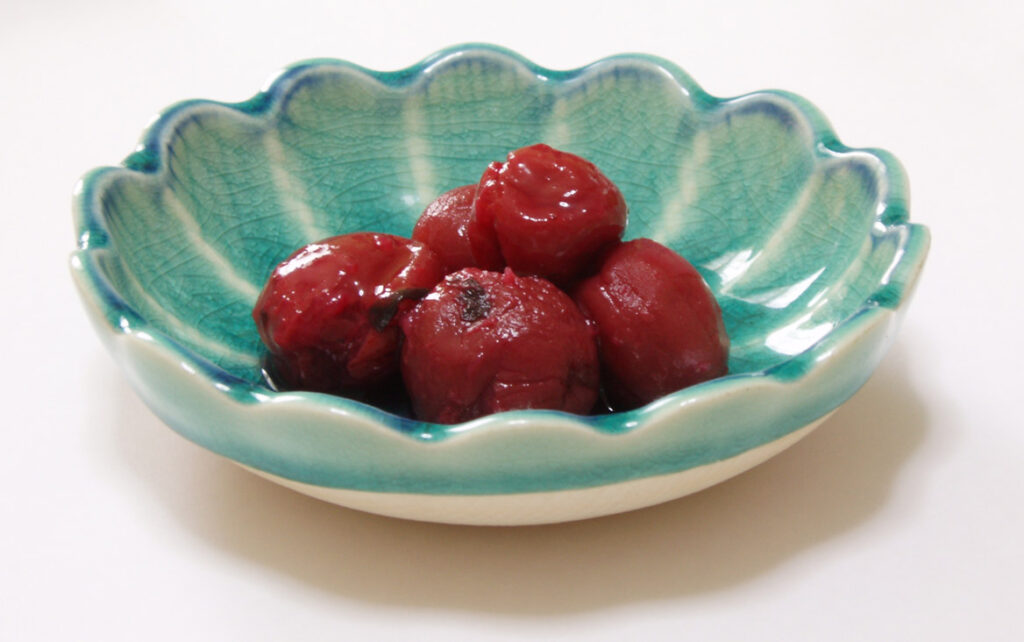
While Wakayama dominates production, other regions also contribute:
- Gunma – Known for both fresh ume and processed products
- Fukui – Characterized by small to medium-sized plums with small seeds and abundant flesh, such as “Kensaki Ume”.
- Yamanashi – Famous for “Koshu Koume” (small plum), known for its small size and crisp texture.
These regions offer alternative flavor profiles and pricing tiers.
Types of Umeboshi for Wholesale
When sourcing umeboshi, understanding product variation is essential:
Traditional (Shio Umeboshi)
- Salt content: 15–20%
- No additives
- Strong acidity and long shelf life
- Ideal for premium and health-focused markets
Honey Umeboshi (Hachimitsu Ume)
- Lower salt, slightly sweet
- Popular in international markets
- Easier entry point for new consumers
Paste (Ume Paste / Neri Ume)
- Smooth, ready-to-use format
- Suitable for sauces, dressings, and food manufacturing
Organic / Additive-Free
- Increasing demand in Europe and North America
- Often produced by small-scale farms
Why Source Umeboshi from Wakayama?
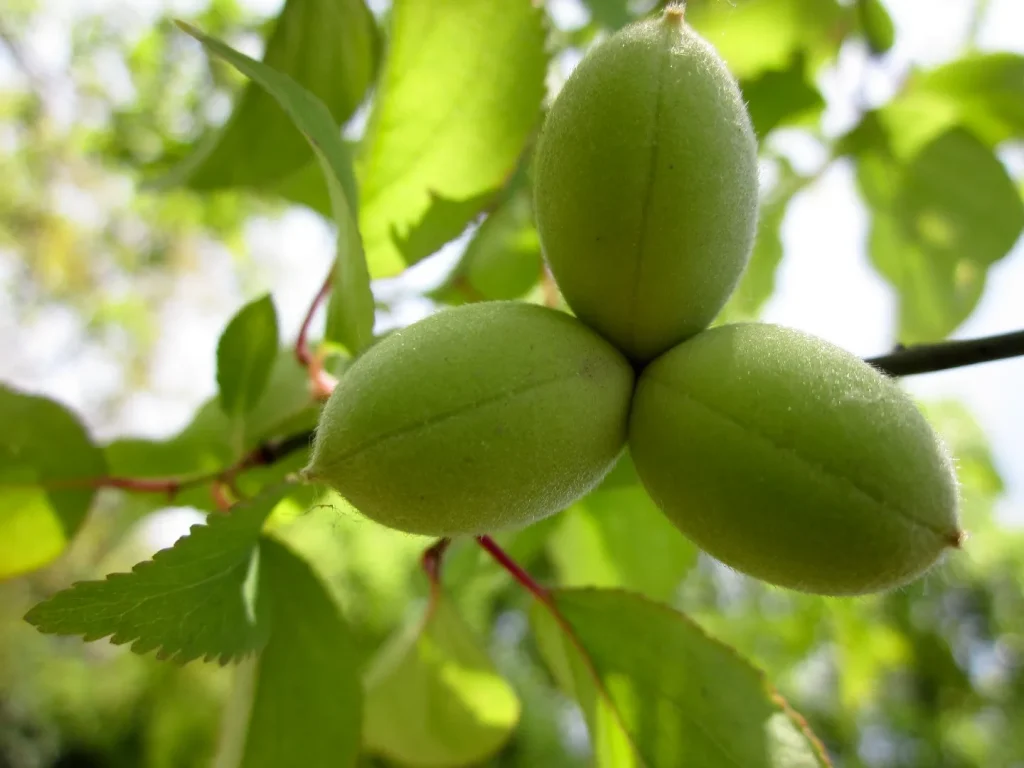
Sourcing from Wakayama offers clear advantages:
- Origin authenticity – Japan’s most recognized ume region
- Consistent quality – Established grading systems
- Product diversity – From traditional to modern styles
- Scalability – Both large producers and small artisanal farms
For B2B buyers, this means flexibility across:
- Price points
- Flavor profiles
- Branding strategies
Key Considerations for Wholesale Buyers
Before selecting a supplier, consider:
- Salt level & flavor profile (traditional vs. modern)
- Certification (organic, GI, additive-free)
- Packaging format (bulk, retail-ready, paste)
- MOQ and export capability
- Story & provenance (important for premium markets)
Umeboshi as a Value-Added Product
Umeboshi is increasingly used beyond traditional Japanese cuisine:
- Fine dining (acid balance, plating accent)
- Vegan/health-focused products
- Sauces, dressings, and condiments
- Functional foods and wellness branding
Its natural preservation and strong identity make it especially attractive in today’s market.
Source Premium Umeboshi from Japan
Work Directly with Producers in Wakayama
Looking to source authentic umeboshi from Japan’s leading production region?
We support chefs, importers, and food brands with:
- Direct connections to trusted producers in Wakayama
- Custom sourcing based on your market needs
- On-site visits and interpretation support
👉 Explore our B2B sourcing support and start your inquiry
Conclusion
Japan’s umeboshi industry offers a wide range of products, but for quality, authenticity, and story, Wakayama stands at the center.
For wholesale buyers, sourcing umeboshi is not just about finding a supplier—it’s about choosing the right origin, the right producer, and the right narrative.
If you’re looking to bring a truly distinctive Japanese product to your market, umeboshi is a powerful place to start.
No responses yet