
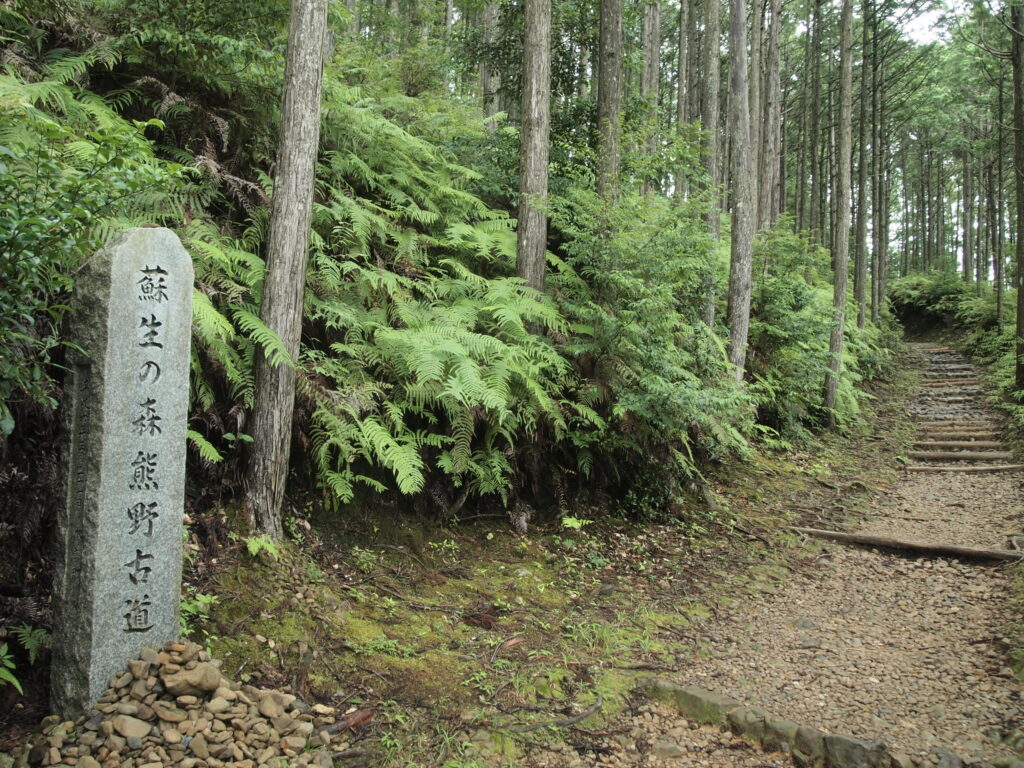
Understanding the Layers of Nature, History, and Human Care in Japan’s Sacred Mountains
The forests of the Kumano Kodo are often described as timeless.
Towering cedar trees, moss-covered stone paths, mist drifting through mountain valleys, and the quiet sound of flowing streams create an atmosphere unlike almost anywhere else in Japan. Many visitors say that walking here feels as though they have stepped into an ancient world.
But the feeling of antiquity does not come from age alone.
Kumano’s forests are the result of thousands of years of interaction between nature and people. Understanding this relationship reveals why these landscapes feel so profoundly different—and why their future depends on continued care.
A Landscape Shaped by Rain and Mountains
The Kii Peninsula is one of the wettest regions in Japan. Warm, moisture-laden air from the Pacific Ocean rises over steep mountains, producing abundant rainfall throughout the year.
This climate supports dense evergreen forests where mosses, ferns, fungi, and countless species of insects thrive. Streams carve deep valleys, while frequent mist softens the landscape and filters sunlight through the canopy.
These natural conditions create an environment that feels wild and untouched, even when people have lived within it for centuries.
Pilgrims Walked Through Living Forests
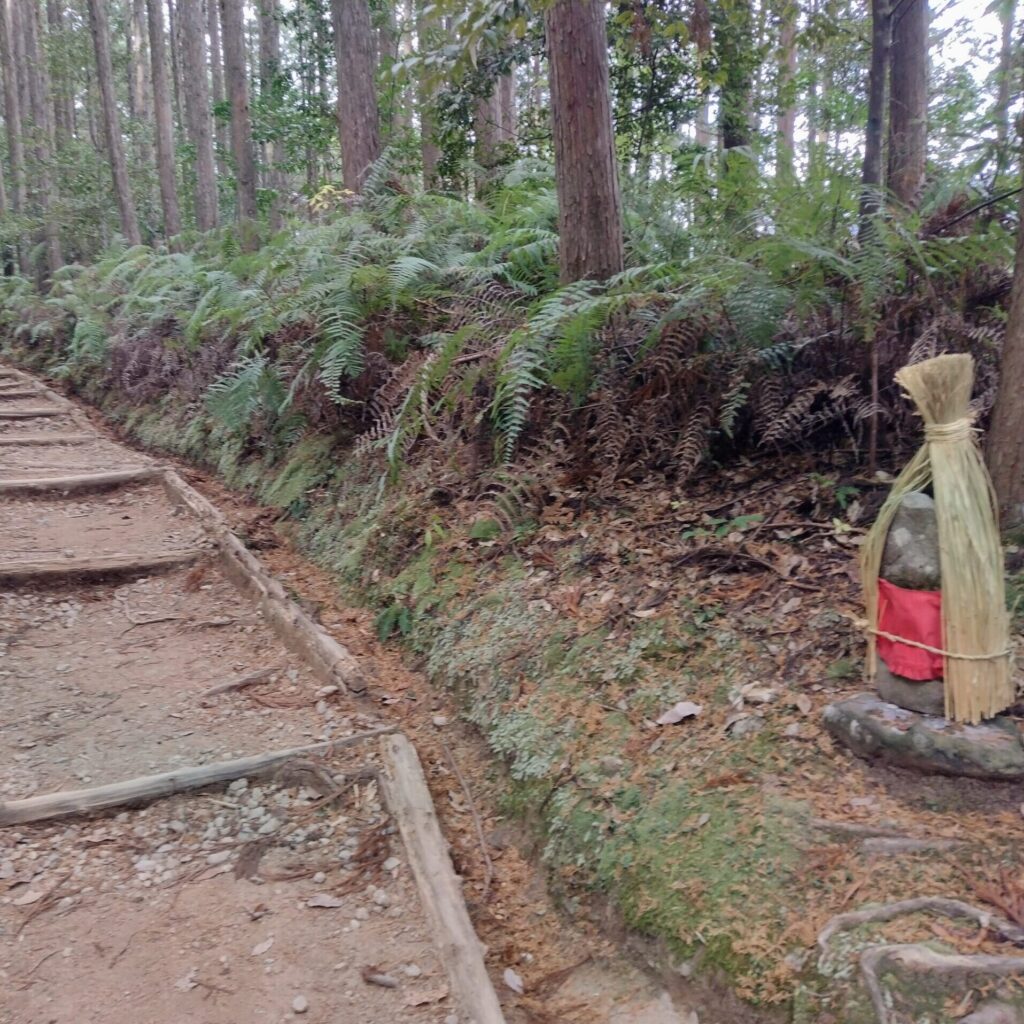
For over a thousand years, pilgrims have traveled the mountain paths leading to the sacred shrines of Kumano Sanzan.
Unlike monumental temples built of stone, Kumano’s sacredness has always been inseparable from the surrounding landscape.
Ancient Japanese beliefs regarded waterfalls, mountains, giant trees, and unusual rock formations as places where spiritual power resided. Later, Buddhism blended with these traditions, creating a spiritual culture in which the forest itself became part of the pilgrimage.
Walking through Kumano is therefore not simply moving between shrines. The journey through the mountains is itself part of the sacred experience.
The Forest Is Not Entirely “Primeval”
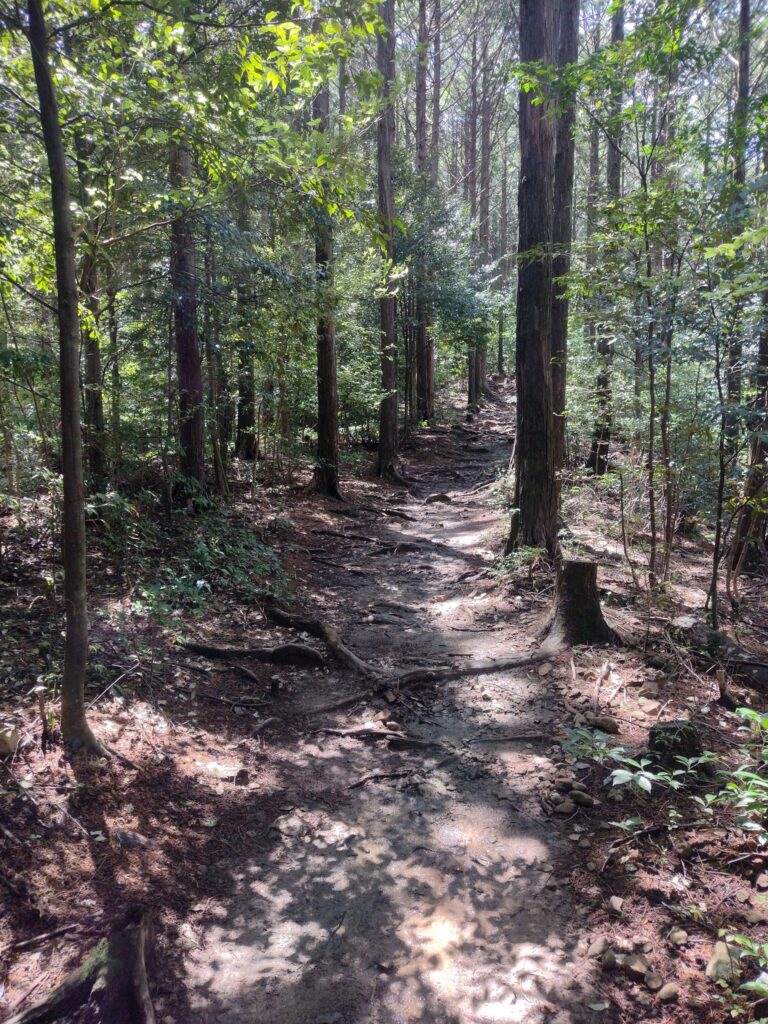
Many visitors assume that the towering cedar and cypress forests are untouched remnants of ancient Japan.
The reality is more complex.
While some areas contain old-growth forest that has survived for centuries, much of today’s forest was replanted after the World War II. During the 1950s and 1960s, large areas were planted with fast-growing Japanese cedar (sugi) and Japanese cypress (hinoki) to supply timber for the country’s postwar reconstruction.
As these trees matured, they formed the straight, evenly spaced forests that many hikers see today.
Ironically, even these relatively young forests often feel ancient because of their immense height, deep shade, moss-covered trunks, and the humid mountain climate that quickly cloaks everything in green.
When Forestry Declined
For decades, these plantations supported local forestry communities.
However, as imported timber became less expensive and Japan’s forestry industry declined, many mountain forests received less regular management.
Some plantation forests now have trees growing too densely together, limiting sunlight from reaching the forest floor. In places where thinning has been reduced, biodiversity can decline, streams may become less healthy, and forests become more vulnerable to disease, landslides, and extreme weather.
This challenge is not unique to Kumano—it is one of the major conservation issues facing rural Japan today.
Satoyama: A Different Way of Seeing Nature
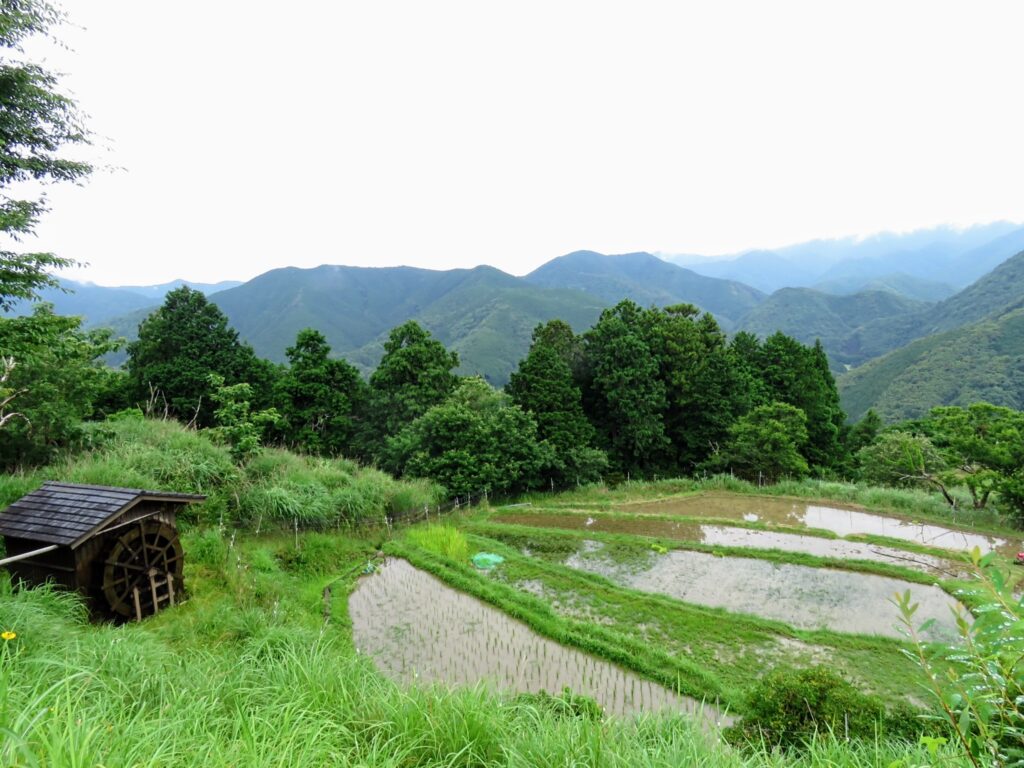
To understand Kumano, it helps to understand the Japanese concept of Satoyama.
Satoyama refers to landscapes where people and nature have evolved together over generations. Rather than separating wilderness from human activity, Satoyama recognizes that healthy ecosystems often depend on careful, continuous stewardship.
Mountain forests, rivers, farmland, villages, and coastal communities have historically formed interconnected systems.
Even the pilgrimage routes passed through these living landscapes, where farmers, charcoal makers, foresters, and pilgrims shared the same mountains.
Kumano’s forests are therefore not simply “wild nature.” They are cultural landscapes shaped by centuries of interaction between people and the environment.
Conservation Means More Than Protecting Trees
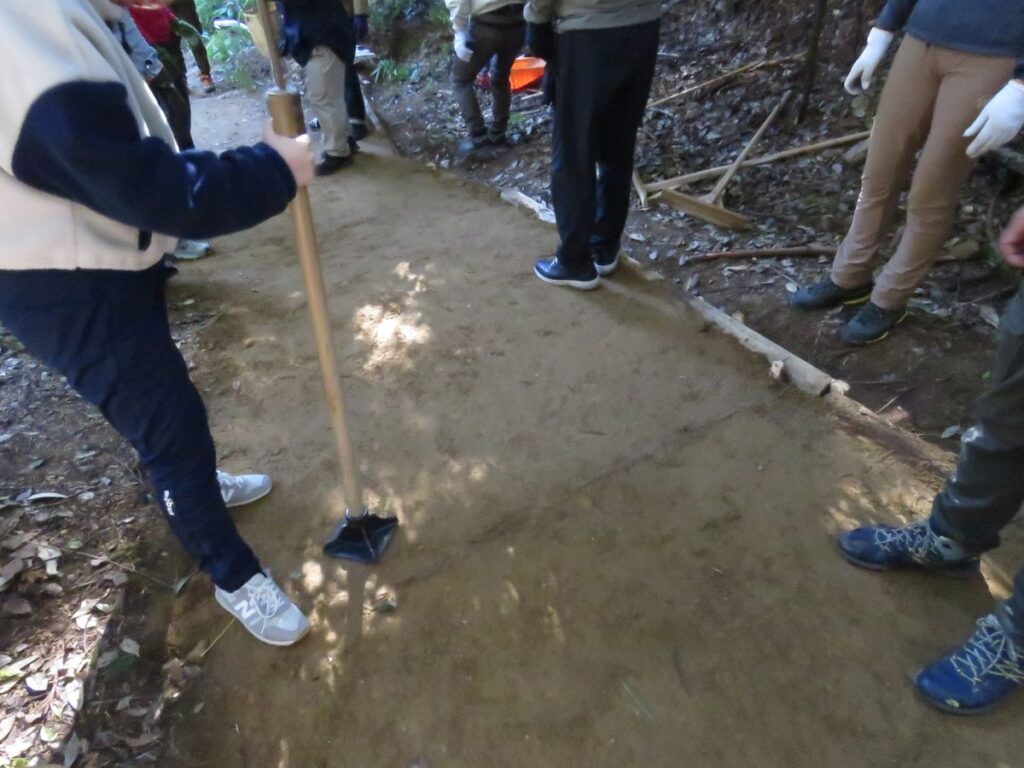
Today, protecting Kumano means more than preserving historic shrines or maintaining hiking trails.
It also means supporting sustainable forestry, restoring biodiversity, maintaining mountain paths, protecting watersheds, and ensuring that local communities can continue caring for these landscapes.
Many conservation efforts now focus on balancing ecological restoration with the cultural heritage that makes Kumano unique. The goal is not to freeze the forest in time, but to help it remain healthy for future generations.
Why the Forest Still Feels Ancient
Perhaps Kumano feels ancient because it reminds us of a slower relationship between people and nature.
The silence is real.
The mist is real.
The towering trees are real.
Yet the landscape is also a story of continuous change—of forests planted, harvested, replanted, and cared for across generations.
Walking through Kumano is therefore not a journey into an untouched wilderness. It is a walk through a living landscape where nature, spirituality, and human history remain deeply intertwined.
That understanding makes the experience even richer. The forest feels ancient not because it has never changed, but because its relationship with people has endured for centuries.
Experience Kumano Beyond the Trail
Walking with a local guide offers an opportunity to see more than the famous stone paths. Along the way, you can discover how climate, forestry, Satoyama traditions, and pilgrimage have shaped the landscape you are walking through.
Understanding these hidden layers transforms the forest from a beautiful backdrop into a living story—one that continues to evolve today.
Experience deep Kumano Kodo Trail through my Curated Kii Peninsula Journey.
Related Posts
- Which Kumano Kodo Route Is Right for You?
- Kumano Kodo Guide: Walking Through Japan’s Living Traditions
- Best Kumano Kodo Day Tours: How to Experience Japan’s Sacred Pilgrimage in One Day
- Why Are Kumano Kodo and the Camino de Santiago the Only Dual Pilgrimage Routes in the World?
No responses yet