
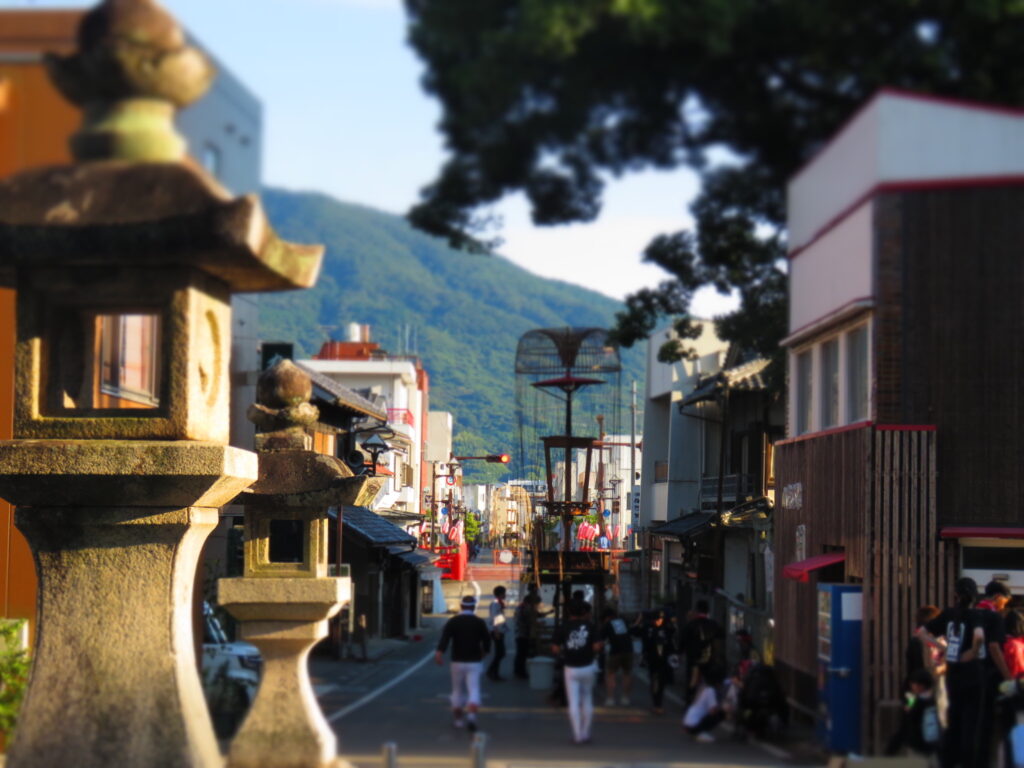
When planning a trip to Japan, most travelers naturally gravitate toward well-known destinations like Kyoto or Osaka. These cities are rich, efficient, and familiar, and for many first-time visitors, they feel like the “safe” choices.
Wakayama, by contrast, often sits just outside the usual itinerary—not because it lacks depth, but because it doesn’t immediately announce itself. It’s a place you pass by rather than stop for, at least on paper. Yet this is precisely where its value begins to emerge.
In recent conversations around slow travel, curated journeys, and more meaningful regional exploration in Japan, Wakayama starts to look very different. It is not a destination built around single highlights, but a landscape where culture, daily life, and history are still tightly interwoven. From the coastal rhythms of fishing villages to the spiritual routes of the Kumano Kodo, and from fermentation traditions like shoyu in Yuasa to lived-in townscapes that haven’t been overly polished for tourism, the region offers something that feels increasingly rare.
What Makes Wakayama Unique?
Unlike major tourist cities, Wakayama is not about checklists.
It’s about experience, meaning, and atmosphere.
Here’s what sets it apart:
1. A Spiritual Landscape Unlike Anywhere Else
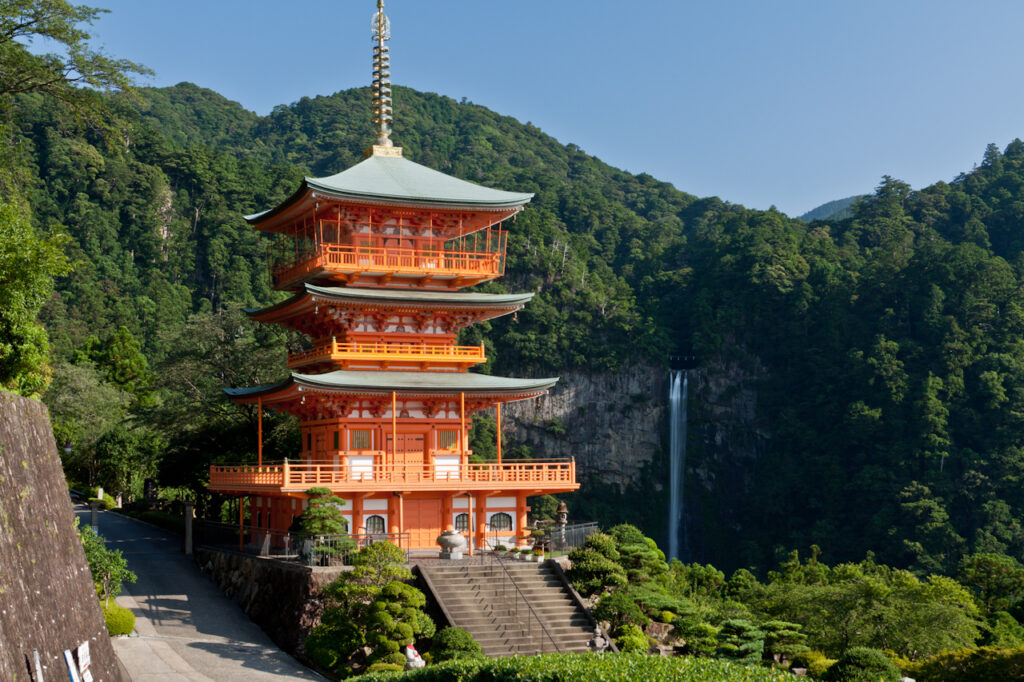
Wakayama is home to the sacred pilgrimage routes of the Kumano Kodo. For over 1,000 years, emperors and commoners alike have walked these ancient trails in search of spiritual renewal, carving a profound history into the mountainous landscape.
At the heart of this spiritual journey lies the Kumano Sanzan, which includes sacred grand shrines such as Kumano Hongu Taisha and Kumano Nachi Taisha. These locations are far more than just sightseeing spots—they are living sacred sites deeply shaped by Shinbutsu-shugo, the historical syncretism of Shinto and Buddhism.
👉 Recommended Experience: Kumano Kodo Pilgrimage Walk(Discover Wakayama Through Six Unique Guided Experiences)
Related Post:
Kumano Kodo Guide: Walking Through Japan’s Living Traditions
2. Koyasan: The Center of Shingon Sect Buddhism
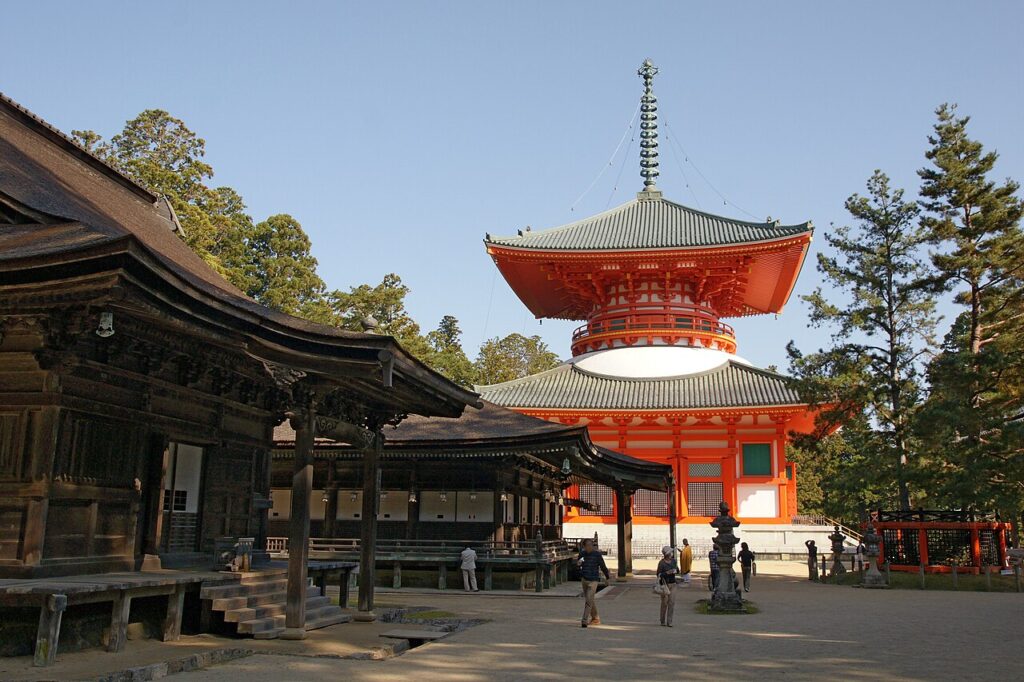
High in the mountains of Wakayama lies Koyasan, a secluded, sacred mountaintop town. Koyasan is the collective name for a religious city that stretches across a mountain basin surrounded by peaks approximately 900 meters above sea level. It is a sacred site of Shingon Esoteric Buddhism founded by Kukai more than 1,200 years ago, and is home to the head temple, Kongobuji, as well as 117 other temples clustered together.
Rather than a simple day-trip destination, Koyasan offers visitors a deep immersion into Japanese spirituality. Travelers can participate in traditional temple stays (shukubo), experience meditative practices like ajikan (breath and mind alignment), and wander through the deeply mystical atmosphere of Okunoin—Japan’s largest cemetery, where moss-covered lanterns and ancient cedar trees lead to Kukai’s eternal resting place.
👉 Recommended Experience: Koyasan Pilgrimage Trail(Discover Wakayama Through Six Unique Guided Experiences)
Related Post:
The Full Journey to Koyasan: From Sacred Peak to Valley Towns
3. Wakayama City & the Scenic Coast
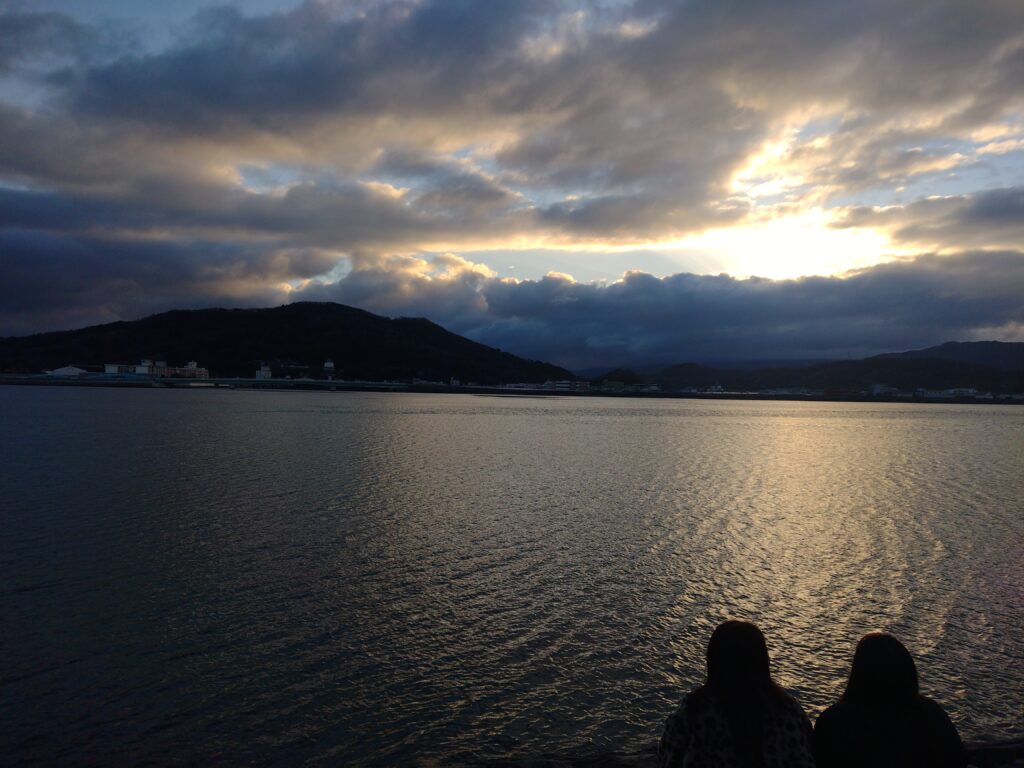
Often overlooked by international tourists, Wakayama City offers a perfect mix of rich history and stunning ocean views. The area’s highlights bridge different eras, featuring the imposing Wakayama Castle at the city’s center and the historic coastal scenic spot of Wakaura, known for its beautiful bay and deep poetic heritage.
Because these sites are closely connected, this area is ideal for travelers who are short on time but still want a meaningful experience. It perfectly accommodates half-day cultural walks and coastal exploration, allowing visitors to experience both traditional castle architecture and refreshing seaside landscapes in a single, relaxed morning or afternoon.
👉 Recommended Experience: Wakaura Sacred Coast Walk(Discover Wakayama Through Six Unique Guided Experiences)
Related Post:
What to Do in Wakayama City: A Samurai Culture Day Around Wakayama Castle
4. Yuasa: The Birthplace of Shoyu Soy Sauce
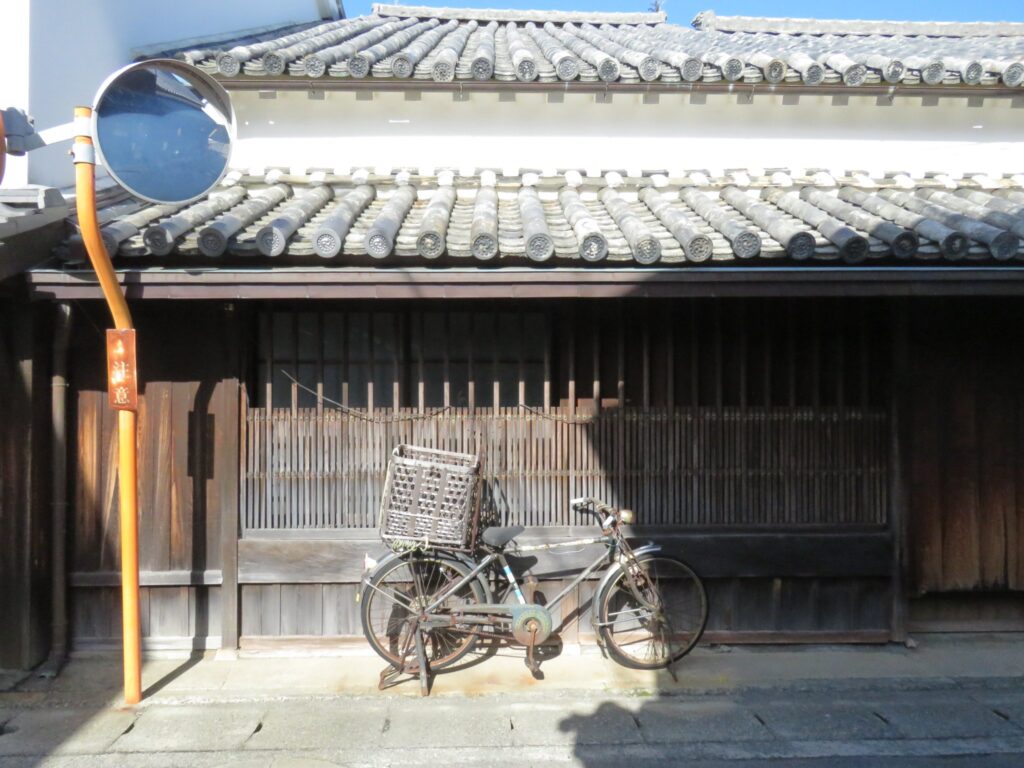
The small, coastal town of Yuasa is celebrated as the historic birthplace where Japanese soy sauce originated, with a brewing tradition dating back to the 13th century. Recognized as an important traditional building preservation district, the town has carefully maintained its rich heritage as a bustling maritime trade hub.
Walking through its remarkably preserved streets, you will discover historic merchant houses with traditional latticework walls and active, centuries-old breweries like Kadocho (角長). Exploring this atmospheric district reveals the deep, timeless connections between local food production and Japanese culture, where the authentic methods of soy sauce making are still kept alive today.
👉 Recommended Experience: Yuasa Heritage Walk (Discover Wakayama Through Six Unique Guided Experiences)
Related Post:
Key Areas to Explore in Wakayama
To understand Wakayama, it helps to think in regions:
Kumano Area(Nature & Pilgrimage)
- Best for: Hiking, spirituality
- Experience: Kumano Kodo pilgrimage
👉 Ideal for travelers seeking a transformational journey
Koyasan Area(Religion & Meditation)
・Best for: Cultural depth, overnight stays
・Experience: Temple lodging, meditation
Wakayama City & Coast(Accessible & Scenic)
・Best for: Cozy walking, coastal beauty
・Experience: History + ocean in one day
Yuasa & Yura(Food & Tradition)
・Best for: Cultural exploration, Aegean sea-like view
・Experience: Shoyu soy sauce heritage, local life, fishing boat cruise
Is Wakayama Worth Visiting Compared to Kyoto or Osaka?
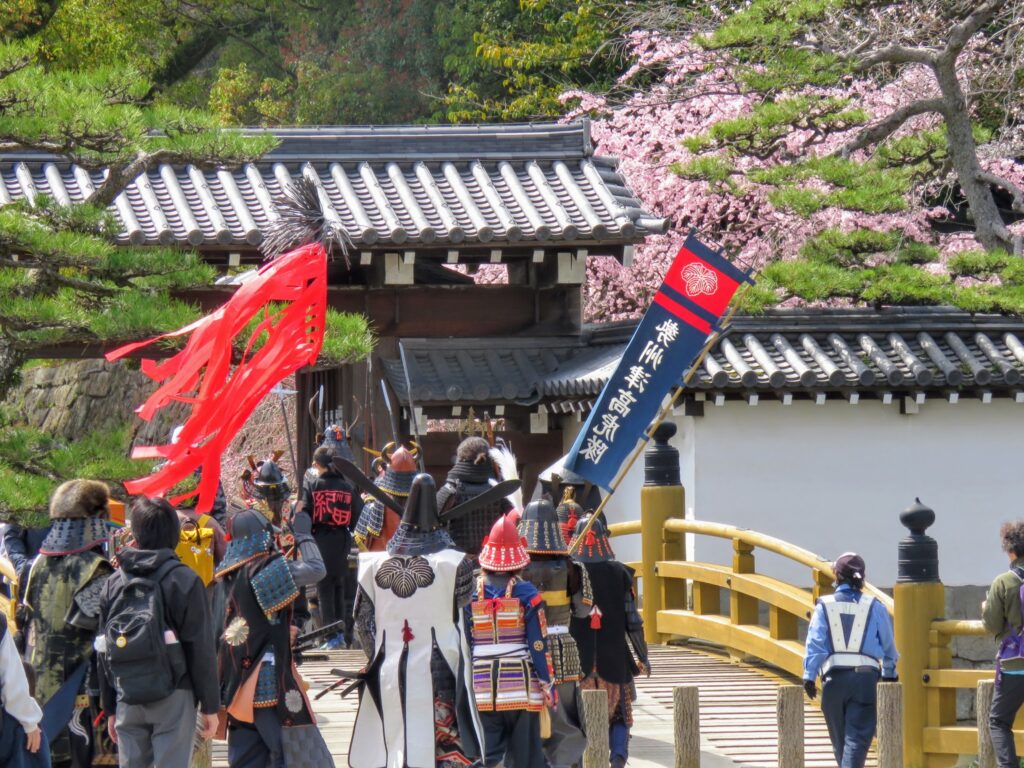
Yes—but for different reasons.
| Destination | What You Get |
|---|---|
| Kyoto | Famous temples, crowds |
| Osaka | Food, nightlife |
| Wakayama | Nature, spirituality, authenticity |
If you want:
- Fewer crowds
- Deeper cultural meaning
- Unique experiences
👉 Wakayama is the better choice.
How to Experience Wakayama the Right Way
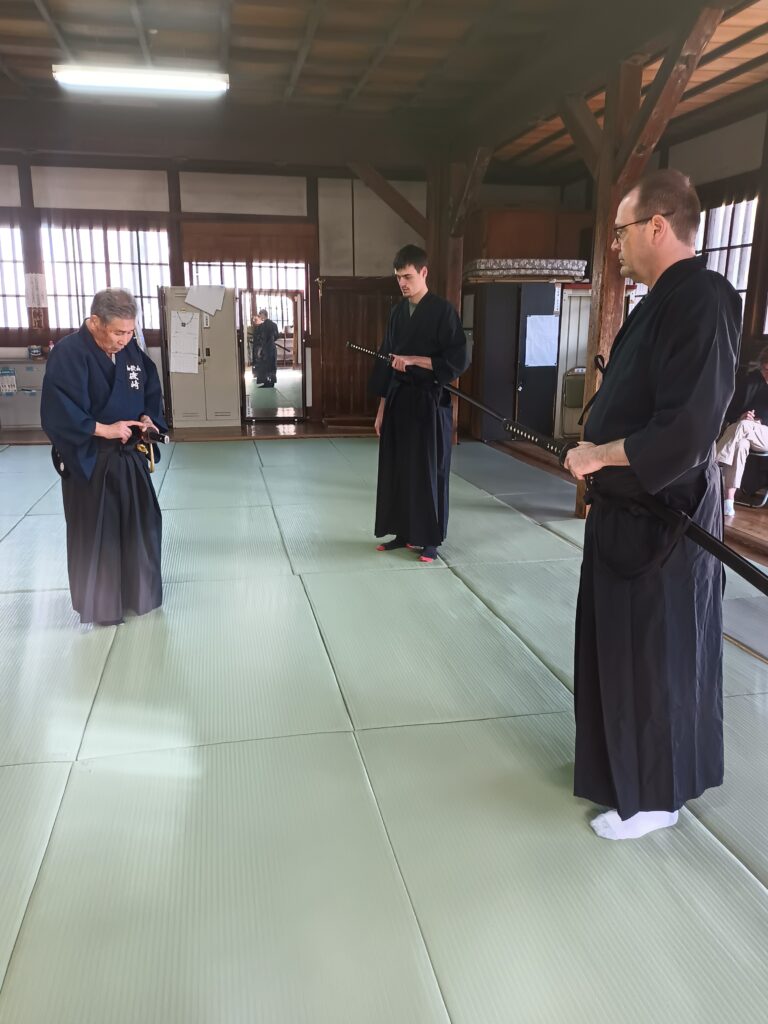
Wakayama is not a place you “just visit” or simply tick off a travel bucket list. Because its beauty is deeply rooted in history, philosophy, and nature, a superficial glance rarely tells the whole story. Without understanding the underlying context, it is easy to miss the profound spiritual meaning behind the ancient pilgrimage routes, the multi-layered stories that bring these sacred sites to life, and the invisible cultural threads that connect each location across the region.
That is exactly why a guided experience makes a profound difference. Having a knowledgeable local guide transforms a beautiful scenic view into a deeply personal journey, unlocking the hidden layers of Wakayama’s heritage and ensuring that your travel flows with a meaningful sense of place and purpose.
Option 1: Structured Experience Tours
These are carefully designed to balance:
- Efficiency
- Depth
- Accessibility
Option 2: Fully Customized Private Tour
If you want more flexibility:
👉 Curated Kii Peninsula Journey
Perfect for:
- Combining multiple areas
- Adjusting pace and difficulty
- Creating a unique itinerary
Final Thoughts
So, is Wakayama worth visiting? Absolutely. But more importantly, Wakayama is not just another destination to tick off a checklist—it is an entirely different way of experiencing Japan. Instead of rushing through crowded sightseeing spots, you are invited to slow down and truly immerse yourself in the natural and historical surroundings.
Here, you don’t just see places; you actively walk through centuries of history, deep-rooted spirituality, and living culture. By stepping off the beaten path and connecting with the true rhythm of local life, you may find that this quiet, sacred region ultimately becomes the most profound and memorable part of your entire journey.
Plan Your Wakayama Experience
👉 Kumano Kodo Pilgrimage Walk(Spiritual Journey)
👉 Wakaura Sacred Coast Walk(Coastal Culture)
👉 Yuasa Heritage Walk(Food & History)
👉 Curated Kii Peninsula Journey(Fully Tailored Experience)
Related Posts
- Why Hire a Private Guide in Wakayama?
- Where to Go Directly from Kansai Airport (Hidden Gems in Japan)
- Koyasan + Hidden Wakayama: 2-Day Itinerary Beyond Osaka Crowds
No responses yet