
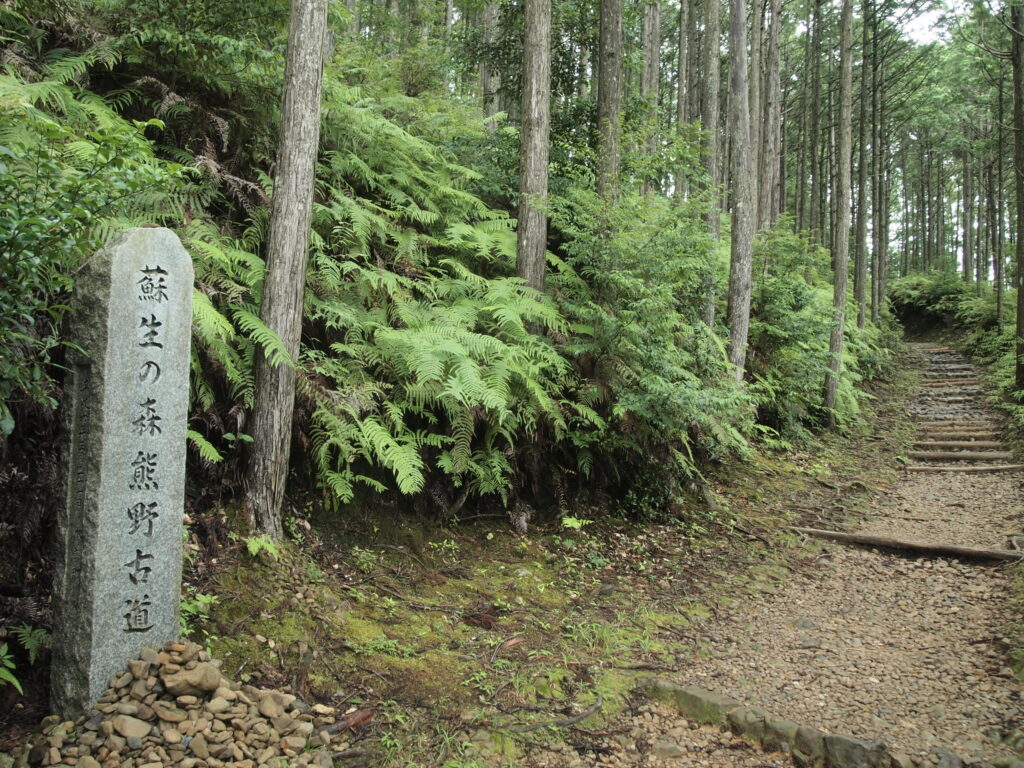
More Than a Pilgrimage — A Road Shaped by Life
The Kumano Kodo is often described as a sacred pilgrimage route leading to the Kumano Sanzan, but this is only part of the story. For centuries, these paths were not only used by pilgrims—they were part of everyday life, where farmers, fishermen, merchants, and travelers all shared the same roads.
To walk the Kumano Kodo today is not simply to follow a historical route; it is to step into a living rhythm shaped by generations.
A Road Shared by Pilgrims and Communities
Along the trail, you will find small Jizo statues quietly standing beside the path.
The Kumano Kodo is a grueling journey that can, under certain circumstances, be life-threatening, yet countless pilgrims walked the mountain trails step by step, believing that a new life surely awaited them beyond the hardships they were enduring.
Historically, the route was supported by:
- Small settlements
- Teahouses for rest
- Lodgings for pilgrims
Many of these have disappeared, but their traces remain in the landscape—subtle, often unnoticed, yet deeply meaningful.
The Kumano Kodo as a Living Road
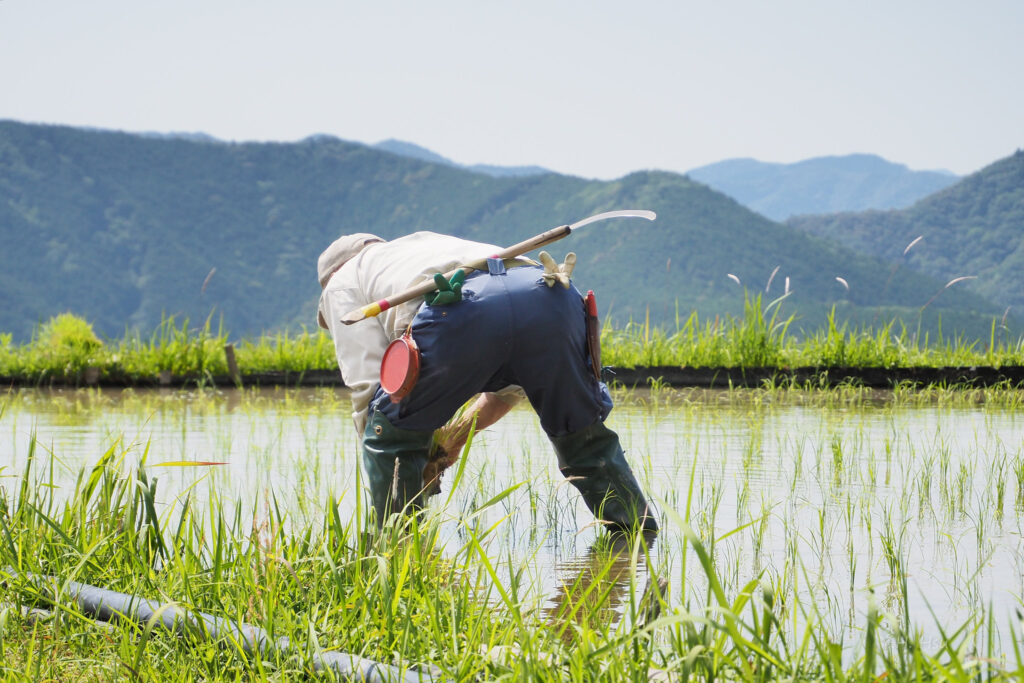
Unlike many historic trails, parts of the Kumano Kodo are still used in everyday life. The Kii Road, in particular, overlaps with modern infrastructure such as National Route 42. What was once a pilgrimage path is now also a local road, a commuting route, and a connection between coastal communities.
Rather than being preserved as a static heritage site, the Kumano Kodo continues to evolve.ve.
Maintained by Everyday Life
The trail exists today because it is still cared for.
Local residents continue to:
- Clear vegetation
- Maintain pathways
- Look after surrounding forests
This ongoing effort is not organized for tourism—it is part of daily life. The Kumano Kodo survives because it remains connected to the people who live along it.
Food Along the Route: Sustaining the Journey
Food along the Kumano Kodo reflects the same relationship between travel and daily life. Along the Kii Road and nearby areas, traditional foods such as narezushi—a fermented sushi developed as preserved food—Kodai Suzume-zushi, a refined dish from the castle town of Wakayama Castle, and kamamochi, simple rice cakes still eaten at Kumano shrines, can be found.
These foods are not just local specialties—they are part of a system that supported long-distance travel, offering nourishment, preservation, and continuity for people moving through the region over centuries.ravel.
Understanding the Kumano Kodo Before You Walk
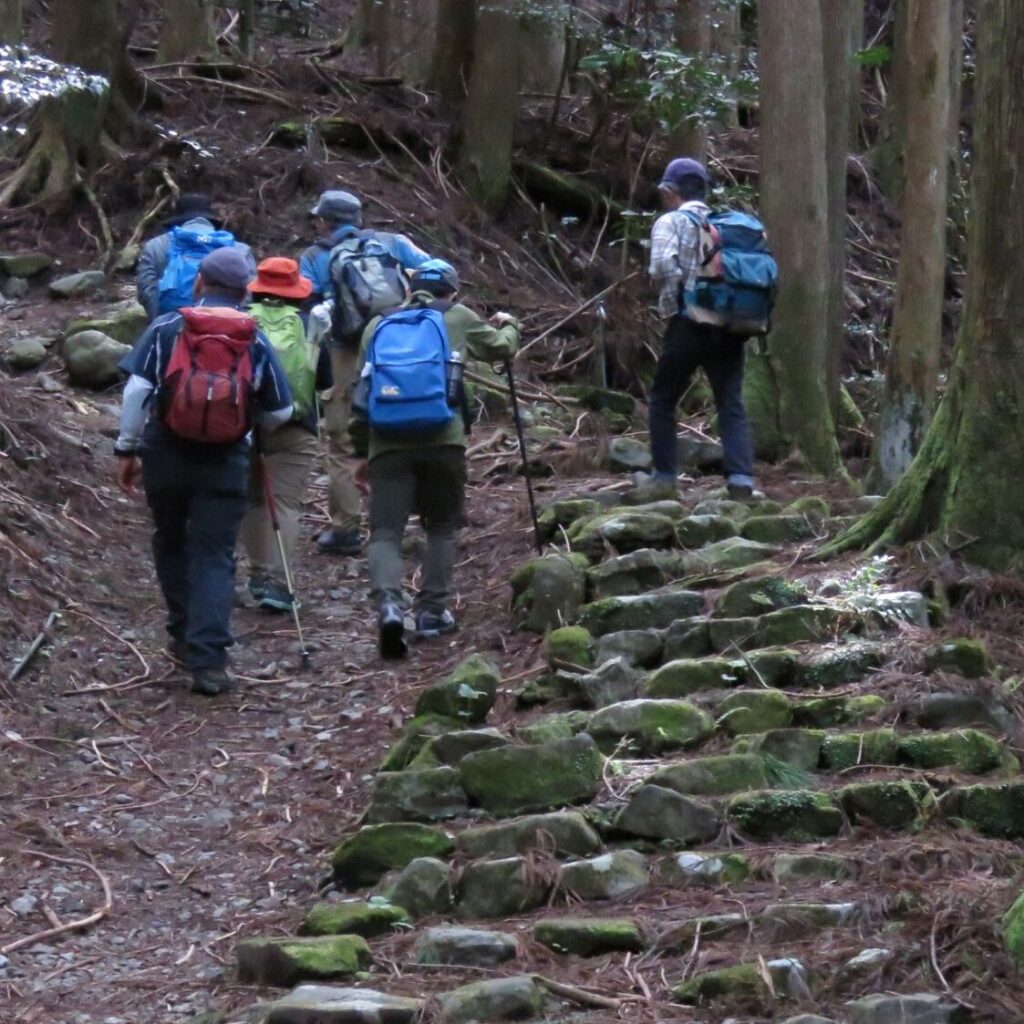
Most travel guides focus on routes and logistics, but understanding the Kumano Kodo requires a different perspective.
When you begin to see the relationship between villages and the road, the role of local communities in supporting pilgrims, the transformation from ancient trail to modern road, and the connection between food, culture, and movement, the experience changes.
You are no longer just walking—you are reading the landscape.
Walking Options: From Half-Day to Multi-Day Journeys
There is no single way to walk the Kumano Kodo.
Popular approaches include:
- Half-day walks (ideal for first-time visitors)
- 2–3 day highlights on the Nakahechi Route
- Multi-day treks connecting multiple sections
- Coastal exploration along the Kiiji Road
👉 For travelers interested in culture and daily life, the Kii Road offers a particularly unique perspective.
Suggested Itineraries
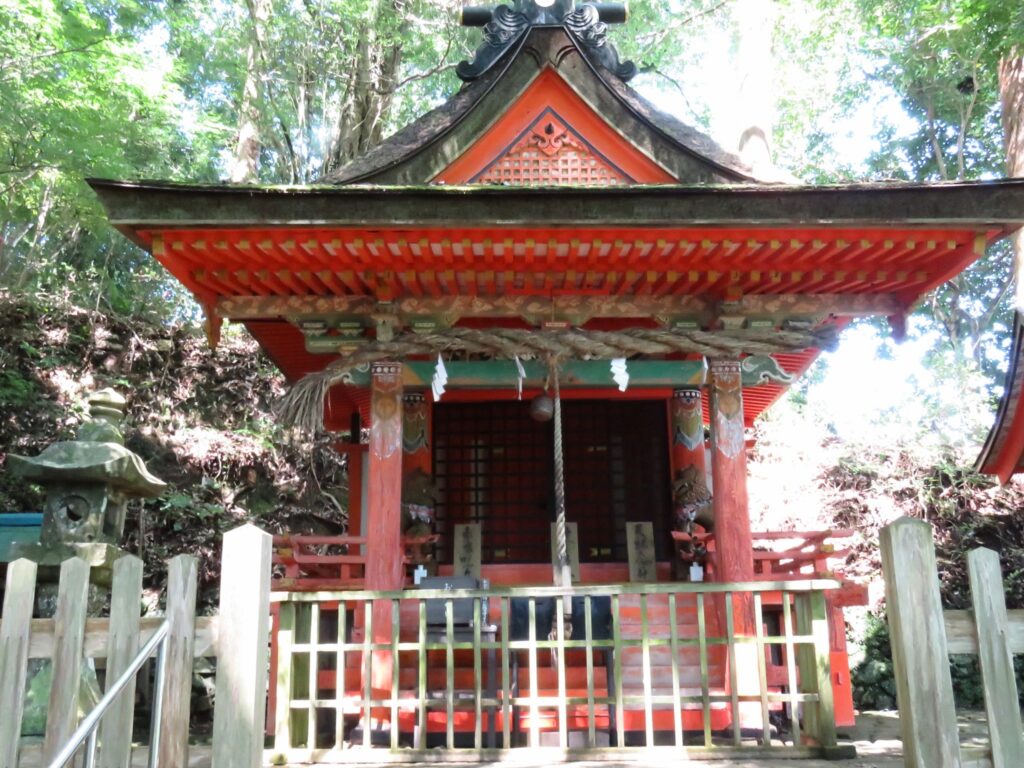
To help you plan your journey, here are a few starting points:
1-Day Experience (Cultural Focus)
- Walking from Hosshinmon-oji in Nakahechi to Kumano Hongu Taisha (about 7km)
- Walk along Daimonzaka on the Nakahechi Trail and visit Kumano Nachi Taisha, Nachi Falls, and Seigando-ji Temple (about 1.4km)
- Walk a section of the Kiiji Road
2–3 Day Journey (Classic Kumano)
- Walk key sections of the Nakahechi Route
- Stay in local guesthouses
- Visit Kumano Sanzan
Extended Stay (Recommended)
- Combine Kumano Kodo walking with time in surrounding towns
- Experience local industries, food, and daily life
- Experience farm stays and agricultural activities near the Kumano Kodo
👉 See more:
A Deeper Experience: Walking with a Local Guide
While it is possible to walk the Kumano Kodo independently, much of its meaning is not immediately visible.
Walking with a guide allows you to discover hidden historical traces, understand the stories behind the landscape, connect the trail with local culture and industries, and experience the Kumano Kodo beyond its surface.
This is especially true in areas like the Kii Road, where history and modern life continue to overlap and shape the experience of the route today. overlap.
Extend Your Journey Beyond the Trail
The Kumano Kodo does not exist in isolation.
Nearby areas such as Yuasa offer insight into the broader cultural landscape of Wakayama, including traditional fermentation and food production.
By extending your stay, you begin to see how the Kumano Kodo fits into a much larger story.
Plan Your Kumano Kodo Experience
If you are looking for more than just a walk—
if you want to experience the Kumano Kodo as a living tradition—
we offer:
Custom Kumano Kodo Experiences
- Tailored routes based on your interests and time
- Cultural-focused walking (not just hiking)
- Integration with local food and town experiences
Multi-Day and Residency-Style Stays
- Slow travel programs based in Wakayama
- Combining walking, food, and local life
- Designed around the concept of “rhythm of life”
👉 Start planning your journey:
Final Thoughts
The Kumano Kodo is not just a path to sacred places.
It is a road shaped by:
- Movement
- Survival
- Community
- And continuity
To walk it is to step into a rhythm that has never truly stopped.
Related Posts
- How Difficult Is the Kumano Kodo?
- Kumano Kodo Self-Guided vs Guided: Which Is Better for You?
- Hidden Hiking Spots in Wakayama (Beyond Kumano Kodo)
No responses yet