
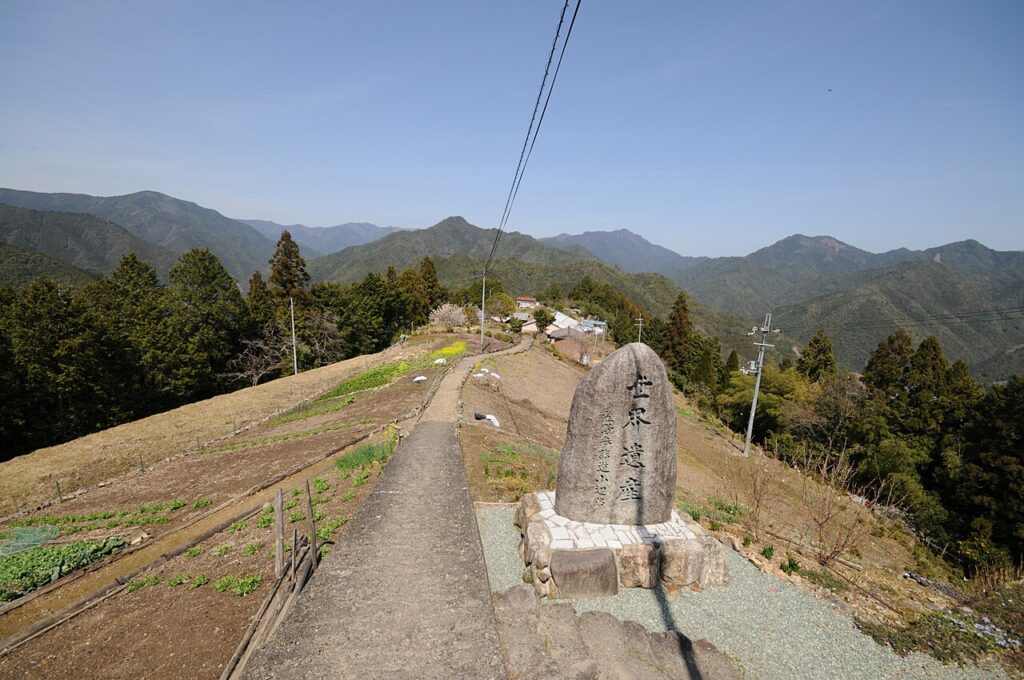
Koyasan and Kumano are often introduced as separate destinations.
But in reality, they are part of something much larger:
A sacred network across the Kii Mountains, where different spiritual traditions intersect and coexist.
This network is recognized as the UNESCO World Heritage site:
👉 Sacred Sites and Pilgrimage Routes in the Kii Mountain Range
At its core are three major spiritual centers:
- Koyasan
- Kumano Sanzan
- Yoshino and Omine
Three Sacred Traditions, One Landscape
1. Koyasan
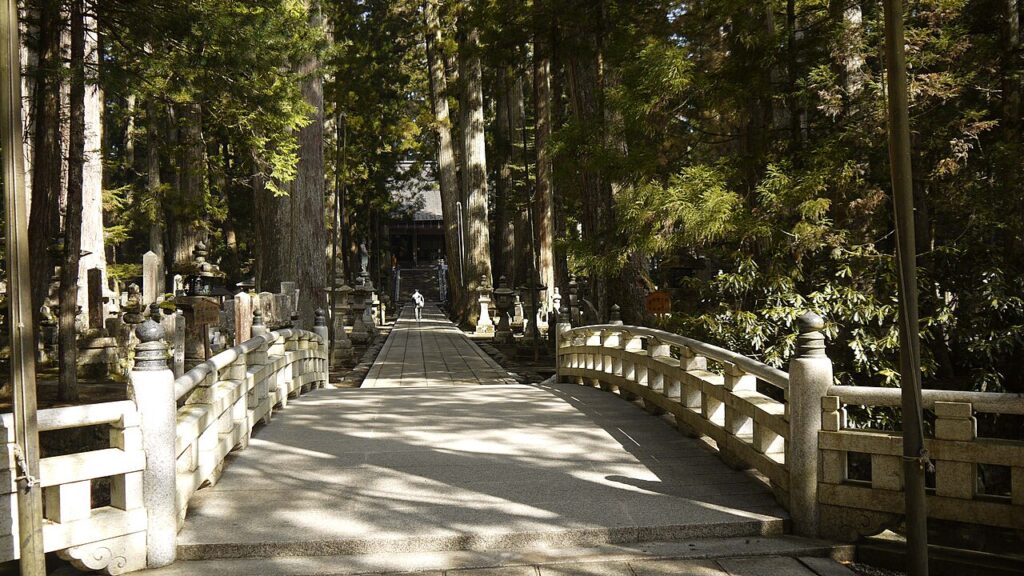
The World of Esoteric Buddhism
Founded by Kukai, Koyasan represents:
- A structured spiritual universe
- A mandala expressed through architecture
- A place of study, ritual, and doctrine
👉 Here, the sacred is designed and conceptualized.
2. Kumano Sanzan
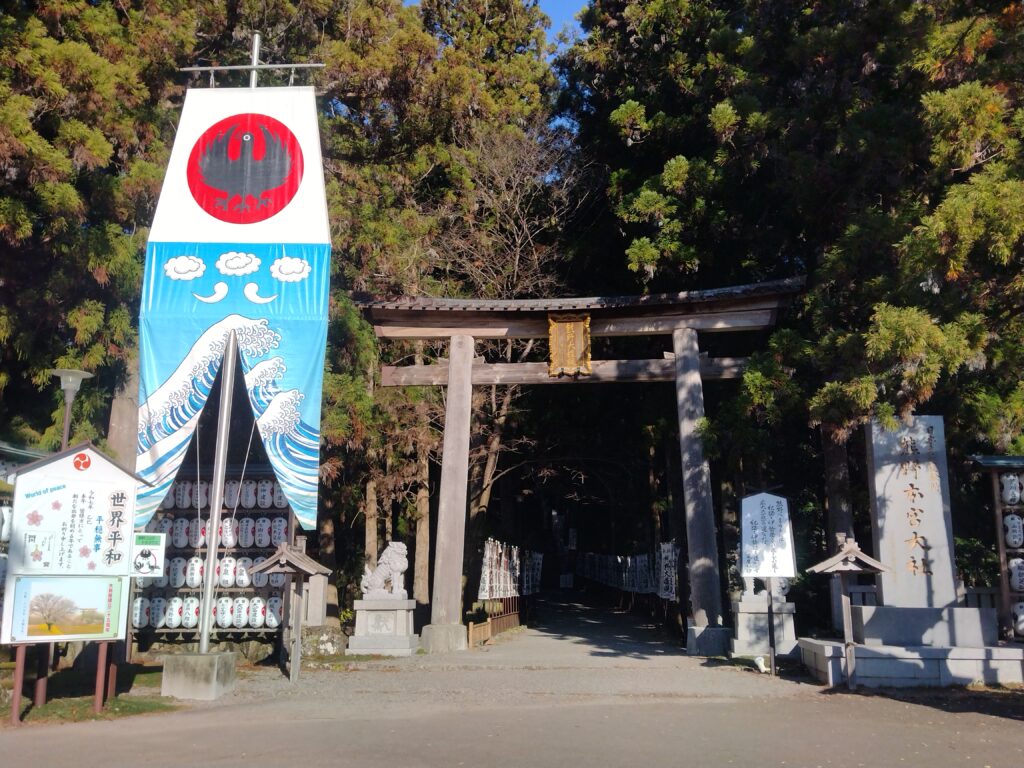
The World of Nature Worship
The Kumano region centers on:
- Kumano Hongu Taisha
- Kumano Nachi Taisha
- Kumano Hayatama Taisha
This is a different kind of sacred space:
- Rooted in ancient nature worship
- Focused on waterfalls, forests, and mountains
- Later integrated with Buddhism
👉 Here, the sacred is experienced directly through nature.
3. Yoshino and Omine
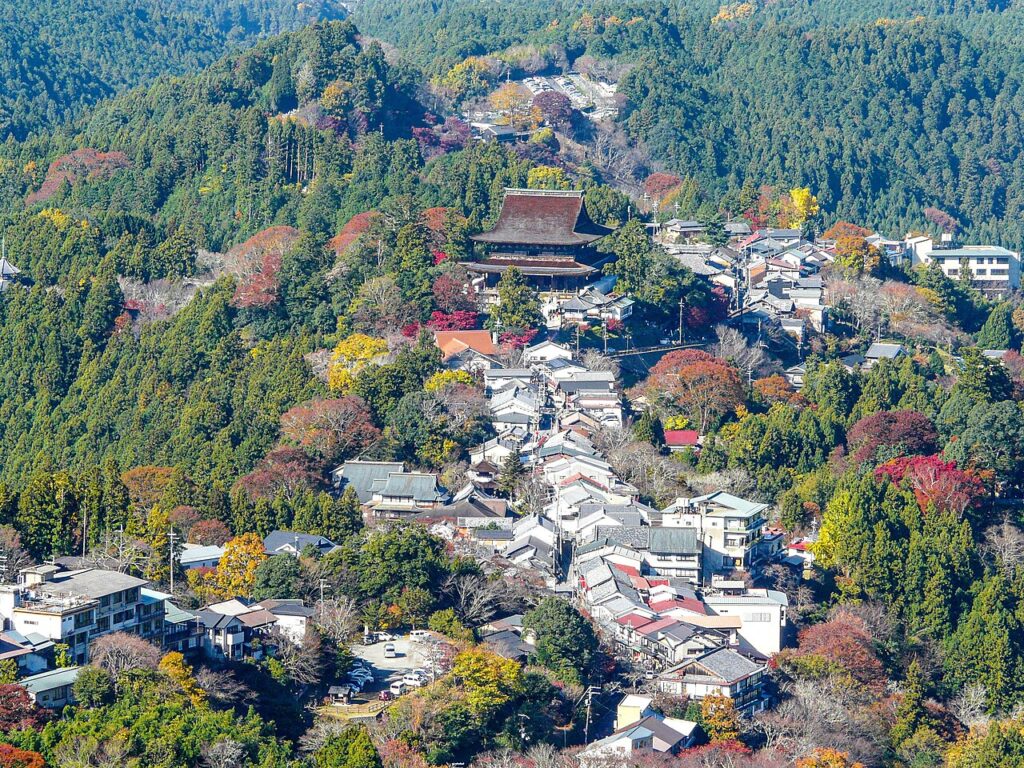
The World of Shugendo (Mountain Asceticism)
Yoshino and Omine form the heart of Shugendo, a syncretic mountain religion.
- Practiced by ascetics known as yamabushi
- Emphasizes endurance, austerity, and direct experience
- Uses mountains as a place of transformation
👉 Here, the sacred is tested through the body.
The Routes That Connect Them
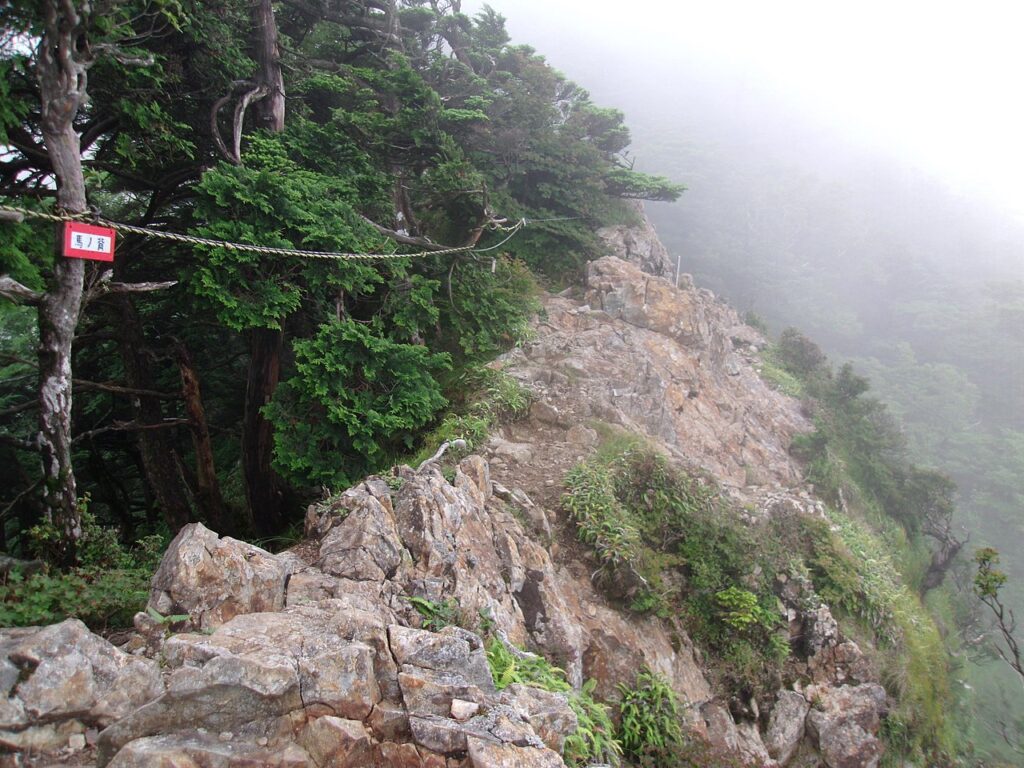
These three centers are not isolated.
They are linked by pilgrimage routes across the mountains by Kumano Kodo
- Omine Okugake michi
- Kohechi Route
Among them, the Kohechi Route is especially significant:
- Directly connects Koyasan and Kumano
- Crosses high mountain passes
- Historically used by ascetics and serious pilgrims
👉 These routes turn the entire region into one continuous sacred landscape.
Then and Now: From Pilgrimage to Accessibility
Traditional Experience
- Multi-day journeys on foot
- Physical hardship as spiritual practice
- Deep immersion in the mountains
Today’s Travel
Today, access is much easier:
- The “Koyasan–Kumano World Heritage Pilgrimage Bus” connects key areas
- Travel time is significantly reduced
- Flexible itineraries are possible
👉 You can now explore the connections, not just the destinations.
Why This Matters
Most itineraries focus on individual locations.
But when you see the full picture, you realize:
- Koyasan is not isolated Buddhism
- Kumano is not just nature worship
- Yoshino/Omine is not just ascetic training
👉 They are interconnected expressions of spirituality, developed in the same landscape.
How to Experience This Sacred Network
Option 1: Koyasan + Kumano (Core Route)
- Explore both centers
- Travel via pilgrimage bus or partial walking
- Include sections of Kohechi
Option 2: Add Yoshino & Omine (Advanced)
- Extend into Shugendo territory
- Experience a different dimension of spirituality
- More physically and logistically demanding
Option 3: Curated Multi-Day Journey (Recommended)
- Combine Koyasan, Kumano, and (optionally) Yoshino
- Balance walking, transport, and interpretation
- Focus on meaning rather than just movement
Recommended Experience
👉 Kii Mountain Sacred Journey (Private)
- Duration: 3–5 days
- Includes: Koyasan, Kumano, Kohechi (+ optional Yoshino/Omine)
- Option: pilgrimage bus integration
- Focus: Spiritual diversity and connection
Plan Your Journey
👉 Start planning your custom pilgrimage experience
Final Thought
Individually, Koyasan, Kumano, and Yoshino/Omine are powerful.
But together, they reveal something much greater:
👉 A living sacred network where philosophy, nature, and human endurance meet—
and where the journey itself becomes the meaning.
Learn More About Hiking in Wakayama
- Walking Choishi-michi: Following the Pilgrims to Koyasan
- World Heritage Pilgrimage to Koyasan: From Human Prayer to Sacred Realization
No responses yet