
Exploring the Deep Food Culture of the Kii Peninsula
When travelers think about food in Japan, they often imagine sushi, ramen, or famous restaurants in Tokyo and Kyoto.
But in southern Wakayama, food tells a different story.
Here, flavor is shaped slowly:
- Through fermentation
- Through preservation
- Through seasonal rhythms
- Through generations of local knowledge
This is not simply a food tour.
It is a journey through the relationship between time, taste, and landscape.
Welcome to the Kii Peninsula’s world of fermentation culture.
Why Wakayama Is One of Japan’s Hidden Gastronomy Destinations
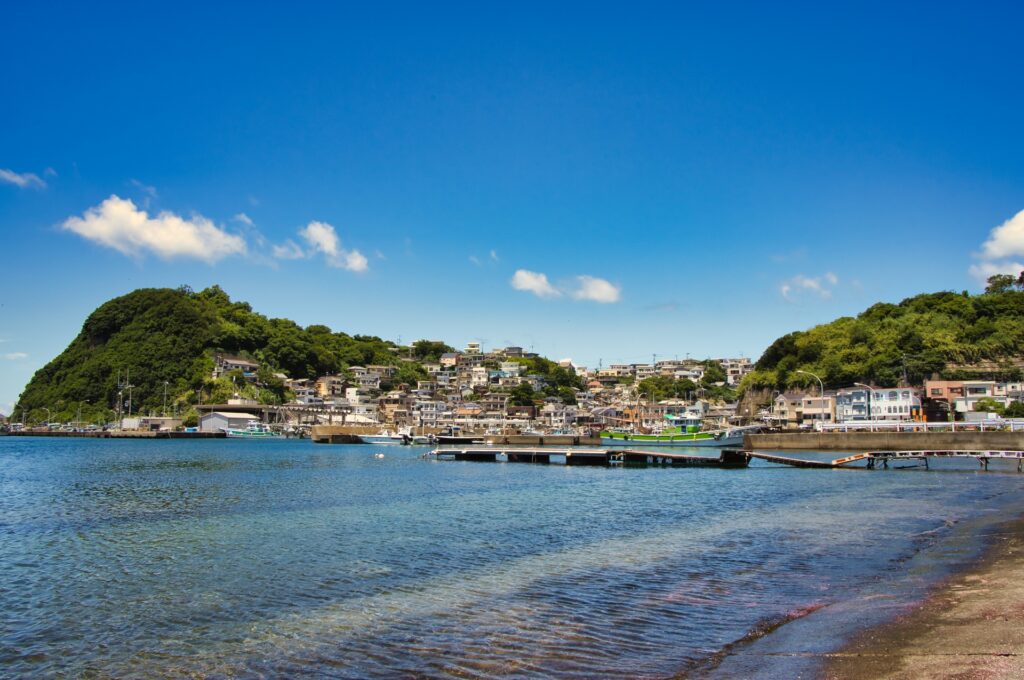
Unlike regions known for luxury dining alone, Wakayama’s food culture is deeply connected to everyday life.
The region combines:
- Mountain traditions
- Coastal fishing culture
- Ancient pilgrimage routes
- Fruit cultivation
- Fermentation techniques developed over centuries
This creates a rare culinary landscape where food is not isolated from culture—it is part of it.
From the birthplace of soy sauce to Japan’s famous plum-growing regions, the Kii Peninsula offers one of the richest slow food traditions in the country.
The Birthplace of Japanese Soy Sauce
Yuasa
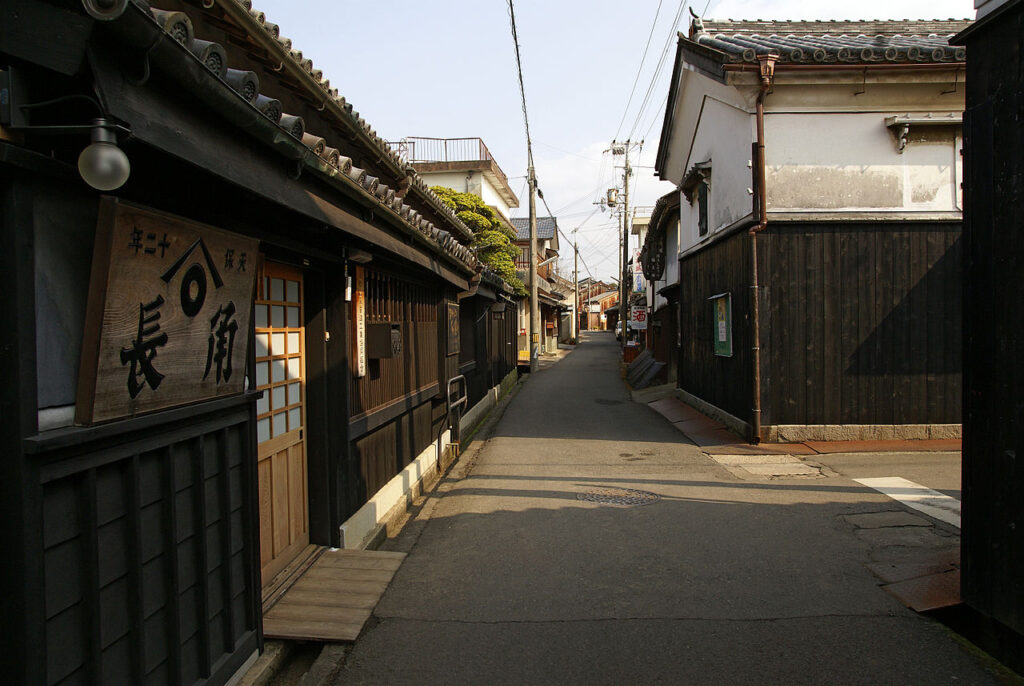
The historic town of Yuasa is widely recognized as the birthplace of Japanese soy sauce.
Walking through the town, you notice it immediately:
- The scent of fermentation drifting through narrow streets
- Wooden buildings darkened by time
- Breweries still using traditional methods
Here, shoyu is not treated as a simple seasoning.
It is understood as a living product shaped by microorganisms, climate, wood, and patience.
Visitors can experience:
- Traditional shoyu soy sauce breweries
- Tasting sessions comparing different fermentation styles
- Local dishes paired with freshly brewed shoyu
- Historic streets connected to Japan’s food history
This is a place where flavor develops slowly—and where that slowness is valued.
Ume Culture and the Art of Preservation
Minabe & Tanabe
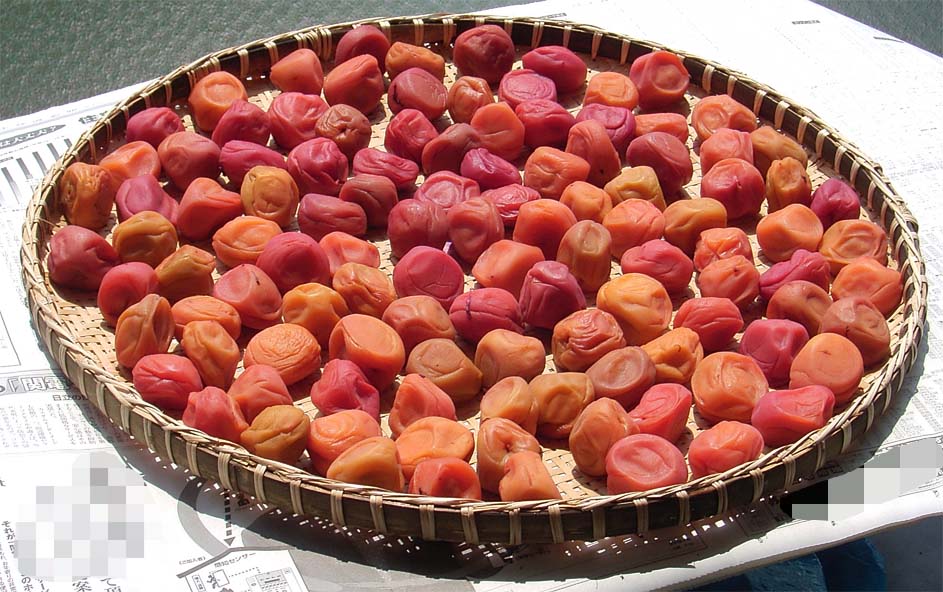
Southern Wakayama is home to Japan’s most famous plum-producing region.
But ume culture here is far more complex than many visitors expect.
For centuries, local communities developed ways to preserve fruit through:
- Salt
- Sunlight
- Fermentation
- Aging
This gave rise to:
- Umeboshi (pickled plums)
- Premium umeshu
- Plum extracts and sauces
- Seasonal preservation techniques
Today, bartenders, chefs, and sommeliers around the world are increasingly interested in premium Japanese ume products because of their depth and versatility.
Depending on aging and production style, umeshu can reveal:
- Bright acidity
- Stone-fruit aromas
- Gentle bitterness
- Oxidative notes similar to aged wine
Rather than simply “sweet plum wine,” it becomes a reflection of craftsmanship and time itself.
Explore umeshu world: Umeshu & Pairing Experience in Wakayama
Narezushi: One of Japan’s Oldest Fermented Foods
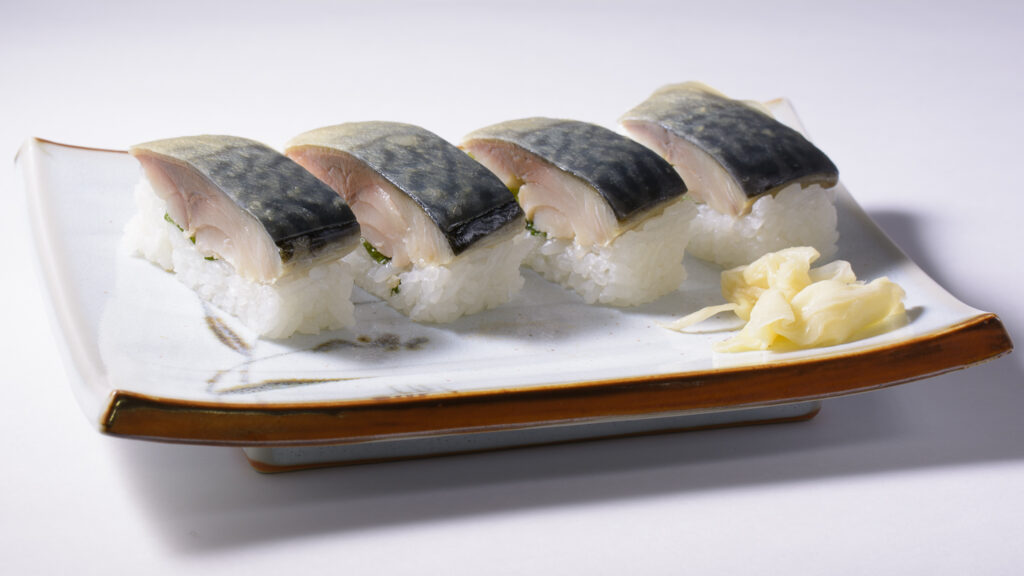
Long before modern sushi existed, Japan developed fermented fish preservation techniques known as narezushi.
In parts of Wakayama and the Kii Peninsula, these traditions still survive.
For many travelers, the flavor can be surprising at first:
- Deep umami
- Acidity
- Complexity created through fermentation
But beyond taste, narezushi reveals something important about life in this region:
Food was historically shaped by necessity, climate, and long-distance movement along pilgrimage and coastal trade routes.
It is one of the clearest examples of how fermentation became part of everyday survival—and eventually culture.
Dining Through Craft
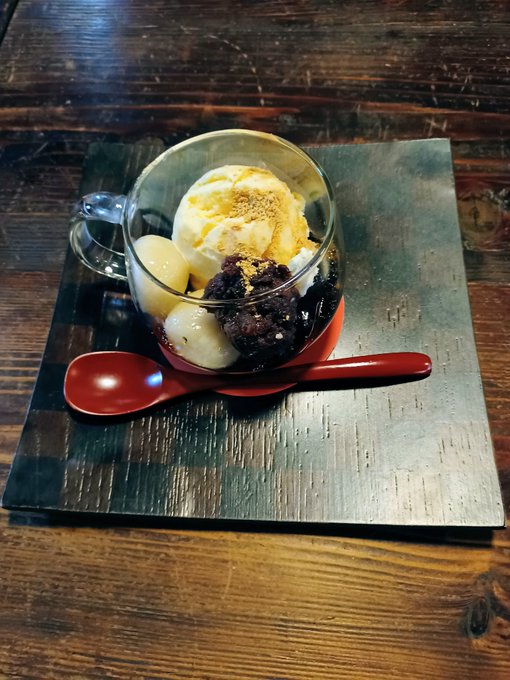
Food Served with Kuroe Lacquerware
Food in Wakayama is not only about ingredients.
It is also about:
- Texture
- Presentation
- Temperature
- The feeling of holding a bowl or tray
In Kuroe, lacquerware has been produced for centuries as functional tableware for everyday life.
Unlike purely decorative crafts, Kuroe lacquerware evolved through use.
This creates a dining experience that feels:
- Warm
- Quiet
- Human-scaled
- Deeply connected to Japanese hospitality
Experiencing local food through local tableware changes not only how meals look—but how they feel.
Sacred Simplicity, Shojin Ryori and the Philosophy of Food
Koyasan
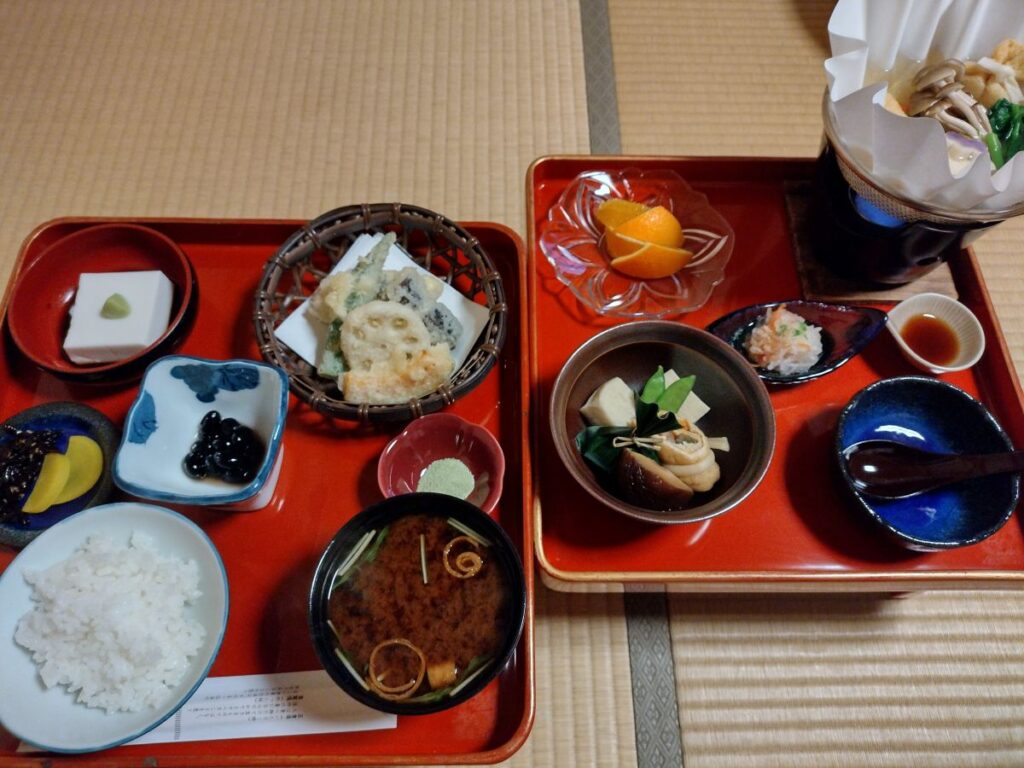
Deep in the mountains of Koyasan, food takes on a different meaning.
For more than 1,200 years, this sacred Buddhist center has developed a culinary tradition known as shojin ryori—Buddhist vegetarian cuisine shaped by discipline, balance, and mindfulness.
Unlike modern fine dining, shojin ryori focuses not on luxury ingredients, but on:
- Seasonality
- Simplicity
- Texture
- Natural flavor
- Respect for life
Meals are carefully constructed using mountain vegetables, tofu, sesame, seaweed, and local ingredients prepared with remarkable precision.
One of the most iconic foods of Koyasan is goma dofu (sesame tofu).
Despite its name, it is not made from soybeans.
Instead, it is created from:
- Ground sesame
- Kudzu starch
- Water
The result is surprisingly rich and smooth, with a texture closer to fine custard than tofu.
Served in temple lodgings throughout Koyasan, goma dofu reflects the deeper philosophy of the region:
- Patience over speed
- Balance over excess
- Quiet refinement over spectacle
In many ways, it represents the same idea found throughout Wakayama’s food culture:
👉 Time transforms simplicity into depth.
Dining Like a Daimyo
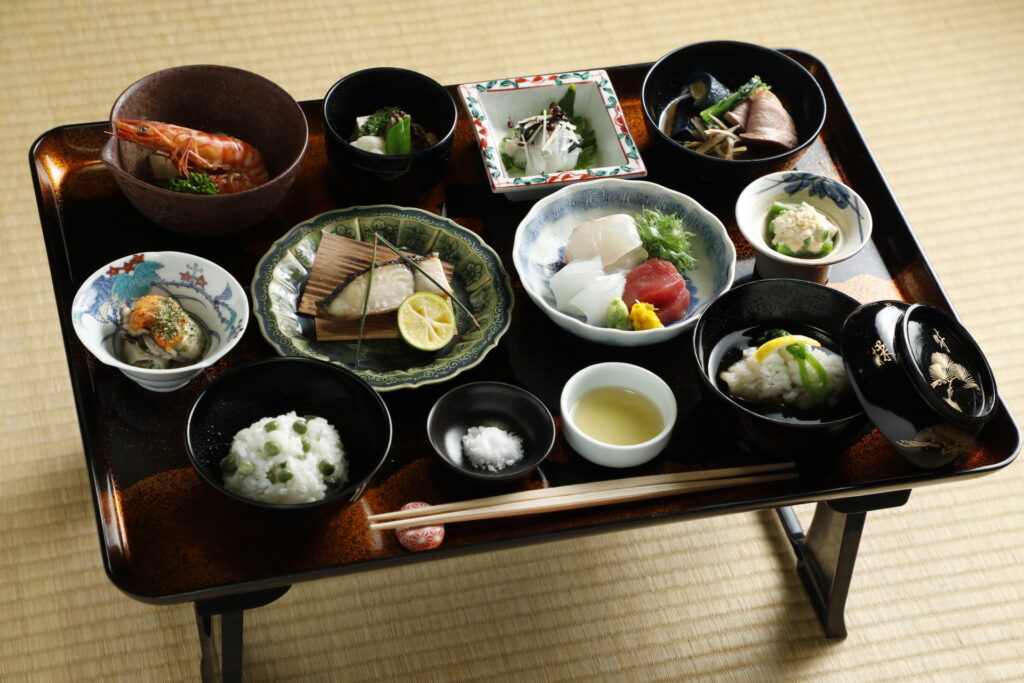
A Culinary Experience Inspired by the Lords of Wakayama Castle
In the castle town surrounding Wakayama Castle, food was once closely connected to status, ceremony, and hospitality.
During the Edo period, the powerful Kishu Tokugawa family ruled this region as one of Japan’s most influential samurai clans.
Meals prepared for the lord of Wakayama were not simply about luxury—they reflected:
- Seasonal awareness
- Political prestige
- Regional ingredients
- The aesthetics of presentation
Today, travelers can experience a modern interpretation of this culinary tradition through carefully prepared multi-course meals inspired by historical daimyo cuisine.
👉 Plan your Wakayama Castle Dining as a Daimyo Tour (you can enjoy if you are not cruse ship tourists)
A Different Way to Experience Japan
Many food tours focus on quantity:
- Multiple restaurants
- Fast-paced tasting
- Famous dishes
This journey focuses on something else:
👉 Understanding why these flavors exist.
Through fermentation, preservation, and regional craftsmanship, Wakayama reveals a side of Japan where food is deeply connected to landscape and time.
For travelers interested in:
- Gastronomy
- Fermentation culture
- Craftsmanship
- Slow travel
- Local life beyond major cities
the Kii Peninsula offers one of Japan’s most meaningful culinary journeys.
Experience a Custom Fermentation Journey in Wakayama
Whether you are interested in:
- Shoyu soy sauce culture
- Umeshu and pairing experiences
- Coastal cuisine
- Traditional preservation methods
- Craft dining experiences
- Gastronomy-focused travel
we can create a private journey tailored to your interests and pace.
👉 Custamise your private trips in Wakayama through taste, time, and living culture.
No responses yet