
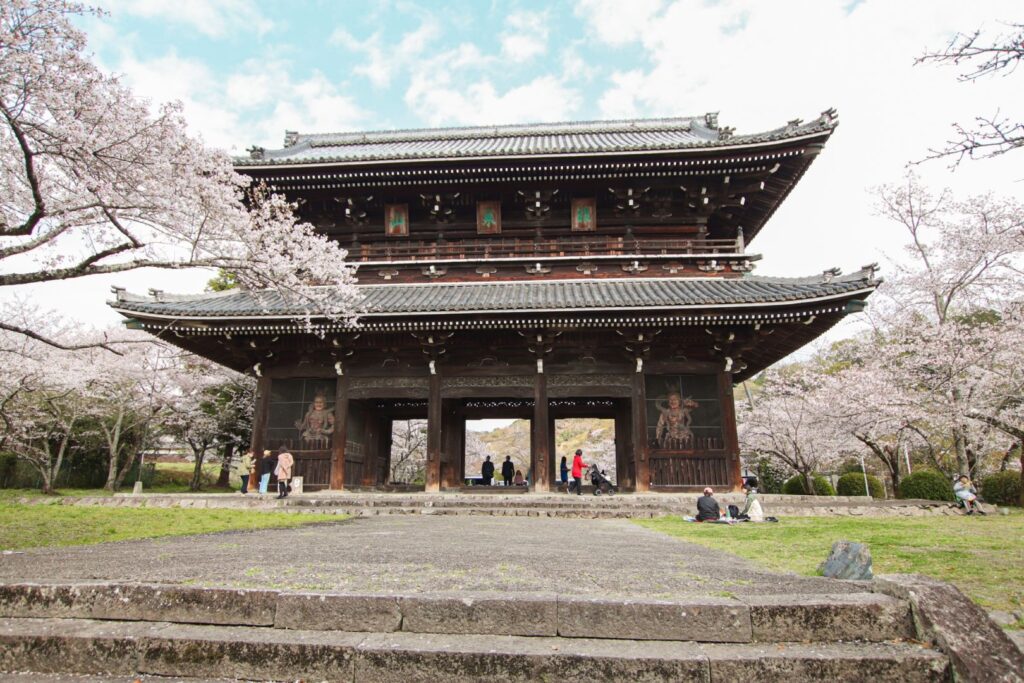
Discovering the Forgotten Religious World Between Osaka, Koyasan, and Kumano
Many travelers visiting Japan know famous spiritual destinations such as:
- Koyasan
- Kumano Kodo
- Kyoto’s Zen temples
But few realize that beyond the urban edge of Osaka lies another religious landscape:
A quieter world of forgotten temple networks, pilgrimage roads, farming villages, rivers, and mountain culture.
In parts of Wakayama Prefecture, sacred geography still survives not only in famous landmarks, but also in the atmosphere of ordinary places:
- Temple towns
- Rural valleys
- Old roads
- River basins
- Villages shaped by pilgrimage and seasonal life
These hidden landscapes reveal a side of Japan that existed between the great sacred centers—a world many travelers pass without ever noticing.
One Hour from Osaka, the Atmosphere Changes
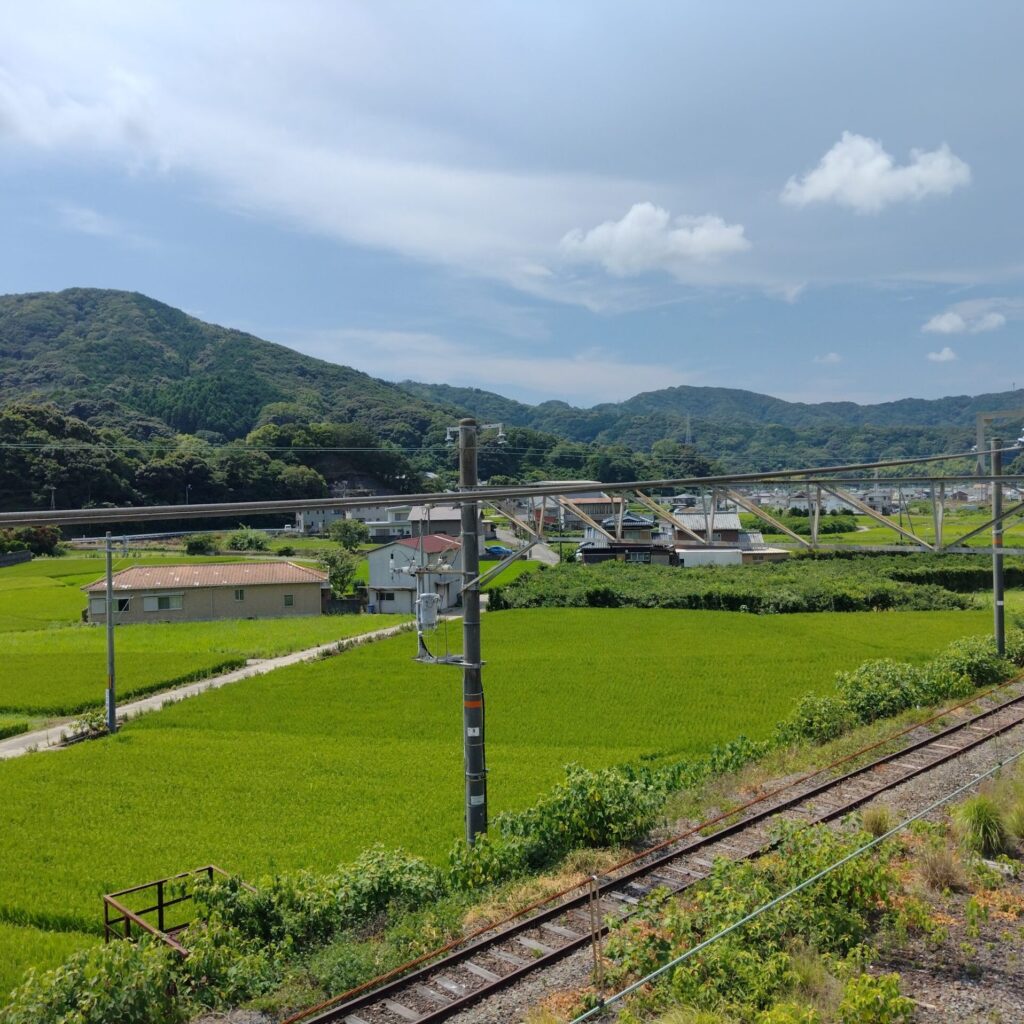
One of the most fascinating aspects of Wakayama is how quickly the atmosphere changes after leaving Osaka.
The dense urban landscape gradually gives way to:
- River plains
- Orchards
- Temple gates
- Forested hills
- Quiet agricultural communities
This transition is important.
Historically, the area between Osaka and the southern Kii Peninsula was not empty countryside.
It was part of a vast cultural network connecting:
- Mountain religion
- Pilgrimage routes
- Medieval temple cities
- Coastal trade
- Farming communities
Rather than isolated sacred sites, the region once functioned as an interconnected spiritual landscape.
Related Post:
Osaka/Kyoto Alternatives: Why Wakayama?
Beyond Koyasan
The Forgotten Buddhist Cities of Wakayama
Many visitors experience Koyasan as a quiet mountain sanctuary.
But medieval Japanese Buddhism was also dynamic, political, intellectual, and deeply connected to everyday society.
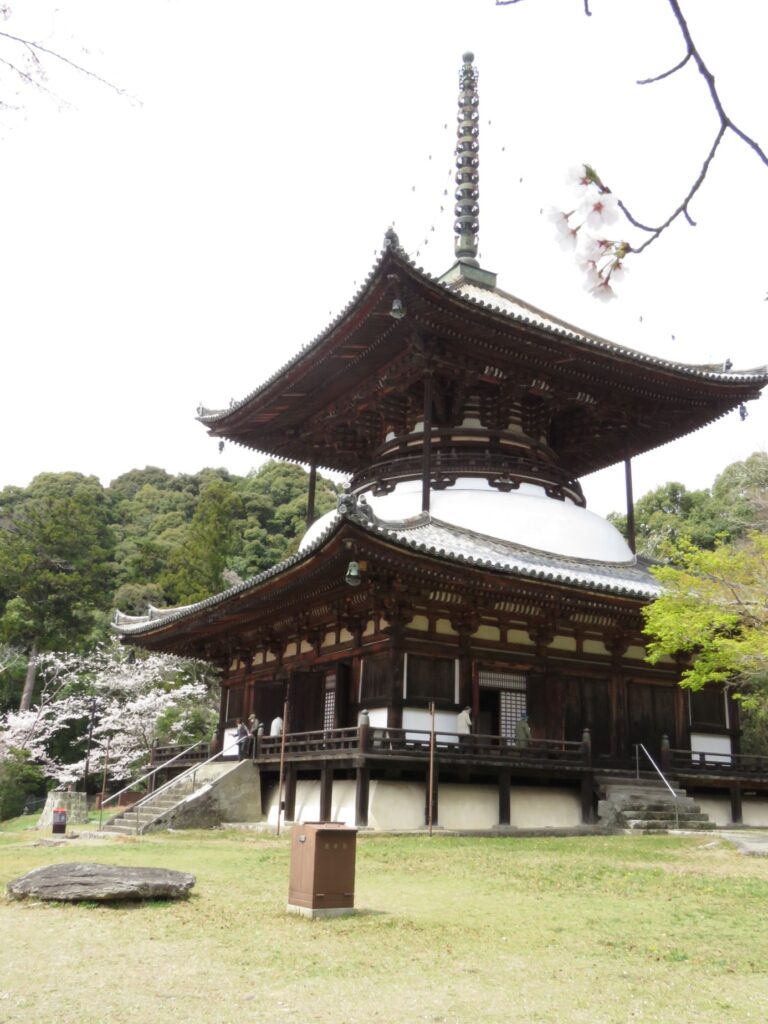
One of the clearest examples is Negoro Temple.
Originally connected to reform movements within Shingon Buddhism, Negoro developed into a major religious city:
- A center of learning
- A powerful temple complex
- A community tied to trade and regional networks
- A place connected to armed monk culture during the medieval era
Rather than a remote spiritual retreat, Negoro reveals how religion, politics, knowledge, and movement overlapped in medieval Japan.
For travelers familiar only with Kyoto temples or modern images of Zen, this can feel surprisingly different:
A sacred landscape shaped by conflict, mobility, and large-scale social organization.
Related Post:
From Sacred Mountains to Lacquerware Towns
Rivers, Pilgrims, and Agricultural Landscapes
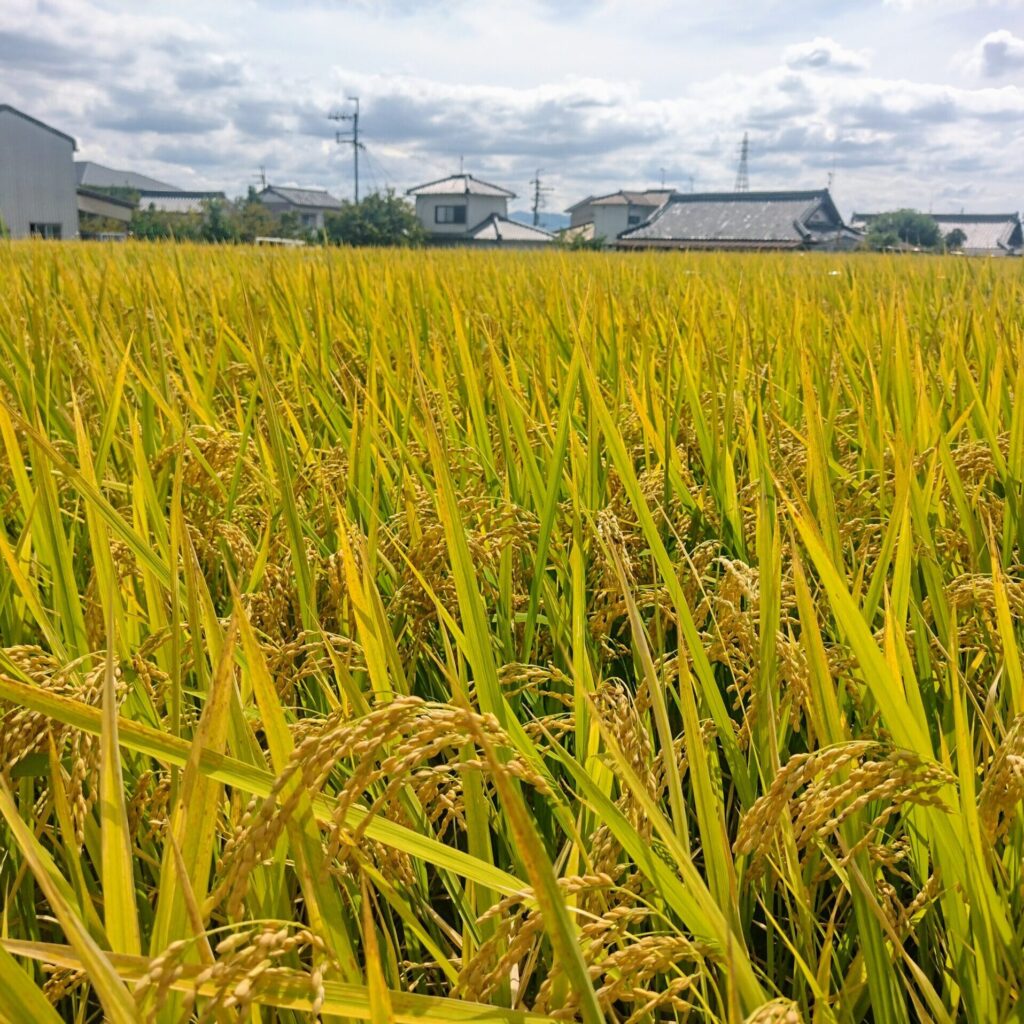
The sacred geography of Wakayama was closely tied to rivers and agriculture.
The Kinokawa River basin connected:
- Mountain regions
- Temple settlements
- Farming villages
- Coastal areas
Pilgrims moving toward Kumano or mountain temples depended on these communities for:
- Food
- Roads
- River transport
- Seasonal labor networks
This relationship between religion and everyday life is still visible in the landscape today:
Fruit orchards beside temple roads.
Small shrines near farming villages.
Old paths continuing through residential areas.
In Wakayama, sacred space was never fully separated from ordinary life.
The Softer Spirituality of Kokawadera
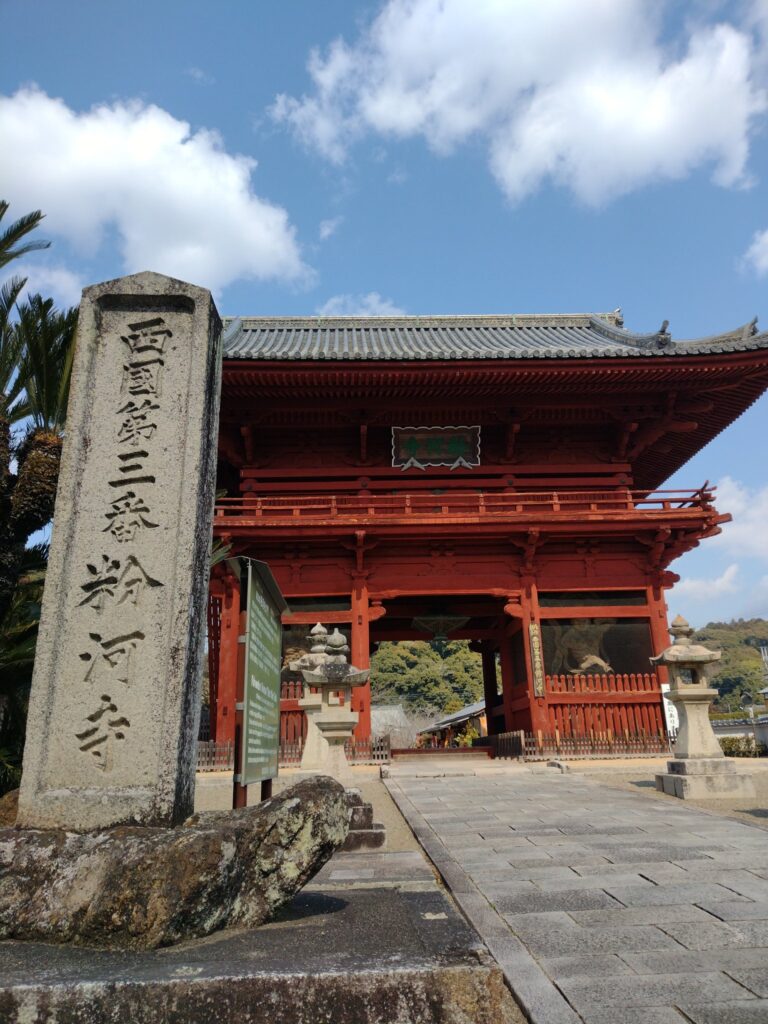
Kokawa Temple offers another layer of this hidden world.
Where Negoro reflects intellectual and institutional power, Kokawadera preserves a more accessible and human atmosphere connected to:
- Kannon worship
- Pilgrimage traditions
- Local faith practices
- Rural town life
Unlike heavily touristed temple destinations, the atmosphere here often feels quieter and more continuous with everyday local culture.
Visitors may encounter:
- Elderly worshippers arriving casually
- Seasonal market activity
- Agricultural scenery surrounding temple roads
- Small shops continuing long local traditions
This softer rhythm is part of what makes Wakayama spiritually distinctive.
The sacred landscape is not isolated from life around it.
It remains woven into ordinary time.
Related Post:
Fruit, Faith and Pilgrimage in Wakayama
Between Osaka and Kumano
Many travelers think of:
- Koyasan
and - Kumano
as separate destinations.
But historically, the entire Kii Peninsula formed a connected religious world.
Between the famous sacred centers existed:
- Temple cities
- Pilgrimage roads
- Rural support communities
- Mountain ascetics
- River transport networks
- Coastal settlements tied to trade and faith
Understanding these “in-between landscapes” reveals a much deeper picture of Japan’s spiritual history.
And for many travelers, these quieter areas become more memorable precisely because they are not overwhelmed by tourism.
Related Post:
Koyasan & Kumano: The Sacred Network of the Kii Mountains
Why These Landscapes Matter Today
Modern travel often focuses on famous landmarks and efficiency.
But hidden sacred landscapes invite a different experience:
- Slower movement
- Observation of changing geography
- Attention to atmosphere
- Connections between nature, belief, and daily life
In Wakayama, the journey itself becomes meaningful.
Travelers begin noticing:
- How mountains shape settlement
- How rivers organize movement
- How temples relate to farming communities
- How local culture changes gradually across the landscape
This layered experience is difficult to find in major tourist cities alone.
Explore the Hidden Spiritual Landscapes of Wakayama
Private cultural experiences in Wakayama can explore:
- Negoro Temple
- Kokawa Temple
- Historic pilgrimage roads
- Rural temple landscapes
- Traditional towns and orchards
- Sacred geography of the Kii Peninsula
- Slow travel beyond Osaka and Kyoto
These journeys are designed not only around famous sites, but around the relationships between:
- Religion and landscape
- Movement and settlement
- Sacred space and ordinary life
For travelers seeking a deeper understanding of Japan beyond major tourist routes, Wakayama offers one of the country’s most quietly fascinating cultural landscapes.
→Plan your custom journey along Kinokawa River.
No responses yet