
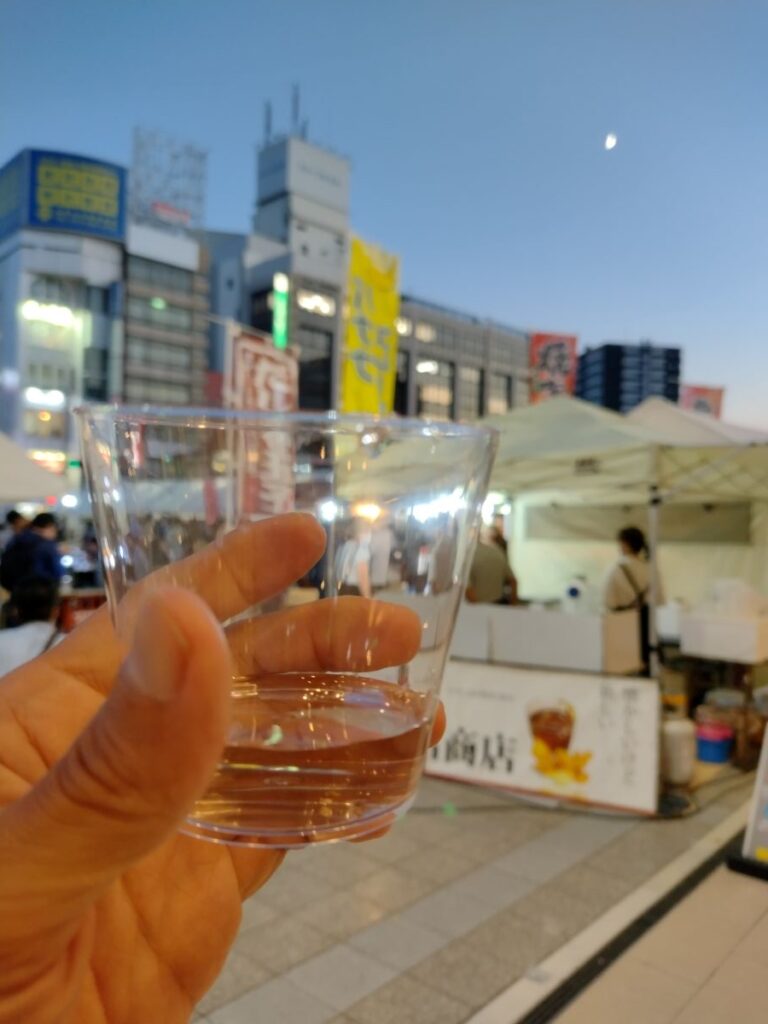
Discover Japan’s Plum Wine Culture in the Country’s Leading Ume Region
When people think of Japanese alcoholic drinks, sake often comes to mind first.
But there is another drink that has become increasingly popular among visitors to Japan—umeshu, Japanese plum wine.
Sweet, fragrant, and approachable even for those who are not regular sake drinkers, umeshu offers a different gateway into Japanese food culture.
And there is no better place to explore it than Wakayama Prefecture.
As Japan’s largest producer of ume plums, Wakayama is home to the famous Nanko-ume, a variety prized for its rich aroma, soft flesh, and balanced acidity. For generations, local farmers and producers have transformed these plums into a remarkable diversity of umeshu styles.
Today, visitors can experience much more than a single sweet drink. They can discover a culture shaped by agriculture, fermentation, craftsmanship, and the changing seasons.
Why Wakayama Is Famous for Umeshu
The history of ume cultivation in Wakayama dates back centuries, but the region’s reputation grew dramatically through the development of Nanko-ume in such as Minabe and Tanabe.
The warm climate, abundant sunshine, and well-drained hillsides of southern Wakayama create ideal conditions for growing premium plums.
As a result, Wakayama now produces more ume than any other prefecture in Japan.
This agricultural foundation gave rise to one of Japan’s richest umeshu cultures.
Unlike mass-produced products, many local producers experiment with different techniques and ingredients, creating unique expressions of plum wine.
Additionally, plum wine made from plums grown in Wakayama Prefecture that meets established production and quality standards is certified under the “Wakayama Umeshu” Geographical Indication (GI).
More Than One Type of Umeshu
Many first-time visitors are surprised to discover that umeshu is not a single style.
In Wakayama, you may encounter:
- Traditional umeshu made with white liquor
- Sake-based umeshu with softer aromas
- Brandy-based umeshu with deeper richness
- Aged umeshu with complex flavors
- Nigori-style cloudy umeshu
- Premium small-batch varieties
Each producer creates its own character, making tasting flights particularly enjoyable.
Even people who normally do not drink sake often find a style they love.
Visit Local Breweries and Distilleries
Several producers in Wakayama offer tours, tastings, and opportunities to learn about the production process.
Depending on the location and season, visitors may experience:
- Guided tastings of multiple umeshu varieties
- Brewery tours introducing local fermentation techniques
- Pairings with regional foods
- Seasonal limited editions available only at the source
- Opportunities to compare umeshu and Japanese sake
Because many producers also make sake, shochu, or craft liqueurs, the experience often becomes an introduction to Japan’s broader drinking culture.
Nakano BC
Located in Kainan City—adjacent to Wakayama City—Nakano BC is the only umeshu (plum liqueur) brewery in Japan to employ a toji (master brewer). They produce “authentic umeshu” using Nanko-ume plums, a specialty of Wakayama Prefecture. Building on this base, they craft unique “cocktail-style umeshu” varieties infused with diverse flavors, such as mandarin orange and green tea. In addition to tasting their products, visitors can enjoy hands-on umeshu-making experiences and tour the Japanese garden.
Access: 15-minute walk from Kainan Station on the JR Kinokuni Line.
Kishu Umeboshi-kan
Minabe Town in Hidaka District is located in the southwestern part of Wakayama Prefecture, surrounded by the blue Pacific Ocean and green mountains. Situated in this peaceful, welcoming town is the Kishu Umeboshi-kan. True to its name, the facility produces and offers tours regarding umeboshi (pickled plums); however, it also sells umeshu made from high-quality Nanko plums and offers tasting opportunities.
Access: 20-minute walk from Minabe Station on the JR Kinokuni Line.
Umeshu Otanoshimi-dokoro Umeko
Located right near Kii-Tanabe Station—a gateway to the Nakahechi, Kumano Kodo—this shop offers an extensive selection of over 100 varieties, including non-alcoholic plum drinks. A tasting flight featuring three carefully selected types allows you to experience the depth of umeshu through your five senses, highlighting the unique nuances of each in terms of color, aroma, and flavor.
Access: 1-minute walk from JR Kii-Tanabe Station
Umeshu and Wakayama’s Food Culture
In Wakayama, umeshu is not merely enjoyed as a dessert drink.
Locals pair different styles with food throughout the meal.
For example:
- Seafood dishes with lighter umeshu styles
- Grilled meats with aged or brandy-based umeshu
- Cheese with mature plum wines
- Seasonal desserts with sweeter varieties
These combinations reveal how deeply ume is integrated into everyday life in Wakayama.
The experience becomes not only about drinking, but about understanding local taste and hospitality.
Beyond Alcohol: Understanding Wakayama Through Ume
The story of umeshu is ultimately the story of Wakayama itself.
Behind every glass are:
- Ume farmers who maintain the orchards
- Traditional knowledge passed through generations
- Local producers refining their craft
- The relationship between agriculture and cuisine
For travelers interested in Japanese culture beyond the major cities, an umeshu tasting experience offers something both enjoyable and meaningful.
It is a chance to discover Wakayama through one of its most beloved flavors.
A Different Side of Japan
Many visitors come to Wakayama for Kumano Kodo, Koyasan, or the coastline.
But taking time to experience the region’s umeshu culture reveals another side of Japan—one rooted in local ingredients, craftsmanship, and everyday traditions.
Sometimes, understanding a place begins with a single glass.
→Explore the ume culture in Wakayama through my Curated Kii Peninsula Journey
Or Slow Living Stay.
No responses yet