
A Three-Day Journey Through the Legacy of Japan’s Most Influential Samurai Family
More Than a Castle Tour
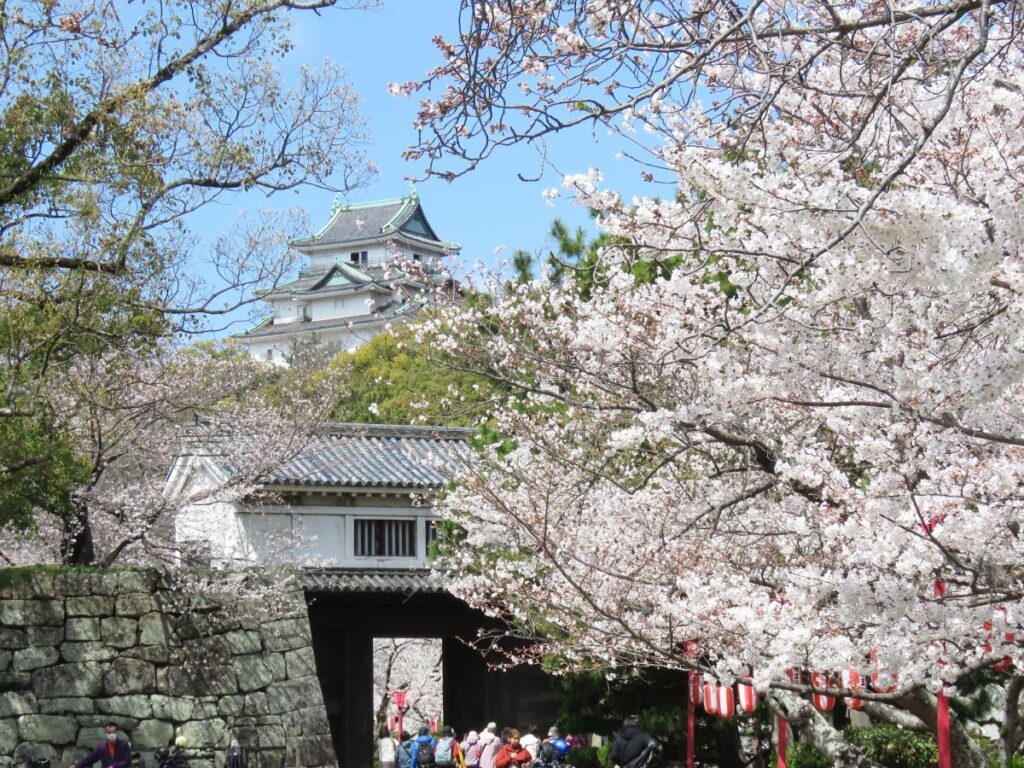
Most visitors know Wakayama for its beautiful castle or the scenic coastline of Wakaura. Fewer realize that this region was once the heart of one of Japan’s most powerful feudal domains.
The Kishu Tokugawa family was one of the three privileged branches of the Tokugawa clan. While many castles disappeared into history after the Meiji Restoration, the influence of the Kishu Tokugawa family continued far beyond Wakayama. Their greatest contribution to Japan came in the form of Tokugawa Yoshimune, the eighth shogun of the Edo period, whose political reforms reshaped the Tokugawa government.
This private journey is designed not simply to visit historical sites, but to understand how a samurai domain functioned—from politics and military culture to gardens, education, religion, commerce, and everyday urban life.
Over three days, you’ll walk through the streets where daimyo, retainers, merchants, scholars, and monks once lived, discovering how the Kishu Tokugawa domain shaped Wakayama into the city it is today.
Tour Highlights
- Explore Wakayama Castle and its elegant daimyo garden
- Discover the birthplace of Shogun Tokugawa Yoshimune
- Walk through the original castle town layout
- Visit the mausoleum of the Kishu Tokugawa family
- Learn about samurai education and administration
- Experience the cultural landscape of Wakaura
- Enjoy traditional Japanese sweets established during the Edo period
- Visit one of Wakayama’s finest daimyo gardens
Day 1 — Building the Castle Town
The first day introduces the political heart of the Kishu Domain.
Wakayama Castle
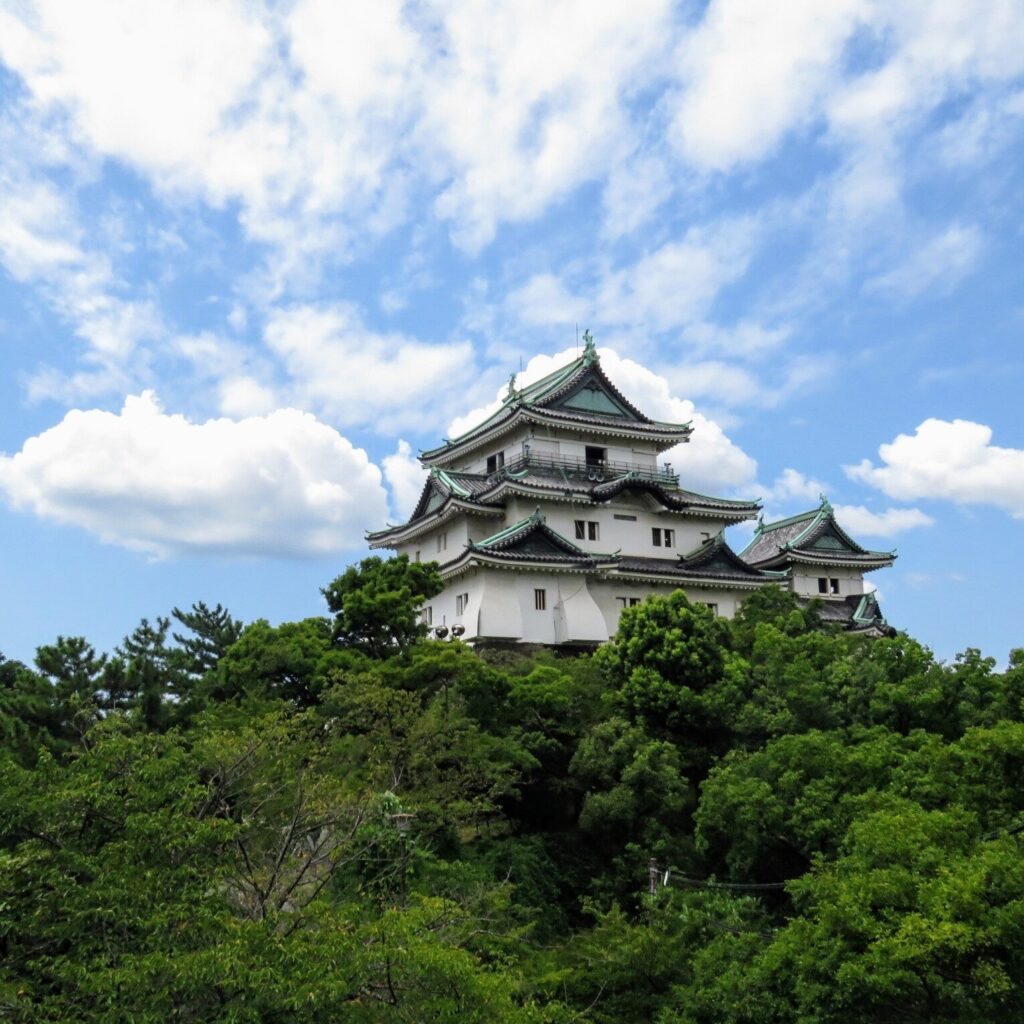
The story begins at Wakayama Castle, one of western Japan’s most significant castles.
Originally constructed under the orders of Toyotomi Hideyoshi, the castle later became the seat of the Kishu Tokugawa family after Tokugawa Yorinobu entered Wakayama in the early seventeenth century.
Rather than focusing only on military architecture, this visit explores how the castle functioned as the administrative center of an entire domain.
Topics include:
- the Tokugawa political system
- castle defenses
- daily life inside the castle
- the role of the daimyo
- governance of the Kishu Domain
Momijidani Garden
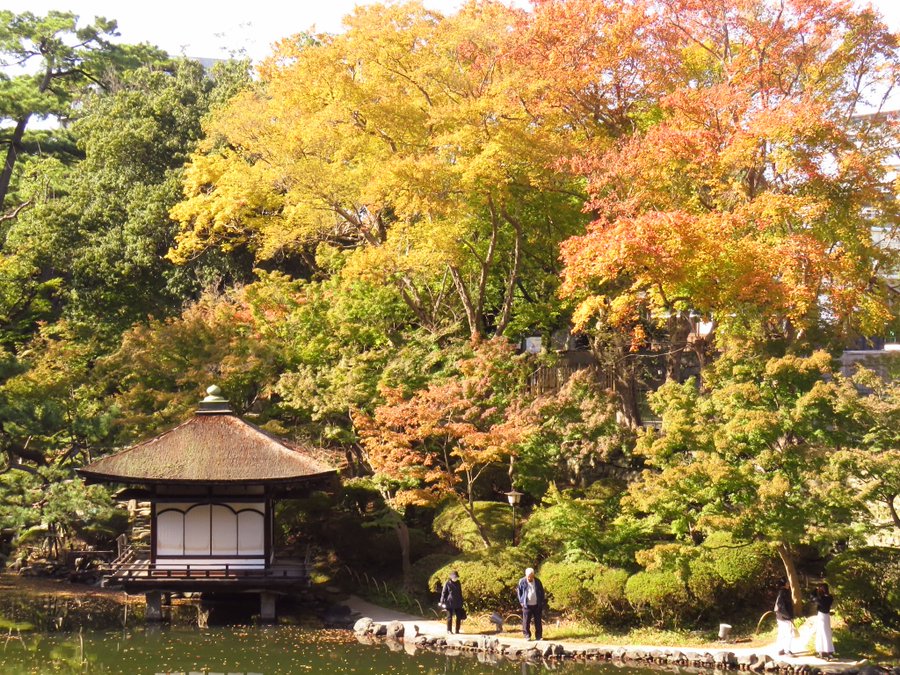
Hidden within the castle grounds lies the beautiful Momijidani Garden.
Unlike the imposing stone walls outside, this landscape garden reveals another side of samurai culture—one centered on aesthetics, poetry, tea, and seasonal appreciation.
Walking here offers insight into how political leaders balanced military responsibility with refined artistic taste.
Wakayama City Museum
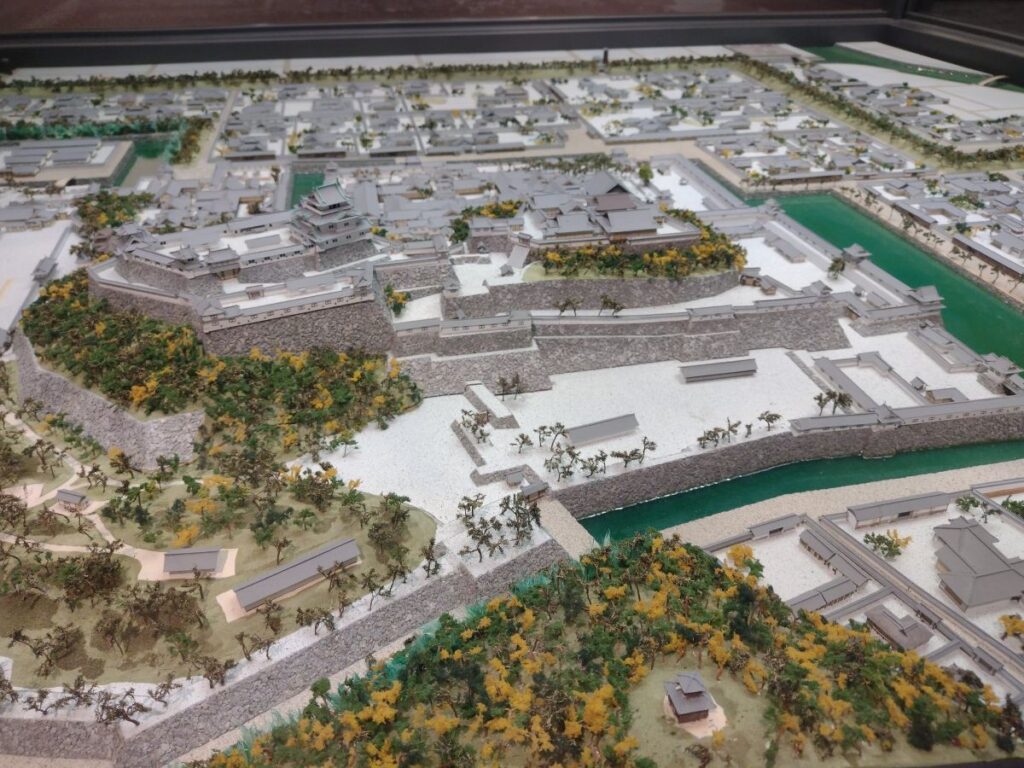
The afternoon continues at Wakayama City Museum.
Although modest in size, the museum provides valuable historical context before exploring the city itself.
Artifacts include:
- samurai armor
- historical maps
- weapons
- merchant culture
- documents related to the Kishu Domain
Understanding these collections makes the streets outside feel like an open-air museum.
Walking the Castle Town
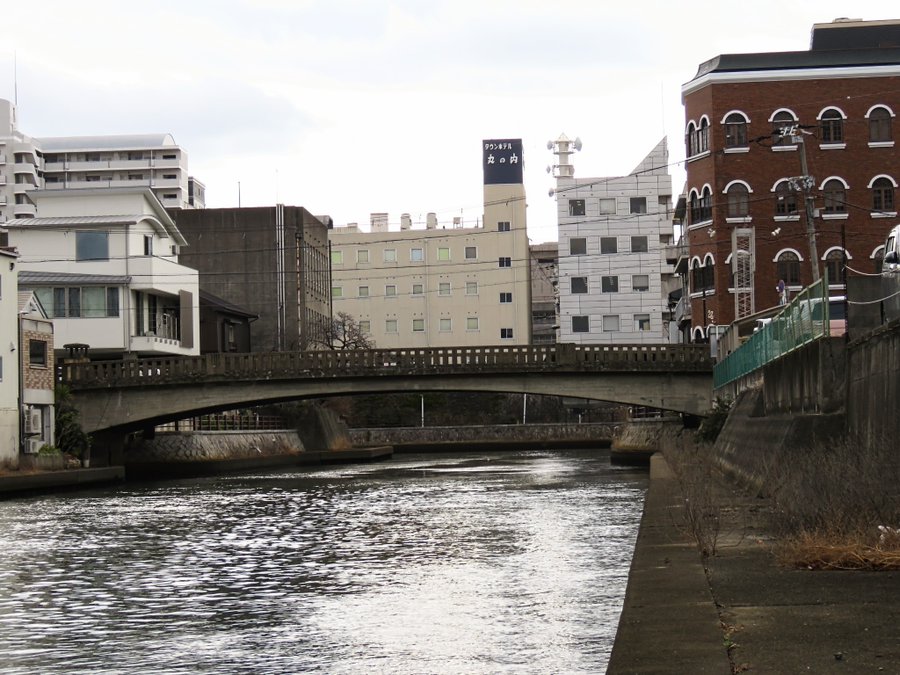
Leaving the museum, the journey continues through the former castle town.
Stops include:
- Yoshimune’s birthplace
- Yoriai Bridge
- former domain school site
- the previous inner mort of Shihori River
These locations reveal how water, transportation, education, and administration were carefully integrated into the urban design of Edo-period Wakayama.
Traditional Wagashi at Surugaya Zen’emon
The day concludes with a visit to Surugaya Zen’emon.
Established during the Edo period, this long-established confectionery reflects another aspect of castle-town life.
Sampling traditional sweets offers a delicious way to experience culinary traditions that have been enjoyed for centuries.
Day 2 — The Tokugawa Family and Samurai Society
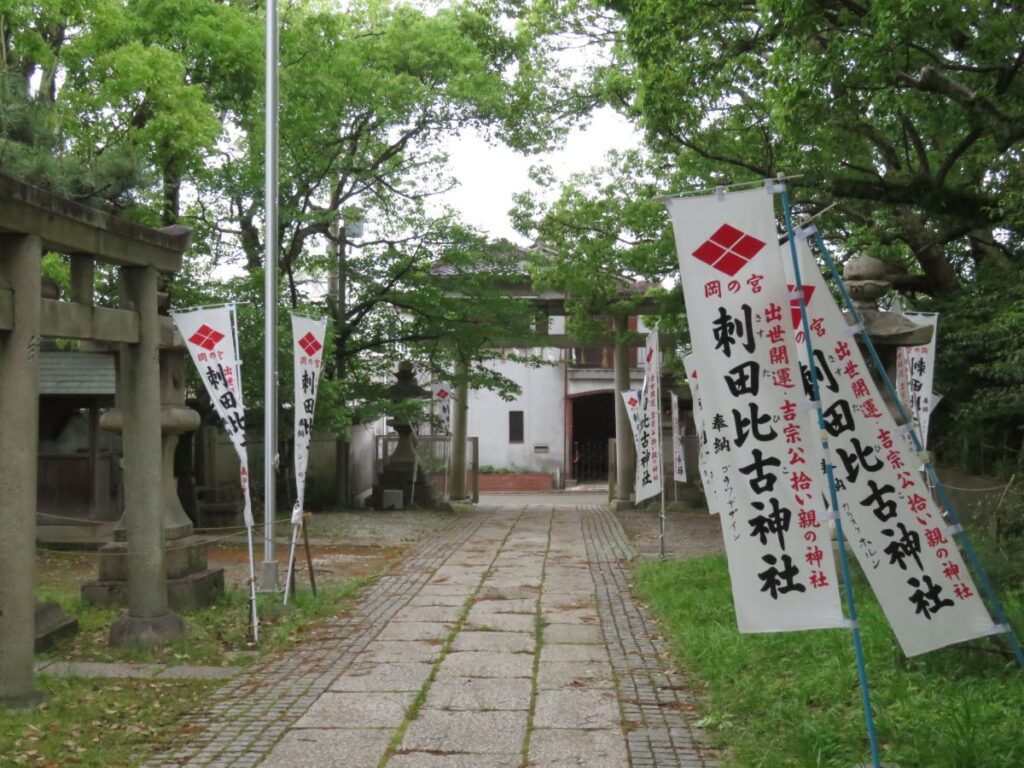
The second day focuses on the people who supported the domain.
Rather than concentrating on the daimyo alone, this day explores the broader samurai society that sustained Kishu rule.
Highlights include:
- Oka Park
- Former Omura (formerly Shirakashi) Residence Gate
- Monument of the Letter to Parents
- Sasutahiko Shrine
- Hoonji Temple, where members of the Kishu Tokugawa family are buried.
These places tell stories of loyalty, education, Confucian ethics, family values, and religious belief—essential foundations of samurai society beyond warfare.
Day 3 — Gardens, Sacred Landscapes, and the Tokugawa Legacy
The final day explores how the Kishu Tokugawa family shaped the cultural landscape beyond the castle walls.
Yosuien Garden
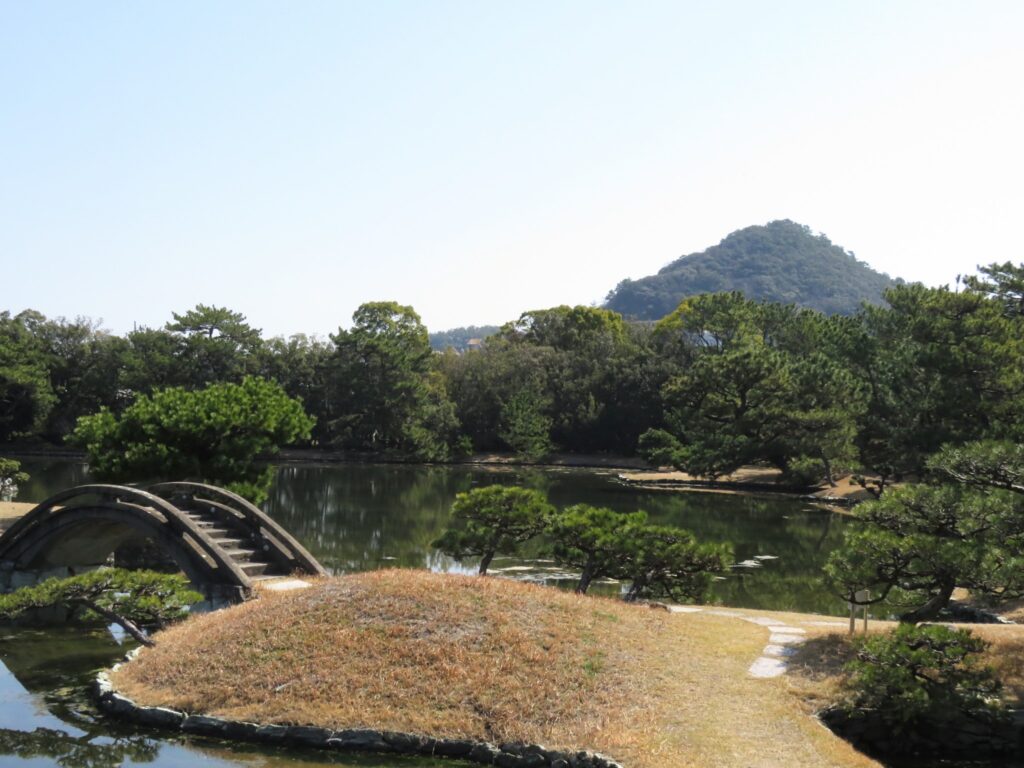
Yosuien Garden represents one of the finest daimyo gardens in western Japan.
Designed as a retreat villa, the garden reflects the sophisticated lifestyle of the Kishu lords. Walking through its ponds, tea houses, and carefully composed scenery reveals how political power was expressed not only through castles but also through harmony with nature.
Kishu Toshogu Shrine
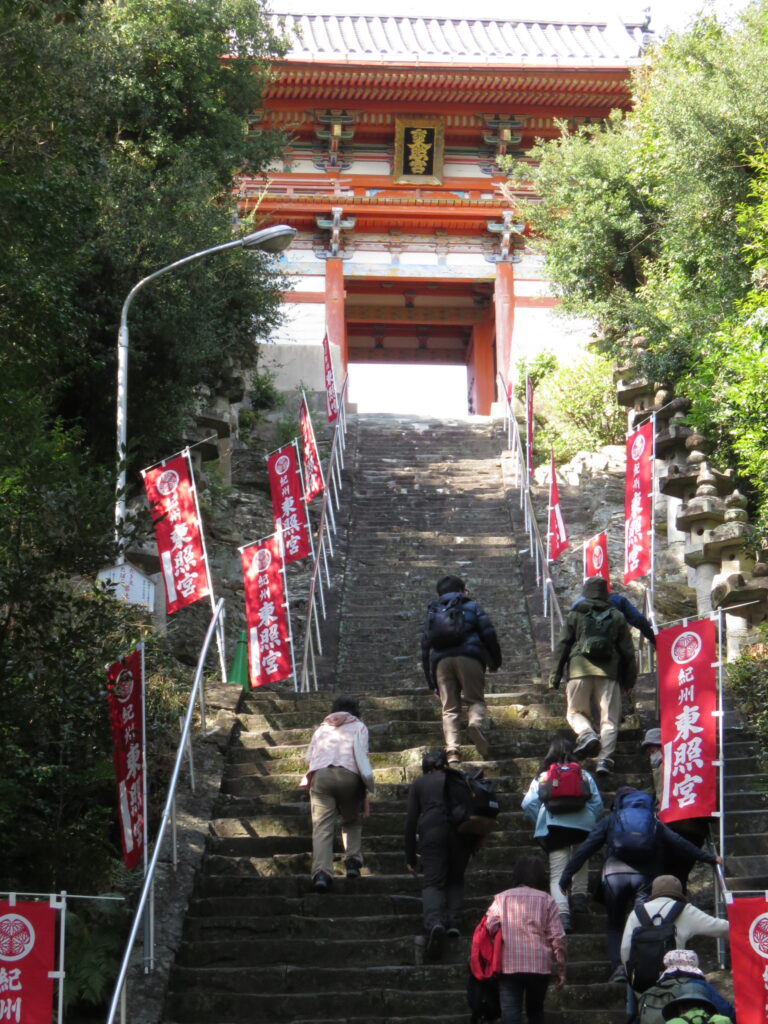
The journey continues to Kishu Toshogu, dedicated to Tokugawa Ieyasu and Tokugawa Yorinobu.
Often called the “Nikko of Kansai,” its richly decorated architecture demonstrates the prestige of the Tokugawa family while introducing visitors to the spiritual foundations of Edo-period rule.
Wakaura Cultural Landscape
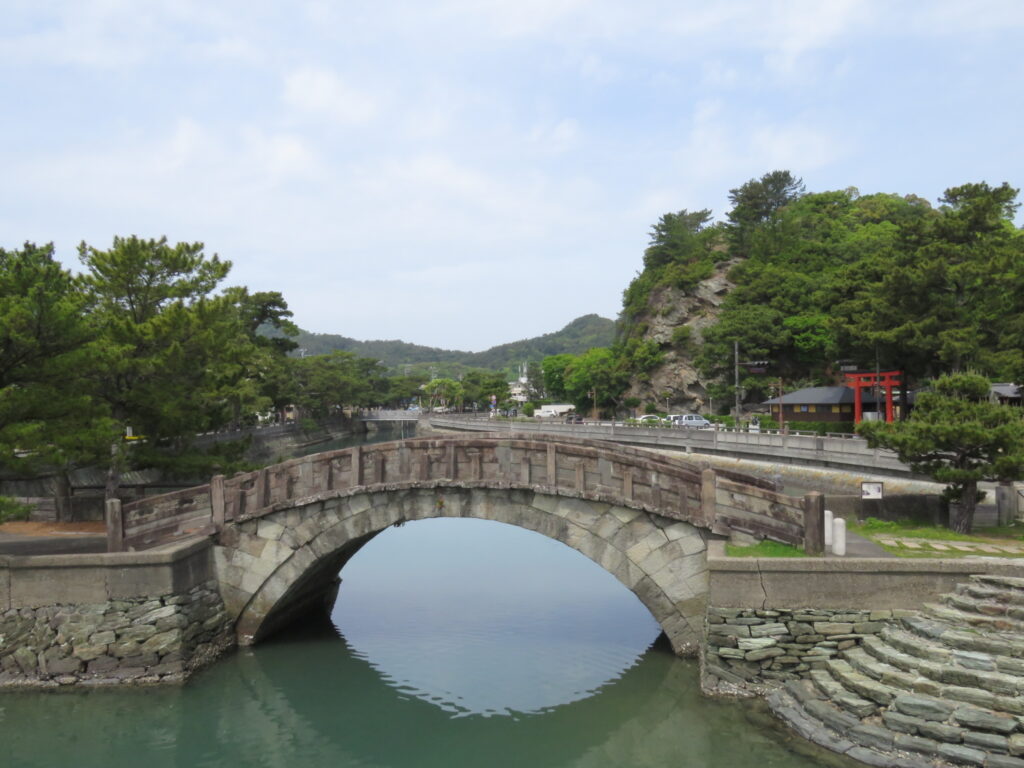
From Toshogu, the walk follows the historic scenery of Wakaura, long celebrated in classical Japanese poetry.
Highlights include:
- Yoro Bridge
- Imoseyama
These locations illustrate why the Kishu Tokugawa family carefully preserved Wakaura as both a place of scenic beauty and cultural prestige. Here, visitors experience a different side of samurai leadership—one that valued landscape, literature, and the continuity of tradition as much as military strength.
Optional Experiences
Iaido Experience — The Martial Tradition of the Kishu Domain
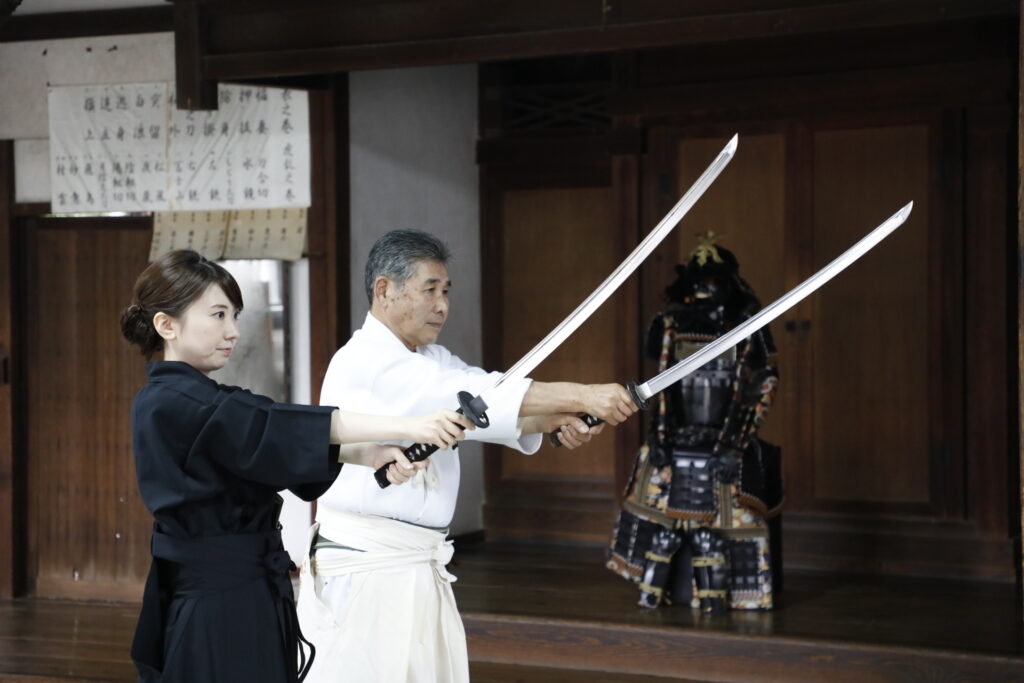
Learn the fundamentals of Tamiya-ryu Iaido, a classical sword tradition with deep historical ties to the Kishu Domain. Under the guidance of an experienced instructor, discover the discipline, etiquette, and philosophy behind the samurai’s art of drawing the sword.
Daimyo Cuisine Experience
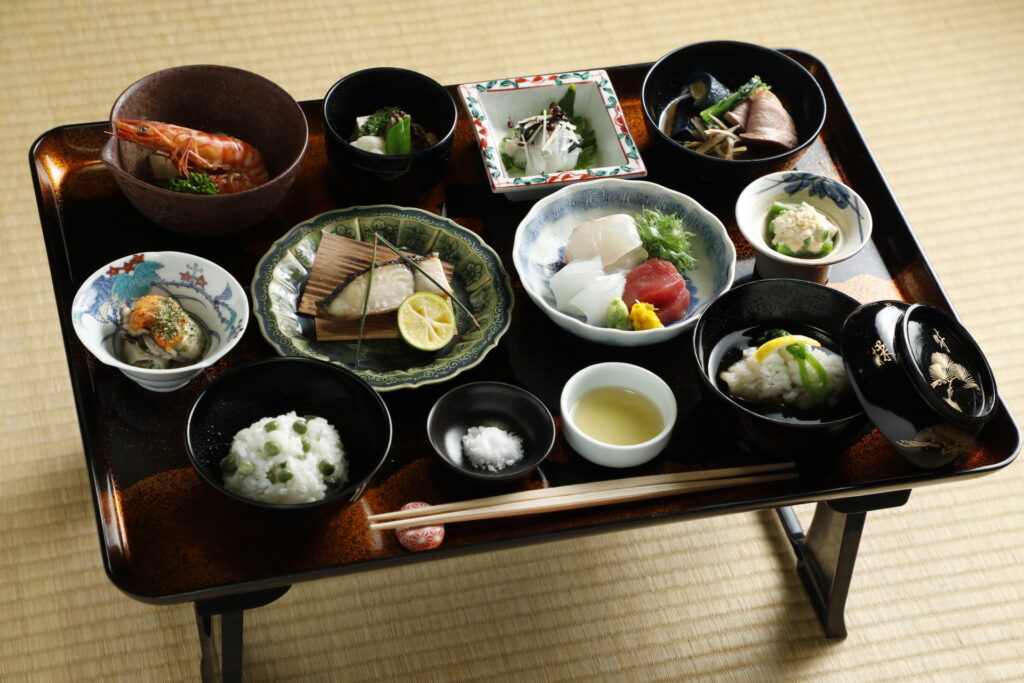
Conclude your journey with a meal inspired by dishes once presented to the lords of the Kishu Tokugawa family. Seasonal ingredients, refined presentation, and local culinary traditions provide a memorable insight into the hospitality and culture of Edo-period Wakayama.
Who Is This Tour For?
This experience is ideal for travelers who wish to go beyond famous castles and understand how a samurai domain actually functioned. Whether you are interested in Japanese history, gardens, architecture, religion, or the life of Tokugawa Yoshimune, this journey offers a comprehensive introduction to one of Japan’s most influential feudal families.
Rather than simply visiting historical sites, you’ll explore the interconnected world of politics, culture, education, commerce, and landscape that defined the Kishu Tokugawa Domain for more than 250 years.
Explore Kishu Tokugawa Domain trip through my Curated Kii Peninsula Journey.
Read More About History of Wakayama
- The Story of Wakayama: A Journey Through 10,000 Years of History
- The Battle Before Wakayama Castle Existed
- Why Were Pilgrims Willing to Walk on Kumano Kodo for Weeks?
- A New Poem for Wakaura
No responses yet