
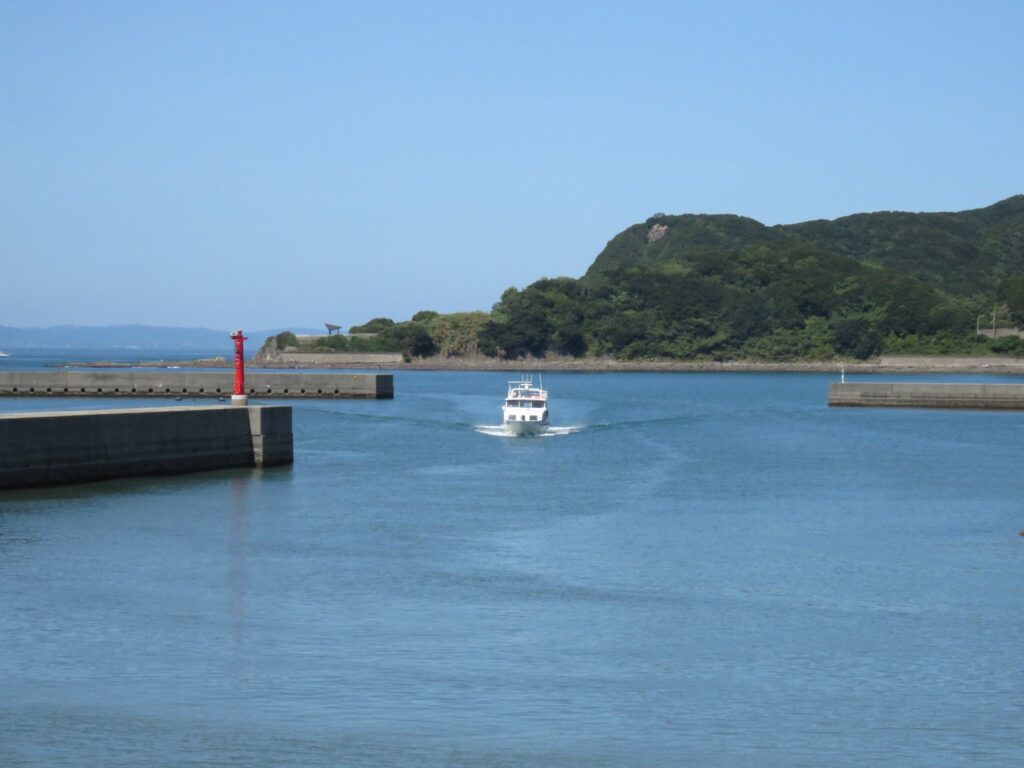
Staying in Kada and Exploring the Cultural Landscapes of Wakayama
When many travelers visit Japan, their journey becomes a race from one famous attraction to the next. Kyoto one day, Osaka the next, followed by another train, another hotel, and another checklist of places to see. While this approach allows visitors to cover a great deal of ground, it often leaves little time to experience the character of a place beyond its most famous landmarks.
But there is another way to experience Japan. In Wakayama, just south of Osaka, it is possible to stay in one place and allow the region to gradually reveal itself. Rather than constantly moving, travelers can develop a deeper connection with their surroundings and discover aspects of daily life that are often missed on a fast-paced itinerary.
Using the seaside hot spring town of Kada as your base, you can enjoy a slower rhythm of travel that combines onsen culture, local food, historic towns, traditional gardens, and encounters with everyday community life. From peaceful coastal walks to regional culinary traditions and nearby cultural sites, the experience unfolds naturally over time.
This is not simply sightseeing. It is an opportunity to experience a different relationship with time—one that values observation over consumption, presence over speed, and meaningful experiences over the pursuit of a checklist. In many ways, that slower pace can lead to a richer and more memorable journey through Japan.
The Japanese Tradition of Toji
For centuries, Japanese people have practiced toji, a form of therapeutic hot spring stay.
Rather than visiting a hot spring for a few hours, travelers would remain for days or weeks, allowing the body and mind to recover through bathing, walking, seasonal food, and rest.
While modern travel often emphasizes movement, toji values staying.
Wakayama offers an ideal environment for this slower approach.
A Seaside Base in Kada
Located on the northwestern coast of Wakayama, Kada is known for its relaxing hot spring inns, fresh seafood, coastal scenery, fishing village culture, and convenient access to Wakayama City. Despite being only a short distance from urban areas, the town feels removed from the pace of modern city life, offering visitors a peaceful base from which to explore the region.
Mornings begin with views of the sea, as fishing boats head out across the calm waters and sunlight reflects off the coastline. Evenings often end with a hot spring bath overlooking the sunset, creating a daily rhythm centered on relaxation and connection with the surrounding landscape.
Between those moments, the surrounding region offers a surprising variety of experiences. Historic towns, traditional gardens, local markets, cultural sites, and coastal communities can all be explored as day trips from Kada. Rather than constantly changing accommodations, travelers can settle into one place and discover the many layers of Wakayama at a more comfortable pace.
This combination of convenience, natural beauty, and cultural depth makes Kada an ideal base for those seeking a slower and more immersive experience of Japan.riety of cultural experiences.
Day Trip 1: Discover Wakayama City
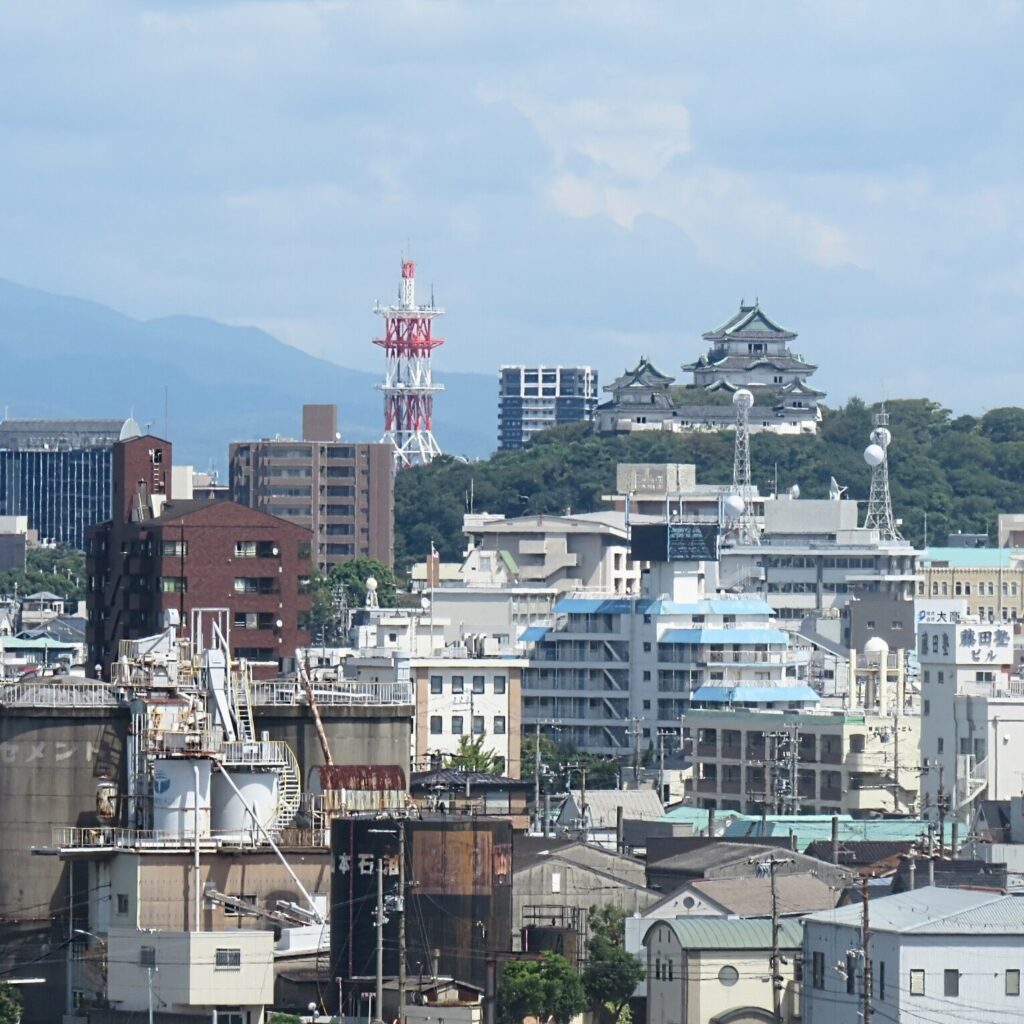
A short train ride brings you into Wakayama City.
Spend the day exploring:
- Wakayama Castle and its gardens
- Historic streets and local shopping arcades
- Traditional cafés and kissaten culture
- Local seafood restaurants
- The scenic coastal landscape of Wakaura
Rather than rushing between attractions, take time to observe daily life and the rhythm of the city.
Related post:
What to Do in Wakayama City: A Samurai Culture Day Around Wakayama Castle
Day Trip 2: Kuroe and Kainan
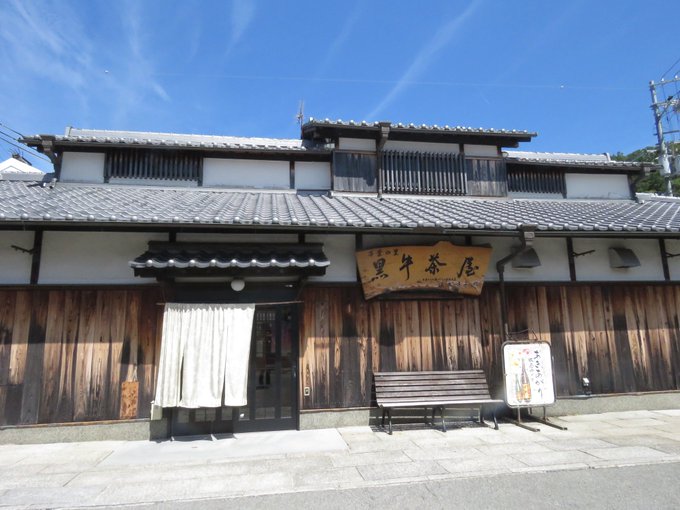
South of the city lies Kainan, home to one of Wakayama’s most distinctive cultural districts.
In Kuroe, visitors can explore:
- Traditional lacquerware workshops
- Historic merchant houses
- Quiet residential streets
- Local cafés inside renovated buildings
- Local sake tasting experience
Nearby gardens and cultural sites reveal another layer of Wakayama’s history, shaped by merchants, craftsmen, and everyday life.
Related post:
Exploring Kuroe: Japanese Lacquerware and the Dining Experience
Day Trip 3: Rural Life in Iwade and Kinokawa
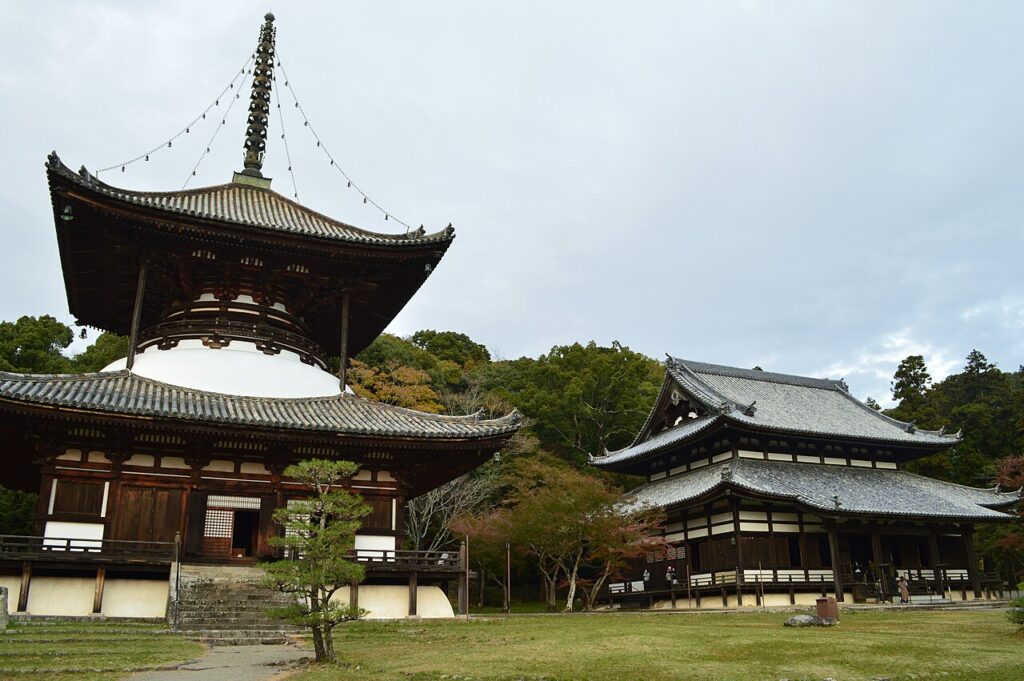
Heading inland, the landscape changes again.
Fruit orchards, rivers, and farming communities define the region.
Possible experiences include:
- Learning about the legacy of Hanaoka Seishu
- Visiting local markets
- Enjoying seasonal fruit culture
- Exploring historic roads and post towns
- Dining on local ingredients connected to the agricultural landscape
This side of Wakayama offers a glimpse into rural Japan that many international visitors never see.
Related post:
Hidden Sacred Landscapes Near Osaka
A Different Kind of Wellness
Modern wellness travel often focuses on luxury facilities, exclusive treatments, and carefully designed retreats. While these experiences can be enjoyable, the traditional Japanese approach to well-being is often much simpler and more closely connected to everyday life.
A walk by the sea, a conversation with local people, seasonal food enjoyed at the right time of year, an afternoon spent reading in a garden, and an evening bath in a hot spring are all experiences that have long been associated with rest and renewal in Japan. Rather than seeking constant stimulation, they encourage a slower pace and a greater awareness of one’s surroundings.
Individually, these moments may seem ordinary. Yet together they create a deeper sense of relaxation, balance, and connection. The value lies not in any single activity, but in the rhythm they create throughout the day.
This is one of the reasons why a longer stay in places like Kada can feel so restorative. Wellness emerges naturally from daily experiences, allowing travelers to reconnect with both the environment around them and the passage of time itself.
Why Stay Longer?
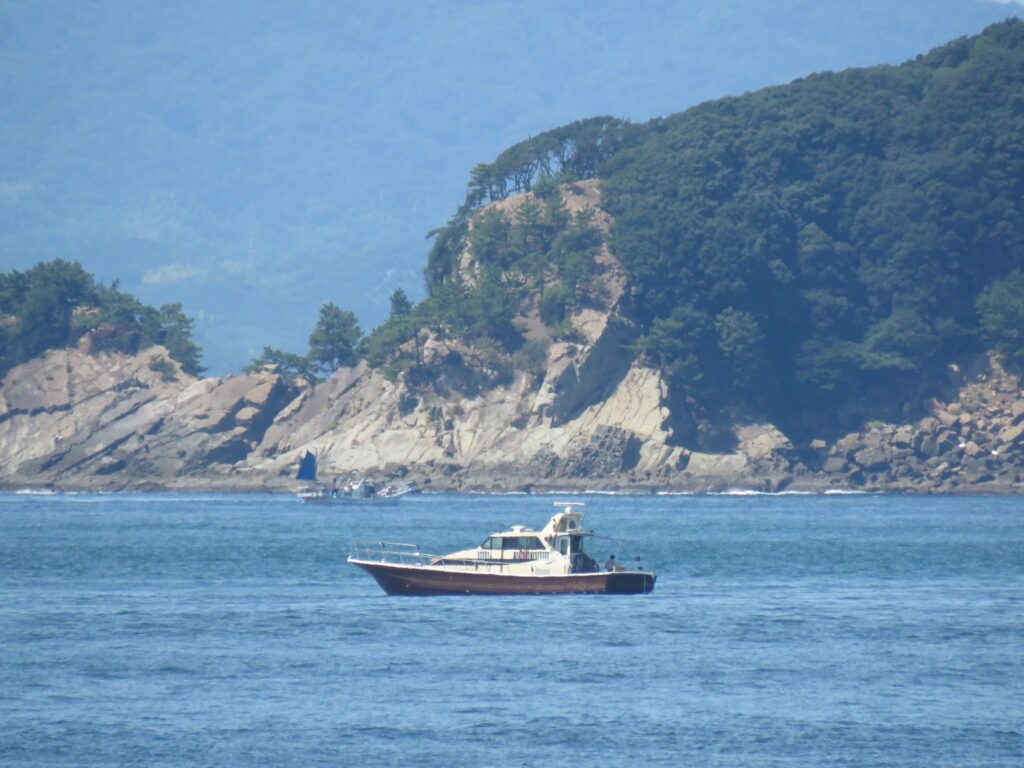
When you stay for several days, places begin to feel different. What first appeared to be a destination gradually becomes a community with its own rhythms and routines. The details that are easy to overlook during a short visit start to stand out and take on greater meaning.
You notice the fishermen returning to port in the afternoon. You recognize familiar faces at local cafés and restaurants. Gradually, you begin to understand how the sea, mountains, food traditions, and local culture are connected, each influencing the others in ways that shape daily life throughout the region.
This is the essence of slow travel. It is not about seeing more places or filling an itinerary with as many attractions as possible. Instead, it is about giving yourself enough time to observe, reflect, and develop a deeper understanding of a single place.
The reward is a richer and more personal experience. Rather than collecting destinations, you begin to build a relationship with the landscape and the people who live there. In the end, slow travel is not about seeing more of Japan—it is about seeing one place more deeply.
Create Your Own Wakayama Stay
Every traveler moves at a different pace.
Whether your interests include food, gardens, history, photography, hiking, craft culture, or simply time to relax by the sea, a customized stay can be designed around your interests.
Wakayama rewards those who stay a little longer.
Plan your relaxed staying with Curated Kii Peninsula Journey or Slow Living Stay (2-Week)
No responses yet