
Discover the Living Traditions of Kuroe and Kainan in Wakayama
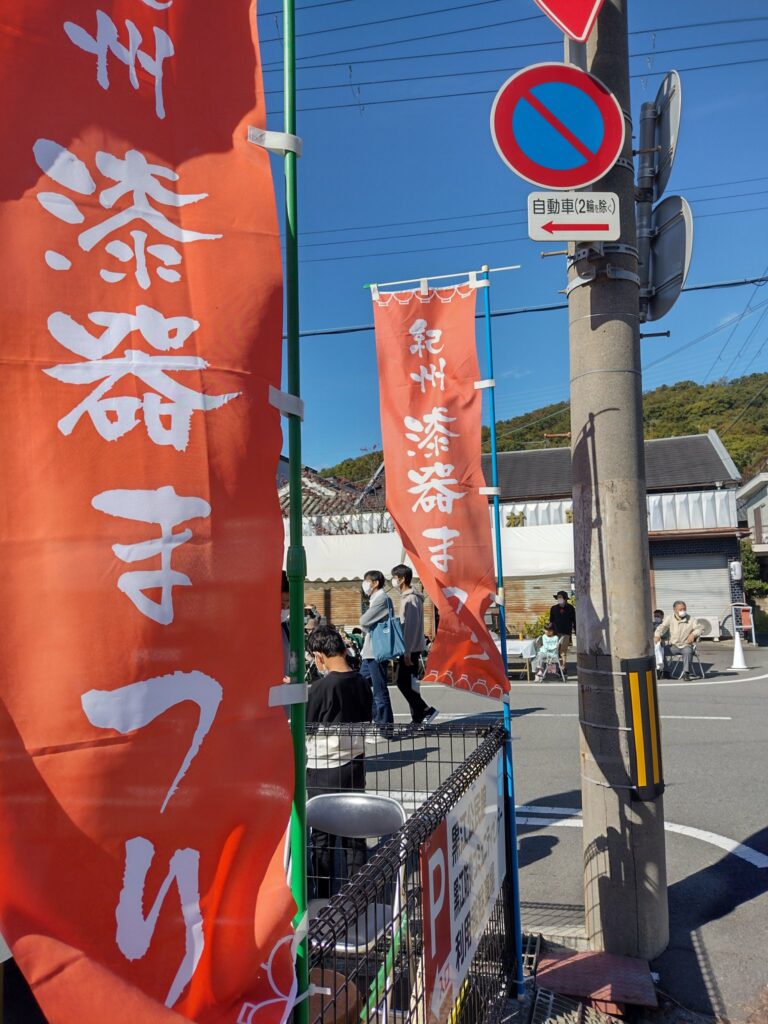
Every autumn, the historic town of Kuroe in Wakayama comes alive with one of the region’s most beloved cultural events: the Kishu Lacquerware Festival.
Unlike many craft fairs that focus solely on luxury goods or demonstrations, this festival reflects something deeper about the identity of Kainan and Kuroe.
Here, craftsmanship is not separated from daily life.
The festival takes place alongside the Household Goods Festival, creating a unique celebration of both traditional artisanship and practical products used in everyday Japanese homes.
Together, these events tell the story of a city that has long been dedicated to making life better through thoughtful design, skilled manufacturing, and durable everyday tools. These festivals are held every year on the first Saturday and Sunday of November.
The Historic Craft Town of Kuroe
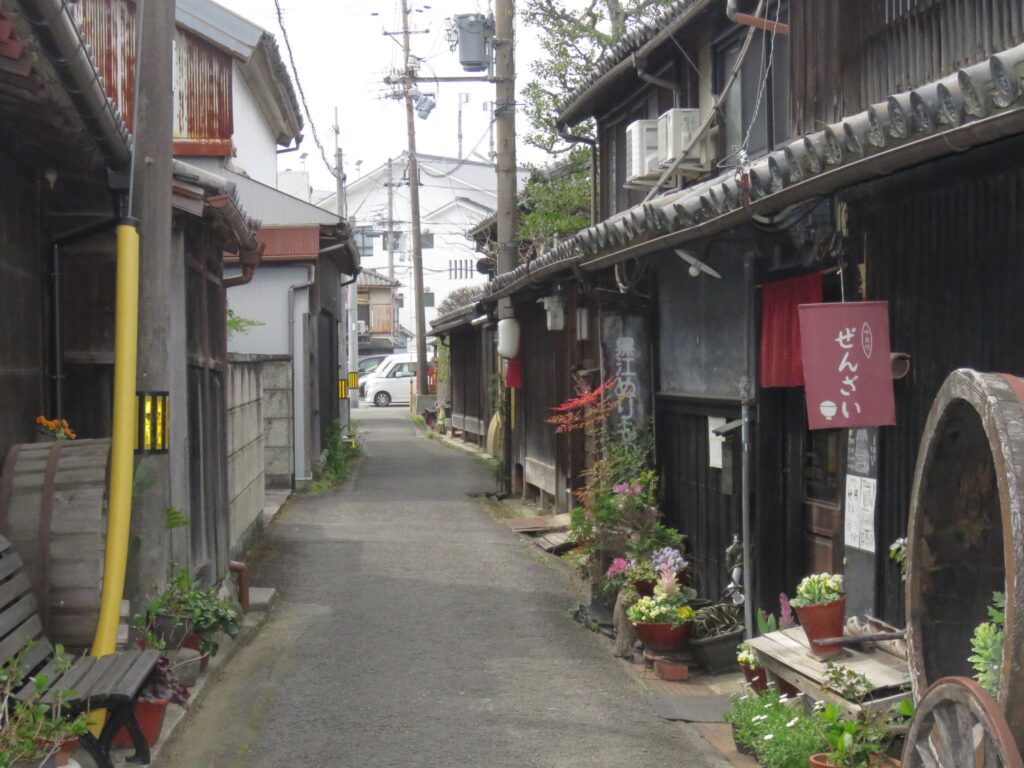
Located just south of Wakayama City, Kuroe has been known for centuries as one of Japan’s important lacquerware-producing communities.
The town’s narrow streets, traditional merchant houses, and workshop buildings still preserve the atmosphere of a place where craftsmanship shaped daily life.
Kishu lacquerware is admired for its combination of beauty and practicality.
While fine artistic pieces are created here, many products were originally designed for everyday use:
- Bowls
- Trays
- Bento boxes
- Tea utensils
- Household containers
This emphasis on functionality remains one of the defining characteristics of Kuroe’s craft culture.
During the festival, visitors can browse a wide variety of lacquerware, meet craftspeople, and learn about the techniques that have been passed down through generations.
Related Post:
Kuroe Lacquerware: A Hidden Tableware Source for Chefs and Restaurants
A Festival Rooted in Daily Life
What makes this event especially unique is the simultaneous celebration of the Household Goods Festival.
Kainan is one of Japan’s important manufacturing centers for household products.
The city has developed industries producing:
- Cleaning tools
- Brushes
- Kitchen products
- Storage items
- Home organization goods
- Daily-use accessories
As a result, the festival is not only about preserving tradition.
It is also about celebrating the products that support everyday life.
Visitors can discover everything from traditional lacquerware to modern household innovations, often at special festival prices.
The combination creates an atmosphere that feels distinctly local and practical.
Rather than separating culture from daily living, the festival demonstrates how the two remain connected.
More Than Shopping
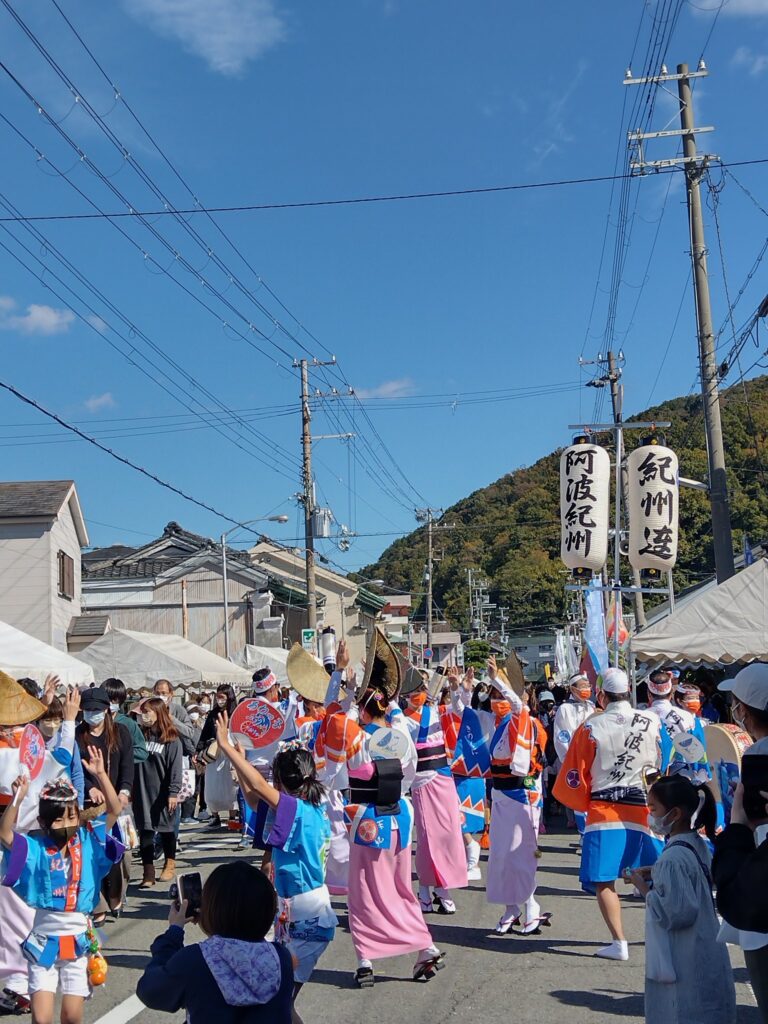
Many visitors initially come for bargains and special sales.
However, the real attraction is the opportunity to understand how craftsmanship continues to shape the region.
Walking through Kuroe during the festival reveals:
- Historic workshop districts
- Family-run businesses
- Local manufacturers
- Artisans demonstrating their skills
- Residents proudly sharing their community
This is not a staged cultural performance.
It is a glimpse into a living industrial and cultural landscape.
The festival shows how traditional knowledge and modern manufacturing coexist within the same community.
A Different Side of Japanese Craft Culture
When travelers think of Japanese craftsmanship, they often imagine museums or luxury galleries.
Kuroe offers a different perspective.
Here, craftsmanship remains closely tied to everyday use.
A lacquered bowl is meant to be used at the dinner table.
A brush is meant to be held in the hand.
A household tool is designed to make daily life easier.
This practical spirit has helped shape the identity of Kainan for generations.
The Kishu Lacquerware Festival and Household Goods Festival celebrate not only beautiful objects but also the people who continue making them.
Related Post:
Hidden Gems Near Kansai Airport: Escape the Crowds in Japan
Exploring Kuroe Beyond the Festival
Visitors can easily combine the festival with a walk through the historic streets of Kuroe.
Highlights include:
- Traditional lacquerware workshops
- Historic merchant houses
- Local cafés renovated from old buildings
- The nearby coastal scenery of Wakayama
- Opportunities to learn about the connection between craft and everyday life
For travelers interested in culture, design, and authentic local communities, Kuroe offers one of the most distinctive experiences in Wakayama.
Experience the Culture of Everyday Japan
Many cultural experiences focus on extraordinary moments.
Kuroe offers something different.
It reveals how craftsmanship becomes part of ordinary life.
The Kishu Lacquerware Festival and Household Goods Festival are not simply celebrations of products.
They are celebrations of a community that continues to value quality, utility, and tradition in everyday living.
For visitors seeking a deeper understanding of Japan beyond major tourist destinations, Kuroe provides a fascinating window into the culture of daily life.
Plan your custom daily Kuroe journey
Or Slow long stay around the town
No responses yet