
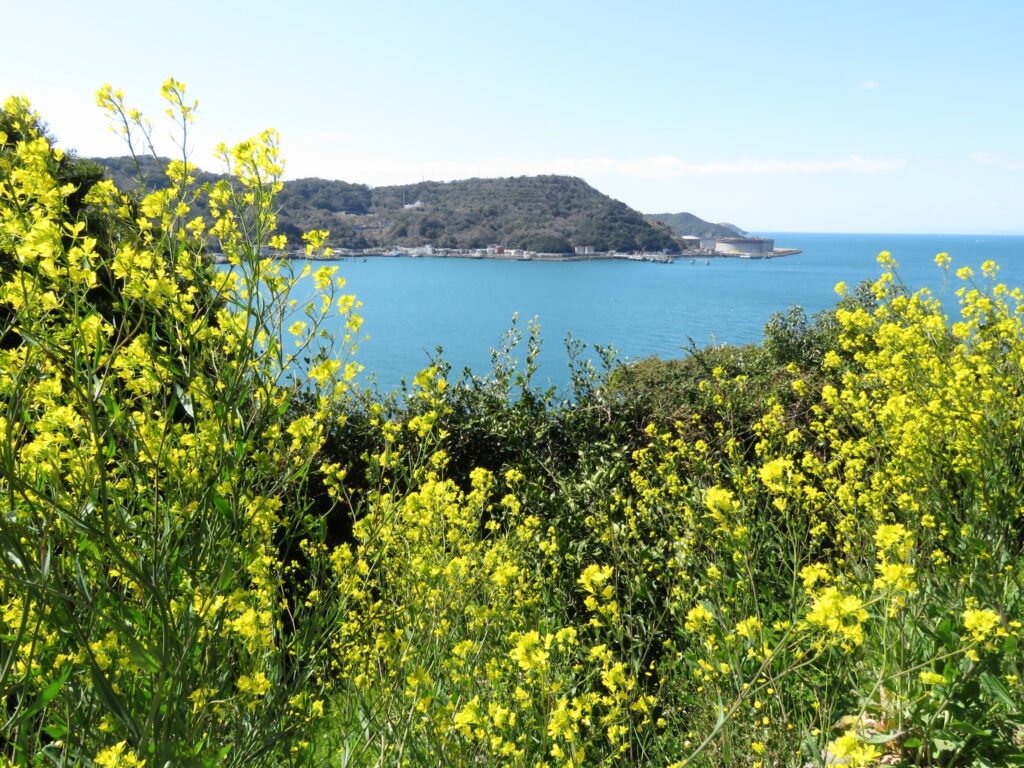
Hiking Around the Peninsula of Osaki from Kamo-go Station
Many travelers visiting Japan’s famous pilgrimage routes imagine steep mountain trails deep in the countryside.
But along the coastal sections of the historic Kii Route in Wakayama, another style of walking still exists.
One shaped not only by pilgrimage—but by fishing villages, quiet roads, cafés, sea breeze, and everyday coastal life.
This approximately 12 km walking route begins at Kamo-go Station and loops around the Osaki Peninsula, offering a slower and more flexible cultural hiking experience along the coast of southern Wakayama.
Rather than focusing on physical challenge alone, this journey is about discovering the atmosphere of the region through walking.
A Different Kind of Kumano Walk
The coastal sections of the historic Kii Route are very different from the more demanding mountain trails of the Kumano Kodo.
Here, travelers can:
- Walk at a relaxed pace
- Enjoy ocean views throughout the day
- Stop in local communities and cafés
- Access the route easily by train
- Combine hiking with food and cultural experiences
Because the JR Kisei Line runs parallel to much of the coastline, the route remains flexible and accessible even for travelers who are not experienced long-distance hikers.
This makes the area especially appealing for:
- Slow travelers
- Photographers
- Couples and small groups
- Travelers based in Osaka or Kyoto
- Visitors interested in culture as much as hiking
Related Post:
Hidden Hiking Spots in Wakayama (Beyond Kumano Kodo)
Starting from Kamo-go Station
The walk begins at the small coastal station of Kamo-go in Kainan City.
Even before reaching the sea, the atmosphere already feels different from the larger cities of Kansai.
Quiet residential streets, local fishing culture, and the slower rhythm of daily life gradually replace the pace of urban Japan.
From the station, the route heads toward the Osaki Peninsula, where the coastline begins to open dramatically.
Walking Along the Osaki Coastline
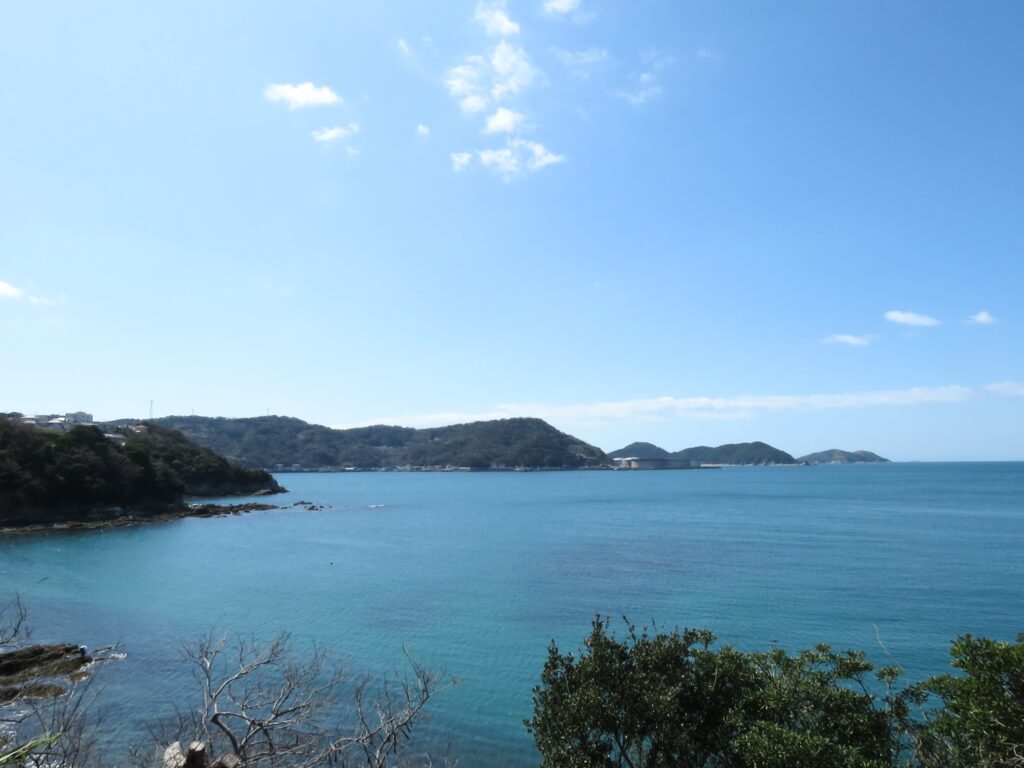
One of the highlights of this route is the constantly changing relationship between land and sea.
The road curves along rocky shores, small harbors, and quiet coastal settlements where fishing culture still shapes the landscape.
Unlike heavily commercialized beach destinations, this area remains deeply connected to everyday life.
Along the route, travelers may encounter:
- Small fishing ports
- Narrow village alleys
- Boats returning from the sea
- Quiet shrines facing the coastline
- Elderly locals tending gardens near the road
- Seasonal coastal light changing throughout the day
This is not a “tourist spectacle.”
It is a chance to walk through a living coastal environment.
Local Cafés Along the Way
One of the pleasures of this walk is stopping occasionally at small local cafés scattered near the coast.
Rather than trendy urban coffee culture, these cafés often reflect the slower rhythm of regional Wakayama:
- Hand-drip coffee
- Homemade desserts
- Seasonal fruit sweets
- Quiet interiors with local regular customers
These breaks become part of the walking experience itself.
Instead of rushing to complete distance goals, the route encourages travelers to slow down and observe the atmosphere around them.
Seafood, Fruits, and Local Flavors at
Road Station Kainan Sakuas

Before returning by train, the walk ends with a stop at Kainan Sakuasu, a roadside station that introduces many of the region’s local flavors.
This is more than a simple rest stop.
It functions as a gathering place for regional food culture, where visitors can discover:
- Fresh seafood from Wakayama’s coast
- Local citrus products
- Wakayama sweets and desserts
- Seasonal produce
- Regional processed foods and souvenirs
Depending on the season, travelers may also find:
- Shirasu dishes
- Seafood rice bowls
- Citrus soft cream
- Local baked goods
- Wakayama-style snacks and sweets
For many visitors, this final stop becomes a transition point between walking and tasting the region itself.
Why This Coastal Walk Works So Well
One of the strengths of the Kainan coastal area is its flexibility.
Unlike more difficult pilgrimage routes, this experience allows travelers to:
- Walk only part of the route
- Combine hiking with food and café stops
- Adjust distance depending on energy and weather
- Return easily by train
- Experience both nature and local culture in a single day
Rather than a “challenge hike,” this route offers something closer to:
A cultural coastal walk through everyday Wakayama.
Related Post:
Beyond the Kumano Kodo: Life Along the Ancient Kiiji Road
A Flexible Cultural Hiking Experience Near Osaka
This experience can also be customized based on guest interests.
Possible additions include:
- Kuroe craft district walks: “Exploring Kuroe: Japanese Lacquerware and the Dining Experience“
- Seafood-focused local dining: “Exploring Wakayama’s Seafood Processing: From Fresh Catch to Culinary Application“
- Photography-oriented coastal walks: “Why Wakayama is a Photographer’s Dream (and Nobody Talks About It)”
- Umeshu and fermentation experiences: “Umeshu & Pairing Experience in Wakayama“
- Garden visits around Kainan City: “Gardens Between Castle and Sea in Wakayama City“
- Longer cultural walks toward Yuasa: “Before the Kumano Walk: A Slow Cultural Day Around Kainan“
Because of the area’s rail access and layered cultural landscape, travelers can enjoy a much more flexible style of exploration than many traditional pilgrimage routes.
Discover the Coastal Side of the Kumano Region
Looking for a quieter and more accessible cultural hiking experience in Japan?
The coastal Kii Route around Kainan offers a different way to experience Wakayama:
through walking, food, fishing villages, cafés, and the atmosphere of everyday life beside the sea.
Private guided cultural walks can be customized based on pace, interests, and seasonal highlights.
→Explore Shimotsu through Custom Kii Pininsula Tour with the private guide
No responses yet