
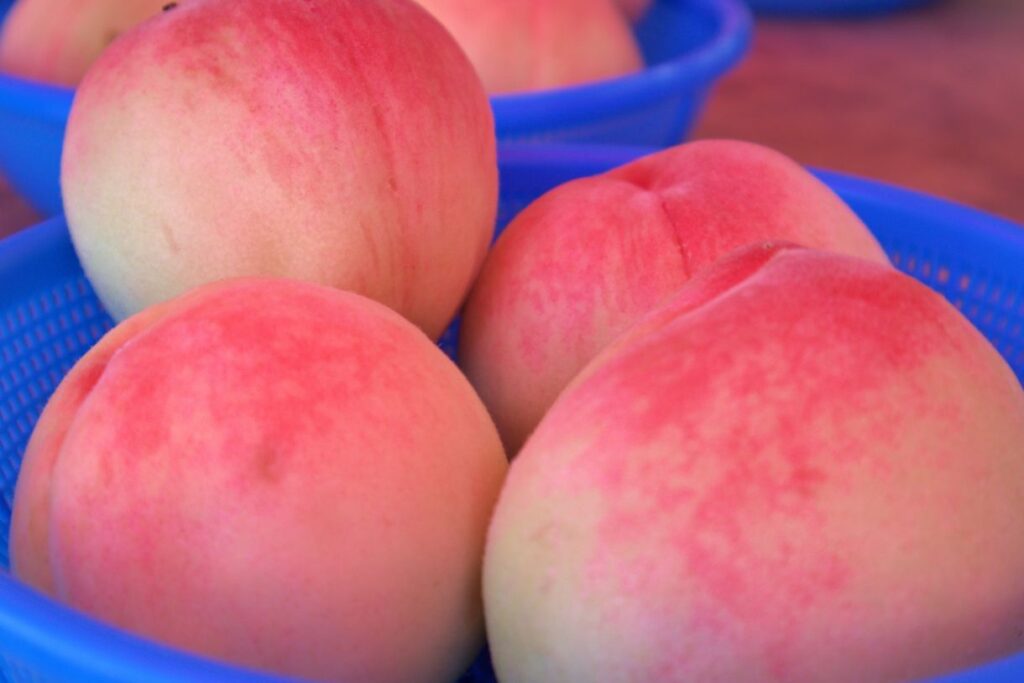
How Climate, History, and Human Wisdom Shaped One of Japan’s Richest Agricultural Landscapes
Visitors to Wakayama often come for the sacred trails of Kumano Kodo, the temples of Koyasan, or the beautiful coastline of Wakaura.
Yet many leave surprised by something else: the abundance of fruit.
Depending on the season, you might find orchards filled with sweet mandarins, peaches, persimmons, figs, strawberries, kiwifruit, or the famous Japanese plums known as ume.
This is no coincidence.
Wakayama has earned its reputation as one of Japan’s leading fruit-producing regions through centuries of careful adaptation to its landscape. Understanding its fruit culture means understanding the relationship between nature, history, and the people who have lived here for generations.
A Landscape Made for Fruit
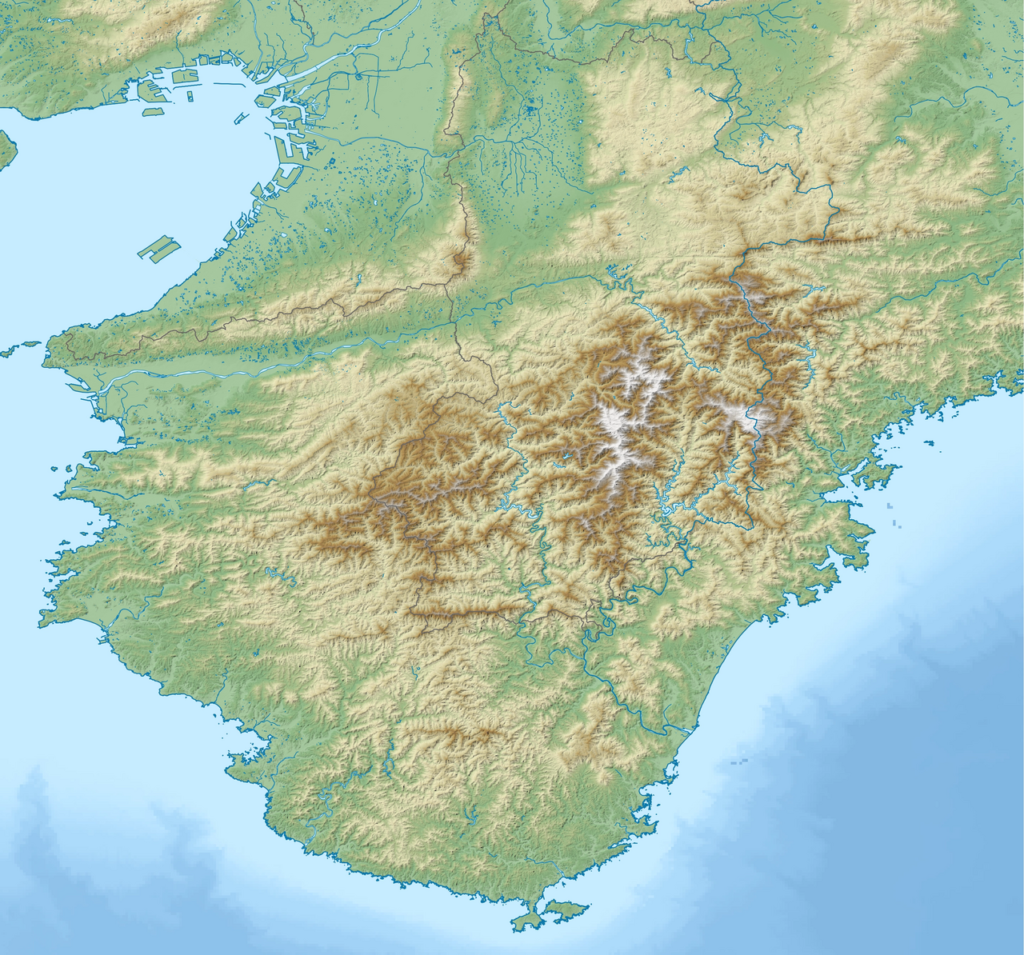
The Kii Peninsula is surrounded by the Pacific Ocean while mountains rise sharply inland.
This unique geography creates several conditions ideal for fruit cultivation:
- Mild winters with little snowfall
- Long hours of sunshine
- Excellent drainage on mountain slopes
- Rivers such as the Kino River providing fertile valleys
- Coastal climates that reduce severe temperature fluctuations
Instead of broad flat plains, much of Wakayama consists of hillsides and terraced fields. While these slopes are difficult for growing rice, they are ideal for citrus and many other fruit trees, whose roots benefit from well-drained soil.
Over centuries, farmers learned how to make the most of these natural conditions.
The Vision of Tokugawa Yorinobu
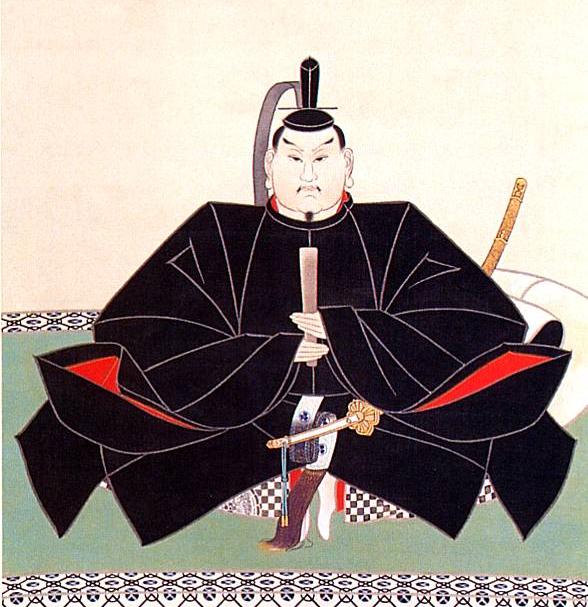
Fruit cultivation in Wakayama was not shaped by nature alone.
When Tokugawa Yorinobu, the first lord of the Kishu Tokugawa Domain, arrived in the early 17th century, he recognized the region’s agricultural potential.
Rather than relying solely on rice production, he encouraged the cultivation of mandarin oranges on the sunny hillsides overlooking the sea.
This policy helped diversify the local economy and reduced dependence on rice harvests, which could be vulnerable to poor weather.
The citrus industry gradually expanded, and generations of farmers refined cultivation techniques suited to Wakayama’s climate.
Today, Wakayama is widely recognized as one of Japan’s premier citrus-producing prefectures, and many of its famous mandarin varieties trace their development back to this long agricultural tradition.
Ume: More Than Just a Fruit
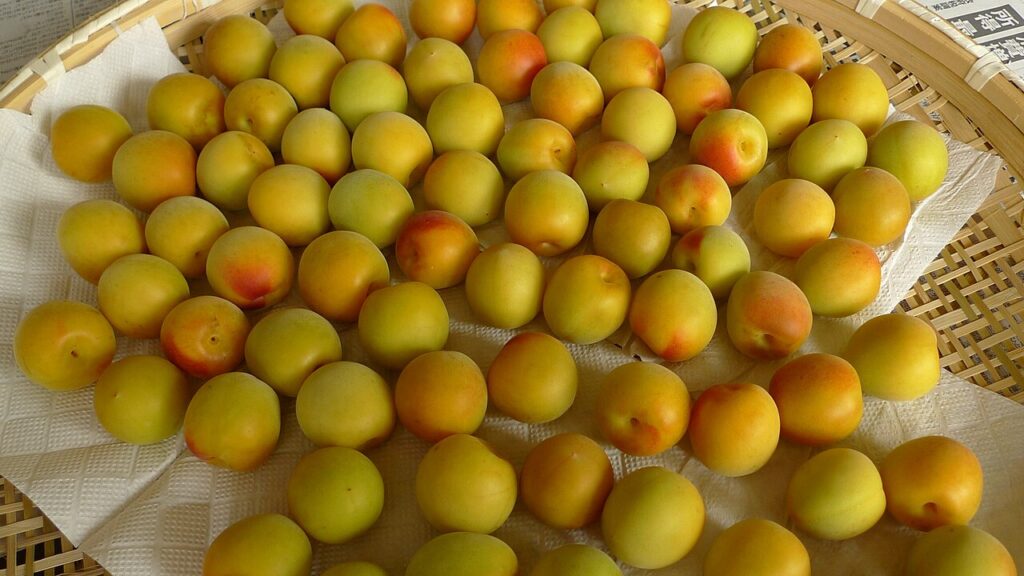
No fruit is more closely associated with Wakayama than ume.
Although often translated as “Japanese plum,” ume occupies a unique place in Japanese culture.
It becomes:
- Umeboshi (pickled plums)
- Umeshu (plum liqueur)
- Plum syrup
- Ume vinegar
- Various traditional seasonings and preserves
For centuries, ume has been valued not only for its flavor but also for its role in food preservation and everyday life.
Unlike luxury fruits grown only for dessert, ume became part of Japan’s daily culinary culture.
A Living Agricultural Heritage
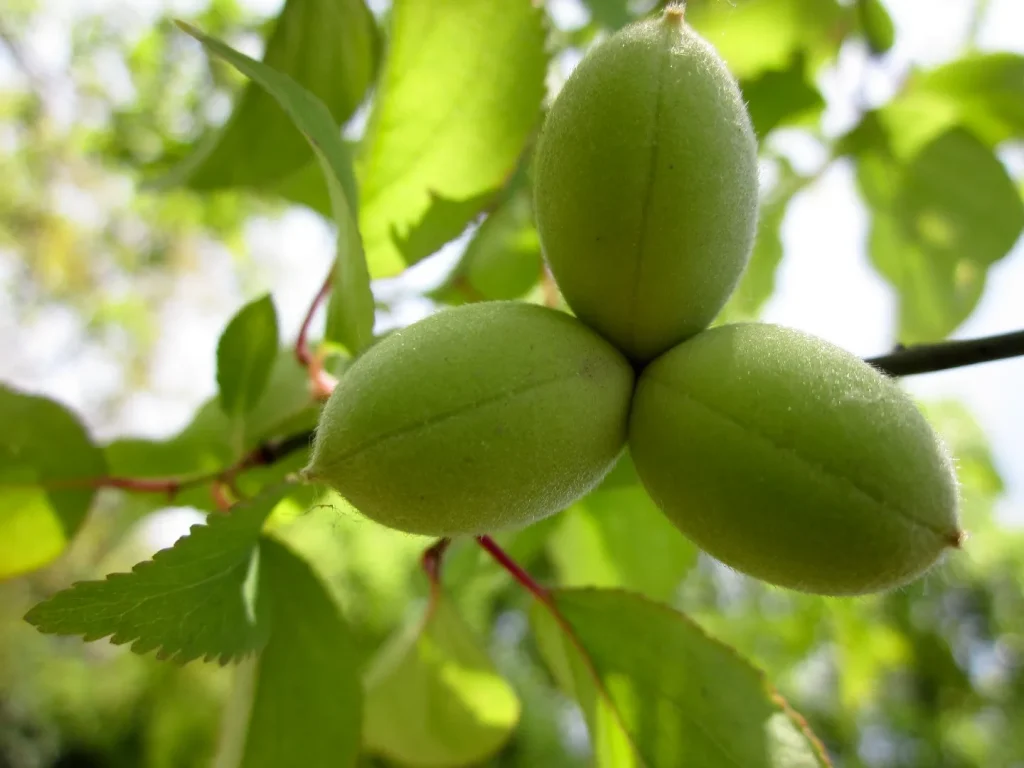
The importance of Wakayama’s ume extends beyond production.
The traditional Minabe-Tanabe Ume System has been recognized as a Globally Important Agricultural Heritage Systems (GIAHS) site.
This recognition is not simply about producing high-quality plums.
It acknowledges a sustainable agricultural system in which forests, beekeeping, orchards, and local communities support one another.
Mountain forests help retain water.
Bees pollinate the plum blossoms each spring.
Stone walls prevent soil erosion on steep slopes.
Farmers continue practices that have evolved over hundreds of years while maintaining biodiversity and protecting the surrounding environment.
It is a reminder that agriculture is not only about growing crops—it is about maintaining an entire landscape.
More Than Citrus and Ume
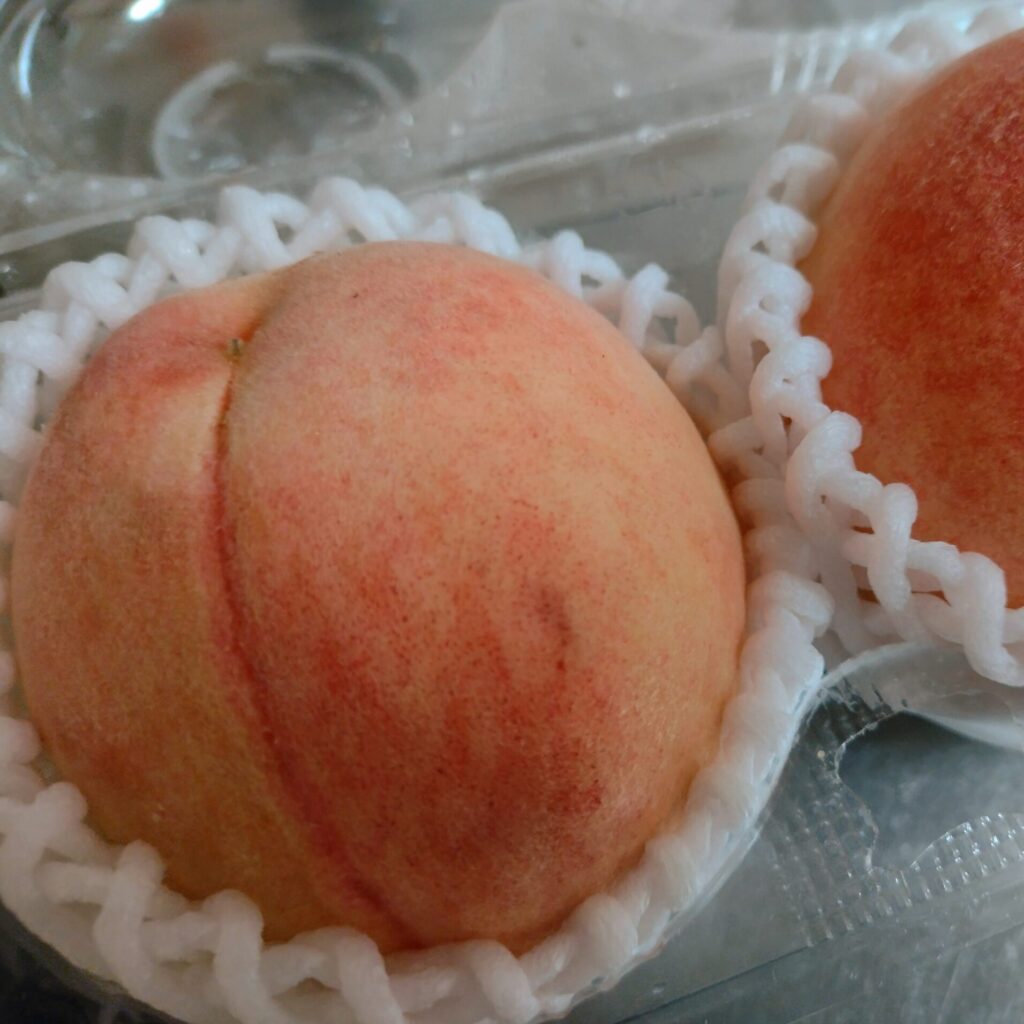
While mandarins and ume are the most famous products, Wakayama’s fruit culture is remarkably diverse.
Throughout the year, visitors can enjoy:
- Sweet peaches from Kinokawa
- Autumn persimmons
- Fresh figs
- Kiwifruit
- Strawberries
- Numerous varieties of Japanese citrus
Each region has developed crops that suit its particular climate and terrain, creating a landscape where every season offers something different.
Fruit as a Reflection of Local Life
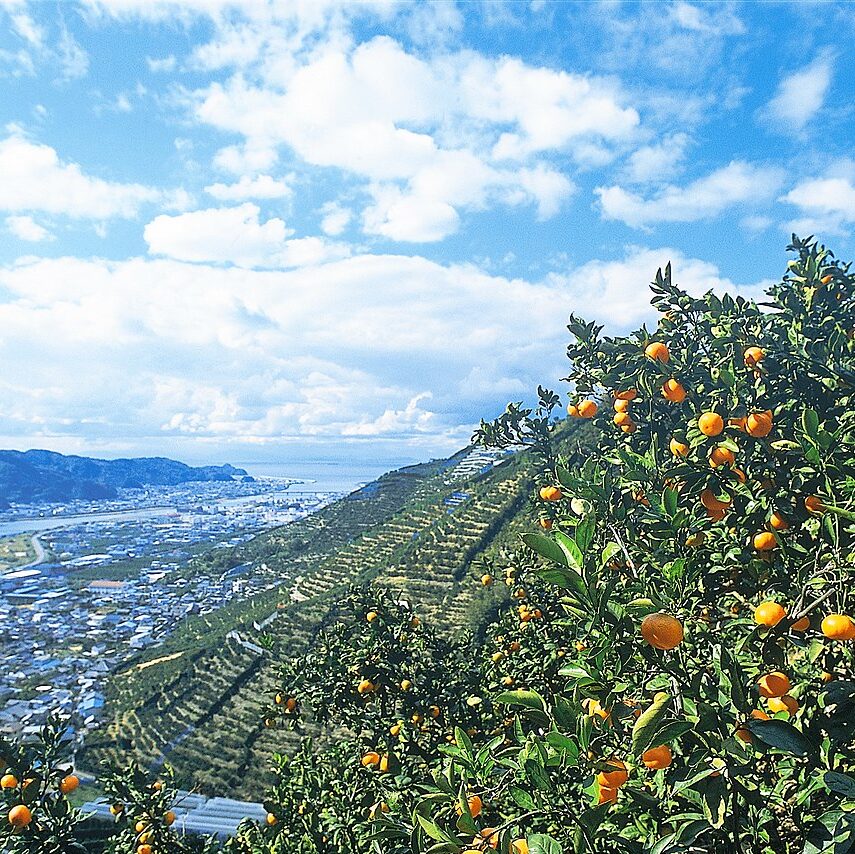
The orchards of Wakayama are not isolated tourist attractions.
They are part of everyday life.
Driving through the countryside, you’ll pass small roadside fruit stands, family-run farms, local markets, and cafés serving seasonal fruit desserts.
Many orchards have remained in the same families for generations.
Their knowledge has been passed from parents to children, adapting to changing climates and markets while preserving traditions rooted in the land.
Experience Fruit Beyond the Harvest
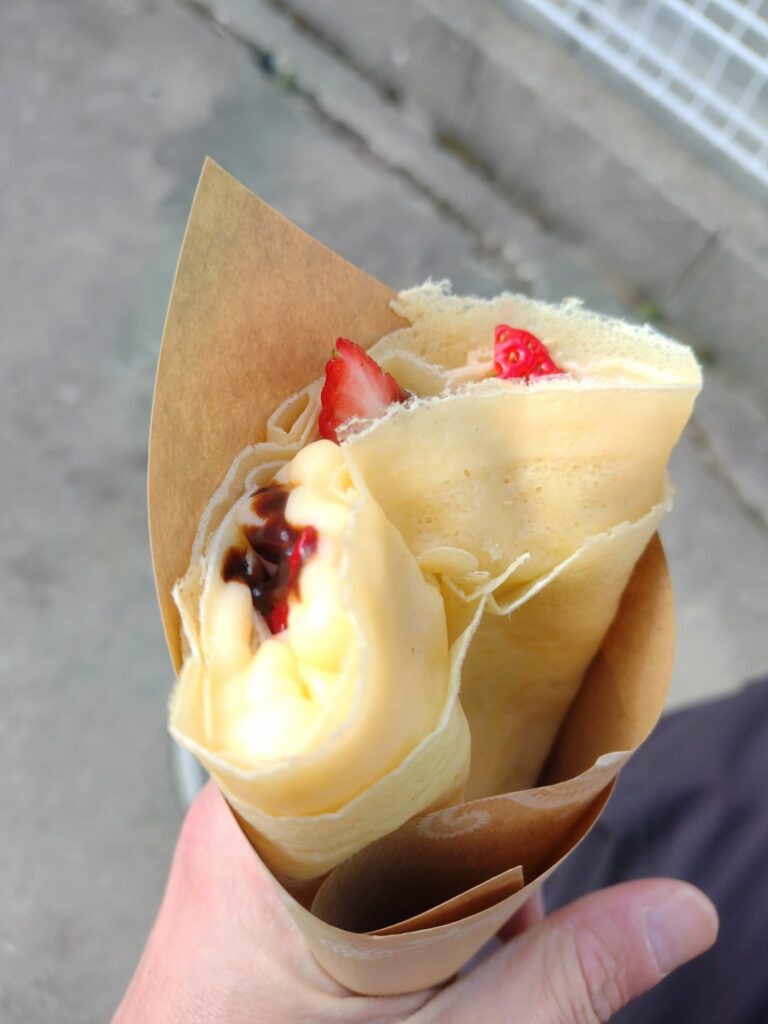
Many visitors associate fruit tourism with fruit picking.
While that can certainly be enjoyable, Wakayama offers a deeper story.
Walking through an orchard with a local farmer, learning why citrus grows on steep coastal slopes, tasting freshly harvested peaches, or enjoying a seasonal parfait made from locally grown fruit reveals something more meaningful than simply eating fresh produce.
It offers insight into how people have lived with this landscape for centuries.
Fruit, in Wakayama, is not simply agriculture.
It is history, culture, and a way of understanding the relationship between people and the land.
Related Experiences
If you’re interested in exploring Wakayama’s fruit culture beyond the usual sightseeing routes, I offer private guided experiences that combine orchards, local food, historic towns, and conversations with the people who continue these agricultural traditions today.
Rather than simply tasting seasonal fruit, you’ll discover the stories behind the landscapes that made Wakayama one of Japan’s true fruit kingdoms.
Plan your fruit trip in Wakayama through my Curated Kii Peninsula Journey.
Learn More About Fruits in Wakayama
- Fruits Farm Stay in Kinokawa City
- A Guide to Seasonal Fruits in Wakayama
- Fruit Picking Experiences in Wakayama
No responses yet