
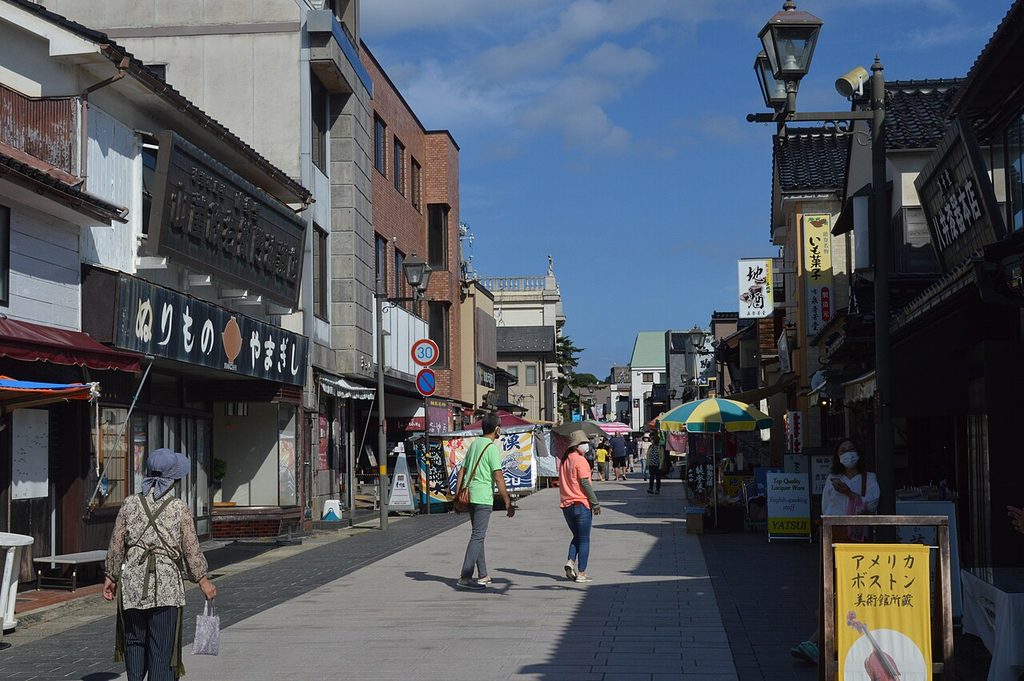
Discover a More Personal Side of Japan Through Custom Journeys, Nature, Culture, and Local Experiences
When planning a trip to Japan, most travelers begin with the same destinations: Tokyo, Kyoto, and Osaka.
These cities offer extraordinary experiences. From the energy of Tokyo’s neighborhoods to Kyoto’s historic temples and Osaka’s food culture, there is plenty to discover.
But what if you want something different?
Perhaps you want to walk through a quiet mountain forest, explore a historic fishing village, learn about traditional Japanese craftsmanship, or spend time with local people outside the main tourist areas.
Or perhaps you simply want to travel at a slower pace, combining sightseeing with activities that reflect your own interests.
This is where tailor-made Japan tours offer a different approach.
Rather than following a fixed itinerary, a tailor-made journey allows you to shape your experience around what you genuinely want to discover.
And beyond Japan’s famous cities, the Kii Peninsula and Wakayama offer an especially interesting setting for this kind of travel.
What Is a Tailor-Made Japan Tour?

A tailor-made tour is a journey designed around the interests, preferences, and travel style of individual travelers.
Unlike conventional sightseeing tours, which follow predetermined routes and schedules, a custom journey can incorporate different activities, destinations, and experiences according to what matters most to you.
For example, one traveler might be interested in Japanese history and architecture, while another prefers hiking, photography, and outdoor activities.
A family might want to combine cultural experiences with activities that children can enjoy. A couple might prefer quiet coastal villages, local food, and scenic walks.
These are very different travel styles, even when visiting the same region.
A tailor-made journey can take into account:
- Your interests and personal hobbies
- The amount of time you want to spend traveling
- Your preferred pace and physical activity level
- Your interest in history, culture, nature, or food
- Opportunities to interact with local communities
- Seasonal activities and regional experiences
The purpose is not simply to visit more places.
It is to create a journey that feels meaningful to you.
Beyond Tokyo, Kyoto and Osaka: Discover Another Side of Japan
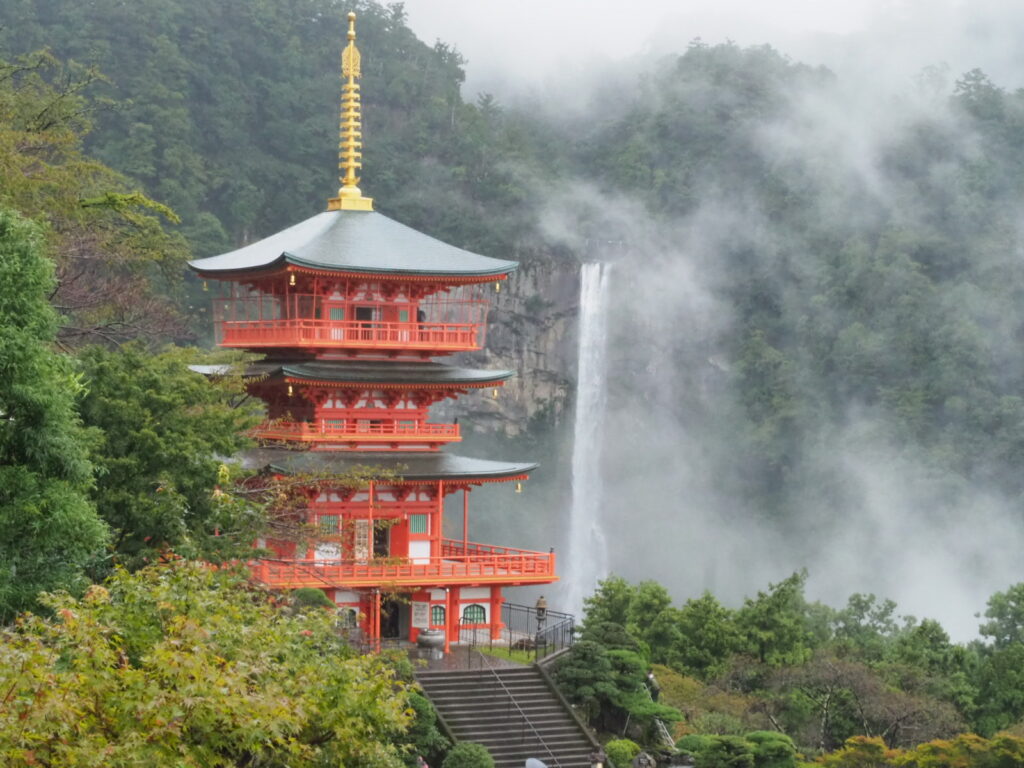
Japan’s famous destinations are worth visiting, but they represent only part of the country’s cultural and geographical diversity.
Beyond the Golden Route, you will find mountain communities, traditional fishing villages, agricultural landscapes, historic pilgrimage roads, and small towns where traditional industries continue to shape everyday life.
These places often provide a different kind of travel experience.
Instead of moving from one famous attraction to another, you can spend time understanding the relationship between people, nature, history, and local culture.
The Kii Peninsula, located south of Osaka, is particularly suitable for this style of travel.
Here, mountains, forests, coastlines, historic towns, and sacred landscapes exist within a relatively compact geographical area.
It is possible to experience several different sides of Japan without constantly traveling between distant regions.
And Wakayama, which occupies much of the western and southern Kii Peninsula, offers a remarkable variety of experiences.
Why Wakayama Is Ideal for Tailor-Made Travel
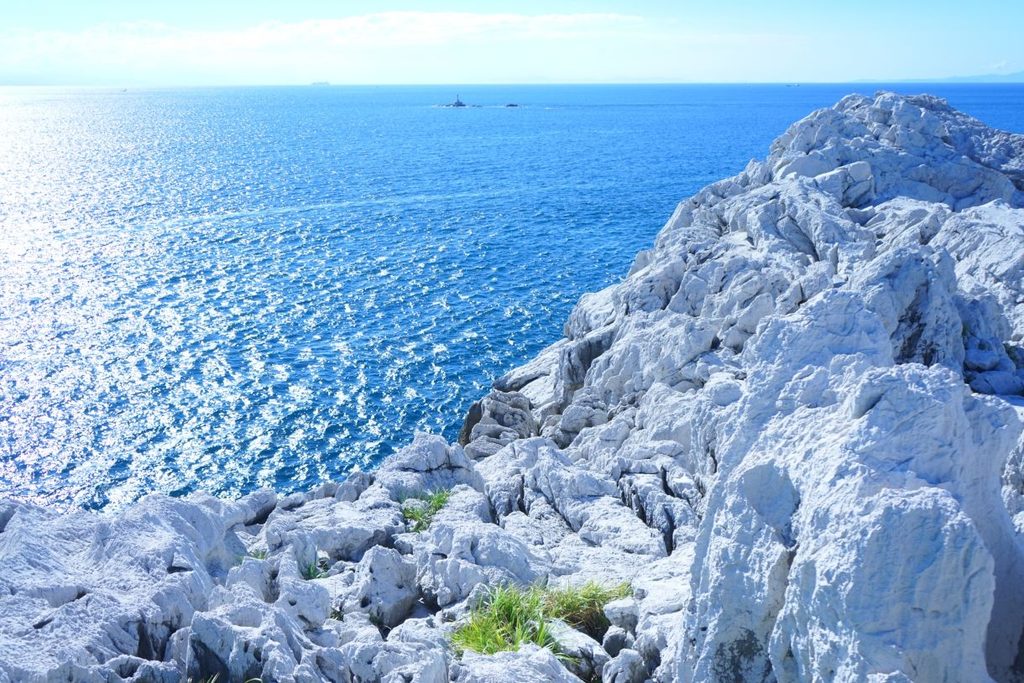
Wakayama is often associated with two famous destinations: Koyasan and the Kumano Kodo.
Both are important parts of Japan’s spiritual and cultural heritage.
However, the region offers much more than these well-known attractions.
One of Wakayama’s greatest advantages is the ability to combine different types of experiences within a single journey.
1. History and Cultural Heritage
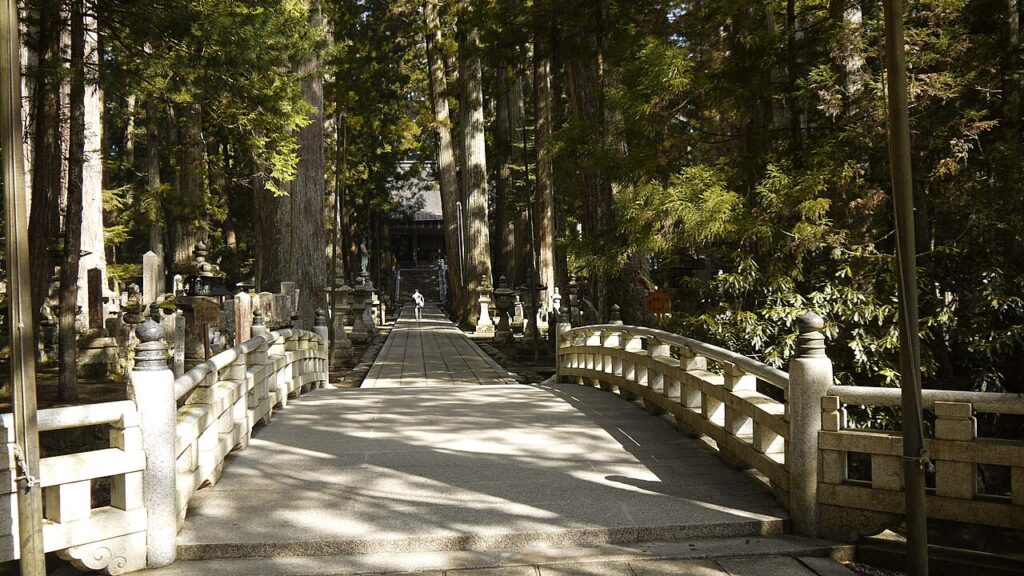
For travelers interested in Japanese history, Wakayama offers several fascinating destinations.
Koyasan is one of Japan’s most important centers of Shingon Buddhism. Beyond visiting its temples, you can explore its religious traditions, walk through sacred forest paths, and experience the atmosphere of a historic Buddhist community.
Kumano Kodo offers another perspective on Japanese spirituality. Walking along these ancient pilgrimage routes provides an opportunity to understand how religion, geography, and everyday life have been connected for centuries.
Other places reveal different aspects of regional history:
- Yuasa: A historic merchant town closely associated with the development of Japanese shoyu (soy sauce) culture.
- Kuroe: A traditional town known for Kishu lacquerware and its connection to everyday Japanese craftsmanship.
- Wakaura: A historic coastal landscape celebrated in Japanese poetry and literature.
- Wakayama Castle: A reminder of the political and cultural history of the former Kishu Domain.
These destinations can be combined according to your interests rather than treated as separate sightseeing stops.
2. Hiking and Nature Experiences

For travelers who enjoy outdoor activities, Wakayama offers a particularly diverse natural environment.
The region is characterized by mountains, forests, rivers, and a long coastline.
You do not necessarily need to undertake a multi-day pilgrimage to enjoy its natural landscapes.
Depending on your interests and physical ability, a journey might include:
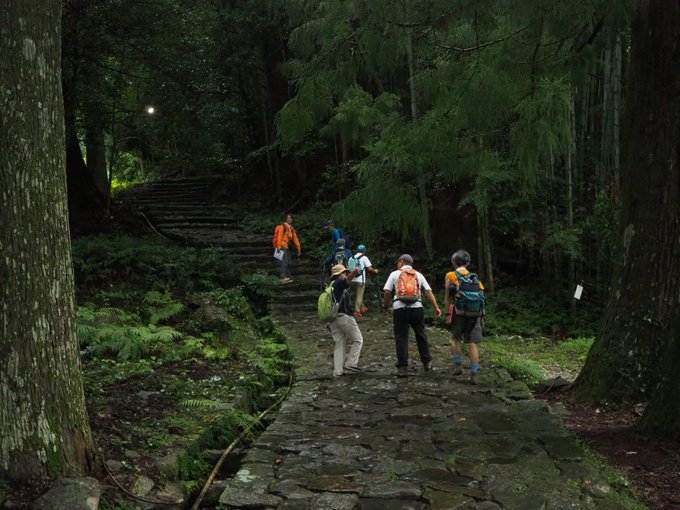
- Walking sections of the Kumano Kodo pilgrimage routes
- Exploring the historic Kii Road, known as Kii-ji
- Hiking coastal trails around Wakaura
- Exploring forest paths and rural landscapes
- Walking through mountain villages and traditional agricultural areas
- Discovering the dramatic coastal scenery of the Shirasaki area
For experienced hikers, more demanding mountain routes can also be considered.
For travelers who prefer a relaxed experience, shorter walks combined with local food, historical sites, and scenic stops may be more suitable.
The important thing is that hiking does not have to be the entire purpose of the journey.
It can become one part of a broader experience of Wakayama.
3. Traditional Japanese Cultural Experiences
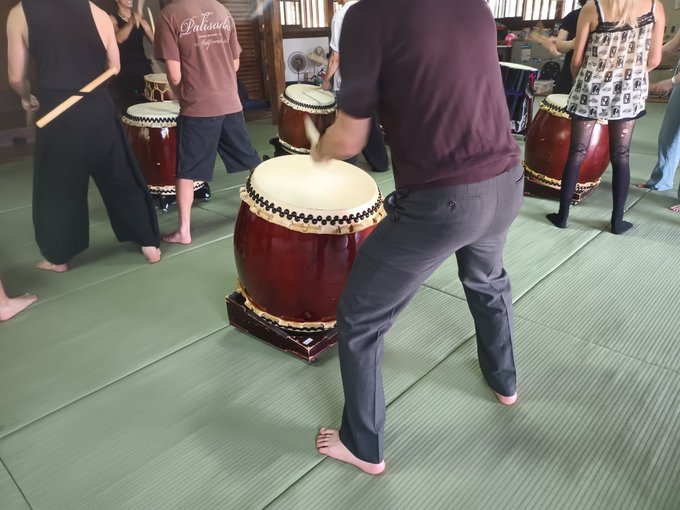
Many visitors come to Japan hoping to experience traditional culture.
While Kyoto and Tokyo offer numerous cultural activities, similar experiences can also be found in regional communities.
In Wakayama, possible experiences include:
- Traditional Japanese confectionery making
- Iaido, the traditional art of Japanese swordsmanship
- Japanese paper-making
- Japanese taiko drumming
- Kishu lacquerware and maki-e decoration
- Kimono experiences
- Tea ceremony, flower arrangement, and Japanese calligraphy
Some activities can be combined with visits to the historic towns and landscapes that give them cultural meaning.
For example, experiencing lacquerware decoration in Kuroe becomes more interesting when you understand the town’s history as a center of traditional lacquerware production.
Similarly, a cultural walk around Wakaura can be combined with Japanese poetry, coastal landscapes, and local history.
Rather than simply trying an activity, you have an opportunity to understand the culture behind it.
4. Local Life, Food, and Regional Culture
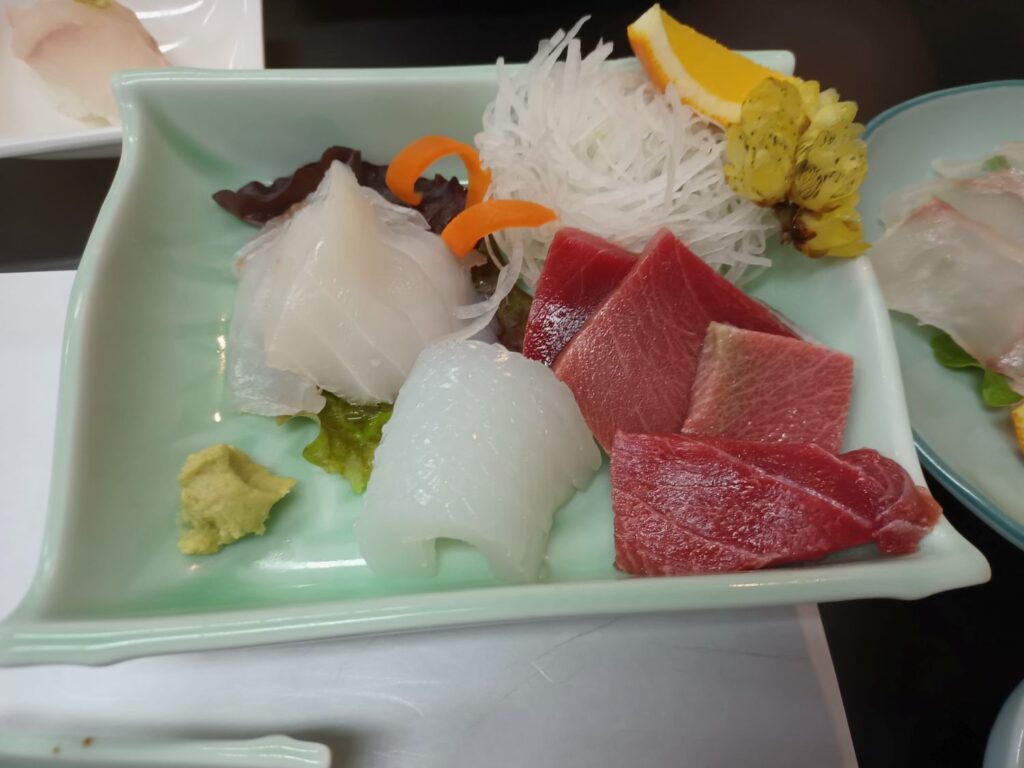
One of the most rewarding ways to discover Japan is through its regional food and everyday life.
Wakayama has a rich food culture shaped by its geography and industries.
The region is known for:
- Fresh seafood from coastal fishing communities
- Traditional fermentation and shoyu production
- Japanese plums and umeboshi
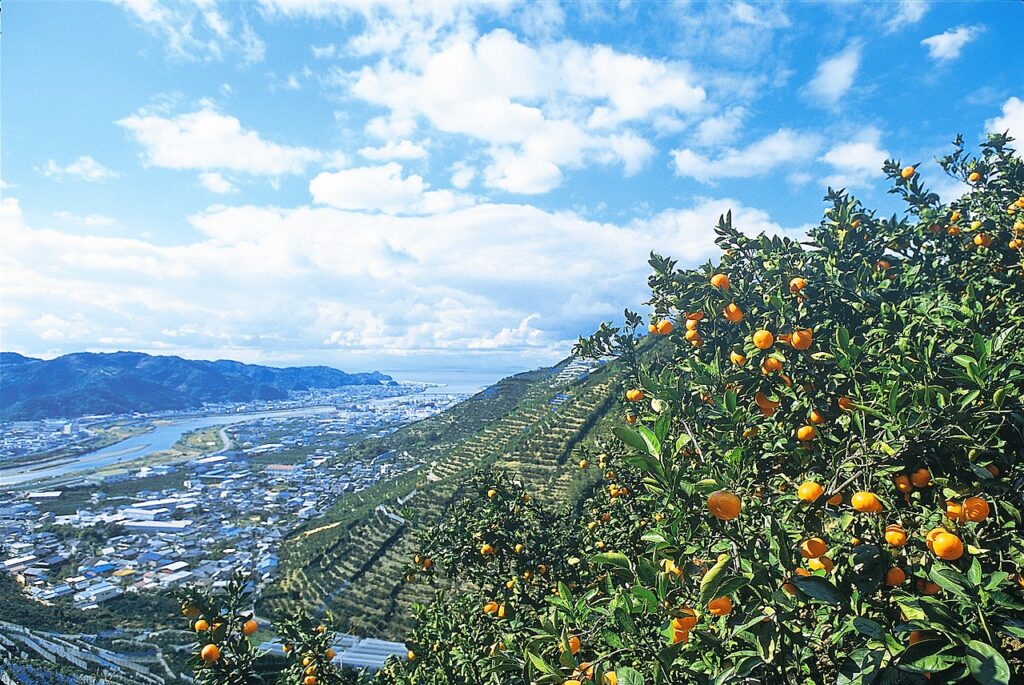
- Local citrus fruits
- Seasonal agricultural products
- Regional sake and umeshu
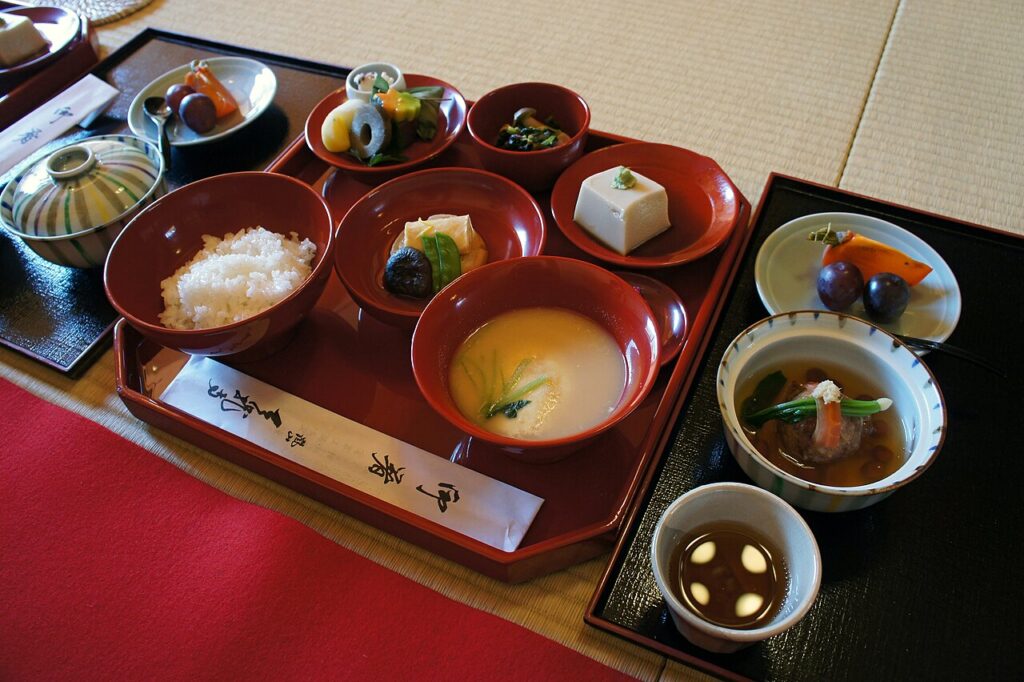
- Traditional Japanese cuisine
You might explore the historic streets of Yuasa and learn about traditional fermentation, visit a fishing village to understand its relationship with the sea, or discover the agricultural landscapes of the Kino River basin.
Depending on the season and local availability, a journey could also incorporate fruit picking, local food experiences, or visits to traditional producers.
These experiences help reveal something that ordinary sightseeing often misses:
How Japanese landscapes, food, industries, and everyday life are connected.
One Region, Many Different Ways to Travel
The advantage of a tailor-made journey is that different interests can be combined rather than treated as separate tour categories.
Here are some examples of how a custom journey in Wakayama might look.
Example 1: History, Walking, and Local Food
For travelers interested in Japanese history and cultural landscapes
A journey combining:
- A walk along a section of the historic Kii Road
- A visit to Fujishiro Oji, an important site along the Kumano pilgrimage route
- Exploration of traditional streets and local communities
- A visit to Yuasa, associated with the development of Japanese soy sauce
- A taste of regional food and local specialties
This journey connects pilgrimage history with the everyday culture that developed along the ancient routes.
Example 2: Nature, Hiking, and Coastal Villages
For travelers who enjoy outdoor activities and authentic local environments
A journey combining:
- A scenic coastal walk
- Hiking through forested landscapes
- Exploring a traditional fishing village
- Discovering local seafood culture
- Time to enjoy the coastline and surrounding scenery
Depending on the season and your preferences, the journey might also incorporate cycling, kayaking, or other outdoor activities.
Example 3: Traditional Culture and Hands-On Experiences
For travelers interested in Japanese craftsmanship and traditional arts
A journey combining:
- Exploring Kuroe, the historic lacquerware town
- Experiencing Kishu lacquerware decoration
- Trying traditional Japanese confectionery making
- Participating in an iaido experience
- Enjoying tea culture or other traditional Japanese arts
Rather than visiting a collection of museums, you can experience traditional culture through the people and communities who continue to practice it.
Example 4: A Slow Journey Through Wakayama
For travelers who prefer a relaxed pace and deeper regional exploration
Instead of trying to see everything in one day, you might spend several days exploring different parts of the region.
For example:
- Spend time around Wakayama City and its coastal communities.
- Explore the cultural landscape of Wakaura.
- Discover traditional food culture in Yuasa.
- Walk a section of the Kumano Kodo.
- Spend time in Koyasan and experience its spiritual atmosphere.
There is no need to visit every destination in a fixed order.
You can leave time for spontaneous discoveries, local food, and simply enjoying the atmosphere of each place.
This is particularly suitable for travelers who want to experience Japan beyond a checklist of famous attractions.
Your Interests Can Shape the Journey
A custom journey does not have to begin with a destination.
Sometimes, it is more interesting to begin with an activity or personal interest.
For example:
If you love hiking:
We can explore suitable trails and combine walking with local history, food, and cultural landscapes.
If you enjoy photography:
We can focus on coastal scenery, historic streets, fishing villages, gardens, and seasonal landscapes.
If you are interested in Japanese culture:
We can incorporate traditional crafts, martial arts, tea culture, and local historical sites.
If you love food:
We can explore regional cuisine, fermentation, local producers, fishing communities, and traditional food culture.
If you enjoy meeting local people:
We can look for opportunities to discover everyday life through local activities, small businesses, and regional communities.
If you simply want to slow down:
We can create a journey with fewer destinations, more walking, and enough time to appreciate each place.
Your interests do not need to fit into a predefined category.
They can become the starting point for designing your journey.
How Does a Tailor-Made Tour Work?

Planning a custom journey does not need to be complicated.
The process can begin with a simple conversation about what you would like to experience.
Step 1: Share Your Interests
Tell us what attracts you to Japan.
You might already have specific destinations in mind, or you may simply know that you enjoy hiking, traditional crafts, nature, food, or local culture.
Both are perfectly fine starting points.
Step 2: Discuss Your Travel Style
We consider:
- Your available time
- Your preferred pace
- Your interests and activities
- Your walking ability and physical requirements
- The number of people traveling together
This helps determine what can realistically be combined.
Step 3: Create Your Journey
Based on your interests, we develop a proposed itinerary.
This might involve combining several sightseeing destinations, incorporating cultural activities, or designing a journey around hiking and nature.
The goal is to create a balanced experience rather than simply fitting as many places as possible into one day.
Step 4: Enjoy Wakayama at Your Own Pace
During your guided experience, you can explore the region with local interpretation and support.
Depending on the itinerary, this may include historical explanations, cultural interpretation, assistance with local activities, and opportunities to understand the region beyond its tourist attractions.
Why Choose a Local Guide in Wakayama?
Planning a trip around famous destinations is relatively straightforward.
However, discovering lesser-known places and connecting them into a meaningful journey can be more difficult.
This is particularly true when you want to combine different interests, such as hiking, cultural activities, local food, and regional history.
A local guide can help bridge these different experiences.
As a National Government Licensed Guide Interpreter based in Wakayama, I work with international travelers who want to discover the Kii Peninsula beyond its most famous attractions.
My approach is not simply to take visitors from one sightseeing spot to another.
I am interested in the connections between places:
- How ancient pilgrimage routes shaped local communities
- How geography influenced regional food culture
- How traditional industries continue to influence everyday life
- How mountains, forests, and the sea have shaped local traditions
- How Japanese cultural practices survive outside the major tourist cities
These connections often reveal a much richer picture of Japan.
And because every traveler has different interests, I believe the journey should reflect the individual rather than follow a standard sightseeing formula.
Related post: 10 Days in Wakayama: A Slow Travel Experience Beyond the Golden Route
Curated Kii Peninsula Journey: Discover Japan Your Way
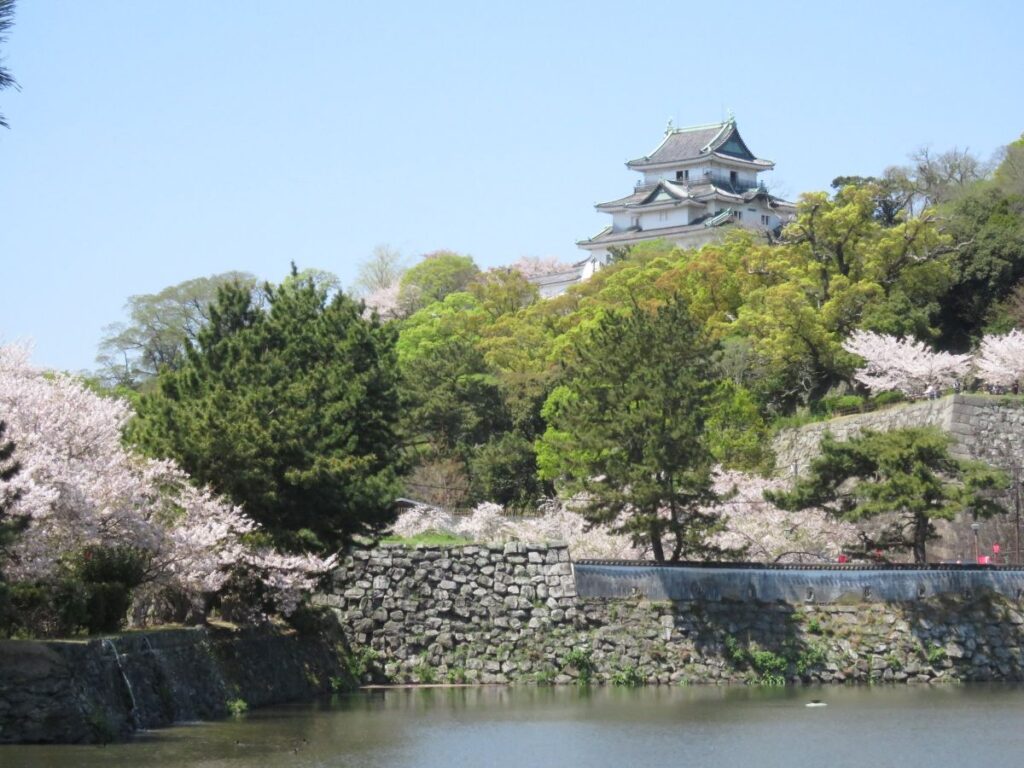
If you are looking for a private, personalized way to explore Wakayama and the Kii Peninsula, Curated Kii Peninsula Journey offers a flexible approach to discovering the region.
Rather than choosing from a collection of fixed sightseeing routes, we develop a journey around your interests, available time, and preferred travel style.
Your journey might focus on:
- Historic towns and Japanese cultural heritage
- Hiking and nature exploration
- Traditional crafts and hands-on cultural experiences
- Local food, fermentation, and regional industries
- Fishing villages and coastal communities
- A combination of several different experiences
You can choose a half-day, six-hour, or full-day guided experience, depending on your plans.
For travelers staying longer, multiple guided days can also be incorporated into a more extended exploration of the region, with free time between guided experiences.
The service focuses on private guiding, cultural interpretation, and support for local experiences. Accommodation and transportation arrangements are not included.
Whether you already have a clear idea of what you want to do or simply know the kind of experience you are looking for, we can start from there.
Your journey does not have to follow someone else’s itinerary.
Final Thoughts: Japan Is More Than Its Famous Destinations
Tokyo, Kyoto, and Osaka offer unforgettable experiences, and they deserve their place on many Japan itineraries.
But they are not the only places where you can discover Japanese culture.
Beyond the major cities, there are regions where history, nature, traditional industries, and everyday life remain closely connected.
The Kii Peninsula is one of those places.
Here, you can walk an ancient pilgrimage route in the morning, discover a traditional food culture in the afternoon, and spend time exploring a quiet coastal community.
You can choose a journey focused on history, nature, food, or traditional culture—or combine several interests into one experience.
Perhaps the best way to discover Japan is not to visit more destinations, but to find the places and experiences that resonate with you.
Let your interests shape your journey, and discover a different side of Japan in Wakayama.
👉 Explore Curated Kii Peninsula Journey and start planning your private experience.
Related Posts
- Custom Tours in Japan: How to Create a Journey Around Your Own Interests
- Slow Travel in Japan: Why Staying Longer Changes Everything
- Beyond Sightseeing: How to Experience Everyday Life in Japan
- Authentic Cultural Experiences Near Osaka: 7 Ways to Experience Traditional Japan
- Traditional Crafts to Experience in Japan: 7 Hands-On Experiences Beyond the Tourist Trail
Related posts:

Slow Travel in Japan: 7 Places to Experience Local Life

Beyond Osaka: Where to Discover Regional Japanese Food
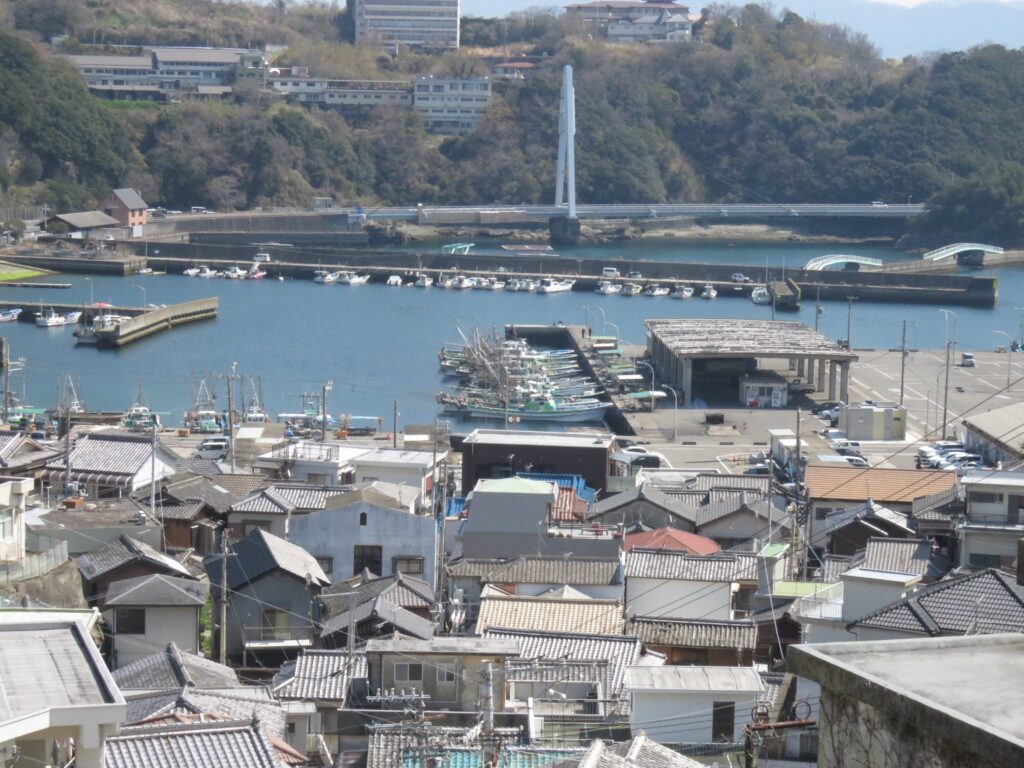
7 Fishing Villages in Japan: Where to Experience Local Life by the Sea
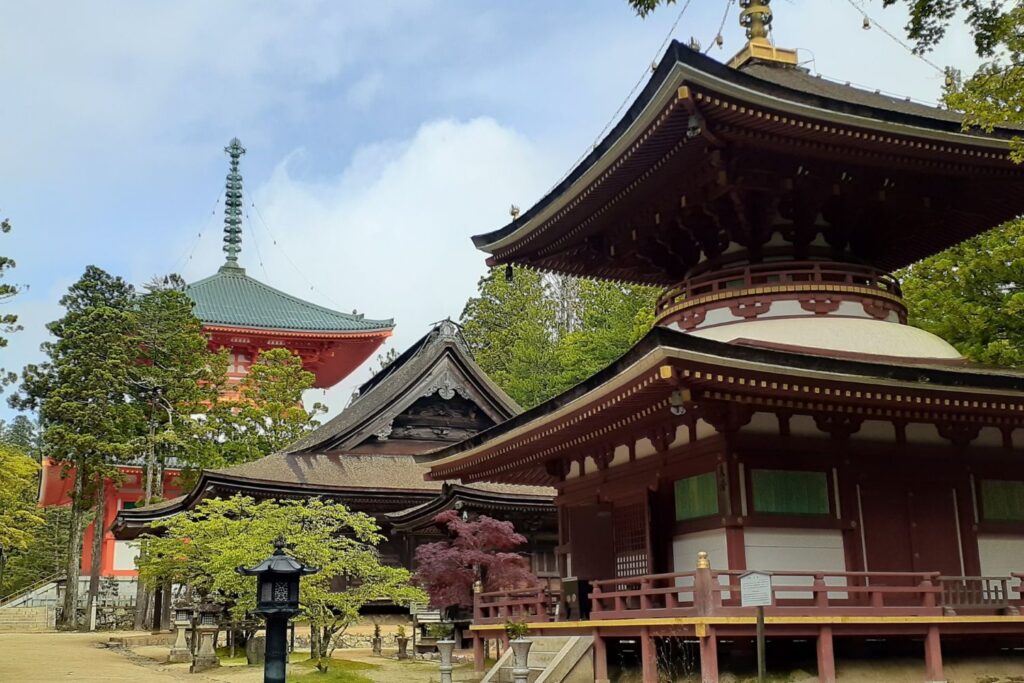
Beyond Nara: Places to Experience Japan's Religious Heritage
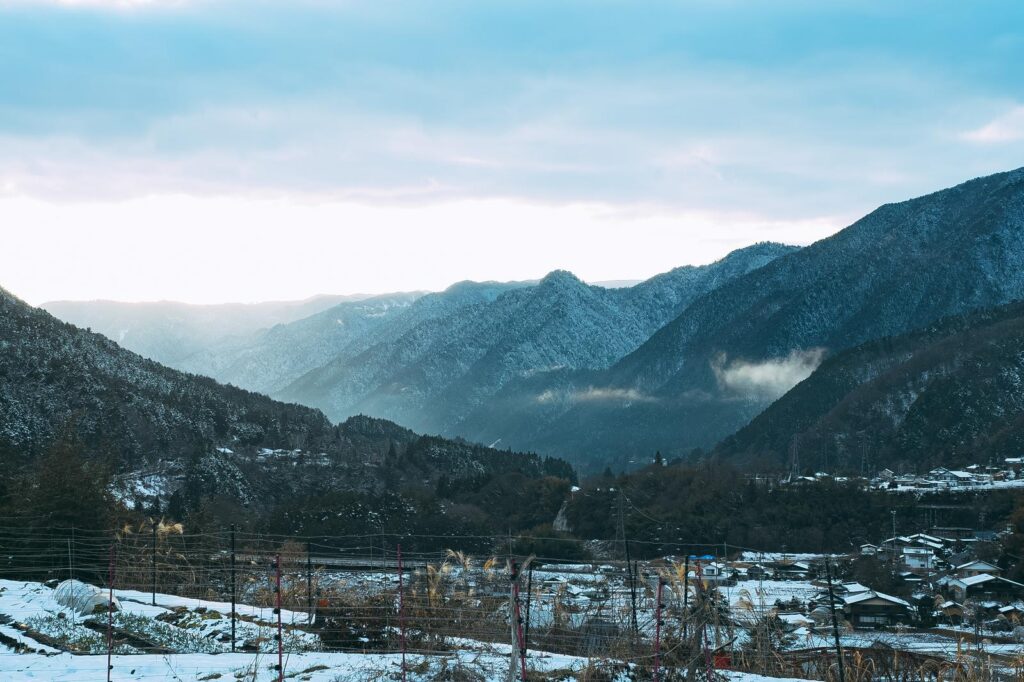
Winter in Japan: 8 Unforgettable Experiences Beyond Skiing
No responses yet