

Japan is known for its beautiful traditional crafts: lacquerware, ceramics, textiles, paper, bamboo, and woodwork. But seeing these crafts in a shop or museum is only part of the experience.
For travelers interested in Japanese culture, a hands-on craft experience can offer a different way to understand the country. Instead of simply looking at an object, you can learn how it is made, try some of the techniques yourself, and discover the connection between craftsmanship and everyday life.
You do not necessarily have to travel to a remote village to experience traditional Japanese crafts. Many craft traditions can be discovered as part of a wider journey through Japan, including in places that are already worth visiting for their history, food, landscapes, or cultural heritage.
Here are seven places and craft experiences to consider for a deeper cultural experience in Japan.
1. Kuroe, Wakayama — Experience Kishu Lacquerware
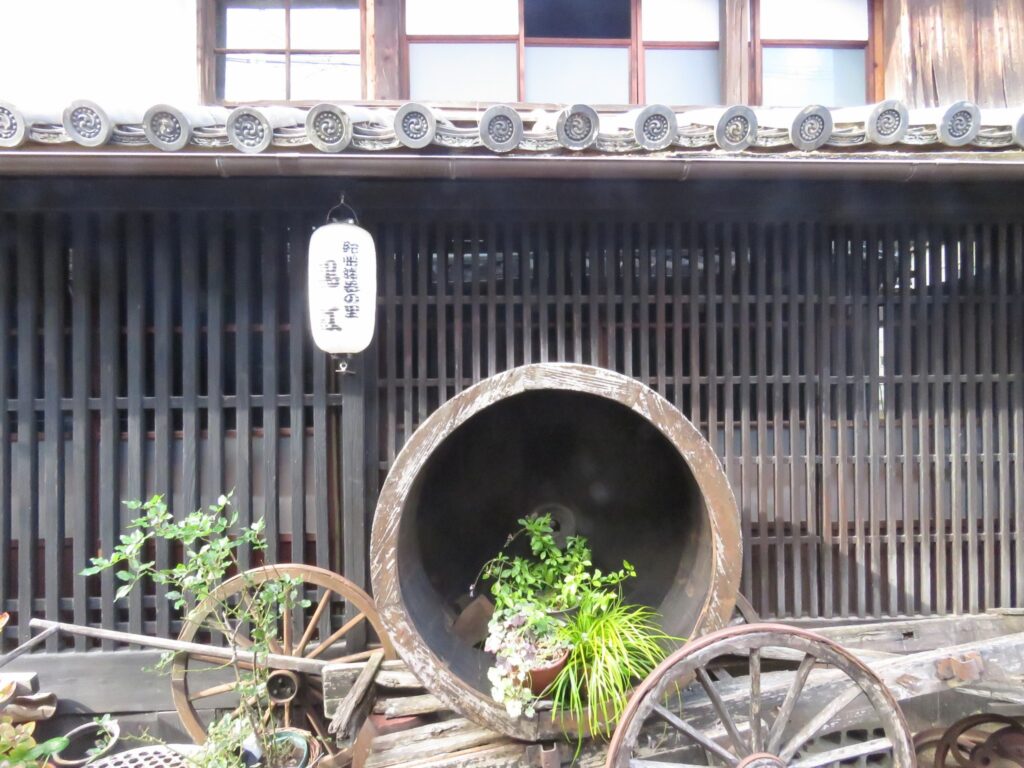
In the small historic town of Kuroe in Wakayama Prefecture, lacquerware has been produced for centuries.
Kuroe is home to Kishu lacquerware, one of Japan’s major lacquerware traditions. Unlike some highly specialized luxury crafts, Kishu lacquerware developed around everyday objects, including bowls, trays, boxes, cups, and other household items.
This makes Kuroe an interesting destination for travelers who want to see how traditional Japanese craftsmanship remains connected to daily life.
Try Maki-e and Lacquer Painting

One of the most fascinating techniques you can experience is maki-e, a decorative technique in which designs are created using lacquer and powdered gold, silver, or other materials.
Depending on the workshop, visitors may be able to try creating their own decorative design under the guidance of a craftsperson.
Another hands-on option is lacquer coating on chopsticks. Rather than simply purchasing a pair of Japanese lacquered chopsticks, you can experience part of the process yourself and create an object that you can actually use at home.
This is what makes a craft experience in Kuroe particularly appealing: the finished object is not merely a souvenir. It can become a small reminder of your journey and of the craftsmanship behind everyday Japanese objects.
Why Visit Kuroe?
Kuroe is also interesting because the craft tradition is part of the town itself.
Traditional workshops, old streets, local businesses, and the history of lacquerware production are all connected. A visit can therefore be more than a short workshop: it can become a way of seeing how a traditional industry shaped a local community.
For travelers visiting Wakayama, Kuroe can also be combined with other cultural experiences around Wakayama City and the nearby Wakaura area.
Best for: Travelers interested in Japanese design, crafts, food culture, and hands-on experiences.
Related post: Exploring Kuroe: Japanese Lacquerware and the Dining Experience
2. Kyoto — Learn Traditional Textiles and Dyeing
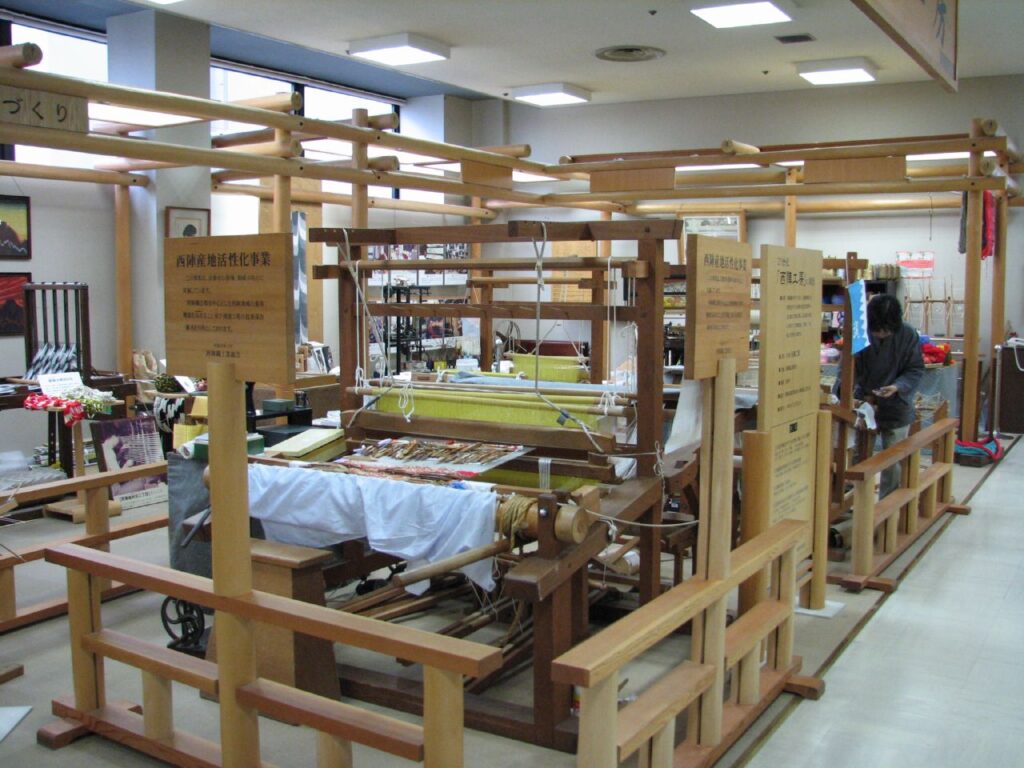
Kyoto is one of Japan’s best-known destinations for traditional crafts, and its textile traditions are particularly rich.
The city is associated with Nishijin-ori, an elaborate weaving tradition, as well as traditional dyeing techniques used for kimono and other textiles.
Visitors can find workshops where they can try activities such as textile dyeing, weaving, or creating small traditional textile products.
For travelers who associate kimono with Kyoto, a craft workshop can add another dimension to the experience. Instead of simply wearing a kimono for a few hours, you can learn something about the materials and techniques that make the garments distinctive.
Best for: Travelers interested in kimono, textiles, fashion, and traditional Japanese aesthetics.
3. Kanazawa — Discover Gold Leaf Craft
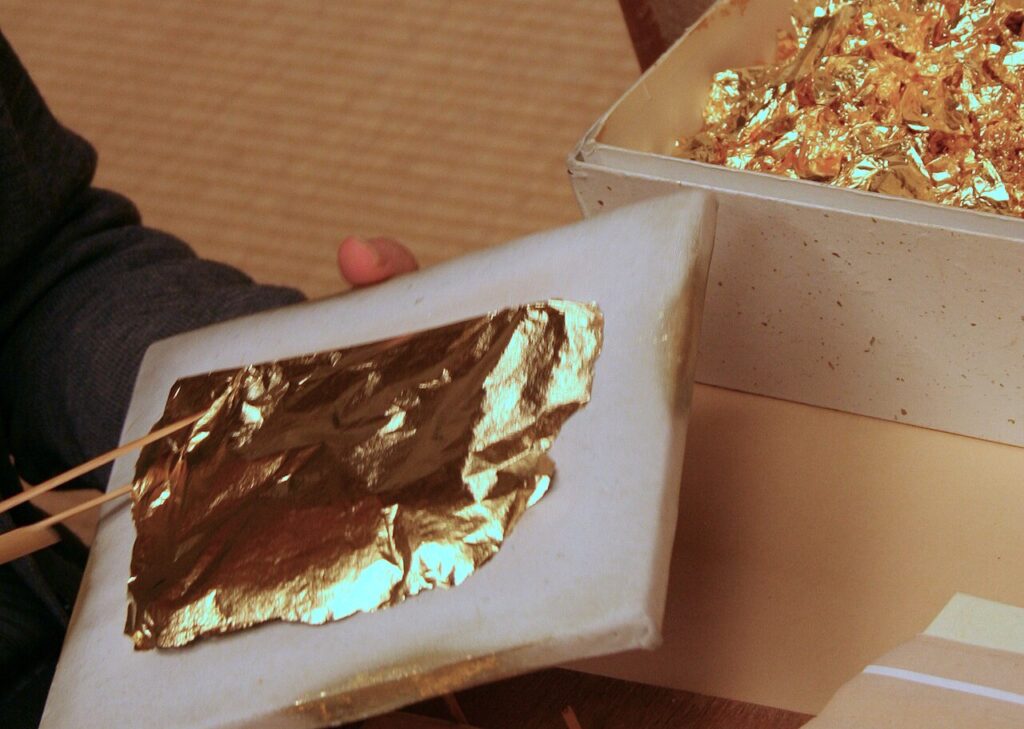
Kanazawa is famous for its production of gold leaf, which has been used in architecture, Buddhist art, lacquerware, ceramics, and decorative objects.
The city offers opportunities to try applying gold leaf to small objects. Depending on the workshop, you might decorate a plate, box, chopsticks, or another everyday item.
The experience also provides an introduction to the extraordinary thinness of Japanese gold leaf and the skill required to handle it.
Kanazawa is particularly rewarding because the craft experience can be combined with visits to historic districts, gardens, samurai residences, and traditional arts.
Best for: Travelers interested in Japanese art, luxury craftsmanship, and decorative design.
4. Mashiko — Make Your Own Japanese Pottery
For travelers who want to work directly with clay, Mashiko in Tochigi Prefecture is one of Japan’s best-known pottery towns.
Mashiko developed as a major pottery center and is particularly associated with Mashiko ware.
Visitors can participate in pottery workshops, often making their own bowl, cup, or other ceramic object.
The attraction of pottery is its physical nature. You feel the clay in your hands, shape the object yourself, and then wait for the finished piece to be fired.
The experience can also help travelers understand why pottery has such an important place in Japanese food culture. A handmade bowl or plate is not simply an art object—it can be part of an everyday meal.
Best for: Travelers interested in ceramics, Japanese food culture, and rural craft towns.
5. Echizen — Try Japanese Washi Paper Making
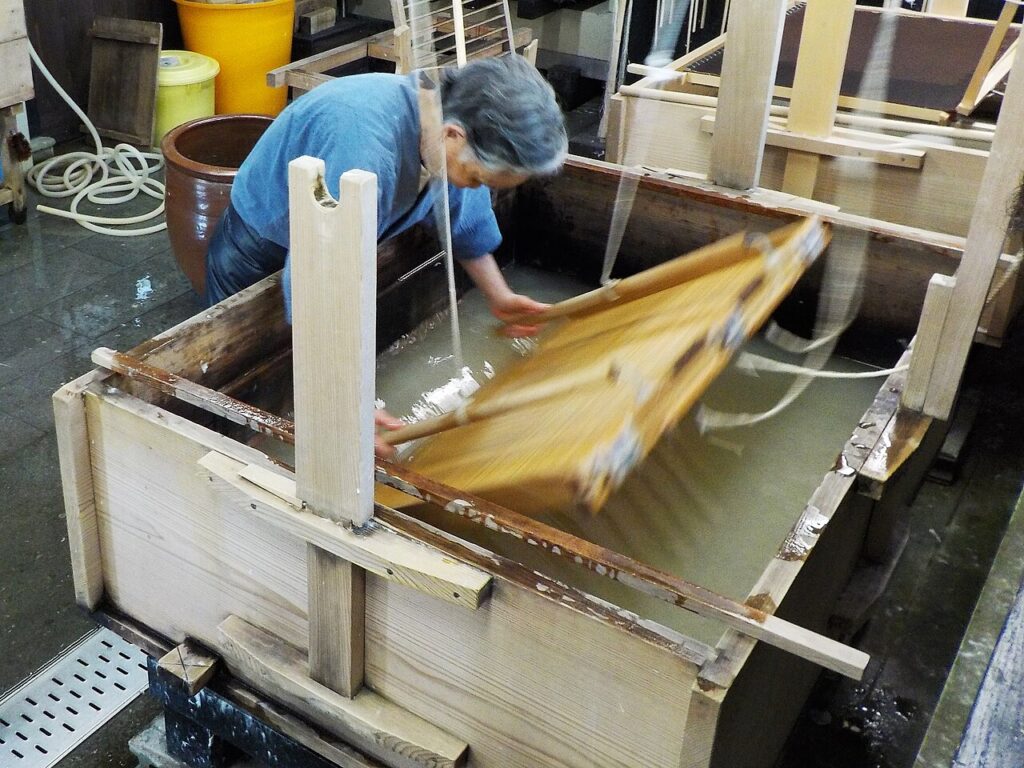
Japanese washi is one of the country’s best-known traditional materials, and several regions continue to produce it using traditional techniques.
In Echizen, Fukui Prefecture, visitors can learn about the long history of Japanese paper production and try making their own paper.
The process involves natural fibers, water, and careful craftsmanship. Making even a simple sheet of paper can give you a much better appreciation for the amount of work behind the finished material.
Washi is also a good example of how Japanese traditional crafts are connected to the natural environment. Water, plants, forests, and seasonal conditions all play a role in traditional paper production.
Best for: Travelers interested in nature, traditional materials, stationery, and Japanese aesthetics.
6. Takayama — Experience Traditional Woodworking

Takayama in Gifu Prefecture is famous for its historic townscape and woodworking traditions.
The surrounding Hida region has abundant forests, and woodworking developed as an important local craft. Hida furniture is particularly known for its careful joinery and use of local timber.
Visitors can find workshops where they can experience woodworking or make small wooden objects.
The experience is especially interesting when combined with a walk through Takayama’s old town. The buildings themselves provide a visual introduction to the importance of woodworking in the region.
Best for: Travelers interested in architecture, wood, craftsmanship, and traditional towns.
7. Arita — Experience Japanese Porcelain
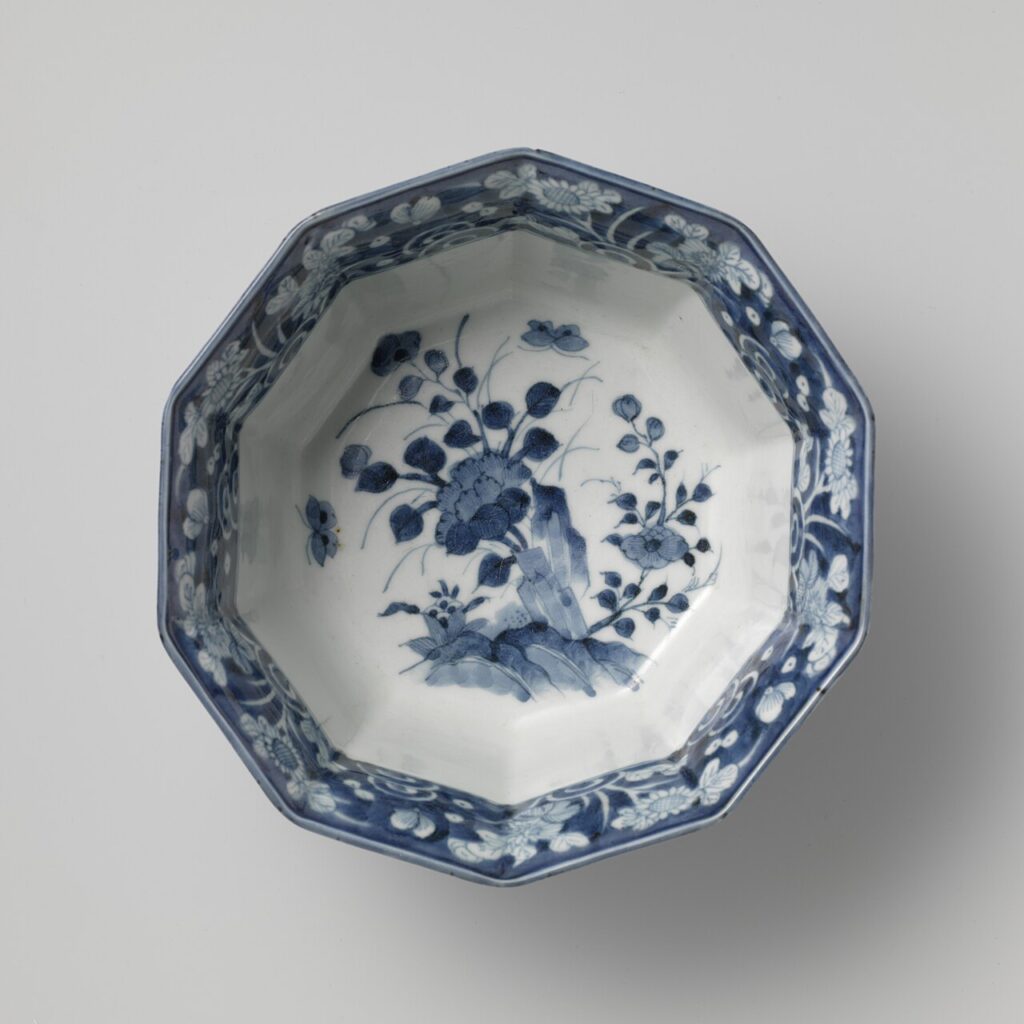
Arita in Saga Prefecture is one of Japan’s most famous ceramic towns and is closely associated with Arita ware, a tradition of Japanese porcelain dating back more than 400 years.
The town’s history is closely connected with the development of porcelain production in Japan and its export to overseas markets.
Visitors can explore ceramic museums, workshops, galleries, and historic areas, and some workshops offer opportunities to paint or decorate ceramics.
Arita is an excellent example of how a traditional craft can tell a much larger story involving technology, trade, design, and international exchange.
Best for: Travelers interested in ceramics, design, history, and Japanese-European cultural exchange.
Why Experience Traditional Crafts in Japan?
Traditional craft workshops offer something that a museum visit cannot.
You are not simply looking at an object behind glass. You are touching the material, learning a technique, and discovering how much knowledge is contained in something that may initially look simple.
A lacquered bowl, a sheet of washi, a ceramic cup, or a pair of chopsticks can appear ordinary when viewed as a finished product. Understanding how it was made changes the way you see it.
Craft experiences can also provide a more personal connection to the places you visit.
Instead of asking only:
“What should I see in Japan?”
you can ask:
“What can I learn to make here?”
That small change can lead you beyond Japan’s most famous tourist attractions and into workshops, historic towns, and communities where traditional skills are still part of everyday life.
Choosing a Craft Experience
You do not need to plan an entire trip around traditional crafts.
For many travelers, the best approach is to incorporate a workshop into a wider itinerary.
Visiting Kyoto? Add a textile or dyeing experience.
Exploring Kanazawa? Try gold leaf.
Traveling through Gifu? Explore woodworking in the Hida region.
Visiting Saga? Discover Arita ceramics.
And if you are traveling through Wakayama, consider spending time in Kuroe to discover Kishu lacquerware.
The experience becomes part of the journey rather than another item on a sightseeing checklist.
Traditional Crafts as a Window into Local Life
One of the most rewarding aspects of traditional crafts is that they reveal something about the places where they developed.
The materials often come from the surrounding landscape. Techniques are passed from one generation to another. Local industries influence townscapes and livelihoods. And many crafts were originally created not as luxury souvenirs, but as objects for everyday use.
This is particularly clear in places such as Kuroe, where lacquerware is closely connected with the history of the town and the daily lives of its residents.
For travelers looking for a slower and more meaningful way to experience Japan, these connections can be more memorable than simply collecting souvenirs.
Related post: Why Some of Japan’s Most Meaningful Experiences Aren’t Offered in English
Final Thoughts
Japan’s traditional crafts are not confined to museums.
Across the country, you can meet craftspeople, visit historic production areas, learn traditional techniques, and make something with your own hands.
From lacquerware in Wakayama and gold leaf in Kanazawa to pottery in Mashiko and porcelain in Arita, each craft offers a different way to understand the relationship between people, materials, and place.
And sometimes the most meaningful souvenir from Japan is not something you buy.
It is something you learn to make.
Related Posts
- Beyond the Castle: 10 Cultural Experiences Around Wakayama Castle
- Beyond Tokyo and Kyoto: 6 Places to Experience a Different Japan
- Beyond Kyoto: Where to Experience Kimono in Japan
- Japan’s Four Major Lacquerware Traditions: Discover Kishu Lacquerware in Kuroe
No responses yet