

From spring mountain vegetables to winter hot pots, discover how Japan’s seasons shape the food people eat and the landscapes that produce it.
One of the easiest ways to understand Japan is through food.
But Japanese food is not simply a collection of dishes. It is deeply connected to the changing seasons.
The arrival of spring brings wild mountain vegetables and young bamboo shoots. Summer means sweet fish, refreshing noodles, and an abundance of fruit. Autumn brings mushrooms, chestnuts, rice, and newly harvested crops. In winter, people turn toward hot pots, preserved foods, and the rich flavors of seafood from cold waters.
These seasonal changes are reflected not only on restaurant menus, but also in farming, fishing, preservation, festivals, and everyday life.
And because Japan stretches from the northern island of Hokkaido to the subtropical islands of Okinawa, each region has developed its own way of responding to the seasons.
Here are some of the regional food traditions that reveal how closely Japanese cuisine is connected to place and time.
1. Spring: Mountain Vegetables and the First Signs of New Growth

Spring in Japan is associated with renewal.
Before modern agriculture made vegetables available throughout the year, the arrival of spring meant that people could once again gather fresh plants from the mountains and fields.
Wild vegetables such as sansai—including bracken, butterbur, and bamboo shoots—have long been part of regional spring cooking.
Their slightly bitter flavors are quite different from the vegetables commonly found in supermarkets. That bitterness is part of the experience of spring.
In mountainous areas, spring mountain vegetables may appear in tempura, simmered dishes, or simple preparations that allow their flavors to remain distinctive.
For travelers, this is one reason seasonal Japanese food can feel different from eating the same cuisine abroad.
The food is not necessarily more elaborate.
It is simply connected to what is appearing in the landscape at that particular moment.
2. Kyoto and the Culture of Seasonal Refinement

Few places have developed the idea of seasonal cuisine as extensively as Kyoto.
Traditional kaiseki cuisine places great importance on seasonality—not only in the ingredients themselves, but also in presentation, tableware, colors, and even the flowers used to decorate a meal.
A spring dish may emphasize young vegetables and delicate flavors. Summer meals may use ingredients and serving vessels that create a sense of coolness. Autumn brings mushrooms, chestnuts, and harvest ingredients, while winter cuisine becomes warmer and more substantial.
This attention to season is part of the broader Japanese concept of shun, the period when an ingredient is considered to be at its seasonal best.
But the idea of shun is not limited to expensive restaurants.
It exists at many levels of Japanese food culture, from home cooking to local markets.
3. Hokkaido: A Short Growing Season and the Taste of the North

In northern Japan, the seasons can be particularly dramatic.
Hokkaido has a shorter growing season than much of the country, but its wide plains, cool climate, and surrounding seas have produced a distinctive food culture.
Potatoes, corn, dairy products, wheat, beans, and other agricultural products are important parts of the regional diet.
The surrounding waters also provide abundant seafood, including salmon, crab, sea urchin, and scallops.
Winter changes the relationship between people and food.
Preservation has historically been important in northern climates, while modern Hokkaido cuisine continues to emphasize hearty dishes that suit cold weather.
Here, the relationship between climate and food is particularly easy to see.
4. Nagano: Mountain Food and Preservation

In the Japanese Alps, the mountains have shaped local cuisine for centuries.
Nagano’s high elevations and long winters encouraged communities to make use of ingredients that could be preserved.
Buckwheat became particularly important, giving rise to soba as one of the region’s best-known foods.
Fermented and preserved foods also played an important role in mountain communities.
Miso, pickles, dried vegetables, and other preserved ingredients helped people maintain food supplies through winter.
Today, visitors may encounter these foods as regional specialties, but they originally developed from a practical relationship with the landscape.
This is an important feature of Japanese regional cuisine:
what looks like a culinary tradition is often also a record of how people adapted to their environment.
5. Sanriku and the Pacific Coast: Food from Cold Waters

Along Japan’s Pacific coast, seasonal changes are reflected strongly in fishing.
The Sanriku coast of northeastern Japan is famous for its rich marine environment. Different species become available at different times of year, creating a constantly changing seafood calendar.
Fish may be grilled, simmered, dried, fermented, or served as sashimi depending on the species and season.
For coastal communities, seasonality is not simply a matter of culinary preference.
It is connected to the rhythms of the sea.
This is one reason that visiting a fishing town can offer a different understanding of Japanese food from eating at a restaurant in a major city.
You can see where the ingredients come from and how local communities have built their lives around them.
6. Wakayama: A Region Shaped by Mountains, Rivers, and the Sea
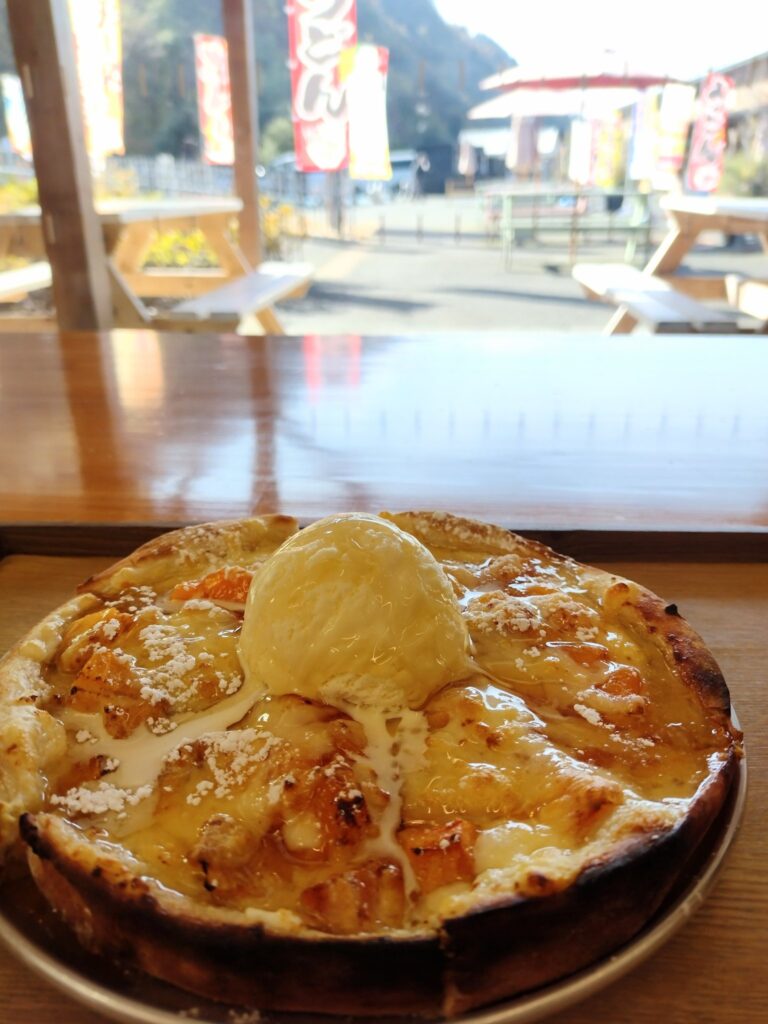
In Wakayama, the relationship between landscape and food is especially visible.
The prefecture stretches from the Pacific coast into the mountains of the Kii Peninsula, with fertile river valleys and agricultural areas between them.
This geography creates a remarkably diverse food culture.
The coast provides fish and seafood.
The mountains provide wild plants, mushrooms, and forest products.
The river valleys support agriculture and fruit cultivation.
And the warm climate allows Wakayama to become one of Japan’s important fruit-growing regions.
Rather than one single cuisine defining the region, Wakayama’s food culture is a collection of traditions shaped by different landscapes.
Shoyu Soy Sauce from Yuasa
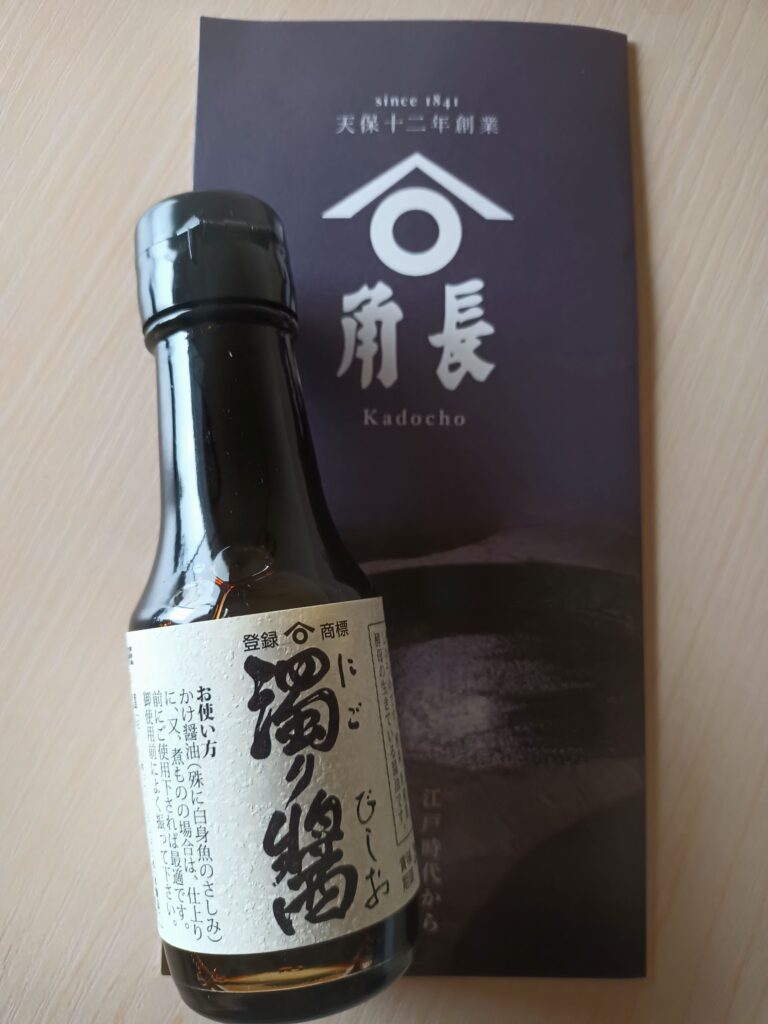
One of the clearest examples is Yuasa, a historic coastal town associated with the development of Japanese soy sauce.
The story of Yuasa is closely connected with fermentation and the movement of ingredients and techniques through the Kii Peninsula.
Traditional soy sauce production is not simply about producing a seasoning.
It involves time, microorganisms, wooden fermentation vessels, climate, ingredients, and the knowledge of people who maintain the process.
This makes soy sauce a particularly interesting way to understand Japanese regional food culture.
A bottle of soy sauce can be thought of as a small record of place.
Related post:
Ume and the Kishu Climate
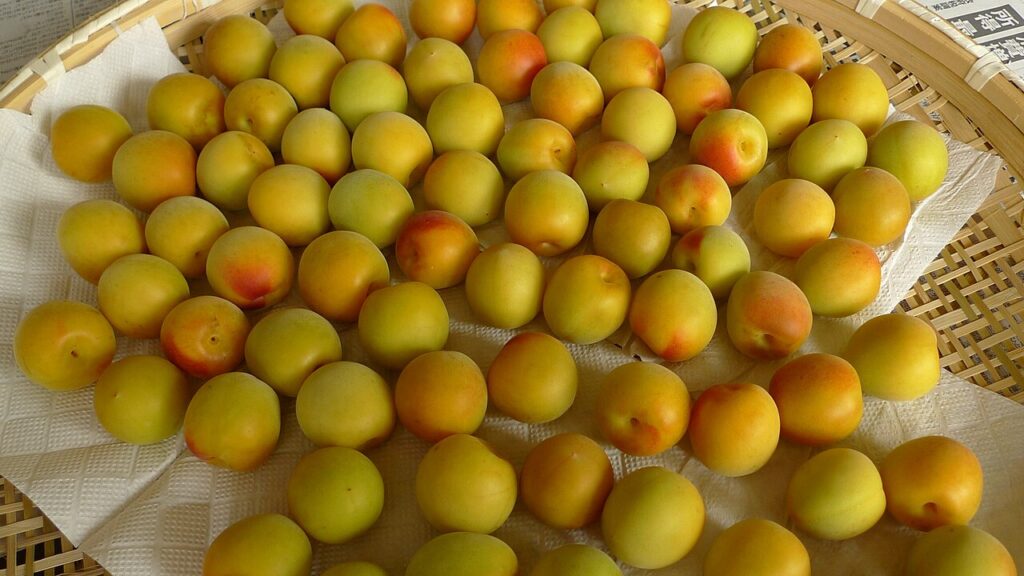
Wakayama is also famous for ume, Japanese plums.
The fruit has become an important part of the agricultural identity of the region, particularly in southern Wakayama.
Ume are transformed into products such as umeboshi and umeshu, allowing the harvest to be preserved and enjoyed throughout the year.
This is another example of how seasonality does not mean eating something only during its harvest.
Japanese food culture has developed many ways to extend the life of seasonal ingredients through preservation and fermentation.
Related post:
Discovering Japan’s Plum Culture: A Journey Through Minabe and Tanabe
Citrus and Other Fruits
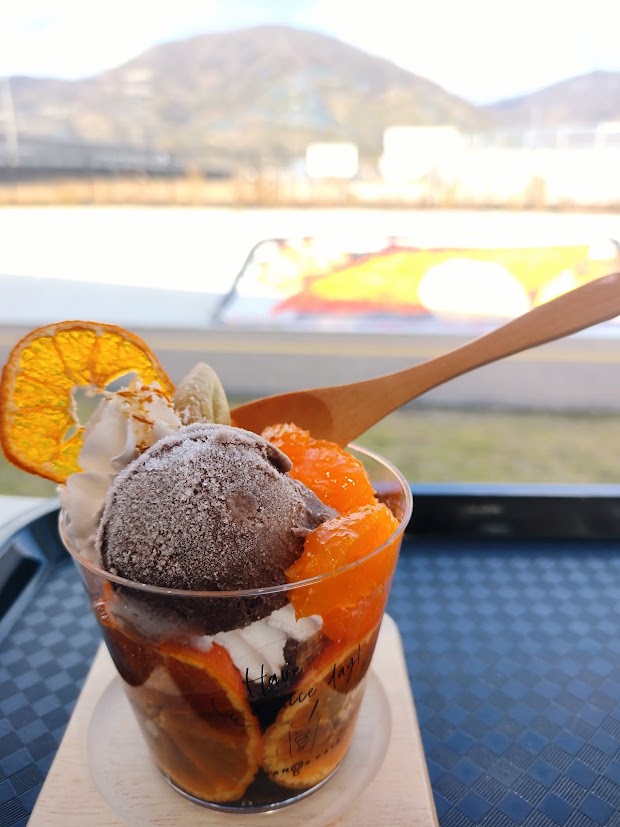
Wakayama’s warm climate and varied terrain also support a remarkable range of fruit.
Mikan and other citrus varieties are particularly associated with the prefecture, while peaches, persimmons, and other fruits are cultivated in different parts of the region.
In places such as the Kinokawa River valley, agriculture is closely connected to the landscape.
A visit during fruit season can therefore be more than a food experience.
It can be a way of seeing how farming has shaped the countryside itself.
Related post:
Fruits Satoyama Farm Stay in Kinokawa City
7. Summer: Seafood, Fruit, and the Search for Refreshment
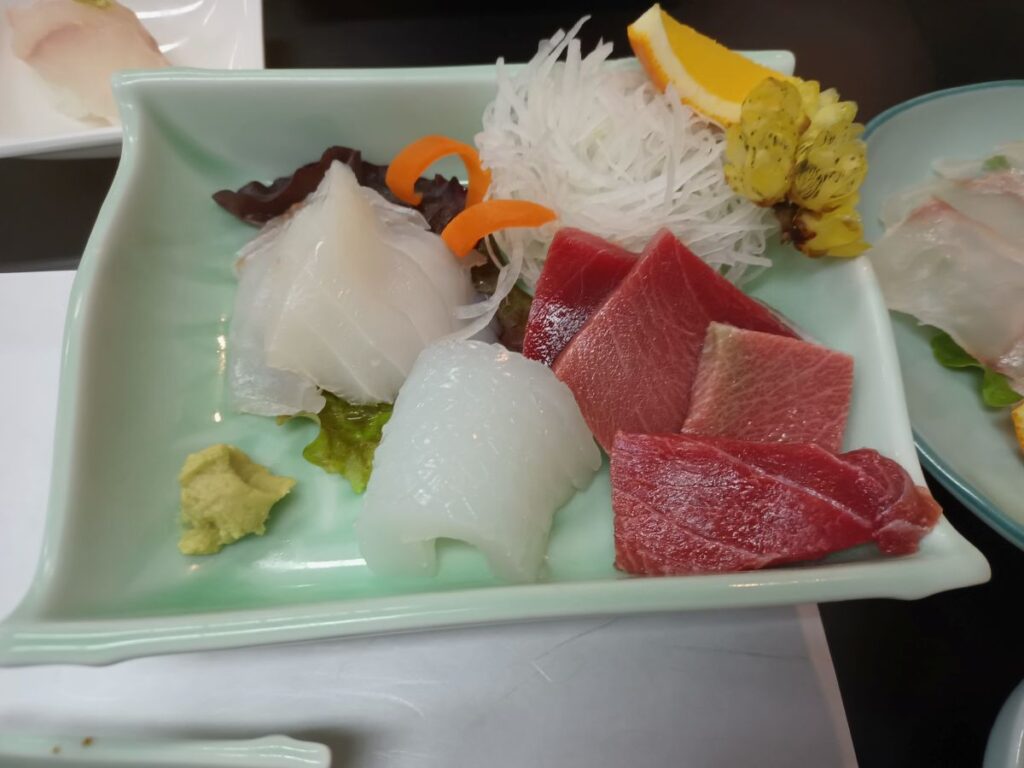
Japanese summer cuisine often reflects the heat and humidity of the season.
Cold noodles, chilled tofu, seasonal fish, summer vegetables, and fresh fruit become particularly appealing.
Along the coast, freshly caught fish and seafood remain important.
In agricultural regions, summer is also the season when many fruits begin appearing in abundance.
In Wakayama, peaches and other summer fruits can become part of the experience of visiting rural areas.
This is one reason food can be such a useful way to explore regional Japan.
The same season produces completely different culinary experiences depending on the landscape.
A summer meal beside the sea feels different from one in a mountain village or an agricultural valley.
8. Autumn: The Season of Harvest
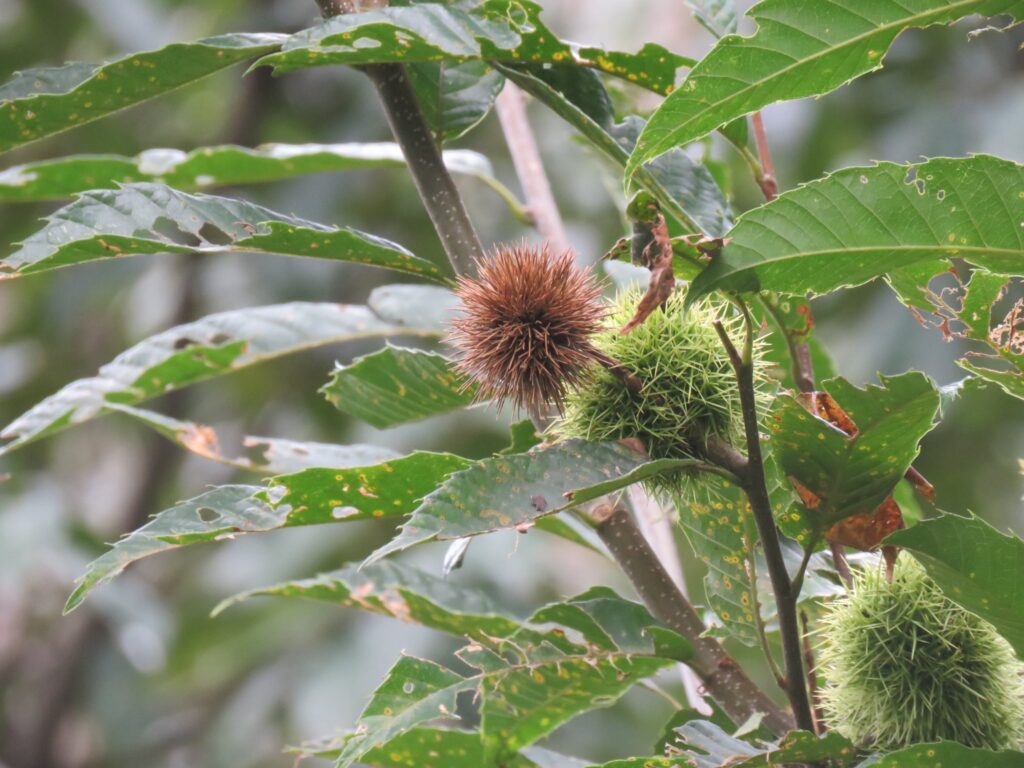
Autumn may be the clearest expression of the relationship between Japanese food and the agricultural calendar.
Rice is harvested.
Mushrooms appear in the mountains.
Chestnuts, sweet potatoes, persimmons, grapes, and other crops come into season.
The idea of shokuyoku no aki, or “autumn appetite,” reflects this abundance.
But autumn food is also connected to an older cultural idea: giving thanks for the harvest.
Regional festivals, agricultural traditions, and seasonal foods often overlap during this time of year.
In rural Japan, the landscape itself changes as fields are harvested and orchards become filled with ripe fruit.
Eating local food during autumn can therefore provide a direct connection to the agricultural cycle.
9. Winter: Fermentation, Preservation, and Hot Pots
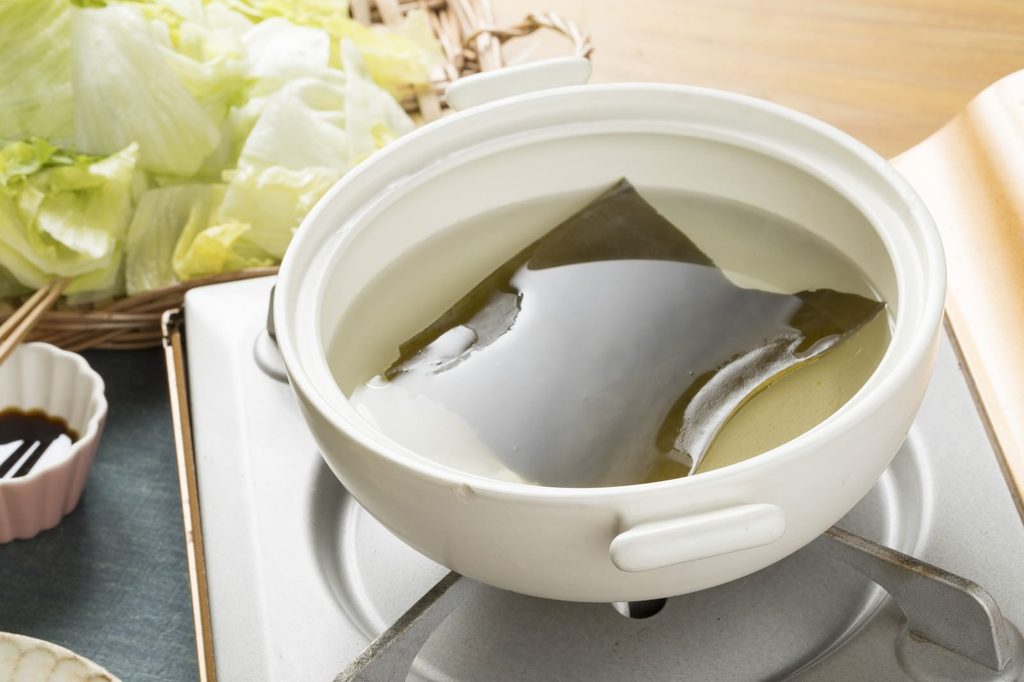
Winter brings a different style of Japanese cooking.
Hot pots such as nabe are designed for sharing around the table.
Fish and vegetables are simmered together, creating a meal that is warming as well as social.
Winter is also a season when preserved and fermented foods become particularly important.
Miso, shoyu soy sauce, pickles, dried seafood, and other foods reflect techniques developed partly to preserve ingredients beyond their harvest or fishing season.
Fermentation is especially fascinating because it connects food with time.
A fermented ingredient is not simply harvested and eaten.
It changes.
Microorganisms, temperature, vessels, humidity, and time all contribute to its final character.
This is one of the reasons Japanese food culture cannot always be understood simply by looking at individual dishes.
Sometimes the most important ingredient is time itself.
10. Seasonality Is More Than a Menu
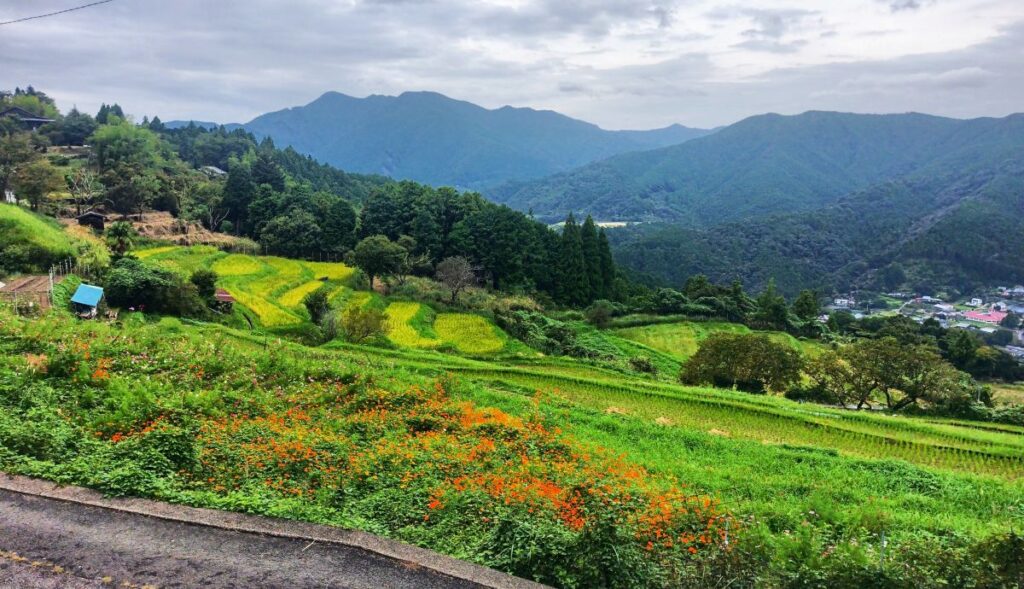
For travelers, Japanese seasonality can be easy to misunderstand.
It is tempting to think of it simply as:
spring food, summer food, autumn food, and winter food.
But the deeper story is about relationships.
Seasonality connects:
- agriculture and climate
- fishing and the sea
- preservation and fermentation
- food and festivals
- landscapes and livelihoods
- local products and regional identity
This is why the same ingredient can mean something different in different parts of Japan.
A fish caught in a particular coastal community is connected to that community’s fishing traditions.
A fruit grown in a particular valley is connected to its climate and agricultural history.
A fermented product may reflect generations of local knowledge.
Food becomes a way of reading the landscape.
Experiencing Japan Through Its Food Seasons

If you want to understand regional Japan, it can be more rewarding to ask “What is this place eating now?” than simply looking for famous dishes.
Visit a market in spring and look for the first mountain vegetables.
Travel through a rural valley in summer and see the orchards producing their seasonal fruit.
Visit a fishing community in autumn or winter and ask what is being caught at that time of year.
Taste a fermented product and learn how long it took to make.
These experiences turn food from something you consume into something you use to understand a place.
And this is perhaps one of the most interesting aspects of traveling through Japan.
The country does not have one single food culture.
It has many regional food cultures, constantly changing with the seasons.
Discovering Wakayama Through Food and Landscape
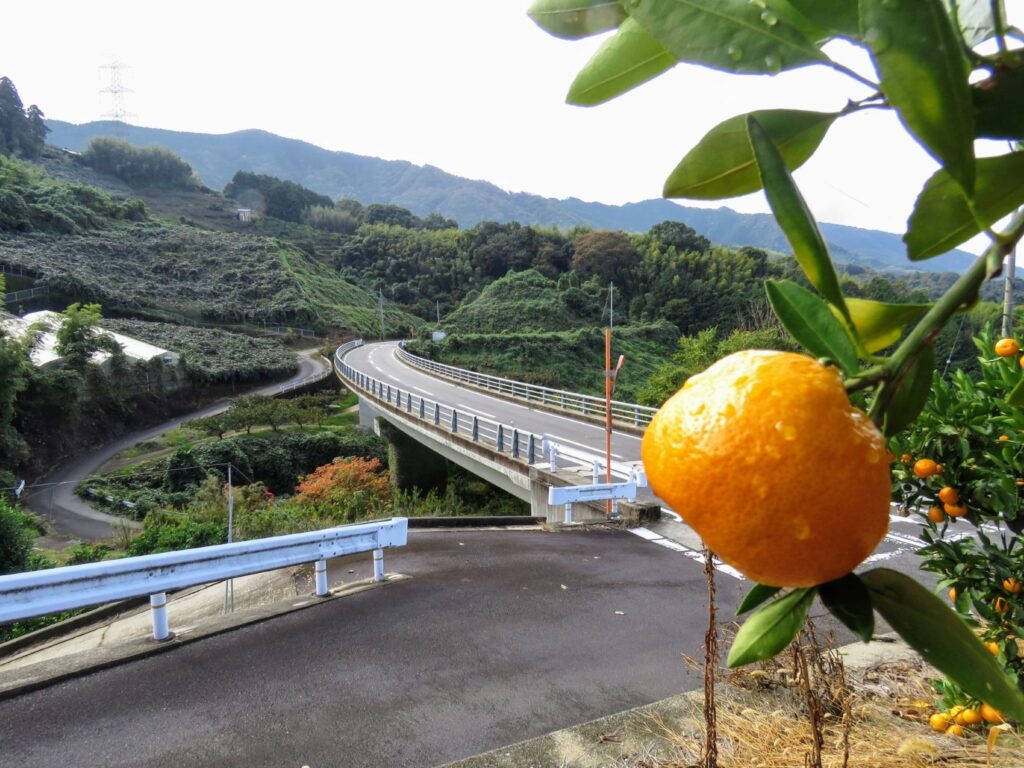
Wakayama is particularly rewarding for travelers interested in this relationship between food and place.
You can explore the coastal culture of fishing communities, discover the fermentation traditions of Yuasa, visit agricultural landscapes along the Kinokawa River, or experience the seasonal products of the Kii Peninsula.
The food is only the starting point.
Behind it are the mountains, rivers, farms, fishing ports, historic roads, religious traditions, and communities that have shaped the region over generations.
For travelers who want to go beyond simply checking famous sights off a list, this offers another way to experience Japan:
follow the seasons, and let the food lead you into the landscape.
That is where regional Japan begins to feel less like a collection of destinations—and more like a living culture.
Related Posts
- Japan’s Agricultural Heritage: 7 Landscapes Shaped by Centuries of Farming
- Japanese Fermentation: 8 Traditional Foods and the Places Behind Them
- Omakase in Wakaura: A Curated Journey Through Local Taste and Landscape
- 5-Day Food Journey Through Wakayama: From Mountains to Ocean
No responses yet