
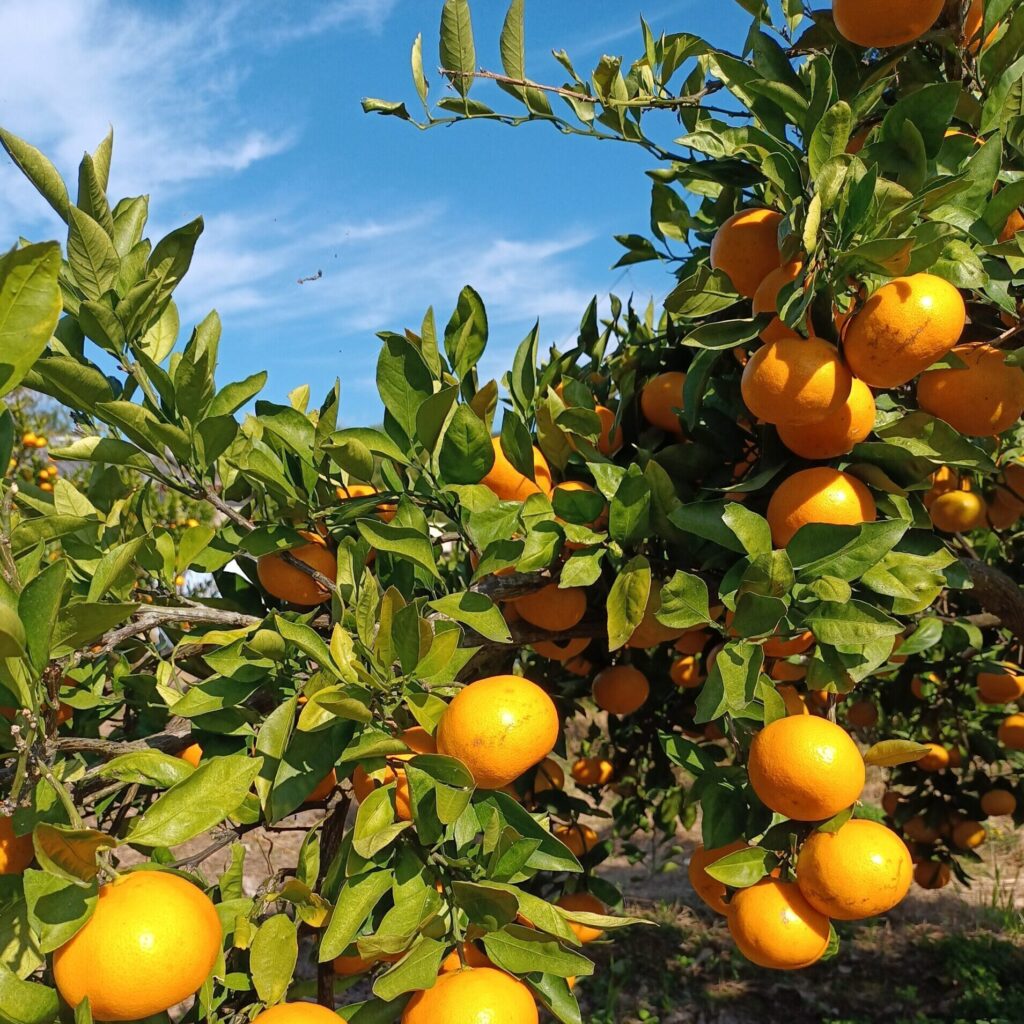
Japan’s countryside is more than a collection of beautiful fields and rural villages. Across the country, generations of farmers have adapted to mountains, forests, rivers, coastlines, and changing climates, creating agricultural landscapes that continue to shape local life today.
Some of these landscapes are recognized as Globally Important Agricultural Heritage Systems (GIAHS) by the Food and Agriculture Organization of the United Nations (FAO). The designation recognizes not simply a crop or a scenic place, but the connections between traditional agriculture, biodiversity, local culture, and the environment. Japan has 17 designated GIAHS sites as of February 2026.
For travelers interested in Japanese food, rural culture, and places beyond the usual sightseeing routes, these landscapes offer a different way to understand the country. Here are seven agricultural heritage destinations where the land itself tells a story.
1. Minabe-Tanabe, Wakayama: The Ume Plum System
Wakayama Prefecture · Recognized in 2015
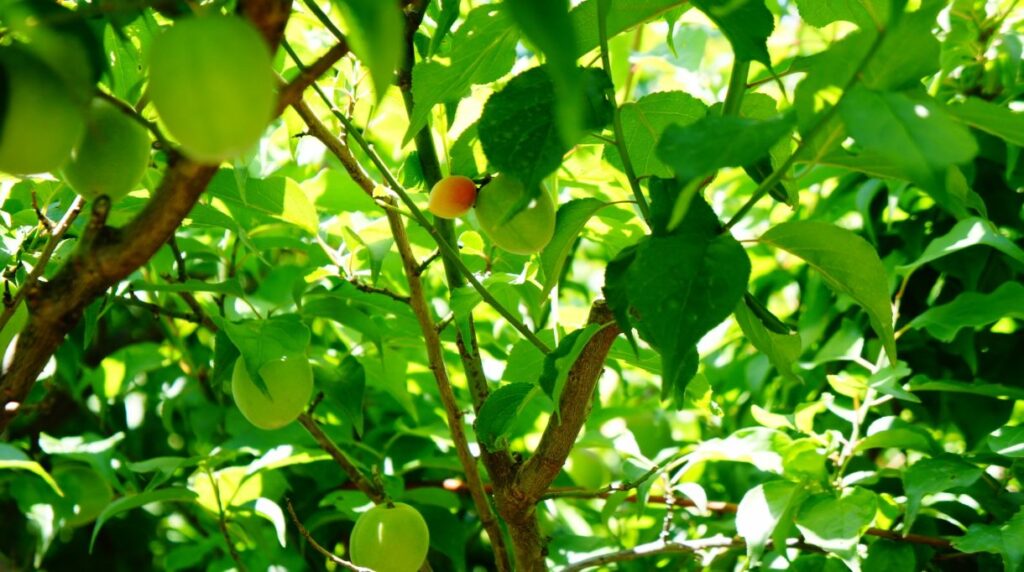
In the hills of southern Wakayama, the landscape of Minabe and Tanabe is shaped by ume, the Japanese plum. Yet the story of this agricultural system is not just about growing fruit. It is also about the forests that surround the orchards.
The region’s steep slopes have gravelly, nutrient-poor soils. Over generations, farmers developed a system that combines ume cultivation with the preservation of nearby coppice forests. These woodlands have traditionally supplied fuelwood and charcoal, while also supporting the wider environment in which the orchards exist.
This relationship between orchards and forests is central to the Minabe-Tanabe Ume System. Rather than clearing every slope for cultivation, the landscape retains a mosaic of productive groves and woodland.
Why visit?
The region offers a chance to see how a familiar Japanese ingredient is connected to the surrounding environment. Ume is widely used in foods such as umeboshi, or salted plums, and ume-based drinks, but its production here is part of a much larger rural system.
Visitors can explore the countryside, learn about local ume culture, and discover how farming traditions have been passed down alongside the forests.
A question to explore: Why do ume orchards coexist with woodland instead of replacing it entirely?
For travelers exploring Wakayama beyond its best-known pilgrimage routes, Minabe and Tanabe provide a window into the agricultural life of the Kii Peninsula.
Related post
Discovering Japan’s Plum Culture: A Journey Through Minabe and Tanabe
2. Arida-Shimotsu, Wakayama: Stone-Terraced Mikan Orchards
Wakayama Prefecture · Recognized in 2025
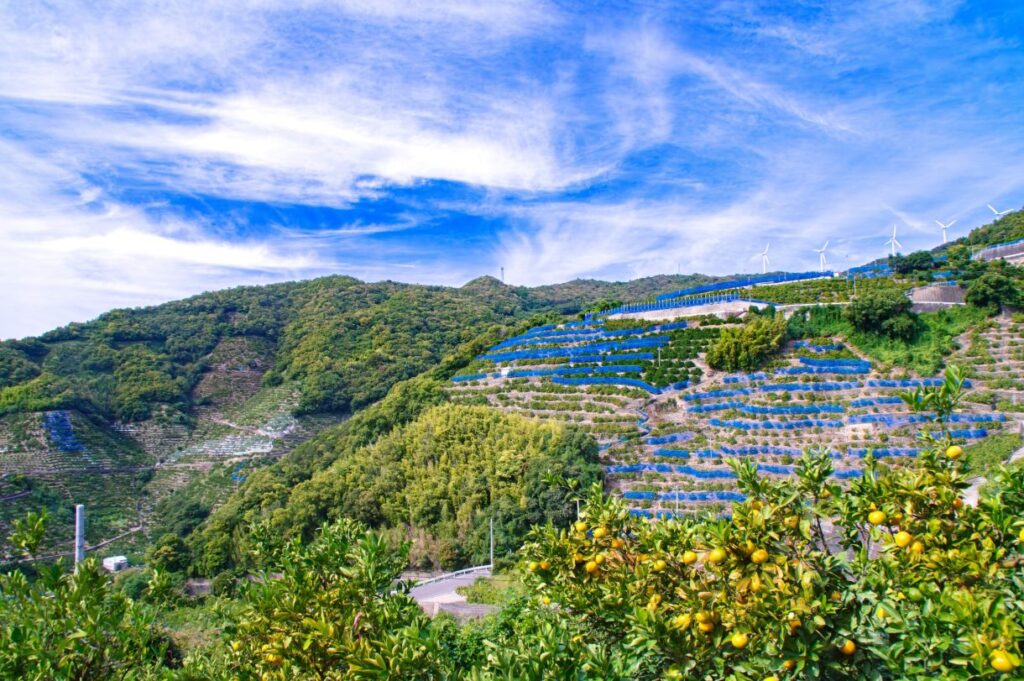
On the slopes of Arida and Shimotsu, citrus orchards form a striking landscape of stone terraces. Farmers have built and maintained these terraces for more than 400 years, creating cultivated hillsides that extend from the coast into the interior.
The region is known for its mikan, or Japanese mandarins. But producing high-quality fruit on steep terrain requires more than planting trees. Farmers select varieties and adapt cultivation methods to local conditions, including sunlight, temperature, and soil.
The system also includes locally produced seedlings and storage techniques known as kuradashi, which help support the production and distribution of mikan. Traditions associated with praying for a good harvest remain part of the local community.
Why visit?
The stone terraces reveal how people have reshaped a challenging landscape to make it productive. They also offer a visual connection between agriculture and the geography of Wakayama’s coast and hills.
For food-focused travelers, the region provides context for one of Japan’s familiar fruits: how it is grown, how local knowledge shapes production, and how farming has become part of the identity of a place.
A question to explore: How did generations of farmers transform steep hillsides into citrus-growing landscapes?
Arida and Shimotsu are especially relevant for visitors interested in Japanese food culture, rural landscapes, and the relationship between traditional knowledge and modern agriculture.
Related post
A Day Between Sea, Citrus, and Craft: Exploring Arida’s Living Culture
3. Noto, Ishikawa: Satoyama and Satoumi
Ishikawa Prefecture · Recognized in 2011
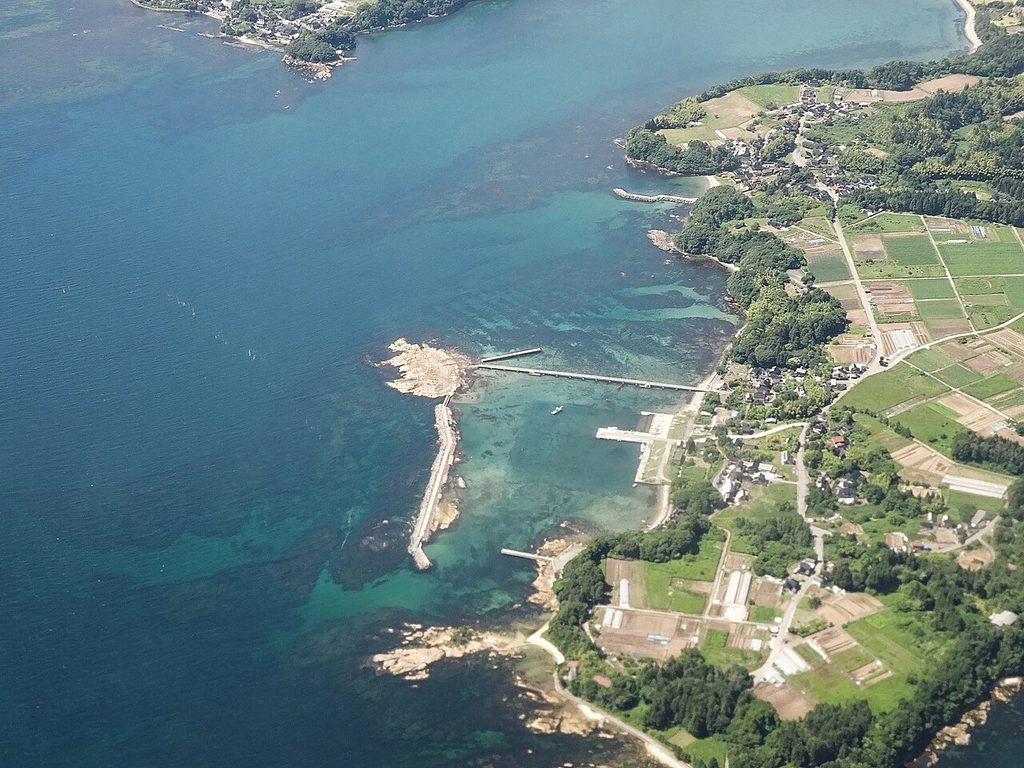
On the Noto Peninsula, the concepts of satoyama and satoumi describe the landscapes where people live and work in close relationship with forests, farmland, and the sea.
Here, rural life is not defined by agriculture alone. Coastal communities, fishing, farming, and local traditions form an interconnected landscape. The designation recognizes the relationship between human activity and the peninsula’s natural environments.
The scenery shifts between wooded hills, cultivated fields, small settlements, and the coastline. These are working landscapes, shaped by the everyday activities of local communities.
Why visit?
Noto offers an opportunity to explore the connections between land and sea in rural Japan. It is a destination for travelers interested in local foodways, coastal communities, and the ways people have adapted to a peninsula’s geography.
A question to explore: How do farming and fishing communities shape one another when forests, fields, and the sea are all part of daily life?
Travel note: Check current local access and visitor information before planning a trip, as conditions and available services may change.
4. Sado Island, Niigata: Rice Farming and the Japanese Crested Ibis
Niigata Prefecture · Recognized in 2011
Sado Island’s agricultural heritage is closely associated with the effort to maintain a landscape where rice farming and the Japanese crested ibis can coexist.
The island’s satoyama landscape brings together rice paddies, surrounding woodland, and rural communities. The GIAHS designation recognizes the relationship between farming practices and the conservation of the ibis, a bird that has become an important symbol of Sado.
Rather than treating farmland and wildlife as separate concerns, this system highlights how agricultural landscapes can also provide habitat for other species.
Why visit?
Sado is an appealing destination for travelers who want to understand the connections between food production, biodiversity, and rural conservation.
The island’s rice-growing landscapes also offer a different perspective on Japanese agriculture: not simply as a means of producing food, but as a way of maintaining a wider living environment.
A question to explore: What changes when farmers consider wildlife as part of the landscape they manage?
5. Aso, Kumamoto: Grasslands and Sustainable Agriculture
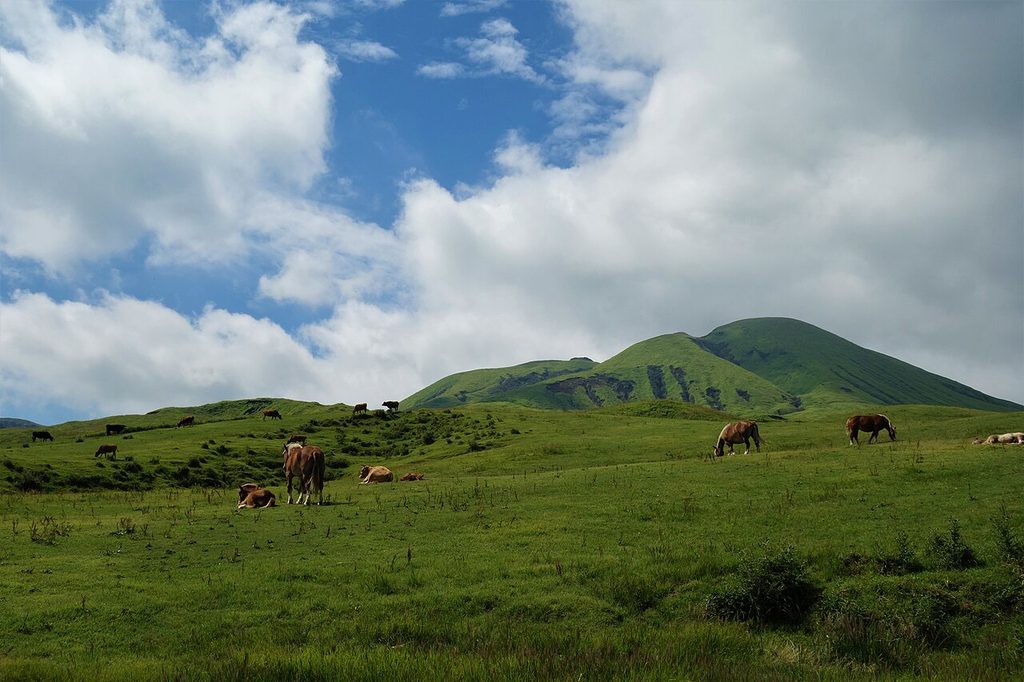
Kumamoto Prefecture · Recognized in 2013
The broad grasslands of Aso, in central Kyushu, are among Japan’s distinctive rural landscapes. The area’s agricultural heritage is built around the continued management of grasslands and their relationship with farming.
These open landscapes are not simply untouched wilderness. Their character has been shaped by long-standing human activity, including the use and maintenance of grassland resources in local agriculture.
The result is a landscape in which expansive grasslands, volcanic scenery, and agricultural life are closely connected.
Why visit?
Aso offers a striking contrast to the densely forested mountains and terraced fields found in other parts of Japan. Its open horizons make it a destination for travelers interested in landscapes, rural livelihoods, and the role of traditional land management.
A question to explore: What does it take to maintain a grassland landscape over generations?
6. Shizuoka: Traditional Wasabi Cultivation
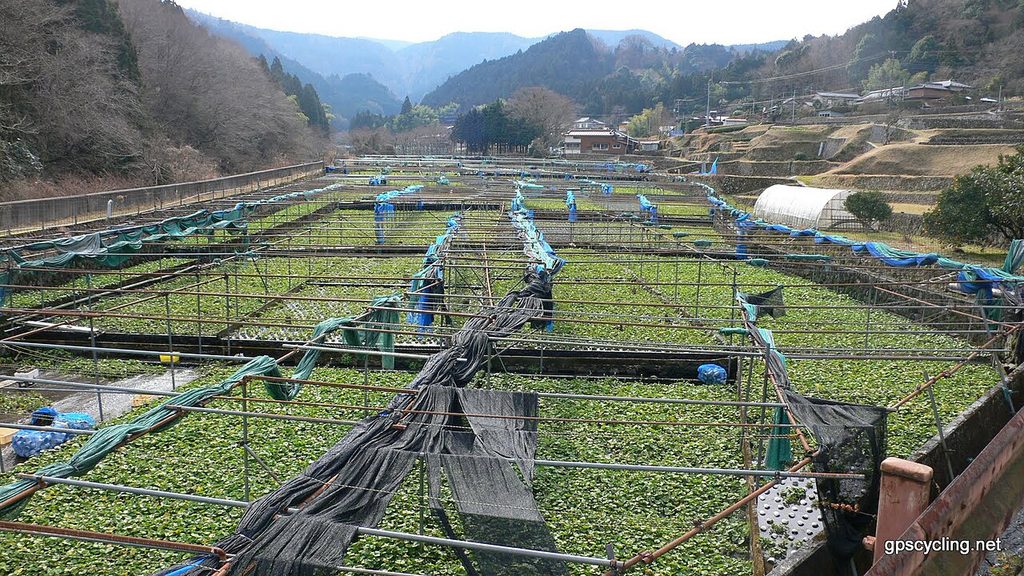
Shizuoka Prefecture · Recognized in 2018
Wasabi is often encountered as a small accompaniment to sushi, but its cultivation depends on a very particular relationship with water, terrain, and farming knowledge.
In Shizuoka, traditional wasabi cultivation is recognized as an agricultural heritage system. The designation reflects the history of wasabi production and the ways local communities have developed cultivation practices suited to their environment.
The growing areas offer a chance to look beyond the familiar green paste and understand the conditions and work behind the ingredient.
Why visit?
For food lovers, a wasabi-growing region provides a deeper perspective on one of Japan’s most recognizable flavors. It is also a destination for travelers interested in water landscapes and specialized agricultural traditions.
A question to explore: How does the local water environment shape the way a distinctive Japanese ingredient is cultivated?
7. Okuizumo, Shimane: From Tatara Ironmaking to a Farming Landscape
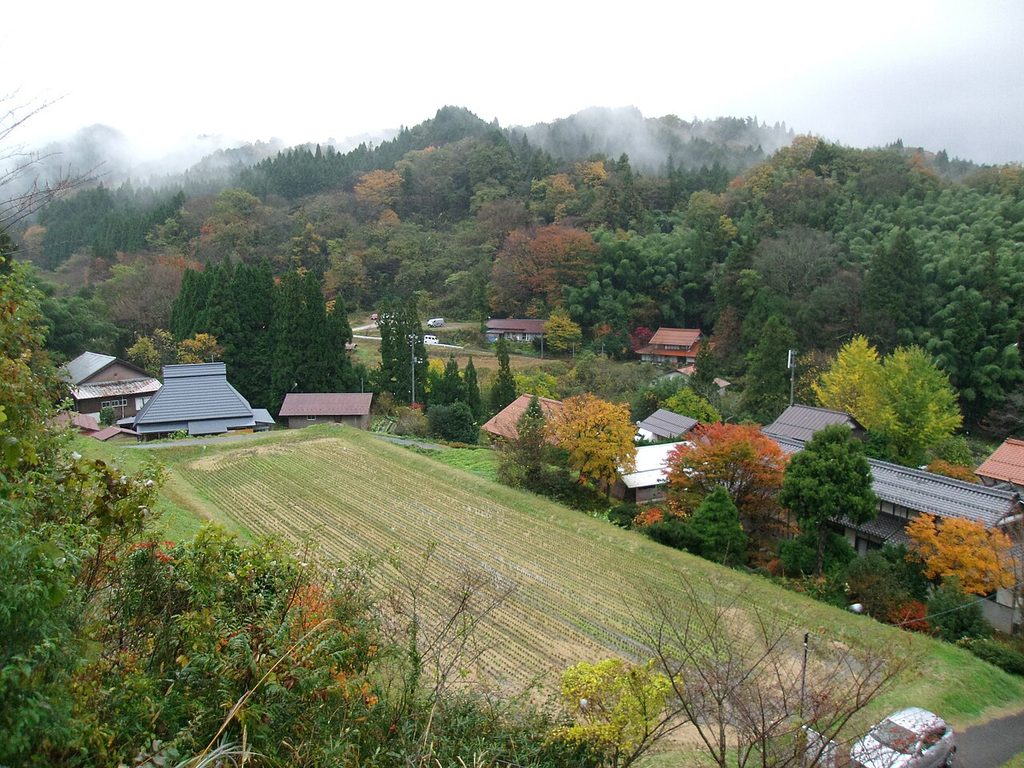
Shimane Prefecture · Recognized in 2025
Okuizumo’s agricultural heritage tells a story that begins with ironmaking.
For centuries, the region was associated with tatara, a traditional method of producing iron. The landscape was shaped by the extraction of iron sand, and some former mining areas were later restored as terraced rice fields. Waterways and reservoirs originally constructed for ironmaking were also repurposed.
The system also connects rice cultivation with livestock. Cattle manure helps build fertile paddy soils, while rice straw and grass from paddy ridges can be used as feed. This creates a relationship between farming and animal husbandry.
Why visit?
Okuizumo shows how a landscape can carry traces of different industries and generations. Its agricultural system is not isolated from history: it has adapted and reused infrastructure created for earlier economic activities.
A question to explore: How can an old industrial landscape become part of a new agricultural system?
What These Agricultural Landscapes Tell Us About Japan
These seven destinations differ in climate, terrain, crops, and local history. Yet they share an important characteristic: agriculture is deeply connected to the landscapes and communities around it.
In Minabe-Tanabe, ume cultivation is linked to surrounding woodland. In Arida-Shimotsu, stone terraces make citrus cultivation possible on steep slopes. In Noto, farming and fishing belong to a wider relationship between land and sea. In Sado, rice farming is connected to biodiversity. Aso’s grasslands depend on continued management, while Shizuoka’s wasabi cultivation reflects specialized local knowledge. Okuizumo’s farming system reuses elements of a landscape shaped by ironmaking.
This is the central idea behind GIAHS: the heritage lies in the relationships between people, production, nature, and culture—not simply in a particular crop or scenic view.
How to Experience Japan’s Agricultural Heritage
Agricultural heritage destinations are best approached with curiosity rather than as a checklist of viewpoints.
A visit might include:
- Walking through a rural landscape to understand its terrain and patterns of cultivation.
- Learning about the crops and farming techniques that define the area.
- Tasting local foods while discovering how they are produced.
- Exploring nearby villages, historic sites, or coastal communities.
- Understanding how local people continue to maintain and adapt their agricultural traditions.
Not every farm is open to visitors, and access to working agricultural areas should always be arranged respectfully. Check local tourism information for visitor facilities, seasonal activities, and opportunities to learn from local producers.
Discover Wakayama Through Its Agricultural Heritage
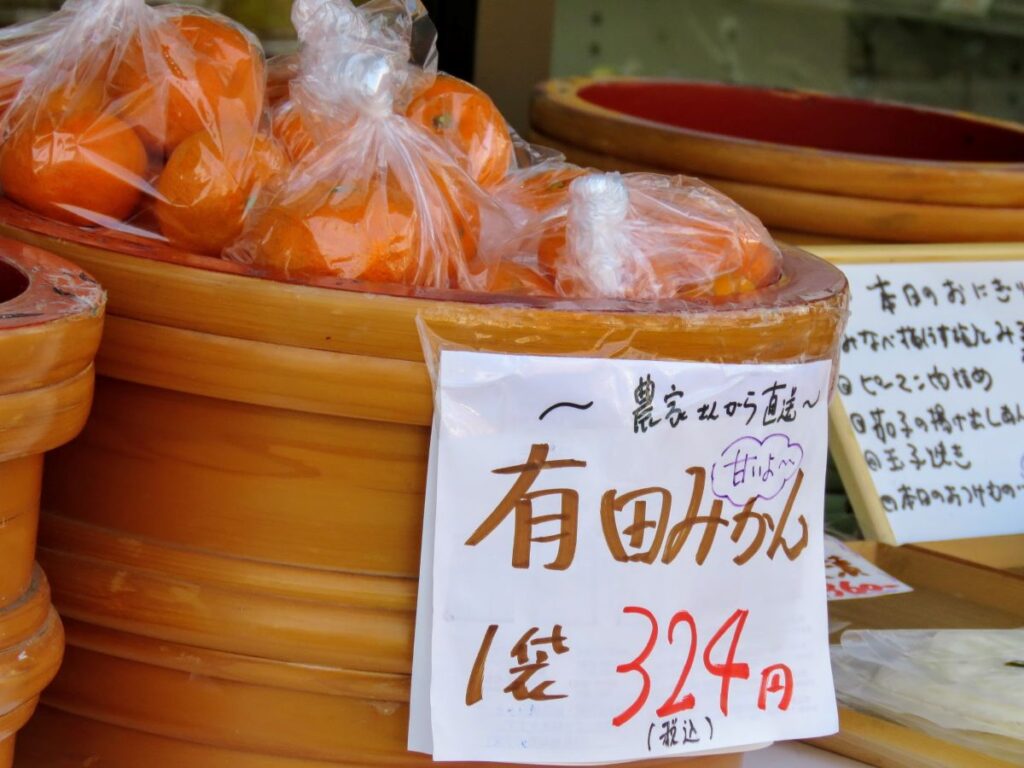
For travelers visiting the Kansai region, Wakayama offers two distinct agricultural heritage landscapes: the ume-growing hills of Minabe-Tanabe and the stone-terraced mikan orchards of Arida-Shimotsu.
They provide different ways to explore the relationship between Japanese food and place. One reveals how orchards and woodland have developed together; the other shows how generations of farmers have built productive terraces across steep terrain.
Both invite visitors to look beyond the finished product and discover the landscape, knowledge, and local life behind it.
If you are planning a journey through Wakayama, these regions can be part of a broader exploration of the Kii Peninsula—connecting agricultural landscapes with local food culture, historic towns, coastal scenery, and the everyday life of the region.
Explore more of Wakayama: Discover the region through a curated private journey, with time to explore local landscapes, food traditions, and places beyond the usual sightseeing routes.
Learn about my service Curated Kii Peninsula Journey
Relate Posts
- Where to Buy Fresh Fruit in Wakayama: A Local Guide to Markets, Roadside Stations, and Hidden Farm Stands
- Best Satoyama Experiences in Wakayama: Walk, Farm, Taste, and Connect
- Fruits Satoyama Farm Stay in Kinokawa City
- Mandarin Farm Stay in Arida
No responses yet