
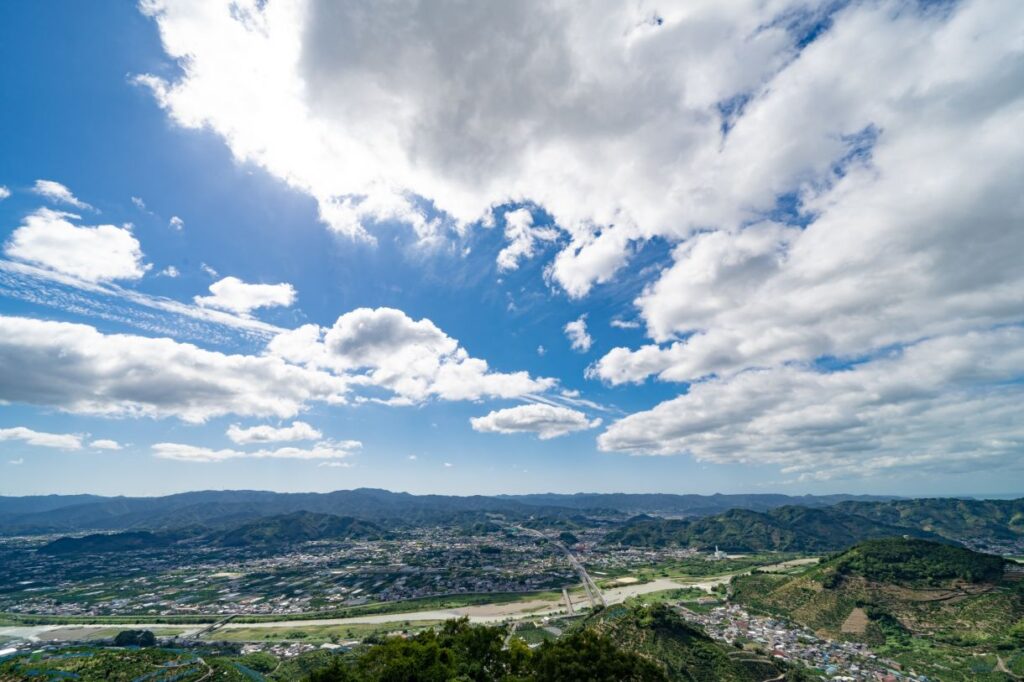
Discover the Landscapes, Flavors, and Everyday Culture of Coastal Wakayama
When travelers visit Japan, they often choose between nature, food, or culture.
In the Arida region of Wakayama, you don’t have to choose.
Here, the sea shapes daily life. Citrus orchards cover the hillsides. Ancient pilgrimage routes cross fishing villages. Soy sauce fermentation began nearby centuries ago. And today, a new generation of brewers and entrepreneurs is creating fresh interpretations of local culture.
This is not a destination built around a single attraction.
It is a landscape where many layers of Japanese life continue to coexist.
For travelers seeking a deeper understanding of rural Japan, Arida offers something increasingly rare: a place where tradition is not preserved behind glass, but remains part of everyday life.
Morning: Begin with the Sea
The best way to understand Arida is to start where local life has always begun—the water.
The coastline around Arida offers opportunities for SUP, kayaking, snorkeling, and coastal exploration. Unlike the crowded beaches near major cities, the atmosphere here is calm and unhurried.
From the water, the region reveals itself differently.
Fishing ports appear tucked beneath forested hills. Small villages follow the curves of the coastline. Terraced orchards climb slopes above the sea.
The landscape immediately raises an interesting question:
Why did people settle here?
The answer becomes clearer throughout the day.
The sea provided food, transportation, and trade routes. The surrounding mountains offered protection. Rivers carried water and connected inland communities to the coast.
The geography itself created the foundation of local culture.
Lunch: Seafood and the Working Coast
After returning from the water, head toward one of the local fish markets or fishing cooperative facilities where the catch of the day reflects the rhythm of the surrounding sea.
This is not simply a seafood meal.
It is an introduction to a living maritime culture.
The fishermen unloading boats in the morning, the seafood arriving at local restaurants, and the traditional food culture of nearby towns are all connected through the same coastal ecosystem.
Unlike many tourist destinations, fishing remains an active industry here.
Visitors are not observing a historical reconstruction.
They are witnessing a community that continues to work with the sea every day.
Afternoon: Walking Through the Landscape of Pilgrims
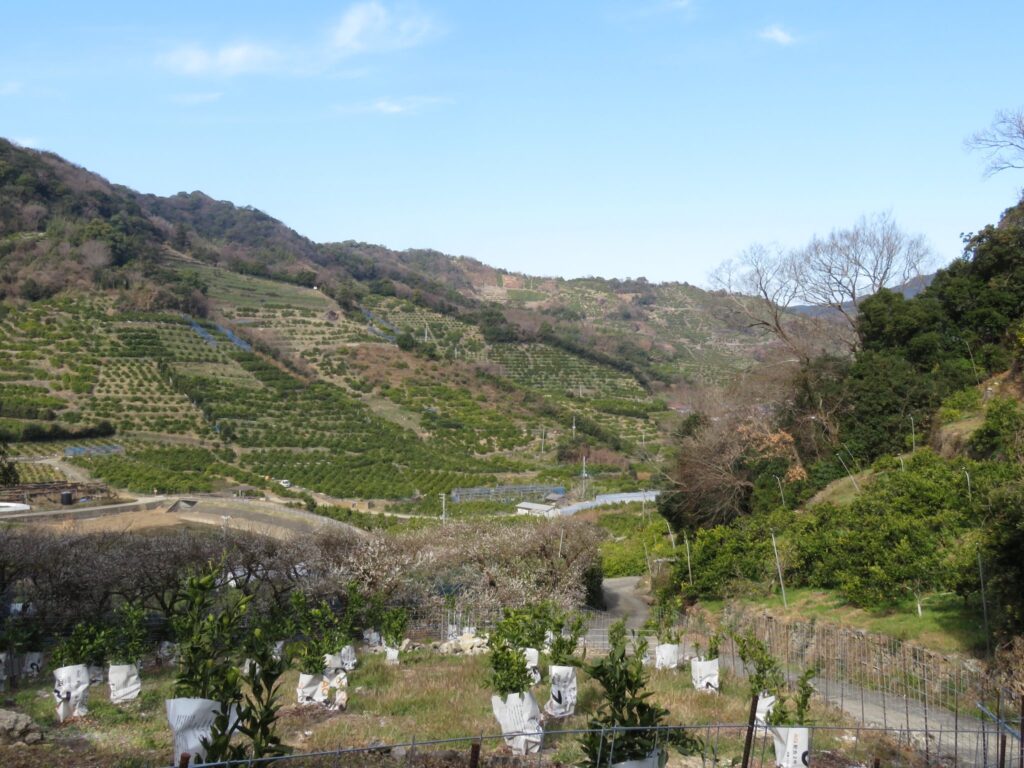
A short drive inland reveals another layer of Arida’s identity.
For more than a thousand years, pilgrims passed through this region on their way toward the sacred sites of Kumano.
Today, sections of the Kumano Kodo remain accessible to travelers seeking a quieter alternative to Japan’s better-known hiking routes.
Walking even a short section helps reveal how movement shaped the region.
Pilgrims, merchants, fishermen, farmers, and travelers all shared these roads.
Ideas, products, beliefs, and stories moved along the same paths.
The route was never simply about reaching a destination.
It was about the relationship between people and landscape.
This perspective still defines much of rural Wakayama today.
An Afternoon Taste of Citrus Country
One of the most distinctive features of the Arida region is impossible to miss.
Citrus orchards cover the surrounding hills.
For generations, local farmers have cultivated mandarins and other varieties adapted to the region’s mild climate and coastal environment.
Stopping at a farm café or fruit parlor offers more than a dessert break.
It provides another window into the relationship between landscape and livelihood.
The sweetness of a parfait or freshly squeezed juice reflects years of agricultural knowledge, seasonal rhythms, and careful cultivation.
The orchards are not merely scenic.
They are part of the cultural landscape itself.
Evening: Craft Beer and a New Generation of Local Culture
As the day winds down, another side of Arida emerges.
At first glance, a modern craft brewery might seem unrelated to fishing villages, pilgrimage routes, or citrus farming.
In reality, it continues the same story.
Places like NOMCRAFT Brewing represent a new generation of people who see value in regional culture and choose to build something within it rather than leave it behind.
Their work reflects an increasingly important aspect of contemporary Japan.
Rural communities are not frozen in time.
They continue to evolve.
The brewery becomes a meeting point between local residents, visitors, farmers, craftspeople, and entrepreneurs.
Enjoying a locally brewed beer after a day spent exploring the region feels surprisingly fitting.
It is another expression of place.
Just as soy sauce fermentation emerged nearby centuries ago, craft brewing today reflects a continuing tradition of creativity rooted in local resources and community connections.
More Than a Day Trip
Many travelers encounter Wakayama as a brief excursion from Osaka or Kyoto.
But Arida suggests a different approach.
The sea invites exploration.
The pilgrimage routes encourage slower movement.
The orchards change with the seasons.
The fishing ports follow their own rhythms.
The breweries, cafés, and local businesses add new layers to an evolving story.
Rather than rushing through a list of attractions, visitors can spend time understanding how these elements connect.
That is where the region’s greatest appeal lies.
Not in any single destination.
But in the relationships between sea, citrus, craft, and community.
And perhaps that is what makes Arida one of the most rewarding places to experience the living culture of the Kii Peninsula.
Explore Arida with Curated Kii Peninsula Journey
Related Posts
・Is Wakayama Worth Visiting?
・Why Yuasa Is the Birthplace of Shoyu (Japanese Soy Sauce)?
・Cycling the White Cliffs of Wakayama
・Why Wakayama Is One of Japan’s Best Destinations for Slow Travel
No responses yet