
Beyond Checklists, Famous Attractions, and Perfect Itineraries
When people dream about visiting Japan, they often imagine a list.
Tokyo.
Kyoto.
Mount Fuji.
Cherry blossoms.
Famous temples.
Beautiful photographs.
And there is nothing wrong with that.
For many travelers, these places become unforgettable memories.
But something interesting often happens during a trip.
Months or years later, travelers frequently discover that the moments they remember most were not always the ones they planned.
It was the old café they found by accident.
The conversation with a local shop owner.
The quiet walk before sunrise.
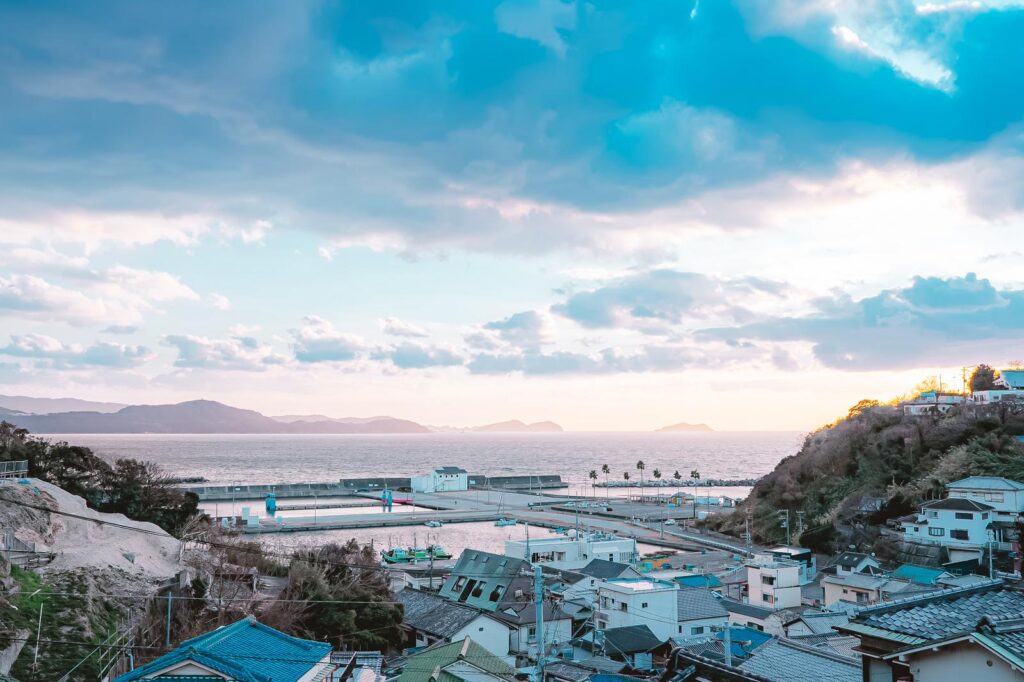
The fishing village they had never heard of before arriving.
The unexpected meal that became the highlight of the trip.
The moments that stay with us are often not the most famous ones.
They are the most human ones.
Travel Is Not Just About Seeing More
Modern travel often encourages us to maximize efficiency.
Visit more places.
Take more photos.
Complete more experiences.
But meaningful journeys rarely work that way.
Sometimes traveling deeper matters more than traveling farther.
Instead of asking:
“How many places can I visit?”
A different question begins to emerge:
“How well can I understand the place I am visiting?”
Because understanding creates connection.
And connection creates memories.
The Difference Between Consuming and Experiencing
There is a difference between seeing a place and experiencing it.
You can visit a temple.
Or you can understand why people still come there to pray.
You can eat local food.
Or you can discover how geography, climate, and history shaped that cuisine.
You can walk a trail.
Or you can understand why generations of travelers followed the same path.
The second experience often requires something increasingly rare:
Time.
Curiosity.
And the willingness to slow down.
Meaning Often Exists Outside Famous Places
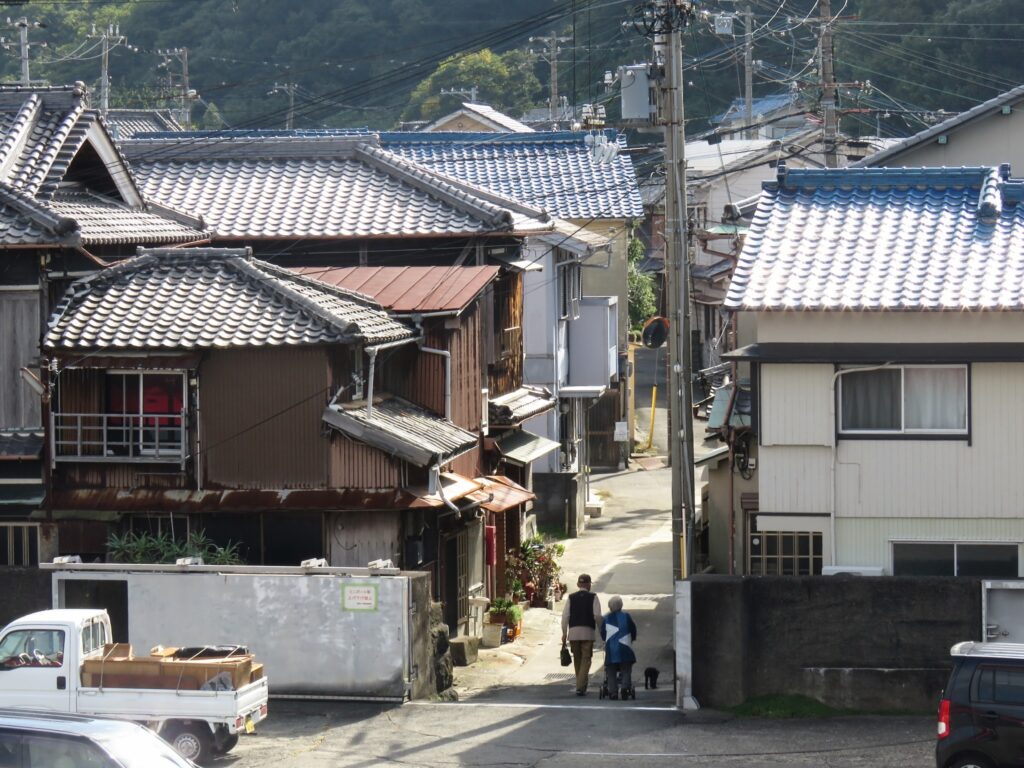
Many travelers assume that meaningful experiences must happen at major landmarks.
But some of the most memorable moments happen elsewhere.
In a neighborhood coffee shop.
At a local market.
During a seasonal festival.
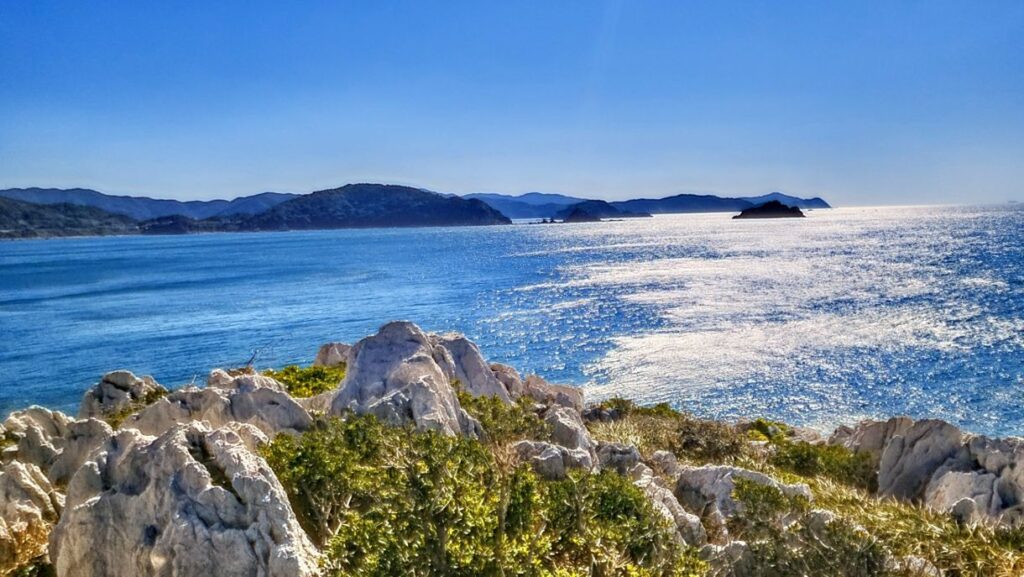
Along a quiet coastline.
Inside a family-run restaurant.
In conversations that cannot be scheduled.
These experiences are difficult to predict.
And that is exactly what makes them valuable.
Travel becomes less about controlling every moment and more about allowing unexpected discoveries to happen.
Understanding Japan Through Layers
Japan is often admired for its beauty.
But beneath that beauty are layers.
History.
Religion.
Food culture.
Seasonal traditions.
Local communities.
Relationships between mountains, rivers, and the sea.
Many destinations reveal these layers slowly.
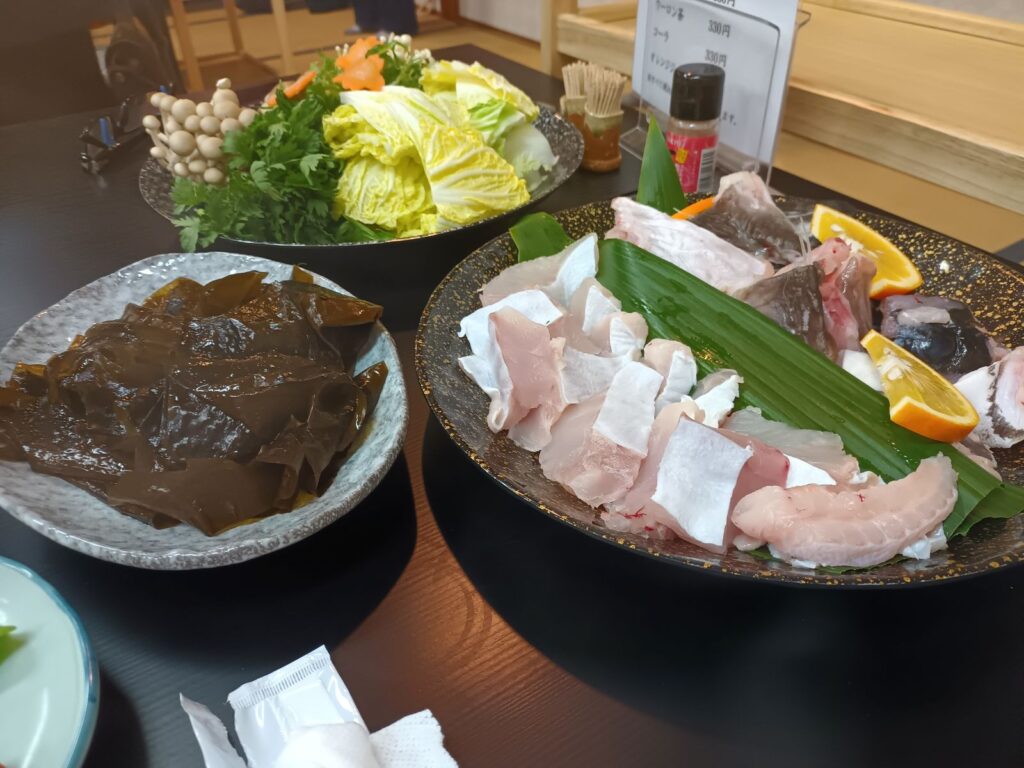
A bowl of fermented food may tell a story about preservation.
A pilgrimage trail may reveal centuries of spiritual history.
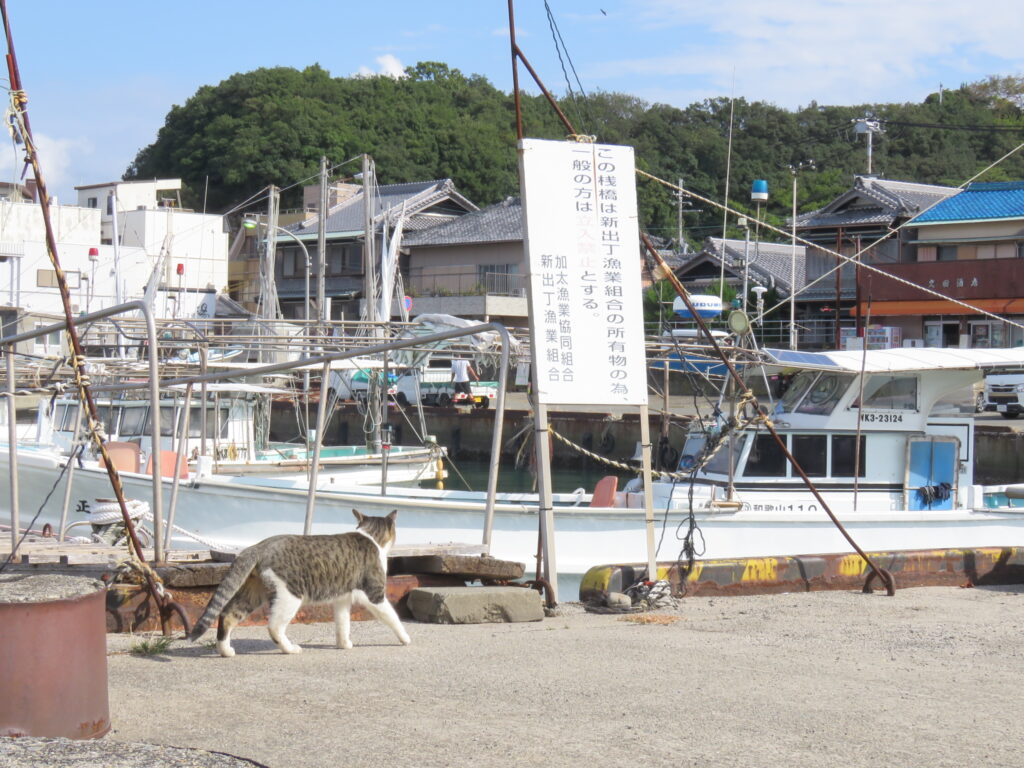
A fishing village may explain the origins of local cuisine.
A festival may show how communities continue traditions across generations.
The more layers we discover, the richer the experience becomes.
Why Slow Travel Creates Deeper Memories
Meaningful journeys usually share several things in common.
They give travelers time.
They allow room for surprise.
They encourage curiosity.
They prioritize quality over quantity.
And perhaps most importantly, they make travelers feel temporarily connected to everyday life.
Because sometimes the most extraordinary experience is not extraordinary at all.
Sometimes it is simply watching ordinary life unfold in a place very different from home.
Travel as a Form of Learning
A meaningful journey changes something.
Not necessarily in dramatic ways.
But even small discoveries can stay with us for years.
Perhaps we begin to appreciate seasonality differently.
Perhaps we think about food in a new way.
Perhaps we become more aware of the relationship between people and nature.
Perhaps we simply learn to slow down.
The destination itself matters.
But what we carry home matters even more.
The Places We Remember Most

Years after returning home, most people do not remember every station they visited or every photograph they took.
Instead, they remember feelings.
The calm.
The atmosphere.
The kindness.
The conversations.
The moments that made them feel connected to a place.
Those are the memories that remain.
Because meaningful travel is not only about seeing Japan.
It is about allowing Japan to leave something behind in us.
And perhaps that is what makes a journey truly unforgettable.
→Plan your daily slow travel with Curated Kii Peninsula Journey
Or monthly Slow Living Stay in Wakayama.
Related Posts:
・Why Wakayama Is One of Japan’s Best Destinations for Slow Travel
・Taste of Wakayama: A Cultural Food Journey
・A Slower Way to Photograph Japan
・Taste of Time: Fermentation Journey in Wakayama
・Before the Kumano Walk: A Slow Cultural Day Around Kainan
・The Spirit of Kokawa Festival
No responses yet