
Beyond Checklists, Crowds, and Tourist Hotspots
Many travelers come to Japan with a familiar list.
Tokyo. Kyoto. Osaka.
They move from one famous attraction to another, collecting photographs and checking destinations off an itinerary.
There is nothing wrong with that.
But after a few days, many travelers begin to notice something.
The most memorable moments are often not the famous ones.
They are the quiet morning walks before the crowds arrive.
The conversations with local people.
The unexpected café discovered down a side street.
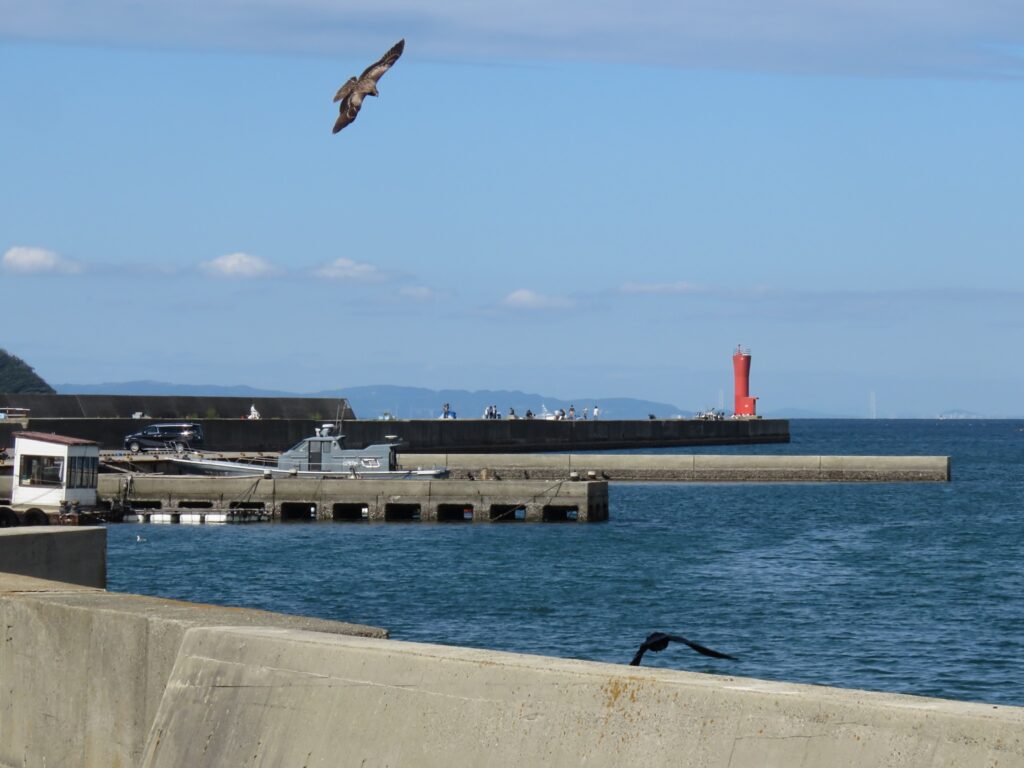
The fishing harbor at sunset.
The shrine hidden in a forest.
The feeling of being somewhere rather than simply passing through it.
This is where Wakayama becomes different.
Not because it has more attractions.
But because it offers something increasingly rare in modern travel:
The ability to slow down.
What Is Slow Travel?
Slow travel does not mean moving slowly for the sake of moving slowly.
It means giving a place enough time to reveal itself.
Instead of visiting five destinations in one day, you spend time understanding one.
Instead of rushing between attractions, you notice how history, food, landscape, and daily life connect.
In many destinations, this can be difficult.
Large crowds, packed schedules, and long travel times often encourage visitors to move on quickly.
Wakayama feels different.
Life moves at a different rhythm here.
Fishing boats leave before sunrise.
Farmers work according to the seasons.
Pilgrimage routes still cross mountains that have shaped travelers for centuries.
Local festivals continue because communities care about them, not because tourists expect them.
The result is a destination that rewards curiosity rather than speed.
A Place Where Nature and Culture Are Still Connected
One reason slow travel works so well in Wakayama is that culture has never become separated from the landscape.
In many places, history is preserved inside museums.
In Wakayama, history is often still part of everyday life.
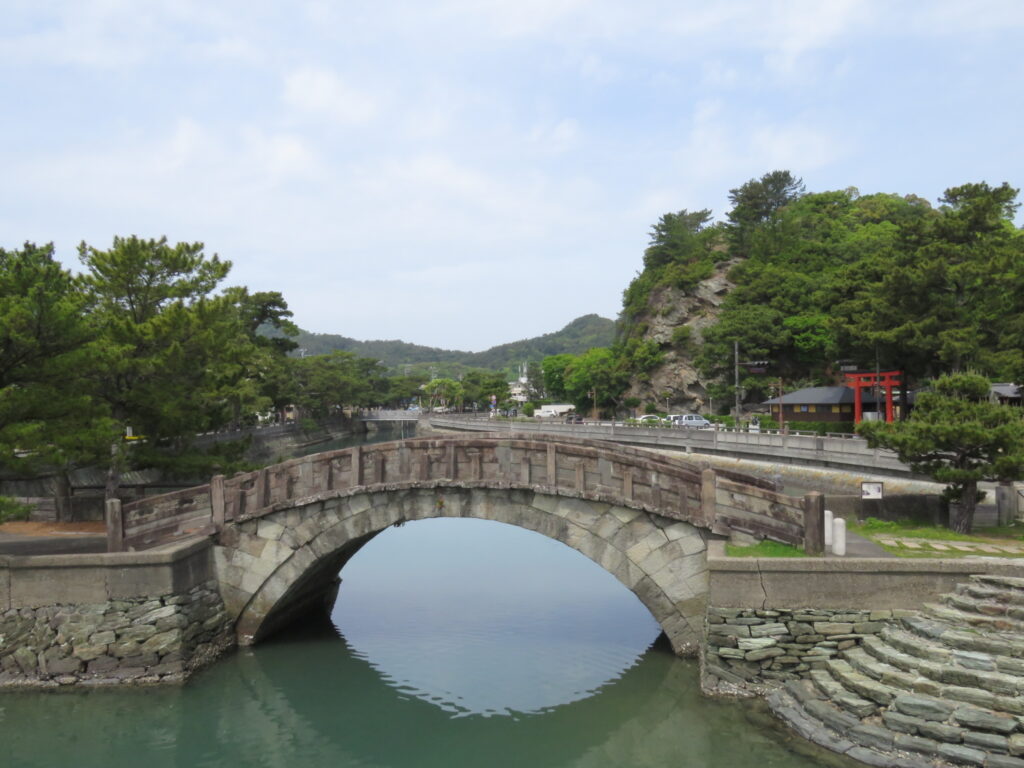
Ancient pilgrimage routes cross working forests.
Fishing villages continue traditions connected to the sea.
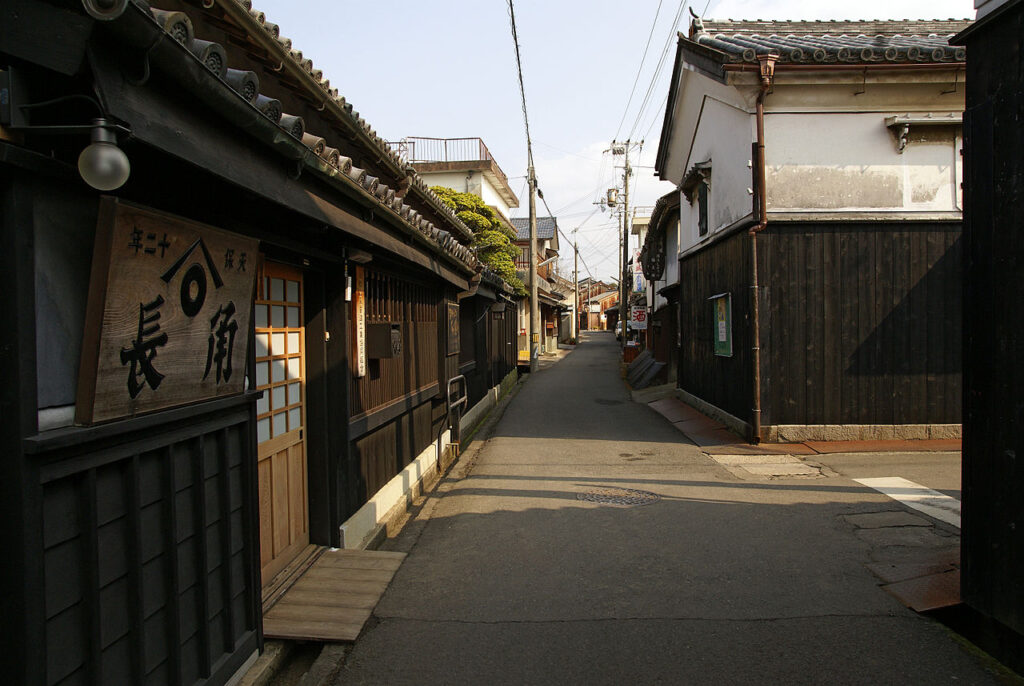
Shoyu soy sauce breweries operate in historic buildings.
Temple towns remain active communities rather than open-air museums.
You do not need to imagine how people once lived.
You can still see traces of those relationships today.
This creates a deeper kind of travel experience.
The landscape is not simply beautiful.
It tells stories.
The Value of Staying Longer
Many visitors initially plan to spend only a day in Wakayama.
Then something unexpected happens.
They begin extending their stay.
A traveler who comes for the Kumano Kodo discovers local food culture.
A visitor interested in temples becomes fascinated by fishing villages.
Someone who planned a quick stop finds themselves spending an afternoon in a quiet café overlooking the sea.
The region reveals itself gradually.
Not through spectacle, but through layers.
Every additional day creates new connections.
This is why Wakayama works especially well for travelers seeking meaningful experiences rather than simply famous sights.
More Than a Pilgrimage Destination
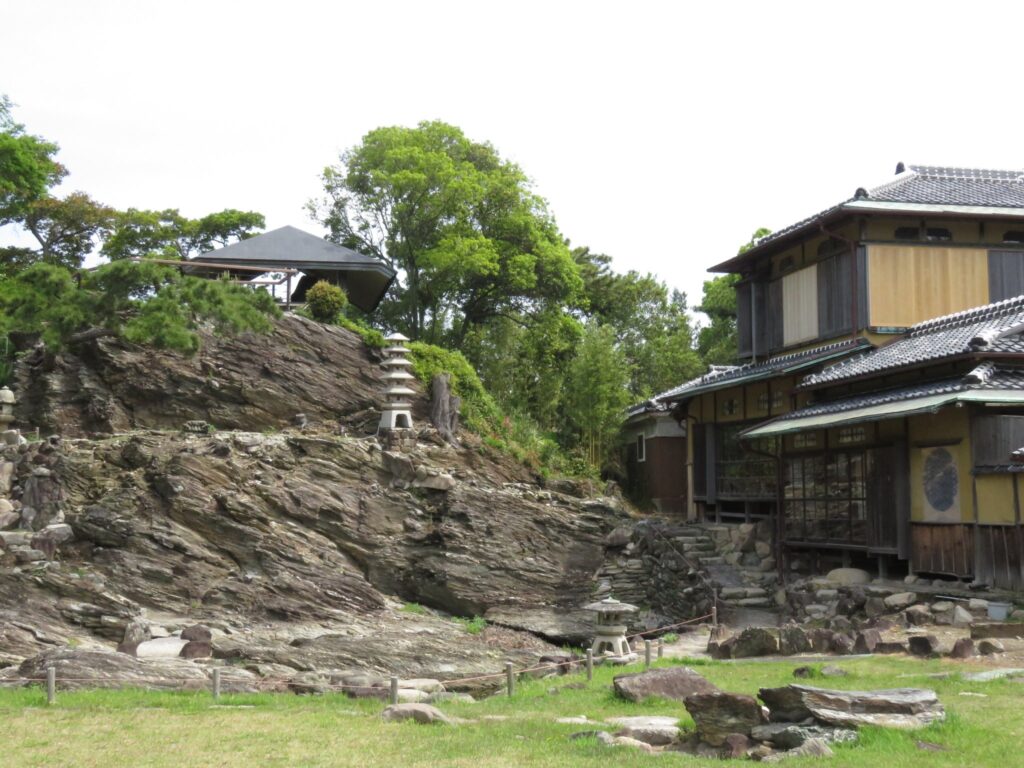
Wakayama is often associated with the Kumano Kodo and Koyasan.
Both deserve their international reputation.
But they are only part of the story.
Beyond the famous sites lies an entire region of cultural landscapes waiting to be explored.
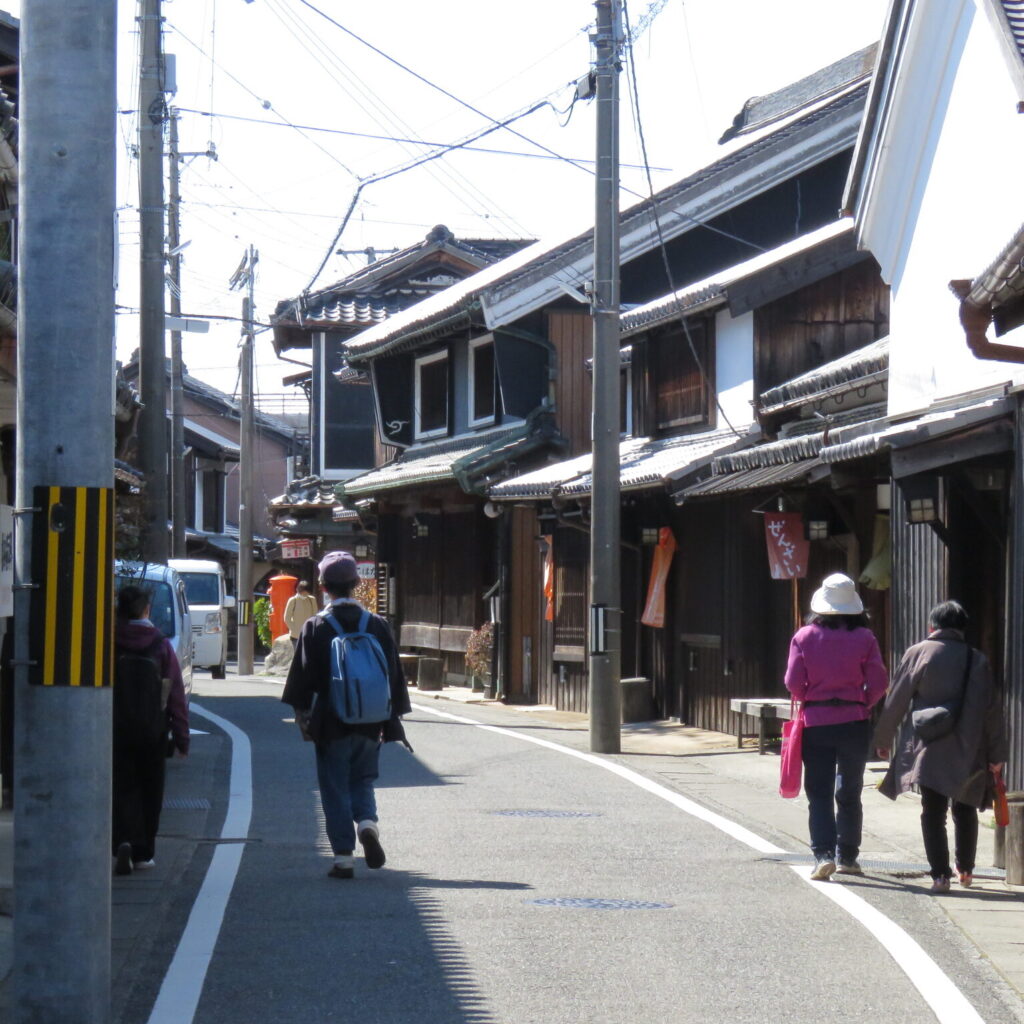
You can spend a day walking coastal villages around Wakaura.
You can follow the history of fermentation through Yuasa and its shoyu soy sauce traditions.
You can explore quiet garden estates shaped by samurai, merchants, and tea culture.
You can hike sections of the Kii Peninsula where myth, history, and geography overlap.
You can discover local festivals that reveal how communities continue to define themselves.
Each experience offers a different perspective on the same region.
Together, they create a richer understanding of Japan.
A Different Kind of Luxury
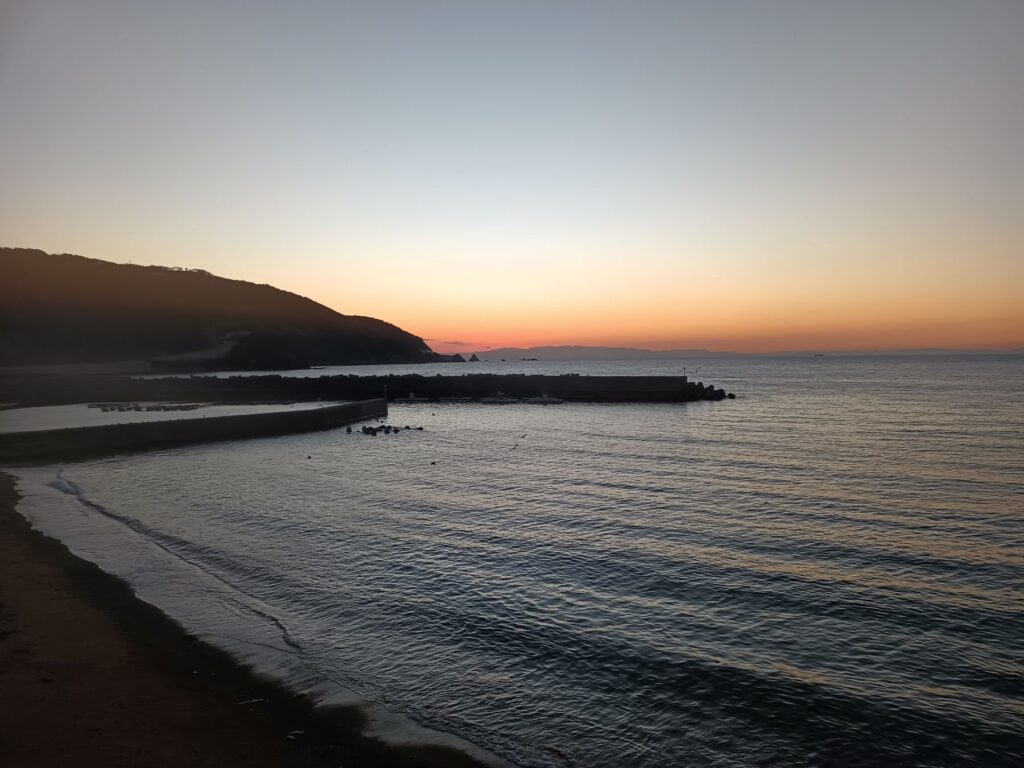
When people hear the word luxury, they often think about exclusive hotels, private transportation, or expensive restaurants.
Those things certainly have their place.
But there is another form of luxury that many modern travelers value even more.
Space.
Silence.
Time.
The ability to explore without crowds.
The opportunity to have meaningful conversations.
The freedom to follow personal interests rather than fixed tourist routes.
Wakayama offers this kind of luxury naturally.
Not because it has been designed as a luxury destination.
But because much of the region remains authentic, lived-in, and unhurried.
The Japan That Exists Between Destinations
Many travelers see Wakayama as a place to pass through on the way to somewhere else.
But those who spend time here often discover something surprising.
Wakayama is not simply a destination.
It is a way of experiencing Japan.
A place where mountains, oceans, food, history, spirituality, and daily life remain closely connected.
A place that rewards curiosity.
A place that encourages travelers to stay longer than planned.
And perhaps most importantly, a place that reminds us that travel is not only about seeing more.
Sometimes it is about seeing more deeply.
If that is the kind of journey you are looking for, Wakayama may be one of Japan’s most rewarding destinations.
Plan your slow daily tour with Curated Kii Peninsula Journey
Or monthly Slow Living Stay in Wakayama
Read More…
・Explore Wakayama Through Food Culture
・Discover the Sacred Trails of the Kumano Kodo
・A Day in Wakaura Through Local Taste
・Gardens Between Castle and Sea
・Beyond Koyasan: Cycling Through the Gateway Towns of Kudoyama and Koyaguchi
・The Forgotten Queen of Wakayama
No responses yet