
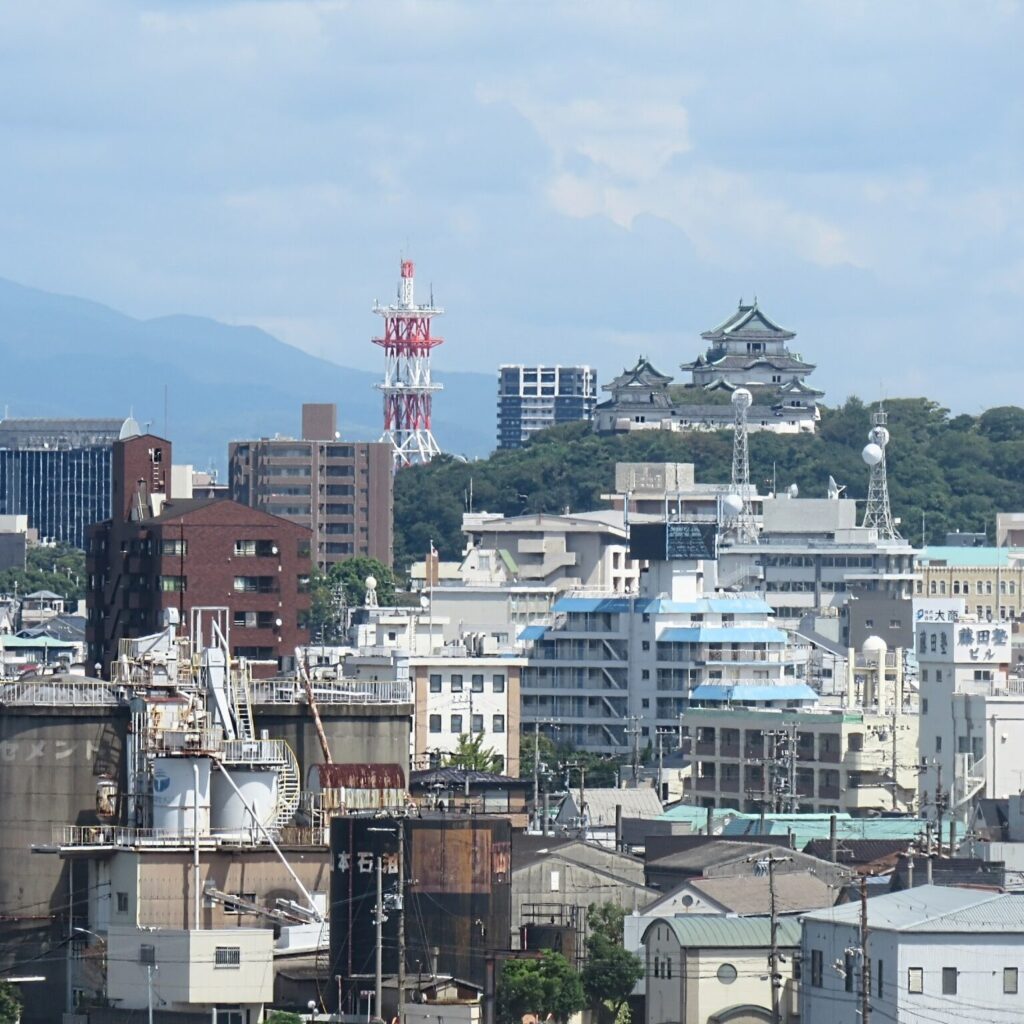
Samurai Heritage, Local Flavors, and Everyday Life in Wakayama
When travelers think about food in Japan, they often imagine sushi counters in Tokyo or street food in Osaka.
But in Wakayama City, food tells a quieter and more layered story.
This is a city shaped by:
- Samurai culture
- Coastal fishing communities
- Pilgrimage traditions
- Tea and sweets culture
- Everyday local life
Rather than rushing between famous restaurants, this experience explores Wakayama through the relationship between food, history, and landscape.
It is not simply a food tour.
It is a journey into how people have lived, traveled, and eaten in the Kii Peninsula for centuries.
Beyond Gourmet Tourism
Food as Cultural Landscape
Unlike major cities built around restaurant tourism, Wakayama offers something different:
A chance to experience food as part of daily rhythm.
In a single day, travelers can move between:
- Samurai history
- Traditional sweets
- Pilgrim food culture
- Fishing communities
- Local cafés and bakeries
- Everyday neighborhood life
The result is not a checklist of famous restaurants, but a deeper understanding of how culture is lived through taste.
The Legacy of the Kishu Tokugawa
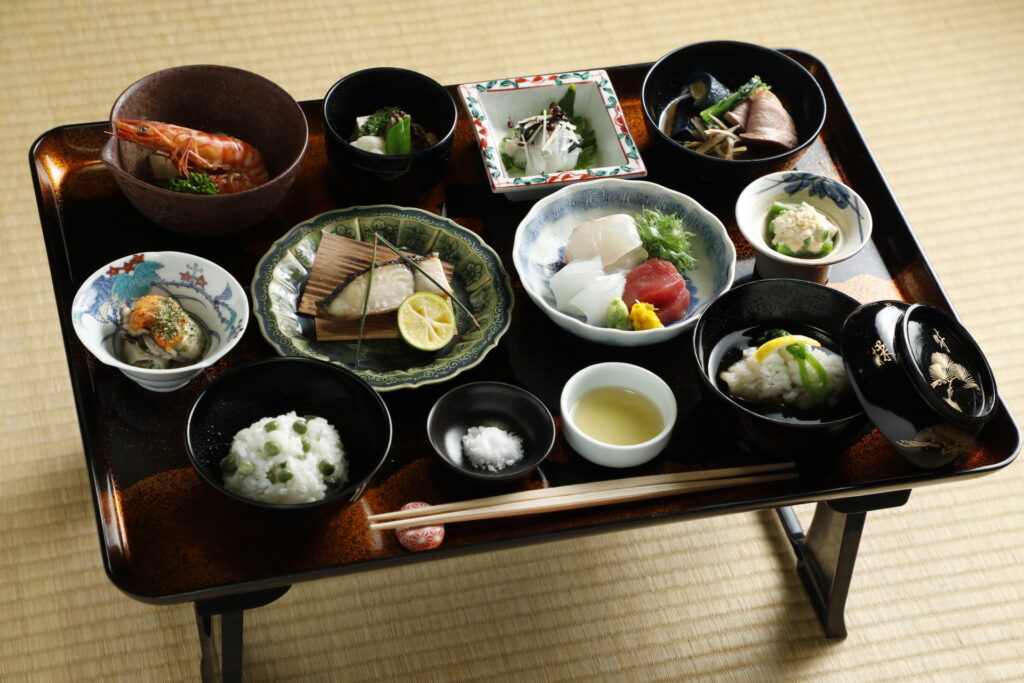
Food and Culture Around Wakayama Castle
At the center of Wakayama stands Wakayama Castle, once home to the powerful Kishu Tokugawa family.
Here, food was closely connected to:
- Political power
- Hospitality
- Seasonal aesthetics
- Tea culture
Even today, traces of this culture remain in the city’s approach to sweets, presentation, and dining.
Rather than separating cuisine from history, Wakayama reveals how they developed together.
Wagashi and the Japanese Sense of Season
Traditional Japanese sweets are not simply desserts.
They reflect:
- The changing seasons
- Natural forms
- Tea culture
- Hospitality aesthetics
In Wakayama, visitors can experience wagashi-making workshops where ingredients, color, and shape express subtle seasonal ideas.
For many international travelers, this becomes one of the most memorable cultural experiences of the journey—not because it is luxurious, but because it reveals how deeply aesthetics are woven into everyday Japanese life.
From Pilgrimage Roads to Local Tables
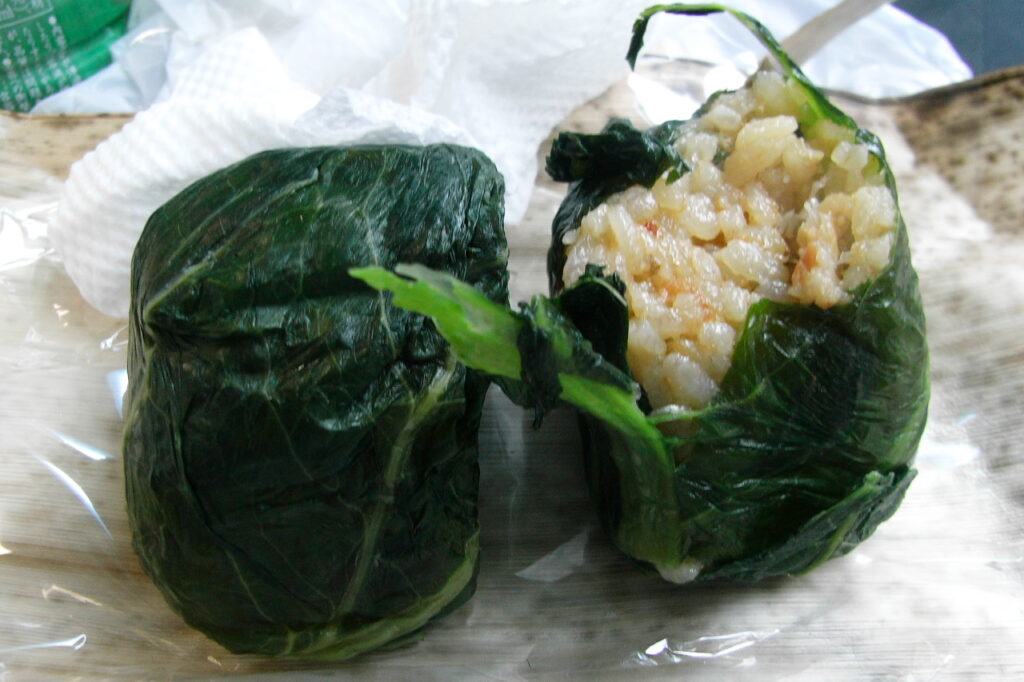
The Story of Mehari-zushi
One of Wakayama’s most distinctive local foods is mehari-zushi.
At first glance, it appears simple:
Rice wrapped in pickled mustard greens.
But behind this dish lies a much deeper story.
Historically associated with the Kumano Kodo region, mehari-zushi developed as practical food for:
- Pilgrims
- Mountain workers
- Travelers moving through difficult terrain
Its bold flavor and portability reflected the realities of life on the road.
Today, it remains one of the clearest examples of how local cuisine in Wakayama evolved directly from landscape and movement.
Local Cafés, Bakeries, and Everyday Rhythm
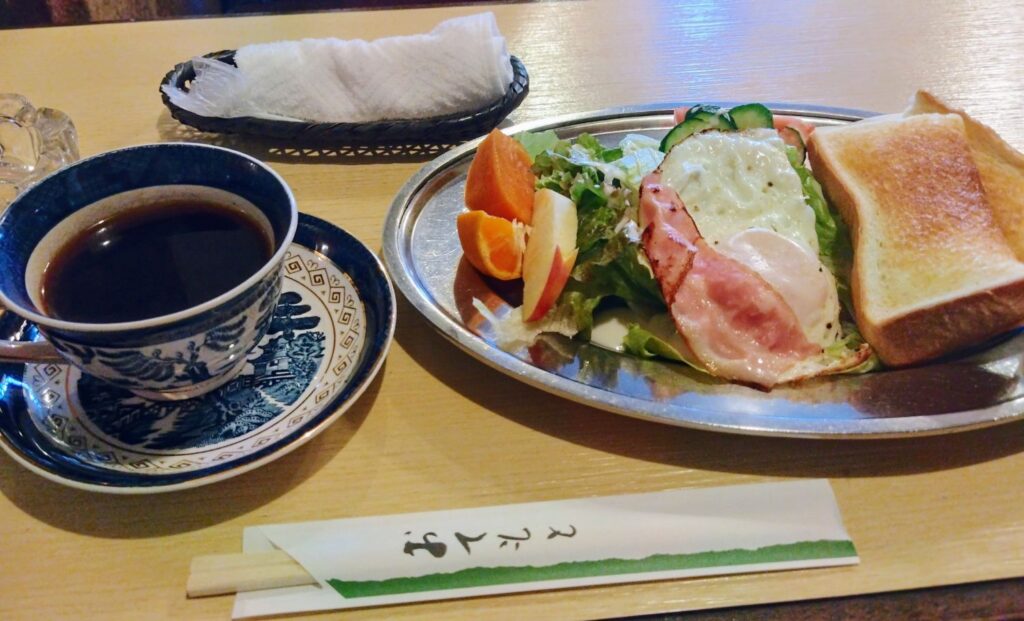
Wakayama is also home to a surprisingly rich local café and bakery culture.
But unlike trend-focused coffee districts in larger cities, these places are interesting because they reveal everyday rhythm:
- Morning regulars
- Neighborhood conversations
- Seasonal products
- Slow routines shaped by local life
For travelers interested in culture beyond sightseeing, these spaces often become windows into contemporary Japan.
Rather than “must-visit cafés,” they are moments of atmosphere within the journey.
A Flexible Journey Designed Around Your Interests
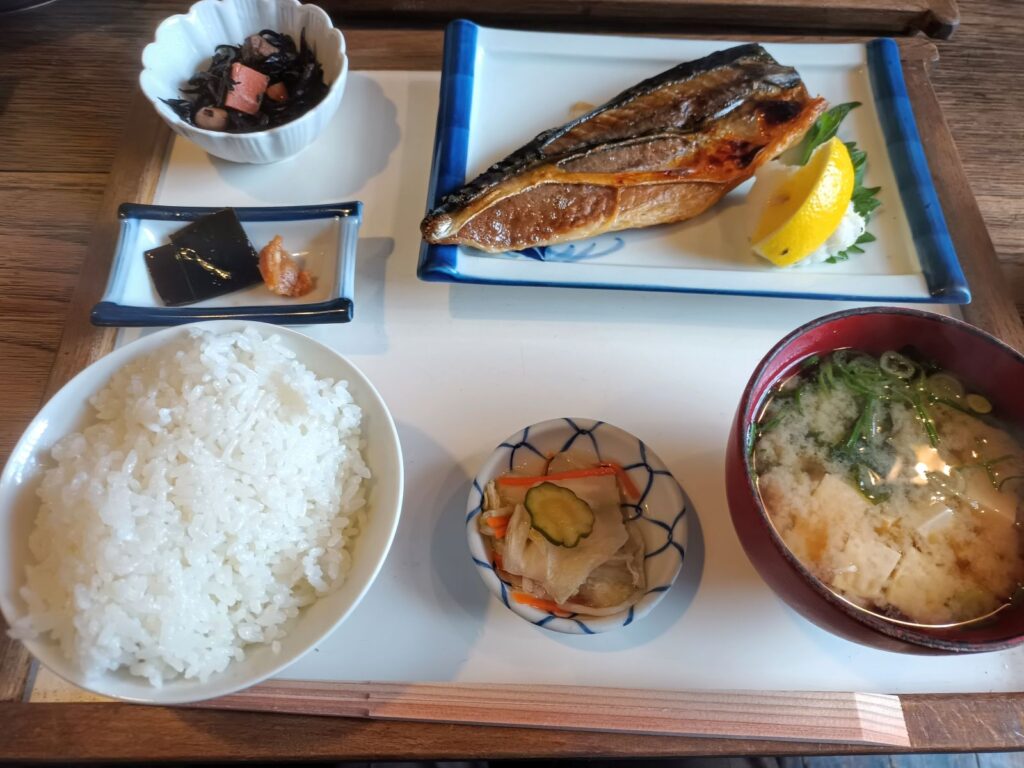
Each experience can be customized depending on your interests and pace.
Possible themes include:
- Samurai and castle culture
- Local seafood traditions
- Wagashi and tea culture
- Pilgrimage food traditions
- Local markets and shopping streets
- Photography and everyday scenery
- Craft and lacquerware culture
- Coastal villages such as Wakaura and Saikazaki
Rather than offering a fixed package, the journey is curated around the cultural layers that make Wakayama unique.
More Than a Food Tour
Wakayama is not a destination built around famous restaurants alone.
Its real appeal lies in something quieter:
The connection between food, memory, landscape, and daily life.
To travel through Wakayama is not simply to eat well.
It is to understand how culture continues to live through ordinary moments:
A handmade sweet.
A bowl of local ramen after sunset.
A bakery opening in the morning.
A meal once carried by pilgrims on the road to Kumano.
This is the flavor of Wakayama—slow, layered, and deeply connected to place.
Interested in a Private Cultural Food Journey?
Whether you are interested in:
- Local gastronomy
- Cultural history
- Photography
- Everyday Japanese life
- Slow travel beyond Osaka and Kyoto
private experiences can be customized around your interests, schedule, and travel style.
👉 Explore your Omakase Wakayama through taste, history, and local rhythm.
No responses yet