
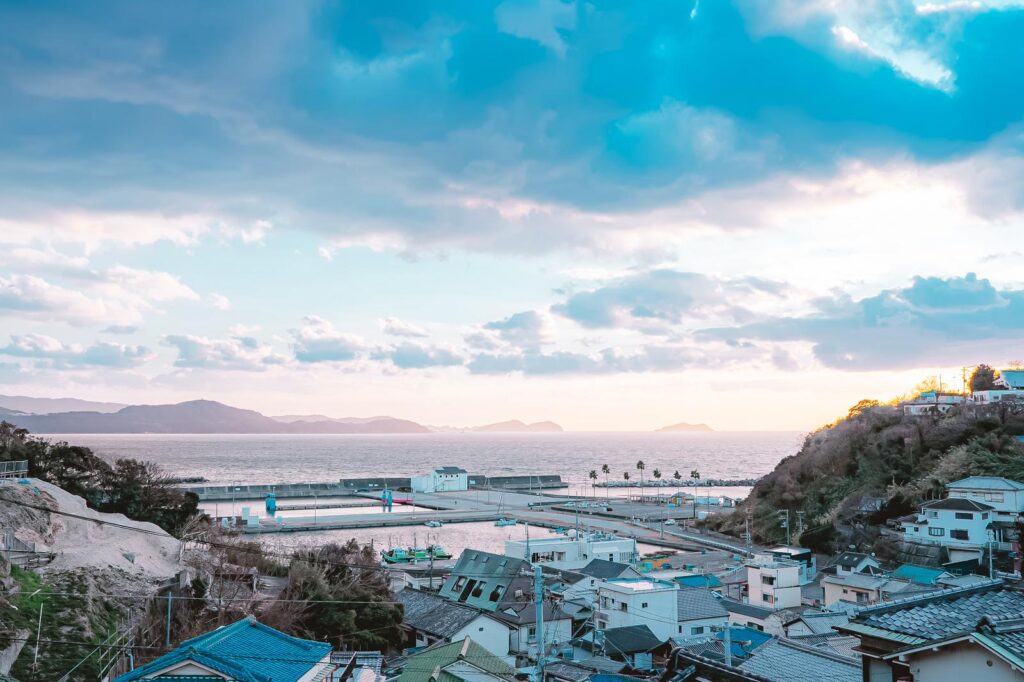
Exploring Wakayama Through Harbors, Seafood, and Everyday Coastal Life
Along the coastline of Wakayama, the sea is not simply scenery.
It shapes:
- Daily rhythms
- Local identity
- Seasonal cuisine
- Fishing traditions passed down for generations
Stretching along the Kii Peninsula, Wakayama’s coast offers one of Japan’s richest seafood cultures.
But unlike famous urban fish markets, this region is defined by something quieter and more authentic:
- Working harbors
- Fishing communities
- Local markets
- Family-run restaurants
- Seafood eaten close to where it is caught
This is not a luxury seafood tour designed around spectacle.
It is a journey into the living relationship between people and the sea.
Saikazaki
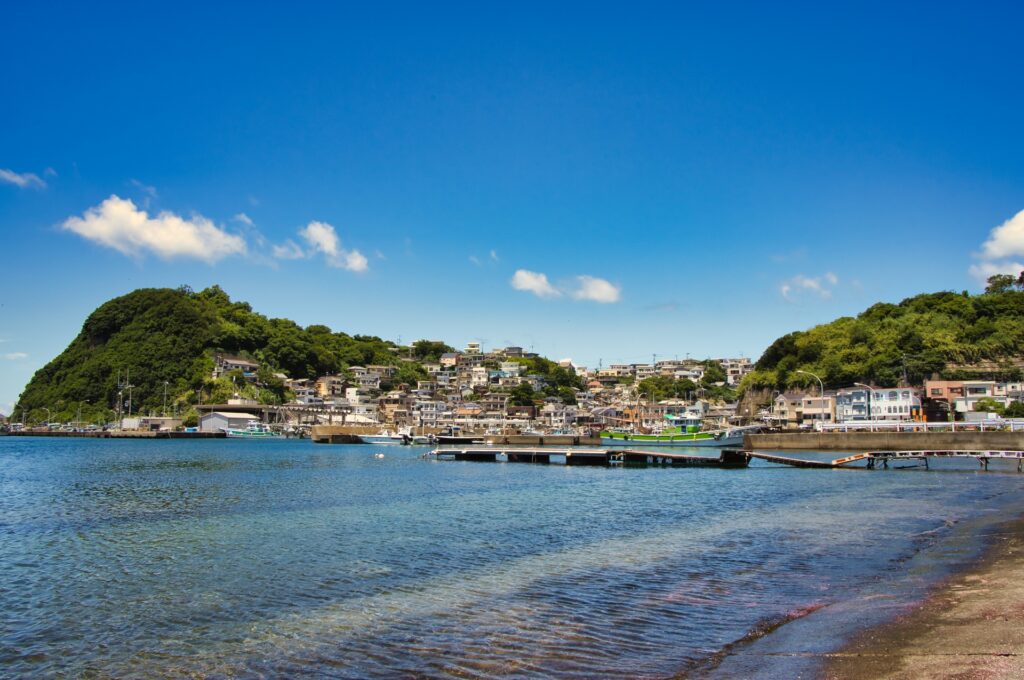
Fishermen’s Harbor and Local Seafood Culture
Often called the “Amalfi of Japan” because of its layered hillside scenery, Saikazaki remains first and foremost a working fishing community.
What makes this area special is its direct connection between fishermen and visitors.
Here, travelers can enjoy:
- Seafood sold directly by fishermen
- Local fish served just hours after landing
- Small harbor restaurants rooted in daily life
- Quiet walks through narrow fishing village streets
Rather than formal dining, the atmosphere is casual, local, and deeply connected to the rhythm of the harbor.
Kada
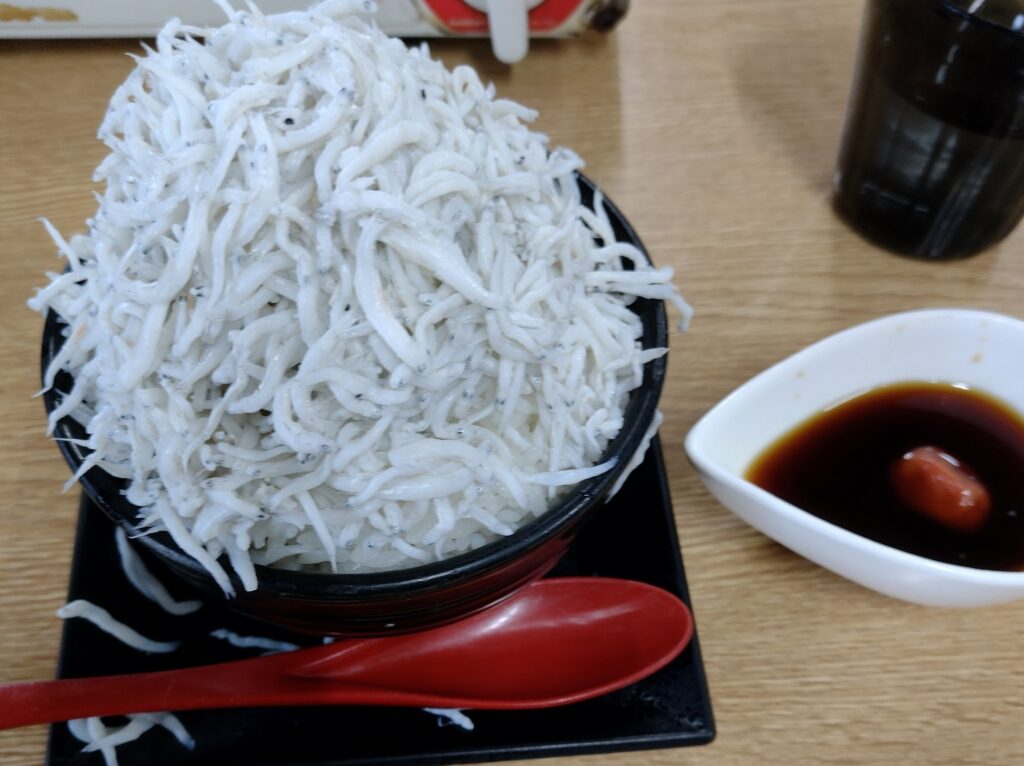
Sea Bream, Shirasu, and Coastal Tradition
At the northern edge of Wakayama’s coast lies Kada, a harbor town long associated with sea bream fishing.
The area is especially known for:
- Tai (sea bream)
- Shirasu (whitebaits)
- Seasonal coastal cuisine
Sea bream from Kada has historically been prized in the Kansai region, and local cuisine reflects both celebration and simplicity.
Fresh shirasu bowls, grilled fish, and seasonal seafood meals are part of everyday life here.
Combined with views across the Kii Channel and nearby islands, Kada offers a slower and more intimate coastal experience than larger tourist destinations.
Arida
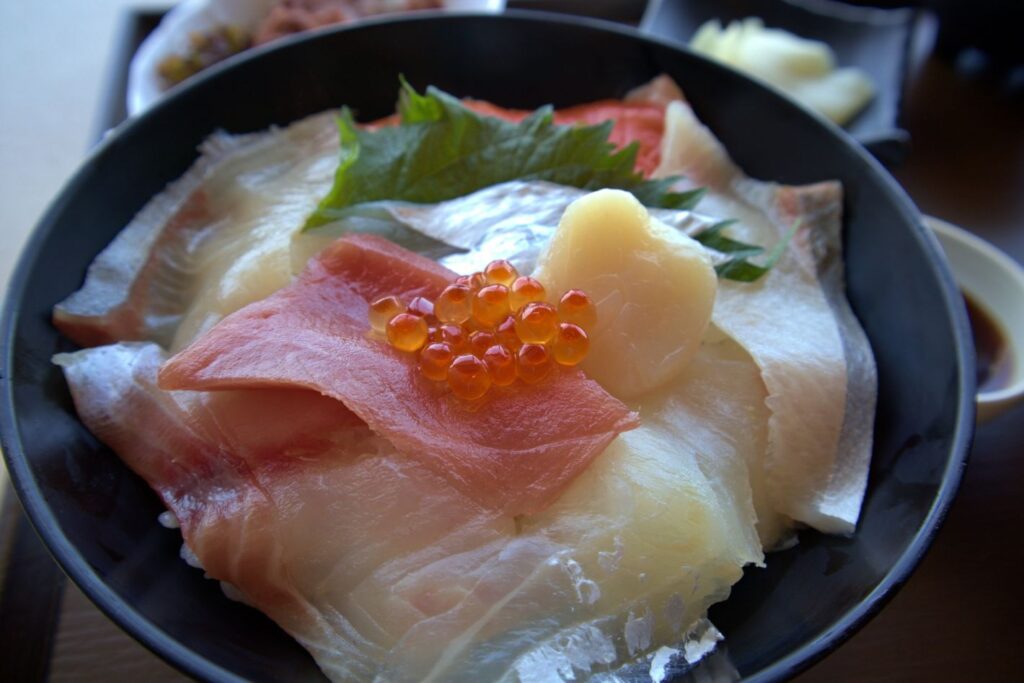
Japan’s Leading Tachiuo Fishing Region
Further south, Arida is famous for one remarkable fish:
Tachiuo (cutlassfish or beltfish).
Wakayama consistently ranks among Japan’s leading regions for tachiuo catches, and Arida is especially associated with this shimmering silver fish.
Locally, tachiuo is enjoyed in many ways:
- Sashimi
- Lightly seared preparations
- Grilled dishes
- Tempura
Its delicate texture and rich flavor make it one of the hidden treasures of Wakayama’s seafood culture.
Hidaka
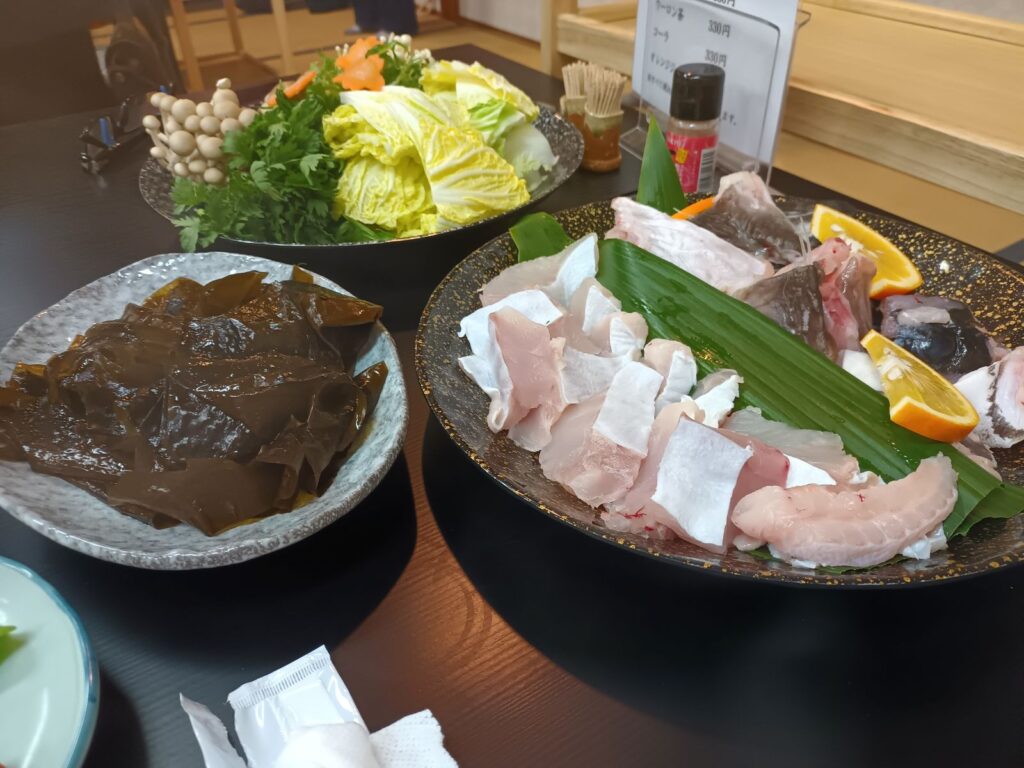
Home of Kue, Wakayama’s Legendary Winter Fish
In the Hidaka area, one fish stands above all others:
Kue (longtooth grouper).
Known as a luxury winter fish in Japan, kue is prized for:
- Rich umami
- Firm texture
- Deep flavor ideal for hot pot dishes
Local restaurants often serve:
- Kue nabe (hot pot)
- Grilled kue
- Sashimi
- Collagen-rich broths
For many Japanese travelers, winter kue cuisine is itself a reason to visit Wakayama.
Shirahama
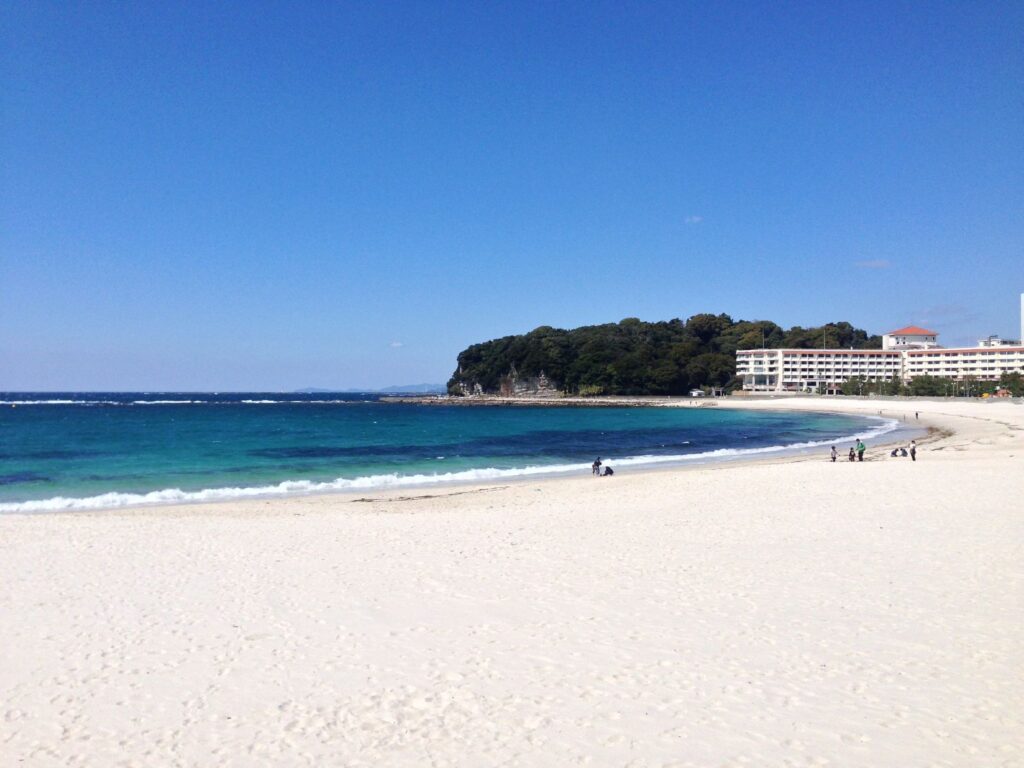
Fresh Seafood and One of Western Japan’s Largest Seafood Markets
Known internationally for hot springs and beaches, Shirahama is also one of Wakayama’s major seafood destinations.
The area is home to one of western Japan’s largest seafood markets, where visitors can enjoy:
- Fresh tuna
- Shellfish
- Seasonal fish
- Local Wakayama specialties
- Live seafood cooking experiences
Unlike smaller fishing villages, Shirahama offers variety and accessibility, making it ideal for travelers wanting to experience the diversity of Wakayama seafood culture in one location.
Susami
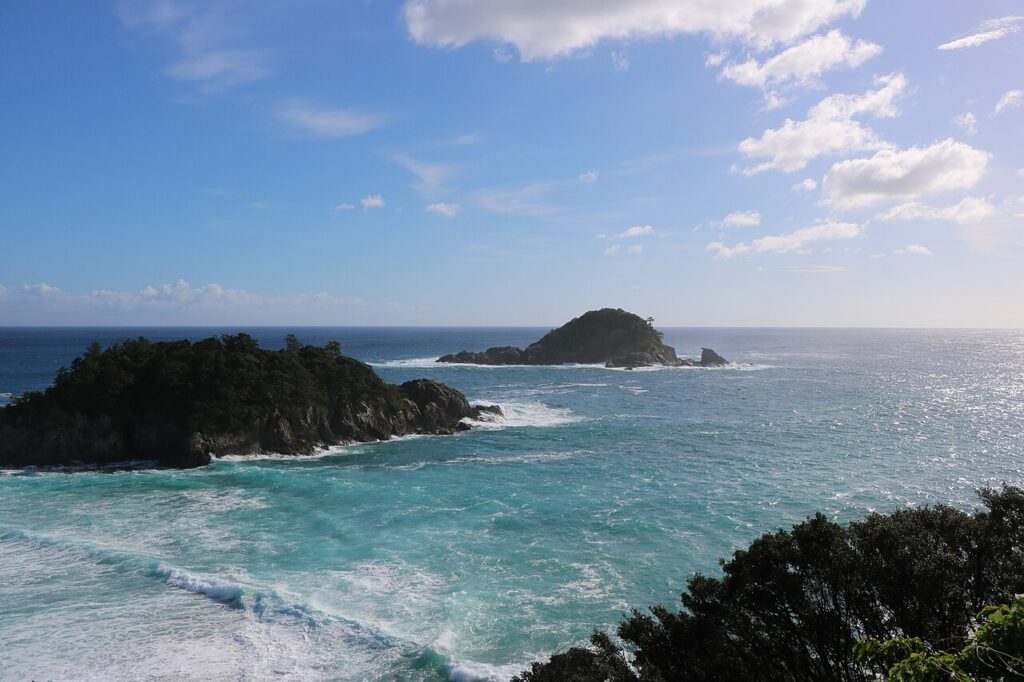
Bonito, Spiny Lobster, and the Southern Coast
On the southern coast of the peninsula, Susami reflects the stronger influence of the open Pacific Ocean.
The region is known for:
- Katsuo (bonito)
- Ise ebi (Japanese spiny lobster)
- Dynamic seasonal seafood
Here, coastal cuisine feels wilder and more ocean-driven than the calmer waters of northern Wakayama.
Fresh bonito, often lightly seared, reflects a maritime culture deeply connected to offshore fishing traditions.
Nachii Katsuura
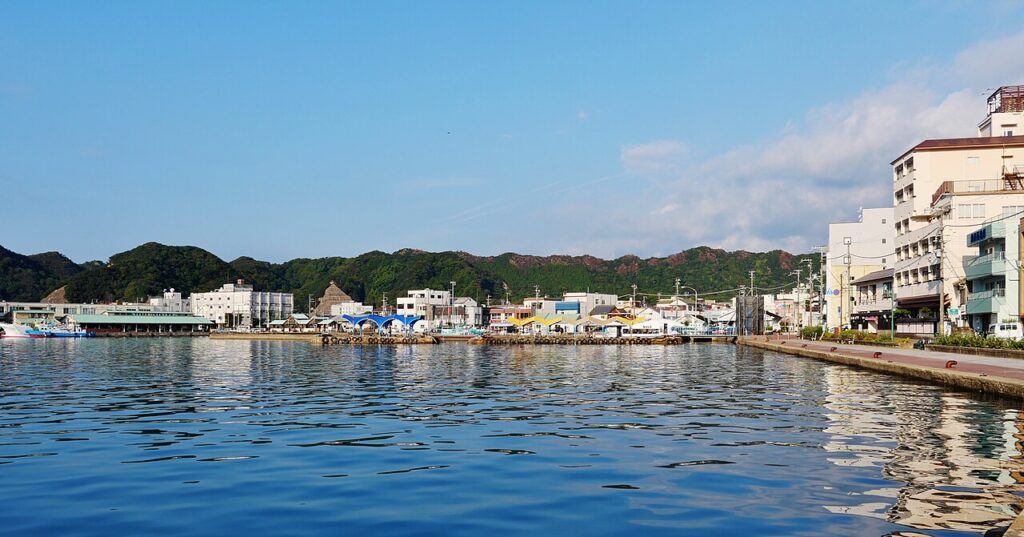
Japan’s Leading Fresh Tuna Port
At the southeastern edge of the Kii Peninsula lies Nachi Katsuura, one of Japan’s most famous tuna ports.
The town is particularly celebrated for:
👉 Japan’s highest level of fresh (never frozen) tuna landings.
Unlike frozen tuna distributed globally, fresh tuna landed in Nachi-Katsuura offers:
- Softer texture
- Cleaner flavor
- Greater complexity and sweetness
Travelers can enjoy:
- Tuna bowls
- Fresh sashimi
- Local tuna auctions
- Seasonal cuts rarely available overseas
For seafood lovers, Kii-Katsuura represents one of the great culinary destinations of coastal Japan.
More Than Seafood
Understanding Coastal Wakayama Through Food
What makes Wakayama’s seafood culture unique is not only the quality of the fish.
It is the connection between:
- Fishing communities
- Seasonal life
- Local identity
- Everyday cooking traditions
Each harbor along the Kii Peninsula reflects a different relationship with the sea.
Together, they create a culinary landscape shaped by geography, climate, and generations of maritime culture.
Experience a Custom Coastal Gastronomy Journey
Whether you are interested in:
- Harbor-to-table seafood experiences
- Tuna culture in Nachi-Katsuura
- Luxury kue cuisine
- Local fishing villages
- Seafood markets and seasonal specialties
- Photography and coastal life
we can create a private coastal journey tailored to your interests and travel pace.
👉 Discover Wakayama through the flavors and rhythms of the Kii Sea.
Plan your one day Curated Kii Peninsula Journey
Or enjoy Living in Wakayama Days
No responses yet