
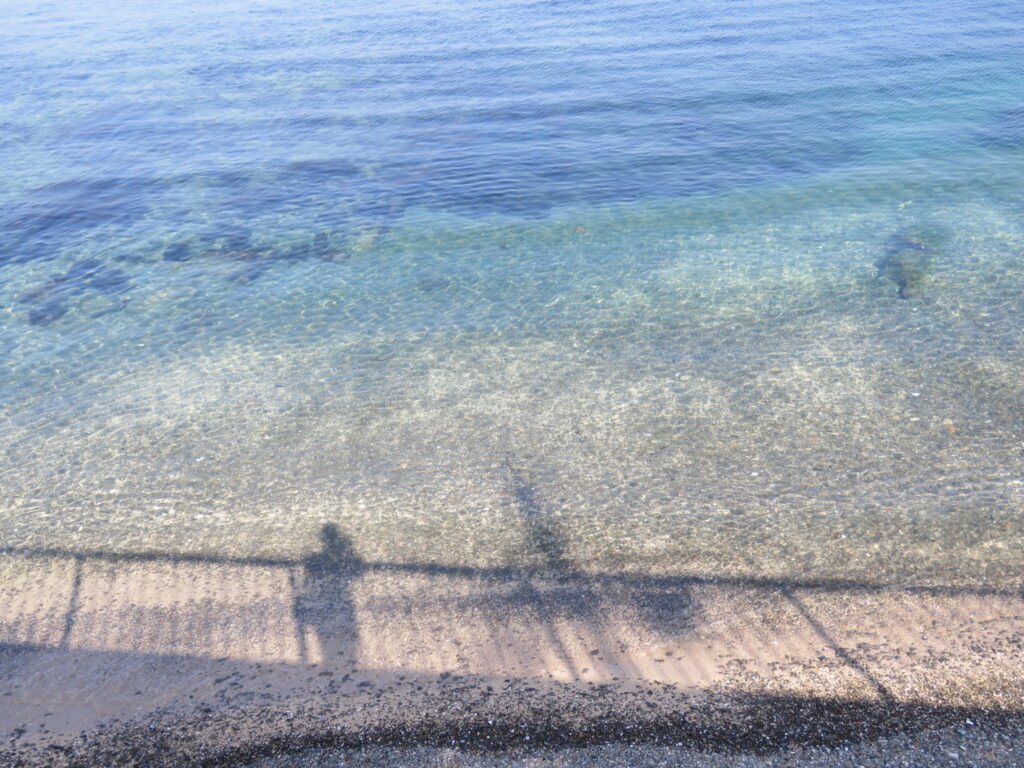
Arriving at Kansai International Airport, most travelers naturally follow the familiar route toward Osaka, Kyoto, or sometimes Nara. These destinations are famous for good reason, attracting millions of visitors with their iconic landmarks and vibrant cityscapes. Yet because they are so well known, many first-time visitors experience a version of Japan shaped largely by crowds, long lines, and heavily visited attractions.
But what if your journey in Japan could begin differently?
Instead of immediately entering busy urban centers, you could step into a region where life moves at a gentler pace and where traditions remain closely connected to everyday life. Here, local shop owners still know their neighbors, seasonal festivals are celebrated by entire communities, and centuries-old practices continue not as performances for tourists, but as part of ordinary life. It is a side of Japan that many travelers say they were hoping to find, yet often struggle to encounter in the country’s most popular destinations.
Just beyond Kansai International Airport lies one of Japan’s most overlooked gateways: Wakayama. Easily accessible from the airport yet surprisingly absent from many itineraries, Wakayama offers an entirely different introduction to the country. Pilgrimage routes, historic castle towns, fishing villages, sacred mountains, and the birthplace of Japanese shoyu culture all exist within a single region.
This guide introduces hidden destinations that can be reached directly from the airport, allowing travelers to begin their time in Japan with something increasingly rare: authenticity, space, and meaningful connections with local culture. Rather than rushing toward the most famous places, you may discover that some of Japan’s most memorable experiences begin where the crowds end.
Wakayama City – The Underrated Gateway to Rural Japan
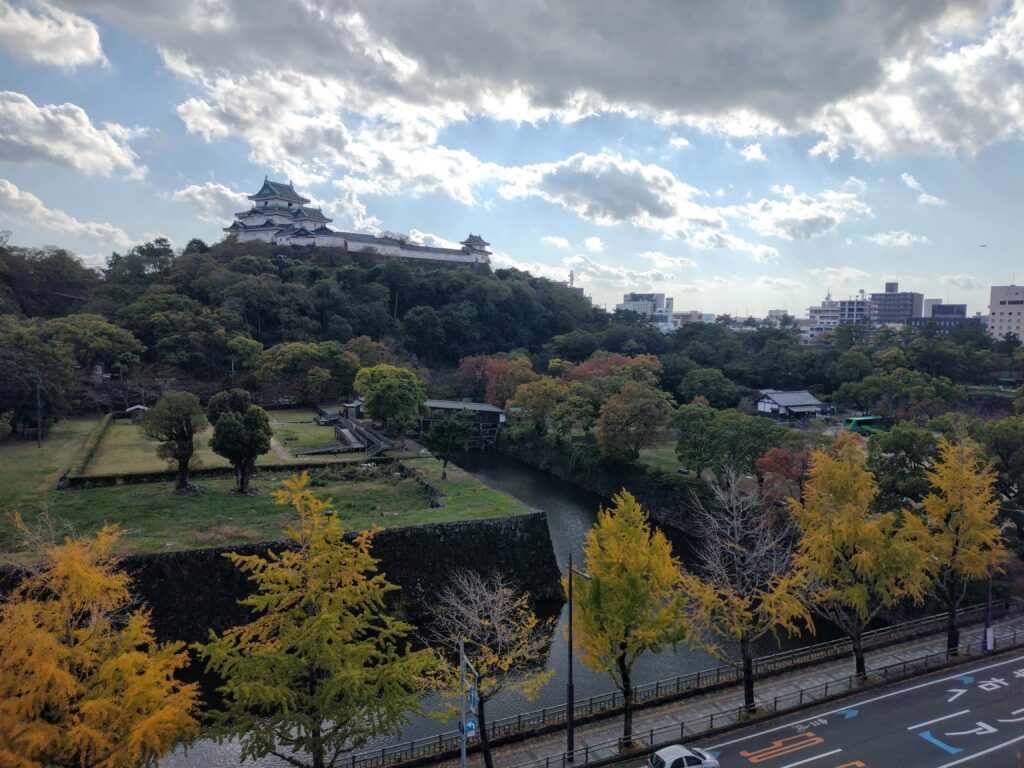
Just 40–60 minutes from Kansai International Airport, Wakayama City offers something that has become increasingly difficult to find in Japan’s most famous destinations: space, convenience, and authenticity. While Osaka and Kyoto attract millions of visitors each year, Wakayama City retains a relaxed atmosphere where travelers can enjoy local restaurants, historic sites, and waterfront scenery without overwhelming crowds.
Its location also makes it uniquely versatile. Within a relatively short distance, visitors can experience completely different landscapes and cultures. Sacred mountains and temple complexes such as Koyasan lie inland, while coastal communities, fishing ports, and island scenery can be reached along the sea. This combination allows travelers to enjoy both nature and culture without constantly changing accommodation.
More importantly, Wakayama City serves as a gateway to some of the Kii Peninsula’s most rewarding destinations. From here, travelers can easily reach Yuasa, the birthplace of Japanese shoyu culture; the Kumano Kodo pilgrimage routes; traditional fishing villages such as Kada and Saikazaki; and spiritual centers that have shaped Japanese history for more than a thousand years.
Because many visitors simply pass through on their way to larger cities, Wakayama City remains surprisingly overlooked. Yet this is precisely what makes it such a strategic starting point. Rather than spending valuable travel time moving between crowded destinations, visitors can establish a comfortable base and gradually explore the deeper cultural landscapes of Kansai at a slower and more meaningful pace.
For travelers seeking more than a checklist of famous sights, Wakayama City offers the opportunity to begin their journey with a side of Japan that still feels genuinely local.
Why start here?
- You recover from jet lag in a calm environment
- You avoid the intensity of Osaka/Kyoto
- You position yourself for deeper travel experiences
👉 From here, your journey can branch into places that most visitors never reach.
Explore how to experience Wakayama at your own pace →
View Example Itineraries
Yuasa – The Birthplace of Shoyu Soy Sauce
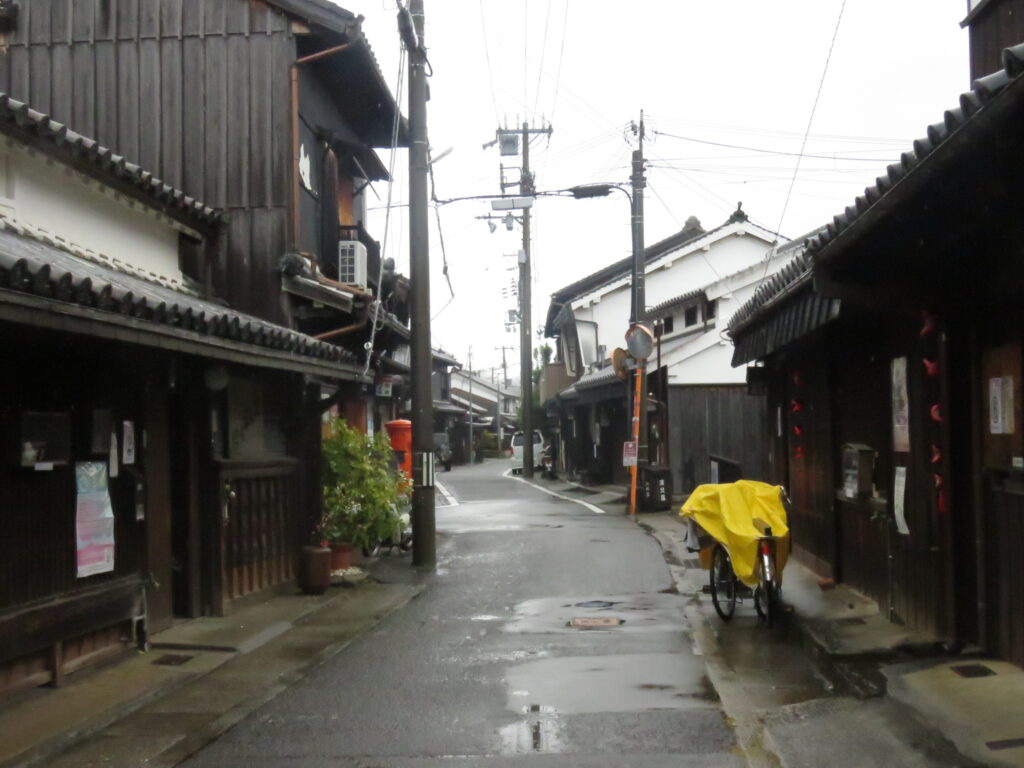
About an hour south of Wakayama City lies Yuasa, a small coastal town whose influence on Japanese cuisine far exceeds its size. Widely recognized as the birthplace of Japanese shoyu, Yuasa is where the techniques that would eventually spread throughout the country first took shape more than 700 years ago. Today, the town remains deeply connected to this heritage, making it one of the few places where visitors can experience the origins of one of Japan’s most essential seasonings.
Walking through Yuasa’s preserved streets feels less like entering a historical attraction and more like stepping into a community where the past continues to exist naturally alongside daily life. Traditional merchant houses, narrow lanes, and old storehouses from the Edo period still define the townscape, reflecting centuries of commerce and craftsmanship.
Visitors can enter family-run breweries where shoyu is still produced using wooden barrels and long fermentation methods that require patience rather than industrial efficiency. These breweries are not demonstrations created for tourists but working businesses operated by generations of local families. Through tastings and conversations with producers, travelers gain a deeper understanding of how shoyu became the foundation of Japanese cuisine and why its flavor cannot be separated from the culture that created it.
What makes Yuasa especially compelling is that it is not a museum preserving a vanished past. Children walk to school through the historic district, residents continue their daily routines, and traditional industries remain part of the local economy. The town’s heritage survives not because it has been frozen in time, but because it continues to evolve while maintaining a connection to its origins.
For travelers interested in Japanese food culture, Yuasa offers something increasingly rare: the opportunity to experience tradition not as a performance, but as a living part of everyday life.
👉 Ideal for:
- Food lovers
- Culinary professionals (B2B potential)
- Travelers seeking authenticity
Interested in visiting local breweries and meeting producers?
→ Explore the Yuasa Shoyu Experience
Koyasan – A Sacred Mountain Experience
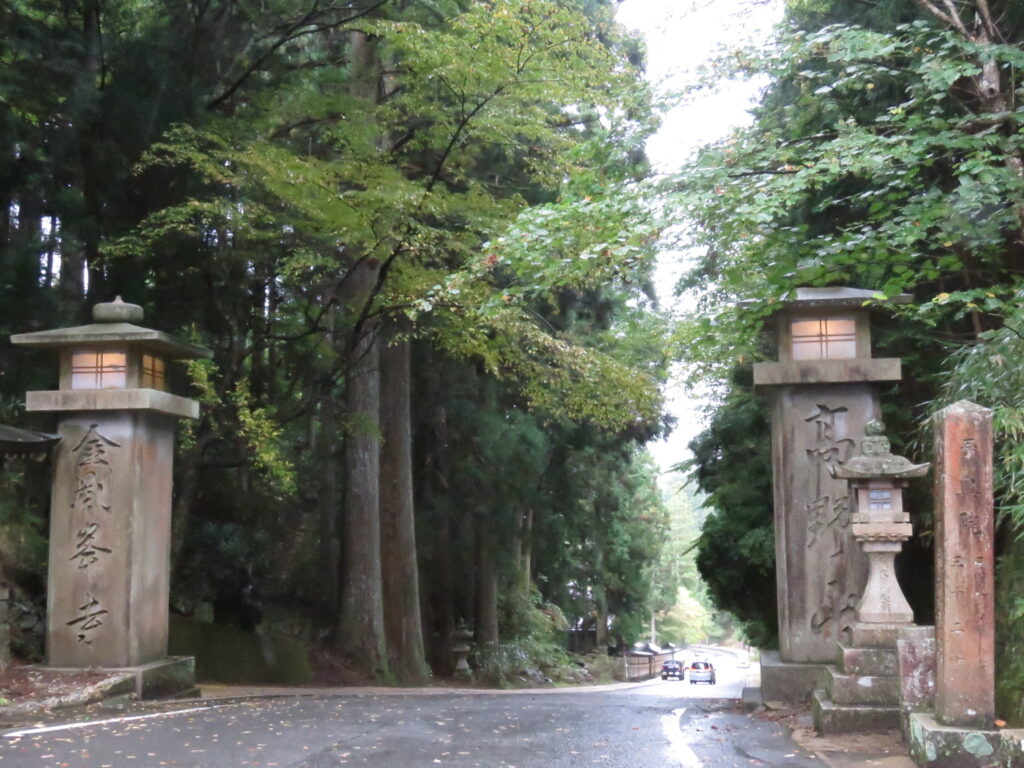
From Wakayama City, travelers can reach Koyasan, one of Japan’s most important spiritual centers and a place that has attracted pilgrims for more than 1,200 years. Founded by Kobo Daishi (Kukai) in the early ninth century, Koyasan is not simply a collection of temples but an active religious community where monks continue to practice the traditions of Shingon Buddhism established over a millennium ago.
Surrounded by cedar forests and located high in the mountains, Koyasan offers a peaceful atmosphere that feels distinctly separate from Japan’s major cities. Visitors can stay overnight in temple lodgings known as shukubo, where they experience a slower rhythm of life through vegetarian Buddhist cuisine, morning prayers, meditation sessions, and opportunities to learn about Buddhist philosophy directly from resident monks.
The atmosphere changes dramatically after most day visitors leave. As evening falls and the mountain becomes quiet, Koyasan reveals the sense of tranquility and contemplation that has drawn pilgrims here for centuries. Walking through the lantern-lit paths of Okunoin or listening to the sounds of nature in the early morning provides an experience that cannot easily be replicated during a brief visit.
While Koyasan is technically possible as a day trip from Osaka, spending the night allows travelers to experience something far more meaningful than simply checking off famous temples. It offers the chance to slow down, disconnect from the pace of modern travel, and gain a deeper appreciation for the spiritual traditions that continue to shape Japanese culture today.
For many visitors, Koyasan becomes not just a sightseeing destination, but one of the most memorable and reflective experiences of their entire journey in Japan.
Want a deeper, quieter experience beyond a typical day trip?
→ Discover our Koyasan Private Tour
Saikazaki & Kada, the Coastal Side of Japan
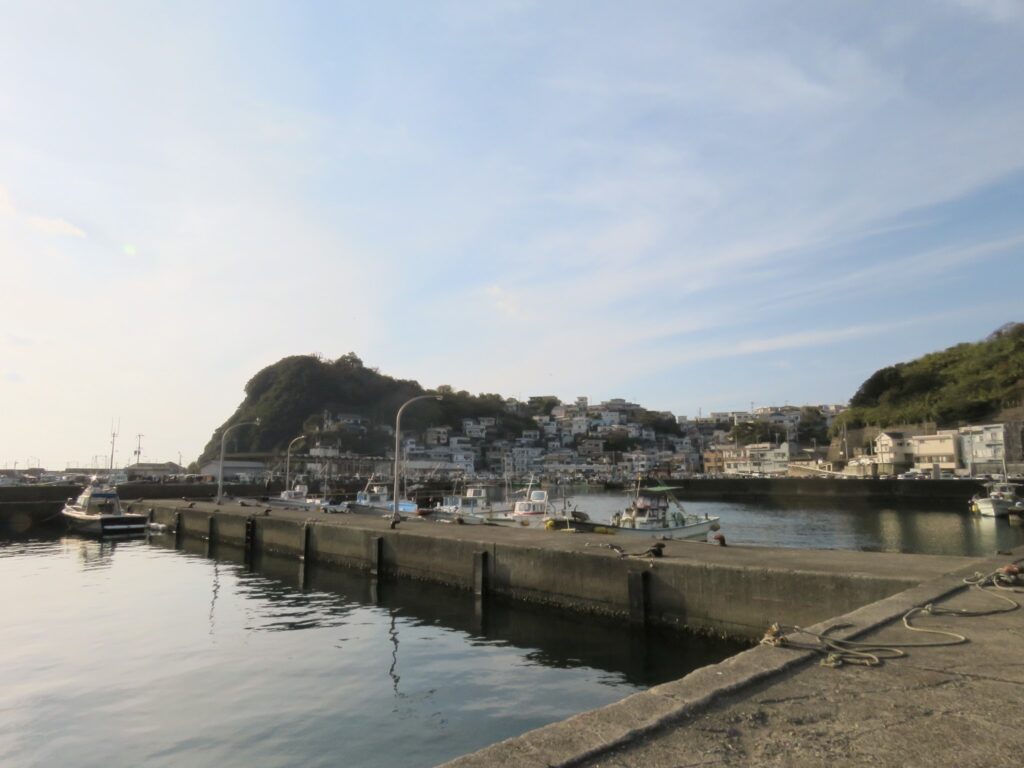
Just a short distance from Wakayama City, the coastal communities of Saikazaki and Kada offer a completely different side of Japan. Facing the calm waters of the Seto Inland Sea, these fishing villages preserve a way of life shaped by the rhythms of the ocean. Rather than busy shopping districts or famous urban landmarks, visitors encounter narrow lanes, working harbors, and communities where fishing traditions remain an important part of everyday life.
Saikazaki is often called the “Amalfi Coast of Wakayama” because of its hillside houses overlooking the sea, but its appeal lies less in comparison and more in its authenticity. Fishing boats return with the day’s catch, local restaurants serve fresh seafood sourced from nearby waters, and visitors can experience a maritime culture that has supported generations of residents. The atmosphere is relaxed and distinctly local, offering a glimpse into everyday coastal life rarely seen in larger tourist destinations.
Further west, Kada combines beautiful seaside scenery with cultural and spiritual significance. The area is home to Awashima Shrine, known for its unique collections of dolls and its long association with prayers for women’s health and safe childbirth. Surrounded by pine forests and ocean views, the shrine provides a quiet and contemplative atmosphere that contrasts sharply with the crowds often found at more famous religious sites.
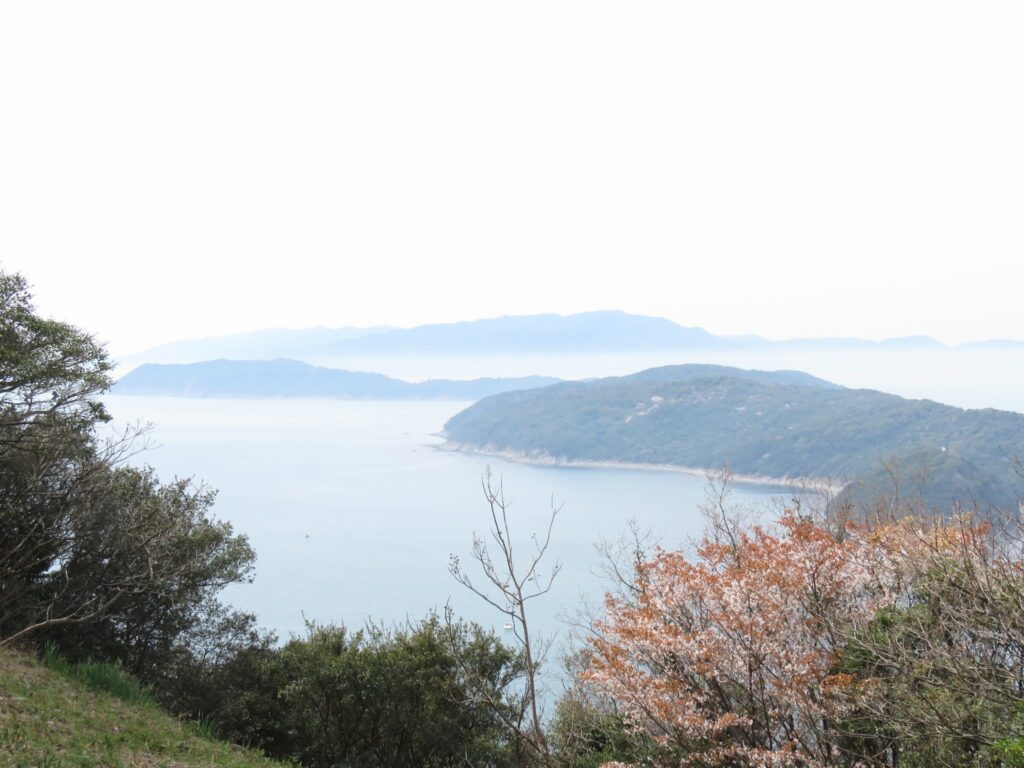
Kada also serves as the gateway to Tomogashima, a group of islands located between Wakayama and Awaji Island. Covered in dense vegetation and scattered with the remains of former military fortifications, the islands possess an almost otherworldly atmosphere that has earned them comparisons to scenes from animated fantasy films. Hiking trails, panoramic viewpoints, and the feeling of being separated from the modern world make Tomogashima one of Kansai’s most unusual excursions.
For travelers seeking ocean views, slower rhythms, and meaningful encounters with local culture, Saikazaki and Kada offer something increasingly rare. They provide the opportunity to experience Japan not through major attractions or crowded streets, but through the landscapes and communities where everyday life continues at its own pace. For many visitors, this quieter side of Wakayama becomes one of the most memorable parts of their journey.
Why Skip Osaka and Kyoto (At First)?
You can always visit Osaka and Kyoto later.
But starting there has downsides:
- Heavy crowds
- Over-tourism
- Fast-paced travel
Beginning in Wakayama offers a different rhythm:
- Slower, more intentional travel
- Deeper cultural experiences
- A smoother transition into Japan
A Different Way to Travel Japan
Instead of rushing through famous spots, consider this approach:
Day 1–2: Stay in Wakayama City
Day 3–4: Explore Yuasa or the coast
Day 5–6: Travel to Koyasan for a temple stay
This creates a journey that feels:
- Balanced
- Authentic
- Memorable
Planning a Deeper Experience
Traveling in rural Japan can be incredibly rewarding, but it also comes with challenges that are not always obvious when planning from abroad. Public transportation is often less frequent than in major cities, some destinations are difficult to access without local knowledge, and many memorable experiences are not easily discovered through guidebooks or online searches. Language barriers can also make it difficult to communicate with small family businesses and local communities where English is not commonly spoken.
At the same time, these very challenges are part of what has allowed many regions to preserve their authenticity. Rural Japan offers opportunities to encounter traditions, landscapes, and ways of life that remain largely untouched by mass tourism. However, experiencing these places in a meaningful way often requires more than simply following directions on a map.
For travelers seeking a deeper connection with the region, a private guided journey or carefully curated stay can transform the experience. Rather than spending time navigating logistics, visitors can focus on understanding the stories behind the places they visit and engaging more naturally with local people and culture.
Customized itineraries make it possible to travel at your own pace and according to your interests, whether they involve history, food, spirituality, nature, or photography. Local guides can introduce places that many visitors would otherwise overlook and provide context that brings landscapes and traditions to life.
In some cases, travelers may also gain access to experiences that are not normally available to the general public. These might include meeting craftspeople and producers, visiting working facilities, or participating in cultural activities that rely on personal relationships and local connections rather than commercial tourism.
Food-focused journeys are particularly rewarding in places such as Yuasa, where the story of Japanese cuisine can be explored through the people who continue centuries-old traditions today. Visiting historic shoyu breweries, learning about fermentation, tasting regional products, and understanding how food culture developed over generations allows travelers to experience Japan through its culinary heritage rather than simply consuming it.
Ultimately, guided and curated experiences are not about luxury or exclusivity. They are about creating opportunities for genuine encounters and helping travelers discover aspects of Japan that are often invisible to those passing through on their own. In rural regions especially, local knowledge can turn a good trip into a memorable and deeply personal journey.
Final Thoughts
Japan is not only Kyoto and Tokyo.
Just beyond Kansai International Airport lies a region where:
- Traditions are still alive
- Landscapes are untouched
- Travel slows down
Starting your journey in Wakayama may not be the obvious choice—
but it might become the most memorable part of your trip.
Plan your journey beyond the typical tourist route.
→ Contact us for a custom itinerary
Looking to stay longer and experience Japan more deeply?
→ Discover our Curated Stay in Wakayama
Related Post
- How to Visit Koyasan Without Stress (Detailed Transport Guide)
- Is Wakayama Worth Visiting? A Complete Guide to Japan’s Most Underrated Destination
- Best Areas to Stay in Wakayama, Japan
- Why Some of Japan’s Most Meaningful Experiences Aren’t Offered in English
No responses yet