
Most travelers visiting Japan are used to efficient trains, clear signs, and easy access, but Wakayama is different. Located just beyond Kansai International Airport, this region offers some of the most authentic experiences in Kansai—yet it remains one of the least understood. So the question is:
Do you really need a private guide in Wakayama? The short answer is not always, but if you want to experience the region fully, the difference is significant.
Wakayama Is Not Designed for First-Time Travelers
Unlike Osaka or Kyoto, which feature dense tourist centers connected by highly frequent urban train networks, Wakayama City and its surrounding areas are deeply spread out geographically and much more limited in public transportation options.
Incredible and culturally rich destinations like Yuasa (the birthplace of soy sauce), the mountaintop temple settlement of Koyasan, the historic coastal town of Kada, the scenic rural hub of Gobo, and the sacred trails of Kumano offer profoundly authentic experiences, but they also feature less English-language support and infrequent train or bus schedules that make them difficult to navigate efficiently on your own. When you are operating on a tight vacation schedule, managing complex timetables and language barriers can lead to hours of wasted travel time.
Because of these distinct regional challenges, hiring a private guide transitions from being a mere luxury into a highly practical advantage that maximizes your time and unlocks the true depth of the region.
What You Miss Without a Guide
Many travelers assume they can “figure it out.”
And technically, you can.
But here’s what often gets missed:
1. Places You Would Never Find
Some of the most meaningful experiences in Wakayama are found with Google Maps:
- Small, family-run shoyu soy sauce breweries in Yuasa
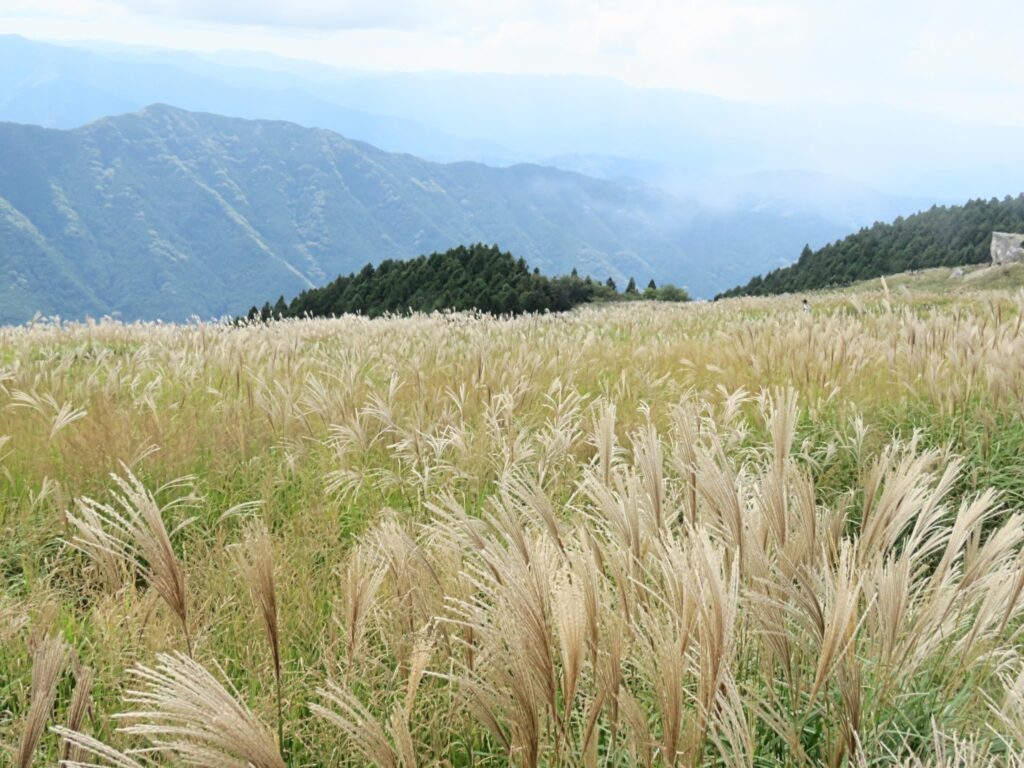
- Hidden viewpoints on the mountains
- Local workshops and craftsmen
Without local knowledge, these remain invisible.
2. Cultural Context That Changes Everything
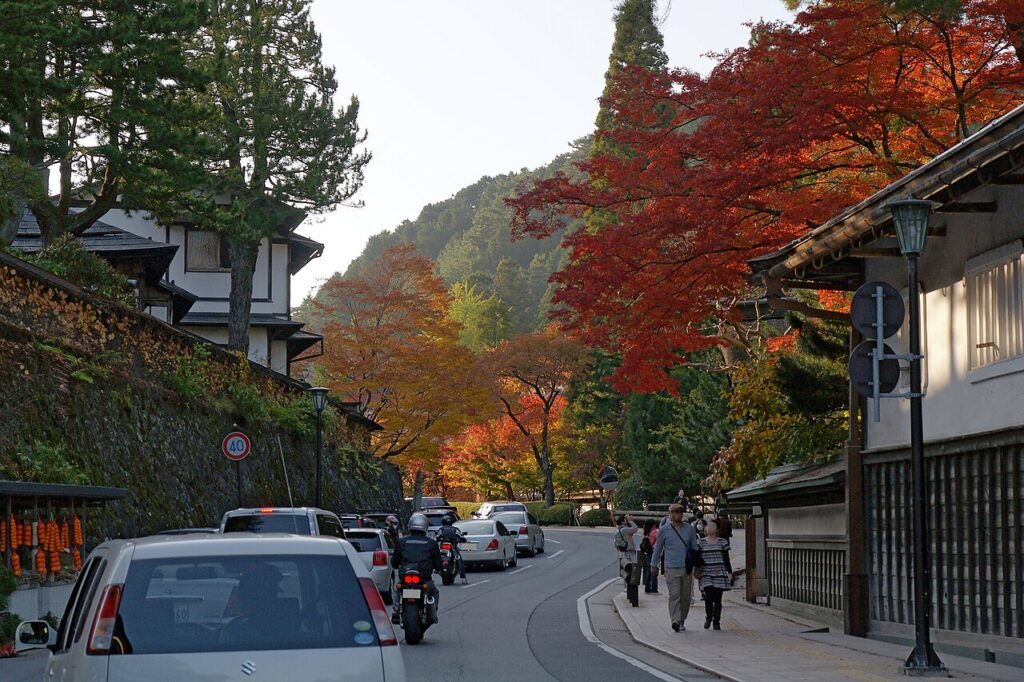
Visiting Koyasan without understanding its meaning is very different from experiencing it with context.
A guide can explain:
- The philosophy behind temple practices
- The history that shapes the atmosphere
- How to participate respectfully
👉 What you see becomes what you understand.
3. Time Lost in Logistics
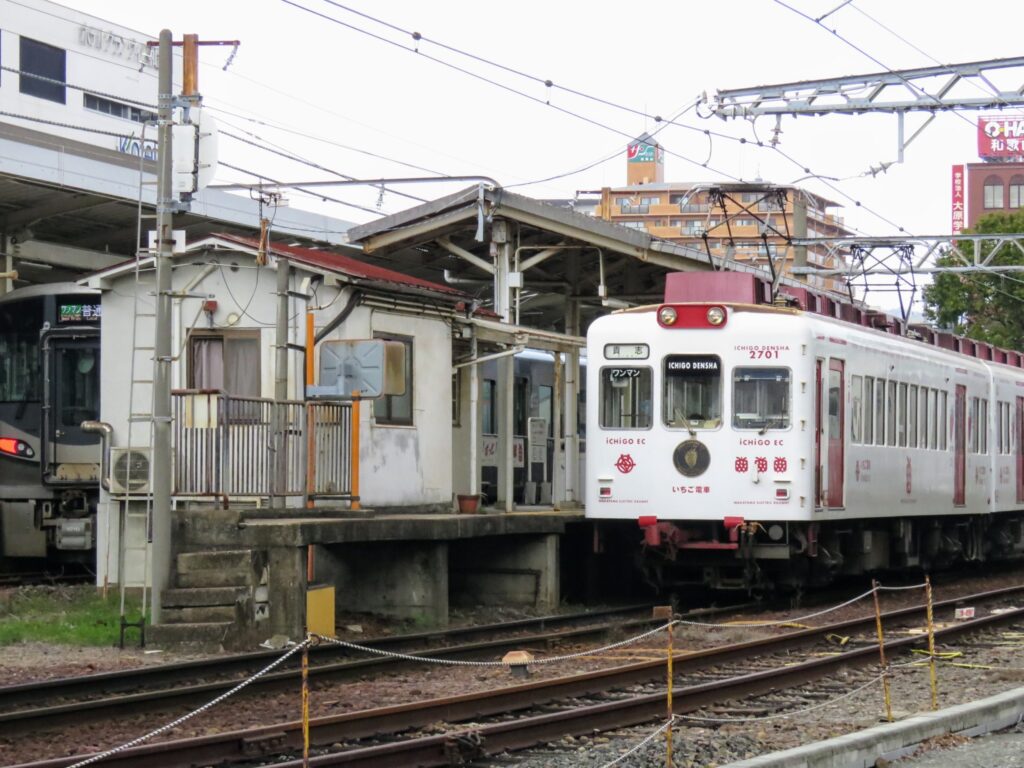
In rural areas:
- Trains are less frequent
- Connections are not always intuitive
- Taxis are limited
A poorly planned day can mean:
- Missing key locations
- Spending hours waiting
- Cutting experiences short
A guide removes this friction entirely.
4. Language Barriers in Meaningful Moments
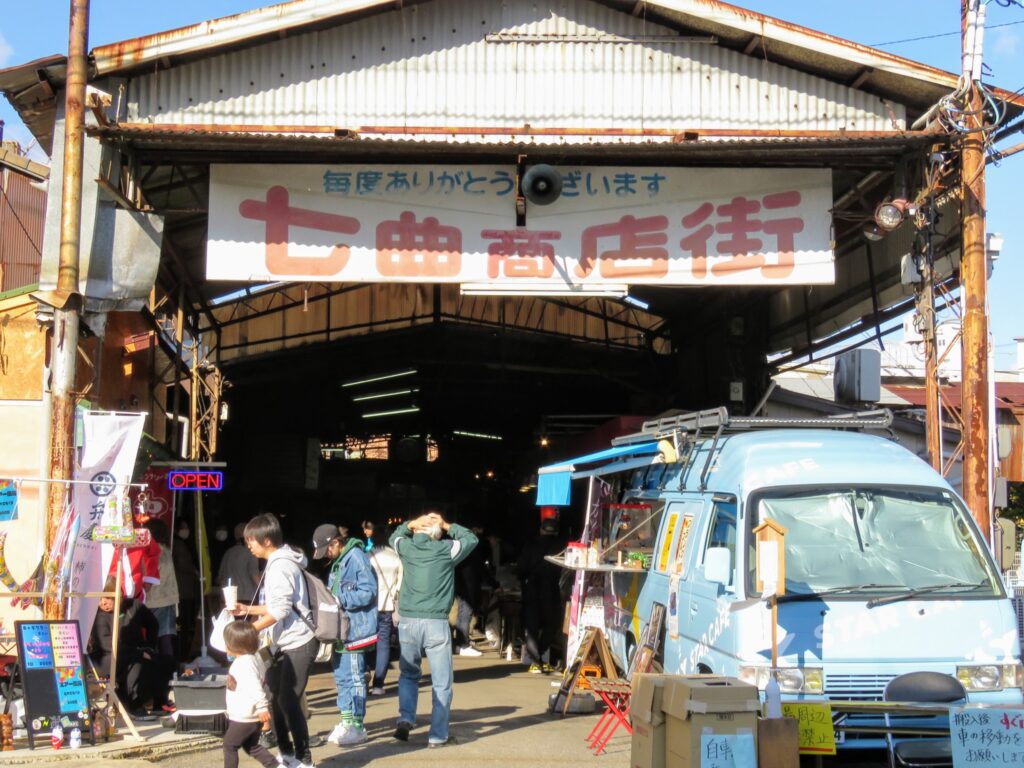
In cities, English is often enough.
In Wakayama:
- Many locals don’t speak English
- Experiences are not designed for international visitors
This matters most in places like:
- Traditional kitchens
- Local markets
- Small cultural sites
👉 These are exactly the moments that define your trip.
What a Private Guide Actually Adds
A private guide is not just someone who shows you around.
In Wakayama, they act as:
■ A Navigator
Efficient routing across dispersed locations
■ A Cultural Interpreter
Bridging the gap between what you see and what it means
■ A Connector
Opening doors to places and people you wouldn’t access alone
■ A Curator
Designing a day based on your pace and interests
A Different Kind of Travel Experience
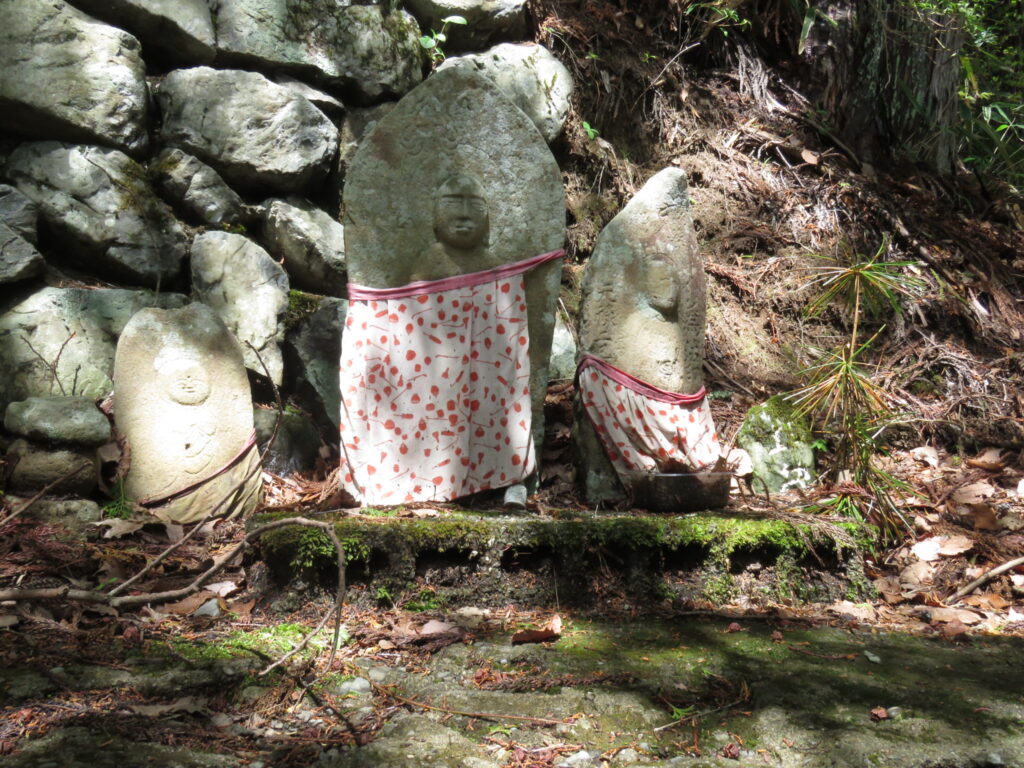
With a private guide, your journey shifts from:
- Visiting places → Understanding them
- Following a plan → Experiencing a story
- Moving quickly → Traveling intentionally
Is a Private Guide Worth It?
It depends on what you want.
You may NOT need a guide if:
- You prefer independent travel
- You enjoy solving logistics
- You focus only on major landmarks
A guide is highly valuable if you:
- Want deeper cultural experiences
- Have limited time but high expectations
- Prefer a smooth, stress-free journey
- Are interested in food, craftsmanship, or local life
A Smarter Way to Experience Wakayama
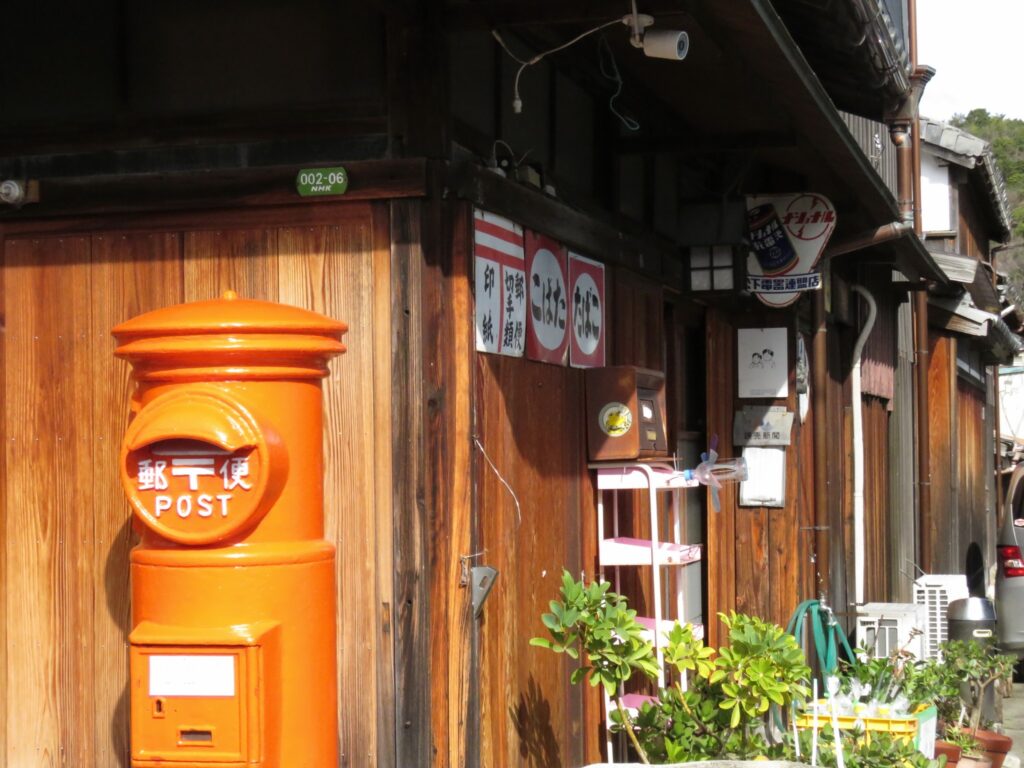
Many travelers choose Wakayama as a base for exploring several distinct regions of the Kii Peninsula. Yuasa offers a window into Japan’s food heritage as the birthplace of shoyu production, where visitors can experience traditional brewing culture and stroll through a preserved historic townscape. Koyasan provides a completely different atmosphere, inviting travelers to discover the spiritual traditions of Japanese Buddhism through temple stays, morning prayers, and centuries of religious history. Along the coast, Kada reveals another side of Wakayama, where fishing communities, island scenery, and everyday local life create a relaxed connection with the sea.
At first glance, these destinations may appear to be unrelated stops scattered across the prefecture. However, with the right guidance and local context, they become chapters of a single story. Food culture in Yuasa reflects centuries of craftsmanship, Koyasan explains the spiritual values that shaped Japanese society, and Kada illustrates how communities have long lived in harmony with the natural environment. Together, they reveal different aspects of the same region and provide a deeper understanding of Wakayama beyond individual attractions.
Rather than simply moving from one sightseeing spot to another, travelers can experience a journey where history, culture, spirituality, and everyday life are interconnected. This is what makes Wakayama especially rewarding: not just the destinations themselves, but the relationships between them.
Plan Your Experience
If you’re considering exploring Wakayama more deeply, you have a few options:
■ Explore ready-made itineraries
Designed routes based on real travel flows
→ View Example Itineraries
■ Join a private guided tour
Perfect for 1–2 day focused experiences
→ Discover Private Tours
■ Create a custom journey
Fully tailored to your interests and schedule
→ Contact us to plan your trip
■ Stay longer with a curated experience
Live in Wakayama and explore at your own pace
→ Discover Curated Stay
Final Thoughts
Wakayama is not difficult to visit.
But it is easy to misunderstand.
Just beyond Kansai International Airport lies a region where:
- Traditions are still lived, not displayed
- People are open, but not always accessible
- The most meaningful experiences are often the least visible
A private guide doesn’t just make your trip easier.
It changes what your trip becomes.
Related Post
- Is Wakayama Worth Visiting? A Complete Guide to Japan’s Most Underrated Destination
- Best Areas to Stay in Wakayama, Japan
- Coffee, Community, and Everyday Life in Wakayama
- Sea, Faith, and Fishing Life in Wakaura
No responses yet