
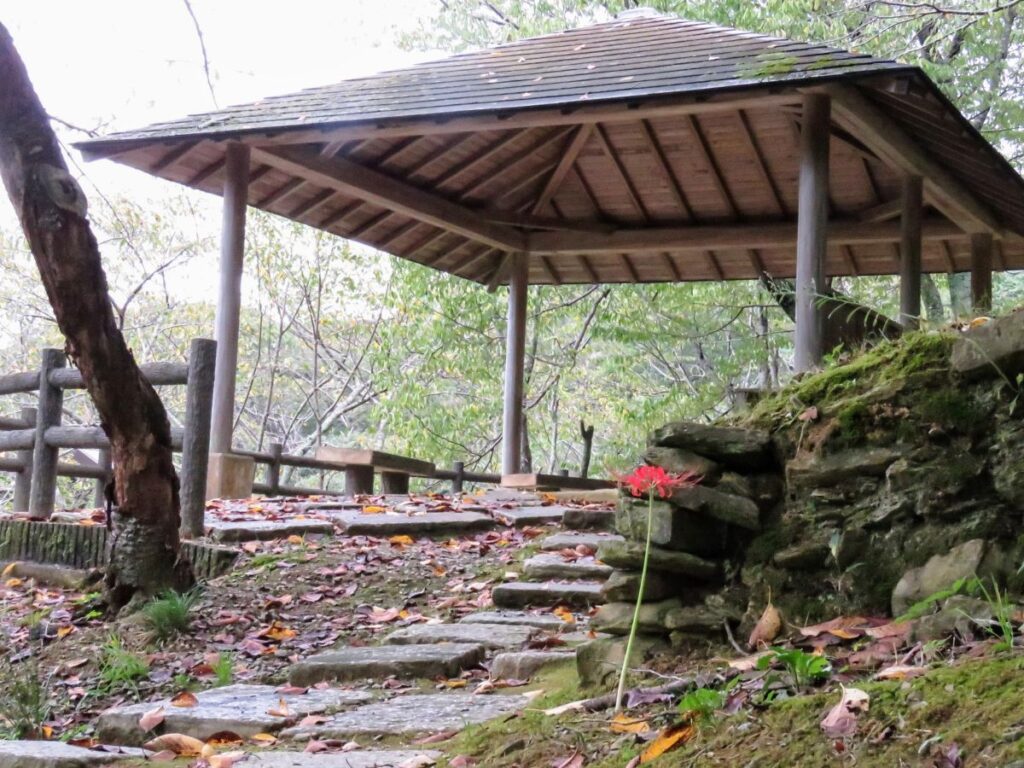
Discover Seasonal Wildlife, Ancient Tombs, and Japan’s Oldest Poetry in Wakayama
Most visitors to Wakayama head directly to the famous pilgrimage routes of the Kumano Kodo or the sacred temples of Koyasan. Yet only a short distance from Wakayama City lies one of the prefecture’s most fascinating places for travelers who enjoy nature, history, and traditional Japanese landscapes.
Kii Fudoki-no-Oka offers something rare: a place where seasonal wildlife, ancient archaeology, classical literature, and rural architecture can all be experienced in a single peaceful walk.
Rather than rushing between famous landmarks, this is a destination where slowing down reveals layer after layer of Japanese history.
A Forest That Changes With Every Season
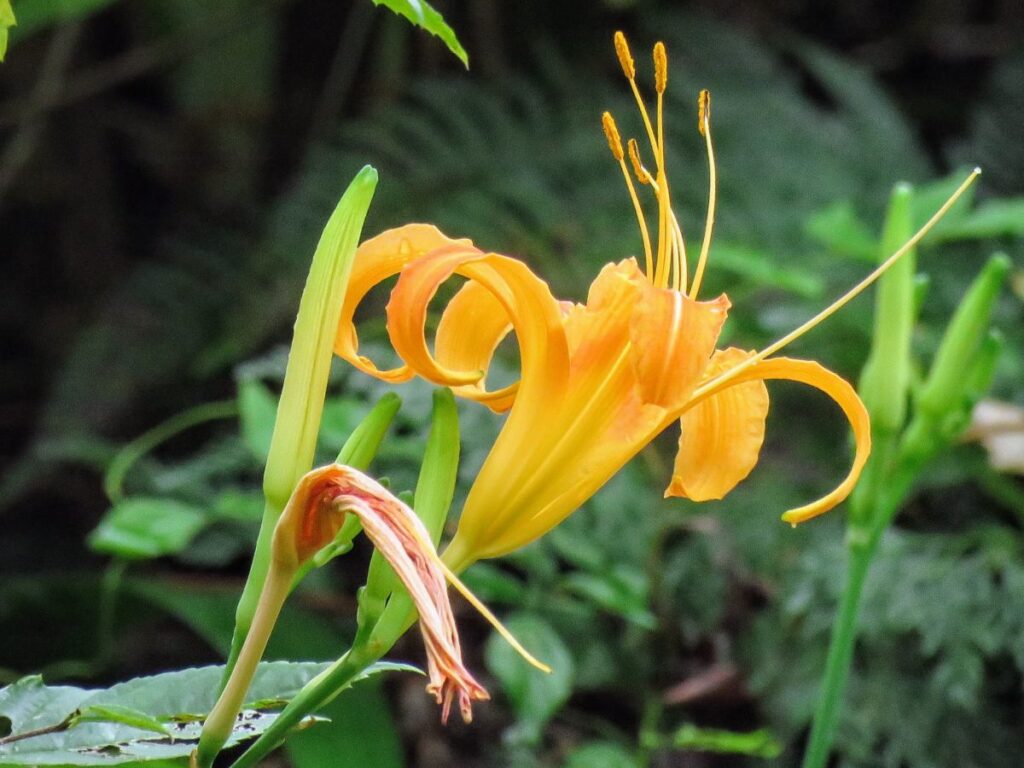
Unlike a botanical garden designed for displays, Kii Fudoki-no-Oka preserves a natural satoyama landscape.
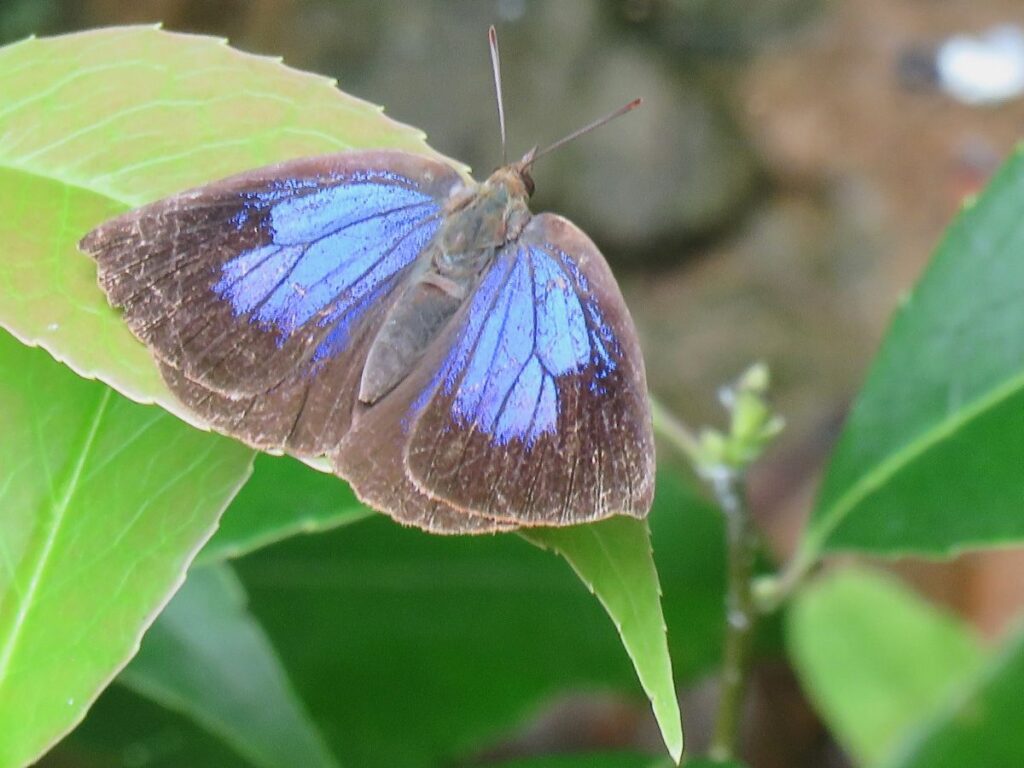
Throughout the year, visitors can discover a changing variety of native plants, wildflowers, trees, birds, butterflies, and insects. Every season offers something different:
- Spring brings fresh greenery, woodland flowers, butterflies, and singing birds.
- Early summer fills the forest with insects and vibrant vegetation.
- Autumn transforms the hills into warm colors while many wild fruits and seeds appear.
- Winter allows clearer views through the forests, revealing the shapes of the ancient landscape.
For nature lovers, photographers, and families, every visit feels different depending on the time of year.
Because the pace is slow, visitors have time to stop, observe, and appreciate details that are often missed during faster sightseeing itineraries.
Walking Among Ancient Burial Mounds
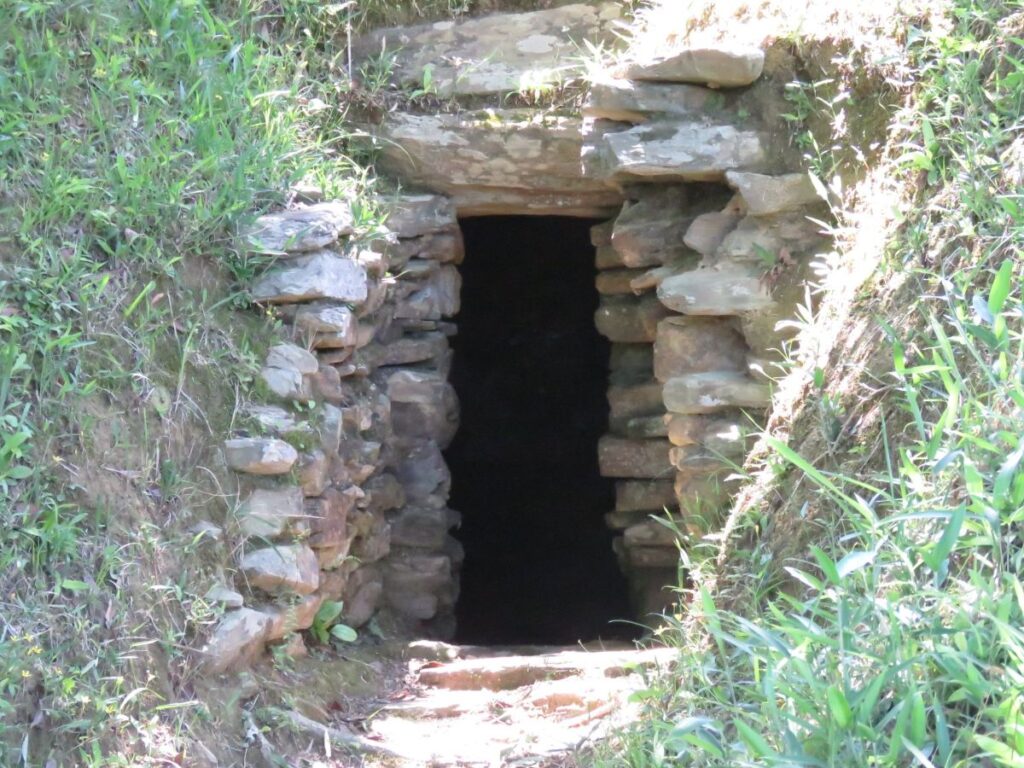
One of the most remarkable features of Kii Fudoki-no-Oka is the large number of ancient kofun burial mounds scattered throughout the surrounding hills.
Many of these tombs date back more than 1,500 years to Japan’s Kofun Period.
Instead of viewing archaeological artifacts behind glass, visitors actually walk through the landscape where these ancient communities once lived. The gentle hills, forests, and burial sites create an atmosphere that feels both peaceful and mysterious.
Nature has gradually reclaimed many of these monuments, making the experience feel less like visiting ruins and more like exploring a living historical landscape.
Encountering the World of the Manyoshu
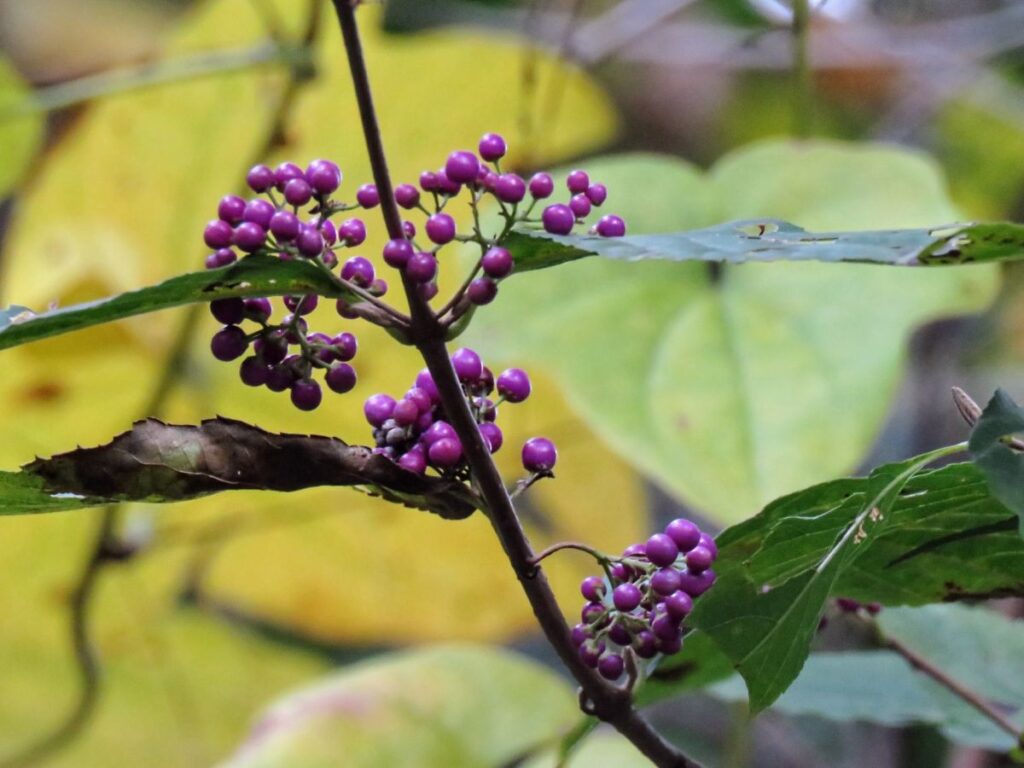
One of the most unique aspects of this park is its connection to the Manyoshu, Japan’s oldest surviving anthology of poetry compiled during the eighth century.
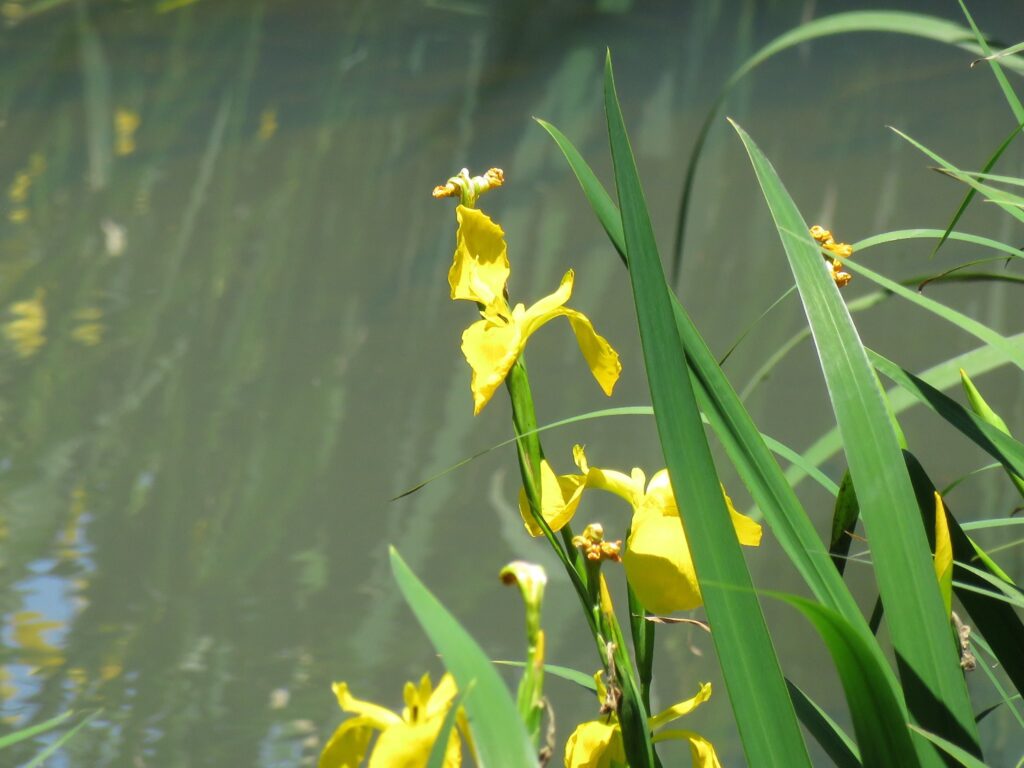
Many of the plants mentioned in these ancient poems can still be found growing here today.
Rather than simply reading translated poems in a book, visitors can stand beside the very species that inspired poets over 1,200 years ago.
A guided walk can introduce not only the plants themselves but also the emotions and seasonal awareness that the poets expressed through them.
It becomes a journey through both nature and literature.
Traditional Farmhouses That Preserve Rural Life
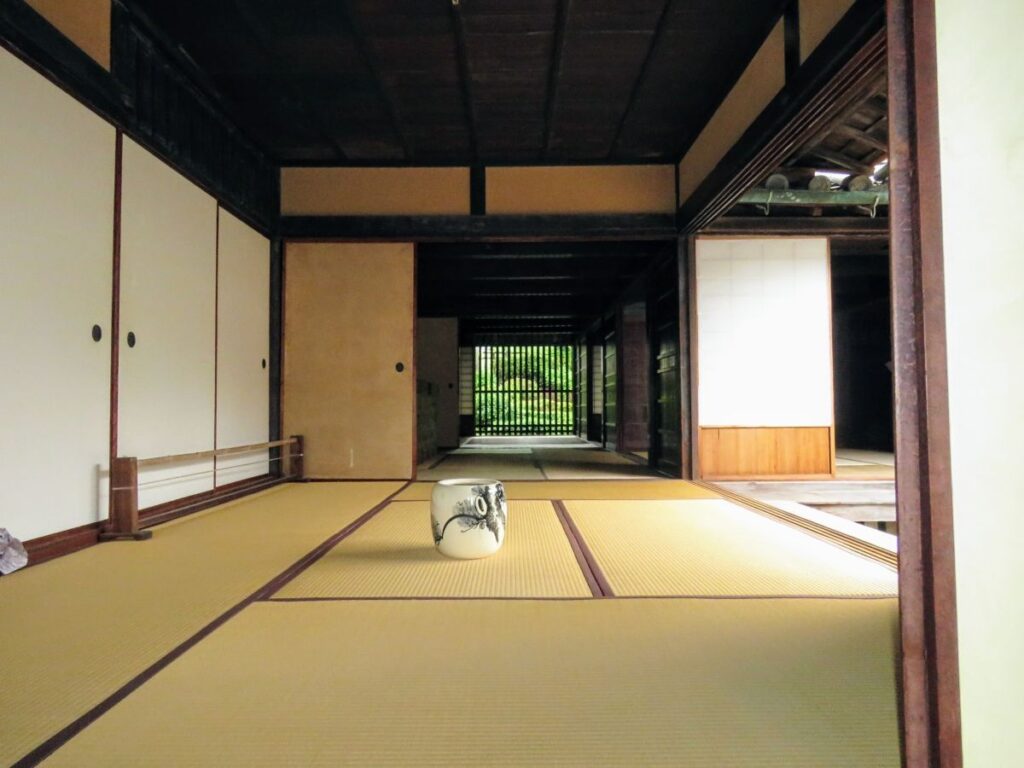
The grounds also include carefully relocated and preserved traditional farmhouses from across Wakayama Prefecture.
These homes provide insight into everyday life before modern conveniences.
Visitors can explore:
- Traditional wooden architecture
- Thatched roofs and historic construction techniques
- Old kitchens and hearths
- Agricultural tools
- The daily lives of farming families
Together, these buildings reveal how local people once adapted to the climate, available materials, and seasonal rhythms of the Kii Peninsula.
Rather than focusing on famous castles or samurai, they tell the story of ordinary people whose lives shaped the region for centuries.
A Curated Nature & Culture Experience
A private guided experience at Kii Fudoki-no-Oka goes beyond simply identifying plants or explaining archaeological sites.
The experience connects several layers of Japanese culture:
- Seasonal ecology and satoyama landscapes
- Native plants and insects
- Ancient kofun history
- The poetry of the Manyoshu
- Traditional rural architecture
- The relationship between people and nature across generations
Because everything is concentrated within a walkable area, conversations naturally flow between ecology, history, literature, and daily life.
It is an ideal experience for travelers who enjoy slow travel, photography, cultural learning, or simply spending quiet time outdoors away from crowded tourist destinations.
Experience a Different Side of Wakayama
Kii Fudoki-no-Oka reminds us that Japan’s history is not found only in famous temples or castles.
It also survives in forests where ancient tombs rest beneath the trees, in wildflowers celebrated by poets over a thousand years ago, and in farmhouses that preserve the rhythms of everyday life.
For travelers seeking a deeper understanding of Japan, this peaceful corner of Wakayama offers a rare opportunity to experience nature, history, and culture as parts of one continuous landscape.
Whether you are passionate about wildlife, archaeology, literature, or traditional rural life, a guided walk through Kii Fudoki-no-Oka reveals a quieter and more authentic side of the Kii Peninsula.
Plan your nature experience in Kii-Fudoki no Oka through my Curated Kii Peninsula Journey.
Read More About Nature Experience
- Why Nature in Wakayama Is Different
- 2–3 Day Wakayama Itinerary (Culture + Nature)
- Understanding Japan’s Satoyama
No responses yet