
Discover Wakayama’s Grand Samurai Procession, Living Traditions, and One of Japan’s Great Historical Festivals
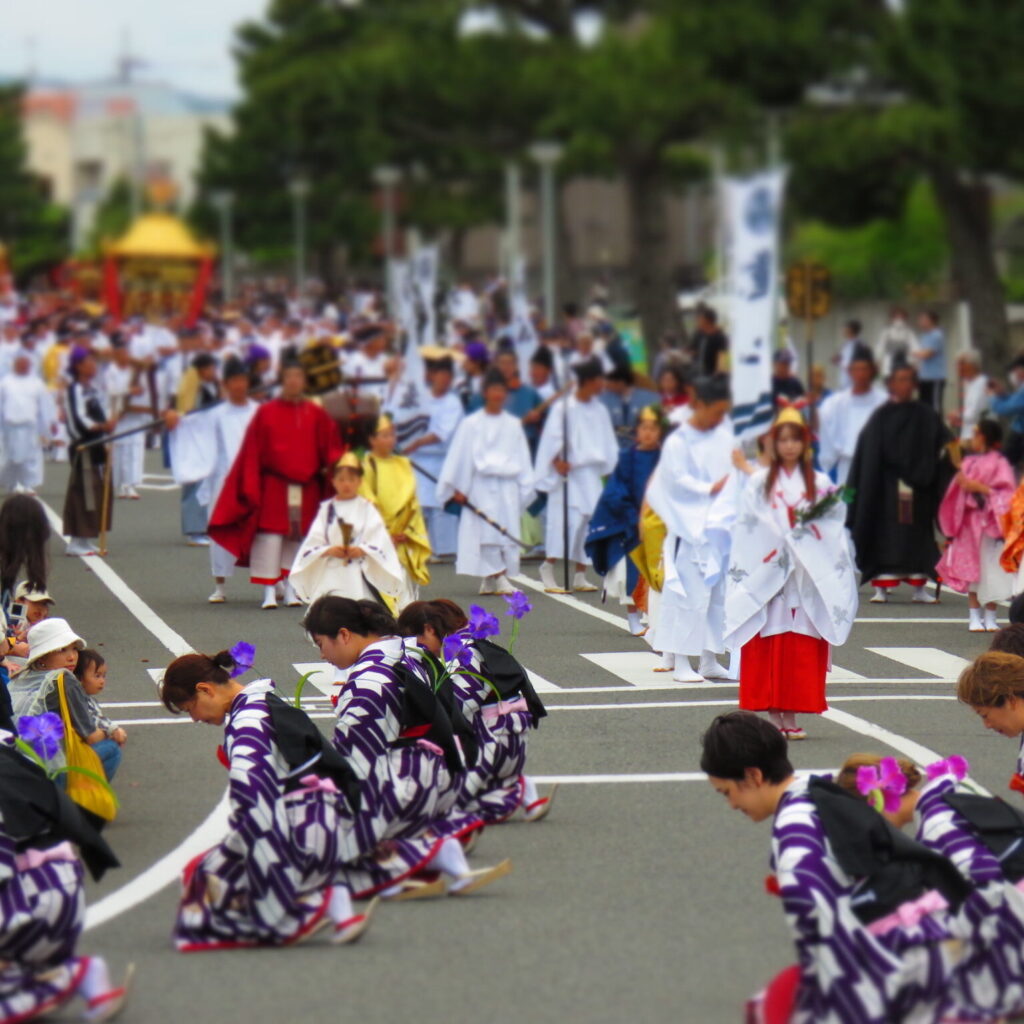
More Than a Festival
Every May, the quiet streets of Wakayama suddenly come alive with the sounds of drums, flutes, chanting, and hundreds of participants dressed in historical costumes.
The Wakamatsuri Festival is one of Wakayama’s most important cultural events. To many visitors, it is an impressive historical parade. To local residents, however, it is something much deeper—a tradition that has connected generations for nearly four centuries.
Unlike festivals created solely for entertainment, Wakamatsuri reflects the history of the Kishu Tokugawa family, the spiritual importance of Kishu Toshogu Shrine, and the enduring identity of Wakayama itself.
Why Was Wakamatsuri Founded?
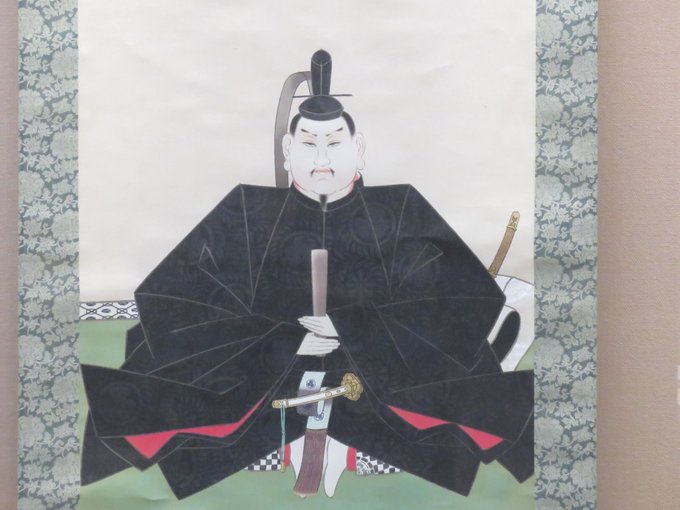
The festival began in 1622, shortly after Tokugawa Yorinobu, the founder of the Kishu Tokugawa family, established his rule over Wakayama.
Yorinobu built Kishu Toshogu to enshrine his father, Tokugawa Ieyasu, the founder of the Tokugawa Shogunate.
Rather than creating only a shrine, Yorinobu also established a grand annual festival to honor Ieyasu’s spirit while strengthening the unity between the ruling family and the people of the Kishu Domain.
The procession linked the castle town with the shrine overlooking Wakaura, symbolically connecting political authority, religious devotion, and the everyday lives of the people.
Today, visitors following the festival route are walking the same streets once traveled by generations of samurai, merchants, and townspeople.
One of Japan’s Great Historical Processions
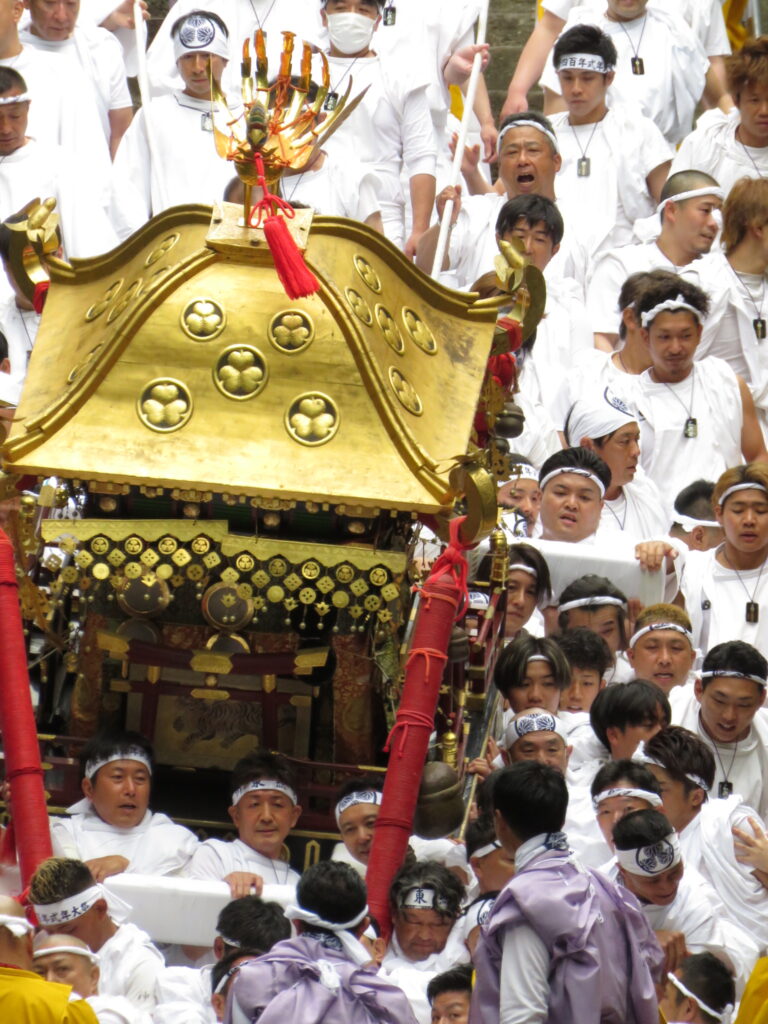
Wakamatsuri is famous for its magnificent procession.
Participants include:
- portable shrines (mikoshi)
- armored samurai
- mounted warriors
- musicians
- shrine priests
- historical costumes representing the Edo period
- traditional performers
Together they recreate the atmosphere of a seventeenth-century daimyo procession, offering a rare opportunity to experience history outside a museum.
The Saika Odori
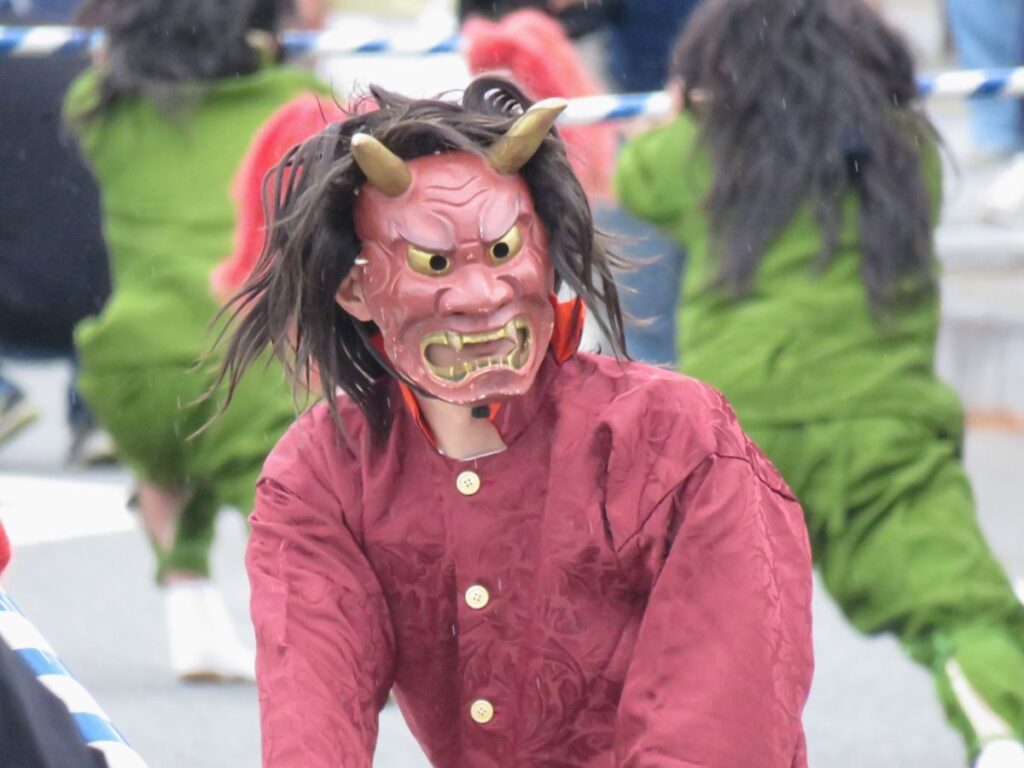
One of the festival’s most distinctive performances is the Saika Odori.
The dance commemorates the Saika (Saigashu), the powerful confederation of warrior-marksmen who dominated the Wakayama region during the Sengoku period.
Although the Saika fought against Oda Nobunaga and later disappeared as an independent military force, their memory remained deeply rooted in local identity.
Rather than celebrating military victory alone, the Saika Odori preserves the spirit of the people who once shaped this land before the rise of the Tokugawa family.
Watching the dancers, visitors witness not only a traditional performance but also a living reminder that Wakayama’s history extends far beyond the Edo period.
Related post:
The Battle Before Wakayama Castle Existed
A Festival That Survived Four Centuries
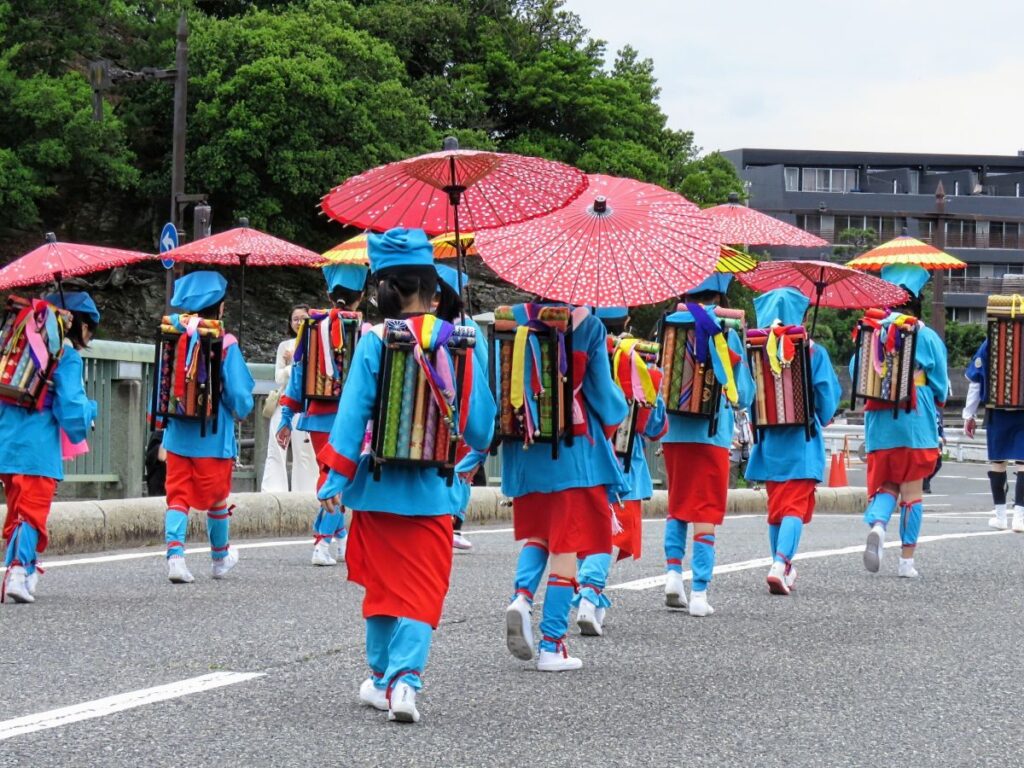
The history of Wakamatsuri has never been uninterrupted.
Throughout its nearly 400-year history, the festival has been suspended multiple times due to wars, political upheaval, financial difficulties, and more recently the COVID-19 pandemic.
Yet each time, the people of Wakayama found ways to revive it.
This resilience makes Wakamatsuri more than an old festival. It is a living tradition passed from one generation to the next, reflecting the determination of local communities to preserve their cultural heritage.
Every revival represents another chapter in a story that continues to this day.
Related post:
Walking Through the Kishu Tokugawa Domain: Samurai, Gardens, and Castle Town Life
More Than a Spectator
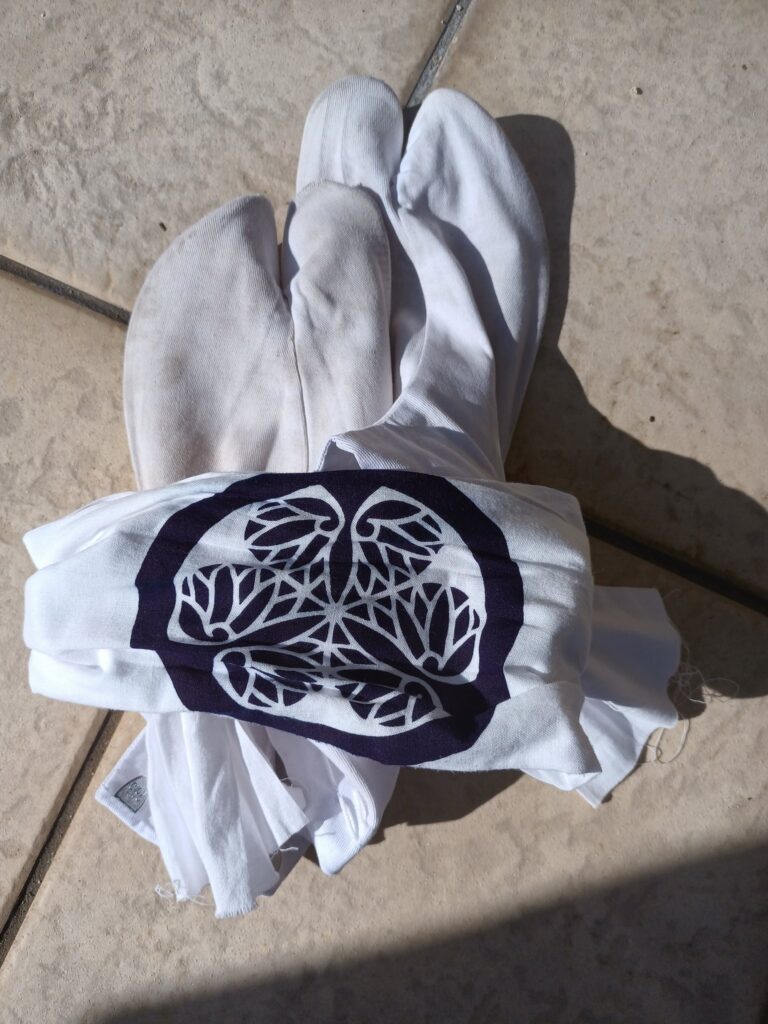
For me, Wakamatsuri is not only something I explain as a guide.
It is something I experience from within.
Each year, I participate as one of the mikoshi bearers, helping carry the portable shrine through the streets alongside other members of the community.
Feeling the weight of the mikoshi, hearing the rhythmic chants “Choh Sah!”, and moving together with fellow participants offers an understanding that cannot be gained from books alone.
As both a licensed guide and a local participant, I enjoy sharing not only the historical background of the festival but also the atmosphere, traditions, and community spirit that make Wakamatsuri so special.
For visitors, this provides a perspective that goes beyond sightseeing—connecting the history of the Kishu Tokugawa family with the living culture of modern Wakayama.
Experience Wakayama’s Living History
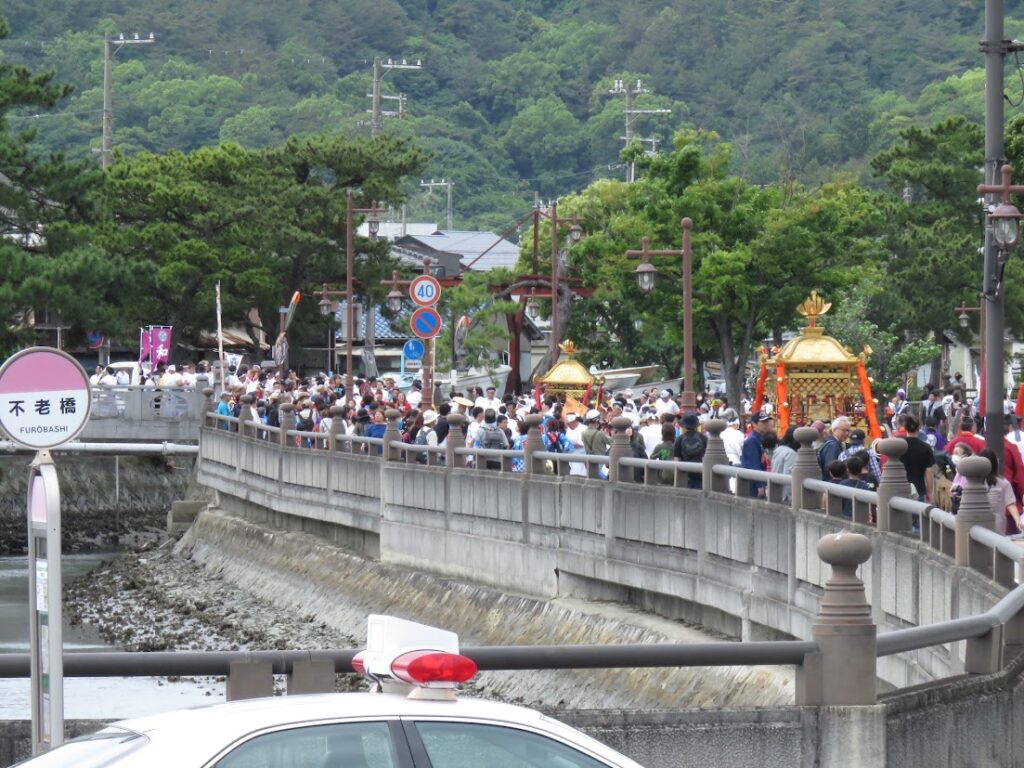
The Wakamatsuri Festival is not simply a reenactment of the past.
It is a celebration where history, faith, community, and local identity continue to meet every spring.
Whether you are fascinated by samurai history, Japanese festivals, or authentic cultural experiences, Wakamatsuri offers a rare opportunity to witness a tradition that has endured for four centuries.
Combined with visits to Wakayama Castle, Kishu Toshogu, and the historic streets of the former Kishu Domain, it provides one of the richest cultural experiences available in Wakayama.
Because some stories are best understood not by reading about them—but by walking alongside the people who continue to keep them alive.
Read More About the Festivals in Wakayama
- Tanabe Festival: Where a Castle Town’s Spirit Comes Alive
- The Spirit of Kokawa Festival
- Kishu Lacquerware Festival: Where Craft Meets Everyday Life
No responses yet