
How the Saika Warriors Defied Japan’s Most Powerful Warlords
Today, visitors to Wakayama Castle often associate the city with the Tokugawa family and the peaceful castle town that flourished during the Edo period.
But before the castle was built, this region was already famous across Japan—not for a powerful daimyo, but for an independent alliance of local warriors known as the Saika-shu (Saika Ikki).
Their story reveals a very different chapter of Japanese history, when local communities, merchants, farmers, monks, and skilled marksmen united to resist some of the greatest military leaders of the Sengoku Period.
Before There Was a Castle
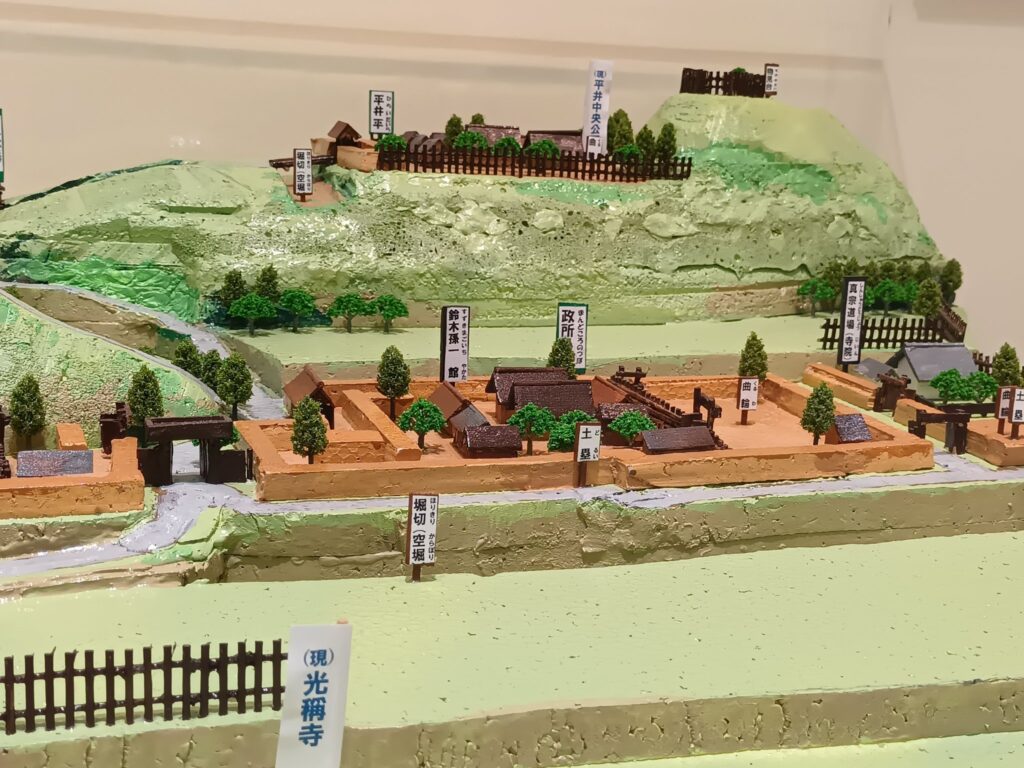
Before Wakayama Castle rose in the area, the lower reaches of the Kinokawa River were controlled by the Saika-shu.
Rather than serving a single feudal lord, they were a loose confederation of local families and communities. Their independence, maritime trade, and access to advanced firearms made them one of the most formidable military forces in western Japan.
Unlike the image of samurai serving a lord with unquestioning loyalty, the Saika-shu operated through cooperation among local leaders. This unique political structure helped them preserve their autonomy during one of Japan’s most turbulent eras.
Masters of the Matchlock
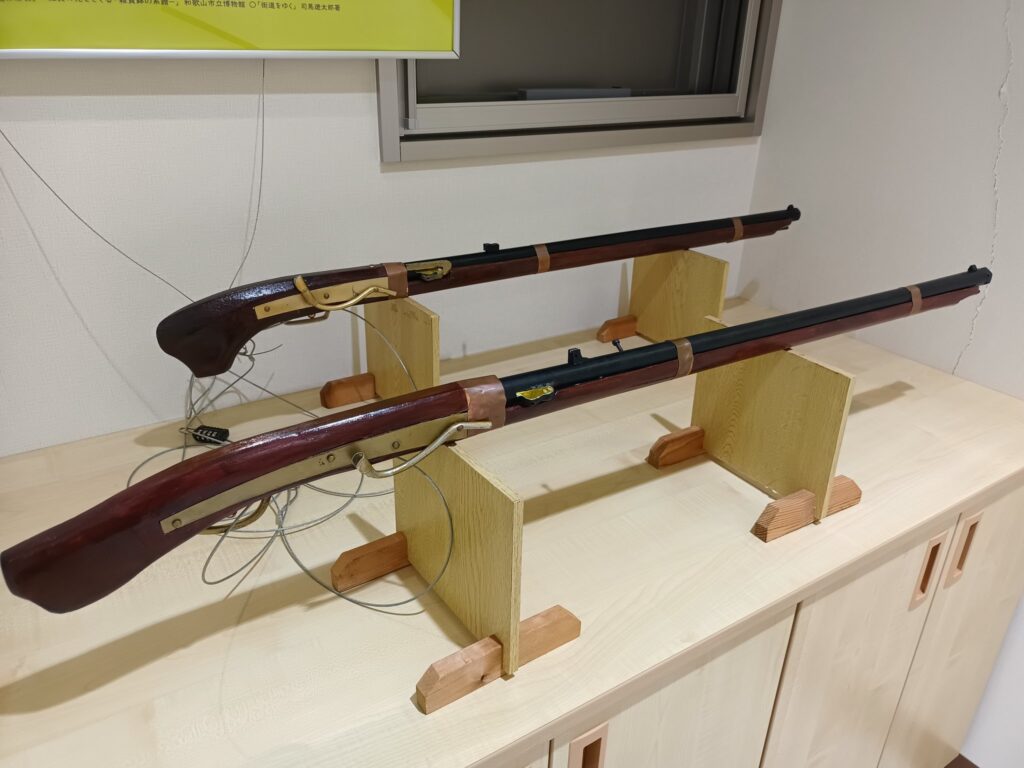
The Saika-shu became legendary for their mastery of the tanegashima, or Japanese matchlock gun.
Only a few decades after firearms first arrived in Japan in 1543, the warriors of Kii Province had become experts not only in using them but also in manufacturing and maintaining them.
Their disciplined firearm units were feared throughout the country, and their military expertise was sought by powerful factions involved in the conflicts of the Sengoku Period. Together with the warrior monks of Negoro-ji, they represented one of Japan’s most advanced centers of firearm technology.
Standing Against Oda Nobunaga
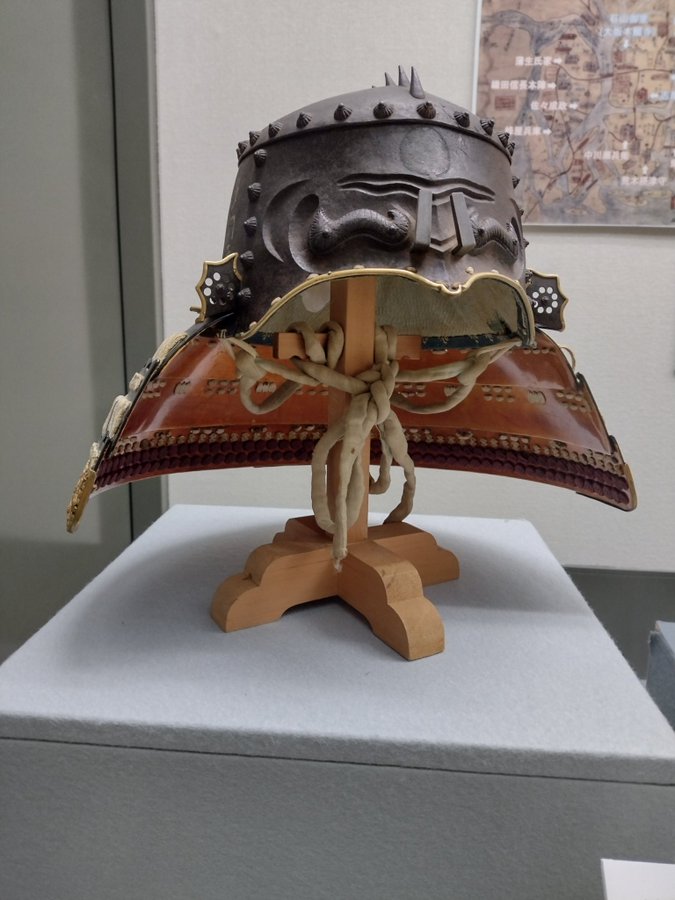
The Saika-shu are best remembered for their resistance to Oda Nobunaga, the warlord who sought to unify Japan.
Supporting the Ishiyama Hongan-ji, they repeatedly challenged Nobunaga’s armies with highly organized volleys of gunfire and strong defensive positions.
Their leader is traditionally remembered as Saika (Suzuki) Magoichi, although historians generally believe that “Magoichi” was a hereditary title used by several successive leaders rather than a single individual. This blend of history and legend has only added to his enduring reputation.
The Fall of Saika Independence
Despite their military success, the balance of power eventually shifted.
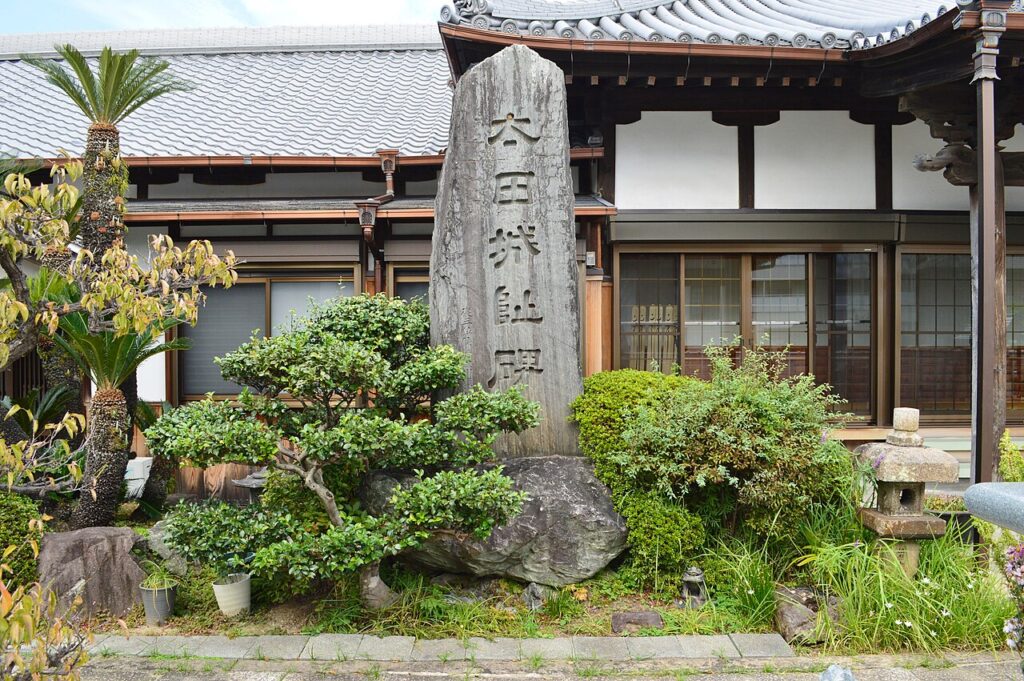
After Nobunaga’s death, Toyotomi Hideyoshi launched a massive campaign into Kii Province in 1585. During the famous Siege of Ota Castle, thousands of Saika defenders resisted before finally surrendering after Hideyoshi used an enormous flooding operation to overwhelm the castle.
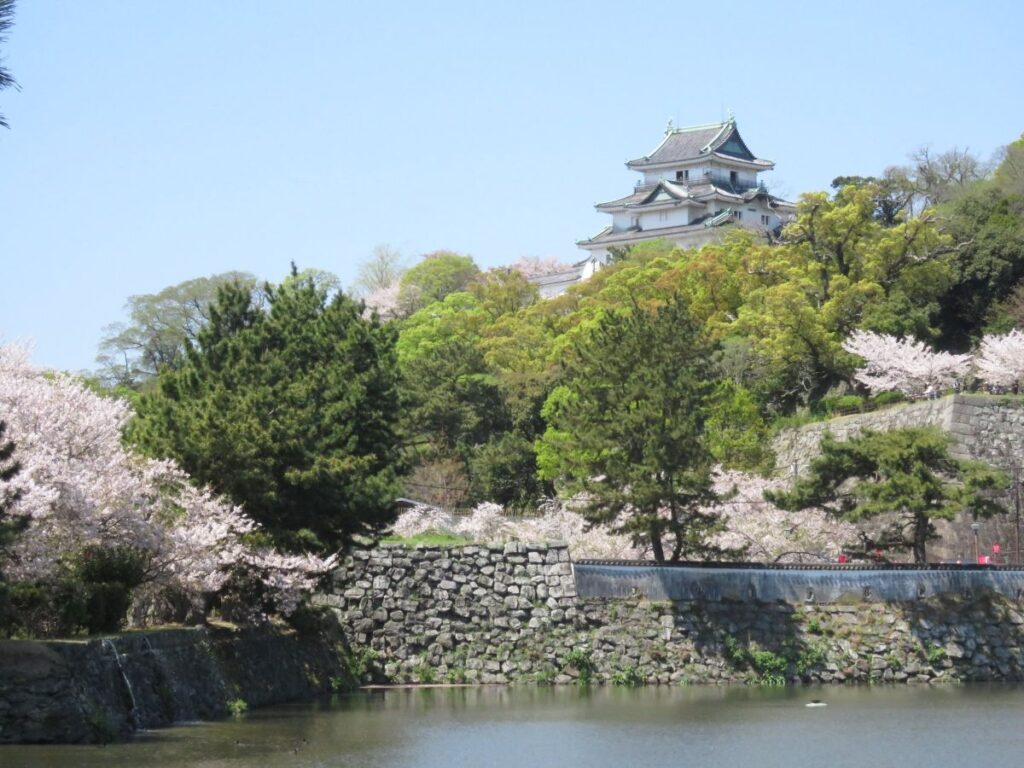
With the defeat of the Saika-shu, their independent rule came to an end. Only a few years later, Wakayama Castle was constructed under Toyotomi authority, transforming the region from a federation of autonomous communities into the center of a feudal domain.
A Legacy That Lives On
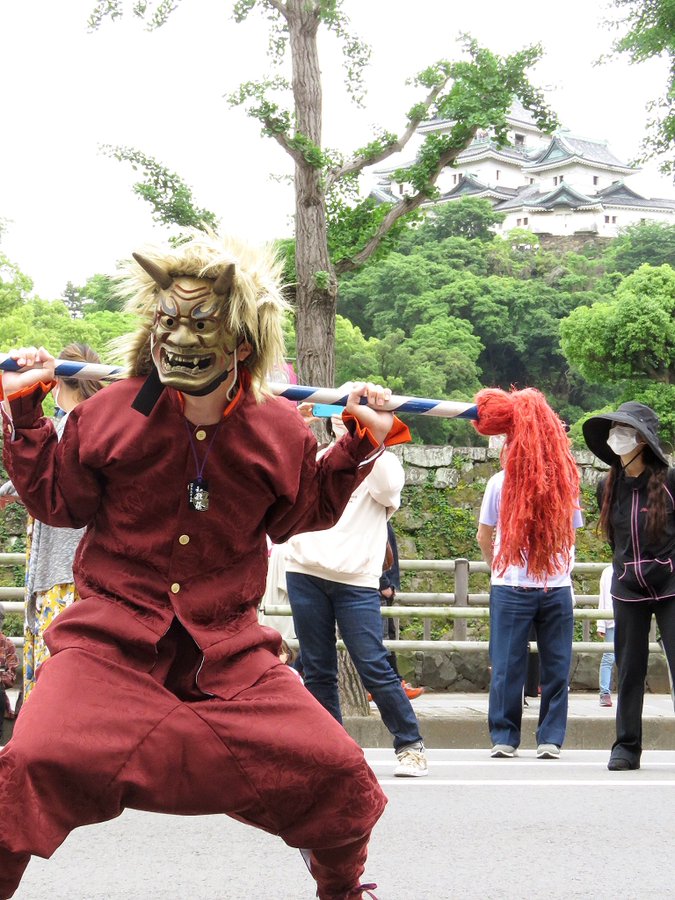
Although their political independence disappeared more than four centuries ago, the memory of the Saika-shu remains an important part of Wakayama’s identity.
Every March, Wakayama City hosts the Magoichi Festival (Magoichi Matsuri), where participants dressed in Sengoku-period armor recreate the spirit of the legendary gun warriors. The festival celebrates not only military history but also the region’s unique tradition of local independence and community pride.
The Saika legacy also appears in the Waka Matsuri, one of Wakayama’s most spectacular traditional festivals held at Kishu Toshogu Shrine. Among the colorful procession are performances of Saika-odori, a dance that commemorates the warriors and preserves their memory within the living culture of the city.
Visiting the Saika Legacy Today
Although little survives of the original fortifications, visitors can still explore places connected with the Saika-shu around Wakayama City.
Highlights include:
- Mount Akiba (Mirokujisan Castle Ruins), believed to have been one of their forward bases.
- Ota Castle Ruins, where Hideyoshi’s dramatic flood siege brought their independence to an end.
- Yanomiya Shrine, where traditions connected with Saika Magoichi continue to be preserved.
More Than a Samurai Story
The history of the Saika-shu is not simply another tale of samurai warfare.
It is the story of a community that combined commerce, local self-government, technological innovation, and military skill to defend its independence during one of Japan’s most violent centuries.
Understanding their struggle offers a different perspective on Wakayama. Before castles, before the Tokugawa shogunate, and before lasting peace, this land was already shaping Japanese history through the courage and ingenuity of the people who called it home.
Explore Saika-shu world in Wakayama City through my Kii Peninsula Journey.
No responses yet