
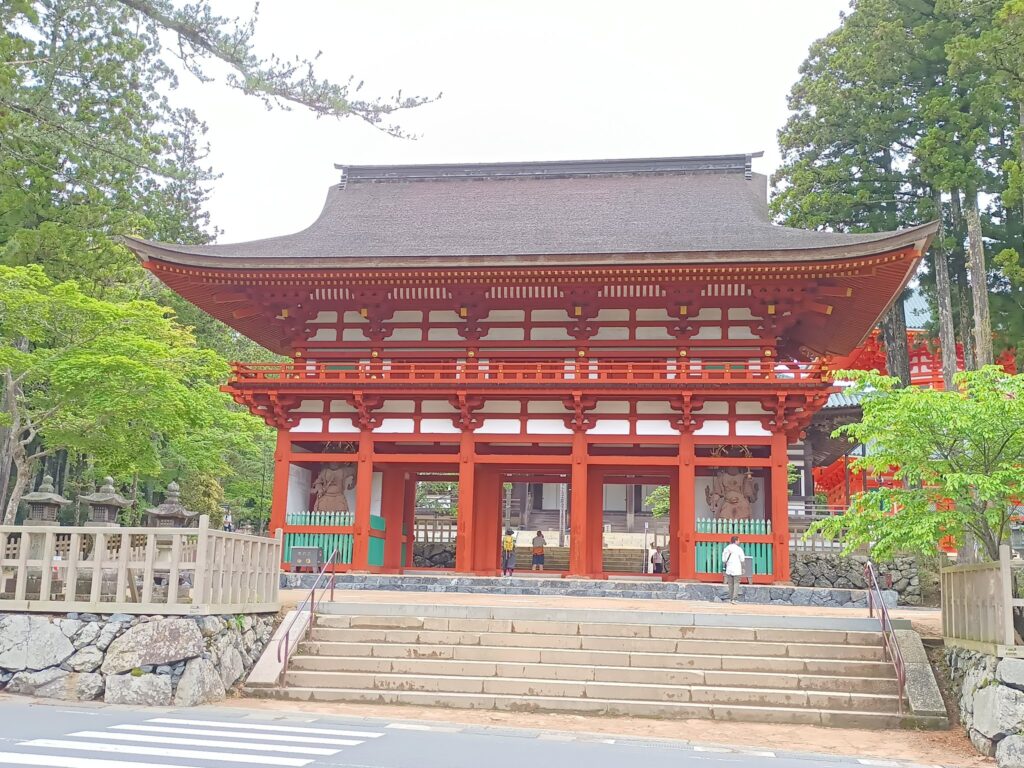
A Slow Travel Itinerary Beyond Japan’s Famous Tourist Route
Many travelers visit Japan’s most iconic destinations—Tokyo, Kyoto, and Osaka—before moving on to another country.
But if you have a week to explore beyond the usual route, the Kii Peninsula offers one of Japan’s richest cultural landscapes.
This journey combines sacred mountains, ancient pilgrimage trails, historic castle towns, coastal villages, traditional food culture, and everyday life. Rather than rushing from one attraction to another, it follows the rhythm of the region, allowing time to experience places where history is still lived rather than simply displayed.
Whether you’re interested in history, hiking, photography, gastronomy, or simply discovering a quieter side of Japan, this seven-day itinerary offers a meaningful introduction to the Kii Peninsula.
Why Spend a Week on the Kii Peninsula?
The Kii Peninsula is home to several of Japan’s most significant cultural landscapes.
During this journey, you’ll experience:
- Sacred temples on Koyasan
- Ancient pilgrimage routes
- Traditional fishing villages
- The birthplace of shoyu soy sauce
- Coastal scenery and mountain forests
- Local cuisine shaped by fermentation and seasonal ingredients
- Historic castle towns
- Everyday Japanese life beyond major cities
Unlike many itineraries that focus only on famous landmarks, this route connects the landscapes that have shaped life in the region for centuries.
Day 1 – Arrival in Wakayama City
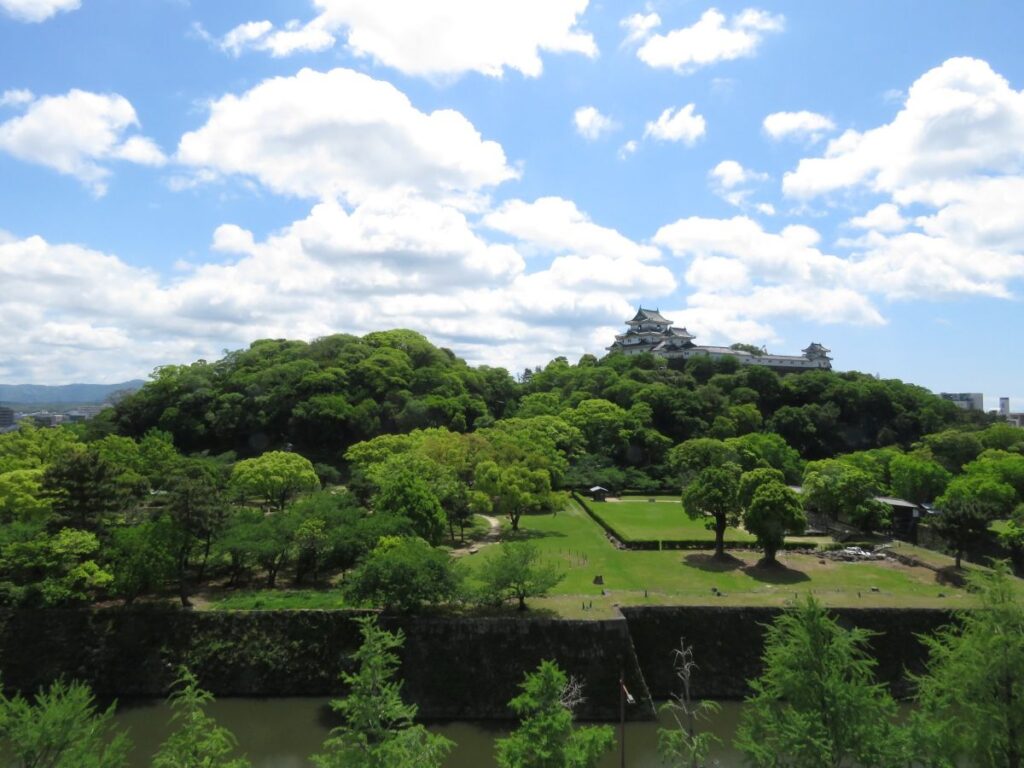
After arriving from Kansai International Airport or Osaka, spend your first day adjusting to the slower pace of Wakayama.
Suggested experiences include:
- Exploring Wakayama Castle
- Walking through Momijidani Garden
- Visiting local shopping streets
- Enjoying fresh seafood for dinner
- Relaxing at a traditional café (kissaten)
This gentle introduction helps visitors transition from Japan’s large cities into the quieter atmosphere of the Kii Peninsula.
Day 2 – Wakaura: Poetry, Sea, and Everyday Life
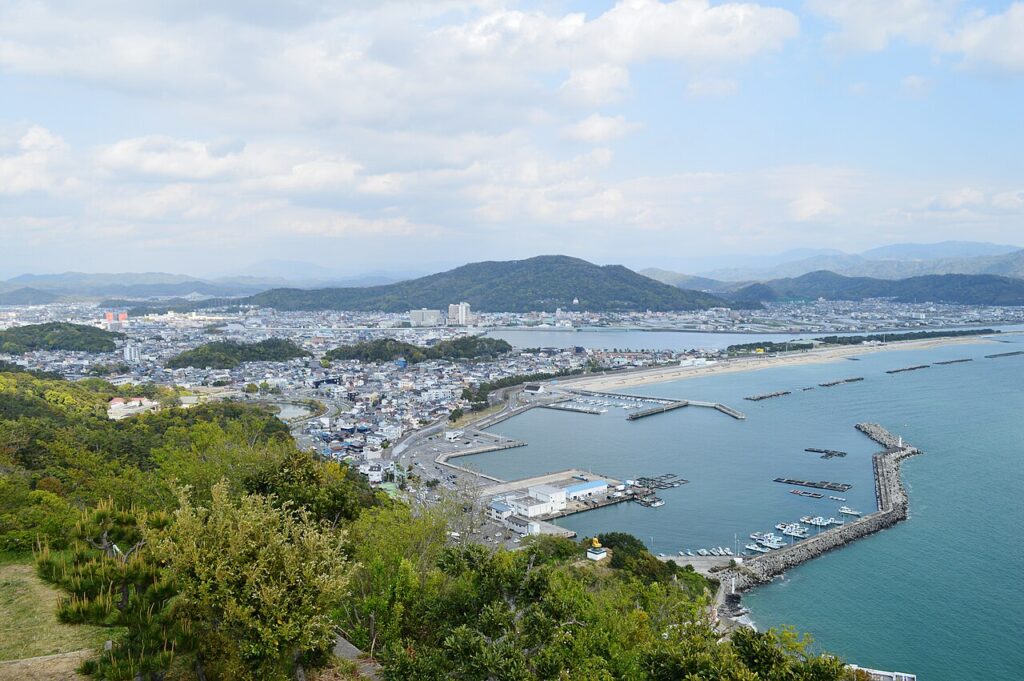
Rather than rushing south immediately, spend a day discovering Wakaura, one of Japan’s historic cultural landscapes.
Highlights include:
- Tamatsushima Shrine
- Kishu Toshogu Shrine
- Traditional fishing communities
- Scenic coastal walks
- Fresh seafood overlooking the bay
- Sunset views from Saikazaki
Wakaura has inspired poets for more than a thousand years and remains a place where nature, history, and daily life continue to coexist.
Day 3 – Koyasan: Japan’s Sacred Mountain
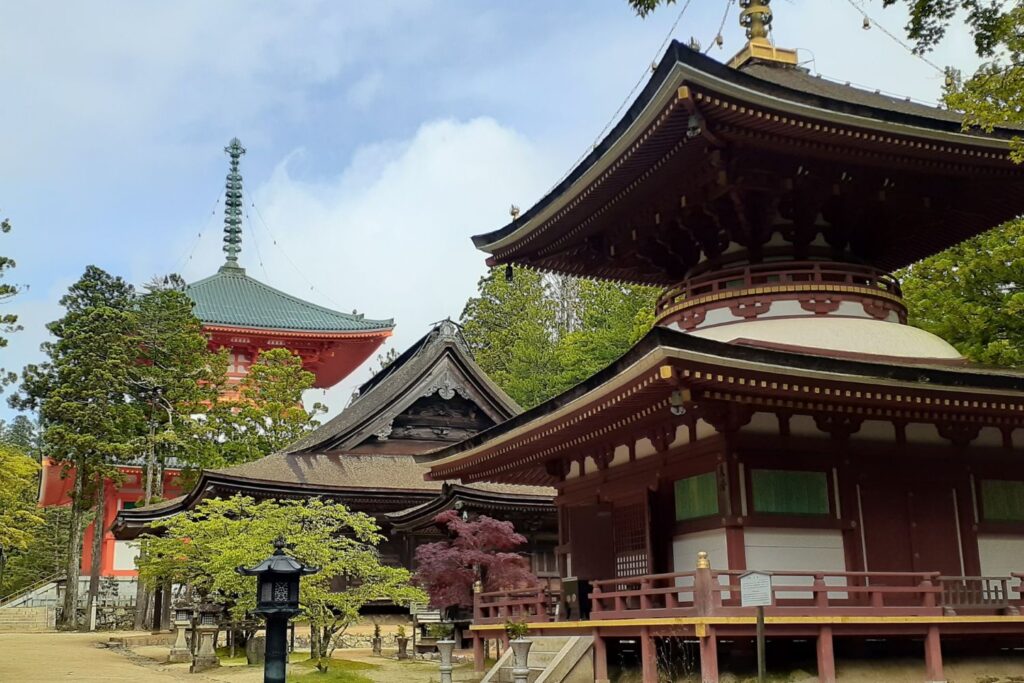
Travel into the mountains to visit Koyasan, one of Japan’s most important centers of Buddhism.
Recommended visits include:
- Kongobu-ji Temple
- Danjo Garan
- Konpon Daito
- Okunoin Cemetery
- Shojin Ryori (Buddhist vegetarian cuisine)
Staying overnight at a temple lodging provides an opportunity to experience morning prayers and the peaceful atmosphere after most day visitors have left.
Day 4 – Walking the Kumano Kodo
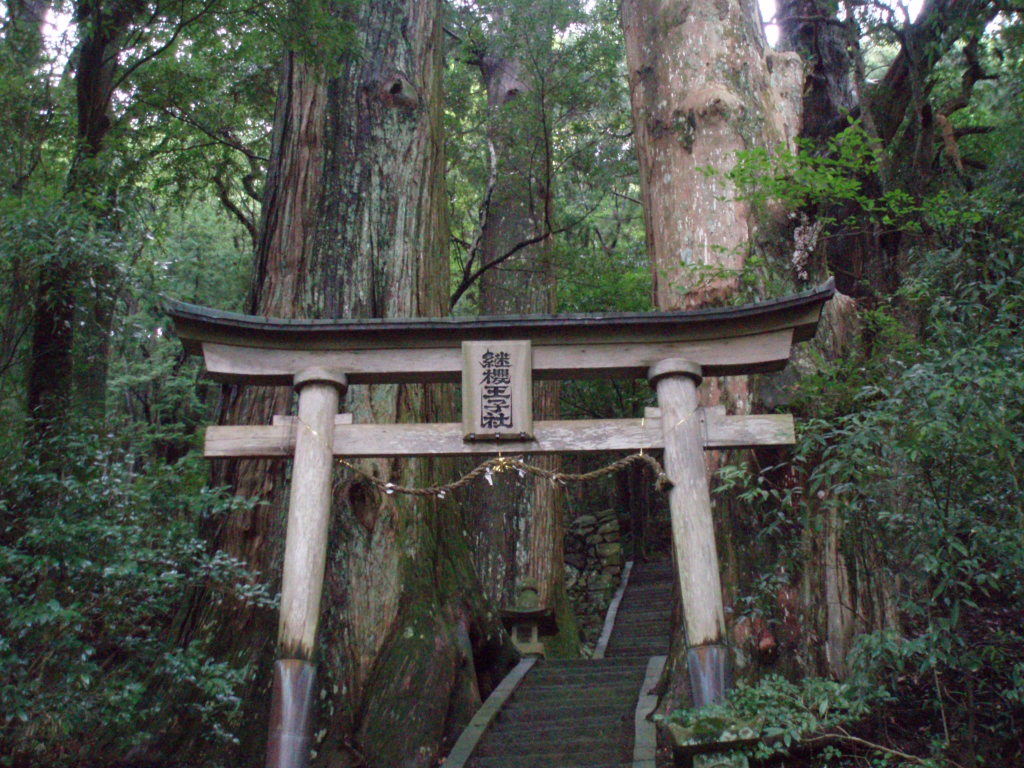
After leaving Koyasan, continue toward the Kumano region and walk one of the historic sections of the Kumano Kodo.
Depending on your interests and fitness level, choose a section such as:
- Takijiri-oji to Takahara
- Hosshinmon-oji to Kumano Hongu Taisha
- Daimonzaka near Nachi
Rather than attempting to complete the entire pilgrimage, walking one carefully selected section allows time to appreciate both the landscapes and the cultural meaning of the route.
Spend the evening in a local hot spring town.
Day 5 – Kumano’s Sacred Nature
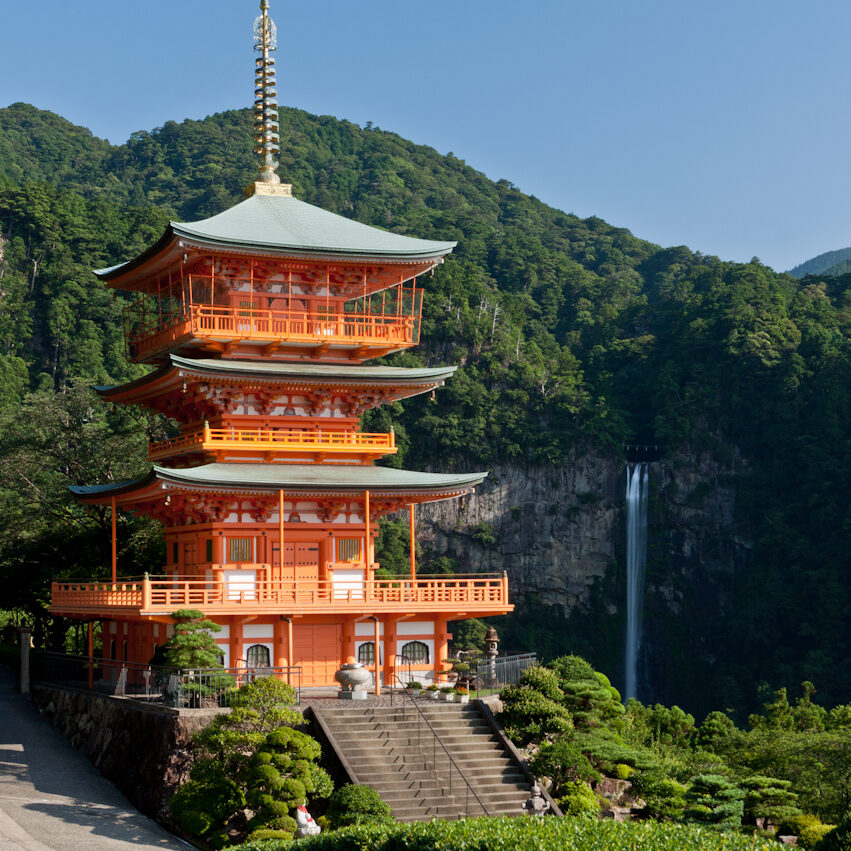
Dedicate the day to exploring the spiritual heart of the Kumano region.
Possible highlights include:
- Kumano Hongu Taisha
- Oyunohara
- Yunomine Onsen
- Kawayu Onsen
- Nachi Falls (depending on your route)
The connection between mountains, rivers, forests, and spirituality becomes especially clear here.
Many visitors describe this as the emotional highlight of their journey.
Day 6 – Yuasa and Hidden Coastal Culture
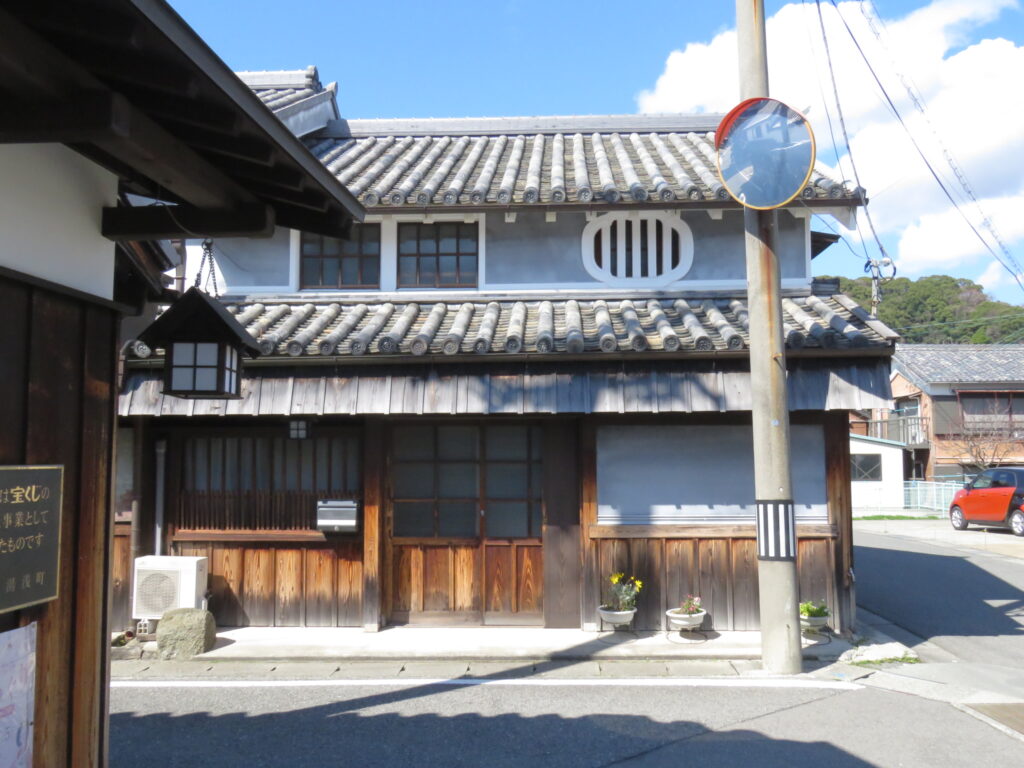
Begin traveling north while exploring one of Wakayama’s most historic towns.
Yuasa is widely recognized as the birthplace of Japanese soy sauce.
Spend the day enjoying:
- Historic merchant streets
- Traditional soy sauce breweries
- Soy sauce tasting
- Local seafood
- Café stops in restored buildings
If time allows, continue to nearby fishing villages or quiet coastal viewpoints that are rarely included in standard tourist itineraries.
This day introduces another layer of the peninsula—its culinary heritage and maritime culture.
Day 7 – Departure via Wakayama
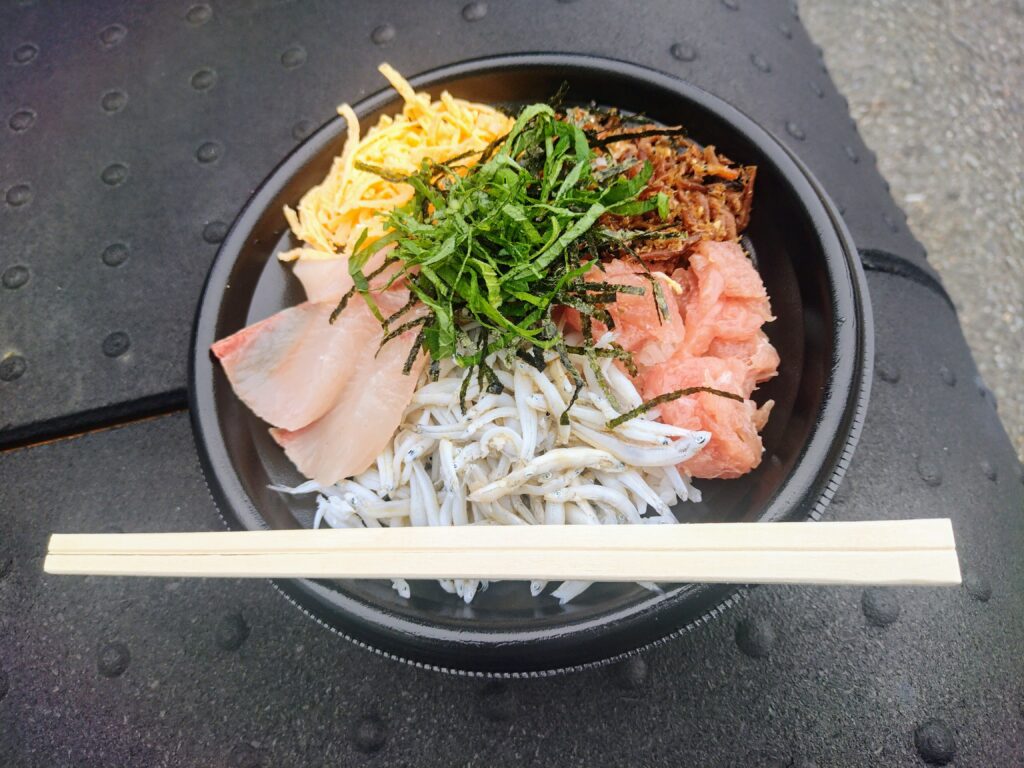
Return to Wakayama City before heading to Kansai International Airport.
If your schedule allows, consider stopping at:
- Kuroe, a historic lacquerware town
- Local markets
- A fruit shop featuring seasonal produce
- A final seafood lunch
Rather than ending the trip at a train station, these final experiences provide one last opportunity to enjoy the slower rhythm of the region.
Optional Extensions
If you have additional time, the itinerary can easily be expanded.
Photography Journey
Explore dramatic coastal landscapes, fishing villages, forests, and seasonal scenery that change throughout the year.
Food & Fermentation
Discover local soy sauce, ume products, sake, traditional sushi, and regional cuisine through producer visits and carefully selected restaurants.
Hiking Beyond Kumano Kodo
The peninsula offers many lesser-known trails connecting villages, coastlines, forests, and cultural sites beyond the famous pilgrimage routes.
Slow Living Stay
Extend your visit to spend one or two weeks experiencing everyday life through markets, cafés, seasonal festivals, cycling, and local communities.
Travel Tips
- Spring and autumn offer the most comfortable weather.
- Public transportation is available, but a private guide or vehicle allows greater flexibility.
- Pack comfortable walking shoes, as even cultural visits often involve considerable walking.
- Reserve temple lodging and popular accommodations well in advance.
- Allow extra time rather than trying to see everything.
Final Thoughts
The Kii Peninsula is not a destination to rush through.
Its greatest appeal lies in the connections between places: sacred mountains linked to pilgrimage trails, fishing villages connected to fermentation traditions, castle towns shaped by centuries of history, and landscapes where everyday life continues much as it has for generations.
A seven-day journey offers enough time to experience these connections without feeling hurried.
Instead of collecting famous sights, you’ll leave with a deeper understanding of one of Japan’s most culturally significant regions—and perhaps a reason to return and explore even further.
Continue Exploring the Kii Peninsula
If this itinerary inspires you, you may also enjoy:
- Ultimate Hiking Guide to Wakayama
- Hidden Hiking Spots Beyond Kumano Kodo
- Wakaura: A Living Cultural Landscape in Japan
- Taste of Time: Fermentation Journey in Wakayama
- Example Itineraries in Wakayama
- Curated Kii Peninsula Journey — Fully customized private journeys designed around your interests, pace, and travel style.
No responses yet