
A Guide to Tailor-Made Travel, Private Experiences, and Discovering Japan Beyond the Usual Tourist Routes
When planning a trip to Japan, most travelers begin with a familiar list of destinations: Tokyo, Kyoto, Osaka, Nara, and perhaps Hiroshima.
These places offer extraordinary experiences, but Japan has much more to offer than its most famous cities and landmarks.
What if your journey could be built around something you genuinely enjoy?
Perhaps you are fascinated by traditional craftsmanship, Japanese food culture, ancient pilgrimage routes, architecture, photography, or the relationship between nature and everyday life. Maybe you would rather spend an afternoon exploring a small fishing village than visit another crowded tourist attraction.
This is where custom tours in Japan can offer a different kind of travel experience.
Instead of following a predetermined itinerary, you can create a journey shaped around your own interests, preferred pace, and curiosity.
Whether you are looking for tailor-made tours, private custom tours, or a more personal form of bespoke travel, understanding how these experiences work can help you make much more of your time in Japan.
1. What Is a Custom Tour in Japan?

A custom tour is a travel experience designed around the preferences of an individual traveler or a private group.
Unlike conventional group tours, which follow a fixed itinerary and schedule, custom tours allow greater flexibility in deciding:
- Where you want to go
- What you want to experience
- How much time you want to spend at each place
- Which cultural activities interest you
- Whether you prefer nature, history, food, or everyday local life
- How active or relaxed you want your journey to be
For example, two travelers visiting the same region might have completely different experiences.
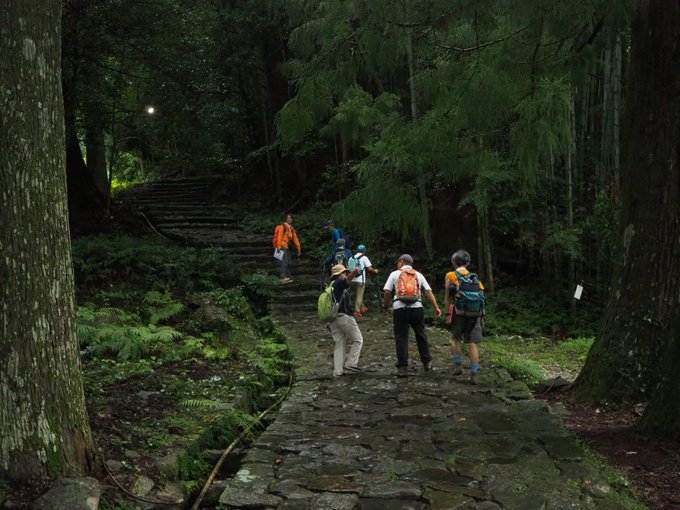
One might spend the day exploring historic temples, learning about Buddhist traditions, and walking an ancient pilgrimage route.
Another might prefer visiting traditional food producers, discovering local fishing communities, and enjoying seasonal regional cuisine.
Both are visiting Japan, but their journeys are built around different interests.
This is the fundamental idea behind tailor-made tours: the destination provides the possibilities, while the traveler determines what matters most.
Custom Tours, Private Tours, and Bespoke Travel: What Is the Difference?
These expressions are often used interchangeably, although they can suggest slightly different approaches.
Custom Tours
Custom tours emphasize flexibility. The itinerary is adjusted to suit your interests, schedule, and preferences rather than following a standard sightseeing route.
Private Custom Tours
Private custom tours offer a more personal experience for individuals, couples, families, or small groups.
You travel with your own guide rather than joining strangers in a large group. This makes it easier to adjust the pace, ask questions, and spend more time exploring subjects that interest you.
Tailor-Made Tours
Tailor-made tours emphasize the planning process. The itinerary is created specifically for you, often combining different destinations, activities, and cultural experiences.
Bespoke Travel
Bespoke travel takes this idea further. It is about creating a journey that reflects your individual interests, expectations, and preferred way of experiencing a destination.
The important point is that these terms describe more than simply changing the order of sightseeing stops.
They offer the possibility of experiencing Japan in a way that feels personally meaningful.
2. Start with Your Interests, Not Just Destinations
One of the most common mistakes when planning a trip to Japan is starting with a list of places rather than thinking about what you actually want to experience.
Of course, famous destinations are worth visiting. But knowing that you want to visit Kyoto or Osaka does not necessarily tell you what kind of experience you are looking for.
A better starting point is to consider your interests.
History and Traditional Culture
Japan’s history is not limited to castles, samurai, and famous temples.
You can explore the development of Buddhist communities, the history of pilgrimage, traditional industries, and the everyday lives of people who supported these cultural traditions.
For example, the Kii Peninsula offers opportunities to explore:
- The Buddhist heritage of Koyasan
- The pilgrimage traditions of Kumano Kodo
- The history of Japanese soy sauce in Yuasa
- Traditional lacquerware production in Kuroe
- Historic coastal settlements and merchant communities
These places reveal different aspects of Japanese history, often through landscapes and communities that remain connected to their traditions.
Related post: Authentic Cultural Experiences Near Osaka: 7 Ways to Experience Traditional Japan
Food and Gastronomy
Japanese cuisine is incredibly diverse, and regional food culture can reveal much about the history and geography of a place.
Instead of simply visiting famous restaurants, you might explore:
- Traditional soy sauce breweries
- Local sake and umeshu producers
- Fishing villages and regional seafood
- Seasonal agricultural products
- Traditional food preservation and fermentation
- Local restaurants serving regional specialties
In Wakayama, for example, the historic town of Yuasa is closely associated with the development of Japanese shoyu (soy sauce).
Understanding how fermentation, local ingredients, water, and trade shaped this industry can make a food-focused journey much more interesting than simply tasting different dishes.
Related post: Yuasa Travel Guide: Discover the Birthplace of Shoyu Soy Sauce
Nature and Outdoor Activities
Japan offers a remarkable variety of natural environments.
Depending on your interests, a custom journey could include:
- Hiking through ancient pilgrimage routes
- Walking along dramatic coastal landscapes
- Cycling through rural communities
- Exploring mountain villages
- Kayaking or stand-up paddleboarding
- Visiting traditional gardens and scenic landscapes
The experience does not have to be purely outdoors.
You might combine a morning hike with a visit to a historic town, a local lunch, or an introduction to regional craftsmanship.
Arts, Crafts, and Creative Experiences
For travelers interested in Japanese aesthetics and craftsmanship, there are opportunities beyond the well-known cultural experiences in Kyoto.
You could explore:
- Japanese lacquerware and maki-e decoration
- Traditional washi papermaking
- Wagashi confectionery making
- Japanese calligraphy
- Tea ceremony and flower arrangement
- Traditional Japanese drumming
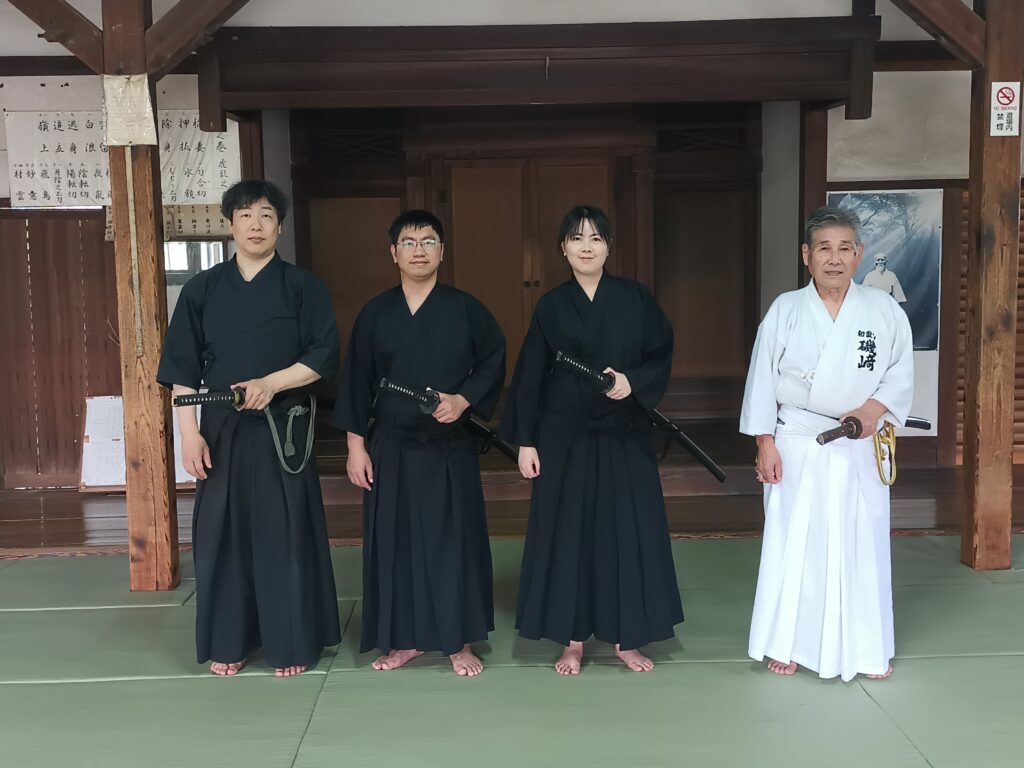
- Iaido, the art of drawing the Japanese sword
These activities provide opportunities to understand Japanese culture through direct participation rather than observation alone.
The most interesting experiences are often found in smaller communities where traditional skills remain part of local life.
3. Look Beyond Japan’s Famous Tourist Destinations
One of the greatest advantages of custom tours is the opportunity to explore regions that might not appear in a conventional Japan itinerary.
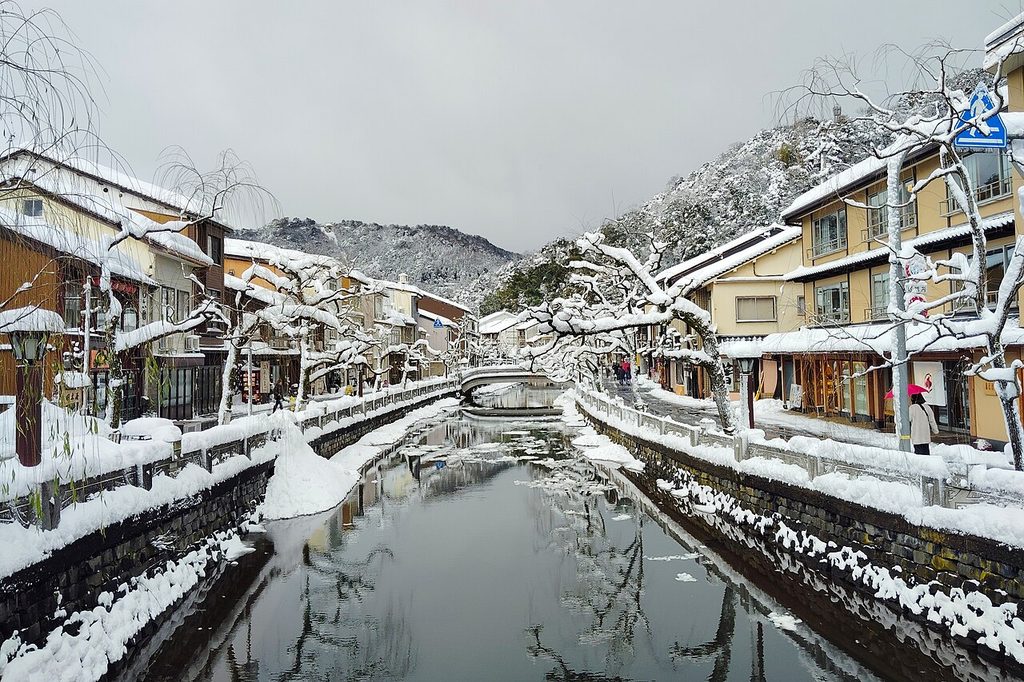
Japan has an extraordinary network of smaller towns, rural landscapes, historic routes, and coastal communities.
Many of these places are accessible from major cities but offer a very different atmosphere.
Discovering the Kii Peninsula
Located south of Osaka and Kyoto, the Kii Peninsula is an excellent example of a region where different interests can come together.
It is internationally known for Koyasan and the Kumano Kodo pilgrimage routes, but its cultural landscape extends far beyond these famous destinations.
Consider some of the possibilities.
Koyasan: Buddhist Culture and Mountain Spirituality
Explore the temples, Buddhist architecture, sacred forests, and centuries-old traditions of one of Japan’s most important Buddhist centers.
You might also learn about shojin ryori, traditional Buddhist vegetarian cuisine.
Wakayama City and Wakaura: Coastal Culture and Local History
Discover the relationship between Japanese poetry, coastal landscapes, historic temples, and everyday life.
A visit might include scenic walks, traditional gardens, local seafood, and cultural experiences.
Related post: 7-Day Kii Peninsula Journey: Koyasan, Kumano Kodo, and Hidden Wakayama
Yuasa: The History of Japanese Soy Sauce
Walk through historic streets, visit traditional breweries, and discover how fermentation developed into an important part of Japanese food culture.
Kuroe: Traditional Lacquerware and Craftsmanship
Explore a historic craft town where lacquerware has been produced for generations.
Learn how traditional crafts developed alongside everyday life and how these skills continue to evolve.
Kumano Kodo: Walking Through a Living Cultural Landscape
Rather than simply completing a famous hiking route, you can explore the history of pilgrimage, mountain communities, local traditions, and the spiritual significance of the landscape.
Each destination offers a different perspective on Japan.
Together, they can form a journey that connects religion, food, craftsmanship, nature, and local life.
This is one of the reasons why the Kii Peninsula is particularly interesting for travelers seeking something beyond conventional sightseeing.
4. How to Design a Tailor-Made Journey

You do not need to know every destination or activity before contacting a tour guide.
In fact, one of the advantages of bespoke travel is that the planning process can begin with relatively simple ideas.
Here are five important elements to consider.
1. Identify What Interests You
Start with broad interests rather than specific destinations.
For example:
- Japanese history and religion
- Traditional food and gastronomy
- Architecture and gardens
- Nature and hiking
- Photography and landscapes
- Local craftsmanship
- Rural communities and everyday life
You can have several interests. They do not necessarily need to belong to the same category.
Sometimes the most interesting journeys emerge from combining subjects that initially seem unrelated.
2. Decide What Kind of Experience You Prefer
Think about how you want to spend your time.
Would you prefer an active day exploring mountains and coastal trails?
Would you rather spend time talking with local craftspeople, visiting traditional workshops, and discovering regional food?
Or perhaps you want a mixture of cultural exploration and relaxed time in the countryside.
There is no single correct way to travel.
The purpose of a custom tour is to find a balance that suits you.
3. Consider Your Preferred Pace
Time is an important part of the experience.
Some travelers enjoy visiting several places in one day, while others prefer spending an entire afternoon exploring one historic town.
A private tour makes it easier to adjust the schedule.
For example, a four-hour experience might focus on one particular theme, while a six- or eight-hour journey can combine several locations and activities.
For longer visits, you can also spread experiences across several days, leaving some days free for independent exploration and relaxation.
4. Think About What You Want to Learn
A destination becomes much more interesting when you understand its background.
Rather than simply visiting a traditional brewery, you might want to learn why a particular town became important to Japanese fermentation culture.
Rather than walking through a temple complex, you might want to understand its relationship with Buddhist history, local communities, and the surrounding landscape.
A knowledgeable local guide can help connect these different elements.
5. Discuss Your Ideas with a Local Guide
A local guide can help you identify possibilities that might be difficult to discover through conventional travel websites.
You might arrive with a clear idea of what you want to experience, or you might simply have a general interest in Japanese culture.
Both are good starting points.
An experienced guide can suggest destinations, activities, and combinations that match your interests while considering practical factors such as travel time, seasonal conditions, and the amount of time available.
The result should be a journey that feels natural rather than an itinerary filled with activities simply because they are available.
5. Why a Private Local Guide Can Make a Difference
Japan is relatively easy to explore independently, particularly in major cities.
However, some experiences become more meaningful when you have someone who can explain the local context and help you communicate with people.
This is particularly true outside major tourist destinations.
Understanding What You See
A historic building, a traditional food, or a small local festival can have a much deeper meaning when you understand its background.
A guide can explain the relationship between local history, geography, religion, and everyday life.
These connections are often what make a journey memorable.
Communicating with Local Communities
In smaller towns and rural areas, English may not be widely spoken.
A bilingual guide can help bridge the language gap, making it easier to interact with local businesses, craftspeople, and activity providers.
This can also help you discover experiences that are not necessarily designed for international tourists.
Finding Experiences That Match Your Interests
A good private guide does more than take you from one attraction to another.
They can help identify opportunities that fit your interests and adjust the experience as the journey develops.
Perhaps you discover an unexpected interest in a particular craft, or you want to spend more time exploring a historic neighborhood.
That flexibility is one of the main advantages of private custom tours.
6. Custom Tours Are Not Just for One-Day Sightseeing
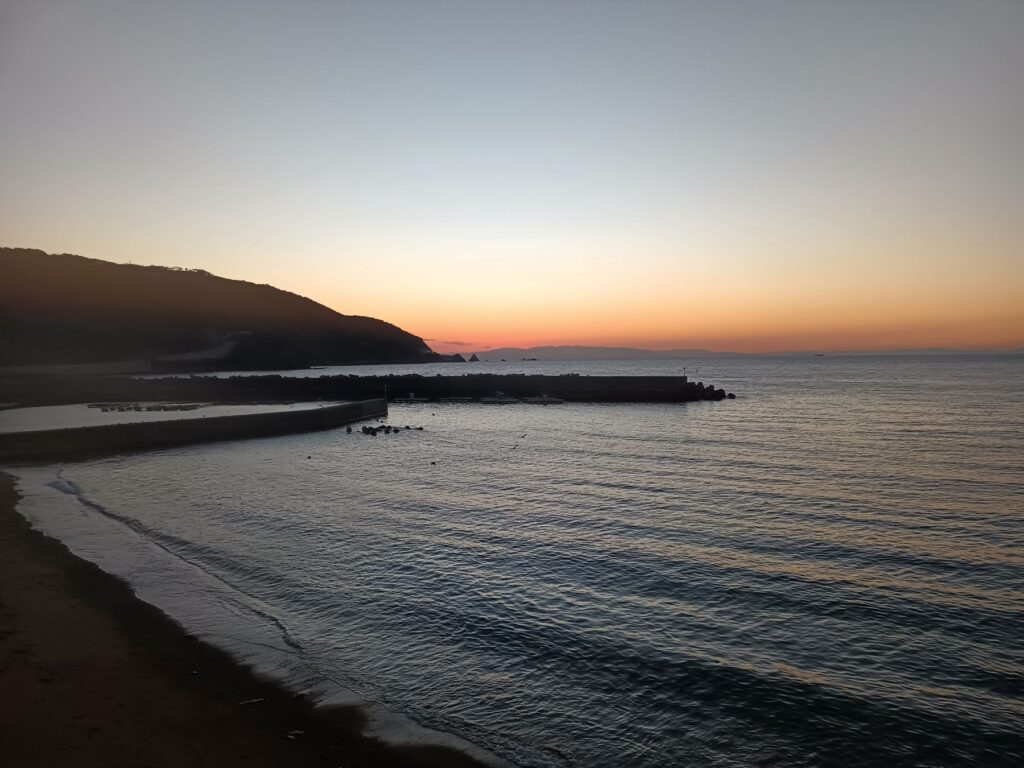
Another common misconception is that custom tours are designed only for travelers who want to visit several attractions in a single day.
In reality, a tailor-made journey can be much more flexible.
Half-Day Cultural Experiences
A shorter experience can be ideal if you are staying in a major city or have limited time.
For example:
- Exploring a historic district
- Visiting a traditional craft workshop
- Walking along a scenic coastline
- Discovering local food culture
Full-Day Private Journeys
A full day provides more opportunities to combine different experiences.
You might explore a historic town in the morning, enjoy regional cuisine for lunch, and spend the afternoon discovering local traditions or natural landscapes.
Multi-Day Cultural Journeys
For travelers with more time, several days can be devoted to exploring a region in greater depth.
A journey through the Kii Peninsula, for example, could combine:
- Buddhist heritage in Koyasan
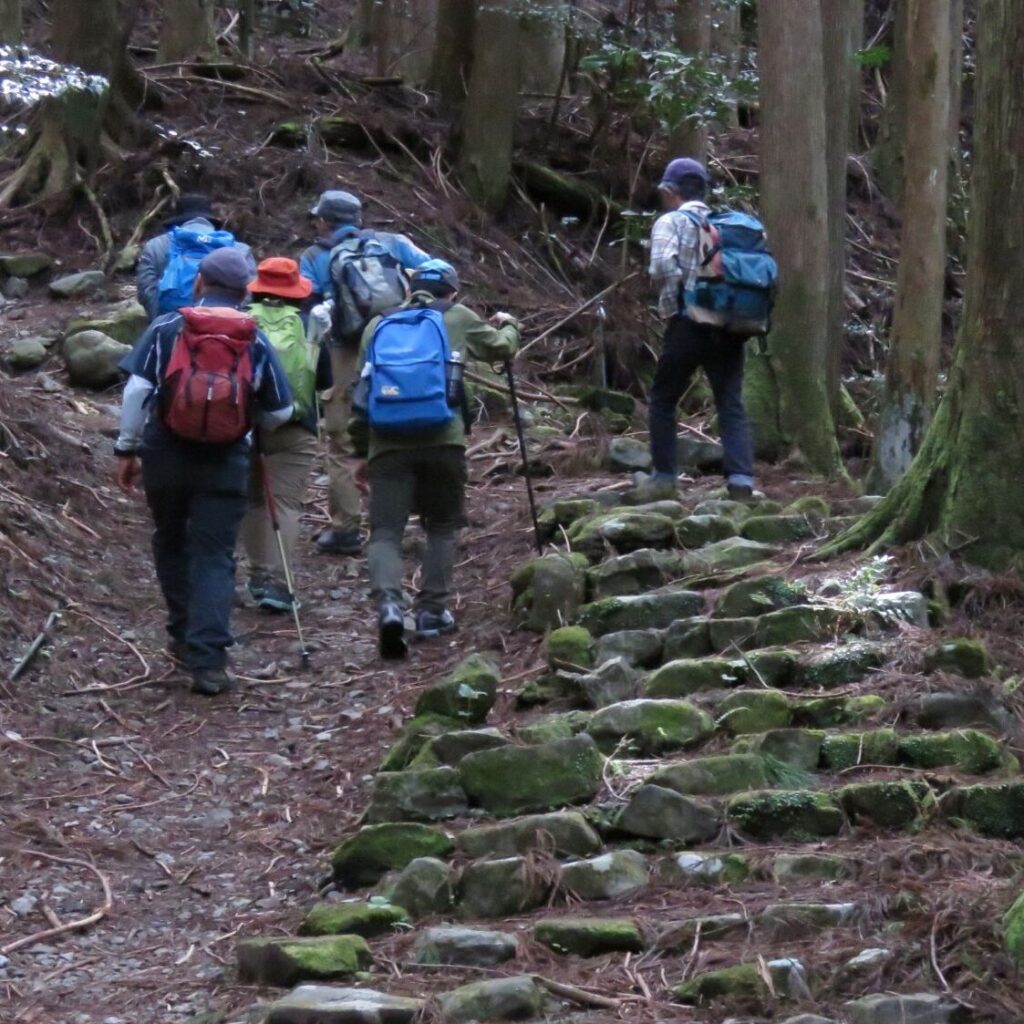
- Pilgrimage routes and mountain landscapes
- Traditional food culture in Yuasa
- Coastal communities around Wakayama
- Historic towns and local craftsmanship
You do not necessarily need to fill every day with guided activities.
Leaving time for independent exploration, relaxation, and unexpected discoveries can be an important part of the experience.
Slow Travel and Longer Stays
Some travelers want something different from a conventional holiday.
They may wish to spend several weeks in Japan, become familiar with a particular community, explore local food markets, participate in seasonal activities, or develop a deeper understanding of everyday life.
This is where custom travel can connect with the broader idea of slow travel.
Rather than moving between destinations every day, you can spend more time in one region and gradually discover its character.
The objective is not simply to see more places.
It is to experience a place more deeply.
7. What Should You Look for When Choosing a Custom Tour Provider?

Not all custom tour services offer the same kind of experience.
Before making a booking, it is worth considering several factors.
Local Knowledge
Does the guide have genuine knowledge of the region, its history, culture, and communities?
Flexibility
Can the itinerary be adjusted according to your interests, pace, and available time?
Communication
Can you discuss your preferences directly with the guide before the journey?
Cultural Understanding
Does the experience go beyond visiting famous attractions and provide meaningful context?
Transparency
Are guiding services, transportation, activity fees, meals, and other expenses clearly explained?
Experience and Qualifications
Does the guide have relevant professional qualifications and the ability to communicate effectively with international travelers?
A good custom tour should make the planning process easier, not more complicated.
You should feel that your interests are understood and that the proposed experience reflects what you actually want from your time in Japan.
8. Create Your Own Journey in Wakayama with Curated Kii Peninsula Journey
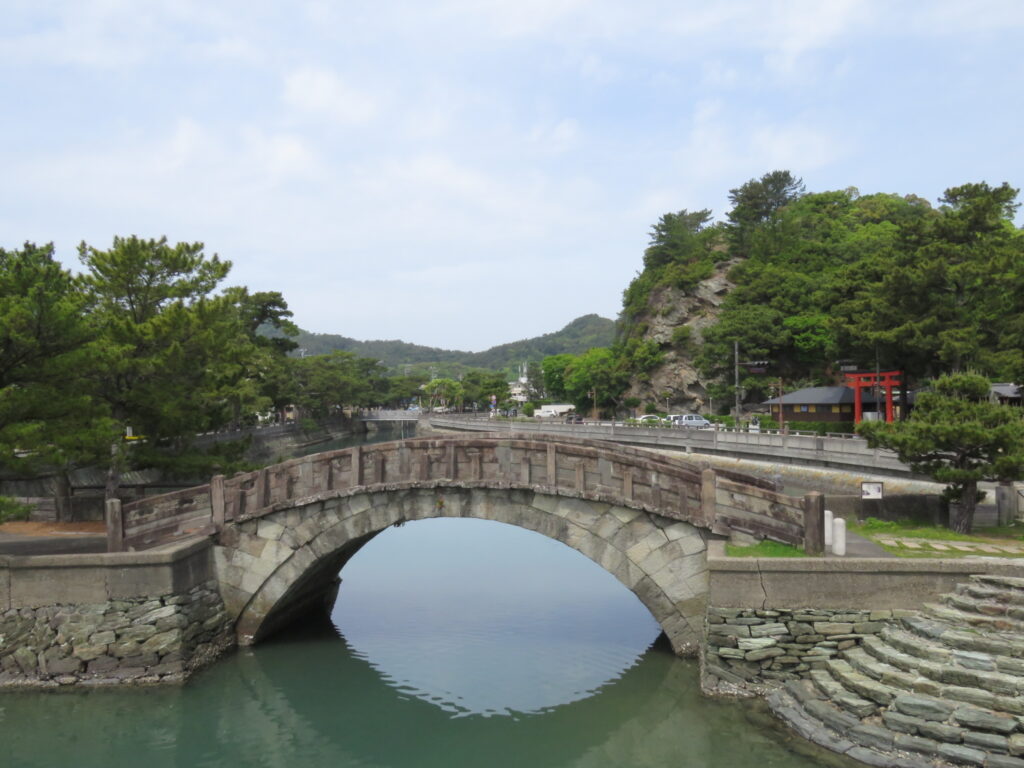
If you are interested in discovering a different side of Japan, the Kii Peninsula offers an extraordinary range of possibilities.
At Curated Kii Peninsula Journey, I focus on creating personal experiences around Wakayama and the wider Kii Peninsula.
Rather than offering a collection of fixed sightseeing itineraries, we start by understanding what interests you.
Perhaps you want to explore Japanese religious history, walk ancient pilgrimage routes, discover regional food culture, or experience traditional craftsmanship.
Or perhaps you simply want to spend time in a quieter part of Japan, away from crowded tourist destinations, and discover how people live in the region.
We can help you bring these interests together into a coherent journey.
What Can Your Journey Include?
Depending on your interests, your experience might include:
- History and Heritage: Koyasan, Kumano Kodo, historic towns, temples, and pilgrimage traditions.
- Food and Gastronomy: Traditional soy sauce breweries, local seafood, regional cuisine, fermentation, and umeshu culture.
- Nature and Outdoor Activities: Hiking, coastal walks, cycling, and exploring rural landscapes.
- Traditional Crafts: Kishu lacquerware, Japanese papermaking, and other local craftsmanship.
- Cultural Experiences: Wagashi making, tea ceremony, flower arrangement, calligraphy, iaido, and traditional drumming.
- Local Life: Fishing villages, agricultural communities, local markets, festivals, and everyday cultural traditions.
These elements can be combined according to your preferences.
For example, a traveler interested in Japanese food might enjoy a journey connecting traditional soy sauce production, local fishing culture, and regional dining.
Someone interested in history and walking might prefer to explore sections of the Kumano Kodo or the historic Kii Route while discovering the communities and landscapes along the way.
There is no requirement to follow a predetermined sightseeing route.
How Does the Planning Process Work?
1. Tell Us About Your Interests
Share what fascinates you about Japan, what you would like to experience, and how much time you have available.
2. Discuss the Possibilities
We will explore suitable destinations and experiences based on your interests, travel dates, and preferred pace.
3. Develop Your Journey
We will propose a private guiding experience that connects the different elements into a meaningful itinerary.
4. Enjoy Wakayama at Your Own Pace
Explore the region with a local licensed guide interpreter who can provide cultural explanations, interpretation, and support during your experiences.
Our guiding services can be arranged for half-day, full-day, or multi-day journeys.
Accommodation and transportation arrangements are separate from our guiding service.
A Journey That Reflects Your Curiosity
We believe that the most interesting way to experience Japan is not necessarily to visit the greatest number of famous places.
It is to discover the connections between people, landscapes, history, food, and everyday life.
A small fishing village can tell you something about Japanese food culture.
A traditional brewery can reveal the relationship between geography and craftsmanship.
An ancient pilgrimage route can help you understand how religion shaped the landscape and the communities around it.
These connections are what make a journey meaningful.
If you are looking for private custom tours in Japan that go beyond conventional sightseeing, we invite you to discover the possibilities of the Kii Peninsula.
Your interests can become the starting point of your journey.
👉 Explore Curated Kii Peninsula Journey
Contact me to discuss your journey
Frequently Asked Questions About Custom Tours in Japan
How much do custom tours in Japan cost?
Prices vary depending on the duration, number of participants, destinations, activities, and services included.
A short private guided experience will naturally differ in price from a multi-day journey involving several locations and specialized activities.
It is best to discuss your interests and requirements with the tour provider to receive an appropriate proposal.
Can I create a private tour based on my hobbies and interests?
Yes. Many custom tour providers can develop experiences around particular interests, such as Japanese food, photography, architecture, history, hiking, traditional crafts, or local culture.
The most important thing is to communicate what you genuinely enjoy.
Are tailor-made tours suitable for families?
Yes. Private custom tours can be particularly suitable for families because the pace and activities can be adjusted according to the ages and interests of different family members.
For example, a cultural journey might combine a historic town walk with a hands-on craft activity or an outdoor experience.
Can I combine several destinations in one custom tour?
Yes, provided the locations and travel times are practical.
In regions such as the Kii Peninsula, it is possible to combine mountains, coastal communities, historic towns, and cultural experiences within one journey.
However, spending more time in fewer places can sometimes create a more rewarding experience than trying to visit everything.
Do I need to know exactly where I want to go before contacting a guide?
No.
You can begin with a general interest, such as Japanese history, food culture, traditional crafts, or nature.
A local guide can suggest suitable destinations and experiences based on those interests.
In fact, discovering places you had not previously considered is one of the most rewarding aspects of custom travel.
What is the difference between a custom tour and an ordinary private tour?
An ordinary private tour may simply offer a standard itinerary exclusively for your group.
A custom tour involves developing or adapting the itinerary around your individual interests, preferences, and travel style.
The degree of customization depends on the provider.
Can I arrange a multi-day custom journey in Japan?
Yes. Some providers offer multi-day private guiding experiences that connect different destinations and themes.
You can also leave certain days free for independent exploration, creating a more relaxed travel schedule.
Final Thoughts: Travel According to Your Own Curiosity
Japan is a country that rewards curiosity.
Beyond its famous cities and internationally recognized landmarks, there are countless stories waiting to be discovered in smaller towns, rural landscapes, historic communities, and local traditions.
Custom tours make it possible to explore these places in a way that reflects your own interests rather than following a standard itinerary.
Whether you are interested in history, food, nature, craftsmanship, or simply experiencing everyday life in Japan, your journey can begin with a simple question:
What would you really like to discover about Japan?
The answer may lead you somewhere you had never considered visiting.
And sometimes, that is where the most memorable journeys begin.
Related Posts
- Slow Travel in Japan: Why Staying Longer Changes Everything
- Slow Travel in Japan: 7 Places to Experience Local Life
- Example Itineraries of Private Tour in Wakayama
Related posts:
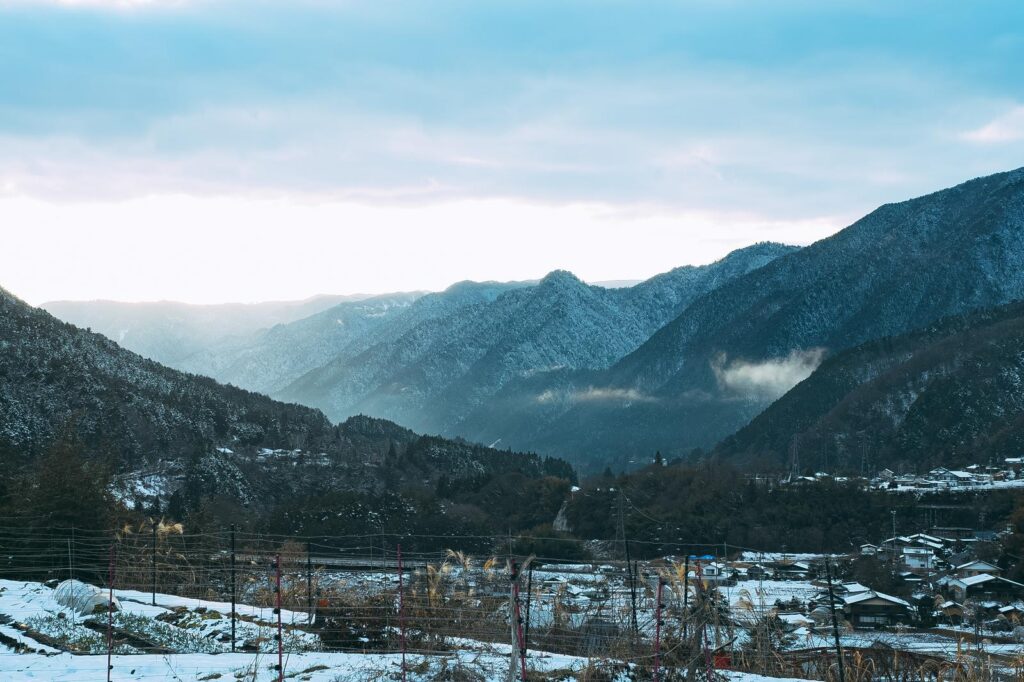
Winter in Japan: 8 Unforgettable Experiences Beyond Skiing

8 Cruise Ports in Japan: Discover Local Culture, Food & Experiences Beyond the Ship
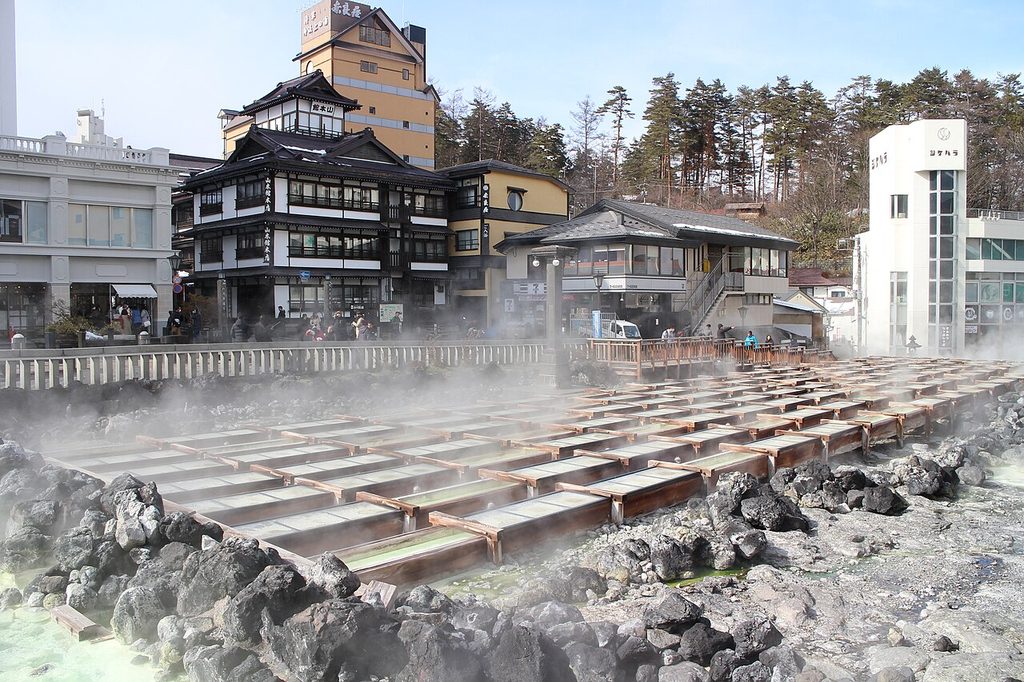
Best Winter Onsen Hot Springs in Japan: 8 Onsen Towns for a Snowy Japanese Escape
Private Tours in Japan: Why a Local Guide Can Make Your Journey Different
How to Travel in Rural Japan Without Speaking Japanese
No responses yet