
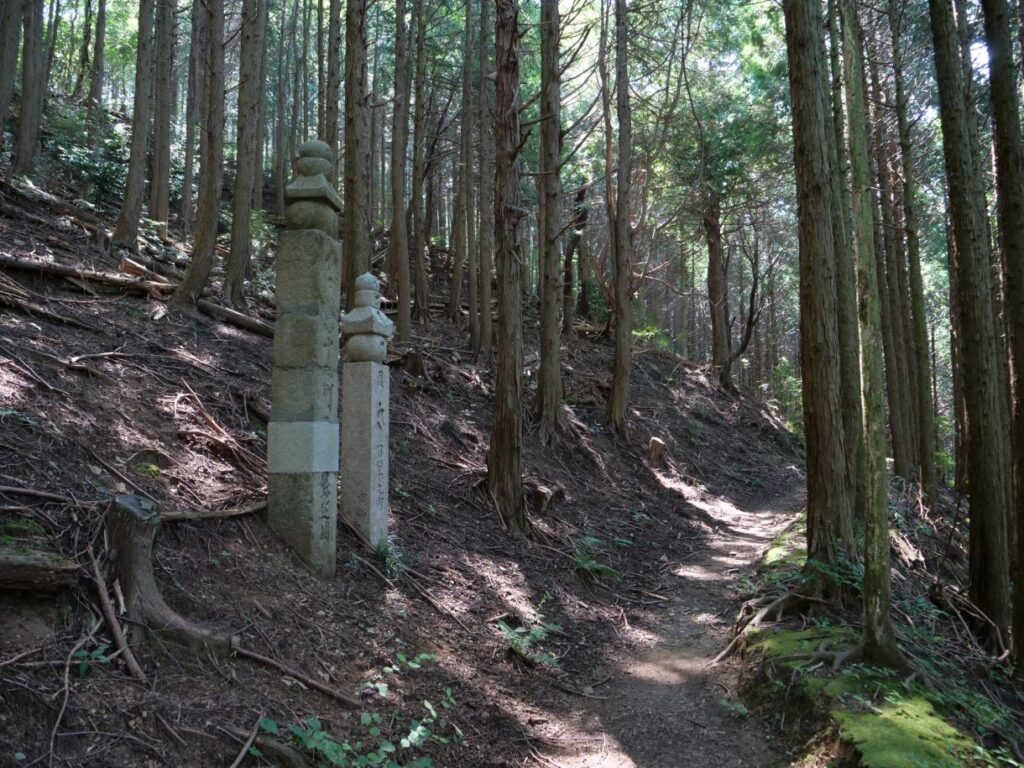
Experience the Living World Heritage Trail That Has Guided Worshippers for Over 1,200 Years
For many visitors, Koyasan begins with a cable car ride up the mountain.
But for more than a thousand years, pilgrims arrived in a very different way.
They walked.
The Choishi-michi Pilgrimage Route is one of the oldest and most important approaches to Koyasan. Today, it is recognized as part of the UNESCO World Heritage Site “Sacred Sites and Pilgrimage Routes in the Kii Mountain Range.”
Walking this trail is more than a hike—it is an opportunity to experience the same journey that generations of pilgrims have taken in search of faith, reflection, and spiritual connection.
A World Heritage Pilgrimage Route
Unlike many hiking trails that exist primarily for recreation, Choishi-michi was created with a clear religious purpose.
For centuries, it served as the principal pilgrimage route leading worshippers from the foot of the mountains to the sacred monastery founded by Kobo Daishi (Kukai).
Today, the route remains protected as one of the World Heritage pilgrimage paths that continue to connect people with the spiritual traditions of the Kii Peninsula.
Even now, the trail is carefully maintained, allowing modern visitors to experience an authentic pilgrimage rather than simply visiting a historical monument.
Jison-in: The Gateway to Koyasan
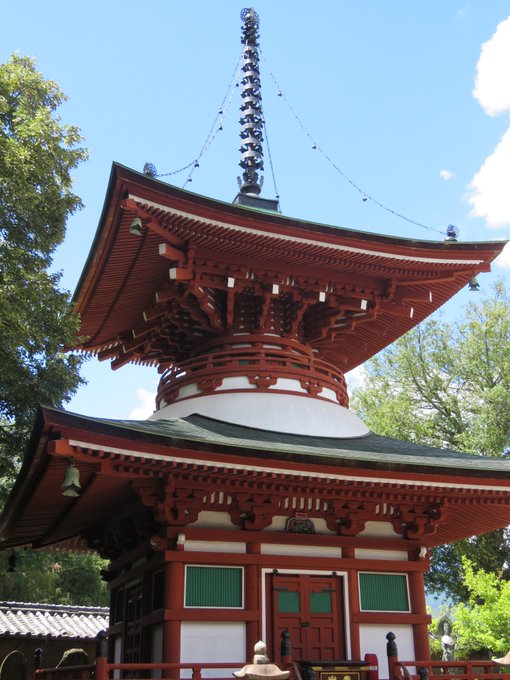
The pilgrimage begins at Jison-in Temple, located at the foot of Mount Koya.
Founded by Kukai (Kobo Daishi), Jison-in served as the administrative center supporting the development of Koyasan.
It is also closely connected with Kukai’s personal life.
According to tradition, Kukai’s mother lived at Jison-in after women were prohibited from entering the sacred precincts of Koyasan. Because of this, Kukai is said to have traveled regularly between Koyasan and Jison-in to visit her.
The Choishi-michi was therefore not only the road used by countless pilgrims—it was also the path walked by Kukai himself.
Today, Jison-in is known as one of the “Nyonin Koya” (Women’s Koyasan) temples and remains an important place of prayer for visitors before beginning their climb.
Related post:
Women’s Koyasan: Understanding Nyonin Koya, the Nyonin-do, and the Nyonin-michi
The Stone Markers That Guide Pilgrims
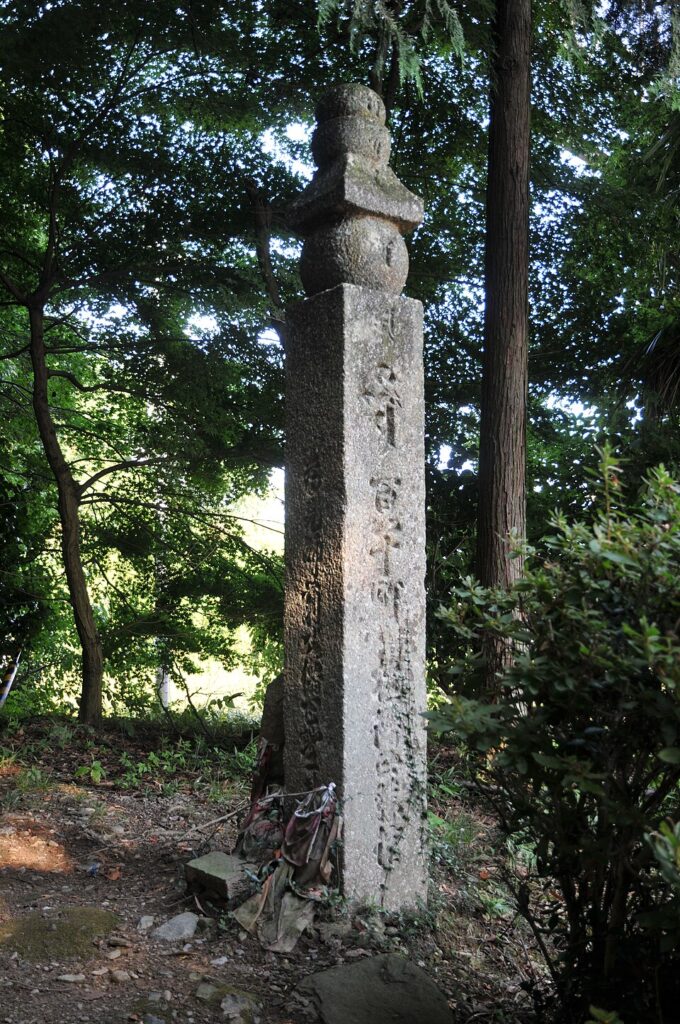
Along the route stand more than 180 stone markers placed at intervals of one cho, an old Japanese unit of distance equal to about 109 meters.
Each stone marker points pilgrims toward Koyasan while marking the remaining distance.
Many also bear Sanskrit seed syllables representing Buddhist deities, reminding travelers that this journey is both physical and spiritual.
These stone markers have quietly guided countless pilgrims for centuries, making the trail one of Japan’s most distinctive historic pilgrimage routes.
Following in Kukai’s Footsteps
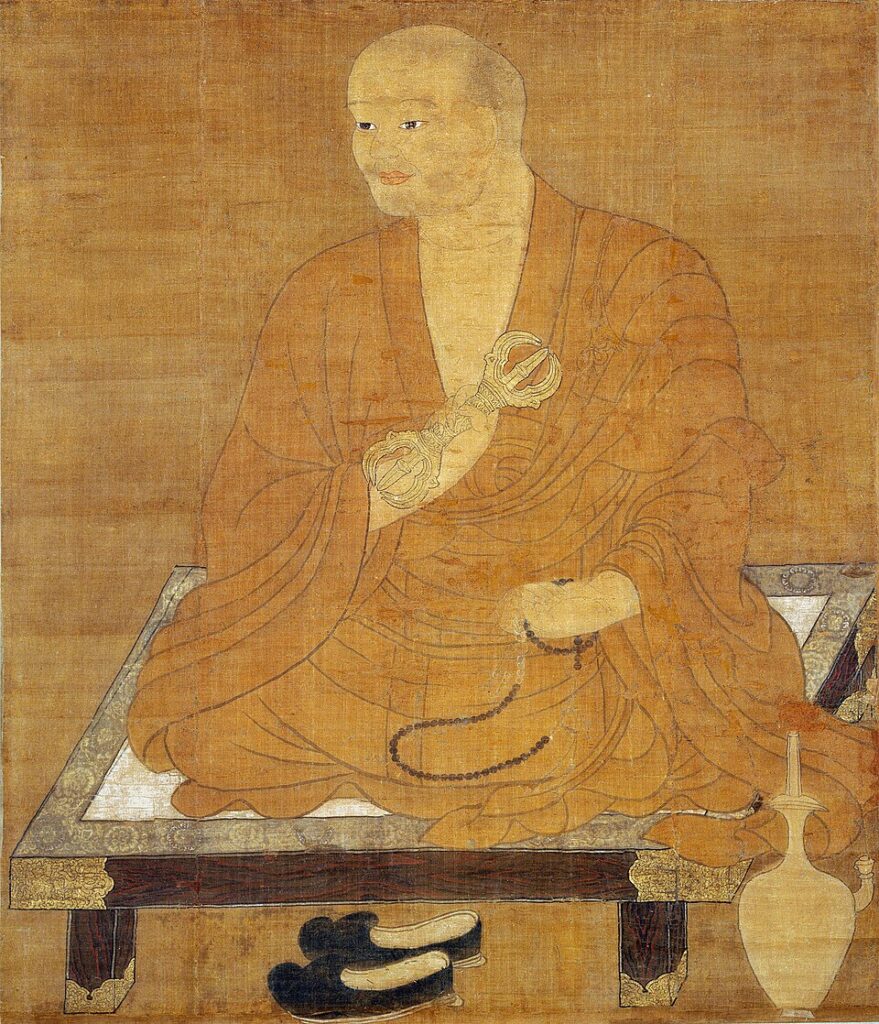
Walking Choishi-michi allows visitors to approach Koyasan as earlier generations did.
Rather than arriving suddenly by modern transportation, pilgrims gradually leave villages behind, climb forested mountain paths, and slowly enter the sacred landscape envisioned by Kukai more than 1,200 years ago.
This gradual transition is an important part of the pilgrimage itself.
The mountain is not simply a destination—it is something you prepare yourself to enter.
Related post:
Kūkai: The Monk Who Founded Koyasan and Still Watches Over It
A Living Pilgrimage Today
Unlike many historic roads that survive only as cultural relics, Choishi-michi remains an active pilgrimage route.
Every year, people from across Japan gather to walk the trail together during the Koya Sankeimichi Choishimichi Trek. In this year’s event, nearly 1,000 participants walked from Jison-in Temple to Koyasan, continuing a tradition that has endured for centuries.
Many participants are not simply hikers.
They walk because they wish to pay their respects to Kobo Daishi (Kukai), believing that the founder of Koyasan continues his eternal meditation in Okunoin.
This living tradition gives the trail an atmosphere that is difficult to find elsewhere in Japan.
Why Walk Instead of Taking the Cable Car?
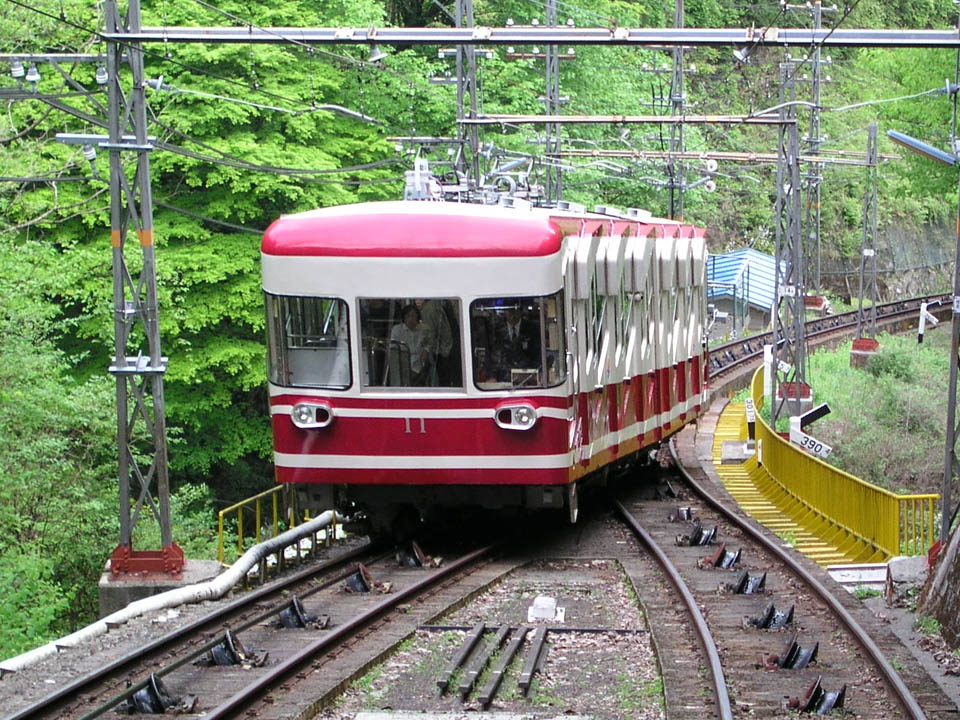
The cable car reaches Koyasan in only about twenty minutes.
Choishi-michi offers something entirely different.
Walking the route allows you to experience the changing landscape, the quiet mountain forests, and the rhythm of the pilgrimage itself.
Each stone marker becomes a small milestone.
Each step brings you gradually closer to one of Japan’s most sacred places.
By the time you pass through the Daimon Gate, you have not simply arrived at a destination—you have completed the approach that pilgrims have shared for more than twelve centuries.
Many continue onward through Danjo Garan before finally reaching Okunoin, where Kobo Daishi is believed to remain in eternal meditation.
Experience Choishi-michi with a Local Guide
Walking Choishi-michi becomes far more meaningful when you understand the stories hidden along the trail.
As a licensed local guide based in Wakayama, I offer private guided walks that introduce not only the history of Kukai and Koyasan but also the beliefs, legends, and traditions that continue to make this pilgrimage route a living part of Japanese culture.
Rather than simply reaching Koyasan, you’ll discover why generations of pilgrims have chosen to walk this path—and why many still do today.
Walk on Choishi-michi through my Curated Kii Peninsula Journey.
Learn More About Koyasan
- What Makes Okunoin Different from Ordinary Cemeteries?
- Sacred Art of Koyasan: Exploring Buddhist Architecture, Mandalas, and Hidden Treasures
- From Sacred Mountains to Lacquerware Towns
- Koyasan & Kumano: The Sacred Network of the Kii Mountains
No responses yet