
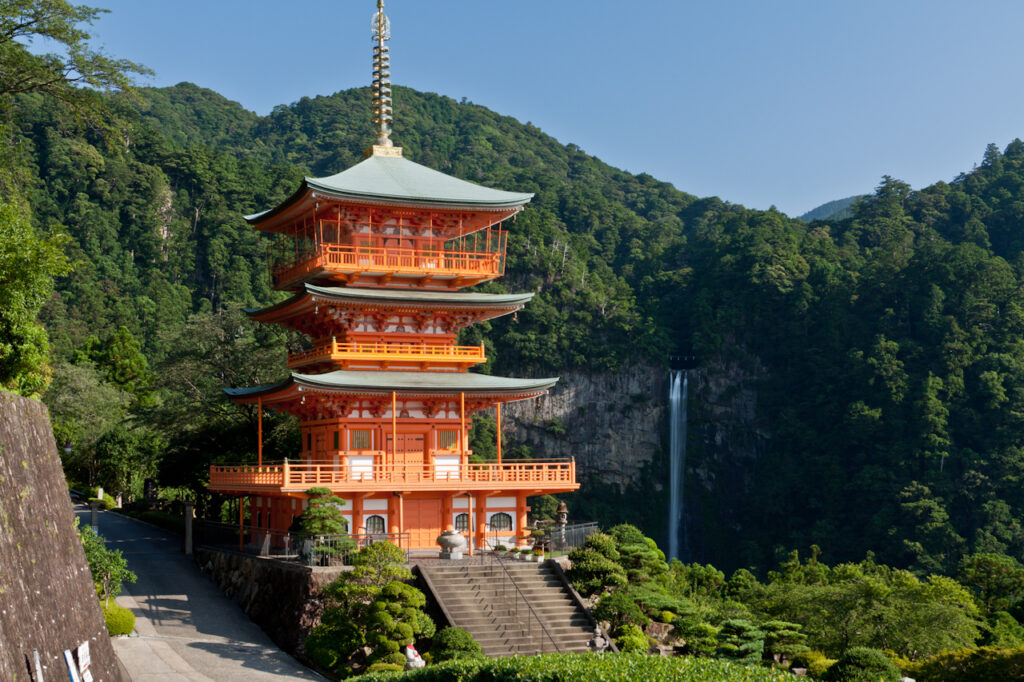
Discover the landscapes where Japan’s spiritual traditions, history, and ways of life have evolved together — from the sacred mountains of the Kii Peninsula to the temples of Nikko and the historic landscapes of Asuka and Fujiwara.
Japan’s UNESCO World Heritage Sites offer more than famous temples, castles, and beautiful scenery. Some reveal how people have understood the relationship between nature and the sacred; others preserve the ideals of Buddhist kingdoms, the development of early Japanese capitals, or the traditions of communities living in mountain landscapes.
The Kii Mountain Range is especially distinctive because its heritage is not confined to a single monument. It brings together sacred mountains, pilgrimage routes, and religious centers that have shaped the region for centuries.
For travelers interested in Japan beyond its most familiar destinations, these sites offer different ways to explore the country’s spiritual and cultural history — and to understand how the past continues to shape life today.
1. Sacred Sites and Pilgrimage Routes in the Kii Mountain Range
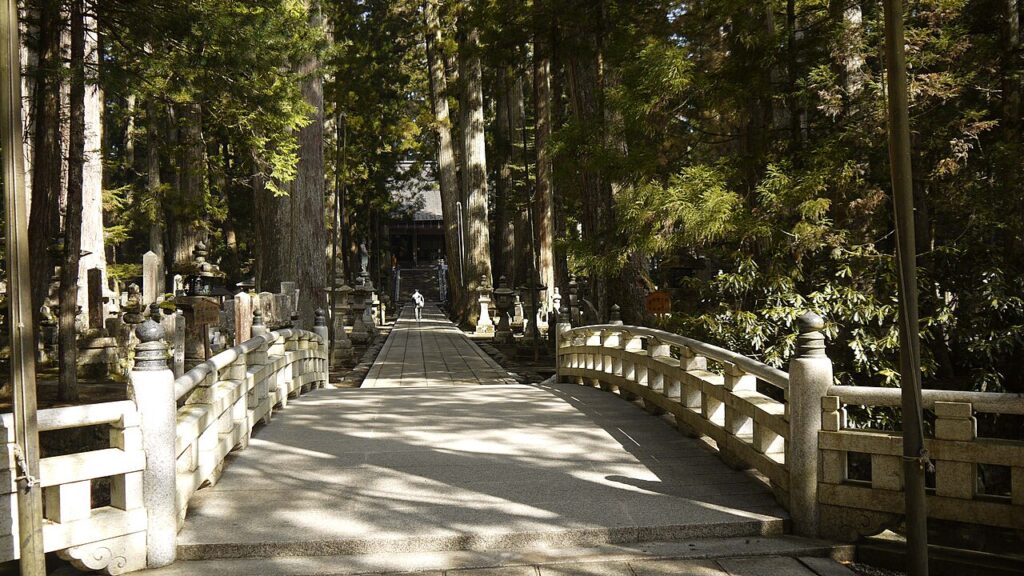
The UNESCO-listed Sacred Sites and Pilgrimage Routes in the Kii Mountain Range bring together three major sacred areas: Yoshino and Omine, Kumano Sanzan, and Koyasan. Their connecting routes cross a mountainous landscape where religious practice and the natural environment have long been closely intertwined.
The region reflects the meeting of Buddhist traditions and forms of Japanese spirituality that regard mountains, forests, waterfalls, and other natural features as sacred. Pilgrims have traveled through these landscapes for generations, while religious communities continue to maintain their practices and sites.
At Koyasan, visitors encounter a major center of Buddhist practice, with temple precincts and the forest paths of Okunoin. Around Kumano, the pilgrimage experience connects the Kumano Sanzan shrines with trails through forests, villages, and mountain passes.
What makes the Kii Peninsula especially interesting is the relationship between the destinations and the journeys between them. The pilgrimage routes are not simply ways to reach a monument; walking through the landscape is itself part of the experience.
For travelers: Explore the Buddhist temple complex of Koyasan, walk a section of the Kumano Kodo, or learn how pilgrimage traditions have shaped the communities along the routes.
Related reading: Discover guided experiences in Wakayama
2. Fujisan, Sacred Place and Source of Artistic Inspiration
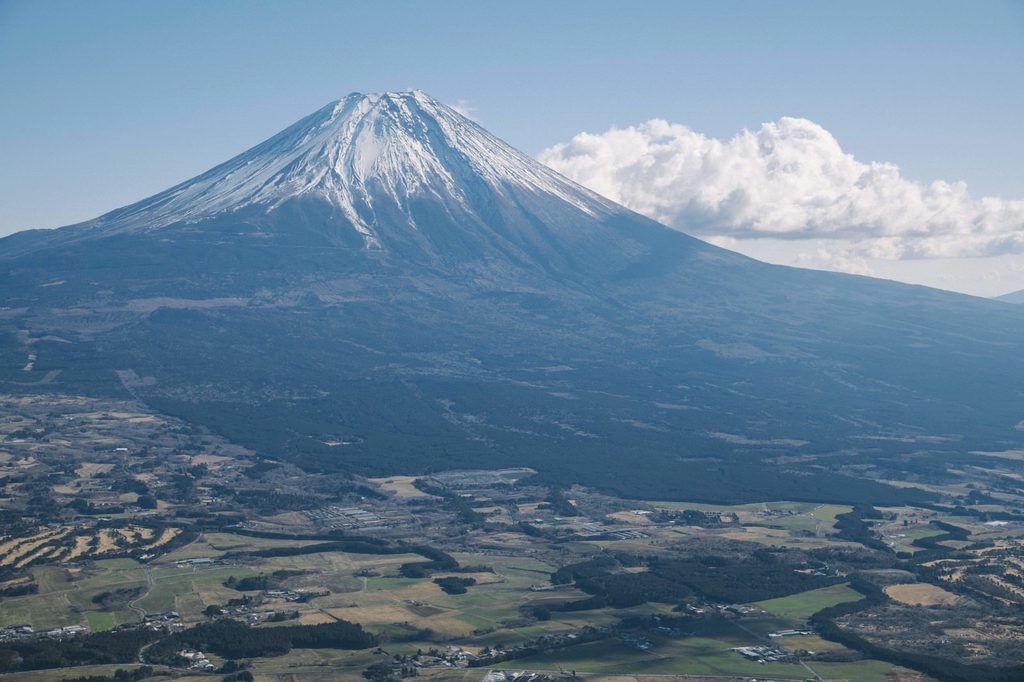
Mount Fuji is one of Japan’s most recognizable landscapes, but its significance extends far beyond its familiar silhouette. The UNESCO World Heritage property, Fujisan, sacred place and source of artistic inspiration, reflects the mountain’s importance in religious practice and Japanese art.
For centuries, Fuji has inspired pilgrimage and worship. Its dramatic form has also appeared in paintings, prints, and other artistic expressions, shaping how people inside and outside Japan imagine the country.
Visitors can approach Fuji through different experiences: viewing the mountain from surrounding lakes and towns, visiting shrines associated with its worship, or undertaking a climb during the permitted season.
Fuji and the Kii Mountain Range offer a useful contrast. Both are associated with sacred mountains, but the Kii property emphasizes a broader network of sacred places and pilgrimage routes woven into a mountainous region.
For travelers: Consider how Japan’s mountains can be both physical landscapes and places of spiritual meaning.
3. Hiraizumi: Temples, Gardens and the Buddhist Pure Land
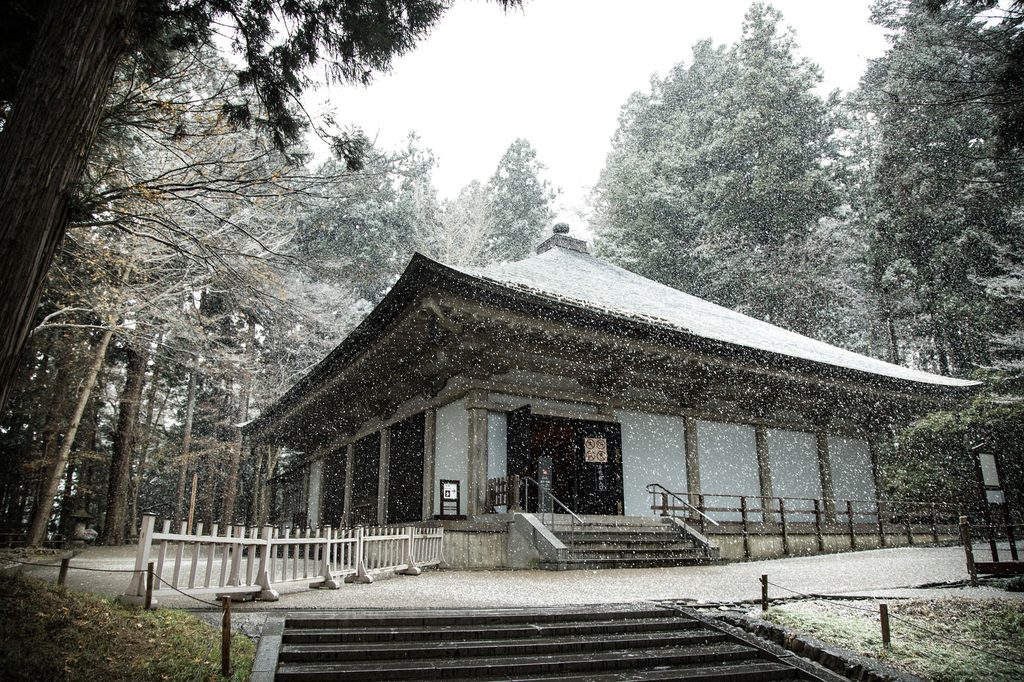
In northern Japan, Hiraizumi preserves the remains of a Buddhist center shaped by ideas of the Pure Land — a realm associated with the Buddha and the aspiration for spiritual liberation. Its temples, gardens, and surrounding landscape express a vision in which religious ideals and the natural world belong together.
The site includes Chusonji and Motsuji, along with other historic places connected to the region’s medieval political and religious history. The sacred mountain of Kinkeisan forms part of this setting.
Hiraizumi offers a different perspective from Koyasan. Both are connected with Buddhism, but they reveal different ways that religious ideas shaped places: one through a major mountain center and pilgrimage traditions, the other through temples, gardens, and a landscape designed to evoke Buddhist cosmology.
For travelers: Visit Hiraizumi to explore the relationship between Buddhist thought, garden design, and the political history of medieval Japan.
4. Shrines and Temples of Nikko: Sacred Architecture in a Mountain Landscape
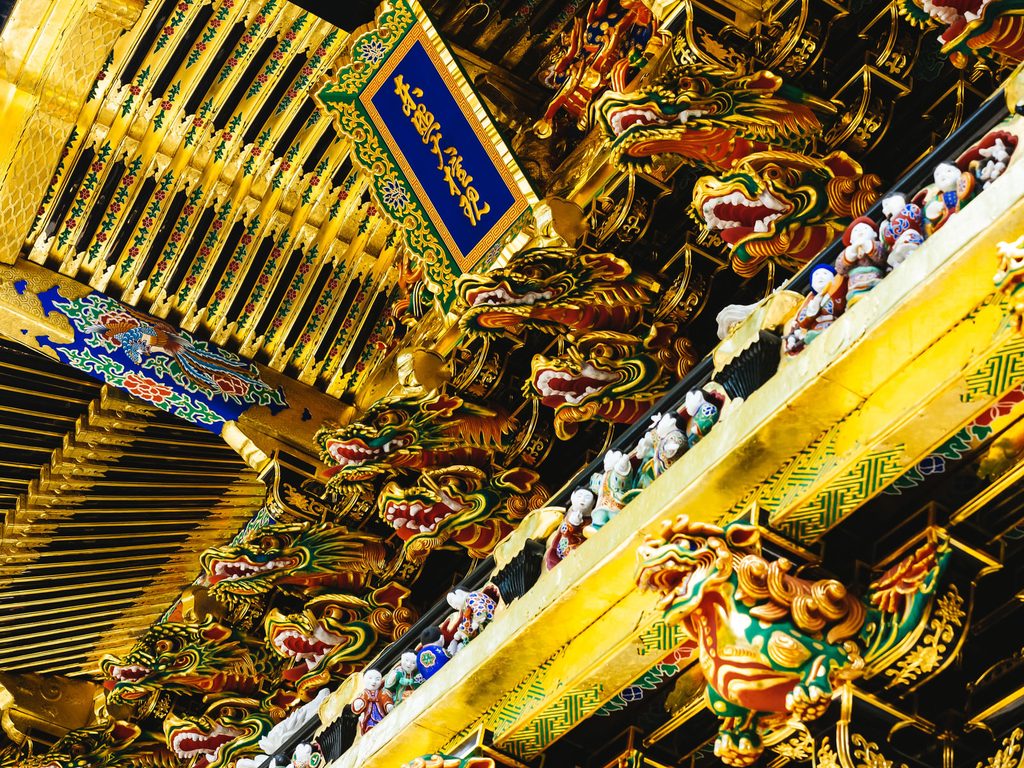
Nikko’s UNESCO-listed shrines and temples are set within a mountainous landscape of forests and wooded approaches. The property brings together religious architecture and its natural surroundings, showing how sacred places can be experienced as part of a larger environment.
The elaborate buildings of Toshogu contrast with the surrounding forest, while the wider complex includes other shrines and temples connected with the religious history of the area.
Like the Kii Mountain Range, Nikko invites visitors to look beyond individual structures. The approach through the landscape, the placement of buildings, and the relationship between forest and sacred architecture all contribute to the experience.
For travelers: Nikko is a way to explore the visual richness of Japanese religious architecture and its setting among mountains and forests.
5. Itsukushima Shrine: A Sacred Island Between Sea and Mountain
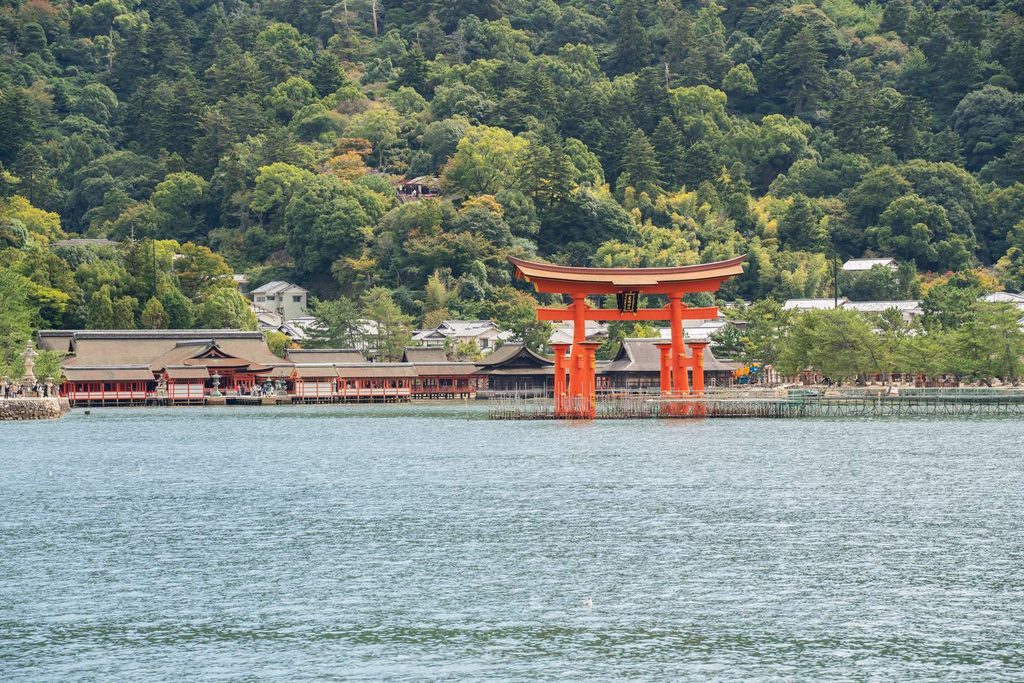
On Miyajima, Itsukushima Shrine stands within a landscape where the sea, forested mountains, and sacred architecture form a connected whole. The island has long been regarded as sacred, and the shrine’s setting reflects a tradition of reverence for nature.
The famous torii gate appears to rise from the water at high tide, but the experience of Itsukushima is not limited to that view. The shrine’s buildings, the coastline, and the wooded slopes of Mount Misen all contribute to the island’s atmosphere.
Itsukushima and the Kii Mountain Range share an emphasis on the sacred character of natural landscapes. Their settings differ — one is an island shrine associated with the sea, the other a network of sacred sites and trails across a mountainous peninsula.
For travelers: Explore the shrine and island landscape together, rather than treating the torii gate as the only destination.
6. Historic Villages of Shirakawa-go and Gokayama: Living with the Mountains
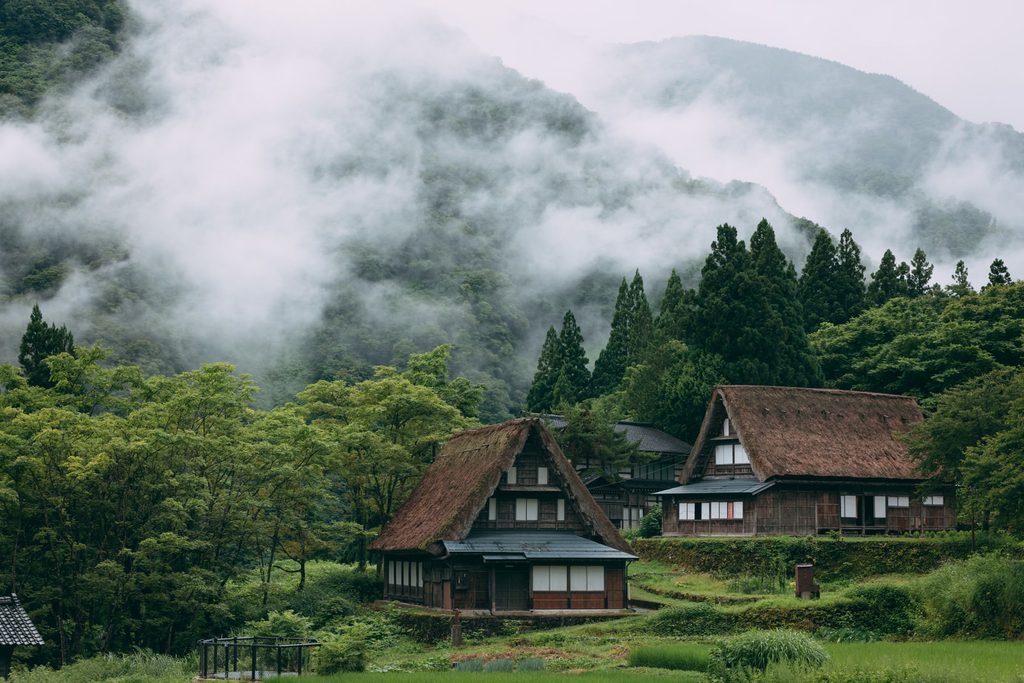
The historic villages of Shirakawa-go and Gokayama preserve distinctive settlements in mountainous areas. Their traditional houses, including steep thatched roofs, reflect ways of adapting to local conditions and sustaining community life.
Unlike sites centered primarily on religious monuments, these villages offer a view of heritage through everyday life: homes, settlement patterns, and the relationship between people and their environment.
This is a useful comparison with the Kii Peninsula. In both regions, mountains are not merely scenery. They shape how people travel, build, work, and maintain local traditions. The particular histories and livelihoods differ, but both invite visitors to consider how culture develops in close relationship with place.
For travelers: Look beyond the iconic village views to understand how architecture and settlement patterns reflect local conditions and community history.
7. Sacred Island of Okinoshima and Associated Sites in the Munakata Region
The UNESCO property Sacred Island of Okinoshima and Associated Sites in the Munakata Region reflects a tradition of worship connected with the sea and maritime routes. Okinoshima itself is a sacred island, while associated sites on the Munakata coast help tell the wider story of this religious landscape.
The site offers a perspective on Japan’s spiritual history that differs from mountain pilgrimage traditions. Here, the sea and the movement of people across it are central to understanding the sacred geography.
It also provides a reminder that religious landscapes are not always accessible in the same way. Some places have specific restrictions or customs that visitors need to respect, so it is important to check current guidance before planning a visit.
For travelers: NOTE. Public access to Okinoshima is prohibited, and no one other than Shinto priests is permitted to set foot on the island.
8. Asuka and Fujiwara: The Landscapes of Japan’s Early Capitals
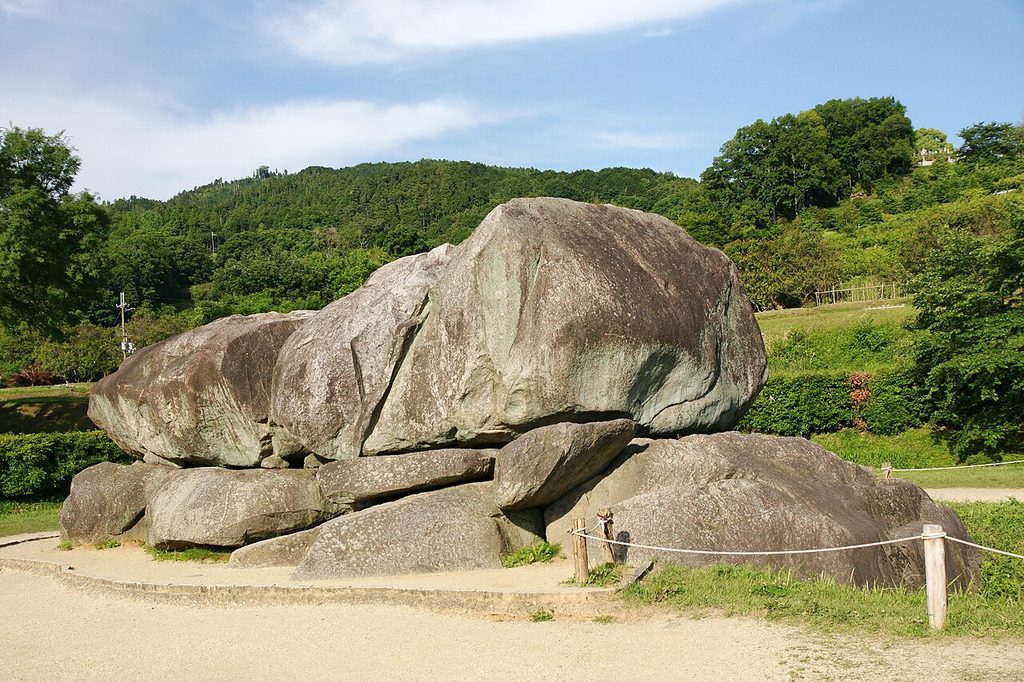
A recent addition to Japan’s World Heritage story: Asuka-Fujiwara — Archaeological Sites of Japan’s Ancient Capitals was inscribed on the UNESCO World Heritage List in 2026.
The Asuka and Fujiwara areas are closely connected with the formative period of the Japanese state. Their archaeological remains and historic landscapes offer a way to explore the development of early capitals, political institutions, and cultural exchange.
This is a different kind of heritage experience from visiting a preserved castle or a functioning shrine. The landscape itself — including archaeological sites and the traces of former urban centers — helps visitors imagine how early Japanese society was organized and how its cultural traditions developed.
For travelers already interested in Nara’s temples, Asuka and Fujiwara can add an earlier chapter to the story: before the great medieval pilgrimage centers and the later castle towns, these places were central to the emergence of Japan’s early state and capital culture.
For travelers: Combine archaeological sites with time in the surrounding countryside to understand how early political history is embedded in the landscape.
What These World Heritage Sites Reveal About Japan
These sites represent different periods, beliefs, and ways of living, but several themes connect them.
- Mountains as sacred landscapes: Fujisan, Nikko, Hiraizumi, and the Kii Mountain Range show different relationships between spiritual traditions and the natural world.
- Journeys as cultural experiences: The pilgrimage routes of the Kii Peninsula and the sacred maritime landscape of Munakata reveal how movement through a region can carry religious meaning.
- Architecture and the environment: Itsukushima, Nikko, Hiraizumi, and the villages of Shirakawa-go and Gokayama show how buildings and landscapes shape one another.
- History beyond monuments: Asuka and Fujiwara, as well as the Kii pilgrimage routes, encourage visitors to consider the wider landscape and the people who have shaped it over time.
UNESCO inscription recognizes the significance of a place, but it does not make every site the same kind of experience. Some are best understood through architecture; others through walking, landscape, archaeology, or the traditions of local communities.
That variety is part of what makes exploring Japan’s heritage rewarding.
Beyond a Single World Heritage Site: Discover the Kii Peninsula
For travelers drawn to Japan’s sacred landscapes, the Kii Peninsula offers an opportunity to connect several experiences within one region.
Rather than visiting only one famous temple or shrine, you can explore how pilgrimage, Buddhist practice, coastal communities, and mountain environments have shaped life across Wakayama and the surrounding area.
A journey might include time at Koyasan, walking a section of the Kumano Kodo, and exploring the local landscapes and communities in between. The experience can be shaped around your interests, available time, and preferred pace — with guided exploration balanced by time to discover the region independently.
Related post
Koyasan & Kumano: The Sacred Network of the Kii Mountains
Curated Kii Peninsula Journey
If you would like to explore beyond a single destination, I offer a curated private journey through the Kii Peninsula. Together, we can consider the places, walks, cultural experiences, and local food that fit your interests and create a meaningful itinerary.
Learn more: Explore my Curated Kii Peninsula Journey
Read More
- A Photographer’s Journey Through Wakayama: Landscapes, Sacred Places, and Hidden Stories
- Sacred Places in Japan: 8 Landscapes Where Nature, Faith & History Meet
- 7 Hidden Historic Towns in Kansai: Discover a Different Side of Japan
No responses yet