
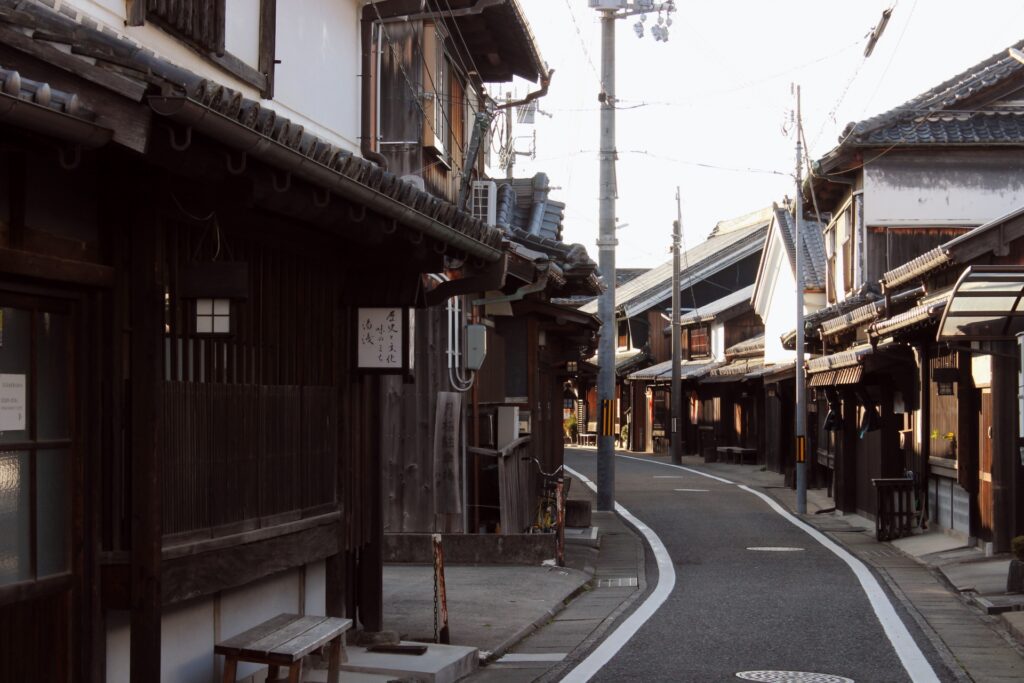
When travelers think of historic towns in Japan, places such as Kyoto, Nara, or Kanazawa often come to mind.
But some of the most interesting historic places are not famous cities at all.
Across Kansai, smaller towns preserve a different kind of history: merchant houses beside working streets, old pilgrimage routes passing through ordinary neighborhoods, traditional industries that are still practiced today, and local food cultures shaped over centuries.
These are not simply open-air museums.
They are places where the past remains part of everyday life.
If you are looking for a different side of Japan beyond the major tourist destinations, here are seven hidden historic towns and small cities in Kansai worth exploring.
What Makes a Historic Town Interesting?
A historic town does not necessarily need a famous castle or a spectacular temple.
Sometimes, its history is easier to understand through much smaller things:
- A traditional shop still serving local customers
- An old merchant house
- A road once used by pilgrims
- A local food that developed from a particular industry
- A craft passed from one generation to another
- A town whose geography still reflects its historical role
The seven destinations below each tell a different story.
Some were shaped by pilgrimage. Others grew through trade, agriculture, craftsmanship, or regional industry.
Together, they offer a more varied picture of historical Japan.
1. Yuasa, Wakayama
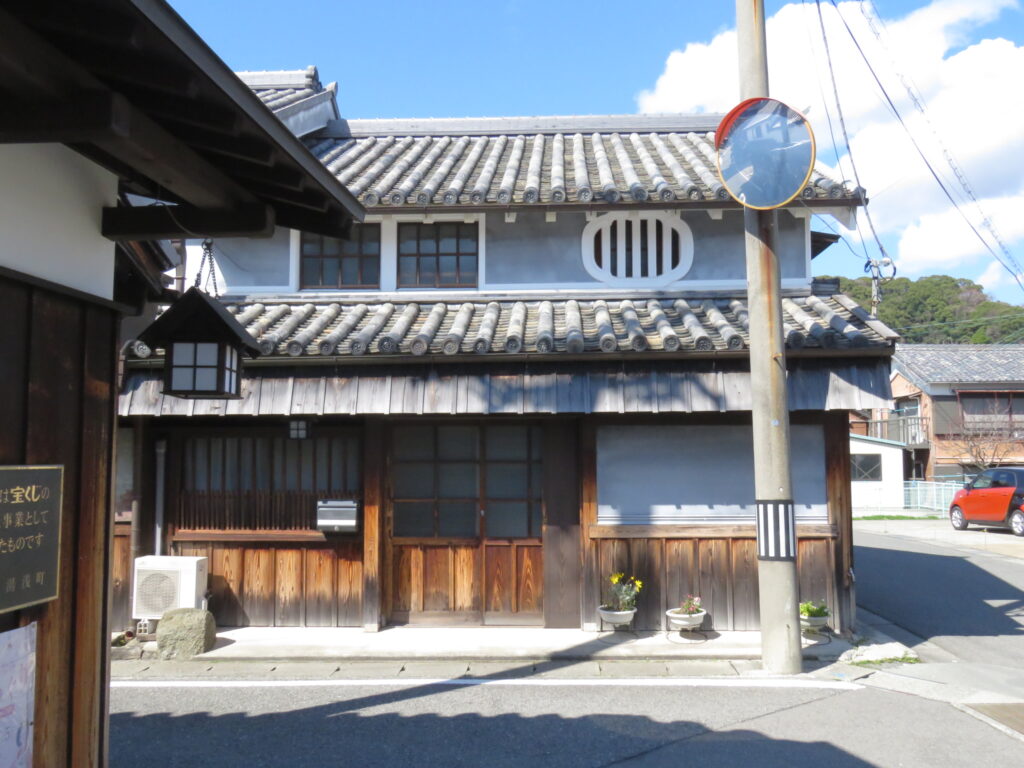
A Small Port Town Where Shoyu Soy Sauce Became Part of Japanese Cuisine
On the coast of Wakayama Prefecture, Yuasa is a small historic town with an unusually important connection to Japanese food culture.
Yuasa is widely recognized as the birthplace of Japanese soy sauce, or shoyu.
But the interesting thing about visiting Yuasa is that soy sauce is not presented simply as a historical product.
The town itself developed around the production and trade of fermented foods.
Walking through the historic district, you can encounter traditional wooden buildings, old merchant houses, narrow streets, and breweries connected to the town’s fermentation culture.
Some traditional producers continue to use methods that depend on time, wooden equipment, microorganisms, and careful aging.
This makes Yuasa particularly interesting for travelers who want to understand how Japanese cuisine developed from local environments and industries.
Rather than simply tasting soy sauce, you can begin to understand why fermentation became such an important part of Japanese food culture.
What makes Yuasa special?
- Historic merchant and brewery streets
- Traditional soy sauce production
- Fermentation culture
- Coastal trade history
- Connections with the historic Kii Route
Yuasa is especially rewarding when combined with a wider journey through Wakayama rather than treated as a quick sightseeing stop.
Read more: [Yuasa Travel Guide: Discover the Birthplace of Shoyu Soy Sauce]
2. Gobo, Wakayama
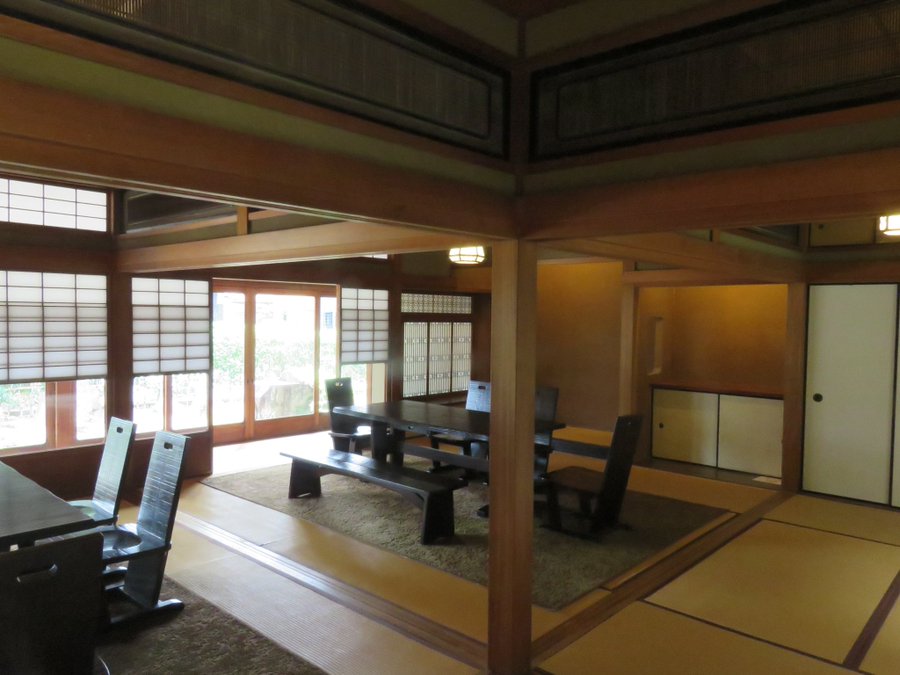
A Quiet Town Where Pilgrimage and Everyday Life Meet
Gobo is unlikely to appear on a first-time visitor’s list of famous Japanese destinations.
That is precisely why it is interesting.
Located on the Kii Peninsula, Gobo developed through connections between the coast, regional trade, agriculture, and pilgrimage routes.
The city is associated with Teramachi and religious history, while the surrounding area retains the character of a regional town rather than a destination built primarily for tourism.
For visitors interested in the Kumano Kodo, Gobo also offers a different perspective on pilgrimage.
The pilgrimage routes of the Kii Peninsula were never isolated hiking trails.
They passed through villages, agricultural areas, towns, temples, and communities where people lived and worked.
In Gobo, this relationship between pilgrimage and ordinary life becomes easier to appreciate.
Instead of looking only for monumental attractions, take time to walk through the town and notice the smaller details.
A local shrine, an old street, a traditional shop, or a quiet neighborhood can reveal how history continues to shape the landscape.
What makes Gobo special?
- Religious and pilgrimage history
- Local town life
- Connections with the Kii Peninsula’s coastal routes
- Agricultural and regional culture
- A quieter alternative to the better-known Kumano destinations
Gobo is particularly suitable for travelers who want to experience the Japan between the famous destinations.
3. Tondabayashi, Osaka
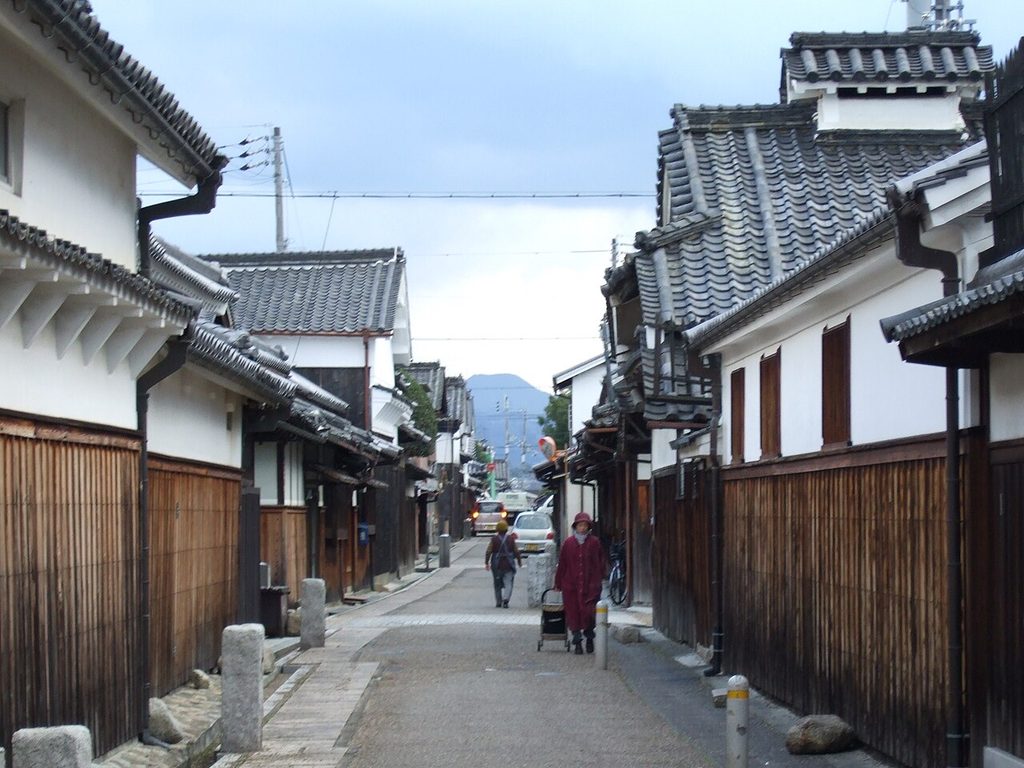
A Merchant Town Hidden Inside the Osaka Metropolitan Area
Osaka is usually associated with modern city life, food, shopping, and nightlife.
Yet south of the metropolitan center lies a very different landscape.
Tondabayashi’s Jinaimachi is one of the most remarkable historic townscapes in Osaka Prefecture.
The town developed as a fortified religious settlement and later became an important commercial center.
Today, traditional merchant houses and narrow streets remain within the historic district.
What makes Tondabayashi particularly interesting is its contrast with nearby Osaka.
You can travel relatively close to one of Japan’s largest metropolitan areas and suddenly find yourself walking through a town whose street pattern and architecture reflect a much earlier period.
The experience is not about seeing one enormous landmark.
It is about understanding how communities organized themselves around religion, commerce, and local networks.
What makes Tondabayashi special?
- Historic Jinaimachi district
- Traditional merchant houses
- Religious and commercial history
- Easy contrast with modern Osaka
- A strong sense of historical townscape
For travelers staying in Osaka, Tondabayashi offers an opportunity to step outside the city’s familiar tourist landscape without traveling deep into the countryside.
4. Uda, Nara
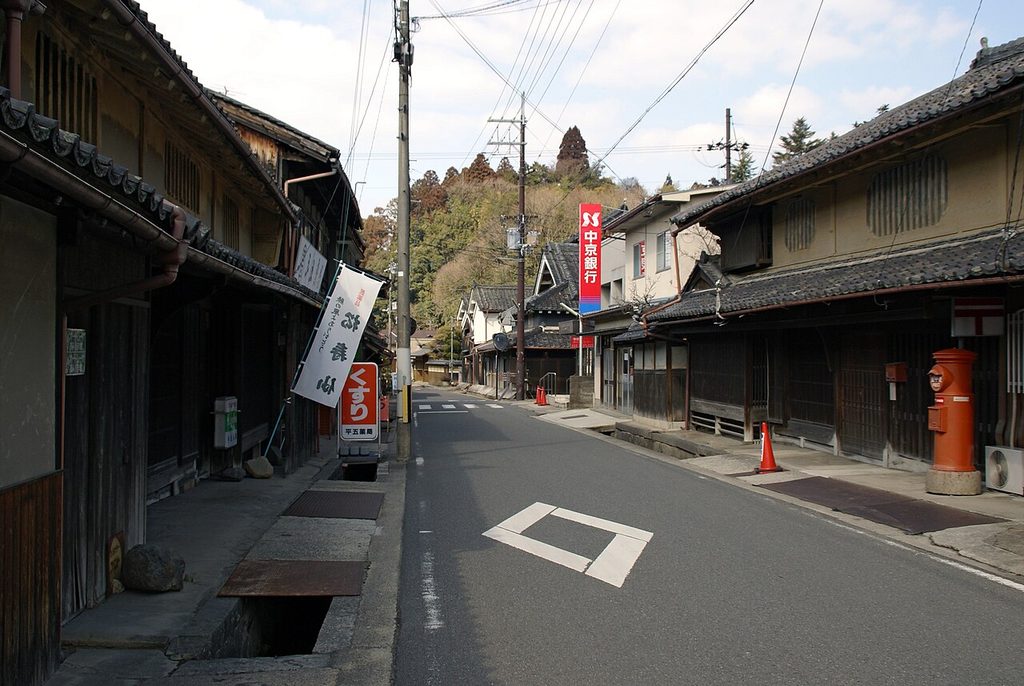
Mountain Towns, Medicine, Tea, and Ancient Roads
The city of Uda occupies a mountainous part of eastern Nara Prefecture.
Its history is closely connected to the movement of people and goods through the mountains.
The historic Matsuyama district preserves traditional townhouses and streets that reflect its past as a regional commercial center.
Uda’s story is also connected to traditional medicine, tea, agriculture, and mountain culture.
This is one of the reasons Uda feels different from Nara City.
Nara City is famous for monumental temples and ancient capital history.
Uda allows visitors to experience a more intimate form of historical Japan—one shaped by regional commerce, mountain landscapes, agriculture, and everyday life.
The surrounding landscape is an important part of the experience.
The mountains are not simply scenery behind the town. They helped determine where people settled, how goods moved, and how local industries developed.
What makes Uda special?
- Historic Matsuyama townscape
- Mountain landscapes
- Traditional commerce
- Medicine and agricultural culture
- Connections to ancient routes through eastern Nara
Uda is an excellent destination for travelers who have already visited Nara’s major sights and want to see how historical culture continued beyond the ancient capital.
5. Otsu, Shiga
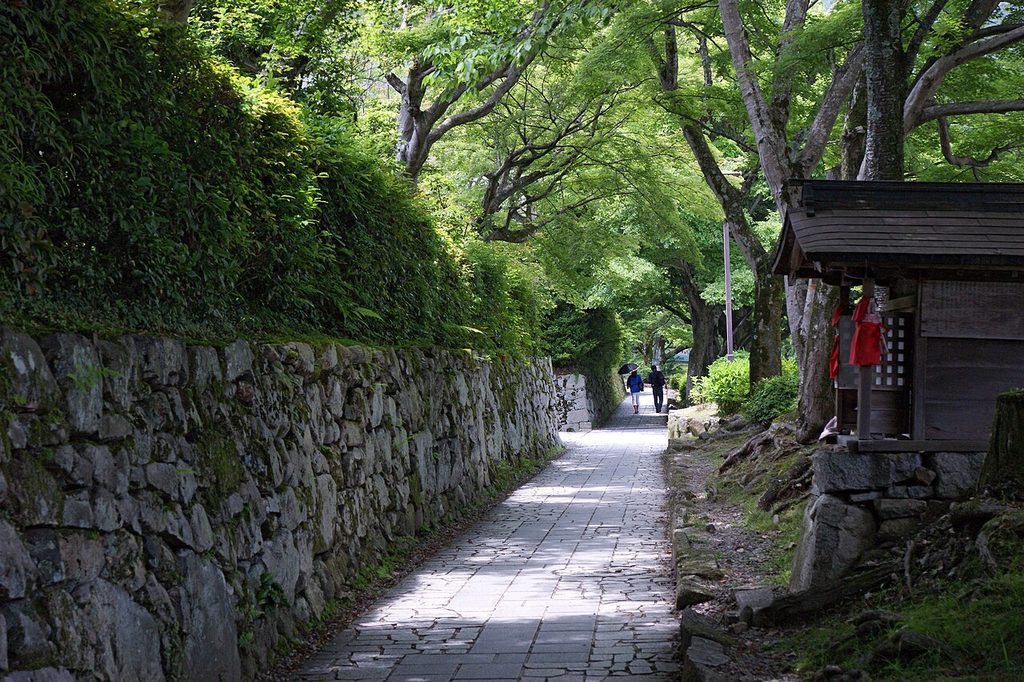
The Historic Gateway Between Kyoto and Lake Biwa
Otsu may seem like an unusual choice for a hidden historic town.
After all, it is a city rather than a small rural settlement.
But its historical importance is precisely what makes it interesting.
Located on the shores of Lake Biwa and immediately east of Kyoto, Otsu developed as a major point of movement between the lake, Kyoto, and the wider region.
Its history includes transportation, pilgrimage, commerce, and connections with Enryaku-ji and Mount Hiei.
The nearby Sakamoto area adds another layer to this story, with temple-related historic landscapes and traditional streets.
Lake Biwa itself was an important transportation corridor.
Goods and people could move across the lake and then continue toward Kyoto and other parts of Japan.
As a result, Otsu’s history is not just the history of one town.
It is the history of a gateway.
This makes Otsu especially interesting for travelers who enjoy understanding why cities and towns developed where they did.
What makes Otsu special?
- Lake Biwa
- Historic transportation routes
- Connections with Kyoto
- Sakamoto and Mount Hiei
- Religious and commercial history
Instead of treating Otsu as simply a convenient base near Kyoto, consider exploring it as a historic landscape in its own right.
6. Tatsuno, Hyogo
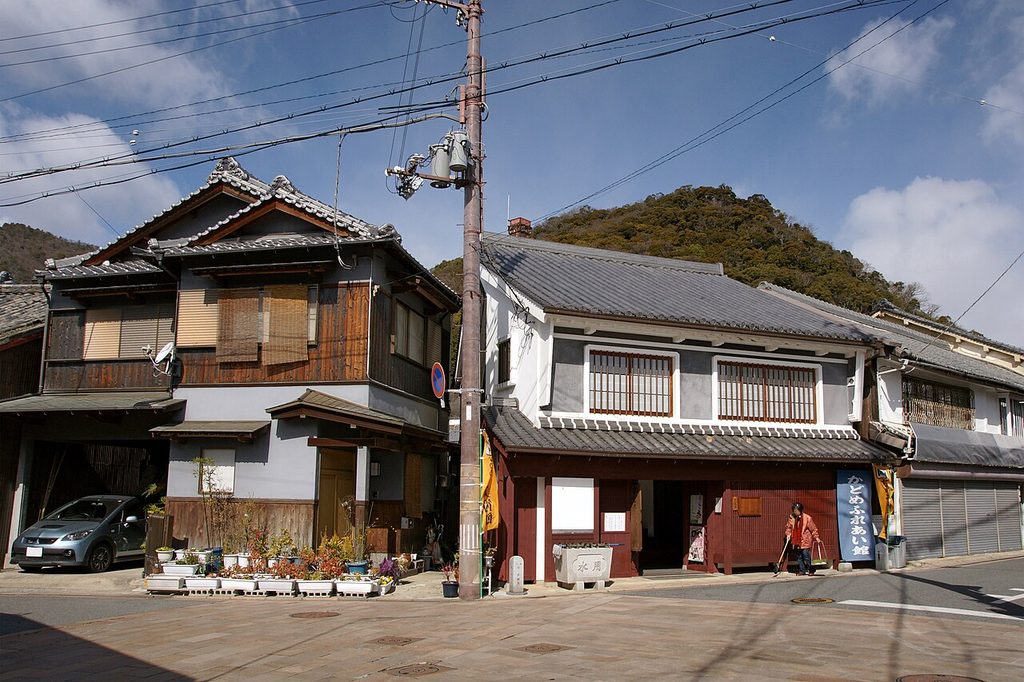
A Castle Town Shaped by Shoyu Soy Sauce and Local Industry
Tatsuno is one of the most interesting destinations on this list for travelers interested in the relationship between history and food.
The town developed as a castle town, but its identity was also shaped by local industries and commerce.
Tatsuno became particularly associated with soy sauce production.
That makes it an intriguing comparison with Yuasa in Wakayama.
The two towns developed their own soy sauce cultures in different regional environments, and both demonstrate how a food product can become much more than something produced in a factory.
It can influence architecture, commerce, employment, local identity, and cuisine.
Tatsuno’s historic streets, traditional buildings, and castle-town structure make it possible to explore these connections on foot.
Rather than separating “history” from “food,” a visit here reveals how the two evolved together.
What makes Tatsuno special?
- Castle-town history
- Traditional merchant districts
- Soy sauce production
- Local food culture
- Historic architecture
For travelers interested in Japanese cuisine, Tatsuno and Yuasa together offer a fascinating way to explore the regional history of shoyu.
7. Miyama, Kyoto
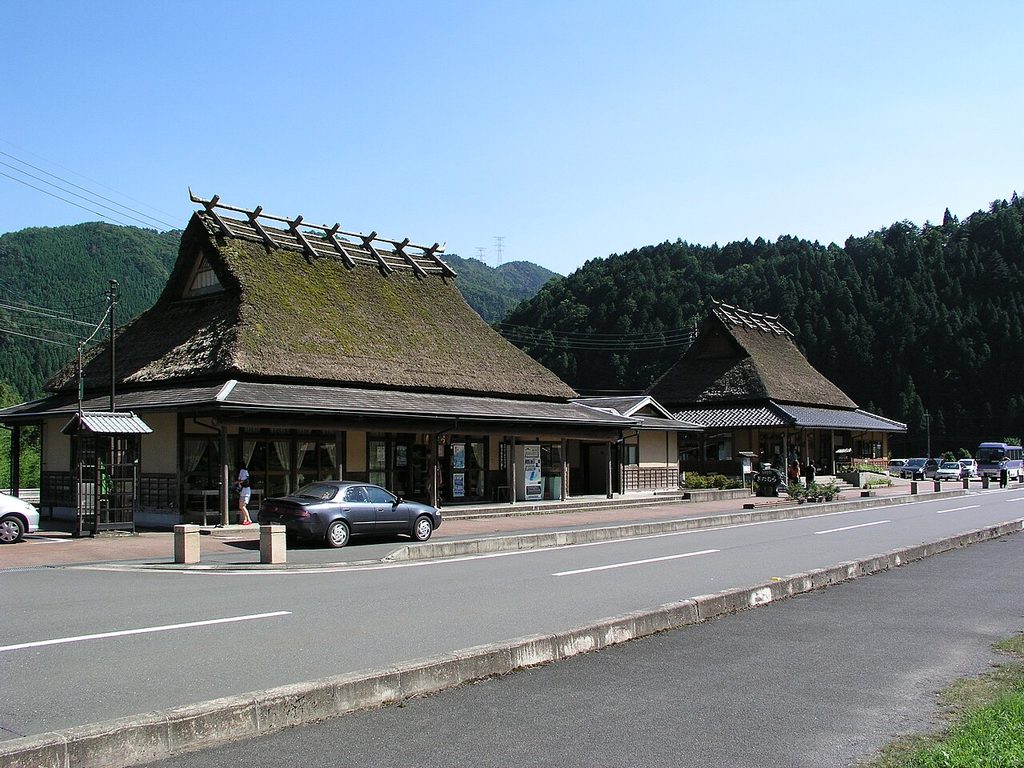
A Mountain Landscape Where Traditional Rural Life Remains Visible
When people think about historic Kyoto, they usually imagine temples, gardens, and traditional neighborhoods within the city.
Miyama offers a completely different picture.
Located in the mountains of northern Kyoto Prefecture, Miyama is known for its traditional thatched-roof houses and rural landscape.
Here, history is not primarily expressed through castles or urban merchant houses.
It is expressed through architecture adapted to climate, agriculture, forestry, and mountain life.
The famous thatched houses are visually striking, but the deeper story is the relationship between the buildings and the landscape around them.
The surrounding forests, fields, streams, and settlements formed a living system.
This makes Miyama particularly valuable for travelers interested in rural Japan and traditional ways of life.
It is also a reminder that historical Japan was not only a world of samurai and castles.
Much of Japan’s history was created by farmers, craftspeople, merchants, and mountain communities.
What makes Miyama special?
- Traditional thatched houses
- Mountain villages
- Agricultural landscapes
- Forestry and rural culture
- Architecture shaped by local climate
Miyama is a good choice for travelers who want to understand how people lived with the Japanese landscape, rather than simply looking at historic buildings.
What These Seven Towns Tell Us About Japan
These destinations may look very different from one another.
Yuasa is associated with soy sauce.
Gobo is connected to pilgrimage and local religious culture.
Tondabayashi grew through religion and commerce.
Uda developed as a mountain commercial center.
Otsu became a gateway between Lake Biwa and Kyoto.
Tatsuno combined castle-town culture with food production.
Miyama preserves the landscape of mountain village life.
Yet they share something important.
Their history is still visible in the way people live, work, eat, travel, and use the landscape.
That is perhaps the most interesting way to experience historic Japan.
Beyond Kyoto: Different Forms of Historical Japan
You do not need to visit the most famous historic cities to encounter Japan’s past.
In fact, smaller towns can sometimes make the connection between past and present easier to see.
There are fewer monumental attractions competing for your attention.
Instead, you notice:
the shape of a street.
the location of a river.
an old merchant house.
a local food tradition.
a pilgrimage route passing through a neighborhood.
a craft that still exists because people continue to use it.
This is history at a human scale.
And for travelers who have already experienced Tokyo, Kyoto, and Osaka, these places can provide a very different understanding of Japan.
How to Visit These Historic Towns
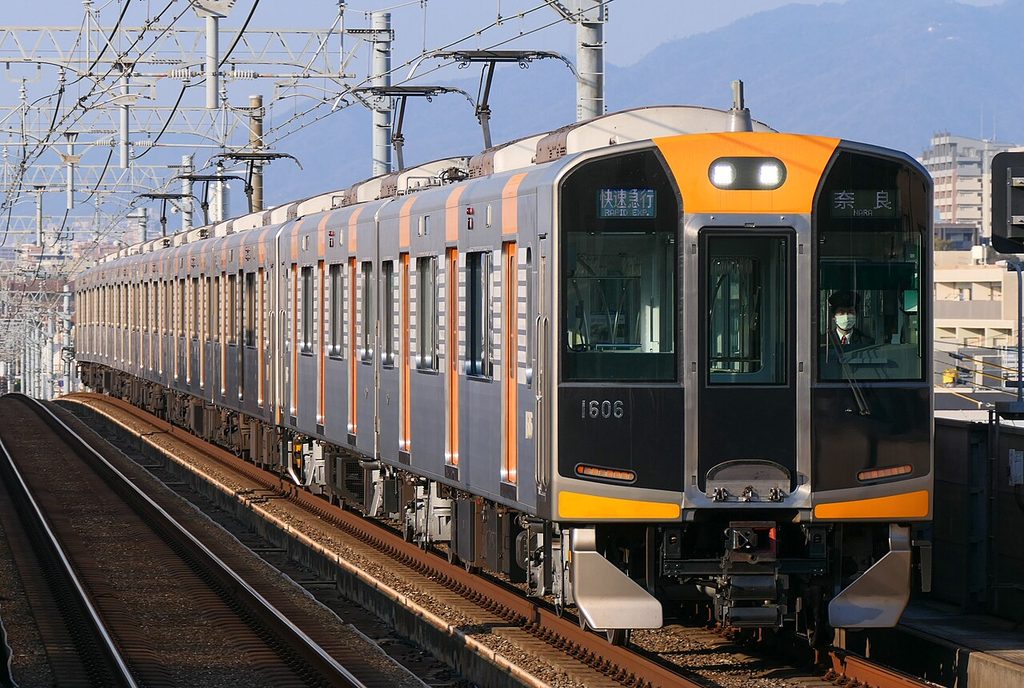
These towns are not all places where you need to spend several days.
Some work well as half-day excursions, while others are better incorporated into a longer journey.
For example:
From Osaka
Consider:
Osaka → Tondabayashi → Wakayama
This creates a gradual transition from metropolitan Japan to smaller historic communities.
From Kyoto
Consider:
Kyoto → Otsu → Miyama
This offers two very different perspectives on the historical landscape around Kyoto.
Through Wakayama
A journey through Yuasa and Gobo can be combined with coastal walking, local food, pilgrimage routes, or other destinations in the Kii Peninsula.
This is particularly interesting for travelers following the Kumano Kodo or exploring Wakayama beyond Koyasan and the major pilgrimage sites.
Want to Go Deeper Than a Historic Town Walk?
A short visit can introduce you to a town.
But sometimes the most interesting experiences come from understanding why the town became what it is.
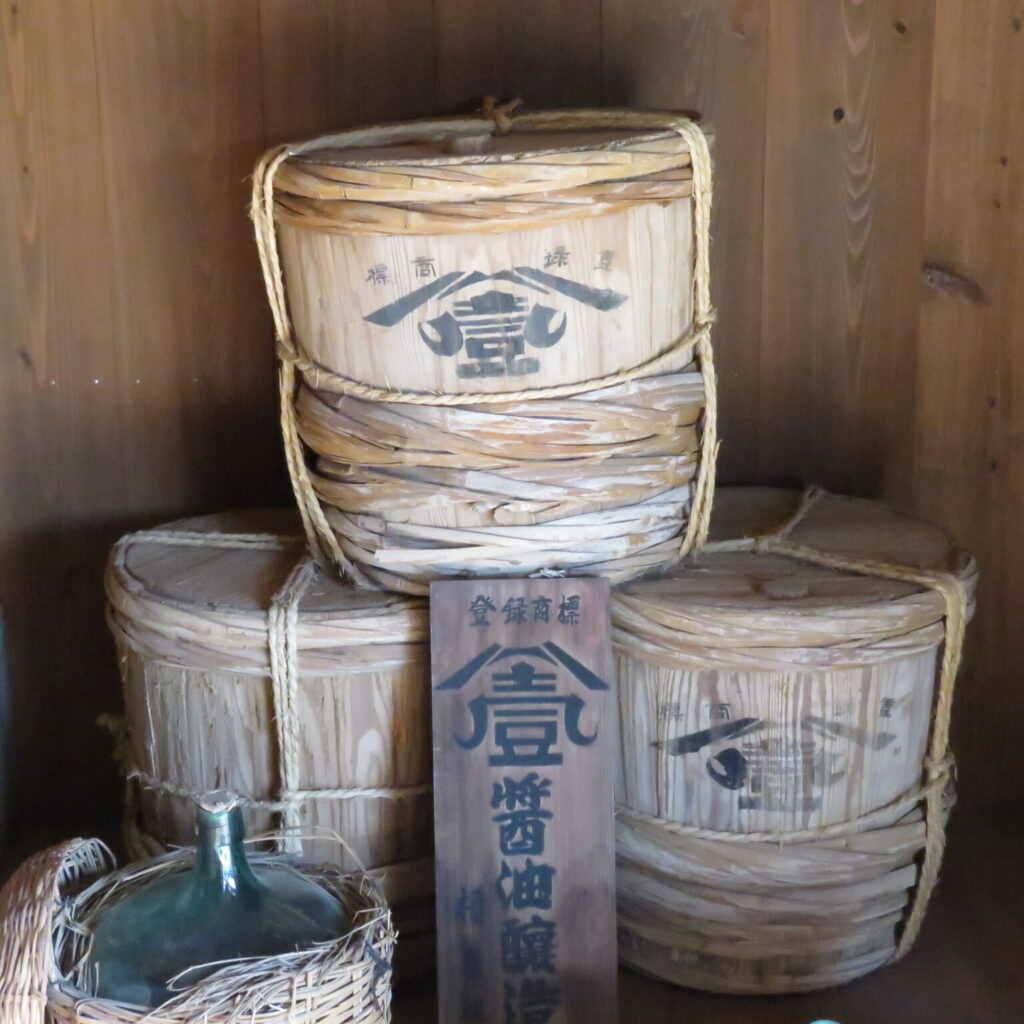
Why did shoyu soy sauce develop in Yuasa?
Why did pilgrimage routes pass through these particular communities?
How did a craft industry shape a neighborhood?
Why did a town develop beside a lake, river, mountain pass, or pilgrimage road?
These questions turn a sightseeing trip into a journey through the relationship between landscape, history, industry, and everyday life.
This is especially true in Wakayama.
A private journey can combine a historic town with a local meal, a short hike, a pilgrimage route, a craft experience, or another place that helps explain the wider region.
Rather than simply checking destinations off a list, the goal is to understand how different parts of the Kii Peninsula connect.
Explore Wakayama Beyond the Famous Destinations
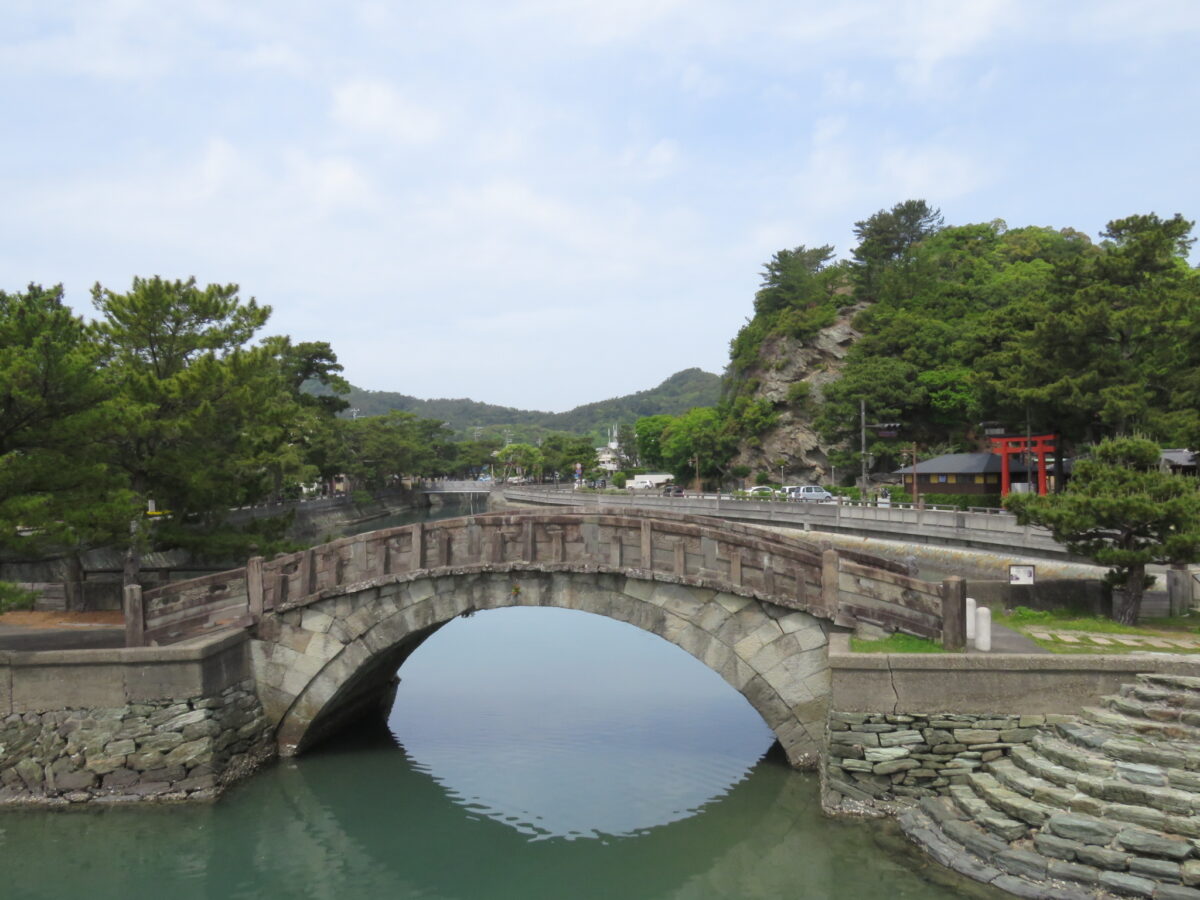
If you are interested in this kind of slower, more contextual travel, Wakayama offers many possibilities beyond Koyasan and the Kumano Kodo.
You might combine:
- Yuasa and its soy sauce and fermentation culture
- Gobo and the history of the Kii coast
- Wakaura and its relationship with poetry, pilgrimage, and the sea
- Kiiji Route walking through coastal towns and villages
- Kuroe and the living tradition of Kishu lacquerware
- Local food and seasonal agricultural experiences
- Short hikes through rural and coastal landscapes
These experiences can be arranged as part of a Curated Kii Peninsula Journey, with the itinerary shaped around your interests rather than around a fixed list of tourist attractions.
The journey might include sightseeing, but it can also include a hike, a local lunch, a craft or food experience, or simply time to explore a town at your own pace.
Final Thoughts
The history of Japan is not preserved only in its most famous temples, castles, and ancient capitals.
It is also preserved in small towns.
In a soy sauce brewery in Yuasa.
In the streets of Gobo.
In the merchant houses of Tondabayashi.
In the mountain town of Uda.
Along the shores of Lake Biwa.
In the castle town of Tatsuno.
And among the thatched houses of Miyama.
These places offer something that major tourist destinations sometimes cannot:
the opportunity to see history as part of everyday life.
If you want to discover a different side of Japan, look beyond the famous cities.
Sometimes, the smaller road tells the larger story.
Read More
- Quiet Places Near Kansai Airport: 7 Slow Travel Destinations Beyond Osaka, Kyoto & Nara
- 10 Days in Wakayama: A Slow Travel Experience Beyond the Golden Route
- Exploring Kuroe: Japanese Lacquerware and the Dining Experience
No responses yet