
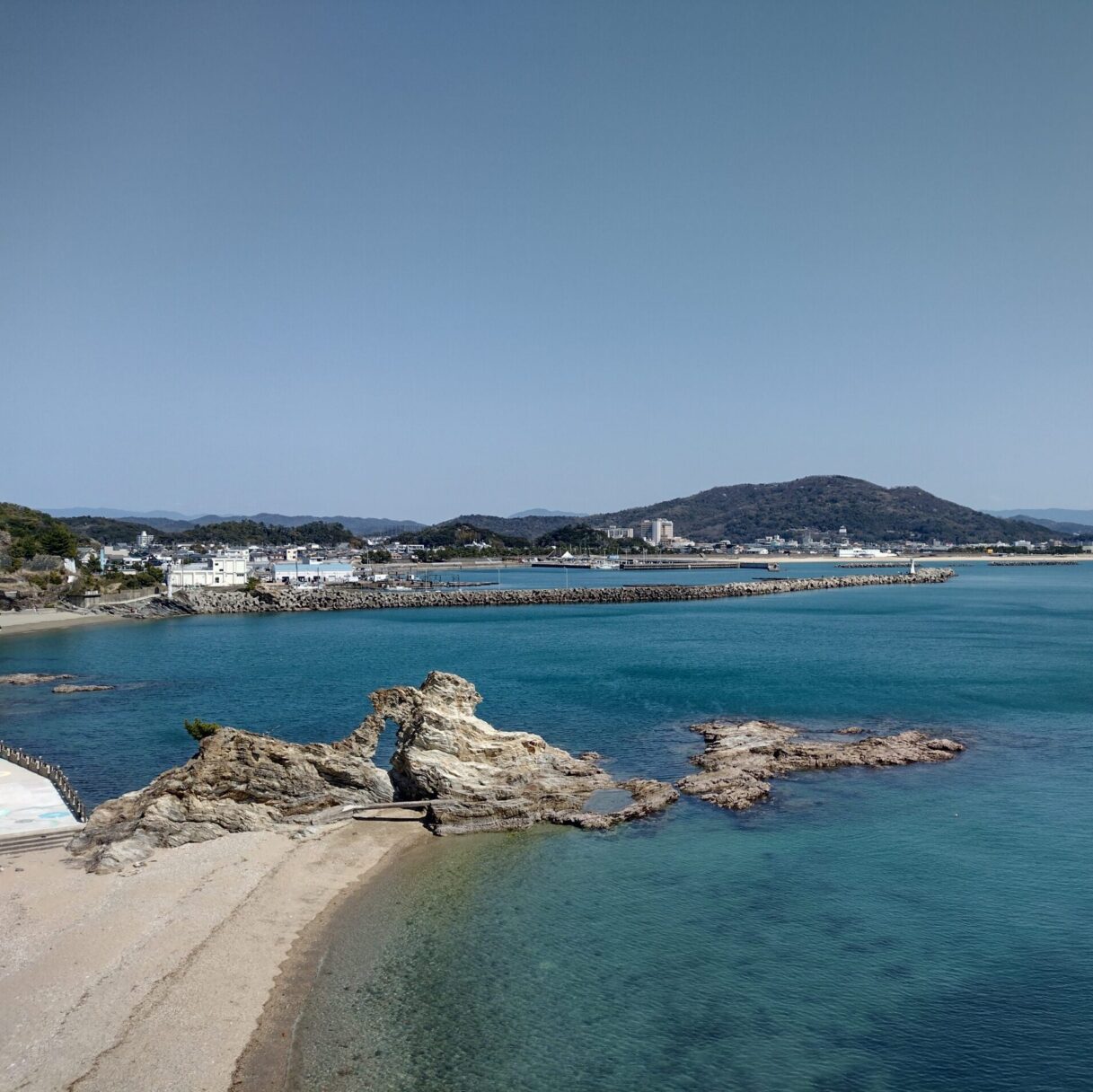
Looking for a quieter side of Kansai after landing at Kansai International Airport? These seven destinations offer slower days, local landscapes, historic towns, temples, lakes, islands, and traditional culture—without the crowds of Osaka, Kyoto, or Nara City.
When you arrive at Kansai International Airport, the obvious next step is often Osaka, Kyoto, or Nara.
But Kansai is much larger than its famous cities.
Within a relatively short journey from the airport are places where the pace changes completely: fishing ports, ancient farming villages, lakeside temples, mountain monasteries, castle towns, traditional craft districts, and quiet island landscapes.
These are places where you can spend a morning walking without a strict itinerary, have lunch somewhere local, visit one or two meaningful cultural sites, and simply enjoy being there.
If you are looking for slow travel near Kansai Airport, here are seven places worth considering.
1. Wakayama City — A Relaxed Coastal Base with History and Local Life
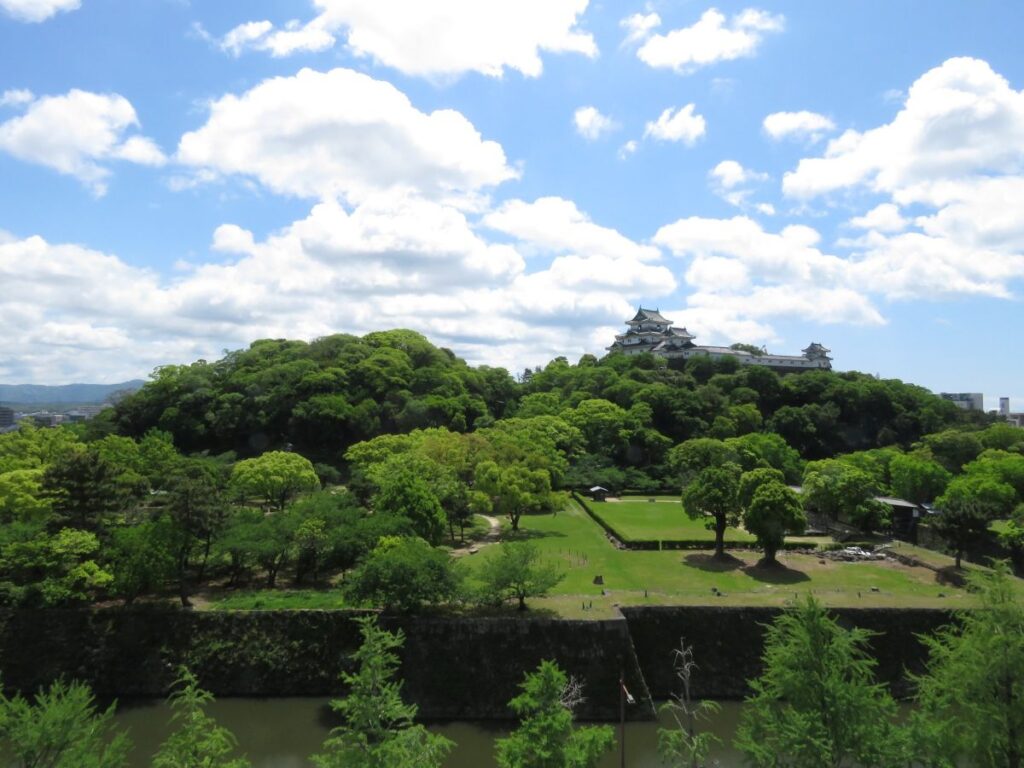
For travelers arriving through Kansai International Airport, Wakayama City is one of the easiest places to overlook—and one of the most interesting alternatives to Osaka.
The city has a relaxed coastal atmosphere while still offering the history and culture you might expect from a traditional Japanese destination.
Start with Wakayama Castle, where the history of the Kishu Tokugawa domain can be explored without the crowds often found at Japan’s better-known castles.
Then head toward Wakaura, a scenic coastal area where islands, shrines, temples, historic landscapes, and the sea come together.
The experience here is less about checking off attractions and more about moving slowly between them.
You can have local seafood for lunch, explore a small neighborhood, visit a shrine, stop for tea, and watch the changing light over the water.
Wakayama is also a useful base for exploring the surrounding region.
From the city, you can reach places associated with traditional crafts, fermentation, fishing, fruit cultivation, and the historic routes leading toward the Kii Peninsula.
Why visit Wakayama City?
Best for: coastal scenery, local food, history, gardens, everyday Japanese life
Wakayama works particularly well if you want to experience a real regional city rather than a tourist destination built entirely around tourism.
Related post:
3 Days in Wakayama City: A Slow Journey Through Castle, Coast & Local Life
2. Asuka — Discover Ancient Japan Among Rice Fields
If Kyoto represents the Japan of elegant temples and aristocratic culture, Asuka represents something much older and more rural.
Located in Nara Prefecture, Asuka was the center of political life during Japan’s early state formation.
Today, however, it feels remarkably peaceful.
Ancient burial mounds, stone monuments, Buddhist temples, shrines, rice fields, low mountains, and small villages are scattered across the landscape.
This is a place where the landscape itself becomes part of the historical experience.
Rather than moving from one major attraction to another, you can walk or cycle between sites, passing rice fields and rural roads along the way.
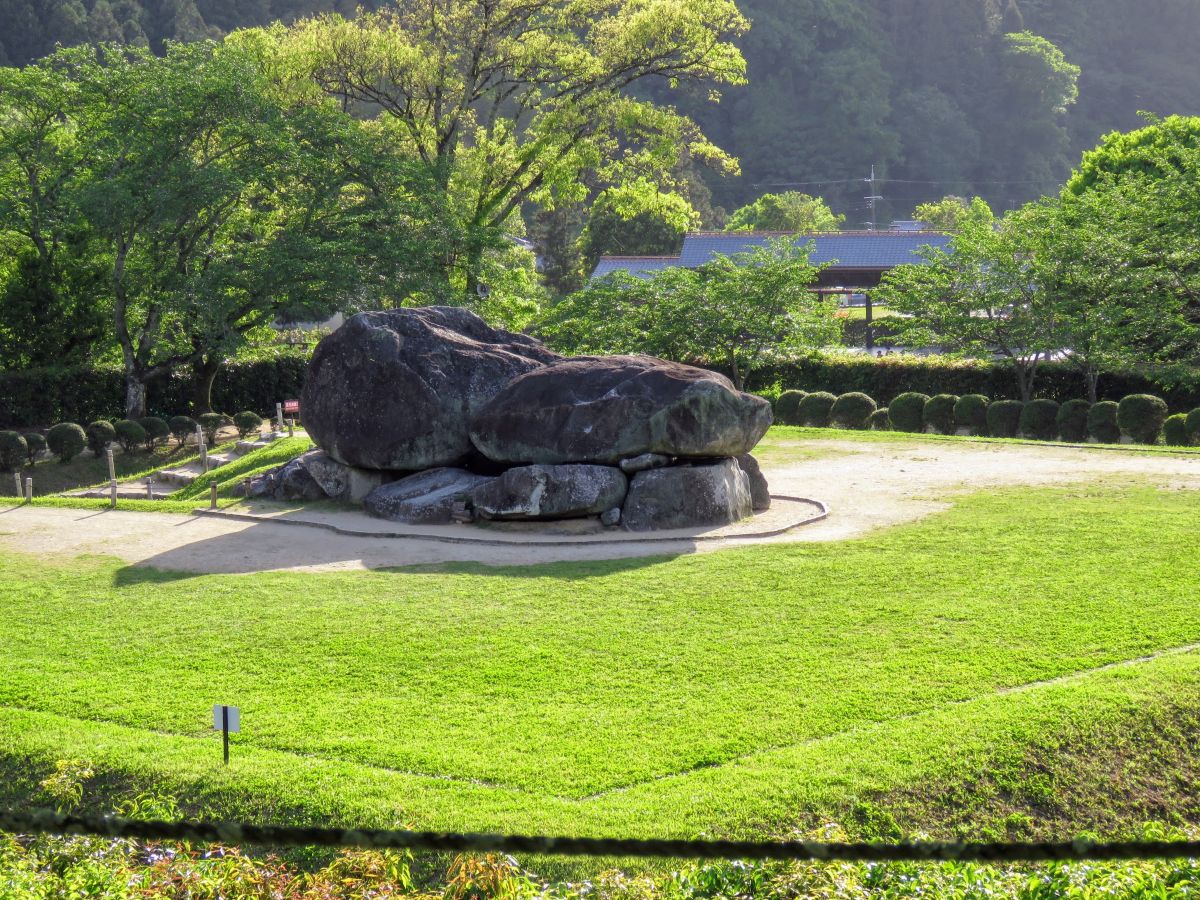
The famous Ishibutai Kofun is one of the area’s best-known archaeological sites, but the real attraction is the combination of ancient history and contemporary rural life.
Why visit Asuka?
Best for: ancient history, cycling, rural landscapes, archaeology, quiet walks
Asuka is particularly appealing to travelers who want to understand where Japanese history began, rather than simply visiting another famous temple.
3. Otsu — Slow Down Beside Lake Biwa
Just east of Kyoto lies Otsu, the capital of Shiga Prefecture and a completely different kind of destination from central Kyoto.
Its greatest attraction is Lake Biwa, Japan’s largest lake.
The enormous body of water changes the atmosphere immediately.
Instead of narrow streets crowded with visitors, you have open horizons, lakeside promenades, boats, mountains, and long views across the water.
Otsu also has a deep religious and historical heritage.
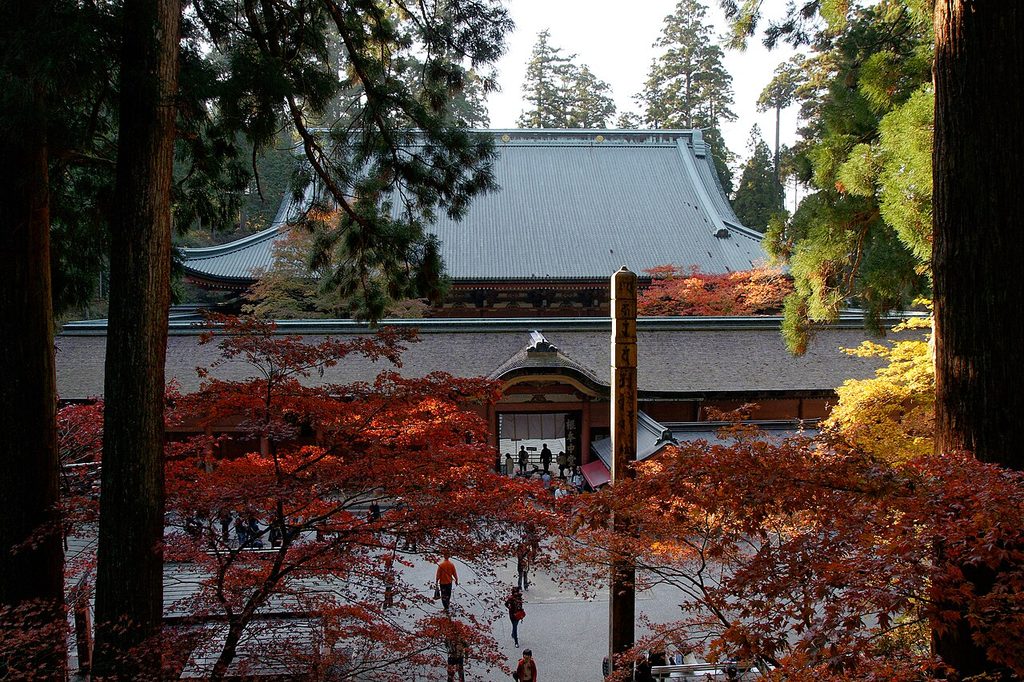
Enryaku-ji, on Mount Hiei, is one of the most important Buddhist temple complexes in Japan and has played a major role in Japanese Buddhist history.
But you don’t have to spend the entire day sightseeing.
One of the pleasures of Otsu is simply taking time beside the lake.
A morning walk, a leisurely lunch, a boat ride, and an afternoon exploring a temple or historic neighborhood can make for a very satisfying day.
Why visit Otsu?
Best for: lake landscapes, Buddhist history, walking, scenery, relaxed city breaks
Otsu is a good choice if you want to be close to Kyoto while feeling very far away from central Kyoto’s tourist atmosphere.
4. Koyasan — A Mountain Retreat in the Sacred Landscape

For a completely different experience, head into the mountains to Koyasan.
Founded more than 1,200 years ago by Kobo Daishi, Koyasan is one of Japan’s most important centers of Buddhist culture.
The atmosphere changes as you climb into the mountains.
Tall cedar forests surround temple complexes, stone lanterns line ancient paths, and the soundscape becomes noticeably quieter.
The most atmospheric place to experience this is Okunoin, where a forest path leads through an enormous cemetery toward Kobo Daishi’s mausoleum.
Koyasan is also one of the places where staying overnight can transform the experience.
Rather than visiting for a few hours, you can stay in a temple lodging, eat shojin ryori Buddhist vegetarian cuisine, experience morning prayers, and walk through the forest after most day visitors have left.
Why visit Koyasan?
Best for: spiritual travel, mountain scenery, temple stays, Buddhist culture, forests
If your idea of slow travel involves silence, reflection, and a strong sense of place, Koyasan is difficult to beat.
Related post:
World Heritage Pilgrimage to Koyasan: From Human Prayer to Sacred Realization
5. Kuroe & Kainan — Traditional Craft and Everyday Heritage
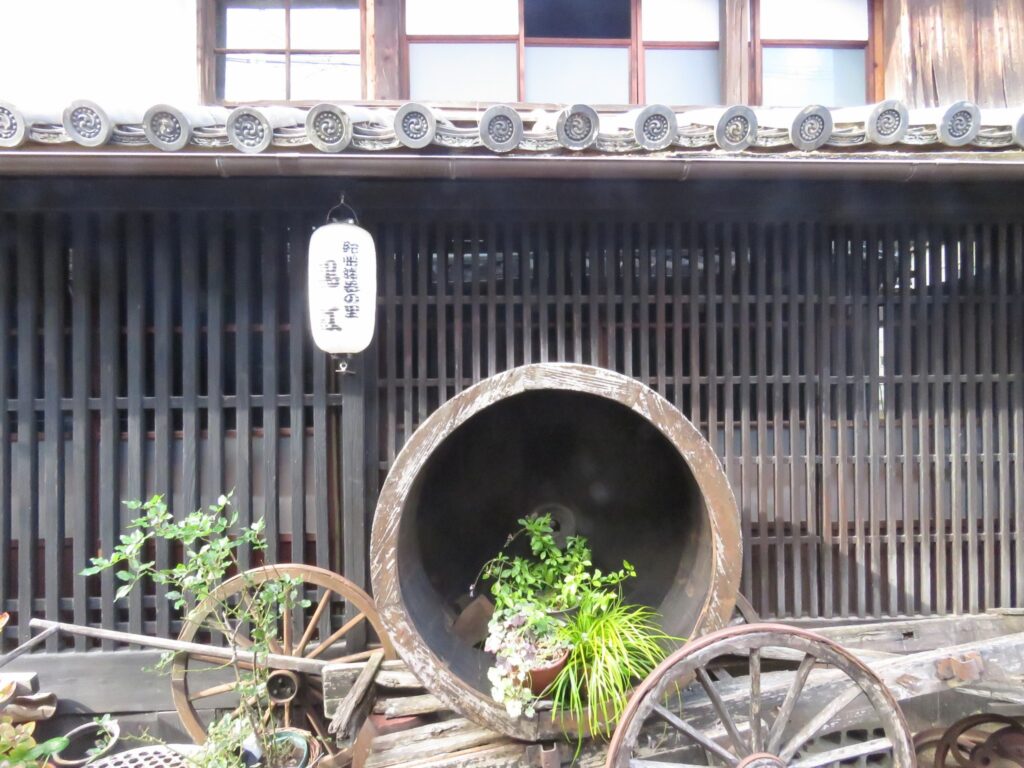
South of Wakayama City, Kainan and Kuroe offer a different kind of cultural experience.
Kuroe is historically associated with Kishu lacquerware, one of the important traditional craft traditions of Wakayama.
Rather than being a monumental sightseeing destination, Kuroe is interesting because its cultural identity is embedded in the town itself.
Traditional buildings, workshops, narrow streets, local shops, and craft traditions create an atmosphere that rewards slow exploration.
This is the kind of place where you might spend an hour walking a small area rather than trying to cover an entire city.
For travelers interested in Japanese craftsmanship, this can be more rewarding than simply buying a souvenir in a department store.
You can learn how an object is made, understand the local history behind it, and see how a traditional industry continues to influence the community.
Why visit Kuroe?
Best for: traditional crafts, architecture, local history, craftsmanship, quiet town walks
Kuroe is a good reminder that Japanese culture is not found only inside temples and museums.
Sometimes it survives in workshops and ordinary streets.
Related post:
Exploring Kuroe: Japanese Lacquerware and the Dining Experience
6. Awaji Island — Island Life, Food and the Sea
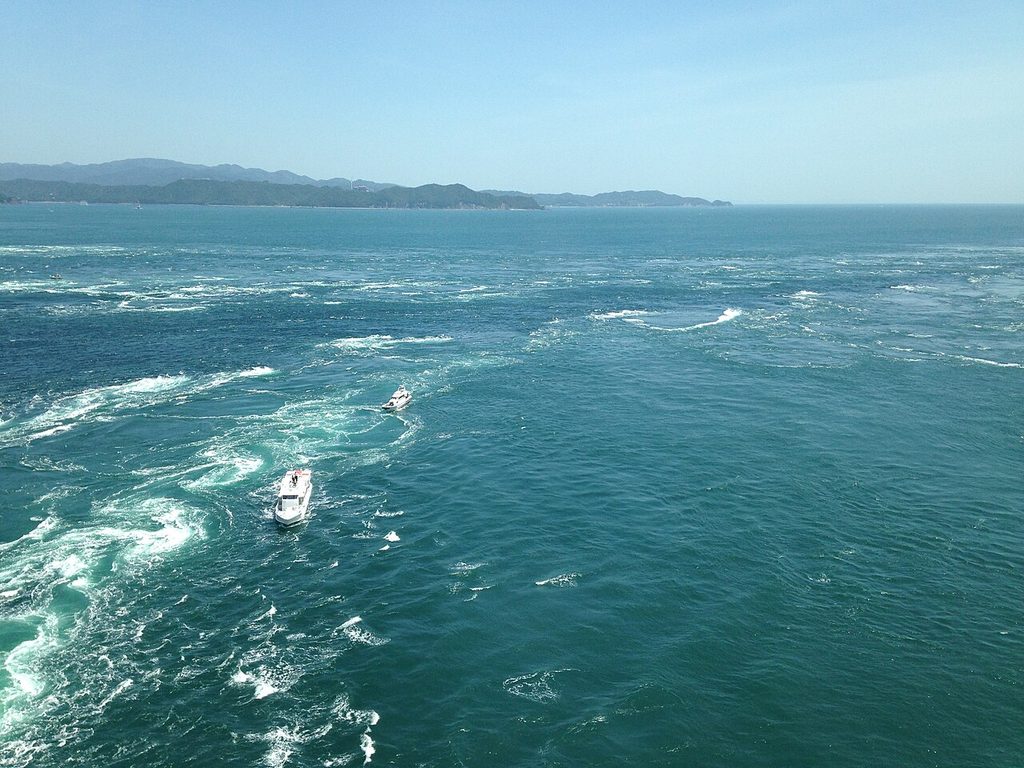
If you want to slow down by the sea, Awaji Island offers an entirely different atmosphere.
Located between Honshu and Shikoku, Awaji has a strong agricultural and maritime identity.
The island is known for food production, fishing, onions, local cuisine, and coastal scenery.
Rather than trying to see the entire island, choose a small area and explore it slowly.
Visit a fishing port, have lunch featuring local ingredients, stop at a shrine, walk along the coast, or simply enjoy the countryside.
Awaji is particularly attractive for travelers who want to combine food and landscape.
The island’s agricultural character means that the scenery changes with the seasons, while its position in the Seto Inland Sea gives many coastal areas a distinctly relaxed atmosphere.
Why visit Awaji Island?
Best for: island life, food, coastal scenery, agriculture, relaxed driving
Awaji is especially suitable for travelers who enjoy open landscapes and regional food more than conventional sightseeing.
7. Hikone — A Castle Town Beside Lake Biwa
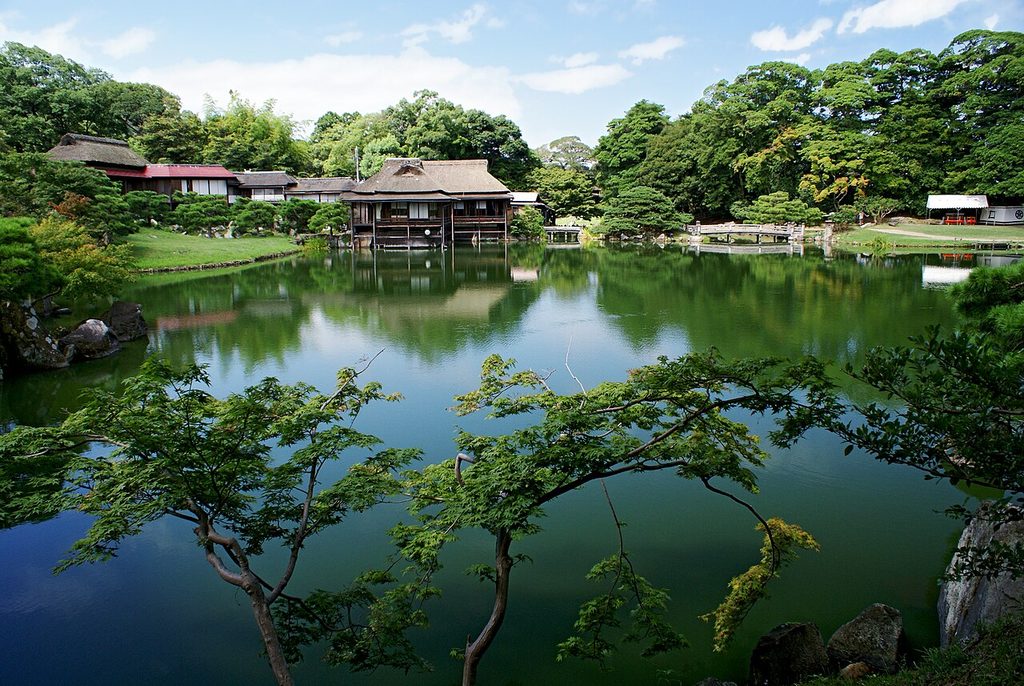
If you like Japanese castles but don’t want the crowds of Kyoto or Osaka, Hikone is an excellent alternative.
The centerpiece is Hikone Castle, one of Japan’s historically significant surviving castles.
The castle itself is impressive, but the surrounding town makes the destination particularly suitable for a slower visit.
Explore the castle, walk through the historic streets, visit a traditional garden, have lunch, and continue toward Lake Biwa.
The scale of Hikone makes it possible to experience several layers of Japanese history without feeling as though you are rushing between attractions.
And because it sits beside Lake Biwa, you can easily combine history with water and landscape.
Why visit Hikone?
Best for: castles, gardens, history, traditional townscapes, Lake Biwa
Hikone is a good choice if you want the atmosphere of a historic Japanese town without the intensity of Kyoto.
Which Destination Is Right for You?
These seven destinations are not really competitors.
Each offers a different interpretation of slow travel.
| If you want… | Consider… |
|---|---|
| 🌊 Sea, food and a relaxed regional city | Wakayama City |
| 🌾 Ancient history and rural landscapes | Asuka |
| 🏞️ Lake scenery and Buddhist history | Otsu |
| 🌲 Mountains, temples and spirituality | Koyasan |
| 🎨 Traditional crafts and local heritage | Kuroe & Kainan |
| 🏝️ Island life and regional food | Awaji Island |
| 🏯 Castles, gardens and Lake Biwa | Hikone |
The important point is that you don’t have to choose a destination simply because it is famous.
Choose it because it matches the kind of day you want to have.
Why Look Beyond Osaka, Kyoto and Nara?
The famous cities of Kansai deserve their reputations.
But they can also become exhausting.
Crowded trains, busy shopping streets, packed temples, reservations, queues, and long lists of attractions can turn a holiday into another kind of work.
Slow travel asks a different question:
What if you did less?
Instead of seeing ten temples, perhaps visit one.
Instead of rushing through three cities, stay in one place for two or three nights.
Instead of searching for the most famous restaurant, eat something regional.
Instead of photographing a landmark and leaving, walk through the neighborhood around it.
This is where the quieter destinations of Kansai become particularly interesting.
A Different Way to Start Your Kansai Journey
Kansai International Airport doesn’t have to be merely the gateway to Osaka and Kyoto.
It can also be the starting point for a different kind of journey.
You could begin beside the sea in Wakayama, travel through the ancient landscapes of Asuka, slow down beside Lake Biwa, spend a night in a mountain temple at Koyasan, explore traditional craftsmanship in Kuroe, or spend several days discovering island life on Awaji.
These places may not have the international fame of Kyoto or Osaka.
That is precisely their appeal.
For travelers who have already seen Japan’s famous highlights—or simply want to experience the country at a slower pace—the quieter corners of Kansai offer something increasingly valuable:
time.
And sometimes, the best way to understand Japan is not to see more.
It is to stay longer, walk slower, and pay attention.
Related Posts
- Sacred Places in Japan: 8 Landscapes Where Nature, Faith & History Meet
- Best Hiking Destinations in Japan: 8 Places Beyond the Usual Trails
- A Beautiful Slow Stay in Wakayama City
- A Slow Journey Through Central Wakayama: Sea, Citrus, History & Ume
No responses yet