
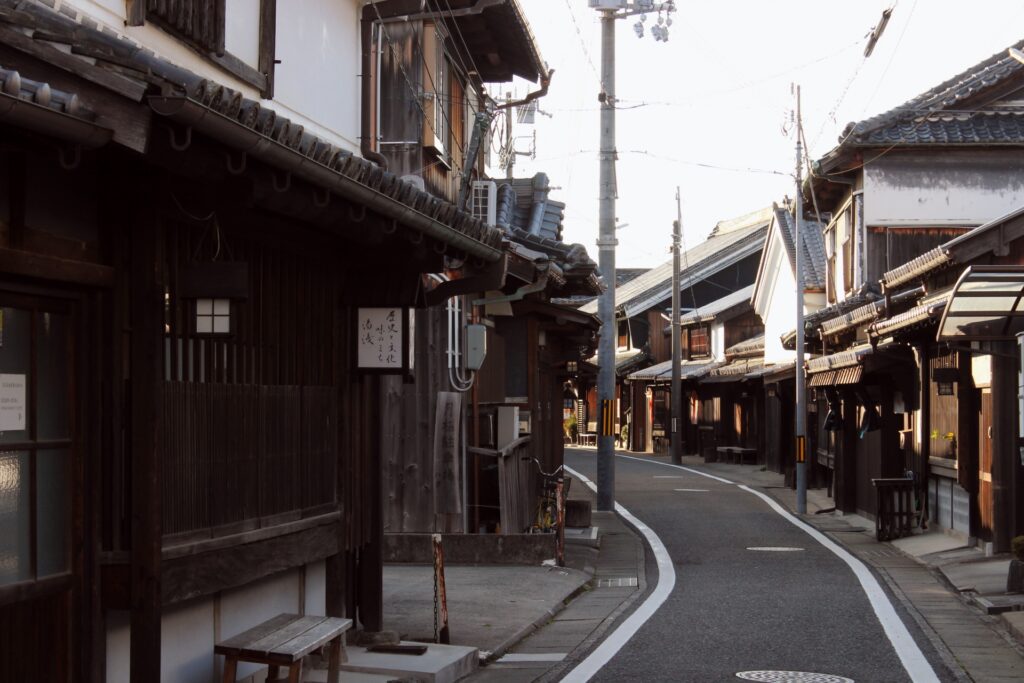
Introduction: Discovering Historic Japanese Towns That Have Endured Through Changing Times
When people think of traditional Japanese townscapes, places such as Gion in Kyoto, Higashi Chaya District in Kanazawa, or the old streets of Takayama often come to mind. These places are known for their preserved wooden townhouses and historic architecture, offering glimpses of what everyday life in Japan once looked like.
However, historic townscapes are not found only in famous tourist destinations. Across rural Japan, smaller towns still retain traces of lives shaped by merchants, craftspeople, temples, pilgrims, and people who traveled along historic trade and pilgrimage routes.
Wakayama Prefecture, relatively accessible from Osaka and Kyoto, is home to several such towns.
Consider Yuasa, which prospered through soy sauce brewing; Kuroe, where generations of Kishu lacquerware artisans lived and worked; Kudoyama, which welcomed pilgrims traveling to Mount Koya; Kokawa, which developed alongside the Saigoku Kannon Pilgrimage, a Buddhist pilgrimage route with a history of more than 1,000 years; and Gobo, a commercial town that grew around a Buddhist temple.
These towns do not all share the same kind of historic streetscape. Each has a distinct character shaped by its own history, industries, and local way of life.
Looking at traditional Japanese houses is interesting in itself, but a visit becomes much more rewarding when you understand why these buildings were constructed, what kinds of people lived in them, and how the surrounding towns developed. Taking time to wander through their narrow streets also allows you to experience the atmosphere that makes each place unique.
Here are five places in Wakayama where you can discover traditional Japanese architecture and explore different layers of local history.
1. Yuasa: A Merchant Town Where the History of Soy Sauce Brewing Lives On
If you are interested in traditional townscapes in Wakayama, Yuasa is an excellent place to begin.
Located on the western side of the Kii Peninsula, facing the Kii Channel, Yuasa played an important role in the history of Japanese soy sauce brewing. According to local history, the production techniques for Kinzanji miso, believed to have been introduced from China during the medieval period, developed into soy sauce brewing in this area. In this sense, Yuasa is closely associated with the origins of one of the essential ingredients of Japanese cuisine.
During the Edo period (1603–1868), the town prospered through soy sauce production and distribution. Brewers and merchants gathered here, and Yuasa grew into an important commercial center. At the beginning of the 19th century, at the height of its prosperity, there were reportedly 92 shoyu producers in this relatively small town.
Today, a section of Yuasa still retains buildings that evoke its prosperous past. As you walk through the streets, you will see traditional wooden townhouses with lattice doors, storehouses, and buildings featuring mushiko-mado—distinctive lattice windows with oval-shaped openings. These architectural details offer a glimpse into the lives of the merchants who once conducted their businesses here.
What makes Yuasa particularly interesting is not simply the number of old buildings that survive, but the way its brewing industry shaped the town itself. Traditional merchant houses often combined living spaces with business premises, while storehouses and other structures supported the production and distribution of soy sauce.
One example is the former Suhara Family Residence, which is now open to the public. Another is Daisenbori, a canal-like waterfront area on the northern side of town where soy sauce was once loaded onto boats for distribution. These places reveal how closely everyday life and the local economy were connected.
The historic district of Yuasa is the only Important Preservation District for Groups of Traditional Buildings designated in Wakayama Prefecture. Beyond its architectural heritage, the town is also attractive because its soy sauce brewing culture continues today.
After exploring the traditional houses, visiting a working soy sauce brewery can help you understand the industry and the people behind the town’s historic landscape.
Access
The nearest station is Yuasa Station on the JR Kisei Main Line, also known as the Kinokuni Line. The historic district is approximately a 10–15-minute walk from the station. Yuasa can be reached by train from Wakayama City.
Related post: Yuasa Travel Guide: Discover the Birthplace of Shoyu Soy Sauce
2. Kudoyama: A Historic Town at the Crossroads of Koyasan Pilgrimage Routes and Samurai History
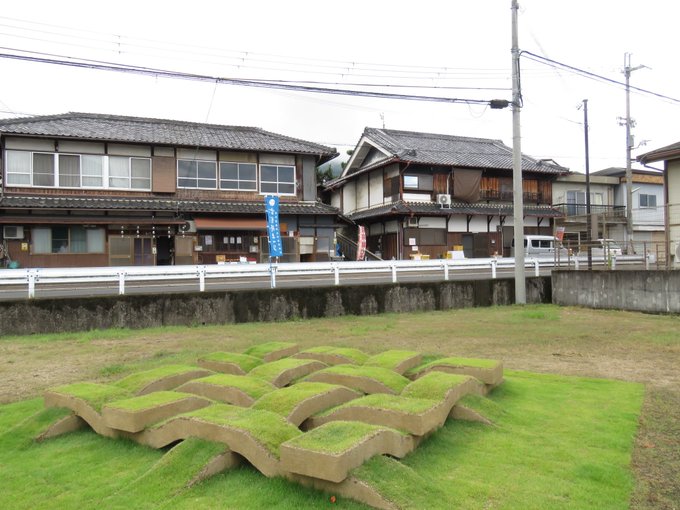
Kudoyama is a historic town in northeastern Wakayama, located at the foot of Koyasan.
To understand the town, it is essential to know its connection with Koyasan. A UNESCO World Heritage Site, Mount Koya is a sacred center of Shingon Buddhism established by the Buddhist monk Kukai, also known as Kobo Daishi, in the early 9th century. Situated at an elevation of approximately 900 meters, this mountain sanctuary has attracted pilgrims for centuries. Kudoyama has long been connected with the movement of people traveling to Koyasan.
Near the town is Jison-in Temple, an important religious site associated with the pilgrimage routes to Mount Koya. The historic Choishi-michi pilgrimage trail begins here and leads up the mountain. Stone markers known as choishi were placed at regular intervals along the route to guide pilgrims. Many of these markers remain, and the trail can still be walked today.
Kudoyama is also associated with another chapter of Japanese history. The famous samurai father and son, Sanada Masayuki and Sanada Nobushige, better known as Yukimura, are said to have spent part of their lives here after the Battle of Sekigahara in 1600. Several places in town are connected with the Sanada family, including Sanada-an.
Unlike Yuasa and Kuroe, Kudoyama is not primarily known for a continuous historic district of preserved merchant houses. Instead, its appeal lies in the way traditional homes, temples, pilgrimage routes, and samurai history come together to tell the story of the town.
For travelers visiting Koyasan, Kudoyama is more than just a place to pass through. It offers an opportunity to understand how the religious world of Mount Koya extended beyond the mountain itself, connecting with the surrounding settlements, temples, and roads.
Access
The nearest station is Kudoyama Station on the Nankai Koya Line. Sanada-an is approximately a 10-minute walk from the station. If you also plan to visit Jison-in Temple and the starting point of the Choishi-michi trail, allow additional time for walking.
Related post: Beyond Koyasan: Cycling Through the Gateway Towns of Kudoyama and Koyaguchi
3. Kokawa: A Temple Town Shaped by the Saigoku Kannon Pilgrimage
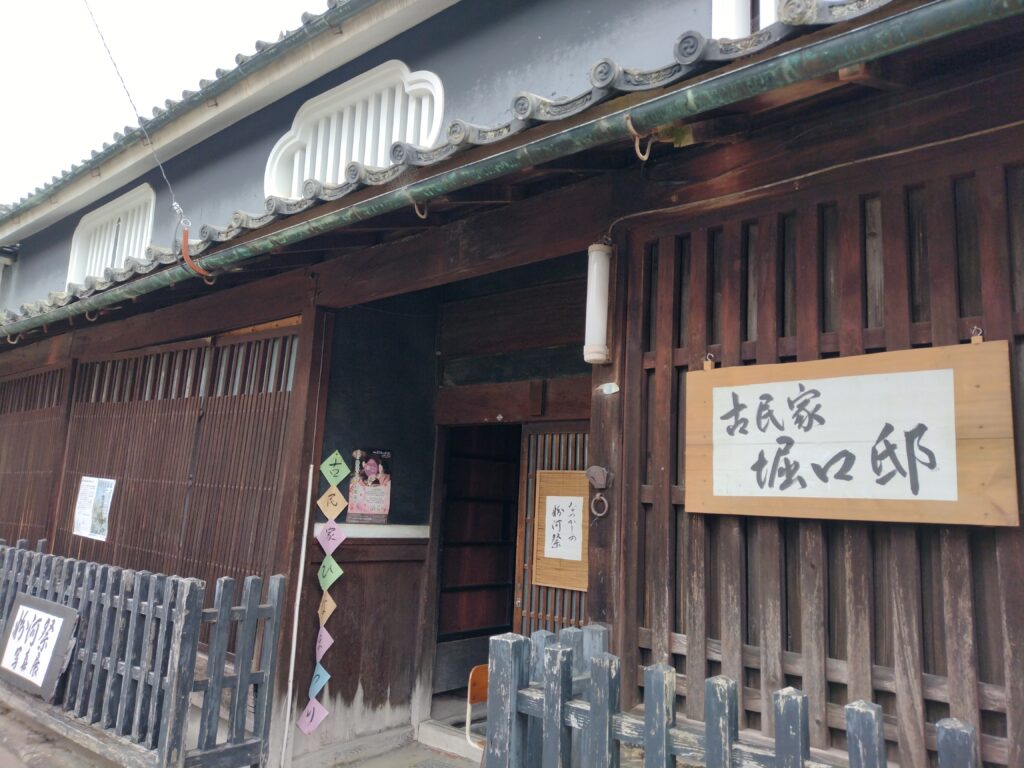
Kokawa, located in Kinokawa City, developed around Kokawa-dera Temple.
Kokawa-dera is the third temple on the Saigoku Kannon Pilgrimage, one of Japan’s oldest Buddhist pilgrimage routes dedicated to Kannon, the Bodhisattva of Compassion. The route connects temples mainly across the Kansai region and has a history stretching back more than a thousand years.
Wherever pilgrims gathered, businesses developed to support their journeys. Inns, restaurants, shops, and other services emerged around temples to provide food, accommodation, and supplies. Kokawa was one of the towns shaped by this relationship between religious pilgrimage and local commerce.
Walking from the temple’s main gate toward the grounds, you can get a sense of how the town developed around this important religious site. Within the temple grounds, historic structures such as the main hall and the middle gate are worth seeing. The garden in front of the main hall is particularly distinctive, featuring an unusual arrangement of large stones.
When visiting Kokawa, take time to explore not only the temple buildings and garden but also the surrounding streets. Thinking about how the temple served as a center of the community, with local commerce and everyday life developing around it, adds another dimension to the townscape.
You may also find cafés and other businesses operating from traditional Japanese houses. Stopping for a break in one of these buildings is a pleasant way to imagine how people once lived in the town.
Unlike Yuasa, where commerce developed around soy sauce brewing, Kokawa was shaped to a large extent by pilgrimage and religious devotion. Discovering these differences is part of what makes exploring Wakayama’s historic towns so rewarding.
Access
The nearest station is Kokawa Station on the JR Wakayama Line. Kokawa-dera Temple is approximately a 15-minute walk from the station. The town can be reached by train from Wakayama City or Hashimoto.
4. Gobo: A Commercial Town That Developed Around a Buddhist Temple
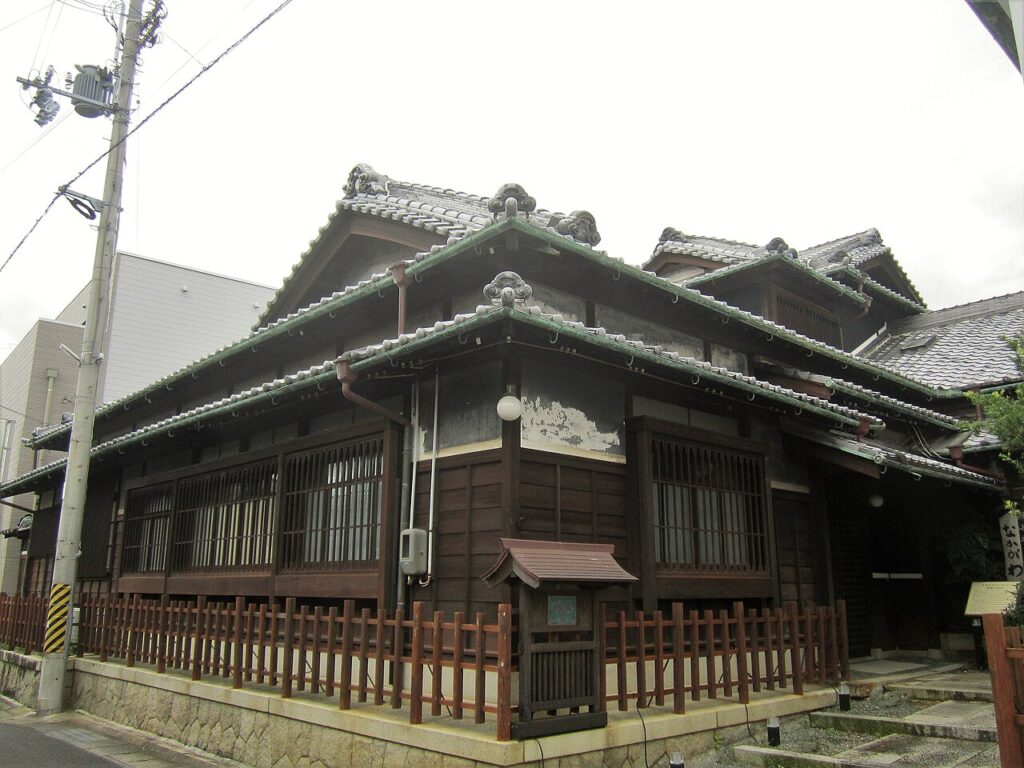
Gobo, located in central Wakayama Prefecture, is home to a historic townscape that developed around a Buddhist temple.
At its center is Hidaka Betsuin, a temple belonging to the Hongwanji-ha branch of Jodo Shinshu Buddhism. It has long served as an important religious center for the region. The development of shops and residences around a major temple is characteristic of a type of settlement known in Japan as a jinaimachi, or temple town.
Gobo developed through the close relationship between religious life, commerce, and the surrounding community.
As you walk through the town, you will find buildings from different periods, including old merchant houses and examples of modern-era architecture. One particularly interesting building is the Former Nakagawa Residence. Built in 1937, this merchant’s residence combines traditional Japanese architectural features with Western-style design elements.
When people think of traditional Japanese houses, they often imagine wooden townhouses from the Edo period. However, from the Meiji period onward, changes in lifestyles and construction techniques led to the development of many houses that blended Japanese and Western architectural styles. The Former Nakagawa Residence offers an interesting insight into this period of architectural change in Japan.
Gobo’s appeal does not lie in the preservation of a single historical period. Rather, the town offers a layered view of history, where traces of religious life, commerce, and modern Japanese society can be found side by side.
Access
From JR Gobo Station on the Kisei Main Line, transfer to the Kishu Railway and travel to Nishi-Gobo Station. This is a convenient starting point for exploring the historic temple-town area on foot. Opening hours and visitor access vary depending on the site, so it is advisable to check in advance.
5. Kuroe: A Town Shaped by Generations of Kishu Lacquerware Artisans
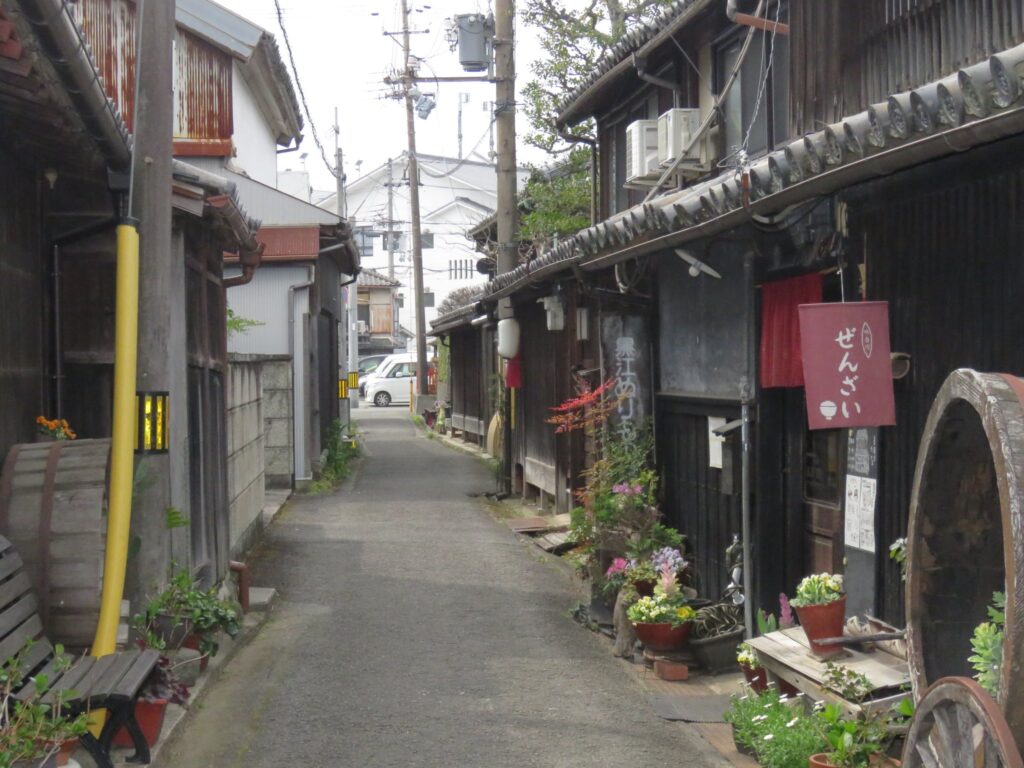
Kuroe, in Kainan City, is known as a historic center of Kishu lacquerware.
Lacquerware production in Kuroe is believed to have a history of more than 400 years. The town developed as a center of lacquerware manufacturing during the Edo period, attracting generations of artisans and merchants. Its distinctive urban layout and traditional buildings reflect the character of this craft industry, in which different stages of production were carried out by specialized craftspeople.
As you walk through Kuroe, you will notice a townscape that looks quite different from many other historic Japanese towns. The buildings are arranged at an angle to the main street, creating an unusual pattern rather than the continuous line of building façades commonly seen in traditional shopping streets. This distinctive layout is known as a nokogiri-ha, or sawtooth-shaped townscape.
Along the streets, you can find traditional wooden townhouses with lattice doors, as well as buildings associated with lacquerware production. The close relationship between homes and workshops gives an impression of how artisans once carried out their work as part of their everyday lives.
The appeal of Kuroe goes beyond its traditional houses. Once you understand the history of lacquerware production, the arrangement of the buildings and the unusual shape of the streets begin to make more sense.
Today, Kuroe still has shops and facilities connected with lacquerware, where visitors can learn about the history and techniques of Kishu lacquerware. You can also take part in hands-on activities such as maki-e, a decorative technique in which designs are created by sprinkling metallic powder onto lacquer.
Some traditional buildings are now used as shops selling lacquerware or restaurants where dishes are served in lacquerware. Visiting these places offers a more direct way to experience the town’s craft culture, rather than simply viewing its historic streets from the outside.
Access
The nearest station is Kuroe Station on the JR Kisei Main Line. The historic townscape is approximately a 15-minute walk from the station. Buses from Kainan Station are another option. Combining a walk through the town with a visit to a lacquerware facility is a good way to explore Kuroe.
Related post: Exploring Kuroe: Japanese Lacquerware and the Dining Experience
6. How to Visit Wakayama’s Historic Towns
The five towns introduced here each have their own history and character. What you choose to see and experience will depend on your interests.
| Town | Main Historical and Cultural Themes | Highlights |
|---|---|---|
| Yuasa | Shoyu sooy sauce brewing and commerce | Traditional merchant houses, storehouses, soy sauce breweries |
| Kudoyama | Koyasan Buddhism and the Sanada family | Jison-in Temple, Choishi-michi trail, Sanada-an |
| Kokawa | Kannon worship and pilgrimage | Kokawa-dera Temple and its surrounding town |
| Gobo | Temple-town history and commerce | Hidaka Betsuin, Former Nakagawa Residence, old merchant houses |
| Kuroe | Kishu lacquerware and artisan culture | Sawtooth-shaped streets, lacquerware-related facilities |
These five towns are not places that can easily be explored together in a single day. Yuasa and Kuroe are located along the coast in the northern and central parts of Wakayama, while Kudoyama and Kokawa are in the Kinokawa River area. Gobo lies farther south.
If you plan to visit by public transportation, it is important to consider the distances between the towns and the train schedules. In particular, local railway services in rural areas may be relatively infrequent, depending on the time of day.
Also, not every historic building is open to the public. If you plan to visit a particular building or take part in a hands-on activity, check its opening hours and whether advance reservations are required.
7. Discovering Wakayama’s Local Life and Culture Beyond Its Historic Houses
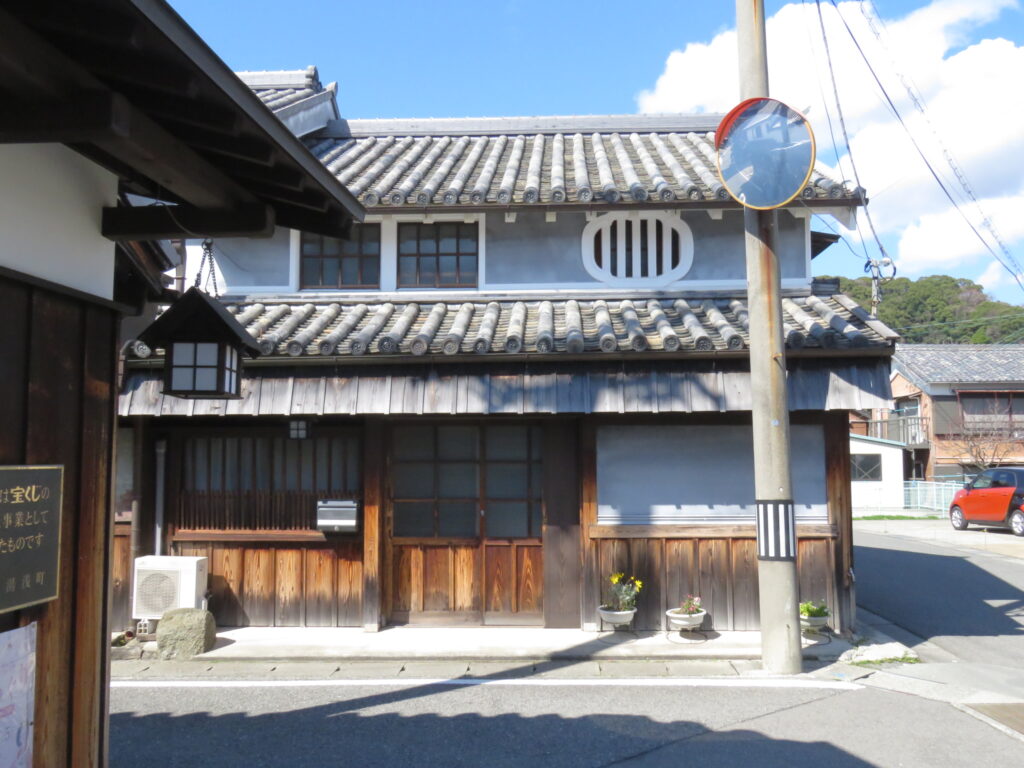
The pleasure of visiting traditional Japanese towns is about more than taking photographs of old buildings.
Why did merchants gather in Yuasa to produce soy sauce? Why did Kuroe develop a distinctive street layout suited to the work of lacquerware artisans? Why did settlements emerge around Mount Koya and Kokawa-dera to support the movement of pilgrims?
When you explore these towns with such questions in mind, the streets and buildings become more than historic scenery. They reveal the accumulated stories of people’s everyday lives, work, and religious beliefs.
Unlike famous destinations such as Kyoto and Kanazawa, these areas offer a different perspective on Japanese history—one rooted in local industries and everyday life in Wakayama. Here, you can encounter not only traditional architecture but also living cultural traditions, including soy sauce brewing, lacquerware craftsmanship, and communities that developed around Buddhist temples.
If you want to understand these towns more deeply, consider exploring them with someone who can explain their local history, industries, and way of life as you walk through the streets.
Follow the history of soy sauce in Yuasa, discover the craftsmanship of lacquerware in Kuroe, and learn about pilgrimage and religious traditions in Kudoyama and Kokawa. By connecting the stories of these different towns, you can experience a side of Wakayama that goes far beyond visiting a series of tourist attractions.
The rhythm of local life still shapes these towns today. Take your time, explore their streets, and discover the history and culture that make each place unique.
Related Posts
- 7 Hidden Historic Towns in Kansai: Discover a Different Side of Japan
- Quiet Places Near Kansai Airport: 7 Slow Travel Destinations Beyond Osaka, Kyoto & Nara
- 5 Days Around Koyasan: From Koyaguchi and Kudoyama to the Sacred Mountain
Related posts:
Japan’s Historic Castles: 8 Places to Understand the Country’s History

Mandarin Farm Stay in Arida
The Battle Before Wakayama Castle Existed
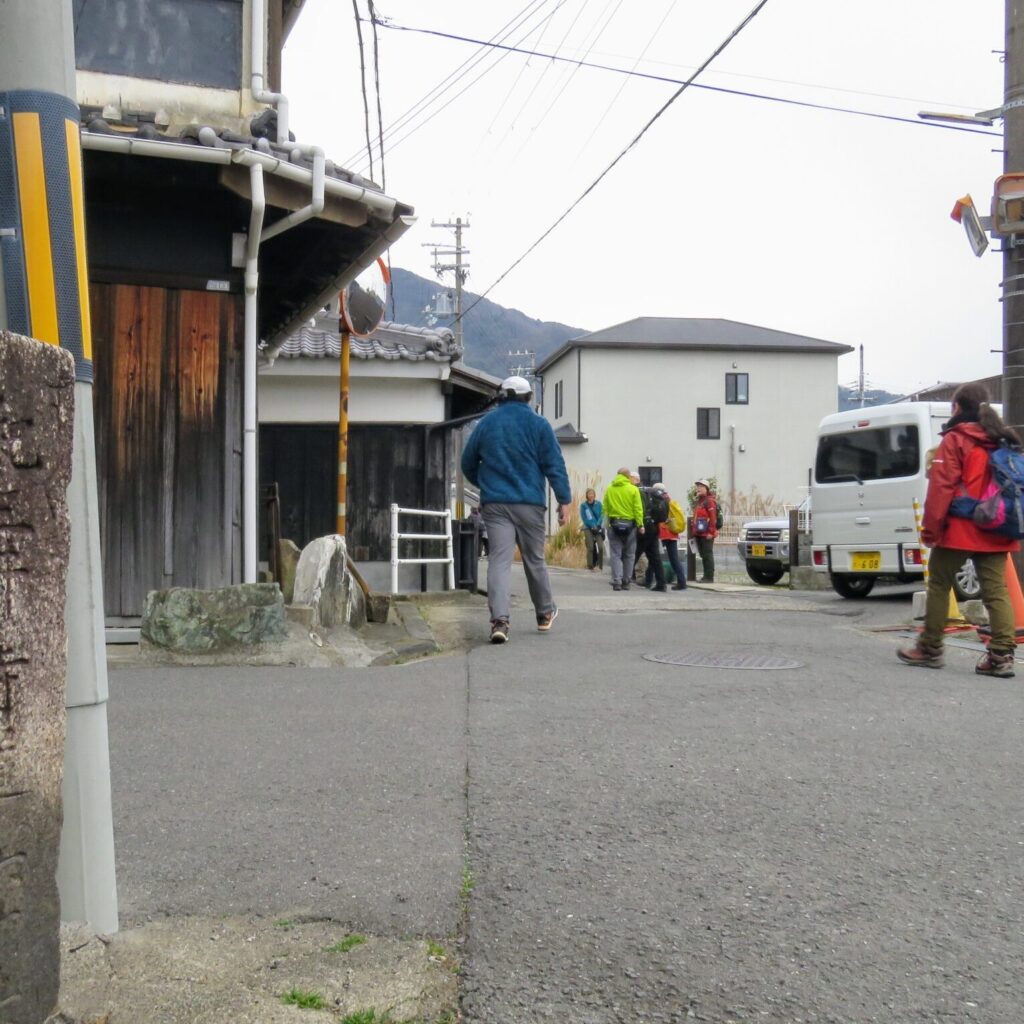
Kiiji Road Guide: The Kumano Kodo You Don’t Expect
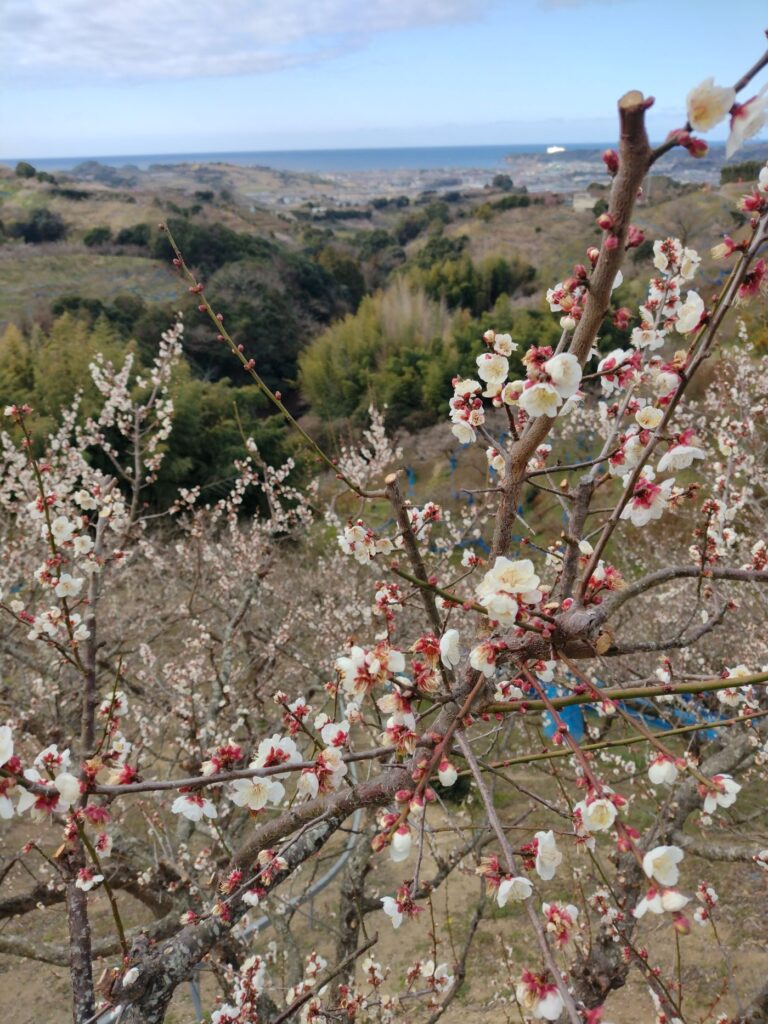
Ume Blossom & Rural Landscape in Wakayama
No responses yet