
When people think about Japanese food, they often imagine sushi in Tokyo, street food in Osaka, or traditional kaiseki cuisine in Kyoto. But Japan’s food culture extends far beyond these famous destinations. In regional cities, eating is closely connected to local history, geography, seasonal rhythms, and everyday life.
Wakayama City, located south of Osaka and facing the Seto Inland Sea, offers a different way to experience Japanese food. Here, you can find fresh seafood from nearby fishing ports, traditional Japanese sweets, locally loved ramen shops, regional dishes connected to the Kumano area, and small restaurants where people have been eating for generations.
Rather than following a fixed list of famous restaurants, imagine spending a day discovering Wakayama through its food. You might begin with a simple breakfast at a traditional Japanese café, enjoy seafood for lunch, stop for matcha or a local sweet in the afternoon, and finish the day at a neighborhood restaurant or a lively food stall.
This is not simply a food tour. It is a way to experience the character of a Japanese regional city through the places, people, and flavors that shape everyday life.
1. Start the Day with a Japanese Breakfast
A good way to understand a Japanese city is to begin the morning where local people do.
In Wakayama City, you can find traditional cafés, known as kissaten, as well as bakeries and small breakfast spots. Some serve simple morning sets with toast, coffee, eggs, and salad. Others offer a more traditional Japanese breakfast.
The atmosphere of a kissaten is often as interesting as the food itself. Many are independently operated, with their own interior design, regular customers, and familiar routines. They are not necessarily places designed for tourists. Instead, they are part of the everyday social life of the neighborhood.
A morning visit can offer a glimpse of a quieter side of Japan: people reading newspapers, talking with friends, or enjoying a slow start before work.
For visitors accustomed to the busy atmosphere of major tourist destinations, this can be a refreshing experience.
What to try:
- A traditional Japanese café breakfast
- Toast and coffee at a local kissaten
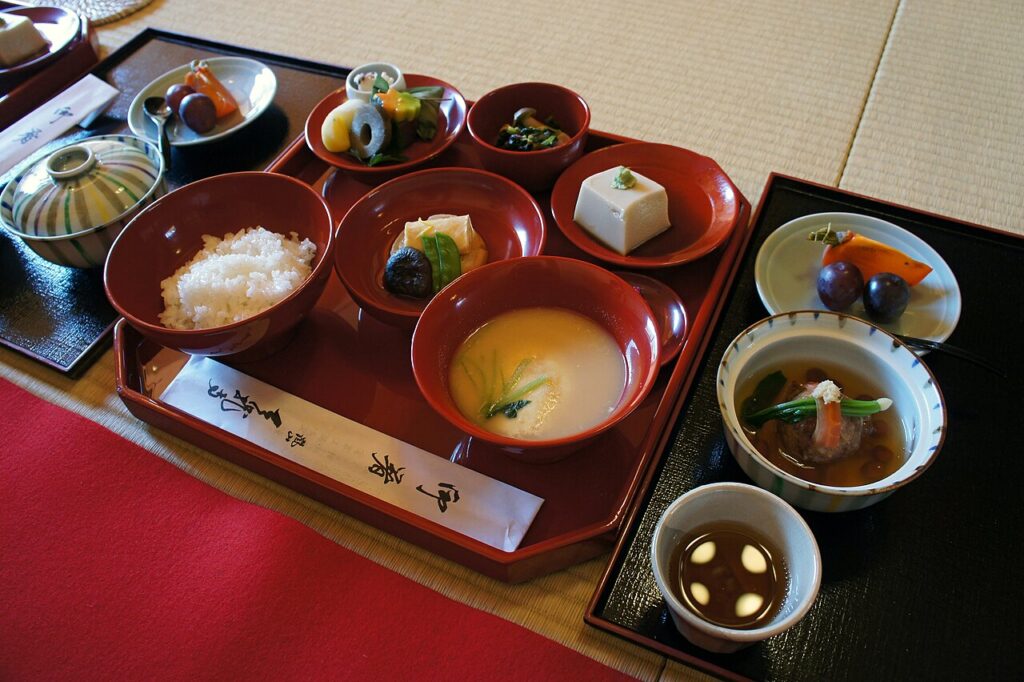
- Japanese-style breakfast with rice, miso soup, and side dishes
- Freshly baked bread from a neighborhood bakery
The best choice depends on where you are staying, the day of the week, and the kind of morning you would like to experience.
2. Discover Wakayama’s Seafood Culture
Wakayama City faces the sea, and its food culture is naturally connected to fishing.
The surrounding waters provide a variety of seafood, including sea bream, whitebait, prawns, and seasonal fish. You do not need to travel to a famous fishing destination to enjoy seafood here. Local restaurants and markets offer opportunities to discover what the sea provides to the city.
One interesting place is Ottotto Hiroba, a fish market located near Wakaura Fishing Port. Visitors can browse local seafood and, depending on availability, enjoy fresh sashimi and seafood dishes. It is particularly worth considering for a morning visit, when the selection is often better. Opening information should be checked before visiting.
Try Shirasu Don
One local dish worth looking for is shirasu don — a bowl of rice topped with small whitebait fish.
The flavor is delicate, and the dish reflects the relationship between the city and its coastal environment. Depending on the season and preparation, the whitebait may be served fresh, boiled, or seasoned.
In the Wakaura area, seafood restaurants offer opportunities to enjoy dishes made with local fish and ingredients.
More Than Just Fresh Fish
Seafood in Wakayama is not only about freshness. It also tells a story about the communities that depend on the sea.
Fishing ports, local markets, family-run restaurants, and traditional food preparation methods all form part of the region’s culinary landscape.
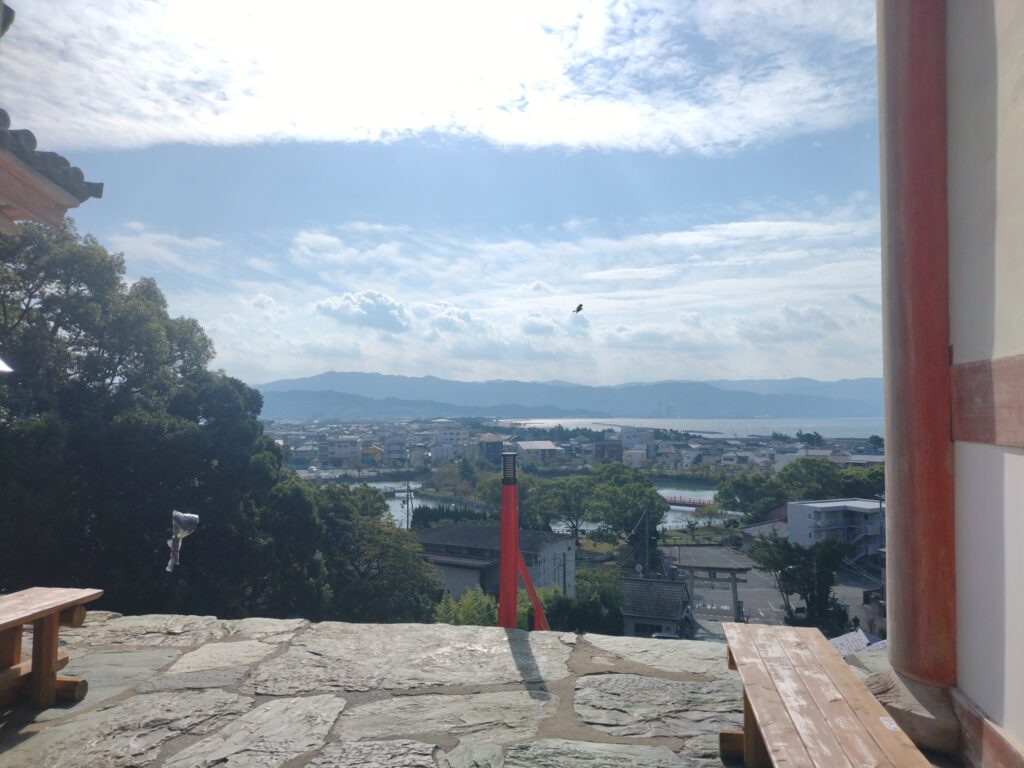
If you have time, consider visiting Wakaura as part of your food journey. The area offers a combination of coastal scenery, historic cultural landscapes, and local food. It is a good example of how food, geography, and history come together in Wakayama.
3. Enjoy Wakayama Ramen — A Local Everyday Favorite
No food journey through Wakayama City would be complete without trying Wakayama ramen.
Locally, it is often called chuka soba, meaning Chinese-style noodles. Although it is now known throughout Japan as Wakayama ramen, the dish developed as an everyday local favorite, with roots in food stalls that served workers and residents.
There are two commonly discussed styles: a lighter soy-sauce-based broth and a richer pork-bone-and-soy-sauce broth. Individual restaurants have their own recipes, so the taste can vary considerably from one shop to another.
The Interesting Tradition of Hayazushi
One detail that makes Wakayama ramen distinctive is the way it is often eaten.
In many ramen shops, you may find hayazushi — small pieces of pressed mackerel sushi — and boiled eggs placed on the counter or at the table.
Rather than being served as a formal set meal, these items are often available for customers to take and eat alongside their ramen. In some establishments, customers simply tell the staff what they have eaten when paying.
This informal style is part of the local food culture. It is not just about the bowl of noodles, but also about the habits that have developed around it.
For visitors, trying ramen in a small neighborhood shop can be an enjoyable introduction to ordinary Japanese dining.
A small tip: Do not expect every ramen shop to have an English menu or a familiar ordering system. Some places have ticket machines, handwritten menus, or ordering customs that may be unfamiliar to overseas visitors. A little guidance can make the experience much easier.
4. Take an Afternoon Break with Japanese Sweets and Matcha
After lunch, slow down and enjoy something sweet.
Wakayama has a long tradition of Japanese confectionery, and its local sweets offer another perspective on the region’s culture.
Japanese sweets, or wagashi, are often closely connected to the seasons. Their shapes, colors, and ingredients may reflect flowers, leaves, landscapes, or seasonal events. They are not simply desserts; they are also expressions of Japanese aesthetics and an appreciation of the changing seasons.
There are also Japanese sweets inspired by Wakayama available; why not enjoy their delicate flavors and textures? Some local confectionery shops and workshops offer opportunities to experience Japanese sweet-making.
Matcha and a Local Favorite: Green Soft
You could also take a break with matcha or Japanese-style sweets.
One local curiosity is Green Soft, a matcha-flavored soft-serve ice cream associated with Wakayama City. It has been a familiar local favorite for many years and is a simple but memorable way to experience a regional taste.
The afternoon is also a good time to explore the area around Wakayama Castle or the historic shopping streets. Instead of rushing from one restaurant to another, you can combine a sweet break with a walk through the city.
5. Explore Local Dishes Beyond the Famous Ones
Wakayama’s food culture is not limited to ramen and seafood.
The wider prefecture has a rich culinary tradition shaped by its mountains, coastline, agricultural communities, and pilgrimage routes. Some regional dishes have become part of everyday life in Wakayama City as well.
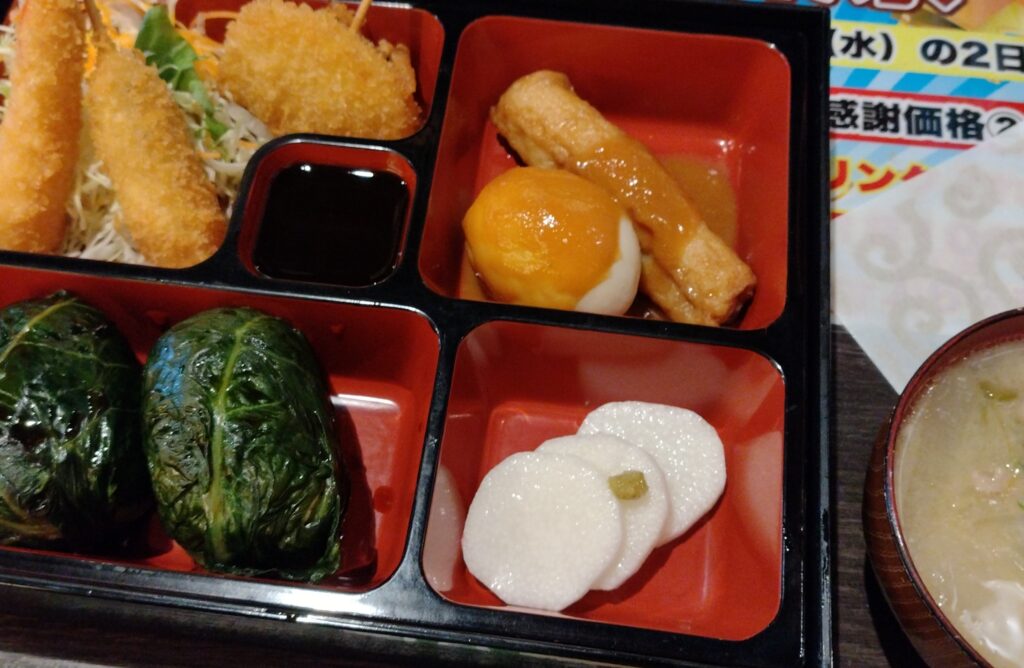
One example is mehari-zushi.
Mehari-zushi: A Taste of the Kumano Region
Mehari-zushi consists of rice wrapped in pickled mustard leaves. It is traditionally associated with the Kumano area and has been eaten as a practical, portable food by people working in the countryside and along the coast.
Its ingredients are simple, but the combination of rice and pickled greens reflects an older food culture in which preservation, portability, and local agricultural products were important.
The dish is a reminder that food traditions do not necessarily follow modern administrative boundaries. The cultural connections between Wakayama City, the mountains, and the Kumano region can still be found on the table.
Other foods worth exploring include:
- Umeboshi: Pickled Japanese plums, one of Wakayama Prefecture’s best-known products.
- Local sake: Japanese rice wine produced by breweries in the region.
- Seasonal fish: The variety changes throughout the year.
- Wakayama fruit: The prefecture is known for citrus, peaches, plums, and other fruit.
- Local pickles and preserved foods: Small examples of how people have made use of seasonal ingredients.
You do not need to try everything in one day. Choosing a few dishes that reflect your interests will make the experience more enjoyable.
6. Finish the Day with a Local Dinner or Food Stalls
As evening approaches, Wakayama offers another side of its food culture.
You could choose a traditional Japanese restaurant specializing in seasonal seafood, a neighborhood izakaya, or a casual restaurant serving local dishes.
An izakaya is a Japanese-style pub where people gather after work to enjoy drinks and a variety of small dishes. It is not quite a restaurant and not quite a bar. Instead, it is a place where people share food, conversation, and time.
For visitors, an izakaya can be a good way to experience Japanese dining beyond the more formal restaurant setting.
Experience the Atmosphere of Ichihorigawa Yoichi
Another option is Ichihorigawa Yoichi, a food-stall event held around Kyobashi Shinsui Park in central Wakayama City.
The stalls and food offerings vary, creating a casual atmosphere where visitors can enjoy different local dishes and spend time outdoors. It is worth checking the event’s official information before visiting, as participating vendors and operating details may change.
Food stalls offer a different experience from a conventional restaurant. You can move between stalls, try smaller portions, and enjoy the atmosphere of the city at night.
For travelers who want to see how local people spend their evenings, this can be an enjoyable final stop.
7. Why a Customized Food Tour Is Better Than Following a Restaurant List
There are plenty of restaurant recommendations online, and you can certainly explore Wakayama’s food scene independently.
However, a memorable food experience is not necessarily about visiting the largest number of restaurants or trying every famous dish.
It is about choosing the right places and connecting them in a way that suits your interests, appetite, schedule, and pace.
For example:
- If you love seafood, your day could focus on Wakaura, local fish markets, and seasonal seafood restaurants.
- If you are interested in Japanese history, you could combine Wakayama Castle, traditional sweets, and local dishes connected to the history of the Kishu region.
- If you enjoy everyday Japanese culture, you might prefer a traditional kissaten, a neighborhood ramen shop, and an izakaya.
- If you are curious about regional food traditions, you could explore the connections between seafood, preserved foods, fermentation, and the Kumano area.
A customized food tour allows these interests to shape the day rather than forcing you to follow a fixed itinerary.
A Local Guide Makes the Experience Easier
There is another practical reason to explore Wakayama City with a local guide: English is not widely available in every local restaurant or small shop.
While larger hotels and tourist-oriented establishments may offer some English support, many independently operated restaurants, traditional cafés, and neighborhood shops serve primarily local customers. Some have no English menu, and staff may not feel comfortable communicating in English.
This does not mean that visitors cannot enjoy these places on their own. However, it can make ordering, understanding the menu, asking about ingredients, or explaining dietary requirements more difficult.
A local English-speaking guide can help bridge that gap.
A guide can explain unfamiliar dishes, help communicate with restaurant staff, clarify how to order, and provide background about the food you are trying. This is particularly useful when visiting small local establishments that are not accustomed to welcoming international visitors.
Just as importantly, a guide can explain the stories behind the food.
Why is hayazushi served with ramen? How is mehari-zushi connected to the Kumano region? Why does Wakayama have such a strong relationship with seafood and preserved foods? These questions can turn an ordinary meal into a much deeper cultural experience.
8. Explore Wakayama Through a Curated Kii Peninsula Journey
If you would like to discover Wakayama’s food culture at your own pace, I can help create a private journey based on your interests.
My Curated Kii Peninsula Journey is designed for travelers who want to experience more than the usual sightseeing route. Rather than following a standard package tour, we build a day around the places, food, culture, and local experiences that interest you.
A food-focused journey in Wakayama City might include:
- A visit to a traditional Japanese café or local bakery
- Exploring the seafood culture around Wakaura
- Tasting Wakayama ramen and learning about its local customs
- Discovering Japanese sweets and seasonal flavors
- Trying regional dishes such as mehari-zushi
- Visiting local markets or neighborhood food spots
- Enjoying an evening food experience, depending on your schedule
The actual itinerary will depend on the day of the week, seasonal availability, opening hours, and your preferences. We do not need to include every stop. Sometimes choosing just two or three places and spending more time at each creates a much better experience.
I can also help with communication at local establishments where English may not be available, so you can feel more comfortable exploring places that might otherwise be difficult to visit independently.
Whether you are interested in seafood, traditional Japanese cuisine, local cafés, regional specialties, or the relationship between food and history, the journey can be shaped around what you would most like to discover.
You do not have to be a food expert to enjoy Wakayama. You only need curiosity and an appetite for discovering a different side of Japan.
If you are planning a visit to Wakayama and would like to explore its food culture with a local guide, please get in touch.
Discover Wakayama through food, local stories, and the rhythm of everyday life.
Explore Curated Kii Peninsula Journey
Contact me to plan your private journey
Read More About Travel in Wakayama City
- Fishing Towns in Japan: Discover Local Life in Saikazaki and Kada, Wakayama
- Samurai Iaido Experience in Wakayama: Try Traditional Japanese Swordsmanship
- A Beautiful Slow Stay in Wakayama City
- 3 Days in Wakayama City: A Slow Journey Through Castle, Coast & Local Life
Related posts:
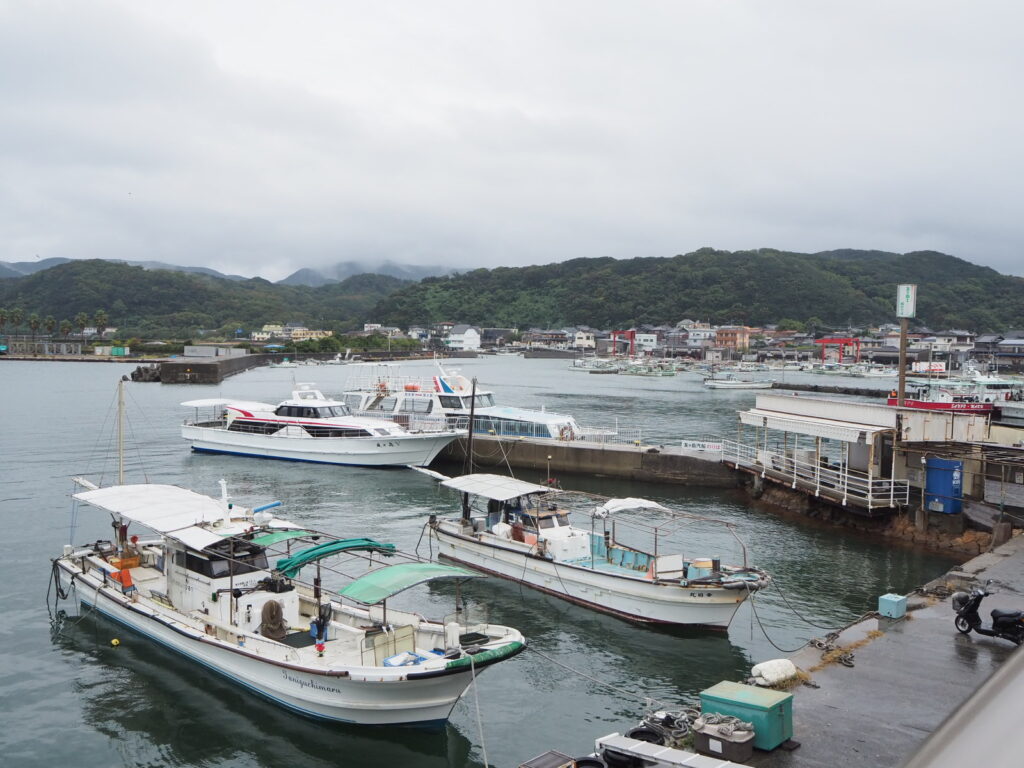
Private Fishing Village Tours in Japan: Discover Local Life with a Guide
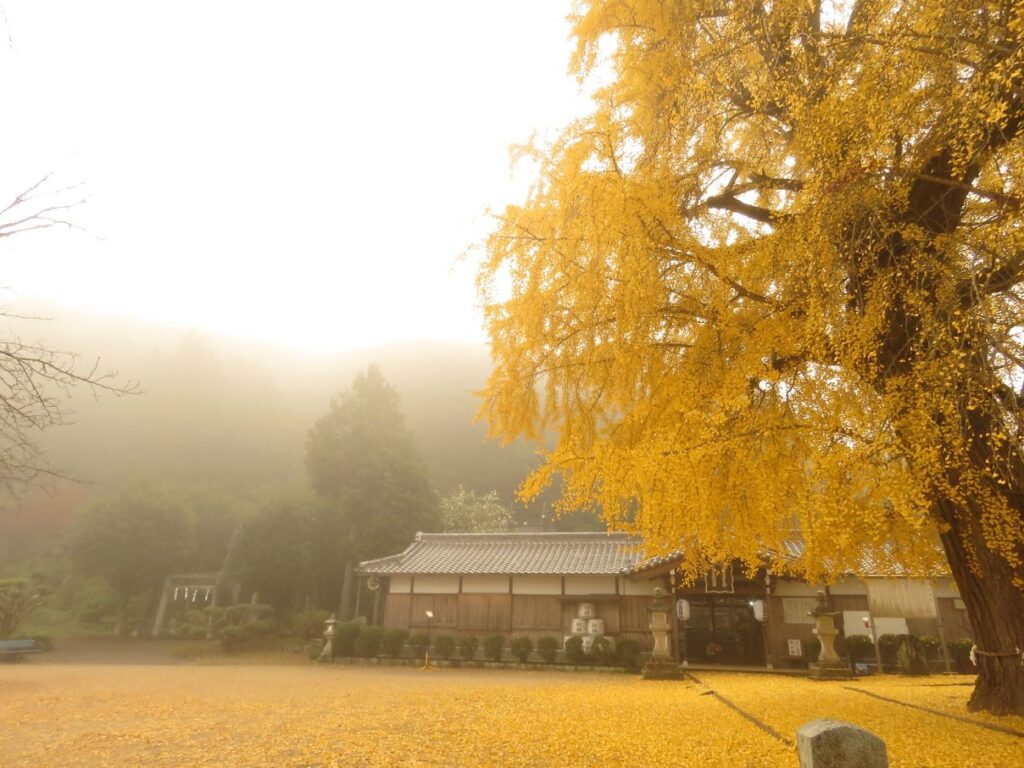
A Year in Japan: Experiencing the Seasons, Food & Traditions of Local Life
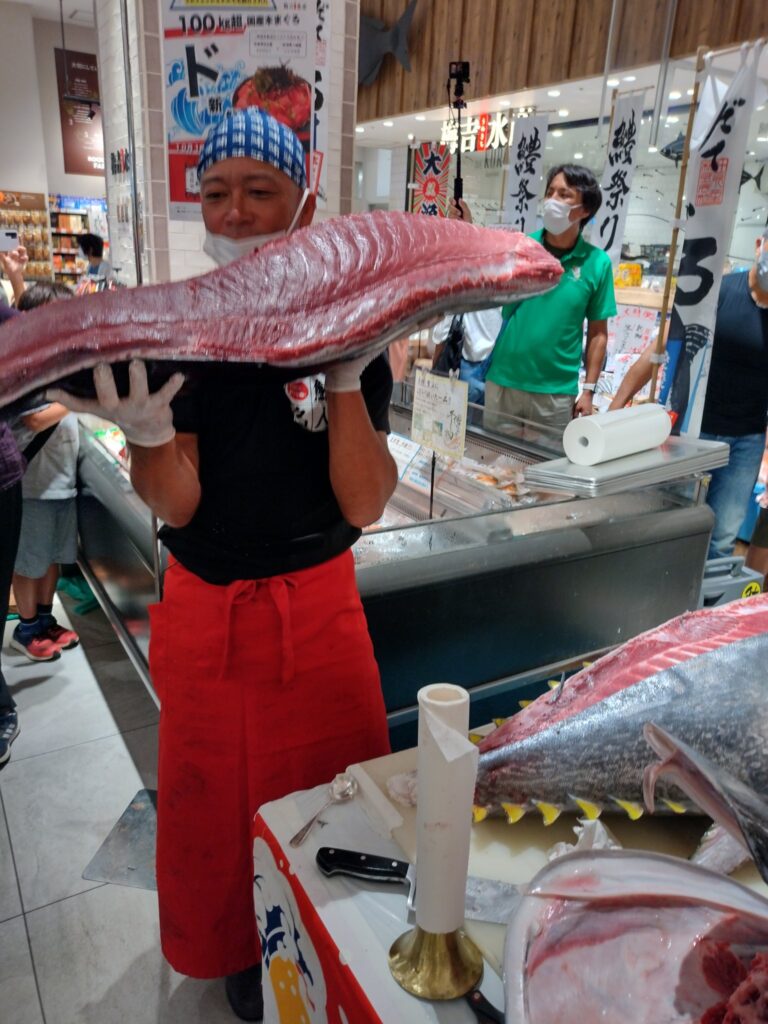
Best Tuna Cutting Shows in Wakayama: Markets, Times & Tips
Custom Food Tours in Japan: Discover Local Food Culture Through an Omakase Journey
Why Wakaura Has Inspired Poets for More Than 1,000 Years
No responses yet