
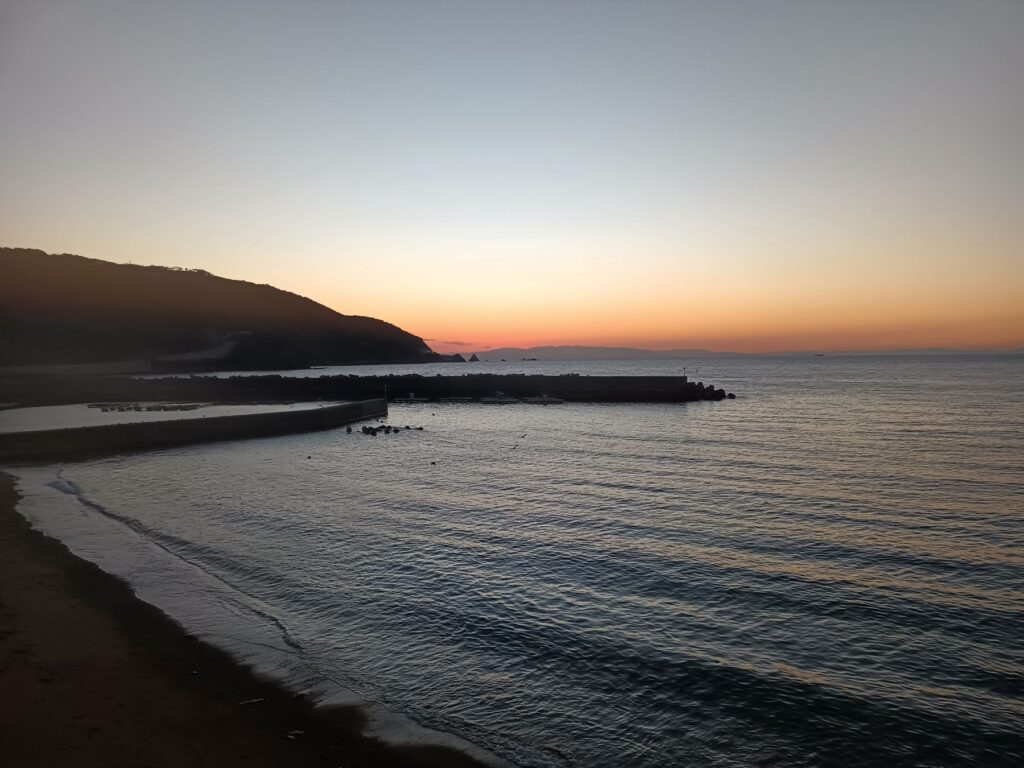
Introduction: Instead of Rushing Around Japan, Take Time to Experience a Place
Imagine spending two weeks in Japan. Instead of moving to a different city every day, what if you chose one place and made yourself at home for a while?
Take a morning walk along the coast. Enjoy a coffee at the little café you discovered yesterday. Visit a local shop or market to see what seasonal ingredients are available. As you walk the same streets day after day, you begin to notice things you might have overlooked on a short visit. Gradually, the everyday life of the town becomes more familiar.
Changing the way you spend your time while traveling can change your relationship with the places you visit.
Many international visitors to Japan travel between major destinations such as Tokyo, Kyoto, and Osaka, trying to see as much as possible within a limited schedule. This is certainly one way to discover Japan. But there is another side of the country that reveals itself when you slow down.
Beyond the famous sightseeing destinations, there are towns and villages where people go about their daily lives, coastlines and mountains that change with the seasons, food cultures rooted in local traditions, and ordinary scenes that rarely appear in travel guides. Some of these places are even unfamiliar to many Japanese people who live elsewhere in the country.
Wakayama Prefecture is an excellent destination for this kind of extended stay. You may not have heard of Wakayama before. Located just south of Osaka, it is relatively easy to reach from Kansai International Airport. Yet within the prefecture, you will find a variety of landscapes and lifestyles: coastal towns, historic merchant communities, hot spring resorts, and rural villages surrounded by mountains.
Here, I would like to introduce five places in Wakayama where you might want to stay a little longer. Each has its own character, but they share something important: they offer opportunities to experience more than just sightseeing. They allow you to spend time discovering the everyday life of a place.
As a local guide based in Wakayama, I value a particular approach to travel: Rhythm of Life. It means becoming aware of the rhythm of everyday life in a place and allowing your own travel rhythm to change along with it.
1. Wakaura: Enjoy Everyday Life in a Historic Coastal Town
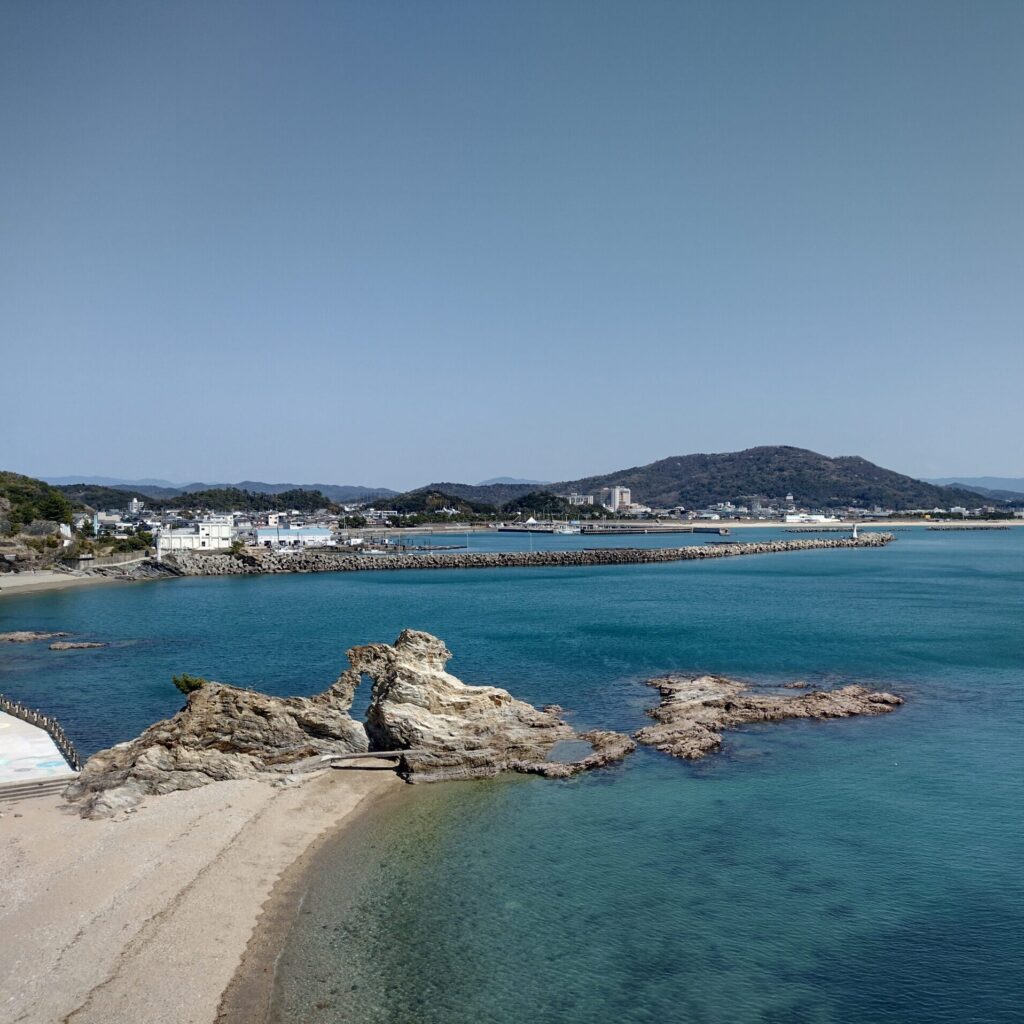
Located in the southern part of Wakayama City, Wakaura is a place where the sea, history, and everyday local life come together in a peaceful setting.
Wakaura has been admired for its scenic beauty for centuries. Its bay was celebrated in the Manyoshu, Japan’s oldest surviving anthology of poetry, compiled in the eighth century. The landscape that inspired ancient poets remains one of the area’s greatest attractions today.
But Wakaura is about more than beautiful views. Walk along the coast, explore old neighborhoods, and stop at small shops and cafés. It is through these ordinary moments that the character of the area gradually reveals itself.
One nearby place worth exploring is Saikazaki, a traditional fishing village known for its distinctive houses built along steep hillsides. Walking through its narrow lanes, you can still sense the relationship between the community and the sea. The harbor and the viewpoints overlooking the water offer a glimpse of a side of Japanese coastal life that is quite different from the experience of visiting a major city.
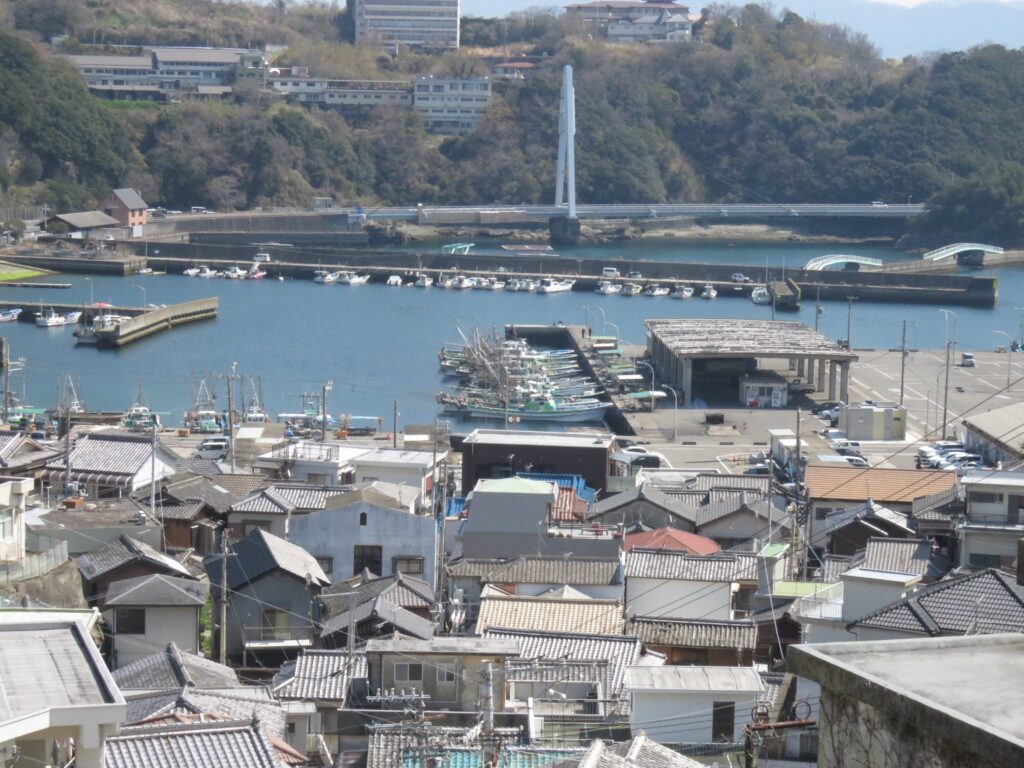
On days when the weather is good, you may even come across local fishermen selling freshly caught fish directly from their boats or at the harbor.
Wakaura is also home to places of historical and spiritual significance, including Tamatsushima Shrine and Kishu Toshogu Shrine. You can easily spend a relaxed day walking along the waterfront and visiting these historic sites.
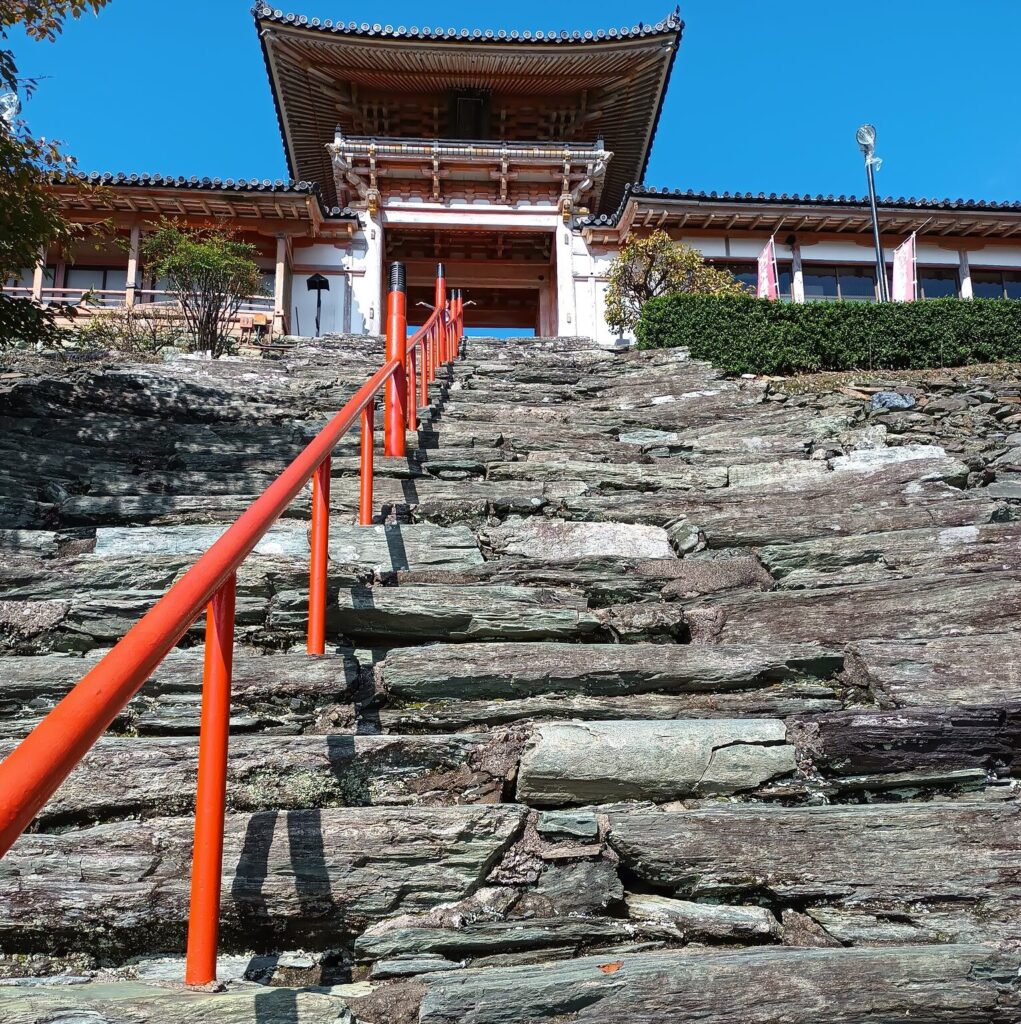
A little farther away, you will find local shopping streets and small businesses around areas such as Ashibe-dori and Meikyo Street. Rather than focusing only on places designed for tourists, take some time to observe where local residents shop, eat, and go about their daily routines.
If you stay in Wakaura for several days or a week, there is no need to visit a different tourist attraction every day. You might take a morning walk by the sea, have lunch at a restaurant that catches your attention, and spend the afternoon exploring a historic site. On another day, you could walk around Saikazaki and watch the evening light over the water.
It is in these simple routines that you begin to experience the rhythm of this coastal town.
Wakaura is ideal for travelers who:
- Want to spend time in a peaceful coastal town.
- Enjoy walking through historic neighborhoods and learning about local culture.
- Like discovering small cafés and shops while observing everyday life.
- Prefer a relaxed destination that is still within reach of a major city.
In Wakaura, you do not need a packed itinerary to enjoy your stay. Everyday activities can become the journey itself.
2. Yuasa: Discover Japanese Food Culture in a Historic Shoyu Sauce Town
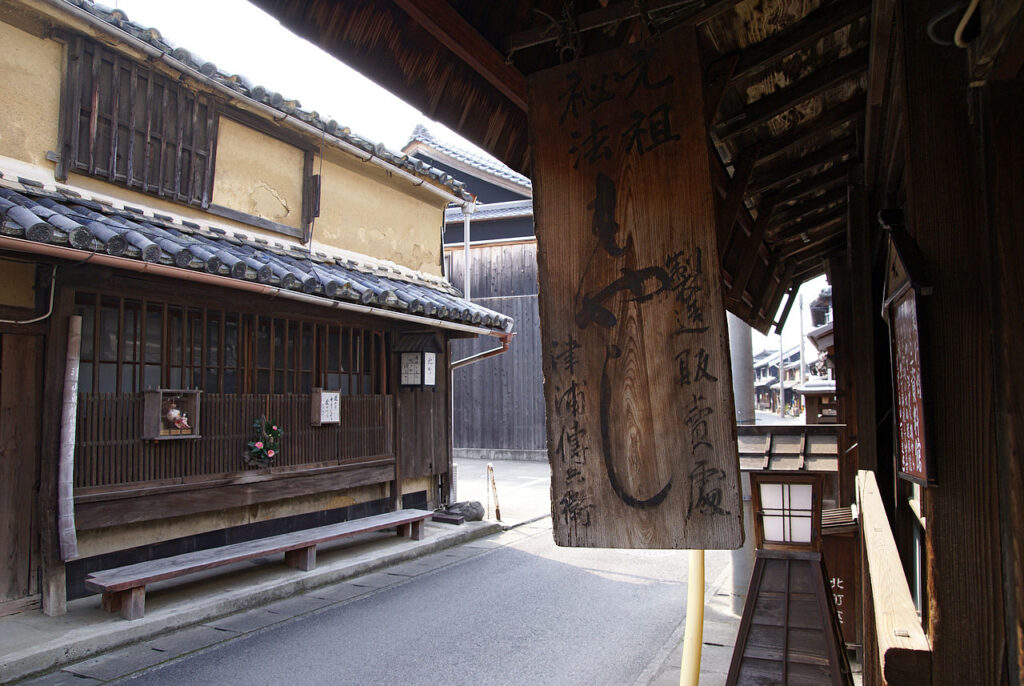
Located in central Wakayama Prefecture, Yuasa is an especially interesting destination for travelers who want to explore Japanese food culture.
Yuasa is closely associated with the development of Japanese soy sauce brewing. Its historic district preserves traditional buildings and streets dating back more than 400 years. As you walk through the neighborhood, you can see former merchant houses and buildings connected with the soy sauce industry that once brought prosperity to the town.
The appeal of Yuasa goes beyond its preserved architecture. It is a place where you can explore how one of the most essential ingredients in Japanese cooking developed through local history, industry, and the everyday work of generations of people.
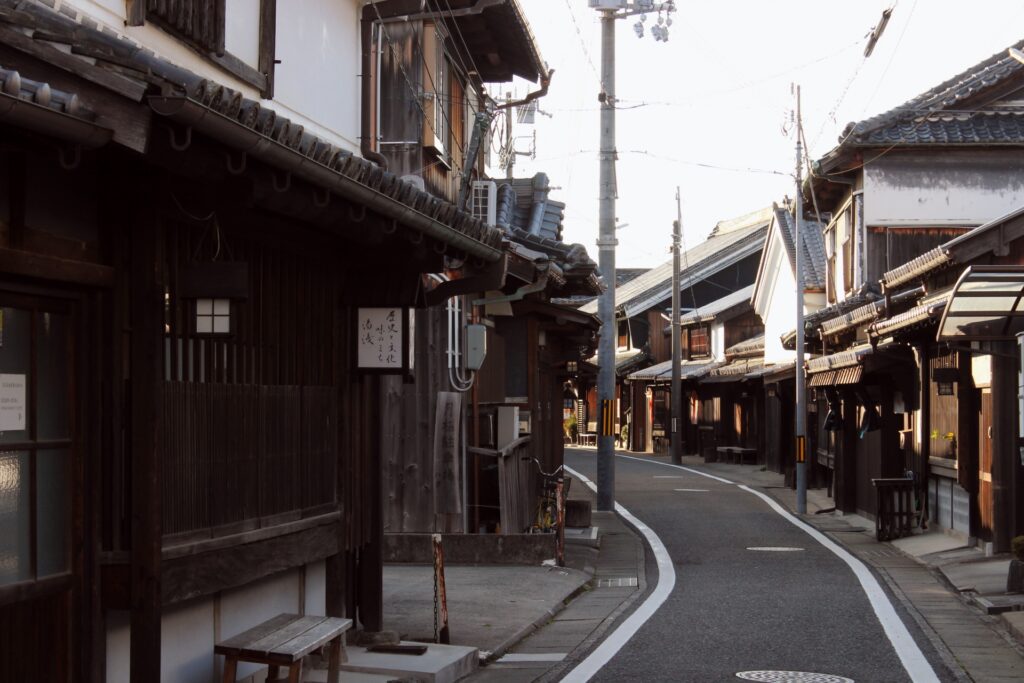
Shoyu soy sauce is much more than a seasoning in Japanese cuisine. It plays an important role in bringing out the flavors of fish, vegetables, meat, tofu, and many other ingredients. Understanding the fermentation and aging processes behind traditional soy sauce can change the way you experience even an ordinary Japanese meal.
Walk through Yuasa’s historic streets, visit places where the aroma of traditional soy sauce brewing still lingers, and enjoy meals at local restaurants. These experiences offer a deeper understanding of Japanese food culture than simply tasting individual dishes.
Yuasa is also close to the sea, making it a good destination for travelers interested in outdoor activities. Sea kayaking and stand-up paddleboarding are available in the surrounding area, offering another way to appreciate the coastline.
If you have more time, you can explore some of the remarkable landscapes nearby. Shirasaki Coast in Yura Town is known for its striking white limestone formations, while the Arida region is famous for its mandarin orange cultivation and agricultural landscapes. The citrus-growing culture of this area is part of Wakayama’s distinctive agricultural heritage.
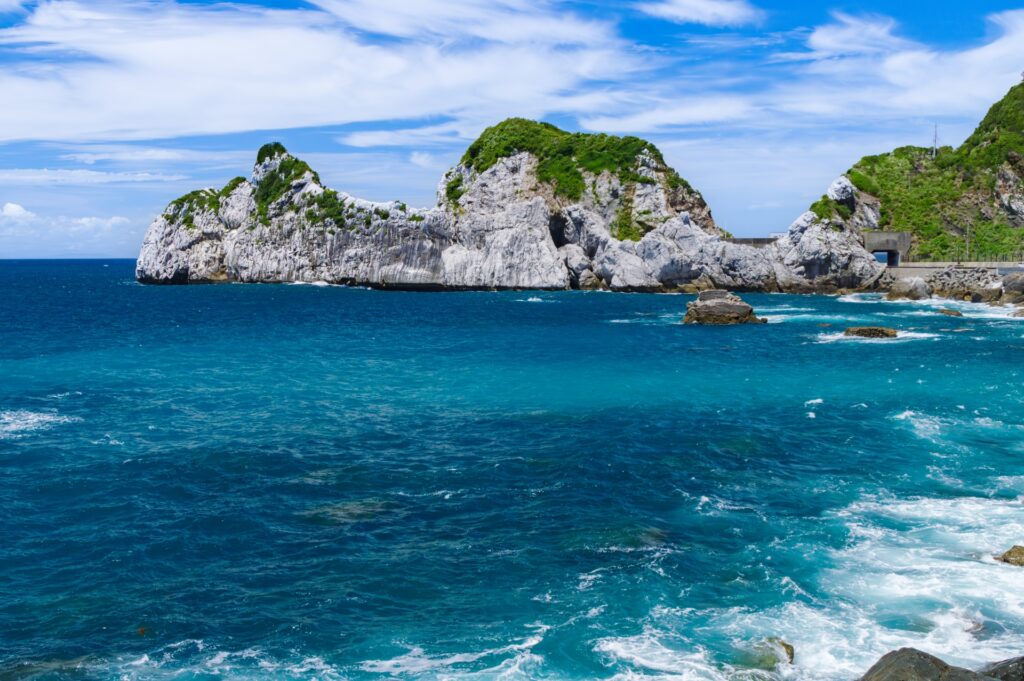
For a stay of several days, you could focus on Yuasa’s historic district and food culture. If you stay longer, you can add days exploring the coast and surrounding countryside.
Yuasa is ideal for travelers who:
- Are interested in Japanese cuisine and fermented foods.
- Want to experience everyday life in a historic small town.
- Enjoy sea activities such as kayaking and stand-up paddleboarding.
- Are interested in rural landscapes and traditional fishing communities.
In Yuasa, eating, walking, and spending time by the sea are not separate tourist activities. They are all connected to the character and daily life of the region.
3. Shirahama: Relax by the Sea and Enjoy Japan’s Hot Spring Culture

Shirahama is one of Wakayama’s best-known hot spring resorts. Its coastline features beautiful scenery, including the white sands of Shirarahama Beach, Engetsu Island rising from the sea, and the dramatic rock formations of SenjojikiFor travelers who want to experience Japanese hot spring culture or simply enjoy a relaxing seaside vacation, Shirahama is an attractive choice.
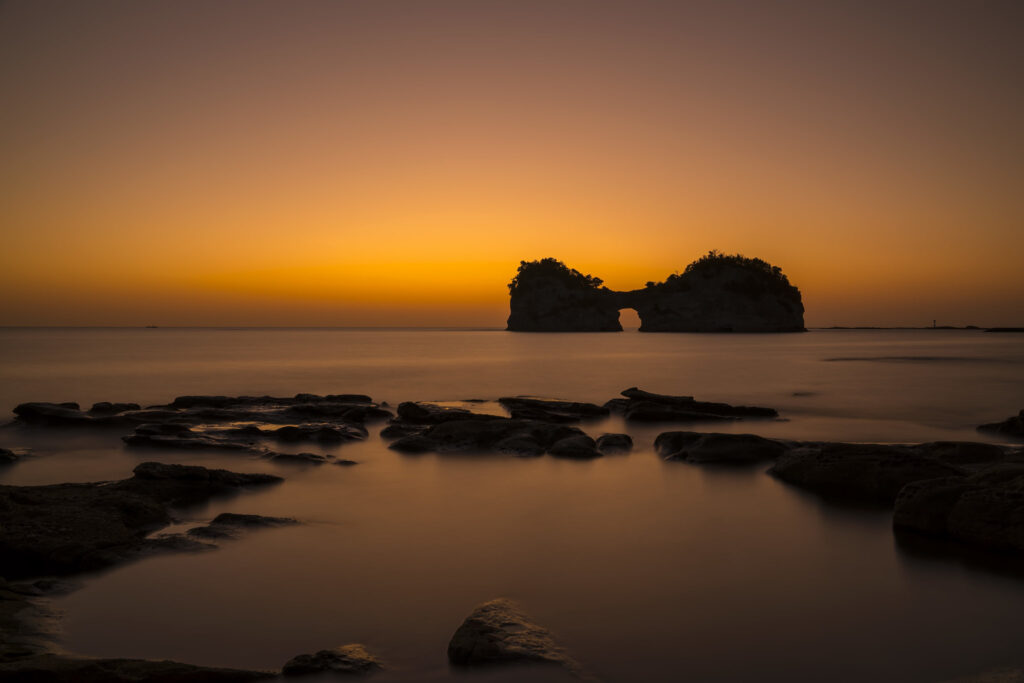
One of Shirahama’s greatest advantages is the combination of hot springs and the ocean. You can take a walk along the beach and then relax in a hot spring. Enjoy the sea during the quiet hours of the morning, have lunch in town, or simply spend an afternoon doing nothing in particular. Your days can change according to the weather and the season.
Hot springs are also an important part of Japanese everyday culture. They are not simply places to warm up; they have long been enjoyed as places to relax, recover from daily fatigue, and refresh the mind. Rather than treating a hot spring visit as a special event, you might make it part of your daily routine during your stay in Shirahama.
Shirahama can also serve as a base for exploring the Kumano Kodo pilgrimage routes. By traveling toward Tanabe, you can reach important starting points along the Nakahechi route, including Takijiri-oji. You could spend one day walking part of the pilgrimage route and another relaxing at the beach or in a hot spring.
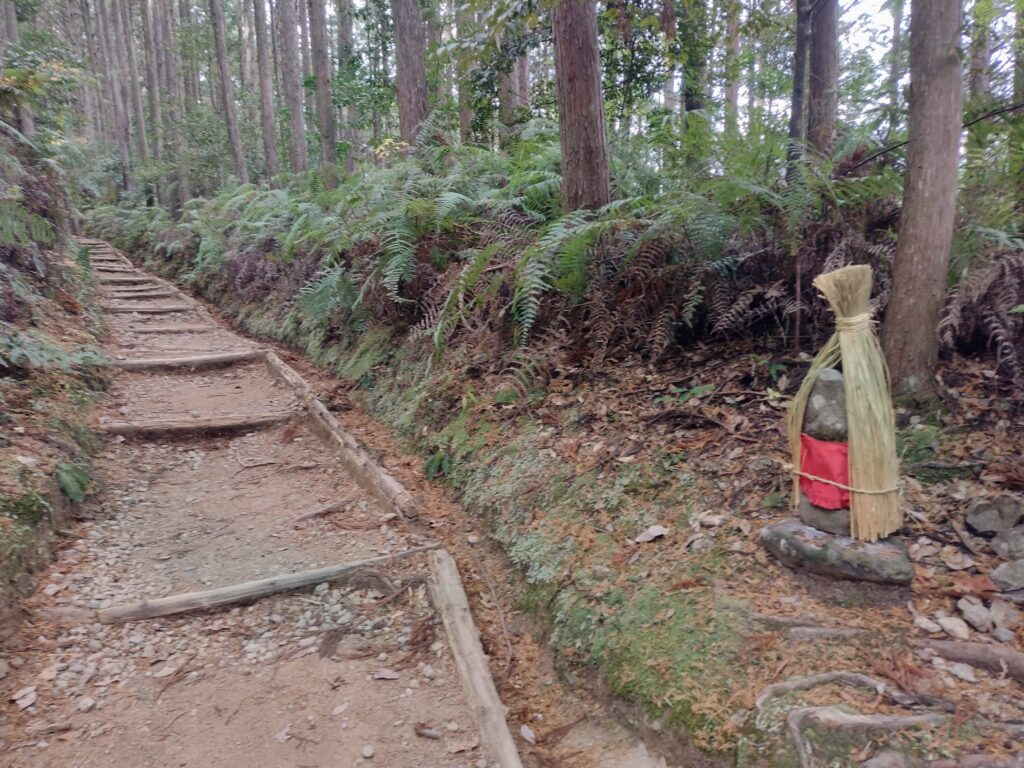
Compared with the other four destinations in this article, Shirahama has a more developed resort infrastructure, with a wide range of accommodation and restaurants. This makes it a relatively comfortable choice for travelers who are new to spending an extended period in a regional part of Japan.
Shirahama also has its own airport, with direct flights from Haneda Airport in Tokyo taking approximately one hour.
Even so, a longer stay does not mean you need to visit a different attraction every day. Walking along the coast, enjoying the hot springs, and trying dishes made with local ingredients may be the simplest and most rewarding ways to experience Shirahama.
Shirahama is ideal for travelers who:
- Want to enjoy Japanese hot spring culture as part of their daily routine.
- Love seaside vacations.
- Prioritize wellness, relaxation, and time to recharge.
- Want to combine walks along the Kumano Kodo with a relaxing resort stay.
In Shirahama, you can shift the purpose of your trip from seeing as many places as possible to simply giving yourself time to relax.
4. Kushimoto: Experience the Pacific Coast and Life in Japan’s Southernmost Town

Located at the southernmost point of Japan’s main island, Honshu, Kushimoto has a distinctive natural environment and a strong connection to the sea.
Influenced by the warm Kuroshio Current, the area is known for its relatively mild climate. Its coastline features remarkable natural formations, including Hashigui-iwa Rocks and Cape Shionomisaki. Cape Shionomisaki is particularly well known as the southernmost point of Honshu, offering expansive views across the Pacific Ocean.
One of the pleasures of staying in Kushimoto is having the ocean as part of your everyday surroundings.
On a short trip, visitors often stop at places such as Hashigui-iwa and Cape Shionomisaki before moving on to their next destination. But if you stay for several days or a week, you can experience the sea at different times of the day and appreciate how the coastal scenery changes with the weather.
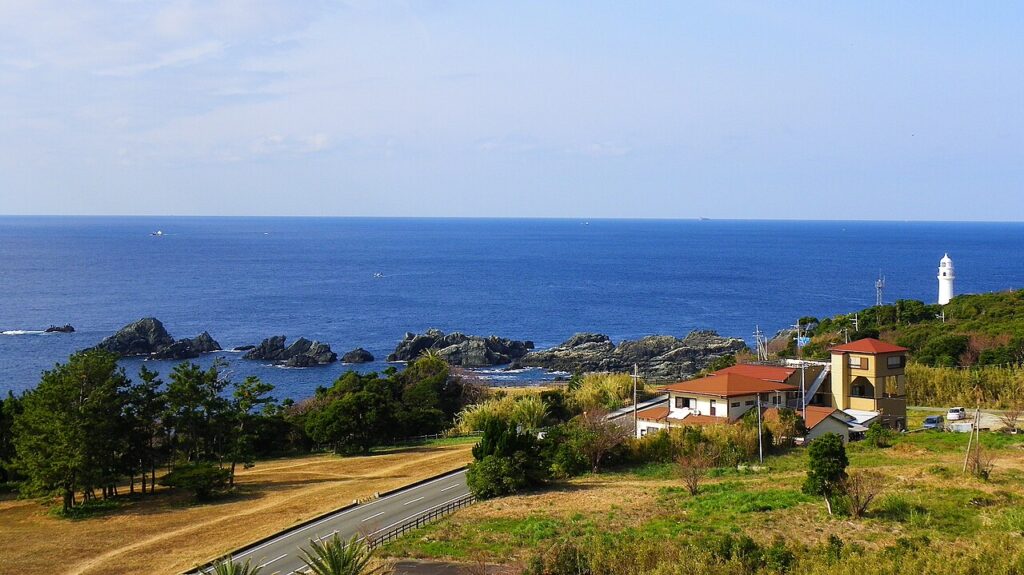
Around Cape Shionomisaki, watching the sunrise or sunset over the Pacific is especially rewarding. When you stay longer, you have the flexibility to choose the best time to visit according to the weather and season. Another appealing feature of Kushimoto is that whale watching is possible from spring through autumn.
Kushimoto also has a food culture closely connected to the sea. Local seafood, including bonito, is an important part of the region’s culinary identity. A little farther north, Nachikatsuura is well known for its tuna landings. Enjoying freshly caught fish close to where it comes from is one way to understand the relationship between local food and everyday life.
From Kushimoto, you can also visit places associated with the spiritual heritage of Kumano, including Kumano Nachi Taisha Grand Shrine and Nachi Falls. The opportunity to experience both the mountains and the ocean makes this part of Wakayama particularly special.
Kushimoto takes some time to reach from Japan’s major cities. Yet that distance can be part of its appeal. It gives you an opportunity to step away from the pace of everyday life and spend more time surrounded by the ocean.
One possible route is to fly from Tokyo to Nanki-Shirahama Airport and continue south toward Kushimoto.
Kushimoto is ideal for travelers who:
- Enjoy ocean scenery and spending time in nature.
- Are interested in Japanese fishing communities and seafood culture.
- Prefer a mild climate for a relaxed extended stay.
- Want to explore the natural and spiritual heritage of the Kumano region.
In Kushimoto, looking at the sea, enjoying local seafood, and walking along the coast become part of everyday life rather than special sightseeing activities.
5. Kudoyama: Experience Rural Life Surrounded by Mountains, Rivers, and Orchards
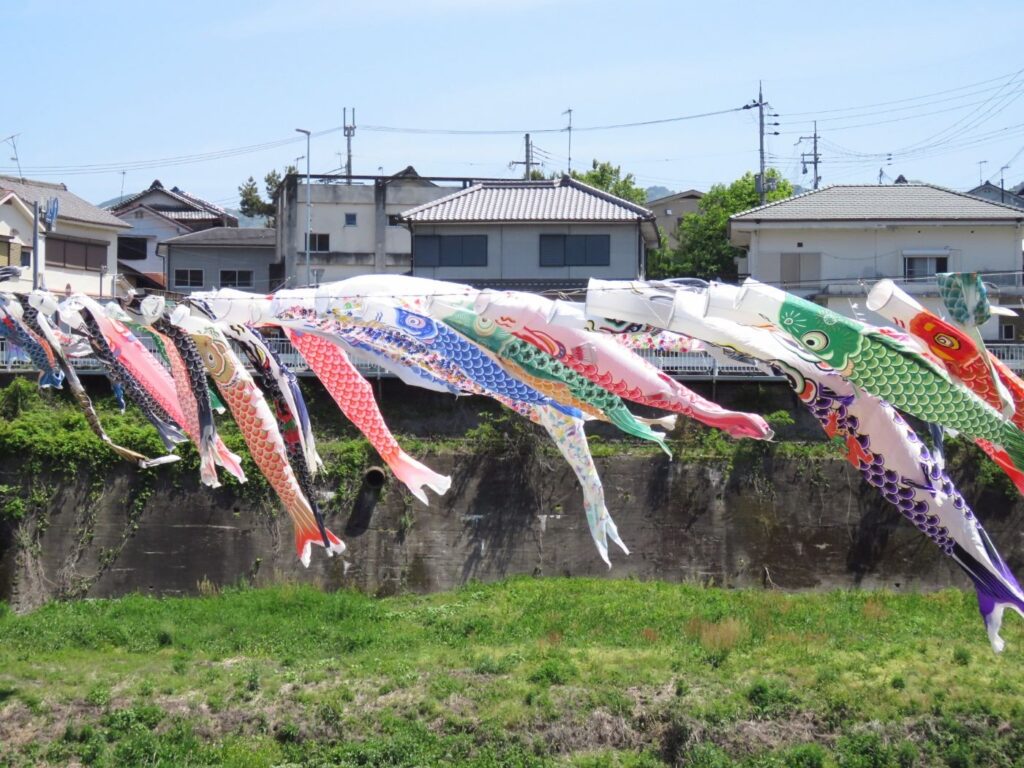
Located at the foot of Mount Koya, Kudoyama is a quiet town surrounded by mountains, rivers, and rural landscapes.
It is widely known as a gateway to Koyasan, but Kudoyama itself is also worth exploring at a slower pace.
The appeal of this area is not limited to its religious history. Along the Kinokawa River, you will find farmland, fruit orchards, and small settlements that offer a glimpse of everyday life in the countryside.
Kudoyama is particularly famous for its persimmons. During the harvest season, local farms and roadside shops offer persimmons and other seasonal fruit. Northern Wakayama is an important fruit-growing region, known for persimmons, peaches, mandarins, and other varieties. Tasting different fruits throughout the year is a simple way to discover how agriculture and seasonal changes shape life in the region.
Kudoyama also has several sites connected with Japanese history, including Sanada-an Temple and Jison-in Temple. Jison-in has a particularly close historical connection with Koyasan and is also known as a temple associated with women’s pilgrimage. It stands near the starting point of the Choishi-michi pilgrimage route leading toward Koyasan, making it an interesting destination for those who enjoy walking and history.
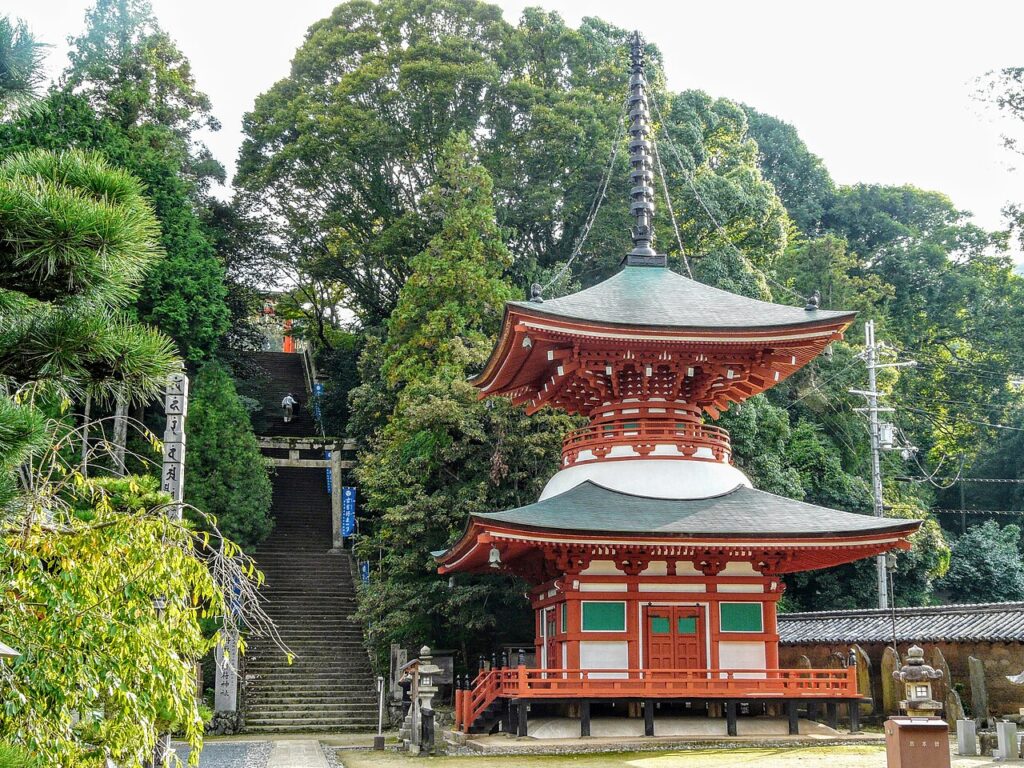
Across the Kinokawa River, the Koyaguchi area also has historic streets and traces of local industries. If you travel a little farther east, you can visit the area around Kokawa-dera Temple in Kinokawa City.
Koyasan can easily be visited on a day trip from Kudoyama. You might spend one day exploring its temples and Okunoin Cemetery, then use another day to walk through the countryside or enjoy seasonal fruit. Koyasan itself has enough historical and cultural sites to fill more than a single day. You can also combine your stay with a walk along part of the historic Choishi-michi pilgrimage route.
Nearby Katsuragi Town is home to Niutsuhime Shrine, another important site for understanding the religious history of the Kii Mountains and its relationship with Koyasan. Although the shrine is not located within Kudoyama, it is well worth including in a wider exploration of the area.
Kudoyama is ideal for travelers who:
- Enjoy rural landscapes and traditional countryside settings.
- Are interested in seasonal fruit and local food culture.
- Want to experience mountain communities beyond the famous destinations of Koyasan and Kumano.
- Enjoy hiking and historic pilgrimage routes.
- Prefer a quiet environment where they can spend time at their own pace.
In Kudoyama, you can admire the mountains, walk near the river, and enjoy seasonal fruit. These small experiences gradually become the memories that define your stay.
Where Should You Stay? Five Places, Five Different Rhythms of Life
Although all five destinations are located in Wakayama Prefecture, each has its own character and rhythm.
| Destination | The Experience | What You Can Enjoy |
|---|---|---|
| Wakaura | Everyday life in a historic coastal town | Coastal walks, shrines, temples, cafés, fishing village scenery |
| Yuasa | Food culture and traditional townscapes | Soy sauce, fermentation culture, historic streets, sea kayaking |
| Shirahama | A seaside hot spring resort | Hot springs, beaches, coastal walks, excursions to the Kumano Kodo |
| Kushimoto | The Pacific Ocean and coastal life | Dramatic coastal scenery, seafood culture, nature, Kumano heritage |
| Kudoyama | Rural life surrounded by mountains and rivers | Seasonal fruit, countryside walks, Koyasan, pilgrimage trails |
The best place for you depends on what you want from your stay.
If you enjoy coastal cafés and exploring historic neighborhoods, consider Wakaura. If you want to learn more about Japanese food culture, Yuasa is an excellent choice. For hot springs and relaxation, Shirahama is a natural fit. If you are interested in the ocean, nature, and fishing culture, consider Kushimoto. And if you prefer mountains, rural life, seasonal fruit, and hiking, Kudoyama may be the place for you.
You do not necessarily have to choose just one destination, either. You could stay around Wakayama City and explore Wakaura and Yuasa, or use Shirahama as a base for excursions into the Kumano region.
However, the key to a longer stay is not how many places you can visit. It is how much time you allow yourself to spend in one place.
A Slow Vacation Is About Experiencing the Rhythm of a Place, Not Collecting Sightseeing Spots
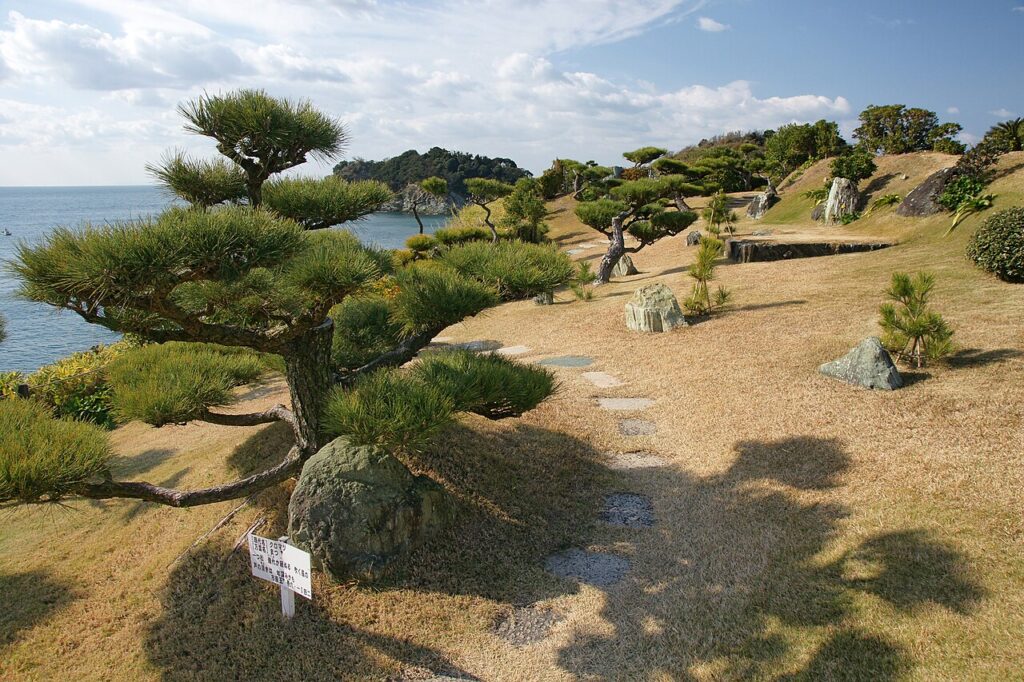
The value of a longer stay cannot be measured by the number of places you visit.
There are many things you might walk past without noticing on your first visit. The same street may look different the second time. After visiting the same shop several times, you might even find yourself having a conversation with the person behind the counter.
Buy seasonal ingredients, enjoy local dishes, and make a morning walk part of your daily routine. These small moments gradually transform a destination from somewhere you simply visit into somewhere you temporarily call home.
Every region of Japan has its own rhythm of life.
In a fishing town, the sea and the rhythms of fishing influence everyday activities. In rural communities, the seasons and harvest cycles shape the landscape and daily routines. In historic towns, traditional buildings, shrines, temples, and shopping streets preserve traces of cultures that have been passed down through generations.
These things do not exist simply for tourists. They are still part of the everyday lives of local communities.
That is precisely why spending a little more time in a place can be so rewarding.
Rhythm of Life means not filling every moment of your trip with sightseeing stops and transfers. Instead, it means allowing yourself to experience the pace of a place and becoming part of its everyday atmosphere, even if only temporarily.
It is not just about taking part in activities or visiting attractions. It is also about appreciating the moments when you do nothing in particular.
If this is the kind of travel you are looking for, Wakayama may offer exactly what you need.
The five destinations introduced here are only a starting point. And even the experiences described in this article represent just a small part of what the region has to offer.
Discover Wakayama at Your Own Pace
When planning a stay in Wakayama, you do not need to decide every detail in advance.
Start by choosing a region that interests you and thinking about how you would like to spend your time there. Are you interested in history and culture? Would you rather explore the mountains and coastline? Or perhaps discover the local food culture? By combining these interests, you can begin to shape a stay that reflects your own way of traveling.
I am a private guide based in Wakayama, helping visitors discover the region through its history, culture, food, nature, and everyday local life.
Rather than simply taking you efficiently from one famous attraction to another, I focus on creating opportunities to understand the background of each place and connect with the culture and communities that make it unique.
If you are planning to spend several days in the region, Curated Kii Peninsula Journey offers private guiding shaped around your interests.
For those who want to stay longer and experience everyday life in Wakayama more deeply, Wakayama Short Living Concierge offers support in discovering how to spend your time and connect with the local area.
These are not travel packages that arrange accommodation or transportation. Instead, they are services designed to support local discovery, meaningful experiences, and a deeper connection with the region.
Rather than rushing around Japan, why not pause for a while and experience the rhythm of a place?
In Wakayama, there are everyday landscapes and local experiences waiting to be discovered, many of which remain unknown even to people elsewhere in Japan.
Related Posts
- Sea, Faith, and Fishing Life in Wakaura
- 10 Days in Wakayama: A Slow Travel Experience Beyond the Golden Route
- Surf, Slow Travel, and Life by the Sea in Wakayama
- Why Wakayama Is One of Japan’s Best Destinations for Slow Travel
- Like Living in Wakayama: A Slow Travel Experience Beyond Japan’s Crowds
Related posts:
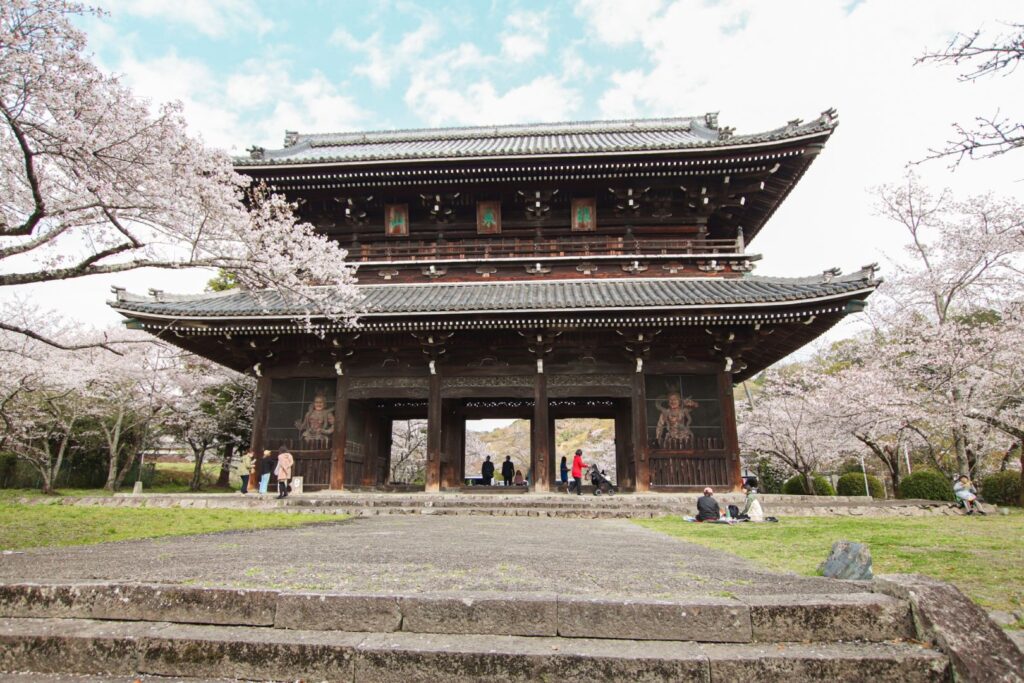
Hidden Sacred Landscapes Near Osaka
7 Fishing Villages in Japan: Where to Experience Local Life by the Sea
Yuasa Soy Sauce: The Birthplace of Japanese Shoyu

Omakase in Wakaura: A Curated Journey Through Local Taste and Landscape
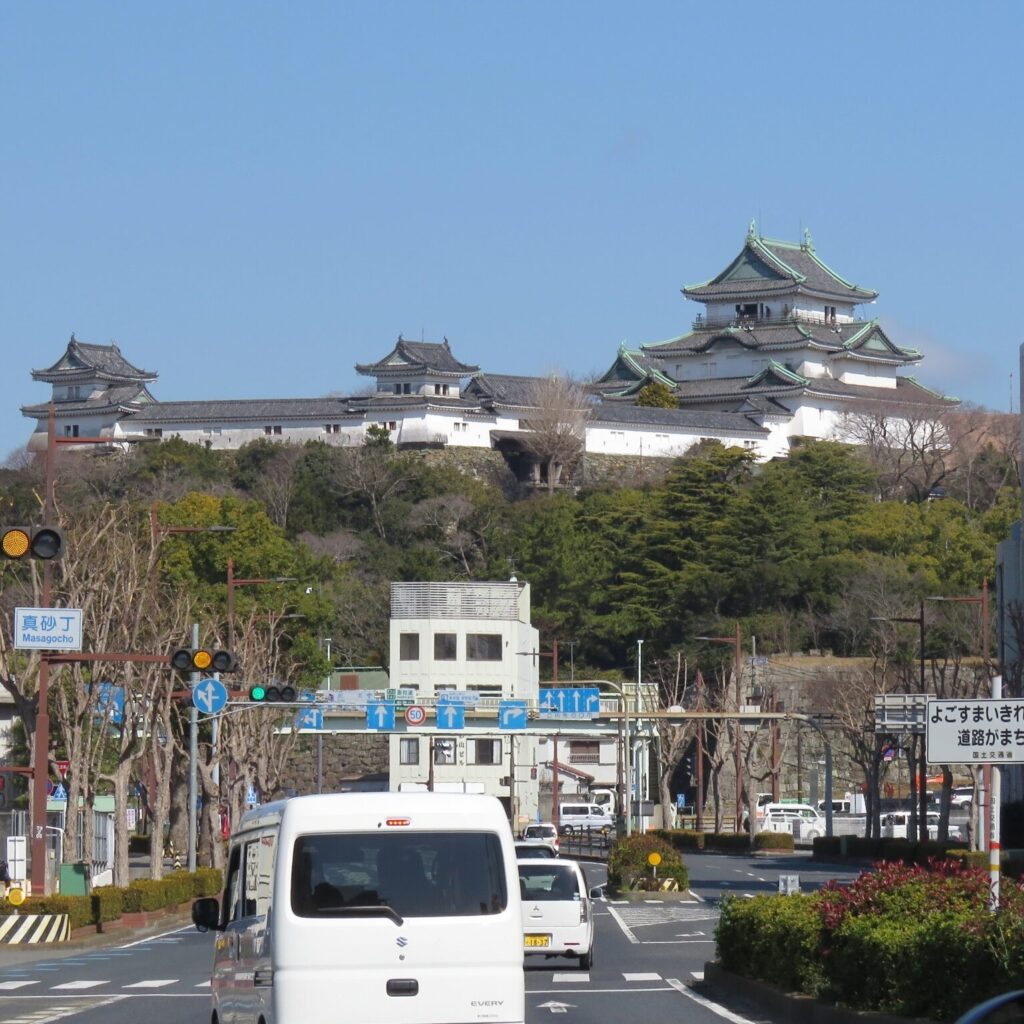
What to Do in Wakayama City: A Samurai Culture Day Around Wakayama Castle
No responses yet