
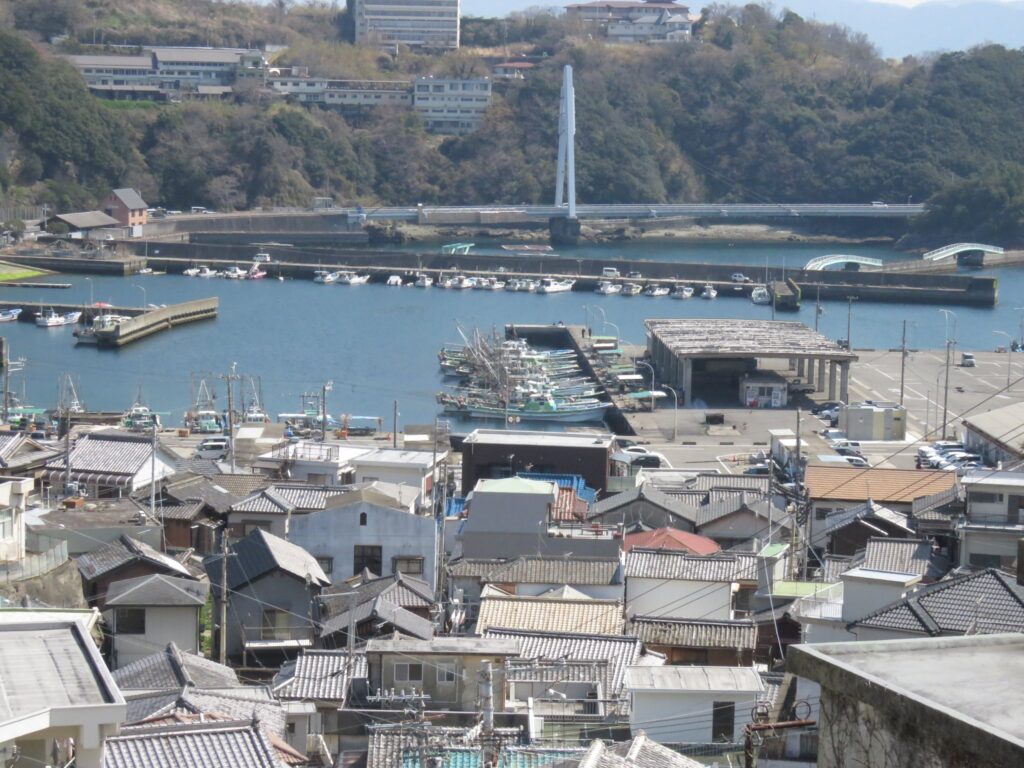
Discover Harbors, Seafood, Traditional Houses, and the Everyday Rhythm of Japan’s Coast
Japan is famous for its cities, temples and mountain villages, but some of the most revealing places to experience everyday life are along the coast.
- fishing boatsmorning
- markets
- local seafood
- old houses
- small harbors
- maritime traditions
- coastal food culture
These are not simply scenic villages. They are places where the sea still shapes food, work, architecture and daily life.
Fishing villages offer a different way to experience Japan.
Instead of simply looking at the ocean, you can see how communities have adapted to it: boats leaving the harbor before sunrise, fish moving from the landing port to local markets, houses built around sheltered bays, narrow lanes climbing hillsides, and meals shaped by whatever the sea provides.
Some villages have become well known among travelers. Others remain relatively quiet.
Here are seven coastal communities in Japan where you can look beyond sightseeing and experience a more intimate side of life by the sea.
What makes it special
| Village | Main reason to visit |
|---|---|
| Saikazaki | Everyday fishing village life close to Osaka |
| Ine | Waterfront funaya and traditional fishing culture |
| Tomonoura | Historic port life and maritime history |
| Yobuko | Fresh seafood and morning market culture |
| Toba | Ama divers and coastal food culture |
| Ogi / Sado | Island maritime history and slow travel |
| Hagi | Fishing culture combined with historic Japan |
1. Saikazaki, Wakayama
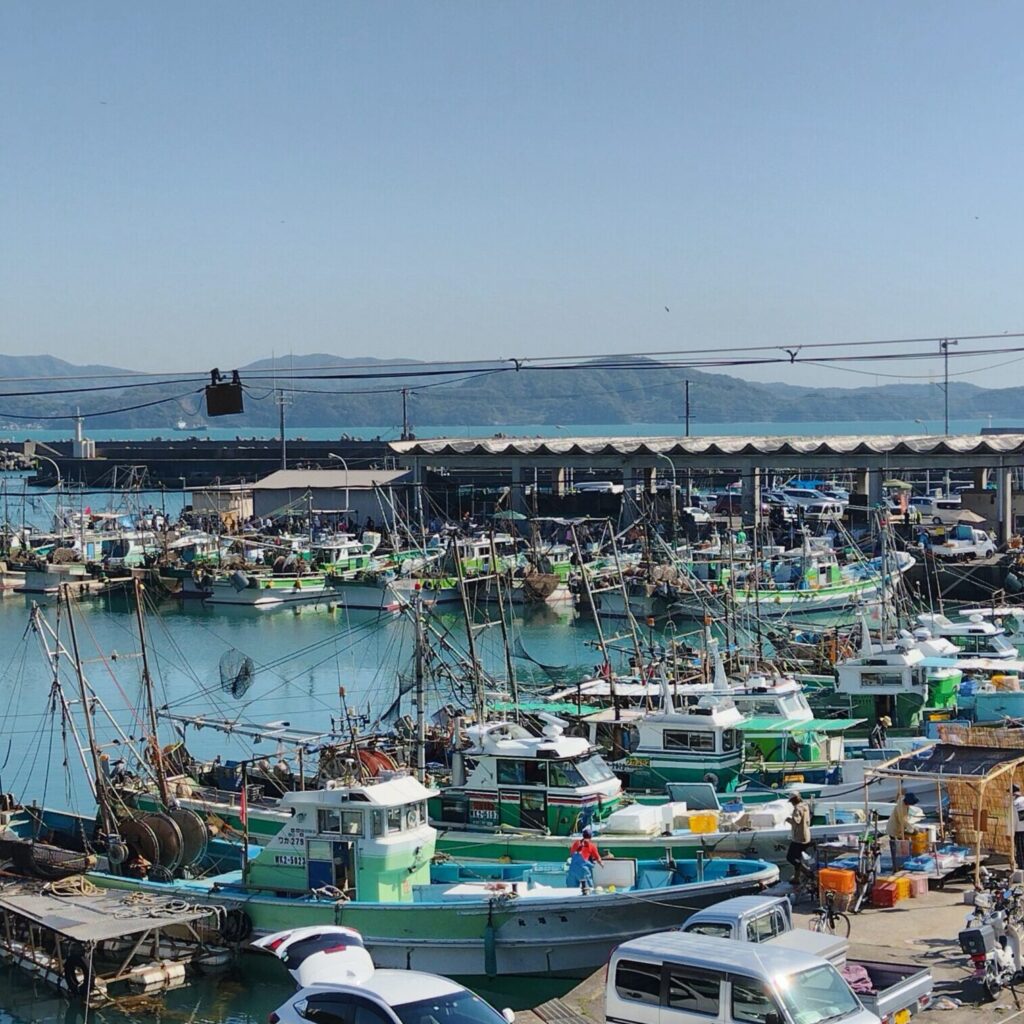
A Fishing Village Built into the Hillside
Just outside Wakayama City, Saikazaki is one of the most distinctive fishing communities on the Kansai coast.
What makes Saikazaki special is not only its scenery, but its accessibility. You can experience a living fishing community without traveling deep into rural Japan. From the Kansai region, it offers an opportunity to see fishing, seafood, hillside houses and everyday coastal life within a relatively easy journey.
The village is built into steep hills overlooking the harbor. Houses are packed closely together, while narrow lanes and stairways wind between them.
Saikazaki is sometimes compared with Mediterranean coastal towns because of its colorful houses and steep hillsides. But the comparison only tells part of the story. What makes Saikazaki interesting is that this is not a resort landscape—it is a working coastal community.
Fishing has shaped Saikazaki for generations. The village is also known for its distinctive fishing traditions, including a history of line fishing and a local culture closely connected with freshly landed seafood. The local landscape even preserves traces of older ways of buying and distributing fish.
Walking through Saikazaki, you can see the relationship between the harbor and the houses much more clearly than from a conventional viewpoint.
Look for the narrow lanes, old washing areas, fishing equipment, boats, and small details of everyday life.
The best approach is to slow down.
Rather than trying to “see” the whole village in an hour, allow time to walk, eat seafood, look out over the harbor, and understand how the settlement developed around the sea.
Best for: Local life, photography, seafood, coastal walks, and travelers looking for a fishing village close to Osaka and Kansai Airport.
Read more
Saikazaki Fishing Village: Discover Wakayama’s Hidden Coastal Gem
2. Ine, Kyoto
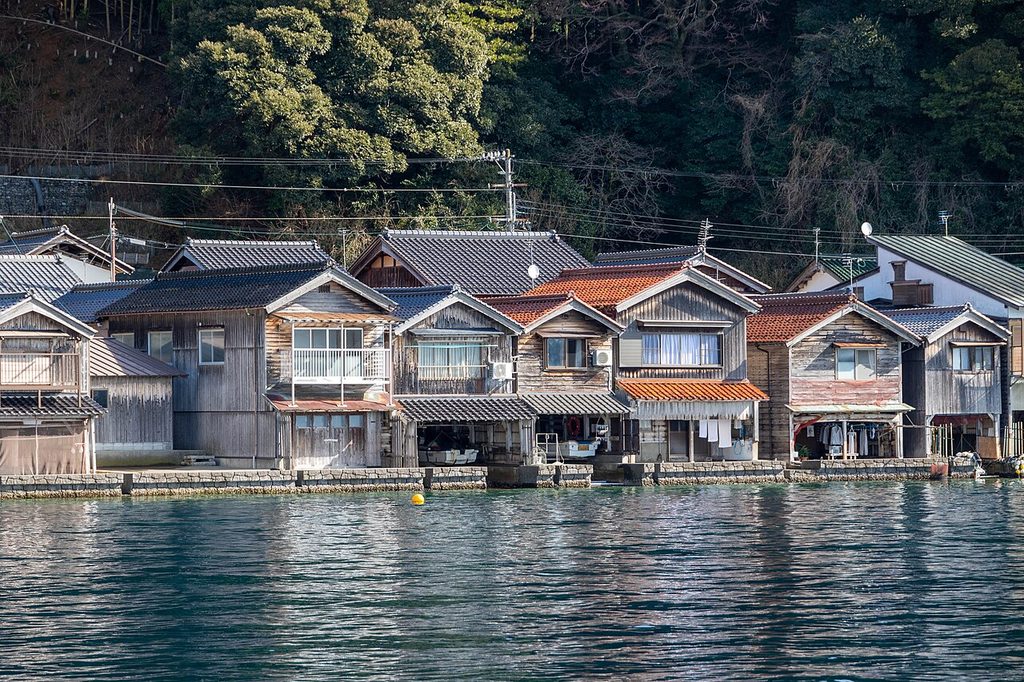
The Famous Village of Waterfront Boathouses
Ine is perhaps the most famous fishing village on this list.
Located on the Tango Peninsula in northern Kyoto Prefecture, the village is known for its funaya—traditional waterfront buildings whose lower levels were historically used to store fishing boats.
More than 200 of these distinctive structures remain along the bay, creating one of Japan’s most recognizable coastal landscapes.
But Ine is more than a photogenic row of buildings.
It is a working community where people still live around the bay.
One of the best ways to understand the village is from the water. Local boat tours and sea taxis allow visitors to see the relationship between the houses, harbor, mountains, and fishing grounds from a different perspective. Some traditional houses have also become guesthouses, allowing visitors to stay overnight.
If you visit, remember that many of the waterfront houses are private homes.
The appeal of Ine lies partly in seeing an ordinary community whose architecture has developed around the sea—not in treating the village as an open-air museum.
Best for: Traditional architecture, slow travel, overnight stays, boat rides, and first-time visitors interested in Japanese fishing villages.
3. Tomonoura, Hiroshima
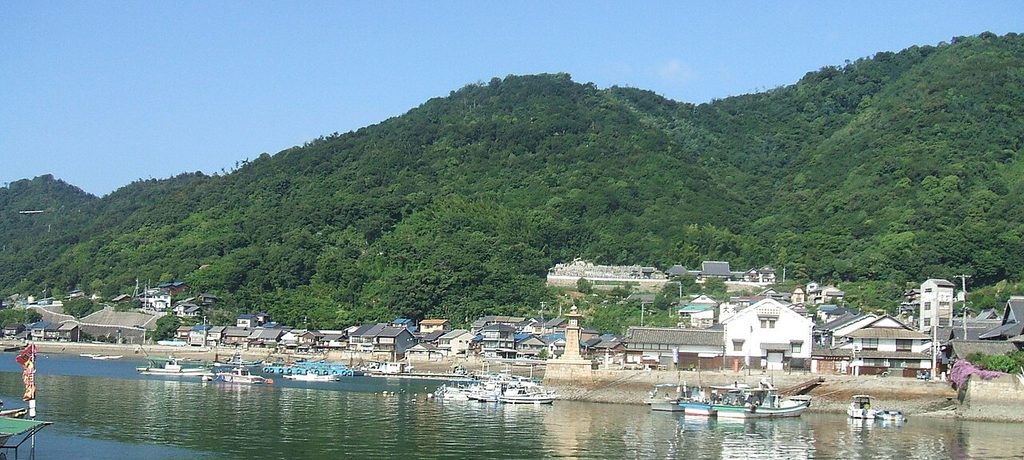
A Historic Port Where the Sea Shaped the Town
Tomonoura in Hiroshima Prefecture offers a different kind of coastal experience.
Rather than being defined by one particular style of fishing house, the town grew around its harbor and its position along important maritime routes.
The result is a coastal town where historic streets, traditional houses, small boats, shops, temples, and the harbor remain closely connected.
Tomonoura is particularly interesting for travelers who want to understand how Japan’s coastal communities functioned historically.
The port was not simply a place where fishermen worked.
It was also a place where travelers arrived, goods moved, ships waited for favorable tides, and local commerce developed.
Spend time walking beyond the main viewpoints.
The smaller streets around the harbor reveal a different atmosphere from the postcard images: old houses, neighborhood shops, small shrines, and the everyday details of a town that still lives around its waterfront.
Best for: History, maritime culture, traditional townscapes, walking, and travelers who enjoy places where history remains part of everyday life.
4. Yobuko, Saga
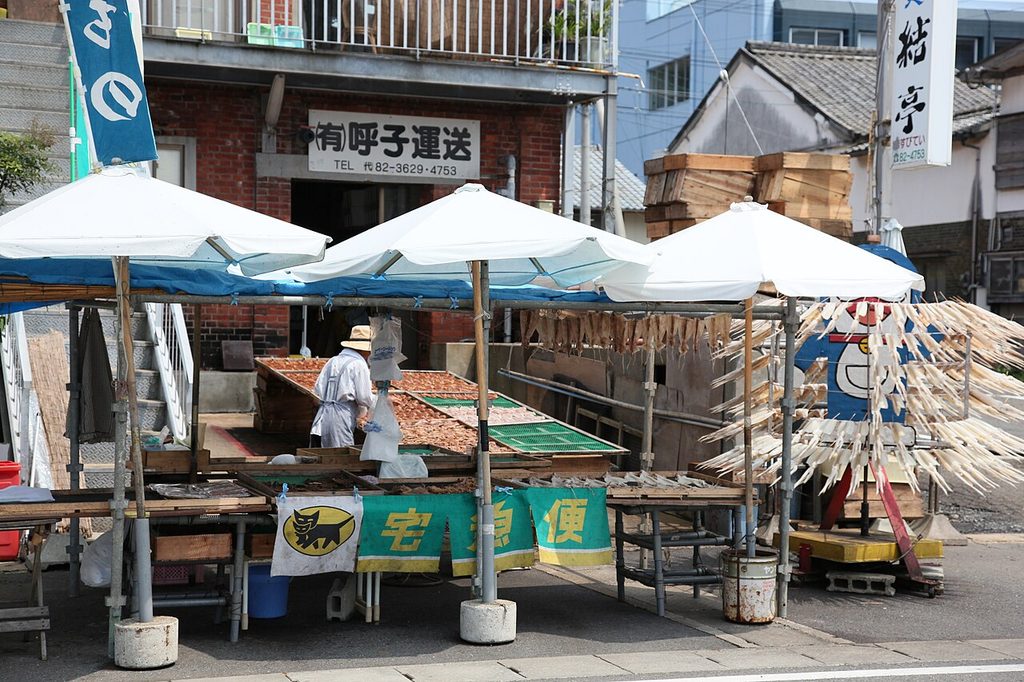
A Port Town Shaped by the Sea and Its Markets
On the northern coast of Kyushu, Yobuko is a small port town particularly associated with its fishing culture and seafood.
The town is famous for its morning market, where local products and seafood are sold along the waterfront.
This makes Yobuko interesting for visitors who want to experience the relationship between fishing and food.
Rather than seeing seafood only as a restaurant dish, you can see the commercial life surrounding it: fishermen, vendors, local products, and the morning rhythm of a port town.
The specialty most closely associated with Yobuko is squid, often served as exceptionally fresh local seafood.
But the larger attraction is the atmosphere of the harbor.
Arriving in the morning gives you a chance to experience the town when its connection with the sea is most visible.
Best for: Seafood, morning markets, food culture, and travelers interested in the connection between fishing and local cuisine.
5. Toba, Mie
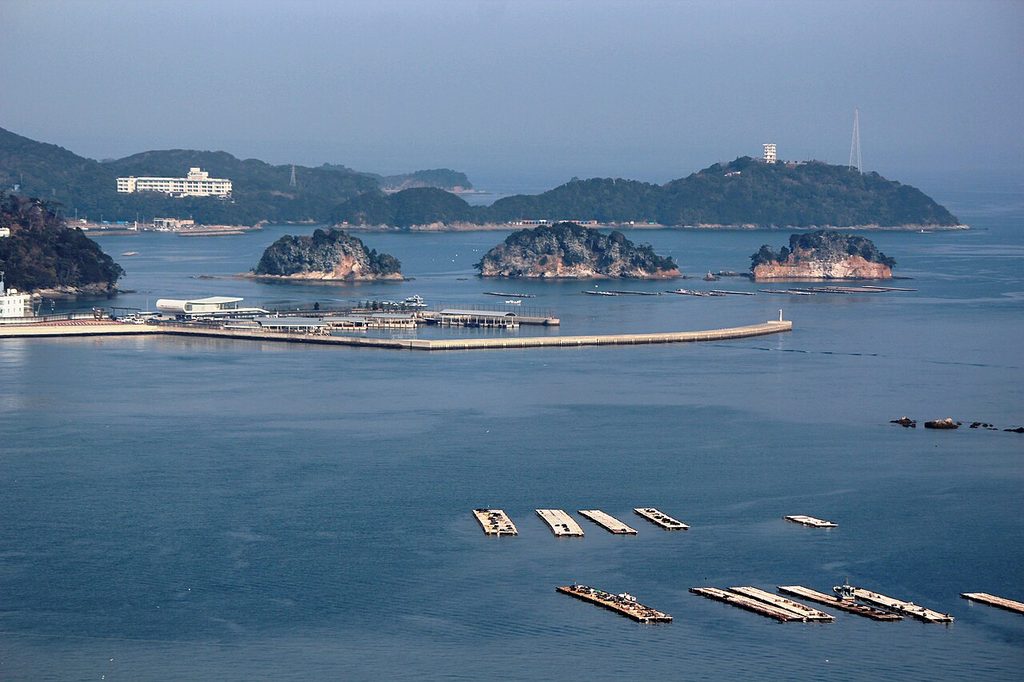
Fishing, Diving, and the Culture of the Ise-Shima Coast
The Ise-Shima region of Mie Prefecture offers another perspective on coastal life.
Around Toba and the surrounding coastline, fishing culture has long been connected with the rich waters of Ise Bay and the Pacific.
The region is particularly associated with ama, traditional female free divers who have harvested seafood such as shellfish and seaweed from the sea.
Here, the sea is not simply a backdrop to tourism.
It is a source of food, work, local traditions, and community identity.
A visit to the region can therefore become a way of understanding how coastal communities have developed sustainable relationships with their marine environment over generations.
Toba is also a useful destination for travelers interested in seeing how traditional coastal culture continues alongside modern tourism.
Best for: Marine culture, seafood, traditional livelihoods, and travelers interested in the human relationship with the sea.
6. Ogi, Sado Island
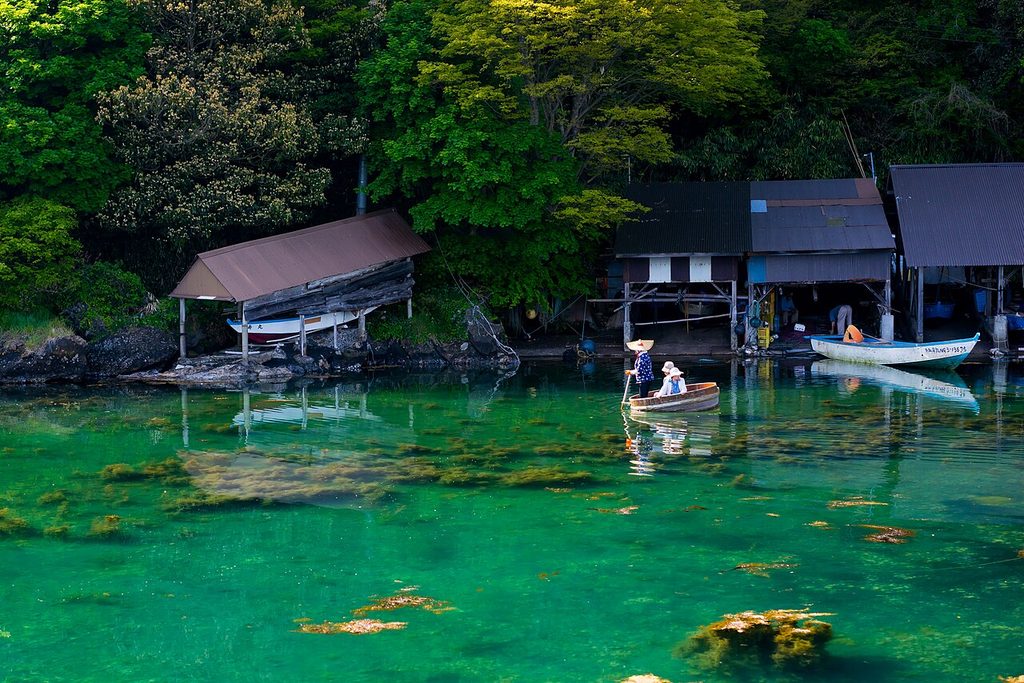
A Remote Port with a Long Maritime History
Sado Island in Niigata Prefecture is one of Japan’s most distinctive island destinations, and Ogi offers a particularly strong connection between maritime history and everyday life.
Ogi developed as an important port on Sado’s southern coast.
The town’s maritime history can still be felt in its harbor, traditional buildings, small streets, and relationship with the surrounding sea.
The island’s famous tarai-bune, or tub boats, are another reminder of how local people developed practical ways to work in the coastal environment.
But Sado is best experienced slowly.
Instead of visiting Ogi as a quick excursion, consider combining the port with nearby villages, coastal landscapes, local food, and an overnight stay.
The distance from Japan’s major urban centers is part of the experience.
You have time to notice how island life differs from life on the mainland.
Best for: Island travel, maritime history, traditional boats, rural landscapes, and slow travelers willing to go farther off the main route.
7. Hagi, Yamaguchi
A Historic Town with a Living Fishing Coast
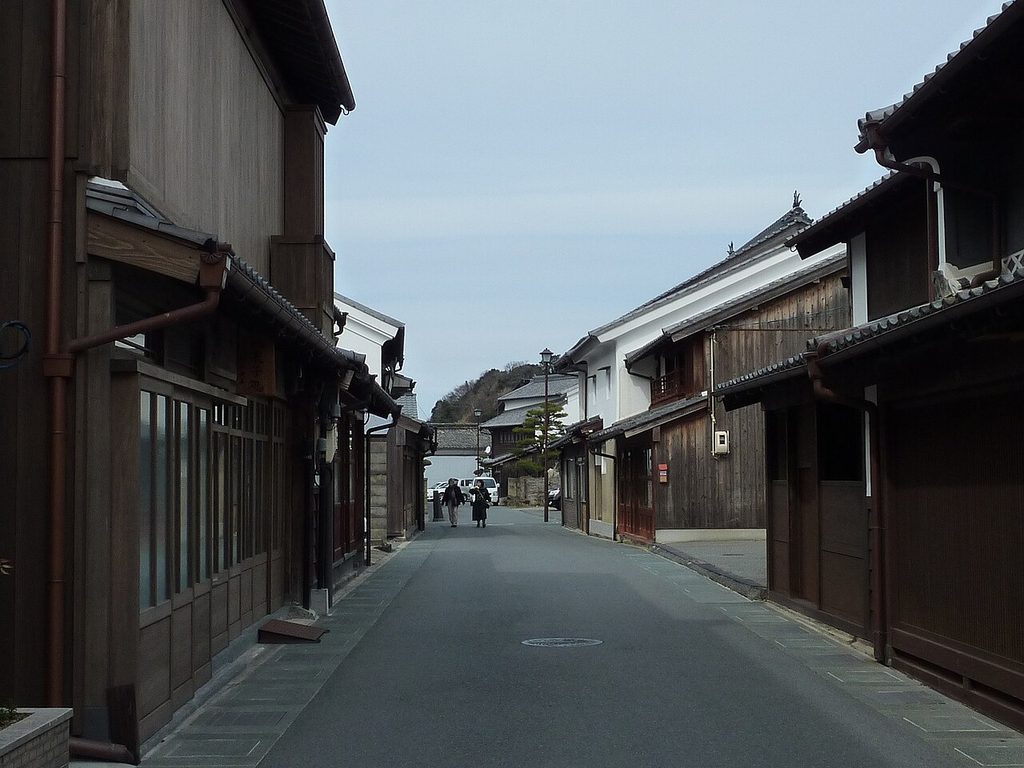
Hagi is better known as a historic castle town than as a fishing village.
That is precisely why it makes an interesting final stop on this list.
Located on the Sea of Japan coast, Hagi developed through a combination of samurai history, maritime activity, agriculture, and fishing.
Beyond the famous historic districts, the wider Hagi area includes coastal communities where fishing remains part of everyday life.
This makes Hagi a useful destination for travelers who want to combine history and coastal culture rather than treating them as separate experiences.
You might spend the morning walking through the old town, then head toward the coast to see another side of the region.
The transition is important.
It shows that historic Japan was not divided neatly into “tourist attractions” and “local life.” Towns developed through the interaction of politics, trade, agriculture, fishing, and the sea.
Best for: History, traditional townscapes, coastal culture, and travelers who want to combine several layers of local life.
What Makes a Japanese Fishing Village Different?
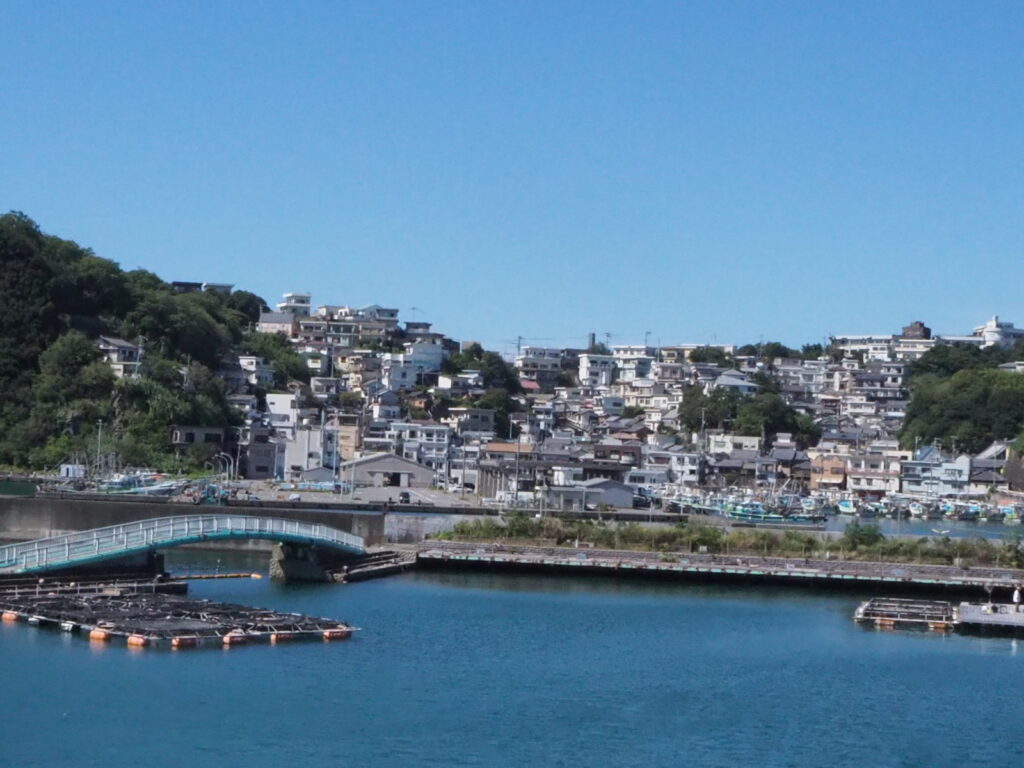
A Japanese fishing village is more than a picturesque harbor lined with fishing boats. It is a place where the sea has traditionally shaped almost every part of daily life—from work and food to architecture, festivals and the rhythm of the seasons.
Not every coastal town in Japan is a fishing village, and the boundary between a fishing village, fishing port and historic coastal town is not always clear. Some communities still depend heavily on fishing, while others have gradually shifted toward tourism or other industries. What they share is a close relationship between the community and the sea.
Fishing and the Harbor
The harbor is often the heart of the village. Fishing boats leave early in the morning, catches are landed locally, and small fish markets, processing facilities and seafood restaurants may be found nearby.
Even when visitors cannot enter working areas, simply walking around the harbor can reveal how different coastal life is from the experience of visiting a major Japanese city or resort.
Seafood as Part of Everyday Life
In a fishing village, seafood is not simply something served to tourists. It is part of the local food culture.
What appears on a restaurant menu may depend on what is being caught in the surrounding waters and what is in season. Fish can be grilled, simmered, dried, fermented or served as sashimi, while smaller local specialties may rarely appear on menus elsewhere in Japan.
This makes fishing villages particularly interesting for travelers who want to understand Japanese food through its connection to place.
Houses Shaped by the Sea
The physical appearance of a fishing village also reflects its relationship with the coast.
Houses may be built close together along narrow lanes because flat land is limited. Storehouses, fishing equipment and boats occupy spaces between homes and the water. In some communities, traditional buildings were designed specifically around fishing and the storage or processing of seafood.
Places such as Ine are famous for this relationship between houses and water, while other villages have more modest streetscapes that still reveal how people adapted to their coastal environment.
Seasonal Rhythms
Life in a fishing village is closely connected to the seasons.
Different fish appear at different times of year, weather conditions influence when boats can go to sea, and local festivals and religious traditions may follow an annual calendar connected to the ocean.
For visitors, this means that the same village can feel quite different depending on when they arrive. A fishing village is not simply a destination to be photographed; it is a living landscape whose character changes with the season.
A Different Kind of Local Japan
Perhaps the most interesting aspect of Japanese fishing villages is that they offer a glimpse of a Japan that exists outside the country’s major tourist routes.
You may see fishermen returning to port, hear the sounds of a working harbor, discover a small seafood restaurant, or walk through residential lanes where everyday life continues largely away from tourism.
That is why fishing villages can be particularly rewarding for travelers interested in local food, maritime culture, traditional architecture and everyday life. The attraction is not one famous monument, but the relationship between the sea and the community that has developed around it.
The seven coastal communities below each offer a different way to experience this relationship—from the working fishing village of Saikazaki near Wakayama City to historic ports, island communities and traditional coastal settlements elsewhere in Japan.
When Should You Visit Japan’s Fishing Villages?
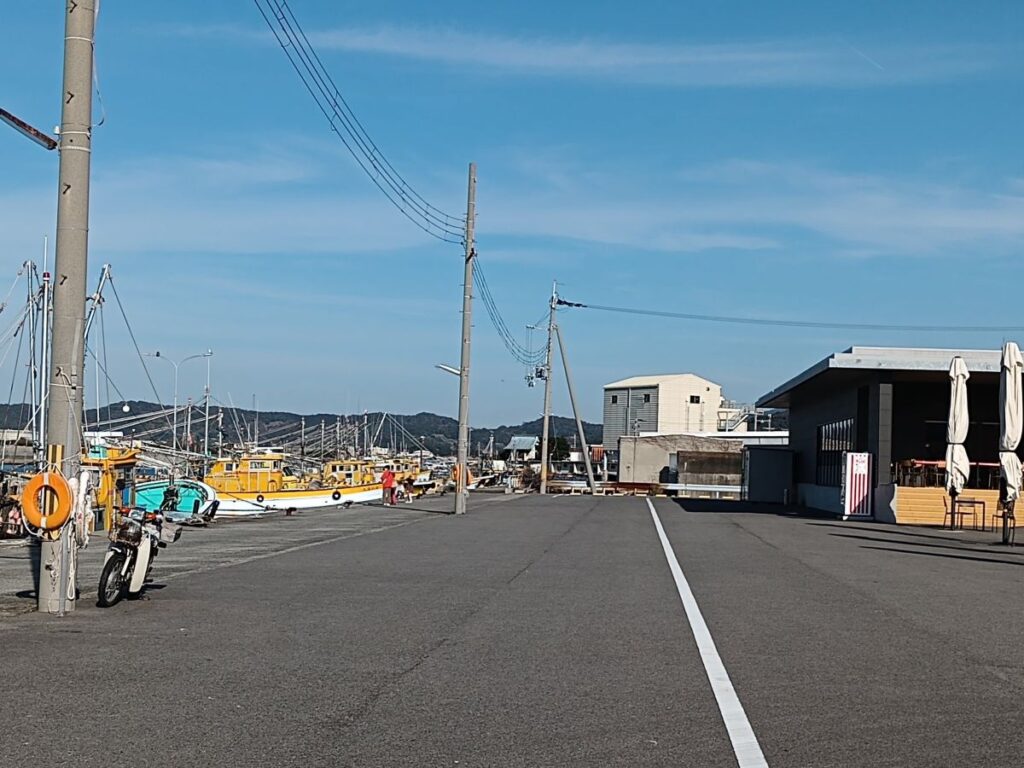
There is no single best season to visit a fishing village in Japan. The experience changes throughout the year, as fishing, seafood, weather and local festivals follow their own seasonal rhythms.
If you are interested in coastal scenery and outdoor activities, summer may be the most appealing time. But travelers interested in food and everyday life may find spring, autumn or winter equally rewarding.
Spring: Fresh Seafood and Coastal Walks
Spring brings warmer weather and a renewed sense of activity to many coastal communities. It is a pleasant season for walking through fishing villages, exploring small harbors and enjoying seafood associated with the spring catch.
The relatively mild temperatures also make spring a good choice for combining a fishing village with hiking, historic towns or other outdoor experiences.
Summer: Boats, Islands and Life by the Sea
Summer is the obvious choice for travelers who want to enjoy Japan’s coast at its liveliest. Longer daylight hours make it easier to explore waterfront villages, take boat trips or combine a fishing village with swimming and other coastal activities.
However, popular destinations can become busy during the summer holidays, and temperatures in many parts of Japan can be very high. Smaller fishing communities can therefore be a particularly interesting alternative to crowded seaside resorts.
Autumn: Seafood and a Quieter Coast
Autumn is one of the most rewarding seasons for travelers who are interested in food.
As temperatures become more comfortable, it is easier to spend time walking around villages and ports, while seasonal seafood becomes an important part of the local dining experience.
Autumn can also offer a quieter atmosphere than the summer season, making it a good time to experience the everyday character of a coastal community rather than simply visiting for a day at the beach.
Winter: Seafood, Tradition and the Rhythm of the Sea
Winter may be the most overlooked season for visiting Japan’s fishing villages.
The coast can be cold and rough, but winter is also an important season for many types of seafood. In northern and central Japan especially, local specialties can make a winter visit particularly memorable.
The quieter atmosphere can also make winter a good time for travelers interested in traditional food, local culture and slow travel. A fishing village in winter can feel very different from the image of a sunny seaside destination—and that is precisely what makes it interesting.
The Best Season Depends on What You Want to Experience
Rather than asking when a fishing village is most beautiful, consider what you want to experience.
For coastal activities: summer
For comfortable walking: spring or autumn
For seasonal seafood: autumn and winter
For a quieter experience: autumn or winter
For festivals and local events: check the individual village’s annual calendar
Ultimately, the appeal of a Japanese fishing village is its connection to the seasons. Fishing, food, weather and community life continue to change throughout the year, giving these coastal places a rhythm that is quite different from visiting a conventional sightseeing destination.
What Can You Learn from a Japanese Fishing Village?
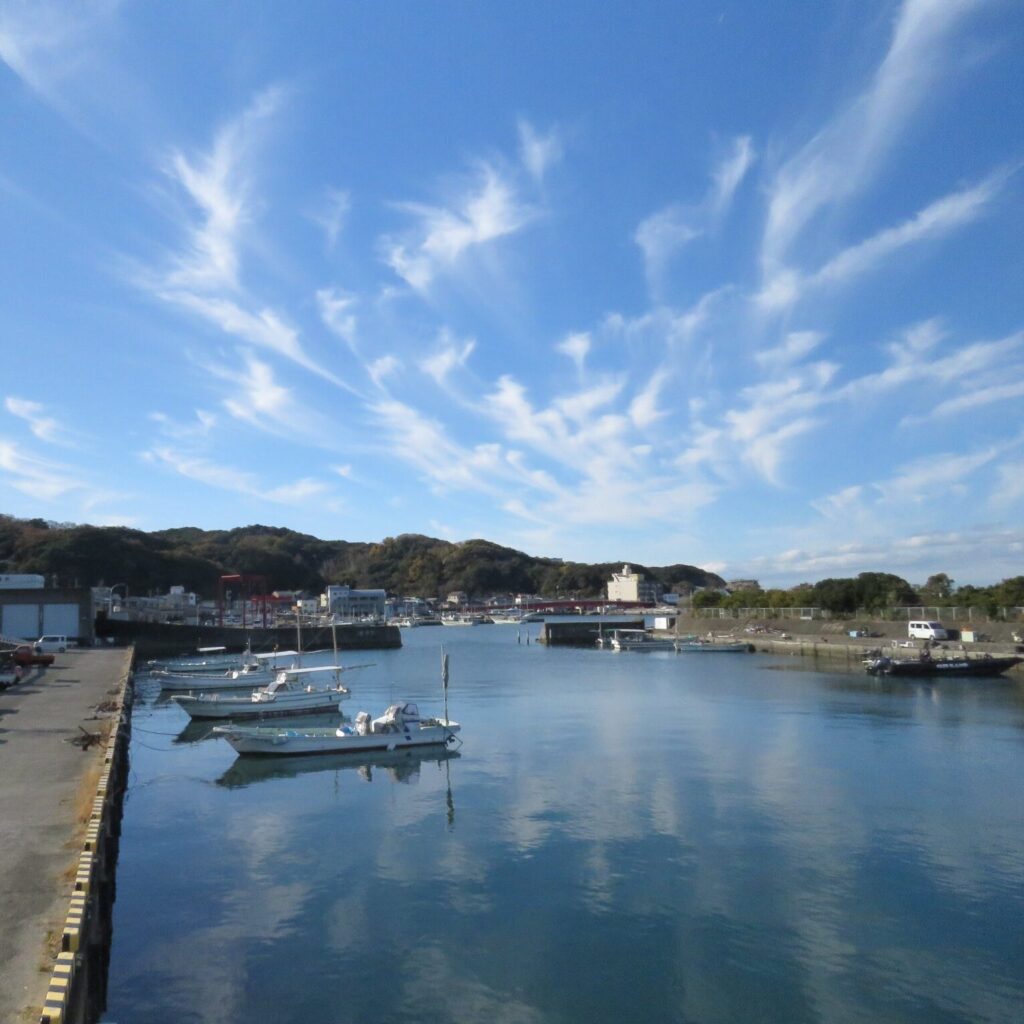
A fishing village is not simply a place to eat fresh seafood.
It can reveal much more about how a community works.
The Sea Shapes the Town
Look at where houses are built, how streets run toward the harbor, and how boats are protected from waves and storms.
The geography often explains the settlement better than a guidebook does.
Food Tells the Story of the Coast
What people eat is closely connected to what can be caught, preserved, transported, and sold locally.
A fishing village can therefore be an excellent entry point into regional food culture.
The Harbor Is a Workplace
Early mornings can reveal an entirely different atmosphere from the middle of the day.
Boats, fishing equipment, markets, processing, and transportation all show how the local economy connects to the sea.
Everyday Life Is Part of the Experience
The most interesting details may not be official attractions.
They can be a narrow staircase, a drying net, a small shrine, a fish seller, an old house, or neighbors talking outside their homes.
This is why slow walking often works better than trying to move quickly between “sights.”
How to Visit a Fishing Village Respectfully
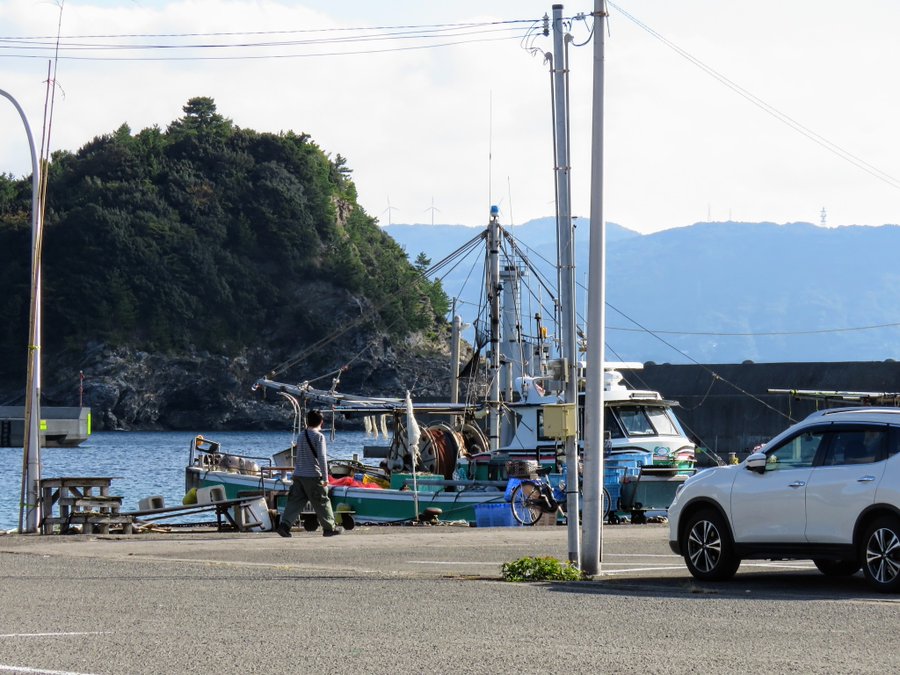
Many Japanese fishing villages are still residential communities.
That means the people you encounter are not performers and their homes are not attractions.
A few simple habits make a big difference:
- Avoid entering private property.
- Keep voices low in residential lanes.
- Ask before photographing people.
- Do not block narrow roads or entrances.
- Follow local rules concerning fishing ports and markets.
- Buy from local shops when possible.
- Leave enough time to experience the village without rushing.
The goal is not to “discover an untouched Japan.”
It is to understand a place where people continue to live and work.
From Famous Villages to Everyday Coastal Japan
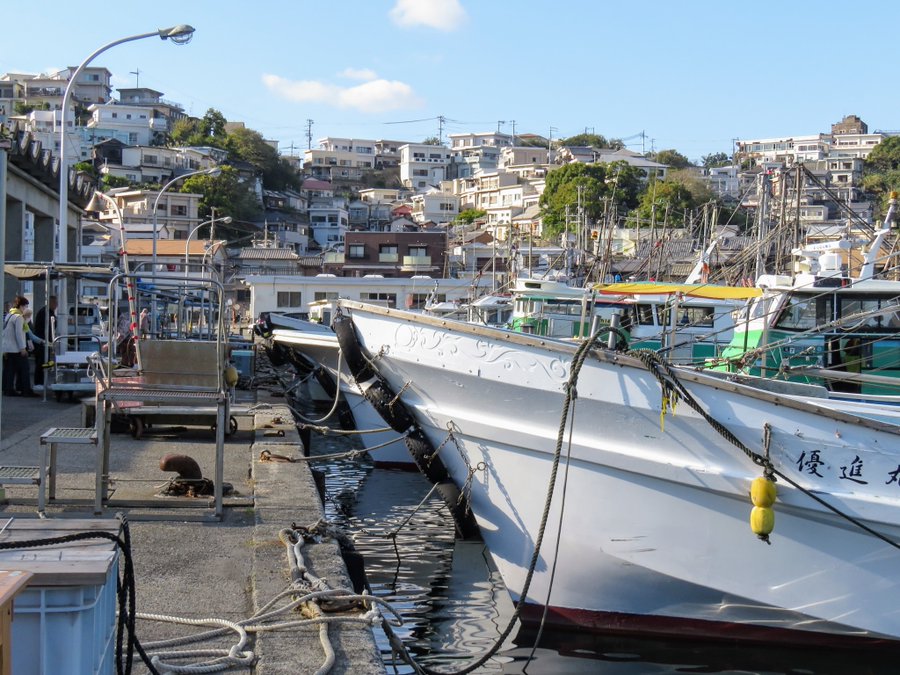
Ine may be the most visually famous destination on this list.
But Saikazaki offers a different kind of experience.
Its value lies not in one spectacular monument, but in the relationship between the harbor, hillside houses, narrow lanes, fishing traditions, seafood, and the people who still live there.
That is what makes fishing villages interesting.
They show Japan not as a collection of attractions, but as a country shaped by land, water, food, work, and community.
And for travelers who want to experience a slower and more personal side of Japan, the coast can be one of the best places to begin.
Explore Coastal Life in Wakayama
If you are traveling through Wakayama, Saikazaki can be experienced as part of a broader journey through the region’s coastal culture—from fishing villages and seafood to Wakaura’s historic landscape and local food traditions.
Rather than simply checking off attractions, a private guide can help connect these places into a story about how people have lived with the sea.
Interested in experiencing Wakayama beyond the usual sightseeing route?
Explore the Curated Kii Peninsula Journey or get in touch to discuss a private journey based around your interests.
Frequently Asked Questions About Fishing Villages in Japan
What is the most famous fishing village in Japan?
Ine in Kyoto Prefecture is probably the best-known fishing village in Japan, famous for its traditional funaya boat houses built directly along Ine Bay. Its distinctive waterfront architecture has made it one of Japan’s most recognizable coastal communities.
However, Ine is not the only place where you can experience fishing culture. Other villages and coastal towns offer different experiences, from fresh seafood and historic ports to working harbors and traditional maritime communities.
What is the best fishing village near Osaka?
Saikazaki in Wakayama City is one of the most interesting options for travelers based in the Kansai region. Located on the coast of Wakayama, it offers a very different atmosphere from Osaka while remaining relatively accessible.
The community is known for its fishing harbor, hillside houses, local seafood and strong connection to the sea. It can be combined with Wakaura and other coastal attractions in Wakayama for a broader experience of local life by the water.
Can tourists visit working fishing villages in Japan?
Yes. Many Japanese fishing villages are residential communities that visitors can explore, but they should be treated as living neighborhoods rather than open-air museums.
Walking along public roads, visiting local restaurants and markets, and enjoying designated viewpoints are generally the best ways to experience them. Working harbors and fishing facilities may have restricted areas, so visitors should respect signs, private property and the work of local fishermen.
What can you do in a Japanese fishing village?
Activities vary from one community to another, but you may be able to explore historic streets, visit a morning market, eat locally caught seafood, take a boat trip, walk along the coast or learn about traditional fishing practices.
Some villages are particularly interesting for architecture and history, while others are better known for seafood or outdoor experiences. The most rewarding visits often combine several of these elements rather than simply taking photographs of the harbor.
Where can I eat fresh seafood in Japan?
Fishing villages and small coastal towns can be excellent places to experience regional seafood because local restaurants and markets are often closely connected to the surrounding fishing industry.
Yobuko is known for its seafood, while Toba has a strong coastal food culture. Saikazaki also offers an opportunity to experience seafood in the context of a working fishing community in Wakayama.
Availability varies by season and weather, so the seafood you find can be different from one visit to another.
Are Japanese fishing villages worth visiting in winter?
Yes. Winter is often overlooked, but it can be an excellent season for travelers interested in seafood and a quieter side of Japan.
Seasonal catches can make winter particularly rewarding for food-focused travelers, while the absence of summer crowds can make it easier to appreciate the atmosphere of smaller coastal communities.
Is Ine the only traditional fishing village in Japan?
No. Ine is one of the most famous, but Japan has hundreds of coastal communities with fishing traditions.
Their appearance and character vary considerably. Some are compact villages surrounding a small harbor, while others have developed into larger fishing ports or historic maritime towns. This variety is one reason to explore beyond Japan’s most famous destinations.
What is the difference between a fishing village and a coastal town?
The distinction is not always clear.
A fishing village generally has a close relationship with fishing and a relatively small community centered around a harbor. A coastal town may have a broader economy, including commerce, tourism, industry or historical trade.
In Japan, some places have evolved from fishing villages into larger port towns while retaining their maritime traditions. For travelers, this overlap can be useful: a historic port town may offer both fishing culture and a wider range of restaurants, architecture and cultural attractions.
What is the best way to experience a Japanese fishing village?
The best approach is to slow down.
Rather than visiting only a famous viewpoint, spend time walking around the harbor, noticing the boats and houses, eating local food, and learning how the community has developed around the sea.
A fishing village becomes much more interesting when you look beyond its scenery and see the connection between work, food, architecture, history and the changing seasons.
Related Posts
- Photography in Wakayama: Hidden Photo Locations in Kansai
- From Fishing Port to Historic Streets: A Coastal Hiking Journey from Arida to Yuasa
- A Coastal Loop Walk in Wakayama
- Best Satoyama Destinations in Japan: 7 Places for Hiking, Cycling & Slow Stays
No responses yet