
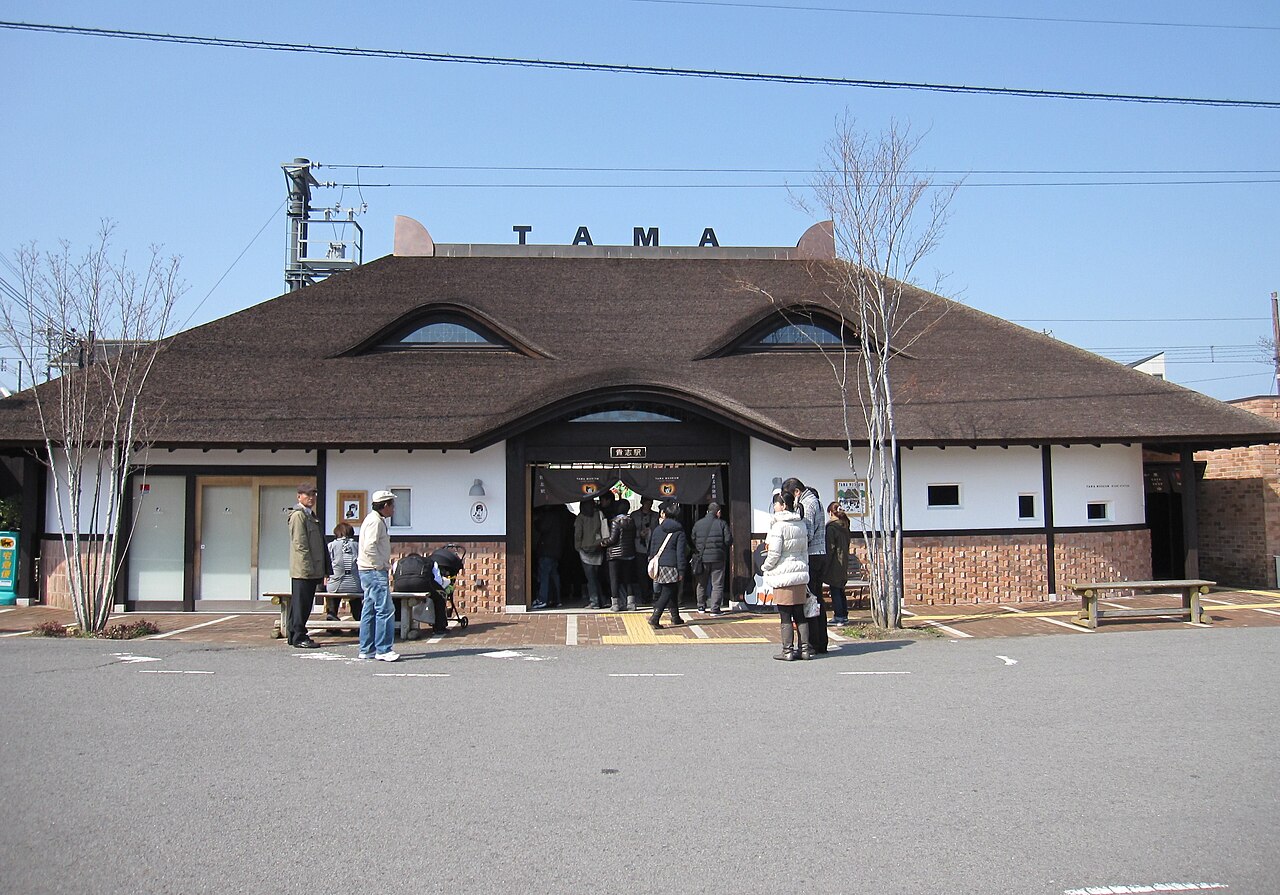
Discover Wakayama’s Charming Train, Ancient Shrines, and Rural Cafés
When people think about rail travel in Japan, they often imagine the Shinkansen speeding between Tokyo, Kyoto, and Osaka. Yet some of Japan’s most memorable railway journeys take place on much smaller local lines.
The Kishigawa Line in Wakayama Prefecture is one of them.
Stretching approximately 14 kilometers between Wakayama Station and Kishi Station, this charming railway combines beautiful countryside, local life, ancient shrines, delicious cafés, and one of Japan’s most heartwarming railway success stories.
A Railway That Nearly Disappeared
By the early 2000s, the Kishigawa Line faced declining ridership and serious financial difficulties. Like many rural railways across Japan, it seemed destined to disappear.
In 2006, however, everything changed.
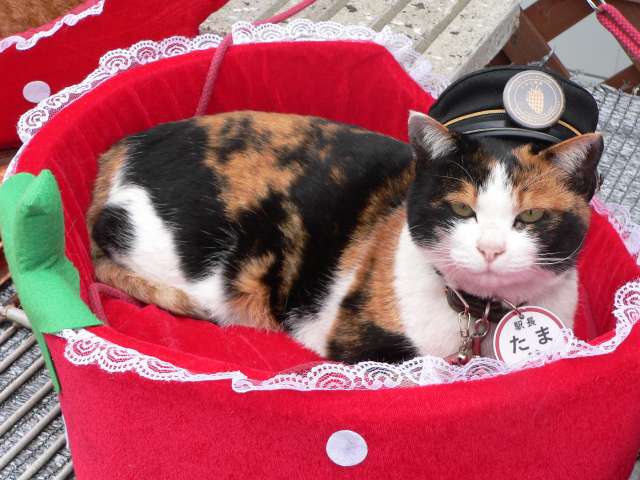
A stray calico cat that had lived around Kishi Station was officially appointed stationmaster. Her name was Tama.
Instead of being a publicity stunt, Tama quickly became a national sensation. Visitors from across Japan—and eventually from around the world—came to meet the friendly feline stationmaster. Passenger numbers increased dramatically, media coverage spread internationally, and the Kishigawa Line became a symbol of successful regional revitalization.
Today, Tama is remembered not only as a beloved cat but also as the railway’s greatest ambassador.
Tama Shrine: Honoring a Legendary Stationmaster
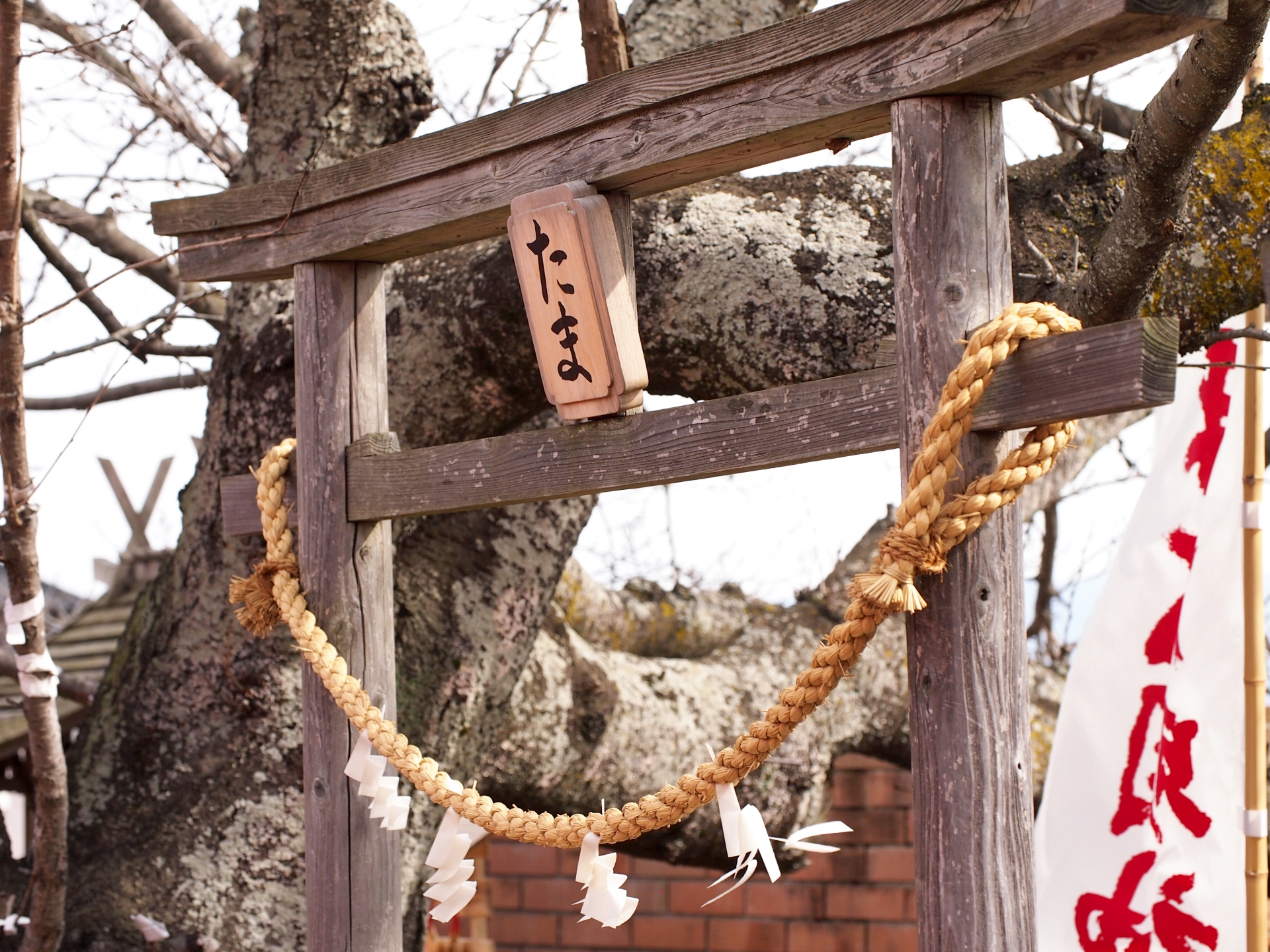
After Tama passed away in 2015, she was enshrined as a deity at Tama Shrine, located beside Kishi Station.
The small shrine reflects Japan’s long tradition of expressing gratitude toward beings that have greatly benefited a community.
Her successor, Nitama, also serves as stationmaster and has likewise been enshrined after her service. Today, visitors can pay their respects at the shrine before meeting the railway’s current feline staff.
The Kishigawa Line continues this unique tradition with several stationmaster cats who welcome passengers:
- Yontama
- Gotama
- Rokutama
Each has its own personality and assigned station, making every visit slightly different.
For many visitors, meeting these cats is just as memorable as riding the train itself.
Five Trains, Five Unique Designs
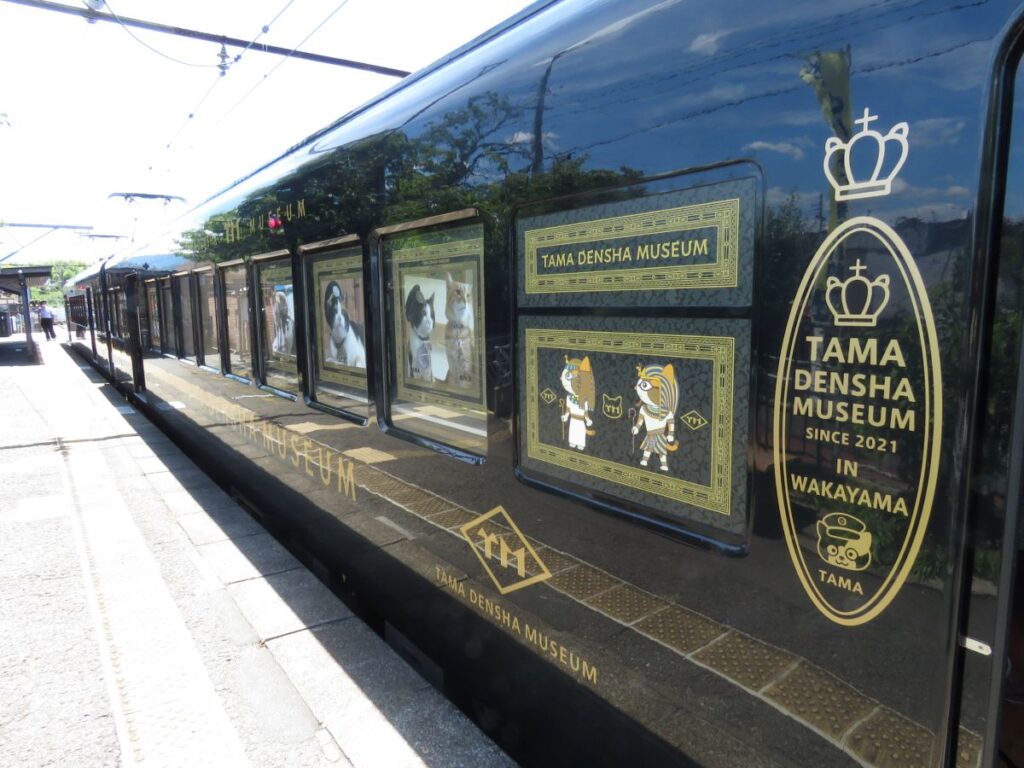
One of the most enjoyable aspects of the Kishigawa Line is its collection of themed trains designed by industrial designer Eiji Mitooka.
Rather than operating identical trains, the railway offers five beautifully designed vehicles, each celebrating a different aspect of Wakayama.
- Tama Densha – celebrating Tama and the railway’s famous cats.
- Tama Densha Museum – featuring books, displays, and playful interiors inspired by Tama.
- Ichigo Densha – decorated with Wakayama’s famous strawberries.
- Omocha Densha (Chaginton Train) – designed especially for families and children.
- Umeboshi Densha – inspired by Wakayama’s world-famous pickled plums.
Even the journey itself becomes part of the sightseeing experience.
Three Ancient Shrines Along the Railway
One of the Kishigawa Line’s hidden treasures is that it connects three of Wakayama City’s most important shrines.
1. Hinokuma Jingu & Kunikakasu Jingu
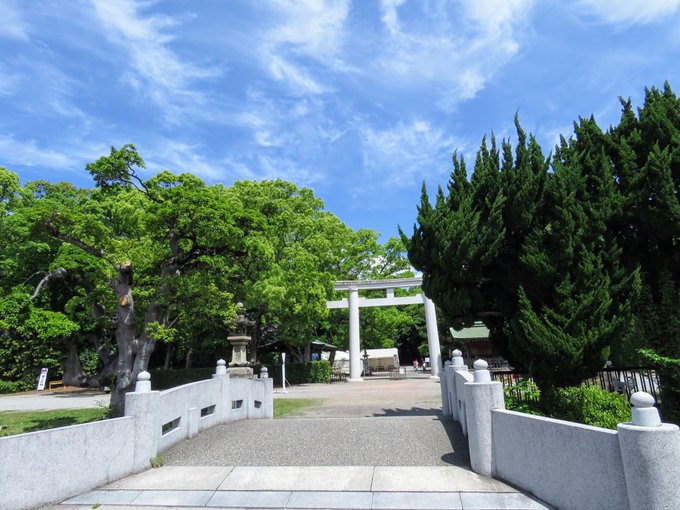
Often called Nichizen-gu, these twin shrines have been revered since ancient times.
Historically, they were considered to possess a divine status comparable to that of Ise Grand Shrine. Closely associated with sacred mirrors connected to Japan’s imperial mythology, they have long ranked among the country’s most important Shinto sanctuaries.
Nearest station: Nichizengu Station
2. Kamayama Shrine
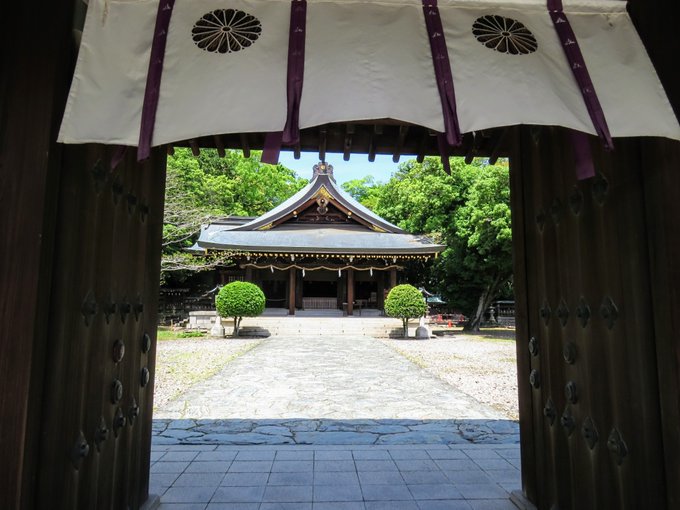
Dedicated to Prince Itsuse no Mikoto, the elder brother of Emperor Jimmu, Kamayama Shrine is traditionally regarded as the location of his burial mound.
According to Japan’s oldest chronicles, the prince was mortally wounded during the eastern expedition that eventually led to the founding of the Japanese nation.
Nearest station: Kamayama Station
3. Itakiso Shrine
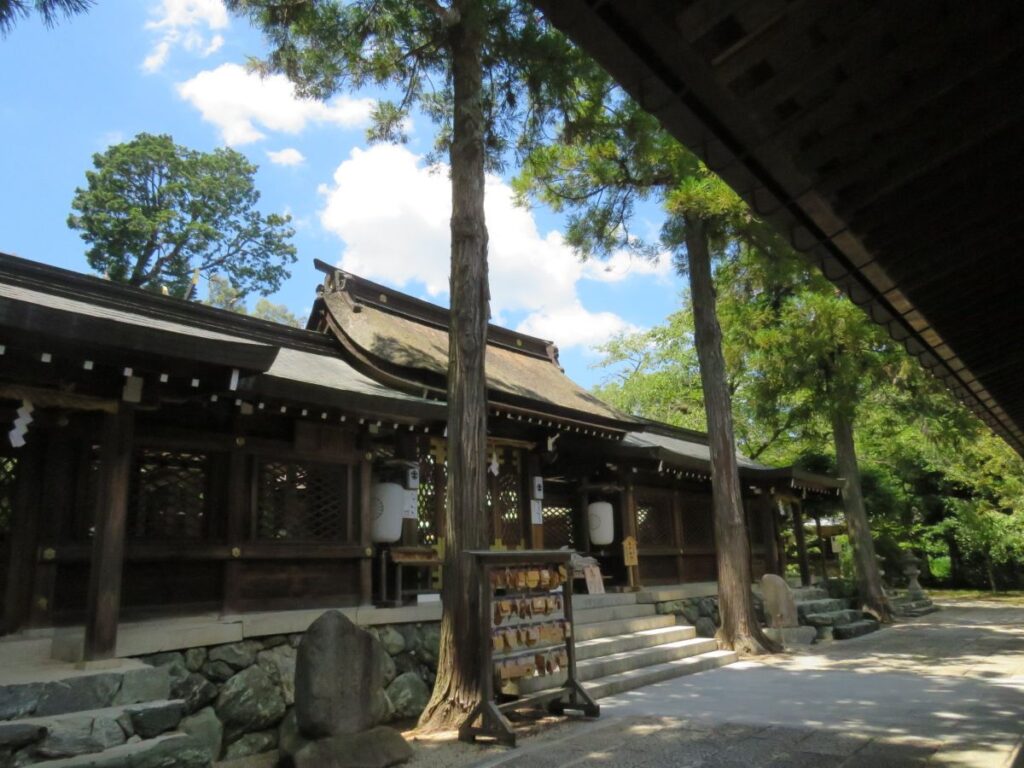
Itakiso Shrine honors Itakeru no Mikoto, the deity who, according to mythology, spread trees throughout Japan.
As the god of forests, timber, carpentry, and nature, he remains deeply respected by builders, woodworkers, and people involved in environmental conservation.
Together, these three shrines allow visitors to explore more than a thousand years of Japanese history and mythology within a single railway journey.
Nearest station: Idakiso
Taste Local Wakayama Along the Line
One of the pleasures of riding the Kishigawa Line is stopping at local cafés and restaurants that are loved by residents.
Popular choices include:
- Tama Café at Kishi Station, where visitors can relax beside the famous cat-themed station building.
- Shimasho, a popular ramen shop known for its traditional Wakayama-style Chinese noodles.
- Nouka Restaurant Happa (8っ8), serving meals prepared with fresh local vegetables and seasonal ingredients.
- Saint Zephyr, a stylish café popular for coffee, desserts, and a relaxing atmosphere. Booking is needed.
These local businesses are part of what makes the Kishigawa Line feel like a journey through everyday Wakayama rather than simply a tourist attraction.
Through Orchards and Rural Landscapes
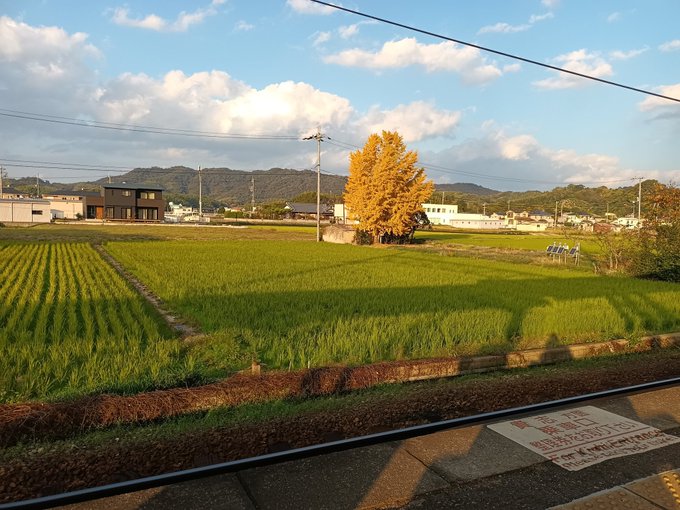
Beyond the stations, the scenery gradually changes from the city to peaceful countryside.
The area around Kishi is known for fruit production, including strawberries, peaches, persimmons, grapes, and kiwi fruit. During spring, visitors can even enjoy strawberry picking nearby.
Watching the landscape pass by from the train window offers a glimpse of Wakayama’s slower rhythm of life.
An Easy One-Day Trip
The Kishigawa Line makes an excellent day trip from Wakayama City.
A suggested itinerary includes:
- Morning visit to Hinokuma & Kunikakasu Jingu
- Explore Kamayama Shrine
- Visit Itakiso Shrine
- Lunch at a local restaurant
- Ride to Kishi Station
- Meet the stationmaster cats
- Visit Tama Shrine
- Relax at Tama Café before returning to Wakayama Station
Because trains run regularly throughout the day, visitors can easily explore at their own pace.
A one-day pass allowing unlimited hop-on, hop-off travel on the Kishigawa Line is a convenient option.
You can purchase it at the following locations:
◎ Wakayama Station: Platform 9 ticket window (Please note that it cannot be purchased from JR ticket machines; please buy it at the Wakayama Bus commuter pass sales office at JR Wakayama Station.)
◎ Idakiiso Station: Ticket window (9:00–17:30)
◎ Kishi Station: Tama Cafe / Tama Shop
◎ Wakayama Bus Commuter Pass Sales Office at JR Wakayama Station (located in the central concourse)
More Than a Railway
The Kishigawa Line is famous because a stray cat saved it from closure.
But after riding it, visitors discover that the cats are only part of the story.
This small railway links ancient mythology, sacred shrines, local cuisine, fruit-growing villages, and everyday community life into one unforgettable journey.
It is a reminder that some of Japan’s most rewarding travel experiences are found not on the fastest trains, but on the quiet local lines where people—and cats—still greet you by name.
Enjoy your relaxed Kishigawa Railway trip with my Curated Kii Peninsula Journey.
Related Posts
- Riding the Kishigawa Line: Discovering Wakayama’s Three Ancient Shrines
- Everyday Wakayama: Discovering a City Through Its Bus Routes
- Living Culture in Wakayama: A Journey Through Poetry, Faith, Art, and Everyday Life
No responses yet